2027 Best AI Courses for Sales Enablement Teams Managing AI Adoption

Co-Founder and Chief Data Scientist
Sales enablement teams often face significant challenges when integrating artificial intelligence tools into existing workflows. Misalignment between technical capabilities and sales strategies can hinder productivity and adoption rates. Without proper training, teams may struggle to leverage AI effectively, reducing potential competitive advantages.
Selecting appropriate educational programs tailored to these needs is critical for success. This article examines the best AI courses designed specifically for sales enablement professionals managing AI adoption, helping readers identify flexible, accredited options that bridge skill gaps and accelerate implementation.
Key Things You Should Know
- Courses in 2026 emphasize practical AI adoption strategies for sales teams, with 72% of programs focusing on integrating AI tools to enhance customer engagement and forecasting accuracy.
- Most curricula include training on ethical AI use and data privacy, reflecting increasing regulatory emphasis and buyer concerns in the sales process.
- Hands-on learning with AI applications like CRM automation and predictive analytics is standard, improving sales performance by up to 25% according to recent studies.
Advance Your Career with AI Online Courses
Artificial Intelligence: Implications for Business Strategy
This program provides an introduction to Artificial Intelligence and their implications for business strategy. Earn an official digital certificate.

Oxford Artificial Intelligence Programme
Explore this Oxford Artificial Intelligence programme offered in a flexible learning environment and explore topics like machine learning, automation, and robotics.

Implementing Agentic AI: Building Your Organizational Playbook
This online MIT Agentic AI course offers a practical approach to deploying AI agents in your organization, including a custom playbook. 3 weeks, exclusive launch price.

AI Adoption: Driving Business Value and Impact
This online MIT AI Adoption: Driving Business Value and Impact offers practical frameworks to close the gap between AI potential and business reality.

Artificial Intelligence in Pharma and Biotech
Discover the applications and limitations of artificial intelligence in pharma and biotech with this MIT online short course.

What is sales enablement-focused AI training, and how do these courses support AI adoption?
Sales enablement AI training programs equip sales teams with practical skills to integrate artificial intelligence tools into their workflows. These courses often focus on AI-driven lead scoring, personalized customer engagement, sales forecasting, and data analytics automation. Training includes using AI platforms with CRM systems, interpreting AI-generated insights, and adjusting communication strategies based on AI recommendations.
Such programs also address common barriers to ai adoption strategies for sales teams, such as resistance to new technology and limited data literacy. By engaging with real-world scenarios, sales representatives build trust in AI-powered suggestions. Managers develop skills to oversee AI tools and align them with sales objectives, fostering a culture open to technological change.
Organizations see measurable results: McKinsey & Company reports companies incorporating AI achieve up to a 10-20% increase in sales ROI, driven largely by AI-enabled personalization. Prospective learners should look for courses that offer hands-on experience with leading AI sales tools and cover ethical AI use, bias handling, multi-channel communication, evolving AI regulations, and data privacy.
For professionals interested in deepening their expertise, pursuing an AI degree provides a strong foundation for advancing AI skills within sales and beyond.
Advance Your Career with AI Online Courses
Artificial Intelligence: Implications for Business Strategy
This program provides an introduction to Artificial Intelligence and their implications for business strategy. Earn an official digital certificate.
Oxford Artificial Intelligence Programme
Explore this Oxford Artificial Intelligence programme offered in a flexible learning environment and explore topics like machine learning, automation, and robotics.
Implementing Agentic AI: Building Your Organizational Playbook
This online MIT Agentic AI course offers a practical approach to deploying AI agents in your organization, including a custom playbook. 3 weeks, exclusive launch price.
Which AI skills do sales enablement teams need most to manage AI tools effectively?
Sales enablement teams managing AI adoption need to develop key skills to leverage AI tools effectively in their sales workflows. Proficiency in data literacy is crucial, enabling teams to interpret AI-generated insights such as lead scoring, customer segmentation, and predictive analytics to identify sales opportunities.
Equally important is competency in AI tool integration, allowing professionals to customize platforms like AI-enhanced CRM systems for automated outreach and sentiment analysis that optimize customer interactions.
Effective management of AI tools in sales enablement also requires a strong understanding of ethical and compliant AI use. Teams must ensure privacy regulations are followed and biases are minimized to protect customer trust and brand image. Communication and training skills are essential for guiding sales staff through AI adoption by translating technical functions into actionable steps and creating supportive materials.
Maintaining awareness of ongoing AI trends keeps teams competitive and informed about emerging capabilities. Gartner's research found sales teams using AI in workflows achieve a 40% productivity boost and 15% higher win rates compared to non-AI teams. Those mastering AI skills for sales enablement teams can replicate these advantages by confidently managing AI solutions.
Professionals considering educational paths to build these capabilities may explore programs offering a cheapest online computer engineering degree as a cost-effective way to enter the AI-driven sales field.
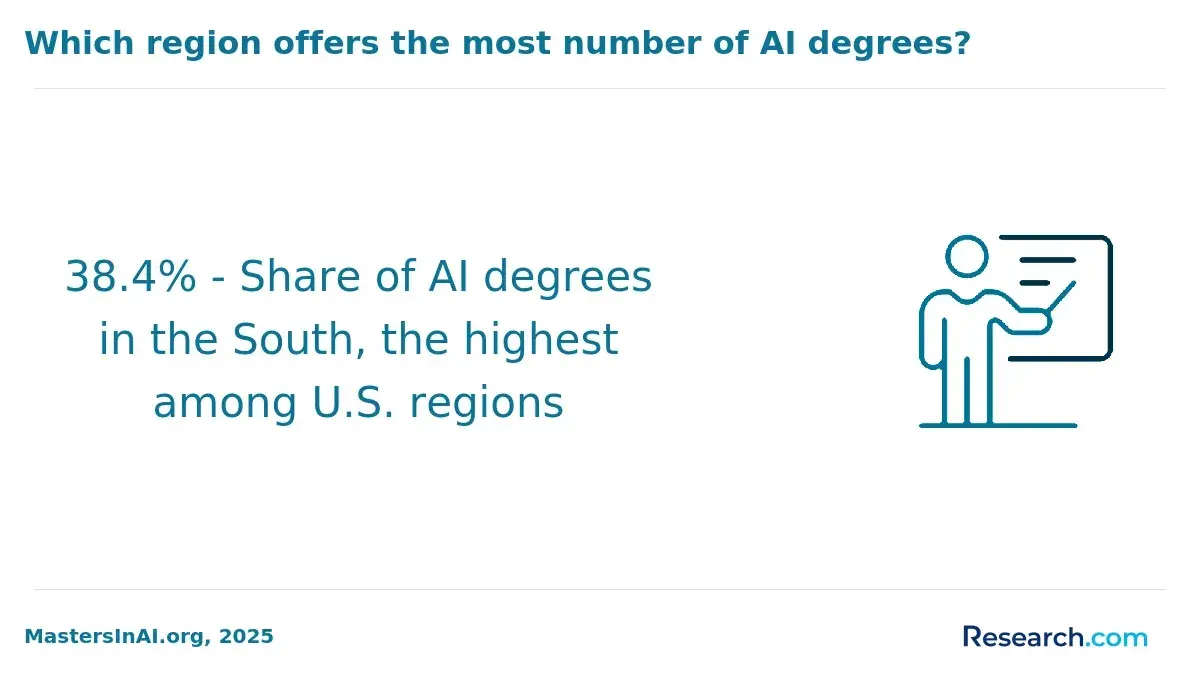
What types of AI courses are best for sales enablement teams at different experience levels?
Sales enablement teams need AI courses tailored to different experience levels to effectively manage AI adoption. Beginner courses focus on foundational knowledge, covering basic AI concepts, terminology, and sales-specific applications such as AI-driven customer insights, chatbots, and automation tools.
These introductory programs help newer sales professionals identify how AI enhances customer engagement and lead qualification, a crucial step in customized artificial intelligence training programs for sales professionals.
For intermediate learners, courses emphasize practical use and optimization of AI tools within sales workflows. Topics include sales forecasting through data analysis, customizing AI-powered CRM systems, and integrating AI into multichannel outreach strategies. Mastering these practical skills helps sales enablement managers improve their team's performance and measure tangible ROI.
Advanced programs are designed for experienced sales leaders and enablement specialists, focusing on AI strategy creation and ethical leadership. These courses address AI-driven decision frameworks, managing change in AI adoption, and advanced predictive analytics, preparing leaders to align AI initiatives with broader organizational goals.
According to Salesforce's State of Sales report, 74% of high-performing sales organizations view AI skills as essential in sales and enablement roles, compared to only 31% of underperformers, highlighting the importance of role-based AI courses for sales teams.
Those interested in deepening their expertise may consider pursuing a PhD in AI online to gain advanced knowledge and contribute to innovative AI applications.
- Beginner courses: AI basics and sales applications
- Intermediate courses: AI tool implementation and data analysis
- Advanced courses: AI strategy and ethical leadership
How do AI courses for sales enablement differ between university programs, bootcamps, and vendor training?
AI courses for sales enablement vary widely across university programs, bootcamps, and vendor training. University programs emphasize foundational knowledge, covering theory, algorithms, and broader AI principles alongside sales technologies. These programs often span semesters, providing rigorous academic frameworks useful for professionals seeking deep mastery or career shifts. However, their pace may not align with the urgent timelines of sales teams adopting artificial intelligence.
Bootcamps focus on practical skills and rapid deployment, aiming to equip sales enablement professionals with actionable AI techniques such as lead scoring, customer insights, and automation tools. These intensive courses usually last weeks, prioritize hands-on projects, and adapt quickly to evolving sales AI software. Bootcamps meet the demand for applied learning but may lack theoretical depth required for long-term strategy development.
Vendor training for sales teams adopting artificial intelligence offers a focused approach, directly tied to specific AI tools used within sales operations. These sessions train teams to maximize platform features through short, modular courses or webinars. While vendor training ensures immediate usability, it rarely covers AI concepts beyond the tool, limiting adaptability to new AI solutions.
Addressing a critical gap, LinkedIn Learning's Workplace Learning Report highlights that 90% of L&D leaders prioritize AI upskilling, but only 23% believe current training adequately covers applied AI for job-specific workflows. For those interested in roles like what is an AI trainer, choosing courses that balance theory, application, and tool-specific knowledge is essential.
What should sales leaders look for in accredited or reputable AI programs in the U.S.?
Sales leaders seeking accredited AI programs in the U.S. should prioritize practical applicability and measurable outcomes. Programs must equip sales teams with skills to integrate AI tools that automate or optimize sales workflows. According to Coursera's 2024 impact survey, 77% of business learners in entry-level AI courses applied their knowledge within six months, highlighting the importance of courses focused on real-world use.
Key features to evaluate include:
- Industry-recognized accreditation or partnerships with established universities and professional bodies.
- Curricula tailored for sales enablement, covering AI-driven CRM, predictive analytics, and customer segmentation technologies.
- Hands-on projects or case studies that enable practice deploying AI in sales, such as lead scoring automation or personalized outreach.
- Strong faculty expertise blending AI and sales disciplines for relevant, in-depth content.
- Support for ongoing learning via mentorship, peer collaboration, or access to AI tools post-completion.
Flexible delivery modes-online, in-person, or hybrid-accommodate diverse team schedules, enhancing accessibility. Transparency in learning outcomes and graduate success metrics is vital; look for evidence of improved sales performance or efficiency reported by alumni to ensure tangible returns on investment. Additionally, programs offering ethical AI training help address data privacy and bias, preparing teams to adopt AI responsibly within regulatory frameworks.
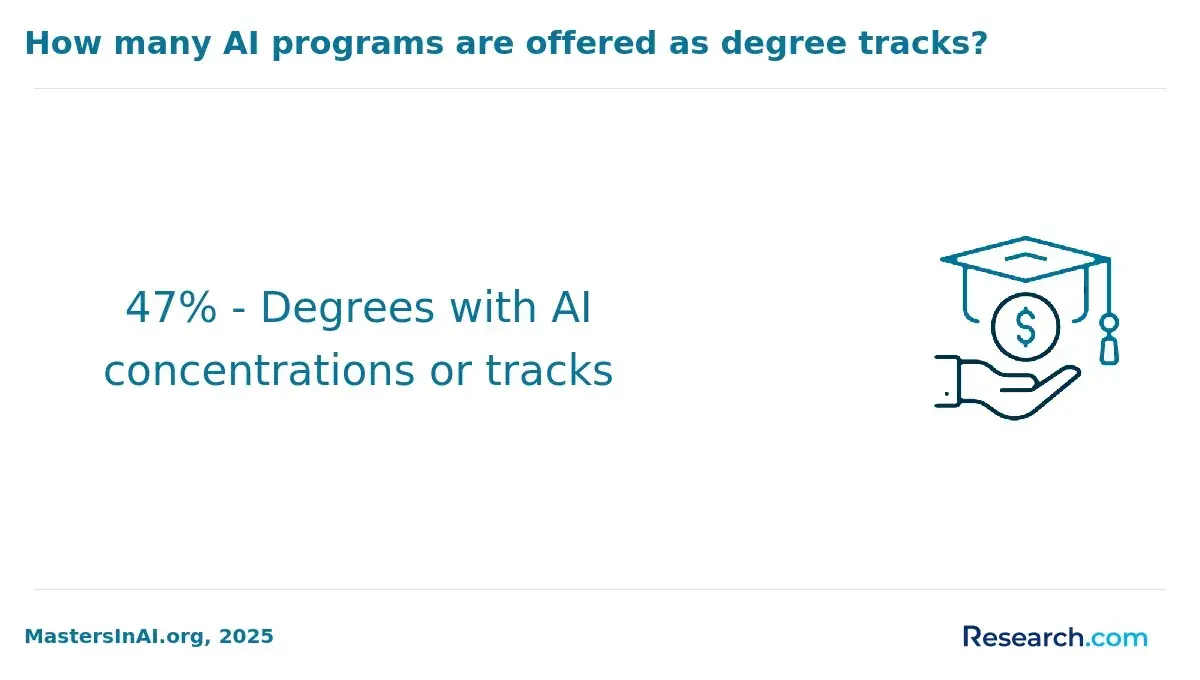
What core topics and hands-on projects are typically covered in AI courses for sales enablement?
AI courses designed for sales enablement teams combine technical knowledge with practical sales applications. They start with foundational AI topics like machine learning, natural language processing, and data analytics. Trainees learn how AI algorithms analyze customer behavior, segment markets, and forecast sales trends while emphasizing ethical considerations and data privacy in handling customer information.
Hands-on projects typically include building predictive lead scoring models, developing chatbots for customer interactions, and crafting AI-driven personalized sales content. Practical exercises often revolve around CRM-integrated AI tools to automate repetitive tasks and enhance pipeline management. These activities enhance data interpretation skills and decision-making based on AI insights.
Additional training focuses on AI-driven sales funnel optimization and customer journey mapping, enabling teams to identify drop-off points and customize engagement strategies. AI-powered voice and sentiment analysis tools improve communication and negotiation tactics. Some courses also cover competitive intelligence gathering using AI to track market trends and competitor behavior.
According to PwC's 2024 Global AI Jobs Study, sales professionals with advanced AI skills earn on average 27% more than their peers. Embracing these competencies prepares workers for automation-driven workflows and strategic selling empowered by AI-generated insights.
Core modules emphasize AI fundamentals, tool proficiency, ethical practices, and strategic application, supplemented by significant practical projects tailored for sales teams.
How long do these AI programs usually take, and what tuition and fees should teams expect?
AI programs for sales enablement teams typically range from brief workshops lasting a few hours to extensive certifications over several weeks. Many targeted courses focus on CRM, enablement platforms, and workflow automation, designed specifically for busy professionals. These programs usually span 4 to 12 weeks, allowing teams to develop practical skills without major disruption to work schedules.
Tuition fees vary based on course depth, provider, and format. Free introductory workshops and webinars are common, while more structured certificate programs from universities or professional organizations usually cost between $500 and $3,000 per participant. For example, specialist courses on AI-powered CRM tools may charge around $1,200, reflecting their focused content and potential return on investment.
Team subscriptions with multiple seats often come with discounts to scale training affordably. Additional resources like ongoing coaching can increase fees but improve learning outcomes and adoption rates.
According to HubSpot's 2024 State of Sales & Generative AI report, reps completing AI-powered CRM training log 58% more customer interactions weekly without extra hours. This underlines the clear value of investing in comprehensive yet time-efficient AI education for sales teams to enhance productivity and results.
What admission requirements and prior technical background are needed for AI courses in sales enablement?
Admission requirements for AI courses aimed at sales enablement teams typically prioritize foundational business knowledge over advanced technical skills. Most programs expect candidates to have practical experience in sales, marketing, or customer relations rather than extensive coding ability.
However, familiarity with data concepts and basic analytics is becoming more important. While programming proficiency is seldom mandatory, comfort with spreadsheet tools or CRM software helps users navigate AI-powered platforms effectively.
Entry-level courses usually require no prior technical background, focusing on AI literacy, change management, and strategic use in sales. Intermediate and advanced courses may request knowledge of data analysis, machine learning basics, or prior familiarity with AI tools. This tiered structure supports sales professionals at various skill levels, addressing critical AI literacy gaps in frontline roles.
According to Boston Consulting Group's AI at Work study, 70% of AI transformation efforts fail due to poor change management and low AI literacy among frontline employees. This underscores the need for programs that balance technical insights with practical sales applications.
Soft skills such as critical thinking, adaptability, and communication are essential for translating AI capabilities into customer value. Candidates with business-oriented backgrounds and limited technical training can still upskill successfully through comprehensive and hands-on learning paths.
Prospective students should carefully evaluate course prerequisites and select modular programs offering practical experience to maximize adoption and impact in sales enablement environments.
What roles, salary ranges, and career paths can AI-trained sales enablement professionals pursue?
AI-trained sales enablement professionals fill roles such as sales operations analyst, AI integration manager, and sales enablement strategist, focusing on using AI tools to streamline sales processes, improve forecasting, and boost customer engagement. Career growth can lead to senior roles like director of sales innovation or chief revenue officer managing AI-driven sales strategies.
Salary ranges differ based on experience and position, generally from $70,000 for entry-level analysts to over $150,000 annually for senior AI-focused sales leaders in major U.S. markets. For instance, an AI integration manager at a mid-sized tech firm may earn between $90,000 and $120,000, while directors in Fortune 500 companies can surpass $160,000.
Role-based learning paths significantly enhance productivity. Deloitte's 2024 Human Capital Trends report notes companies adopting skills-aligned AI education are 2.4 times more likely to meet productivity targets. Certifications in AI analytics or advanced CRM systems and experience with platforms like Salesforce Einstein or Gong Analytics are valuable for career advancement.
Key skills include change management and data interpretation, positioning professionals for leadership roles in AI adoption. Expertise in AI applications such as content personalization, lead scoring, and training automation also supports transitions into consulting or advisory positions helping organizations scale AI integration effectively.
Are there relevant AI or sales technology certifications that complement these courses for credibility?
Certifications in AI and sales technology enhance credibility and prove expertise for sales enablement teams managing AI adoption. Employers and clients value these credentials as evidence of practical skills in a rapidly evolving field.
Notable certifications include the Certified AI Practitioner from the Global AI Certification Institute, which validates core AI knowledge and hands-on abilities. For sales technology professionals, credentials such as Salesforce Certified AI Specialist and HubSpot Sales Software Certification ensure effective alignment of AI tools with CRM and sales platforms.
Research shows that organizations tracking ai training and certification related to sales pipeline and win rates achieve up to 33% higher revenue uplift. Certifications play a key role by offering standardized assessments and fostering consistent training.
Additional credentials to consider are specialized data analytics certificates like the Google Data Analytics Professional Certificate, which empower teams to interpret ai-driven insights for better decision-making. Project management certifications with ai focuses, such as the PMI Agile Certified Practitioner with AI specialization, equip professionals to strategically integrate ai solutions.
When choosing certifications, verify their relevance to your industry and their combination of ai fundamentals with sales technology integration. A balanced portfolio of certifications across ai, sales analytics, and CRM platforms builds measurable credibility during ai adoption initiatives.
Other Things You Should Know About Artificial Intelligence
Artificial intelligence handles large volumes of customer and sales data, raising concerns about data privacy. Sales enablement teams must ensure AI tools comply with data protection regulations like GDPR and CCPA. Proper data governance practices and transparent AI usage help mitigate risks associated with sensitive information.
In 2027, top AI courses for sales enablement teams include offerings from Coursera's "AI for Sales Professionals" and edX's "AI Strategy for Business Leaders." These courses enhance understanding and practical skills in AI tools, essential for effective AI adoption and management.
Integrating AI into sales workflows can be hindered by data quality issues, lack of team training, and resistance to change. Additionally, aligning AI tools with existing sales processes and systems is essential but complex. Overcoming these challenges requires clear strategy, stakeholder buy-in, and continuous evaluation of AI effectiveness.
Advancements in AI improve the capabilities of sales enablement tools by enabling better predictive analytics, personalized content recommendations, and enhanced customer insights. These technologies increase efficiency and help teams tailor their approaches to buyer behavior. Continuous innovation ensures sales tools remain competitive and relevant.
References
- Leveraging AI in the sales enablement job market [Video] https://www.salesenablementcollective.com/leveraging-ai-in-the-sales-enablement-job-market-video/
- Planning an AI app? Here’s what it will (actually) cost you https://syndicode.com/blog/how-much-does-ai-cost/
- Ultimate Guide: How to Choose the Right AI Training Course to Boost Your Career - ONLC https://www.onlc.com/blog/how-to-choose-ai-training-courses/
- How AI can help train sales teams (and where it can slow them down) | Outreach https://www.outreach.ai/resources/blog/ai-sales-training
- AI in sales examples: 15 proven use cases for reps https://www.highspot.com/blog/ai-in-sales-examples/
- What is sales enablement AI? A Complete Overview https://www.bigtincan.com/sales-enablement-ai/
- 5 User-Friendly AI Sales Enablement Tools for SMBs https://www.pipedrive.com/en/blog/ai-in-sales-enablement
- Top 7 Essential AI Sales Skills for Modern Sales Teams https://www.investglass.com/top-7-essential-ai-sales-skills-for-modern-sales-teams/
- What Topics are Covered in an Artificial Intelligence online Course? | H2K Infosys Blog https://www.h2kinfosys.com/blog/topics-covered-in-artificial-intelligence-course/
- AI Cost Optimization for AI Teams: A 5-Step Framework That Works https://wrangleai.com/blog/ai-cost-optimization-for-ai-teams/