2027 Best AI Courses for SDR Teams With Certificates

Co-Founder and Chief Data Scientist
Sales development representative teams often struggle to integrate emerging technologies that boost efficiency and personalize outreach. Without specialized training, teams risk falling behind competitors who leverage AI-driven tools to identify leads and optimize communication strategies. This gap hinders revenue growth and limits scalability in fast-moving markets.
Navigating the complex landscape of AI education can be overwhelming, especially for professionals shifting from unrelated fields seeking credible certification. This article reviews top AI courses tailored for SDR teams that offer recognized certificates, aiming to equip readers with actionable insights and pathways to enhance their skill sets and workplace impact.
Key Things You Should Know
- Top AI courses for SDR teams in 2026 emphasize practical skills in automation and data analysis to improve sales efficiency and lead targeting accuracy.
- Most programs offer recognized certificates enhancing professional credibility, with 68% of employers favoring certified candidates in AI-related sales roles.
- Curricula increasingly include emerging AI tools and ethical considerations, reflecting 2025 trends toward responsible AI use in sales development.
Advance Your Career with AI Online Courses
Artificial Intelligence: Implications for Business Strategy
This program provides an introduction to Artificial Intelligence and their implications for business strategy. Earn an official digital certificate.

Oxford Artificial Intelligence Programme
Explore this Oxford Artificial Intelligence programme offered in a flexible learning environment and explore topics like machine learning, automation, and robotics.

Implementing Agentic AI: Building Your Organizational Playbook
This online MIT Agentic AI course offers a practical approach to deploying AI agents in your organization, including a custom playbook. 3 weeks, exclusive launch price.

AI Adoption: Driving Business Value and Impact
This online MIT AI Adoption: Driving Business Value and Impact offers practical frameworks to close the gap between AI potential and business reality.

Artificial Intelligence in Pharma and Biotech
Discover the applications and limitations of artificial intelligence in pharma and biotech with this MIT online short course.

What are AI courses for SDR teams and how can they improve sales performance?
AI courses for SDR teams focus on teaching sales professionals how to leverage artificial intelligence tools to improve lead generation, customer engagement, and sales efficiency. These training programs typically include machine learning fundamentals, AI-powered sales analytics, CRM automation, natural language processing, and predictive lead scoring. Incorporating these skills enables SDRs to prioritize high-value prospects, personalize communication, and minimize time on repetitive tasks, which directly enhances how ai courses enhance sales performance for SDRs.
Integrating AI into sales workflows offers measurable benefits. For example, AI-driven chatbots manage initial interactions, allowing SDRs to concentrate on nurturing qualified leads. Predictive analytics identify buying signals earlier, significantly boosting conversion rates. Sales representatives adopting AI tools report productivity increases of 30-50%, reflecting more effective outreach and pipeline management.
With 61% of fast-growing companies using three or more AI tools in their sales stacks, mastering these technologies provides a competitive edge. AI training also teaches SDR teams to analyze data insights continuously, refining messaging and sales strategies while reducing guesswork. This approach is essential for addressing challenges like high lead volumes or lack of customer insights through automated prospect prioritization and real-time feedback.
Professionals can enhance their credentials by earning certificates from reputable AI programs, which support career growth in sales and technology fields. Those interested in broader AI career pathways, including applied AI roles, may find valuable information on what is applied AI engineering.
Advance Your Career with AI Online Courses
Artificial Intelligence: Implications for Business Strategy
This program provides an introduction to Artificial Intelligence and their implications for business strategy. Earn an official digital certificate.
Oxford Artificial Intelligence Programme
Explore this Oxford Artificial Intelligence programme offered in a flexible learning environment and explore topics like machine learning, automation, and robotics.
Implementing Agentic AI: Building Your Organizational Playbook
This online MIT Agentic AI course offers a practical approach to deploying AI agents in your organization, including a custom playbook. 3 weeks, exclusive launch price.
Which AI courses for SDRs offer recognized certificates that employers value?
Recognized certificates in AI courses for sales development representatives (SDRs) come from top platforms such as Coursera, edX, and LinkedIn Learning. Programs like IBM AI Foundations for Business on Coursera and Microsoft's AI Fundamentals on edX are valued because of their rigorous curriculum and association with leading tech companies. These courses blend practical AI concepts with sales-specific applications, boosting skills that enhance SDR performance and efficiency.
Employers prioritize certifications demonstrating applied expertise in AI-driven sales tools, data analysis, and customer engagement automation. Certificates featuring hands-on projects-like building AI-powered sales funnels or using machine learning to qualify leads-offer tangible proof of capability. For example, Google's AI for Everyone course provides a certificate showcasing a deep understanding of AI integration in business, helping candidates stand out in hiring processes. These factors highlight which ai courses for SDRs offer recognized certificates valued by employers.
According to the McKinsey Global Survey on AI, organizations providing formal AI training are 2.1x more likely to experience significant revenue growth, reflecting the value of certified AI skills within SDR teams. The best AI certification programs for SDR teams recognized by industry often include ongoing access to resources and updates, ensuring skills remain current and relevant.
Prospective students should consider course recognition, project intensity, and sales alignment when choosing programs. Additionally, exploring options like the cheapest engineering degree online can complement AI training for a broader technical foundation.
What are the best online AI courses for SDR teams compared with in-person training?
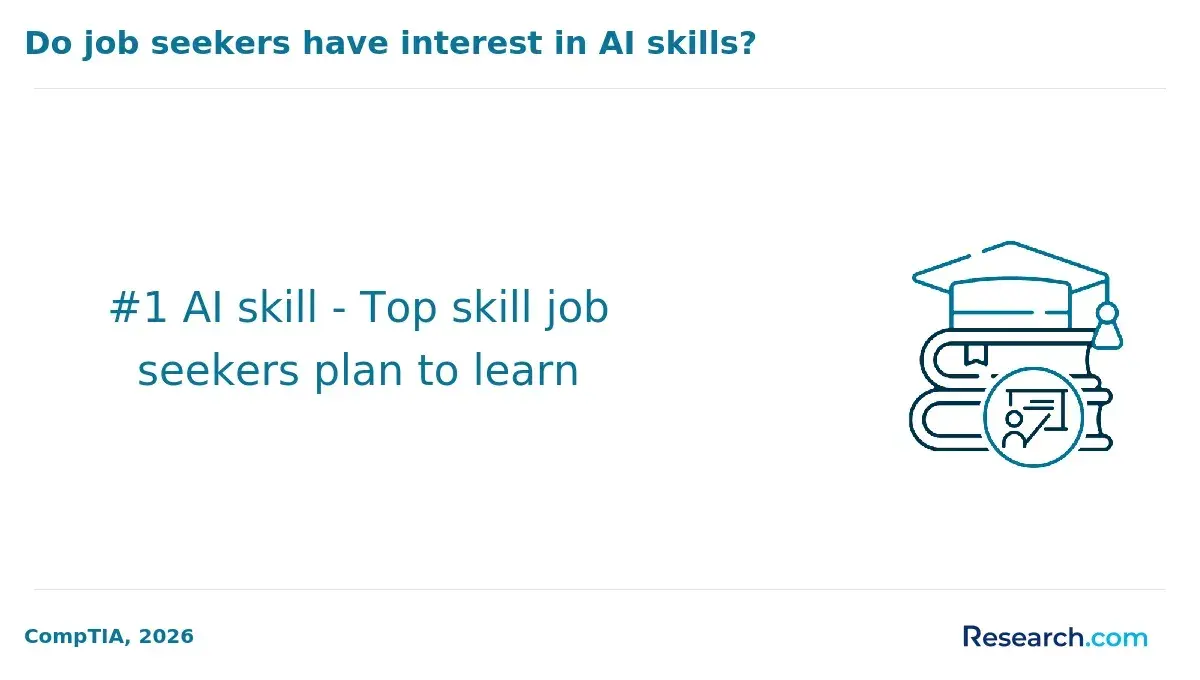
Online AI courses for SDR teams outperform in-person training by offering greater flexibility, scalability, and timely content updates. Given that 73% of sales professionals express the need for improved training on AI integration but only 28% have received structured AI-specific enablement, these courses fill a crucial gap highlighted in the LinkedIn State of Sales Report. They focus on practical sales applications rather than broad technical theories, making them essential for SDR success.
The advantages of online AI training for sales development representatives include self-paced learning schedules and immediate application of new skills. Platforms like Coursera and Udacity provide recognized certifications covering AI-driven lead qualification and automated outreach personalization, credentials valued by employers and easily shared within professional networks.
These courses also support repeatable learning and content refreshes, vital in fast-evolving AI domains where in-person sessions risk becoming outdated. Modules on natural language processing or predictive analytics can be regularly updated without extra costs. Peer interaction through forums and live Q&A sessions helps recreate the collaborative experience found in physical classrooms.
Sales leaders should seek programs emphasizing non-technical foundations, hands-on exercises using CRM-integrated AI, and ethical AI considerations. This practical approach addresses common knowledge gaps missed by generic seminars. For those exploring further educational opportunities, online cyber security degrees can also complement AI skills in sales technology contexts.
How do I evaluate the credibility and accreditation of AI training providers?
To evaluate AI training provider accreditation and verify credibility of artificial intelligence courses, start by checking their recognized certifications from established bodies like CompTIA or the International Association for Continuing Education and Training (IACET). These accreditations confirm a course's quality standards and trustworthiness for professional development.
Instructor qualifications matter; look for educators with advanced degrees and real-world experience in AI and sales development, as this ensures relevant and practical learning. Providers employing instructors active in AI-driven sales typically offer stronger outcomes for students.
Course content should include hands-on training specific to sales development representative (SDR) workflows and generative AI tools. Sales teams utilizing these tools see on average a 42% increase in opportunities created per rep, highlighting the value of practical application over purely theoretical knowledge.
Transparent student outcomes are essential. Verify certificate validity, employer recognition, and review testimonials or job placement rates. Reputable providers often maintain ongoing support or course updates, reflecting a commitment to evolving AI trends in sales.
Comparing provider reputations through independent reviews can help avoid those who overpromise without documented results or skip accreditation details. Students interested in related paths may explore options such as the cheapest online computer science degree programs to supplement their AI expertise.
What core skills and topics should AI courses for SDRs cover in their curriculum?
AI courses designed for Sales Development Representatives (SDRs) focus on building targeted skills to effectively leverage AI technology in sales. These programs cover foundational AI concepts related to sales, including machine learning models used for lead scoring and predictive analytics. SDRs also gain expertise in AI-powered CRM platforms, which have been shown to improve lead-to-opportunity conversion rates by 29%, according to the Salesforce State of Sales.
Data literacy is a key component, enabling SDRs to analyze AI-generated insights and adapt their outreach strategies. Training typically includes natural language processing (NLP) tools that assist in crafting personalized messages and automating follow-ups while preserving a human touch. Additionally, practical knowledge of sales engagement platforms with AI automation allows SDRs to set campaign triggers, monitor engagement, and refine nurturing workflows based on AI recommendations.
Ethical considerations such as data privacy and mitigating bias in AI-driven sales practices are integral to the curriculum. Hands-on exercises simulating real sales scenarios with AI-generated leads help reinforce learning and skill retention.
How long do AI courses for SDR teams typically take and what do they cost?
AI courses for sales development representative (SDR) teams range from 4 to 12 weeks, depending on the curriculum depth and specialization. Short programs of 4 to 6 weeks focus on foundational AI uses like sales prospecting and lead qualification, ideal for individual contributors. Meanwhile, more extensive 8 to 12-week courses cover advanced AI-driven forecasting, analytics, and management, tailored for SDR managers and team leads.
Costs vary widely based on course format and certification. Entry-level online classes without live instruction typically cost between $300 and $800. Instructor-led or cohort-based programs with certification and practical simulations range from $1,200 to $3,500. Customized courses for enterprises may be priced higher due to personalized content and dedicated support.
Investing in specialized AI training delivers measurable advantages. The Gartner Sales Leader Survey shows 82% of sales leaders completing such training report better forecasting accuracy, compared to 49% without it. This highlights the importance of role-specific education beyond generic AI topics, focusing on sales operations and leadership challenges.
Choose course duration and cost based on your team's needs: short, affordable options are suitable for scaling teams needing rapid skill upgrades, while longer, premium programs prepare leaders for data-driven decision-making and competitive advantage.
What are the admission requirements and prerequisites for AI courses geared to SDRs?
Admission requirements for AI courses designed for Sales Development Representative (SDR) teams usually include a high school diploma or its equivalent. Basic computer literacy and familiarity with customer relationship management (CRM) software like Salesforce or HubSpot are often recommended to align with daily SDR activities. Advanced courses may expect introductory programming knowledge, particularly in Python, due to its relevance in machine learning.
Course prerequisites vary by level. Beginner classes typically have minimal barriers, emphasizing core concepts of AI and generative AI as applied to sales. Intermediate and advanced options might require prior AI coursework or relevant sales and technical experience, such as understanding data-driven sales strategies or automation tools.
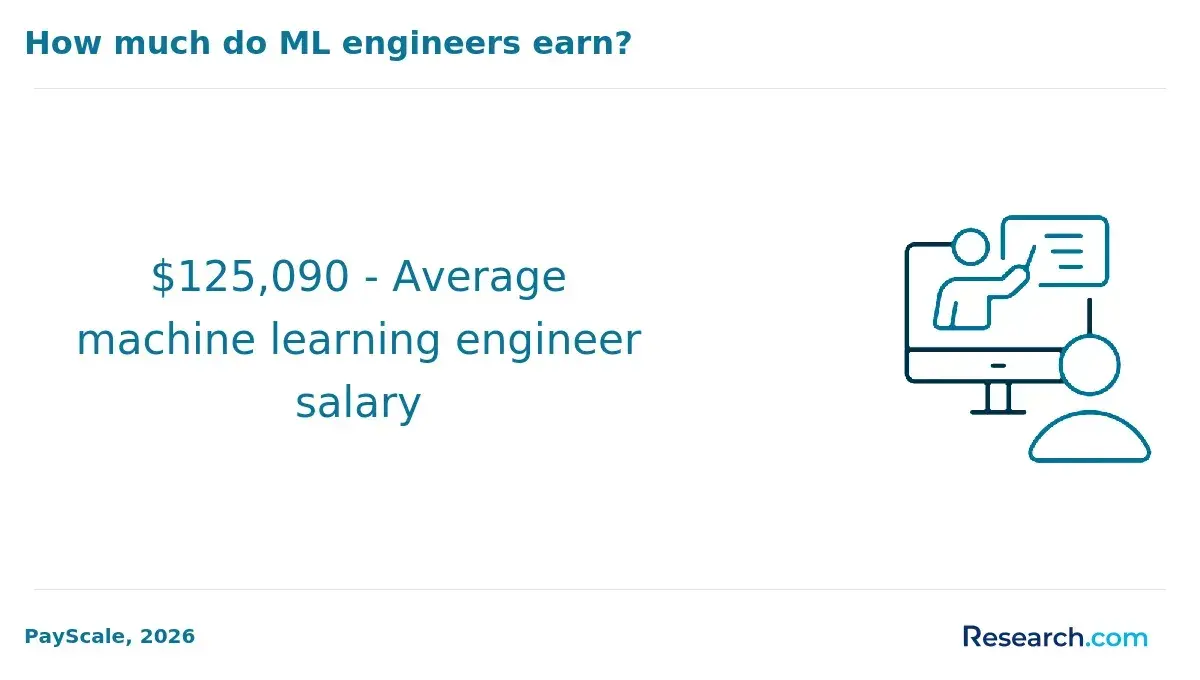
Employers increasingly value certificates showing AI proficiency. According to Indeed Hiring Lab, roles requiring AI or generative AI skills offer approximately 18% higher salaries than similar jobs without these requirements, highlighting the importance of verifiable credentials.
When choosing courses, consider these practical factors:
- Hands-on projects or case studies tailored to sales environments.
- Training on AI tools integrated with popular sales platforms.
- Flexible schedules or asynchronous formats suitable for working professionals.
Some programs include entrance quizzes on basic statistics or sales knowledge, while requests for transcripts or recommendations are uncommon except for highly competitive certifications or academic partnerships.
How do AI-focused SDR courses impact career paths, promotions, and specialization options?
AI-focused SDR courses significantly enhance career opportunities by equipping sales development representatives with skills that boost performance and marketability. Mastering AI tools streamlines lead qualification, customer insights, and personalization, directly improving key sales metrics. This expertise helps SDRs move into roles like sales operations analyst, AI integration specialist, or strategic sales manager, with employers often offering higher compensation and leadership roles for these abilities.
Specialization options expand with AI training, enabling transitions into data-centric roles such as AI-driven customer analytics or sales automation strategy. Other emerging careers include AI ethics, compliance, and system training positions, allowing SDRs to pivot into evolving niches within sales and technology.
Measured benefits of AI training are clear. According to the McKinsey State of AI Report, organizations adopting AI beyond pilots see a median sales revenue increase of 5-10% and sales cost reductions of 10-20% within three years. SDRs skilled in AI are vital to these results, underscoring the return on investment for AI education.
For SDRs pursuing this path, selecting programs offering practical certification in AI tools relevant to sales workflows is essential. Engaging in scenario-based learning and tracking post-training performance gains can aid promotion discussions and salary negotiations.
What salary and commission gains can SDRs expect after completing AI training?
Sales development representatives (SDRs) who complete artificial intelligence training often see their total compensation increase by more than 20% within 6 to 12 months. This growth results from improved productivity, more accurate lead qualification, and streamlined outreach strategies powered by AI tools and techniques. SDRs embedding AI insights into their sales playbooks typically shorten sales cycles and boost conversion rates, directly enhancing commission earnings.
Compensation changes vary: some SDRs experience higher base salaries, while others gain through increased performance-based commissions or bonuses. Those moving into hybrid roles involving AI-driven analytics or sales technology management can earn $10,000 to $15,000 more annually than peers without AI training.
Teams that combine AI course learnings with workflow updates-such as revising KPIs or redesigning playbooks-are 3.5 times more likely to improve productivity, according to the BCG Global AI in Sales Study, 2024. This approach not only elevates individual results but also expands team revenue, enhancing commission pools and salary budgets.
Prospective SDRs should choose AI courses offering both technical skills and practical guidance for applying AI insights in daily workflows. This combination produces the strongest and most lasting financial benefits in competitive sales environments.
How should sales leaders choose the right AI course for upskilling an SDR team?
Sales leaders should focus on courses that blend practical skills with applications of generative AI tailored to sales development representative (SDR) tasks. Effective programs emphasize real-world sales scenarios, updated content reflecting market trends, and hands-on exercises using AI-powered tools. By 2026, Gartner Forecast Analysis predicts 60% of B2B sales organizations will adopt generative AI in their sales processes, up from less than 15% in 2023.
Key factors to evaluate include:
- Alignment with specific sales activities like lead qualification, outreach personalization, and pipeline forecasting.
- Coverage of AI ethics and data privacy to build trust and ensure compliance.
- Certification from recognized institutions or industry partners to validate skills.
- Flexible learning formats that suit varied schedules and learning speeds.
- Integration of current AI tools such as automated email generation and AI-driven CRM analytics.
Assessing team skill gaps before course selection is essential. For example, prioritize courses on natural language processing if conversational AI is a challenge. Post-course support, including coaching or community forums, can enhance learning retention. Pilot implementations or phased training help measure ROI and refine program choices, ensuring maximal AI upskilling impact on sales outcomes in a fast-evolving environment.
Other Things You Should Know About Artificial Intelligence
In 2027, several certification programs are available for SDR teams aiming to enhance their AI skills. Prominent courses include "AI for Sales Professionals" by Coursera, and "AI in Business Strategy" from edX. These programs offer recognized certificates upon completion, equipping SDRs with crucial AI competency in the modern sales landscape.
Yes, artificial intelligence tools can analyze large datasets to identify patterns and segment customers more accurately. By understanding customer behavior and preferences through AI, SDRs can tailor outreach efforts and improve conversion rates through more precise and personalized targeting.
SDRs should understand that AI-driven sales processes must respect customer privacy and comply with data protection laws like GDPR and CCPA. Ethical use also involves transparency about AI's role in communication and avoiding biased algorithms that could unfairly influence customer interactions or decision-making.
Continuous learning helps SDRs stay updated with the latest AI advancements and sales automation tools, ensuring they remain competitive. It enables them to adapt quickly to new software, optimize sales strategies, and leverage AI innovations to drive better sales outcomes in changing market conditions.
References
- AI SDR: The 2026 Guide for B2B Sales Leaders | Amplifa https://amplifa.ai/en/guides/ai-sdr
- Best AI Training for Sales Teams (2026) — Close More with AI https://iternal.ai/ai-training-for-sales-teams
- CourseCareers https://coursecareers.com/blog-posts/core-skills-for-sales-development-representatives
- Uniti AI | AI sales and support agents for real estate https://getuniti.com/articles/ai-sdr-meaning-guide
- Top Agentic AI Sales Training Resources for Fast Team Upskilling https://everworker.ai/blog/agentic_ai_sales_training_resources_upskilling
- Whistle | AI SDR vs Junior Rep Cost Comparison https://www.whistle.ltd/post/ai-sdr-vs-junior-rep-cost-comparison
- International Board for AI Accreditation | Professional Accreditation Body https://www.aiaccreditationboard.org/
- Top Sales Development Courses for SDR Success https://www.hyperbound.ai/blog/sales-development-courses-sdr-performance
- AI Sales Training: Free Courses for Sales Professionals https://www.salesforce.com/sales/ai/ai-sales-training-courses/
- How to use AI in sales to enhance performance - demandDrive https://www.demanddrive.com/insight/how-to-use-ai-in-sales-enhance-humans/