2027 Best Agentic AI Courses for Private Equity Operating Partners

Co-Founder and Chief Data Scientist
Private equity operating partners face mounting pressure to integrate agentic AI into portfolio management. Without a clear understanding of how to leverage these tools, they risk falling behind competitors who drive operational improvements with advanced technologies. The challenge lies in finding flexible, accredited courses that build relevant skills without requiring prior AI experience. Many programs overlook the unique needs of investment professionals seeking practical, application-focused training. This article explores the best agentic AI courses tailored for private equity operating partners, offering guidance to select programs that provide accessible, industry-aligned education to accelerate career transitions and drive strategic value.
Key Things You Should Know
- Agentic AI courses for private equity operating partners emphasize decision-making automation, improving deal sourcing efficiency by up to 35% according to 2025 industry analysis.
- Top programs integrate AI ethics and governance, critical as 72% of firms adopt agentic AI tools to manage risk and compliance in portfolio management.
- Curricula increasingly combine AI strategy with hands-on tool training, enabling operating partners to enhance operational value and accelerate post-acquisition growth by 20% on average.
Advance Your Career with AI Online Courses
Artificial Intelligence: Implications for Business Strategy
This program provides an introduction to Artificial Intelligence and their implications for business strategy. Earn an official digital certificate.

Oxford Artificial Intelligence Programme
Explore this Oxford Artificial Intelligence programme offered in a flexible learning environment and explore topics like machine learning, automation, and robotics.

Implementing Agentic AI: Building Your Organizational Playbook
This online MIT Agentic AI course offers a practical approach to deploying AI agents in your organization, including a custom playbook. 3 weeks, exclusive launch price.

AI Adoption: Driving Business Value and Impact
This online MIT AI Adoption: Driving Business Value and Impact offers practical frameworks to close the gap between AI potential and business reality.

Artificial Intelligence in Pharma and Biotech
Discover the applications and limitations of artificial intelligence in pharma and biotech with this MIT online short course.

What is agentic AI and why does it matter for private equity operating partners?
Agentic AI represents advanced artificial intelligence systems capable of making independent decisions and performing autonomous actions to meet complex objectives. Unlike traditional AI that supports human decision-making, agentic AI proactively analyzes data, identifies opportunities, and implements strategies without needing constant supervision. This technology is especially relevant for private equity operating partners who focus on scaling operational improvements and driving strategic initiatives across portfolios.
The importance of agentic AI in private equity operations management lies in its ability to enhance efficiency and impact. Agentic AI can autonomously optimize supply chains, anticipate market trends, and uncover growth within customer segments, all of which are crucial for value creation. According to a leading survey, 86% of private equity firms expect AI-driven analytics to be a key lever for value creation within a few years.
- Processing large volumes of data quickly to extract actionable insights without manual effort.
- Managing multiple portfolio companies simultaneously with customized AI-driven approaches.
- Accelerating time-to-market for changes by employing AI that experiments and self-adjusts.
Mastering agentic artificial intelligence applications for private equity operating partners prepares them to lead digital initiatives and measure ROI effectively while addressing AI governance and ethics. Those interested in advancing their expertise may consider pursuing a degree in AI to deepen their skills and remain competitive in this evolving field.
Advance Your Career with AI Online Courses
Artificial Intelligence: Implications for Business Strategy
This program provides an introduction to Artificial Intelligence and their implications for business strategy. Earn an official digital certificate.
Oxford Artificial Intelligence Programme
Explore this Oxford Artificial Intelligence programme offered in a flexible learning environment and explore topics like machine learning, automation, and robotics.
Implementing Agentic AI: Building Your Organizational Playbook
This online MIT Agentic AI course offers a practical approach to deploying AI agents in your organization, including a custom playbook. 3 weeks, exclusive launch price.
What types of agentic AI courses are most valuable for private equity operating roles?
Agentic AI training programs for private equity operating partners focus on practical applications that enhance investment and operational decisions through autonomous AI agents. These courses emphasize data synthesis, scenario simulation, and real-time risk evaluation to improve portfolio management and value creation workflows. Central to these programs are AI-driven portfolio optimization and predictive analytics tailored to market trends.
Key components typically include:
- Training on generative AI tools for automating financial modeling and due diligence
- Building agentic systems that manage complex operational tasks autonomously
- Use cases focused on private equity challenges such as portfolio monitoring, operational efficiencies, and exit readiness
Demand for these skills is rising sharply, with LinkedIn's Global Skills report showing over 70% year-over-year growth in finance roles requiring knowledge of generative AI or AI agents. Advanced agentic AI courses tailored for private equity roles also cover compliance and governance, integrating AI with enterprise software through Python-based automation, APIs, and cloud platforms.
Practical, scenario-based learning in AI's role in deal sourcing, portfolio transformation, and exit optimization is critical. Professionals aiming to stay competitive should consider specialized programs and may also explore related technology fields such as mechanical engineering degrees online, which increasingly incorporate advanced automation methods essential for sophisticated AI applications.
How do you evaluate and compare the best agentic AI courses for operating partners?
Evaluating the best agentic AI courses for private equity operating partners requires focusing on practical application and measurable outcomes that directly impact deal sourcing and portfolio management. Programs emphasizing data-driven decision-making and AI integration are preferred. For example, Bain & Company's research shows private equity firms using advanced AI can increase qualified deal flow by 20-30% and improve win rates by up to 10 percentage points compared to traditional approaches.
When deciding how to evaluate agentic AI training for operating partners, consider instructor expertise. Courses led by professionals with direct private equity or AI industry experience tend to provide actionable insights rather than just theory. Look for curricula featuring real-world case studies and simulations addressing common challenges such as operational efficiencies and predictive analytics for portfolio companies.
Course format and flexibility also matter. Modular, on-demand options fit the schedules of busy operating partners, while cohort models with mentorship enhance networking and peer learning, vital for mastering complex agentic AI applications. Also, review alumni outcomes to gauge certification value and industry recognition, especially partnerships with PE firms leveraging AI advisory support.
Cost should align with course depth and return on investment, ensuring skill acquisition drives better deal origination and operational value. For professionals balancing multiple priorities, exploring broader educational offerings like a video game development degree or similar flexible programs can offer additional insights into practical AI applications and project management skills applicable across sectors.
Which U.S. universities and providers offer reputable agentic AI programs for private equity professionals?
Several leading U.S. universities offer agentic AI programs specifically designed for private equity professionals. Stanford University's Graduate School of Business focuses on generative AI applications tailored to investment contexts, providing practical tools for deal teams. Similarly, MIT Sloan School of Management integrates agentic AI into its curriculum to optimize diligence workflows and improve operational performance after acquisitions.
Leading providers like Coursera and edX collaborate with top institutions, extending access to targeted courses on AI-driven decision-making and automation relevant to private equity professionals. The University of Pennsylvania's Wharton School stands out with a module dedicated to AI in financial and operational due diligence, enhancing analytical precision through agentic AI frameworks.
These programs address crucial challenges faced by operating partners, such as improving efficiency, reducing reliance on costly external advisors, and delivering actionable insights supported by AI-generated analysis. McKinsey's report "Gen AI in Private Markets" notes that agentic AI can cut due diligence time by 30-40% and reduce external advisory costs by up to 20% for experienced teams.
Working professionals are advised to prioritize courses featuring strong practical components and industry connections for immediate application in private equity transactions. For those interested in deepening their understanding of AI applications, exploring a data analytics master's degree can provide valuable technical expertise.
How do online agentic AI programs compare with campus-based options for working operating partners?
Online agentic AI programs offer greater flexibility for private equity operating partners compared to traditional campus-based courses. These online formats provide asynchronous lessons and modular structures, allowing professionals to balance travel and portfolio company demands effectively. Learners can apply AI concepts immediately to real-world challenges without extended time away from their roles. Conversely, campus programs require physical presence and intensive time commitments, which can be restrictive for busy professionals managing diverse investments.
Online programs typically feature updated curricula aligned with current AI applications in private equity, including orchestration of multiple AI use cases shown to drive 5-15% incremental EBITDA improvement, as detailed in BCG's 2024 research. They often include live webinars, recorded case studies, and interactive AI simulation tools to address varied operational scenarios. While campus programs excel in immersive networking and peer collaboration, they may lag in content updates and practical AI training due to academic calendar constraints.
Key factors to consider when choosing a program include schedule flexibility, curriculum relevance, access to practical AI tools, and personalized mentorship from AI experts with private equity experience. Verify if programs offer recognized partnerships with private equity firms or AI vendors to ensure practical value and applicability.
- Flexible, asynchronous learning supports demanding professional schedules.
- Updated course content reflects the latest AI-driven value creation techniques.
- Interactive tools and expert coaching enhance skill application.
Prospective students may find that online agentic AI programs better align with their needs for effective learning without disrupting their critical operating partner responsibilities.
What curriculum topics should the best agentic AI courses cover for value creation in portfolio companies?
Agentic AI courses designed for private equity operating partners focus on driving value creation within portfolio companies through data-driven decision-making and automation. These courses train participants to use AI tools for strategic insights, automating tasks like financial modeling, market analysis, and performance reporting. A notable finding from a 2024 KPMG study shows that such automation can free up 20-30% of operating partners' time, allowing greater focus on management engagement and value initiatives.
Key curriculum elements include predictive analytics for risk assessment and opportunity identification. Partners learn to blend agentic AI with traditional strategies such as cost optimization, revenue growth, and talent management. Case studies often illustrate AI-driven turnarounds and scaling success stories, providing actionable knowledge.
Technical training covers navigating AI tools like natural language processing for document review and scenario simulations. Participants are taught to interpret AI outputs aligned with investment theses while addressing governance topics like ethical AI use, data privacy, and regulatory compliance. Change management and AI adoption strategies equip partners to lead cultural shifts and enhance processes within portfolio firms.
These comprehensive programs prepare operating partners to measure AI impact on key performance indicators and convert insights into actionable plans, ultimately improving operational excellence and investment results.
What are the typical admission requirements, timelines, and costs for advanced agentic AI training?
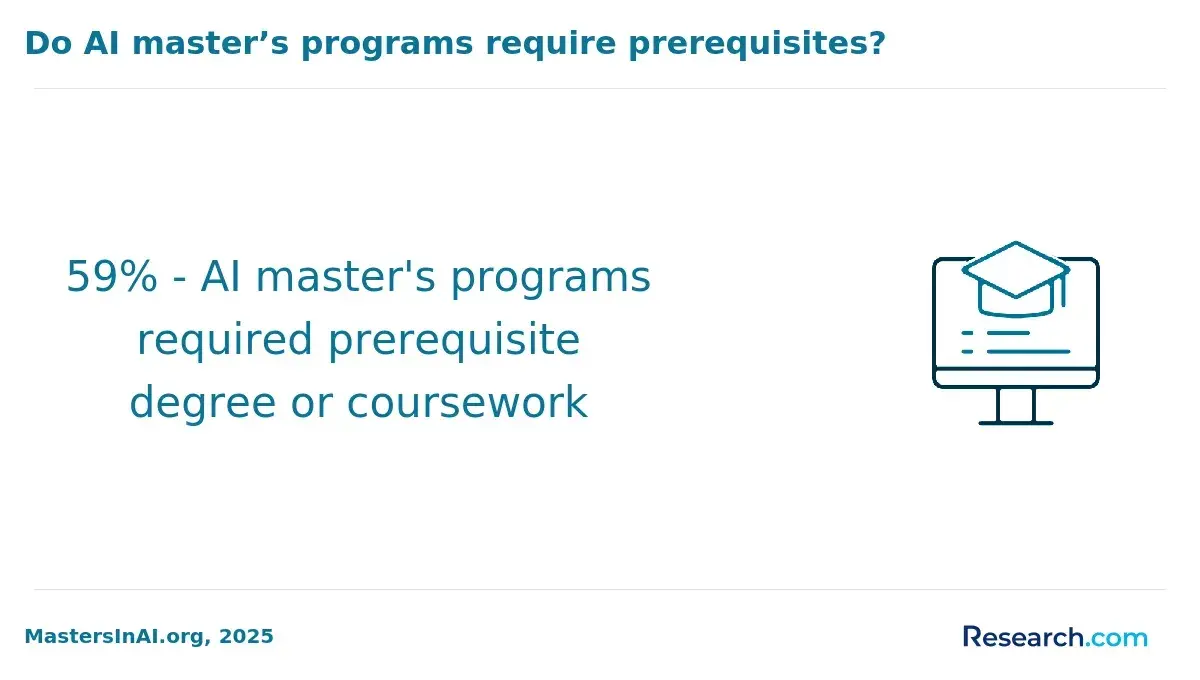
Advanced agentic AI training for private equity operating partners generally requires a bachelor's degree in fields like business, finance, computer science, or engineering. Applicants often need 3-5 years of relevant experience, particularly in investment management or technology roles. Foundational knowledge of machine learning or coding may be necessary, verified through prerequisite courses or placement tests. Many executive or certificate programs ask for letters of recommendation and a statement of purpose clarifying career objectives in AI applications for private equity.
Enrollment usually opens quarterly or biannually, with full-time programs lasting 3-6 months and part-time options up to 12 months to fit working professionals' schedules. Rolling admissions are common, though early application is recommended due to limited seats. A typical 4-8 week gap occurs between acceptance and program start to complete onboarding and preparatory work.
Costs vary by program type and provider. Executive courses and advanced certifications in the U.S. often range from $8,000 to $25,000, while comprehensive multi-module programs with mentorship and applied projects can exceed $30,000. Financial aid, scholarships, and employer sponsorships may be available, though students should budget for additional expenses like AI software licenses.
Risk management is vital in AI training; Deloitte's 2024 "AI in Financial Services" survey reports that 62% of investment firms identify model governance and explainability as the biggest scaling barrier. Investments with formal AI governance structures are 2.4x more likely to deploy AI broadly, highlighting the need for structured education in governance and compliance frameworks.
How does completing an agentic AI course impact career paths and responsibilities for operating partners?
Completing an agentic AI course empowers private equity operating partners with skills that transform how they contribute to portfolio companies. These courses provide practical AI knowledge that enhances decision-making, operational efficiency, and strategic insights. Operating partners skilled in agentic AI lead important initiatives such as automation, predictive analytics, and AI-driven performance optimization, shifting their role from traditional management to innovation in value creation.
Key capabilities gained include:
- Implementing AI-driven operational improvements that cut costs and accelerate growth.
- Utilizing data to shape portfolio company strategies that minimize risk and boost investment success.
- Bridging communication between technical teams and executives to ensure AI adoption aligns with business objectives.
- Spotting emerging AI technologies relevant to their industries to secure competitive advantages.
The economic impact is notable. PwC's 2024 Global AI Jobs Barometer reports a 22% wage premium for finance professionals who have mastered advanced AI skills, reflecting the high return on agentic AI training investment.
Beyond salary gains, operating partners expand their influence by spearheading AI-driven digital transformations and aligning initiatives with fund goals. Without agentic AI expertise, they risk falling behind as AI becomes essential for competitive advantage in private equity.
What salary upside and compensation trends are linked to agentic AI skills in private equity operations?
Private equity operating partners with expertise in agentic AI are seeing significant salary increases and shifting compensation models. According to the 2025 CFA Institute survey, 54% of private markets investors now pilot or use agentic or workflow-orchestrated AI systems, up sharply from 21% in 2023. This surge in adoption fuels demand for professionals capable of integrating agentic AI to boost operational value creation and due diligence.
These skills translate into higher pay: base salaries for operating partners skilled in agentic AI often exceed peers' by 15-25%. Performance bonuses tied to AI-driven efficiency, such as shorter deal cycles and better portfolio results, are becoming more common.
- Carried interest allocations favor partners leading AI-driven transformation initiatives.
- Equity stakes in AI-focused portfolio companies offer additional upside.
- Annual bonuses benchmarked against AI-enabled key performance indicators enable measurable payout growth.
Mastering AI workflow orchestration-automation of routine tasks, enabling faster decisions-positions professionals for senior roles with multi-million-dollar compensation linked to scaling AI across portfolios. Employers seek candidates blending domain expertise with AI fluency, creating a premium for hybrid skills.
For those targeting private equity operations, mastering agentic AI is critical for maximizing compensation potential and advancing careers.
Are there recognized certifications or credentials in agentic AI relevant to private equity operators?
Agentic AI certifications tailored specifically for private equity operating partners remain limited but are growing in relevance. Current credentials emphasize AI strategy, data analytics, and automation integration, vital for embedding agentic AI into value-creation frameworks. Notable programs include the CFA Institute's Certificate in ESG Investing, which integrates AI-driven decision models suited for private equity environments. Additionally, executive education from institutions like MIT Sloan and Stanford offers practical training on autonomous AI tools tied to operational efficiency.
These certifications develop expertise in decision support, process automation, and data-driven improvements, all key to agentic AI adoption. Skills such as AI workflow integration, machine learning explainability, and robotic process automation equip operating partners to enhance portfolio company outcomes. According to Preqin's 2024 private capital technology report, AI and data analytics technology investment by private equity firms is projected to grow at a 23% compound annual growth rate through 2028, primarily in tools used by operating partners.
When evaluating credentials, prioritize programs that offer:
- Hands-on case studies applying AI within private equity
- Interdisciplinary training combining finance, AI ethics, and automation strategies
- Industry recognition or partnerships with top universities
- Instruction in AI governance and financial risk management
Although dedicated agentic AI certifications are emerging, combining AI strategy knowledge with private equity operational expertise remains the most practical credentialing approach currently available.
Other Things You Should Know About Artificial Intelligence
In 2027, top AI courses for private equity decision-making include "AI for Financial Investors" by Wharton, "Machine Learning for Asset Management" by MIT, and "Artificial Intelligence in Finance" by Oxford. These programs focus on predictive analytics, risk assessment, and data-driven investment strategies. They are designed to equip professionals with the tools to make informed investment decisions using AI.
Artificial intelligence is streamlining due diligence by automating data analysis, identifying risks, and uncovering patterns not easily seen by humans. AI tools can process large volumes of financial and operational data faster, enabling more accurate assessments of target companies. This leads to improved decision-making and reduced time in deal execution.
Yes, artificial intelligence can significantly enhance operational efficiency by optimizing supply chains, automating routine tasks, and providing predictive analytics for maintenance and sales forecasting. This allows portfolio companies to reduce costs and allocate resources more strategically. Operating partners equipped with AI skills can better implement these technologies for value creation.
Relying excessively on artificial intelligence in investment decisions can lead to overconfidence in automated outputs and overlooked qualitative factors. AI models may also fail to anticipate rare market events or disruptive changes not reflected in historical data. It is important for operating partners to balance AI insights with human judgment and domain expertise.
References
- AI Agent Comparison Guide for Businesses https://www.qbotica.com/ai-agent-comparison-guide-businesses/
- AI in PE Training Program https://aioperatingpartners.ai/peai-training/
- Agentic AI Course with Advanced Training and Certification https://www.edureka.co/agentic-ai-training-course
- Agentic AI Is Here – What Investors Need to Know https://www.vistaequitypartners.com/insights/agentic-ai-is-here-what-investors-need-to-know/
- Autonomy at Work https://www.acuityanalytics.com/insights/autonomy-at-work-the-rise-of-agentic-ai-across-private-markets-front-office-and-fund-operations/
- What are AI Agents for Private Equity? 2026 PE Guide to Agentic AI https://percepture.com/pe-insights/ai-agents-for-private-equity/
- Agentic AI in higher education: Redefining student experiences https://www.druidai.com/blog/agentic-ai-in-higher-education
- Compensation enters the era of AI | Compa Technologies Inc. https://www.compa.ai/blog/compensation-enters-the-era-of-ai
- Agentic AI for Finance: Workflows, Tips, and Case Studies https://rpc.cfainstitute.org/research/the-automation-ahead-content-series/agentic-ai-for-finance
- Career Path after Agentic AI course https://community.deeplearning.ai/t/career-path-after-agentic-ai-course/888664