2027 Best AI Strategy Courses for Predictive Maintenance Teams

Co-Founder and Chief Data Scientist
Predictive maintenance teams often struggle to integrate predictive models effectively, causing costly equipment failures and downtime. Many professionals lack the specialized skills needed to apply advanced artificial intelligence techniques for timely fault detection and risk assessment. Without targeted training, these teams miss opportunities to optimize maintenance schedules and reduce operational disruptions.
This article explores the best strategy courses designed to equip maintenance professionals with practical AI knowledge. It aims to guide readers in selecting flexible, accredited programs that enable a successful transition into AI-driven predictive maintenance workflows, enhancing both efficiency and reliability.
Key Things You Should Know
- AI strategy courses for predictive maintenance integrate machine learning and data analytics, enabling teams to reduce downtime by up to 30%, according to 2025 industry reports.
- Comprehensive programs emphasize practical skills in sensor data interpretation and predictive modeling, essential for improving industrial equipment lifespan and operational efficiency.
- Top courses in 2026 increasingly offer hands-on projects with real-world datasets, aligning education with employer demand for AI-literate maintenance professionals.
Advance Your Career with AI Online Courses
Artificial Intelligence: Implications for Business Strategy
This program provides an introduction to Artificial Intelligence and their implications for business strategy. Earn an official digital certificate.

Oxford Artificial Intelligence Programme
Explore this Oxford Artificial Intelligence programme offered in a flexible learning environment and explore topics like machine learning, automation, and robotics.

Implementing Agentic AI: Building Your Organizational Playbook
This online MIT Agentic AI course offers a practical approach to deploying AI agents in your organization, including a custom playbook. 3 weeks, exclusive launch price.

AI Adoption: Driving Business Value and Impact
This online MIT AI Adoption: Driving Business Value and Impact offers practical frameworks to close the gap between AI potential and business reality.

Artificial Intelligence in Pharma and Biotech
Discover the applications and limitations of artificial intelligence in pharma and biotech with this MIT online short course.

What is an AI strategy course for predictive maintenance teams and who should take it?
AI strategy courses for predictive maintenance teams provide structured training to integrate artificial intelligence techniques into maintenance operations effectively. These programs focus on how to collect, analyze, and interpret sensor data, enabling teams to predict equipment failures before they occur. Key topics include machine learning models, data pipelines, anomaly detection, and optimizing maintenance schedules, all aimed at minimizing unplanned downtime and extending asset lifespan.
Professionals such as maintenance engineers, data scientists, operations managers, and IT specialists benefit greatly from predictive maintenance training with artificial intelligence. Industries like automotive, energy, aerospace, and manufacturing find this expertise critical. Maintenance engineers develop practical skills to apply AI-driven diagnostics, while data scientists gain domain-specific knowledge to improve predictive algorithms.
Organizations implementing AI-driven strategies can reduce machine downtime by 30-50% and increase machine life by 20-40%. Maintenance costs may decrease by 10-40%, emphasizing the operational and financial advantages of investing in AI strategy education.
Core focuses of these courses include:
- Modeling equipment degradation patterns with historical data
- Selecting AI tools suited to specific operational environments
- Integrating AI insights into existing maintenance workflows
- Handling data quality issues and sensor limitations in real-world conditions
For individuals aiming to lead digital transformation in maintenance or transition into AI roles within industrial settings, these courses provide crucial skills. They help teams convert raw data into actionable schedules, boosting reliability and cost-efficiency. Those interested may consider combining this expertise with an accelerated computer science degree to deepen their technical foundation and career prospects.
Advance Your Career with AI Online Courses
Artificial Intelligence: Implications for Business Strategy
This program provides an introduction to Artificial Intelligence and their implications for business strategy. Earn an official digital certificate.
Oxford Artificial Intelligence Programme
Explore this Oxford Artificial Intelligence programme offered in a flexible learning environment and explore topics like machine learning, automation, and robotics.
Implementing Agentic AI: Building Your Organizational Playbook
This online MIT Agentic AI course offers a practical approach to deploying AI agents in your organization, including a custom playbook. 3 weeks, exclusive launch price.
How can AI strategy training improve reliability, uptime, and ROI in predictive maintenance programs?
AI strategy training directly boosts reliability, uptime, and ROI in predictive maintenance by enabling teams to implement data-driven decision-making and optimize maintenance schedules. Professionals trained in this area gain expertise in analyzing sensor data and detecting early signs of equipment failure, significantly reducing unplanned downtime and extending asset life.
For instance, applying machine learning models to vibration or temperature data allows teams to predict failures days or weeks in advance, facilitating timely intervention that prevents costly breakdowns. This predictive maintenance AI strategy for maximizing uptime leverages technology to automate routine inspections and prioritize tasks based on AI-generated risk scores, which enhances operational efficiency and cuts labor costs.
Training also equips staff to continuously refine AI models using real-time feedback, maintaining accuracy as equipment ages or conditions change. Improving reliability and ROI with AI training in predictive maintenance leads to minimized emergency repairs, lowered spare parts inventories, and optimized resource allocation. Companies have reported maintenance cost reductions of up to 25% after adopting AI-driven strategies.
Furthermore, AI strategy training fosters cross-functional collaboration by helping teams align maintenance objectives with broader business goals across operations, engineering, and finance.
The predictive maintenance market is expected to grow from $10.4 billion in 2024 to $47.8 billion by 2029, at a compound annual growth rate of 35.1%, propelled mainly by AI and machine learning advancements. Individuals seeking to enter this expanding field might consider exploring mechanical engineering programs online to gain pertinent knowledge and skills.
What types of AI strategy courses exist for predictive maintenance, from short courses to full degrees?
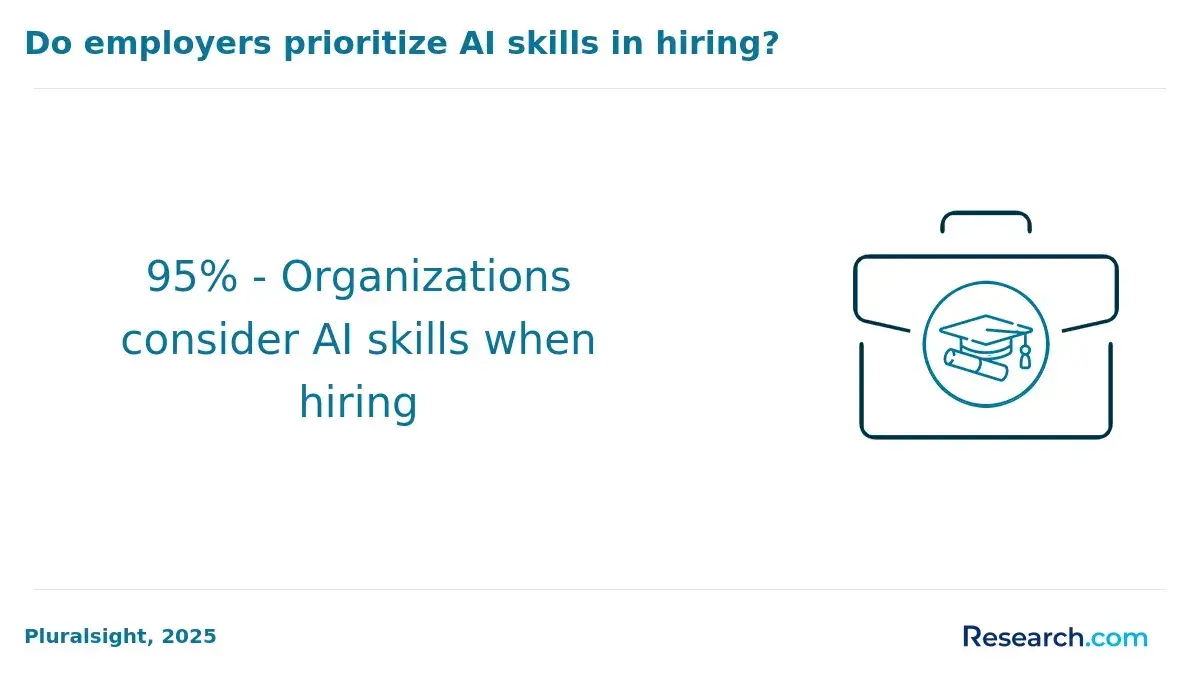
AI strategy courses for predictive maintenance teams offer a wide range of learning options, from short, targeted programs to comprehensive degree pathways. Short courses and professional certificates, typically lasting weeks or months, focus on practical skills like machine learning algorithms, sensor data analysis, and condition monitoring-ideal for those seeking quick application in industrial environments.
Intermediate-level programs, such as diplomas and extended certifications, blend technical knowledge with strategic decision-making. They explore AI integration challenges, cost-benefit analysis, and deployment strategies, catering to mid-career professionals leading predictive maintenance initiatives without pursuing full degrees.
Full degree programs, including bachelor's or master's degrees in AI, data science, or industrial engineering with AI specialties, deepen theoretical understanding and offer hands-on projects. These prepare students for advanced roles managing predictive maintenance technologies across complex operations. Prospective students may consider exploring options for masters in data science online to balance flexibility and comprehensive training.
Enrollees should note emerging workforce trends: Gartner projects that by 2025, 50% of organizations will face skilled labor shortages in data science and AI for predictive maintenance, up from 25% in 2022. This underlines the urgency of formal education pathways to rapidly upskill personnel.
Practical experience elements such as industry partnerships or capstone projects further enhance learning outcomes. Choosing the right predictive maintenance training from short courses to degrees depends on individual needs, balancing hands-on skills with strategic insights for real-world challenges.
How do online AI strategy programs for predictive maintenance compare with on-campus options?
Online AI strategy courses for predictive maintenance teams offer flexible, self-paced learning that suits working professionals and geographically dispersed groups. These programs provide modular content, real-world case studies, and interactive simulations focused on industrial maintenance challenges. In contrast, on-campus programs deliver more structured, immersive experiences with direct faculty access and peer networking, which can foster deeper learning but often require time, travel, and financial commitment.
Both online and on-campus AI strategy programs cover essential topics like machine learning algorithms for failure prediction, sensor data analytics, and integration with maintenance management systems. Advances in virtual labs and cloud-based data support have narrowed the technical gap between these formats. Manufacturers investing in continuous AI upskilling report a 2.7x greater chance of significant financial gains, highlighting the value of ongoing training that online formats often facilitate better.
Practical considerations influence the choice between on-campus vs online AI strategy programs for predictive maintenance. Online training allows teams to apply new skills immediately within their operations, supporting iterative improvement. On-campus courses often suit early-career learners seeking foundational theory and mentorship. Many learners find combining both approaches effective-starting with online training and supplementing with selective on-campus workshops.
For those interested in broader technology education, exploring cyber security online courses can complement AI strategy skills in predictive maintenance.
What core topics and tools are covered in leading AI strategy courses for predictive maintenance?
AI strategy courses for predictive maintenance focus on essential skills to enhance equipment reliability and operational efficiency. Key topics include data acquisition and preprocessing of sensor data from industrial machinery. Learners gain expertise in failure mode identification and root cause analysis, foundational for predictive modeling.
Instruction covers advanced machine learning models using algorithms such as random forests, support vector machines, and neural networks that forecast maintenance needs. Practical applications involve time-series analysis and anomaly detection to spot early equipment degradation. Integration with edge computing and Internet of Things (IoT) platforms is also taught, enabling real-time factory-floor data processing.
Proficiency with tools like Python, R, TensorFlow, and PyTorch is emphasized, alongside the use of cloud services to support scalable AI operations. Training often includes automated reporting and visualization, critical for clearly communicating predictive insights and driving informed decisions.
Hands-on projects simulate real-world maintenance datasets to build problem-solving skills across industries such as manufacturing, aviation, and utilities. According to Lightcast labor market analytics, US job postings in maintenance reliability requiring AI or machine learning skills offer median salaries 18-25% higher than those without, demonstrating strong industry demand and value for these competencies.
Which accreditation, institutional quality, and industry partnerships matter most for these AI programs?
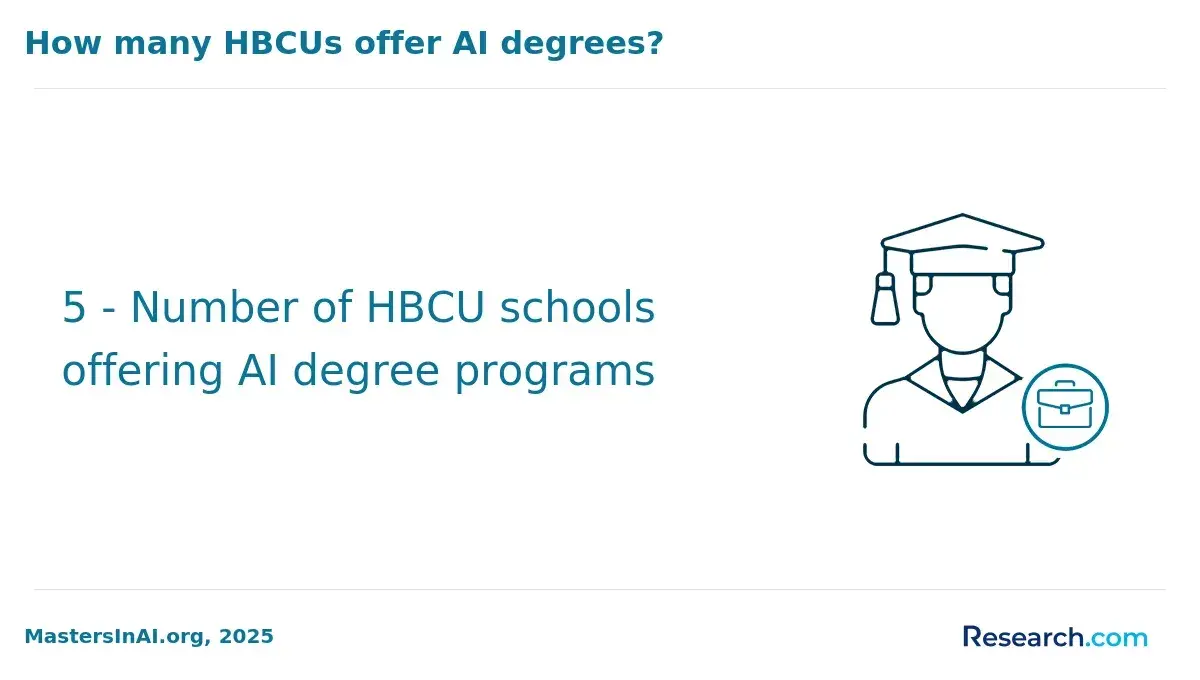
Accreditation from recognized bodies like ABET or regional academic accreditors is crucial for AI strategy courses focused on predictive maintenance. These endorsements ensure programs include essential topics such as machine learning models, sensor data analysis, and condition-based monitoring techniques vital for industrial use. Institutional quality further depends on faculty expertise in industrial AI and active research addressing real-world predictive maintenance challenges.
Industry partnerships play a vital role in maintaining curriculum relevance. Collaborations with leading firms such as Siemens, General Electric, or Honeywell enable access to advanced IoT platforms and real data sets used in predictive maintenance. These relationships often result in internships, project-based learning, and guest lectures that prepare students to apply predictive algorithms in practice.
Notably, AI-enabled industrial IoT platforms training aligns with the growing trend where 60% of industrial companies are expected to adopt condition-based monitoring by 2025 (IDC).
Look for programs offering certifications or specializations backed by industry consortia like the Industrial Internet Consortium or specialized AI professional societies. These credentials validate technical skills and increase marketability. Additionally, strong career services and alumni networks enhance employment prospects within companies leading AI integration in industry.
In sum, accreditation, faculty expertise, and strategic industry connections collectively ensure AI education equips students to excel in predictive maintenance roles.
What are typical admission requirements, program length, and tuition costs for these courses?
Admission to AI strategy courses for predictive maintenance teams typically requires a bachelor's degree in engineering, computer science, data science, or a related technical field. Candidates with strong professional experience in industrial automation, manufacturing, or maintenance analytics-especially those knowledgeable about edge computing-may also qualify. Familiarity with programming languages such as Python and foundational statistics is often recommended to fully engage with course content.
Program durations vary: short professional certificates or bootcamps last 6 to 12 weeks, ideal for working professionals seeking quick upskilling. More extensive certificate programs or graduate-level courses span 3 to 6 months, offering deeper exploration of AI modeling, IoT integration, and predictive maintenance case studies. Part-time formats extend over a year or more, accommodating full-time employment schedules.
Tuition ranges widely. Online professional certificates usually cost between $1,500 and $4,000, while university-affiliated programs or those offering graduate credits range from $5,000 to $15,000. Some options provide financial aid or employer sponsorships. Choosing a program should balance tuition with credentials, faculty expertise, and curriculum relevance.
Edge AI analytics adoption is rising rapidly, with 72% of new predictive maintenance deployments using edge solutions, up from 39% previously (ABI Research). This trend affects course content by emphasizing edge AI strategy alongside cloud methodologies.
What careers can AI strategy training in predictive maintenance lead to, and in which industries?
AI strategy training in predictive maintenance equips professionals to optimize asset performance and cut operational costs across multiple industries. Key roles include predictive maintenance analysts, data scientists specializing in machine learning for failure prediction, and maintenance operations managers who deploy AI-driven techniques. AI consultants also play a crucial role, advising organizations on integrating advanced analytics tools effectively.
Industries that benefit from these skills span manufacturing, energy, transportation, aerospace, and utilities. For example, manufacturing firms use predictive maintenance analysts to forecast equipment failures, reducing downtime and maintenance expenses. The energy sector relies on data scientists to analyze sensor data from turbines and grids, improving reliability and safety. Transportation companies apply predictive maintenance for vehicle health monitoring, ensuring timely repairs and enhanced fleet availability.
Research indicates organizations leveraging advanced analytics, including machine learning, see 20% lower unplanned downtime and a 10% decrease in maintenance costs compared to traditional preventive methods. These metrics highlight the significant business impact of expertise in AI strategy for maintenance.
Professionals need strong collaboration skills to work with IT teams deploying AI models and maintenance technicians interpreting analytics. Many develop customized AI solutions tailored to specific equipment or operational needs. Career paths also extend to software companies creating predictive maintenance platforms and consulting firms assisting digital transformations, requiring both technical AI proficiency and strategic maintenance insights.
What salary ranges and job outlook can graduates expect in AI-driven predictive maintenance roles?
Graduates pursuing careers in AI-driven predictive maintenance can expect U.S. salaries ranging from $75,000 to $130,000 annually, influenced by experience, education, and sector. Entry-level roles typically start near $70,000, while those with five or more years of expertise-especially in machine learning deployment and IoT integration-often earn over $120,000. Key industries such as energy, manufacturing, and aerospace offer higher compensation due to complexity and regulations.
The demand for these professionals is growing rapidly, with the U.S. Bureau of Labor Statistics forecasting a job growth rate exceeding 15% by 2030 for roles involving advanced data analytics and AI skills. Predictive maintenance is increasingly valued for reducing downtime and improving asset efficiency.
Recent research indicates that 64% of industrial organizations prefer short, modular online AI courses tailored to predictive maintenance, highlighting an industry focus on practical, immediately applicable training. Candidates benefit most from courses covering anomaly detection, sensor data analysis, and real-time model updating.
Essential skills include working with Python, TensorFlow, and cloud platforms, which significantly impact hiring and salary prospects.
Are there certifications or professional credentials that strengthen an AI strategy career in predictive maintenance?
Certifications play a crucial role in boosting career opportunities in AI strategy for predictive maintenance. Credentials like the Certified Maintenance & Reliability Professional (CMRP) combine traditional reliability principles with advanced AI methodologies, linking industry experience with cutting-edge AI applications.
Specialized AI certifications such as the IBM AI Engineering Professional Certificate and Microsoft Certified: Azure AI Engineer Associate equip professionals with essential skills in machine learning, data pipeline development, and AI integration, which are vital for predictive maintenance roles.
Holding a combination of maintenance and AI certifications can significantly enhance a candidate's ability to design AI-driven asset management solutions that improve operational uptime. Employers increasingly seek professionals well-versed in data analytics, condition monitoring, and cloud-based AI tools due to the complexity of modern predictive maintenance workflows.
The demand for expertise that blends AI and maintenance knowledge is rising rapidly. Labor market data from the LinkedIn Economic Graph reveals a growth of over 40% in job postings specifying AI and machine learning skills alongside maintenance or asset management between 2023 and 2024. This growth surpasses general engineering job increases by more than threefold, highlighting the premium placed on AI capabilities.
For those aiming at roles in manufacturing or large industrial settings, pursuing these combined credentials provides a practical advantage in mastering both AI technologies and maintenance strategies.
Other Things You Should Know About Artificial Intelligence
Common challenges include data quality issues, such as incomplete or noisy sensor data, which can affect model accuracy. Integration with existing maintenance systems and processes often requires significant customization. Additionally, organizations may struggle with a shortage of skilled personnel who understand both predictive maintenance and AI techniques.
AI systems in predictive maintenance typically follow strict data governance protocols to ensure privacy and security. Techniques like data anonymization and secure data storage are standard. Moreover, AI models are designed to avoid exposing sensitive operational details while still providing actionable insights.
Yes, AI models can incorporate adaptive learning methods that update predictions based on new data. Continuous model retraining enables AI to detect shifts in equipment behavior caused by wear or operational changes. This adaptability is essential for maintaining the accuracy and relevance of predictive maintenance programs.
In 2027, AI strategy courses for predictive maintenance teams focusing on explainability include those offered by MIT's Professional Education, Stanford Online's AI for Predictive Maintenance, and Coursera's Predictive Maintenance via Machine Learning, which emphasize understanding AI decision-making processes for more transparent outcomes.
References
- Using AI in Predictive Maintenance https://www.deloitte.com/us/en/what-we-do/capabilities/applied-artificial-intelligence/articles/using-ai-in-predictive-maintenance.html
- Artificial Intelligence (AI) for Predictive Machine Maintenance Training Course https://glomacs.com/training-course/ai-for-predictive-machine-maintenance
- 15 Best Certifications for AI Engineers in Nigeria (2026â2026 Guide) | Profolio https://www.profolio.ng/ai-engineer/best-certifications
- AI in predictive maintenance: Transforming asset management and reducing downtime https://www.n-ix.com/ai-in-predictive-maintenance/
- PreMETS -Digitalisation in Predictive Maintenance: Developing Digital Skills | EIT Deep Tech Talent Initiative https://www.eitdeeptechtalent.eu/courses/premets-digitalisation-in-predictive-maintenance-developing-digital-skills/
- Practical Guide: Implementing AI for Predictive Maintenance | newline https://www.newline.co/@Dipen/practical-guide-implementing-ai-for-predictive-maintenance--90b117f8
- AI for Predictive Maintenance: Driving Insights & Measurable Outcomes https://www.prometheusgroup.com/learning-center/ai-for-predictive-maintenance-kpis
- Evaluating the Impact of Institutional Accreditation on Armenian Universities: An AI-Assisted Text Analysis Approach https://www.eua.eu/publications/conference-papers/evaluating-the-impact-of-institutional-accreditation-on-armenian-universities-an-ai-assisted-text-analysis-approach.html
- AI-Driven Data Science Jobs: Career Paths and Salary Insights https://www.ironhack.com/gb/blog/ai-driven-data-science-jobs-career-paths-and-salary-insights
- The Role of AI in CMMS: How Smart Maintenance Software is Changing the Industry https://llumin.com/blog/the-role-of-ai-in-cmms-how-smart-maintenance-software-is-changing-the-industry/
- George, K. (2025, October). CERP Pulse Survey: A Snapshot of 2025 Undergraduate Computing Enrollment Patterns. Center for Evaluating the Research Pipeline, Computing Research Association. https://cra.org/crn/2025/10/cerp-pulse-survey-a-snapshot-of-2025-undergraduate-computing-enrollment-patterns
- MastersInAI.org. (2025). 2025 AI Degree Report: The Landscape of AI Degrees in the United States. https://www.mastersinai.org/ai-degree-report