2027 Best AI Law Courses Online

Co-Founder and Chief Data Scientist
Many law professionals face challenges adapting to the rapidly evolving legal landscape influenced by artificial intelligence. Traditional legal education often lacks a focused curriculum on AI's impact on legislation, ethics, and compliance. This gap makes it difficult for practitioners and graduates from unrelated fields to gain relevant expertise without returning to full-time study. Navigating the myriad online options for quality AI law courses adds confusion and uncertainty. This article evaluates the best online AI law courses, emphasizing flexibility, accreditation, and practical relevance, to help readers identify programs that effectively bridge legal knowledge with artificial intelligence applications.
Key Things You Should Know
- Top AI law courses online in 2026 integrate legal principles with cutting-edge AI technology, preparing students for emerging challenges in AI regulation and ethics.
- Recent data shows over 45% of AI law course graduates secure roles in tech compliance or policy-making within six months of completion.
- Leading programs emphasize hands-on experience with AI tools, ensuring graduates understand both legal frameworks and practical AI applications in various industries.
Advance Your Career with AI Online Courses
Artificial Intelligence: Implications for Business Strategy
This program provides an introduction to Artificial Intelligence and their implications for business strategy. Earn an official digital certificate.

Oxford Artificial Intelligence Programme
Explore this Oxford Artificial Intelligence programme offered in a flexible learning environment and explore topics like machine learning, automation, and robotics.

Implementing Agentic AI: Building Your Organizational Playbook
This online MIT Agentic AI course offers a practical approach to deploying AI agents in your organization, including a custom playbook. 3 weeks, exclusive launch price.

AI Adoption: Driving Business Value and Impact
This online MIT AI Adoption: Driving Business Value and Impact offers practical frameworks to close the gap between AI potential and business reality.

Artificial Intelligence in Pharma and Biotech
Discover the applications and limitations of artificial intelligence in pharma and biotech with this MIT online short course.

What are the best AI law courses online?
Top accredited AI and law programs online emphasize regulatory frameworks, ethical concerns, and practical AI applications in legal settings. These best online ai law courses for legal professionals often include real-world case studies addressing AI's impact on contract review, e-discovery, and risk assessment. Hands-on labs with AI tools help develop essential skills for today's legal practice.
Programs are designed for law students preparing for their careers, associates adapting to AI-driven workflows, and seasoned lawyers expanding into technology law. Key topics include attorney responsibility, liability in automated decision-making, and cross-border data regulations. According to Thomson Reuters' 2025 Generative AI in Professional Services report, 95% of law firm leaders expect AI adoption to grow broadly, while 70% emphasize the need for associates to acquire new skills to effectively work with AI.
Choosing courses with updated content aligned with evolving legislation is crucial for relevance. Providers offering live instruction or mentorship provide added value through deeper insights into AI's legal landscape. Key features to prioritize include compliance, ethical AI deployment, litigation risk management, and practical tool training.
For those interested in expanding their career options, an artificial intelligence major offers foundational knowledge that complements these specialized law programs and meets market demand for AI-savvy legal professionals.
Advance Your Career with AI Online Courses
Artificial Intelligence: Implications for Business Strategy
This program provides an introduction to Artificial Intelligence and their implications for business strategy. Earn an official digital certificate.
Oxford Artificial Intelligence Programme
Explore this Oxford Artificial Intelligence programme offered in a flexible learning environment and explore topics like machine learning, automation, and robotics.
Implementing Agentic AI: Building Your Organizational Playbook
This online MIT Agentic AI course offers a practical approach to deploying AI agents in your organization, including a custom playbook. 3 weeks, exclusive launch price.
How do AI law courses online differ from JD programs?
AI law courses online differ substantially from traditional JD programs in curriculum and intent. While JD programs span three years to provide a broad legal education preparing students for bar exams, AI law courses focus specifically on how the law intersects with artificial intelligence technologies. These programs, often certificates, microcredentials, or specialized LLM degrees, enable professionals to upskill efficiently without pursuing a full juris doctor degree.
Key distinctions include the curriculum scope. AI law courses prioritize current legal challenges like data privacy, algorithmic bias, intellectual property in AI, and regulatory compliance. In contrast, JD programs cover foundational legal principles such as contracts, torts, and civil procedure. This difference is central to discussions on differences between AI law certification and juris doctor degrees, as the former suits those seeking niche expertise while the latter offers comprehensive legal training.
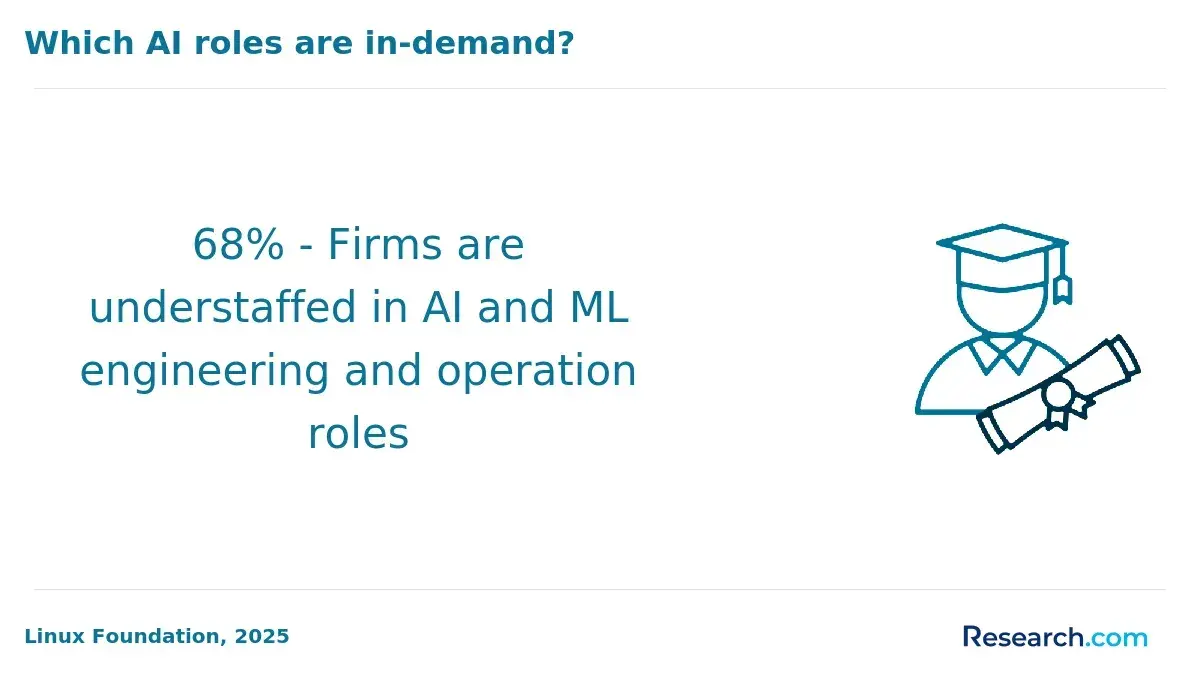
Professionals such as lawyers, policymakers, and technologists often choose AI law courses to stay current with AI's evolving legal landscape without interrupting their careers. The demand for short-form credentials is rising; a 2024 HolonIQ brief projects global spending on these non-degree credentials to reach $117 billion by 2028, fueled by AI and data governance needs.
For those exploring degrees in AI online, AI law courses often provide more affordable, flexible, and concise alternatives to JD programs, offering specialized legal knowledge tailored to emerging technologies.
Which AI law courses are accredited and reputable?
Accredited online AI law courses in the US are mainly available through well-established law schools and universities offering specialized programs in technology law or intellectual property law that focus on AI. These programs typically have American Bar Association (ABA) accreditation, ensuring high academic standards and professional recognition. For instance, Stanford Law School and Harvard Law School provide respected courses on AI and emerging technology law within their J.D. or L.L.M. programs.
Some top reputable AI and law certification programs also come from executive education providers working with accredited institutions. Although these certificates are not law degrees, they are valuable for continuing legal education and practical skills in AI law. The University of California, Berkeley's School of Law offers a Professional Certificate in AI and Law noted for its relevance to current legal issues surrounding AI technologies.
When selecting programs, prospective students should verify accreditation through ABA listings and review faculty expertise as well as active research or partnerships in AI policy and ethics. Programs that cover regulatory compliance, data privacy laws, and AI safety standards tend to be more up to date with this evolving field.
Demand for AI legal expertise is growing rapidly, with projections indicating a 30-40% increase in demand for AI and big data skills in legal roles by 2029. Combining recognized credentials with cutting-edge knowledge is crucial.
Those interested in related technology fields may also explore an online cyber security degree as a complementary option to AI law studies.
What topics do AI law courses cover?
AI law courses cover essential topics that prepare students to handle regulations governing AI technology use and their legal implications. Key subjects include data privacy laws, intellectual property rights related to AI-generated content, and the ethical implications of AI systems. Students study how laws apply to automated decision-making, liability for AI-caused harm, and compliance with evolving standards like the EU's AI Act and U.S. algorithmic accountability initiatives.
These programs also explore the intersection of AI with cybersecurity, revealing both the security benefits AI tools offer and the risks they pose to data protection. Privacy remains a core focus, especially around managing personal data in AI systems under frameworks like GDPR and CCPA. Intellectual property lessons address ownership disputes over AI inventions and the copyrightability of AI outputs.
Many courses include case studies on algorithmic bias and discrimination, equipping students with legal strategies to mitigate discriminatory effects of AI in sectors such as employment and lending. Contract law topics cover partnerships and licensing agreements related to AI development. These subjects help future lawyers tackle issues like consent to automated profiling, accountability for autonomous vehicles, and ethical use of facial recognition technology.
Mastering these fields can boost legal careers. A report by Robert Half Legal found lawyers skilled in AI, data privacy, and emerging technologies earn on average 12-20% higher compensation. For those interested in complementary programs, many institutions offer veteran friendly online cybersecurity degree options that integrate well with AI law expertise.
What are the admission requirements for AI law courses?
Admission requirements for AI law courses vary by program and institution but typically include a bachelor's degree in law, political science, computer science, or a related field. Advanced programs often require a Juris Doctor (JD) or equivalent law degree. Certificate and executive education tracks may admit professionals with substantial legal or technology experience, even without formal degrees.
Applicants generally need to provide transcripts showing strong academic performance, letters of recommendation, and a statement of purpose emphasizing their interest in the intersection of artificial intelligence and law. For online programs, reliable internet and basic technical skills are essential. Some programs also expect foundational knowledge in technology or data privacy law, so prior coursework or relevant work experience can improve acceptance chances.
Many programs prioritize candidates engaged in interdisciplinary work combining law with data science or AI ethics. Skills in programming or certifications related to AI can grant applicants advanced standing or priority admission.
Employers increasingly support legal professionals pursuing AI-related education. U.S. law firms have raised technology and innovation training budgets by 17%, often including tuition reimbursement or sponsorship, which helps reduce financial barriers.
- Submit academic transcripts and letters of recommendation
- Provide a statement of purpose detailing AI and law interests
- Ensure foundational knowledge in tech or data privacy law if required
- Leverage programming skills or relevant certifications
- Check specific prerequisites for each course or program
How long do AI law courses take and what do they cost?
AI law courses differ widely in length and cost depending on their scope and format. Most short-term certifications and introductory classes last 4 to 12 weeks, requiring 3 to 6 hours of study weekly-ideal for professionals balancing work and learning. More advanced programs, such as diplomas or university-affiliated certificates, typically span 3 to 6 months with a time commitment of 8 to 12 hours each week.
Pricing varies accordingly: introductory courses usually range from $300 to $1,000, mid-level certifications between $1,000 and $3,000, and premium or university-backed programs can exceed $5,000. For example, a well-known professional certificate may charge approximately $1,500 for a 10-week curriculum covering AI ethics, compliance, and data privacy law foundations.
Investing in these courses offers measurable benefits. According to Clio's 2024 Legal Trends report, firms utilizing cloud and AI tools achieve 10-15% higher revenue per lawyer versus less tech-savvy competitors. This highlights the value of AI upskilling in boosting legal careers.
When selecting courses, consider these factors for the best outcome:
- Study flexibility to fit your work schedule
- Relevance of curriculum to AI in legal practice
- Recognition of credentials by the legal tech industry
- Access to practical case studies or simulations
Choosing courses thoughtfully maximizes both learning efficiency and return on investment in AI law education.
Are AI law courses available fully online or in hybrid formats?
AI law courses in 2026 offer flexible options across fully online, hybrid, and in-person formats, accommodating diverse learner needs. Fully online programs provide significant convenience for working professionals and those balancing multiple responsibilities. Hybrid courses combine virtual instruction with occasional on-campus sessions, ideal for students seeking remote learning benefits along with face-to-face networking or practical workshops.
Top universities and executive education providers tailor their approaches to support different learning preferences. Some programs feature asynchronous lectures, enabling global students to study at their own pace, while others offer live virtual seminars focused on AI governance and ethics. Hybrid formats often include short in-person residencies or intensive modules designed to strengthen practical skills and peer collaboration.
These approaches address challenges such as time zone variations, professional commitments, and access to expert faculty. For example, students concentrating on AI policy may engage primarily online but travel periodically for symposiums or legal clinics related to AI law innovations.
Graduate and executive programs in AI, Law & Policy are expanding rapidly. According to the IEEE Global Initiative on Ethics of Autonomous and Intelligent Systems, over 60 universities worldwide introduced new postgraduate degrees or executive programs between 2021 and 2024. This growth enhances accessibility and program variety, making AI law education increasingly adaptable to student careers and circumstances.
What jobs can you get after an AI law course?
Completing an ai law course enables entry into various specialized legal careers that address the regulatory challenges emerging from rapid AI development. Graduates often fill roles like AI compliance officers who ensure organizations follow evolving ethics and legal standards. Legal counsel focusing on AI intellectual property and data security is increasingly sought after, as companies safeguard AI innovations and sensitive information.
Expertise in cross-border regulations is vital. AI-related legal and compliance roles have surged over 50% in OECD countries recently, reflecting growing demand for attorneys advising on international data transfers and AI governance. Specialists in privacy law and AI risk assessment assist organizations in complying with laws such as GDPR and CCPA.
Career options also include policy advisors shaping AI legislation, consultants guiding tech firms through compliance, and litigators focused on AI liability and algorithmic bias cases. Corporate positions may blend AI law with technology strategy inside CTO offices or innovation hubs.
Key focus areas include:
- Ethical algorithm use and bias mitigation
- Intellectual property disputes
- Sector-specific AI regulation in finance, healthcare, and consumer tech
Proficiency in both legal principles and AI fundamentals enhances job prospects and equips professionals to navigate complex legal landscapes in a rapidly changing field.
How much do AI law jobs pay?
AI law careers in the United States offer competitive salaries that reflect the increasing importance of legal expertise in this evolving field. Entry-level roles such as AI compliance specialists and junior legal analysts focusing on AI governance generally earn between $75,000 and $90,000 annually. Mid-career professionals, including AI risk management lawyers and in-house counsel handling AI-related regulatory compliance, command salaries ranging from $110,000 to $160,000. Senior experts specializing in AI risk, policy development, or regulatory strategy can earn over $200,000, particularly in large corporations or specialized law firms.
The growth in AI governance drives demand for these roles. Deloitte's 2024 Global Risk Management Study highlights that 61% of large enterprises aim to build or expand AI governance or risk teams by 2026, with 44% expecting legal or compliance departments to lead AI initiatives. This trend signals notable job growth and salary potential in AI law.
Salary ranges also vary by sector and specialty. Legal professionals advising on AI ethics and privacy within healthcare or finance typically receive higher pay due to industry complexity. Conversely, compliance roles in smaller tech startups may start lower but offer rapid career progression. Key skills in compliance, AI risk analysis, and policy drafting enhance earning prospects.
Strong knowledge of AI-specific regulations and data privacy laws is critical. Ongoing upskilling in AI technology and legal frameworks positions professionals to secure top-paying roles in this expanding market.
What certifications help with AI law careers?
Certifications remain essential for legal professionals seeking to specialize in AI law. The Certified Information Privacy Professional (CIPP) credential is highly valued for its focus on data privacy, a key aspect intertwined with AI regulations. For a more technical perspective, the Certified Artificial Intelligence Practitioner (CAIP) aids lawyers in understanding algorithmic processes and compliance challenges. Ethical AI certifications from respected institutions emphasize governance frameworks vital to legal advisory roles.
Many universities now offer specialized certificate programs combining AI and law, covering topics like AI policy, intellectual property, and liability issues. These programs bridge the gap between traditional legal education and emerging AI-related complexities. For working professionals, micro-credentials or targeted certificates focused on AI risk management and regulatory standards offer practical skill enhancement without lengthy commitments.
According to the 2025 Altman Weil / Wolters Kluwer legal industry report, 76% of law firm leaders anticipate profound changes in legal education driven by generative AI, while 64% expect AI-related competencies to become mandatory for new hires. This trend underscores the growing demand for certifications that validate both legal insight and technical expertise in areas such as data protection, algorithmic accountability, and AI ethics.
Professionals who pursue credentials integrating policy, compliance, and technical knowledge position themselves to meet employer expectations across sectors like healthcare, finance, and technology, confidently navigating evolving AI regulations.
Other Things You Should Know About Artificial Intelligence
Ethical concerns in AI law primarily include issues of bias, transparency, and accountability. AI systems may perpetuate existing biases if not properly designed or audited, leading to unfair legal outcomes. Ensuring transparency in AI decision-making and clearly assigning responsibility are ongoing challenges in the legal field.
While AI can automate certain tasks such as document review, legal research, and contract analysis, it is unlikely to replace lawyers entirely. The nuance, judgment, and advocacy skills required in legal practice are difficult to replicate with AI. Instead, AI is viewed as a tool to augment lawyers' work and improve efficiency.
In 2027, some of the best AI law courses online include "Artificial Intelligence and Law by Stanford University," "AI and Law Certificate from MIT," and "AI Legal & Ethical Implications by Harvard University." These programs explore the integration of AI in legal systems, covering ethical, privacy, and practical aspects of AI technology.
AI is increasingly used to support judicial decision-making by providing predictive analytics, risk assessments, and case outcome forecasts. However, these tools function as aides rather than final arbiters, as human judges retain ultimate decision authority. The use of AI aims to improve consistency and efficiency while mitigating human error.
References
- Will AI make lawyers lose their jobs or make them richer? | wansom AI Blog https://www.wansom.ai/blogs/will-ai-make-lawyers-lose-their-jobs-or-make-them-richer
- qa.com | Top 10 Must Have AI Certifications in 2026 https://www.qa.com/browse/certifications/ai-certifications/
- 16 Artificial Intelligence Career Paths https://www.calmu.edu/news/artificial-intelligence-career-paths
- Artificial intelligence law - an innovative Master's programme at Kozminski University https://www.kozminski.edu.pl/en/news/artificial-intelligence-law-innovative-masters-programme-kozminski-university
- Top AI Law Jobs: 25 Opportunities | Murray Resources https://murrayresources.com/25-top-ai-legal-jobs/
- Artificial Intelligence Law Certification: Top Programs https://tulex.ai/blog/artificial-intelligence-law-certification
- AI in the Law https://www.oxfordhomestudy.com/courses/ai-courses-online/ai-in-the-law
- The Legal AI Fundamentals Certification | Free Video Course https://www.clio.com/resources/ai-for-lawyers/legal-ai-fundamentals-certification/
- AI Literacy Programs in Europe – Supporting Article 4 of the EU AI Act https://artificialintelligenceact.eu/ai-literacy-programs/
- LLM in AI, Ethics, Regulation and Innovation - ELGS https://www.elgs.eu/academia/postgraduate-studies/llm-in-ai-ethics-regulation-innovation/