2027 Best AI Courses for Workforce Planning Teams Using Generative AI

Co-Founder and Chief Data Scientist
Workforce planning teams face growing pressure to integrate generative AI effectively while navigating complex organizational goals.
Many professionals lack targeted training to harness these technologies for predictive analytics, staffing optimization, and scenario modeling. Without relevant skills, teams risk inefficient resource allocation and missed strategic insights.
This article outlines top courses designed to bridge this gap, focusing on flexible, accredited programs suited for those transitioning from unrelated fields. Readers will gain clarity on options that equip them with practical generative AI expertise to enhance workforce planning accuracy and drive informed decision-making in evolving business environments.
Key Things You Should Know
- Workforce planning teams in 2026 benefit from AI courses emphasizing generative AI's role in predictive analytics, enhancing decision-making accuracy by up to 40% according to recent 2025 studies.
- Practical training on AI integration tools and ethical considerations is crucial, with 68% of surveyed programs including modules on data privacy and algorithmic bias mitigation.
- Top courses combine technical skills with business strategy, reflecting a 2024 industry trend where 75% of organizations prioritize AI literacy for workforce optimization roles.
Advance Your Career with AI Online Courses
Artificial Intelligence: Implications for Business Strategy
This program provides an introduction to Artificial Intelligence and their implications for business strategy. Earn an official digital certificate.

Oxford Artificial Intelligence Programme
Explore this Oxford Artificial Intelligence programme offered in a flexible learning environment and explore topics like machine learning, automation, and robotics.

Implementing Agentic AI: Building Your Organizational Playbook
This online MIT Agentic AI course offers a practical approach to deploying AI agents in your organization, including a custom playbook. 3 weeks, exclusive launch price.

AI Adoption: Driving Business Value and Impact
This online MIT AI Adoption: Driving Business Value and Impact offers practical frameworks to close the gap between AI potential and business reality.

Artificial Intelligence in Pharma and Biotech
Discover the applications and limitations of artificial intelligence in pharma and biotech with this MIT online short course.

What is generative AI for workforce planning, and why do teams need formal training?
Generative AI applications for workforce planning leverage predictive models and simulations to optimize staffing, recruitment, and retention strategies by analyzing both historical and real-time data. These tools provide actionable insights, automate repetitive tasks, and detect skill gaps or workforce imbalances before they escalate.
For workforce planning teams, formal training benefits include mastering how to interpret AI model outputs accurately, integrating recommendations into strategy, and developing algorithms aligned with organizational objectives.
Training ensures teams can:
- Understand generative AI tools' technical capabilities and limitations.
- Customize AI models for specific industries and company cultures.
- Address ethical issues, including bias mitigation in hiring predictions.
- Collaborate efficiently with data scientists to enhance algorithms.
- Convert AI-generated insights into effective workforce policies.
Without formal training, teams risk misinterpreting data, relying excessively on automation, and failing to meet employment regulations. Mismanagement of AI forecasts or scheduling can disrupt operations.
A 2025 Deloitte survey highlighted that organizations using advanced AI-enabled workforce planning are 2.3× more likely to surpass financial targets than those with limited AI adoption, emphasizing the value of educated professionals in this field.
For working professionals interested in expanding their expertise, pursuing a computer science degree online with a focus on AI can provide essential skills to stay competitive and effectively implement generative AI solutions.
Advance Your Career with AI Online Courses
Artificial Intelligence: Implications for Business Strategy
This program provides an introduction to Artificial Intelligence and their implications for business strategy. Earn an official digital certificate.
Oxford Artificial Intelligence Programme
Explore this Oxford Artificial Intelligence programme offered in a flexible learning environment and explore topics like machine learning, automation, and robotics.
Implementing Agentic AI: Building Your Organizational Playbook
This online MIT Agentic AI course offers a practical approach to deploying AI agents in your organization, including a custom playbook. 3 weeks, exclusive launch price.
Which types of AI courses best prepare workforce planning teams to use generative tools?
Courses designed for workforce planning teams using generative AI tools combine AI fundamentals with domain-specific applications.
Foundational training in machine learning, natural language processing (NLP), and generative models help professionals grasp how AI automates forecasting and delivers insights. Complementary skills in data analytics and visualization are essential to interpret AI-driven results within workforce environments.
Practical, hands-on AI courses featuring real workforce scenarios boost learning speed. Examples include projects on optimizing staffing models using AI-generated demand forecasts and automating talent acquisition workflows.
Ethical AI use, bias mitigation, and data privacy modules ensure responsible application of generative tools in workforce planning. Workforce planning professionals should consider programs emphasizing these components to improve operational effectiveness.
Tool-specific training, such as AI-enabled workforce planning software or generative AI platforms, supports teams in customizing outputs and integrating solutions with enterprise resource planning systems.
According to LinkedIn's 2025 Future of Work Report, job postings requiring both workforce planning skills and generative AI tools surged 214% globally, highlighting the rising demand for these competencies.
Prospective students may find relevant online AI degrees that incorporate generative AI training programs for workforce planning professionals to bridge analytics and AI capabilities effectively.
How do AI certificates, microcredentials, and degrees differ for workforce planning careers?
AI certificates, microcredentials, and degrees vary greatly in scope and career impact for workforce planning professionals. Certificates focus on targeted, short-term training in generative AI tools like natural language processing or AI-driven workforce analytics. These are ideal for quick skill updates or demonstrating niche expertise without extended commitment.
Microcredentials emphasize modular, project-based learning that verifies applied competencies and can be stacked to build expertise. This approach supports career advancement in roles demanding expanding AI skill sets.
For example, microcredentials might cover ethical AI use in talent management or advanced predictive analytics-offering a more practical bridge than basic certificates.
Degrees, including bachelor's and master's programs in AI or data science, provide comprehensive education on fundamentals, programming, machine learning theory, and strategic workforce planning applications. They prepare students for leadership roles by nurturing analytical thinking and problem-solving skills.
Degree programs also offer research and internship opportunities vital for integrating AI innovations into HR strategies effectively. For those exploring degree options in generative AI for workforce planning careers, a game design online degree program can sometimes include relevant AI coursework and methodologies applicable across fields.
The World Economic Forum's Future of Jobs Report 2025 highlights "AI and big data" and "talent management" among the fastest-growing skill clusters, affecting over 40% of HR roles by 2028. Workforce planners should align education choices with long-term goals and the evolving AI landscape. Certificates meet immediate needs, microcredentials facilitate skill layering, and degrees build foundational expertise needed for complex challenges.
What curriculum topics should the best AI courses for workforce planning teams cover?
The best AI courses for workforce planning curriculum focus on practical applications of generative AI in human resources and organizational strategy. Core topics typically cover generative AI models, natural language processing, and machine learning tailored for workforce analytics. Ethical considerations and data management ensure compliance with privacy regulations and responsible AI use.
Workforce planning teams learn to apply predictive analytics and scenario modeling to forecast staffing supply and demand, optimizing workforce decisions. Training also includes automating routine HR tasks like resume screening and employee sentiment analysis, which boosts efficiency without sacrificing accuracy.
Advanced content addresses integrating AI tools with HR information systems and customizing generative AI outputs for organizational needs. Practical exercises emphasize identifying skill gaps and designing learning pathways critical for workforce development.
Emphasizing generative AI skills for workforce planning teams helps prepare professionals to lead digital transformation and change management initiatives effectively.
According to a Coursera Workforce Skills Report, HR professionals who completed AI-focused credentials saw a median 32% increase in internal mobility within 12 months, highlighting the advantages of applied AI upskilling.
For further advancement, consider exploring analytics masters programs that enhance data analytics capabilities essential for workforce planning careers.
How do online, hybrid, and on-campus AI programs compare for working professionals?
Online, hybrid, and on-campus AI education programs each offer unique benefits and challenges for working professionals. Online programs provide the greatest flexibility, allowing learners to manage job demands while studying.
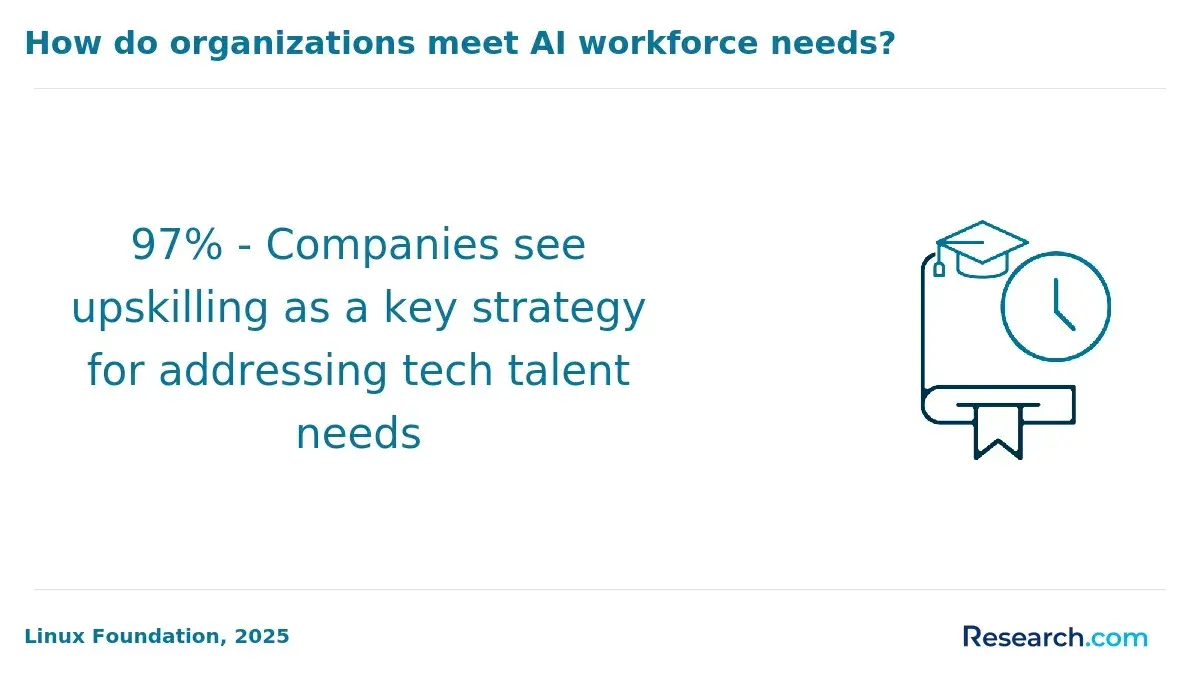
Many accredited online certificates feature asynchronous lectures and projects that fit irregular schedules. For workforce planning professionals, this flexibility supports immediate application of skills. Data from edX shows 78% of learners completing business or HR-related AI certificates report career benefits within a year.
Hybrid programs combine online study with occasional in-person sessions, balancing convenience and direct engagement. These face-to-face intensives promote deeper understanding of complex AI concepts and facilitate mentoring and peer collaboration-key for team-based workforce settings.
On-campus options offer immersive experiences with hands-on labs and close faculty access. They demand more time and commuting, which can be difficult for full-time employees without employer support. These programs work best when employers sponsor the training and provide dedicated study time to accelerate skill acquisition.
Professionals should consider factors such as schedule flexibility, learning style, and employer resources when selecting a program. Online formats deliver accessibility and real-time applicability, hybrid models offer balanced interaction, and on-campus programs maximize depth but allow less flexibility.
Which accreditation and quality standards matter for AI courses in workforce planning?
Accreditation plays a vital role in selecting AI courses for workforce planning teams. Prioritize programs accredited by recognized organizations such as ABET, AACSB, or regional agencies, ensuring the curriculum meets stringent educational standards. Accredited courses typically cover essential data analytics, machine learning, and human resources technology competencies critical to effective workforce planning.
Alignment with industry standards, such as the AI Ethics Guidelines by IEEE or ISO/IEC JTC 1/SC 42 committee standards, further validates course content. These frameworks emphasize ethical AI use, data privacy, and algorithmic transparency, which are essential for HR professionals implementing generative AI in hiring processes.
Look for instructors with certified expertise or partnerships with leading HR technology vendors. For instance, SAP SuccessFactors' AI training uses vendor-endorsed tools proven to reduce time-to-fill critical roles by 27% within one year, according to a 2025 customer study. This highlights the practical value of vendor-supported courses focused on workforce analytics.
Practical, hands-on experience with real-world datasets and AI-driven workforce planning software enhances skill development and workplace applicability. Additionally, courses offering continuing education credits or professional development units recognized by HR associations like SHRM or HRCI support career growth and effective integration of AI in HR workflows.
Top Firm Initiatives That Would Encourage Daily GenAI Usage

What are typical admission requirements and time commitments for AI programs in this field?
Admission to AI programs focused on workforce planning typically requires a bachelor's degree in fields like computer science, data analytics, business, or engineering. Many institutions expect foundational knowledge in programming languages such as Python and statistics, although some offer preparatory courses.
Relevant work experience in workforce management or HR analytics can strengthen applications but is not always mandatory. Additional requirements may include letters of recommendation, personal statements, or technical assessments for specialized tracks.
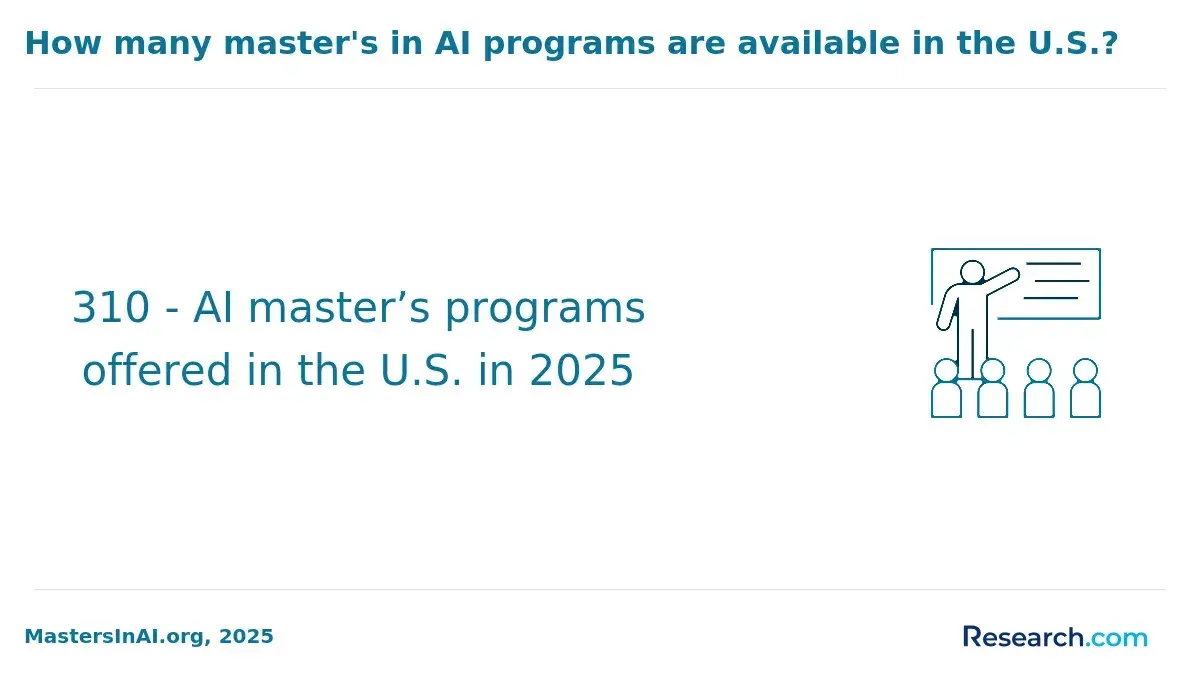
Course durations and time commitments vary. Part-time online options for working professionals generally span 6 to 12 months with 5 to 10 hours weekly. Full-time immersive programs or boot camps last 3 to 6 months, requiring 30 to 40 hours weekly.
University certificates or master's degrees can take between 9 months and 2 years. Many programs integrate practical projects with generative AI tools tailored to workforce planning, enabling learners to apply new skills immediately.
According to IBM's 2024 Skills Transformation Report, enterprises with internal AI academies close skill gaps 45% faster than those relying solely on external hiring. This highlights the importance of hands-on courses that emphasize AI applications for workforce analytics, ethical modeling, and automation aligned with current industry needs.
How much do AI courses for workforce planning cost, and what funding options exist?
AI courses for workforce planning teams vary widely in cost, typically ranging from free introductory sessions to in-depth programs priced between $1,000 and $5,000 per participant. Course fees depend on factors such as content depth, provider reputation, and format.
For example, self-paced online courses from major platforms often start around $300, with optional certificates available for an additional fee. In contrast, expert-led bootcamps or university extension programs may charge $3,000 to $5,000 or more.
Funding options vary by employment status and company size. Larger organizations often allocate budgets for AI upskilling and negotiate group rates or corporate packages to lower costs.
Smaller businesses and individuals can explore government grants, workforce development funds, and education tax credits designed to support professional growth in emerging technologies. Learning and Development grants or partnerships with workforce agencies also offer subsidized training opportunities.
Employees should check if their employer offers tuition reimbursement, which can cover all or part of course costs. According to a McKinsey Global Survey, companies investing in structured ai upskilling programs saw a median 3.6× return on investment from cost savings and productivity gains. This underlines the value of selecting quality courses that deliver measurable business impact.
Course selection should consider both duration and relevance. Shorter modules under 20 hours address immediate skills gaps, while longer, hands-on programs help integrate generative AI strategies into workforce planning.
What career paths, roles, and employers use generative AI in workforce planning today?
Generative AI is transforming workforce planning by improving decision-making, predictive analytics, and talent management across industries such as technology, consulting, healthcare, and multinational corporations driving digital transformation.
Key career opportunities include workforce analysts, HR data scientists, labor market researchers, and AI ethics officers who combine skills in data modeling, machine learning, and change management with knowledge of AI governance frameworks.
AI applications in workforce planning involve scenario-based staffing models, automating candidate screening, and forecasting skill shortages. Yet, organizations face challenges in AI literacy; according to PwC's 2025 AI Business Survey, 61% of executives cite inadequate AI literacy and governance skills among managers as barriers to AI adoption at scale.
Key roles leveraging generative AI include:
- Workforce analytics managers integrating AI insights into strategic planning
- HR business partners using AI for talent acquisition and retention forecasting
- Organizational development specialists creating AI-powered training and reskilling
- Compliance and governance professionals overseeing ethical AI use
Top employers seek candidates with hybrid expertise in AI technology and human capital management. Prospective students and professionals should focus on mastering generative AI models applied to labor markets and workforce dynamics to stay competitive in evolving roles.
What salaries and job outlook can graduates expect in AI-enabled workforce planning roles?
Graduates stepping into roles that blend workforce planning with artificial intelligence can anticipate competitive salaries and strong growth opportunities. Entry-level salaries generally range from $75,000 to $90,000 per year.
With experience, particularly in generative AI platforms and scenario modeling, mid-career professionals often earn between $110,000 and $140,000. Senior specialists or managers leading AI integration initiatives may see salaries surpassing $160,000 annually.
These figures highlight the growing need for skills that combine workforce analytics with AI capabilities like natural language processing and predictive scenario simulation.
The job outlook for these professionals is exceptionally positive. A 2025 HR Technology Forecast predicts that by 2028, 70% of workforce planning teams in large enterprises will routinely adopt generative AI-augmented tools, up sharply from under 10% in 2023.
This rapid adoption expands opportunities for experts skilled in AI-driven labor forecasting, talent gap analysis, and automated scenario planning.
Key skills for candidates include mastering AI applications in strategic workforce management and integrating machine learning models with HR data systems. Proficiency in AI-driven visualization and cloud-based planning software can significantly enhance employability and earning potential.
These competencies help address employer challenges such as optimizing labor costs and adapting swiftly to market changes.
Graduates and professionals looking to advance in this field will find sustained job stability and growing employer investment in artificial intelligence-powered workforce planning tools.
Other Things You Should Know About Artificial Intelligence
Yes, many AI tools designed for workforce planning come with user-friendly interfaces that do not require advanced programming skills. Courses tailored for these teams focus on understanding AI concepts and applying software tools rather than coding. However, familiarity with data analytics and basic technical literacy is beneficial for maximizing AI's impact in planning tasks.
Ethical concerns include avoiding bias in AI algorithms, ensuring transparency in decision-making, and protecting employee privacy. Workforce planning teams must actively monitor AI outputs to prevent discrimination based on age, gender, or ethnicity. Establishing guidelines and regular audits helps maintain fairness and accountability in AI-driven workforce decisions.
Artificial intelligence enhances forecasting by analyzing complex historical data patterns that traditional methods may miss. Machine learning algorithms adapt as new data arrive, improving predictions about staffing needs and skill gaps. This leads to more proactive and efficient workforce management aligned with organizational goals.
References
- Artificial Intelligence and Accreditation: Does It Really Help Us? https://nac-us.org/2025/11/25/artificial-intelligence-and-accreditation-does-it-really-help-us/
- Rethinking Roles in the Age of Intelligent Machines - Harvard Business Impact https://www.harvardbusiness.org/insight/the-fluid-future-of-work-rethinking-roles-in-the-age-of-intelligent-machines/
- AI-Powered Strategic Workforce Planning Guide https://www.techclass.com/resources/learning-and-development-articles/strategic-workforce-planning-with-ai-guide-for-hr-leaders
- The Best AI Training Courses for HR, Managers, and Employees in 2026 | Article | Lattice https://lattice.com/articles/ai-training-courses-for-every-team
- Micro-Credentials & Certifications Can Power Your Career - Higher Education Jobs - Higher Education Recruitment Consortium https://www.hercjobs.org/career-advice/micro-credentials-and-certifications-can-power-your-career/
- Generative AI, the American worker, and the future of work | Brookings https://www.brookings.edu/articles/generative-ai-the-american-worker-and-the-future-of-work/