2027 Best AI Strategy Courses for Property Management Teams

Co-Founder and Chief Data Scientist
Property management teams often struggle to harness the potential of artificial intelligence due to a lack of targeted education and practical training. This gap results in missed opportunities for automation, predictive maintenance, and enhanced tenant experiences. Traditional courses may not address the unique needs of property management professionals seeking to integrate artificial intelligence into daily operations effectively.
This article examines the leading strategy courses designed specifically for property management teams, focusing on flexibility, accreditation, and real-world application. It aims to guide professionals in selecting the best course to accelerate their transition into the evolving field of artificial intelligence within property management.
Key Things You Should Know
- AI strategy courses for property management increasingly focus on automation and predictive analytics, boosting operational efficiency by up to 45% according to 2025 industry reports.
- Top programs emphasize integration of AI tools with existing property software, enhancing tenant experience and reducing vacancy rates by up to 20%.
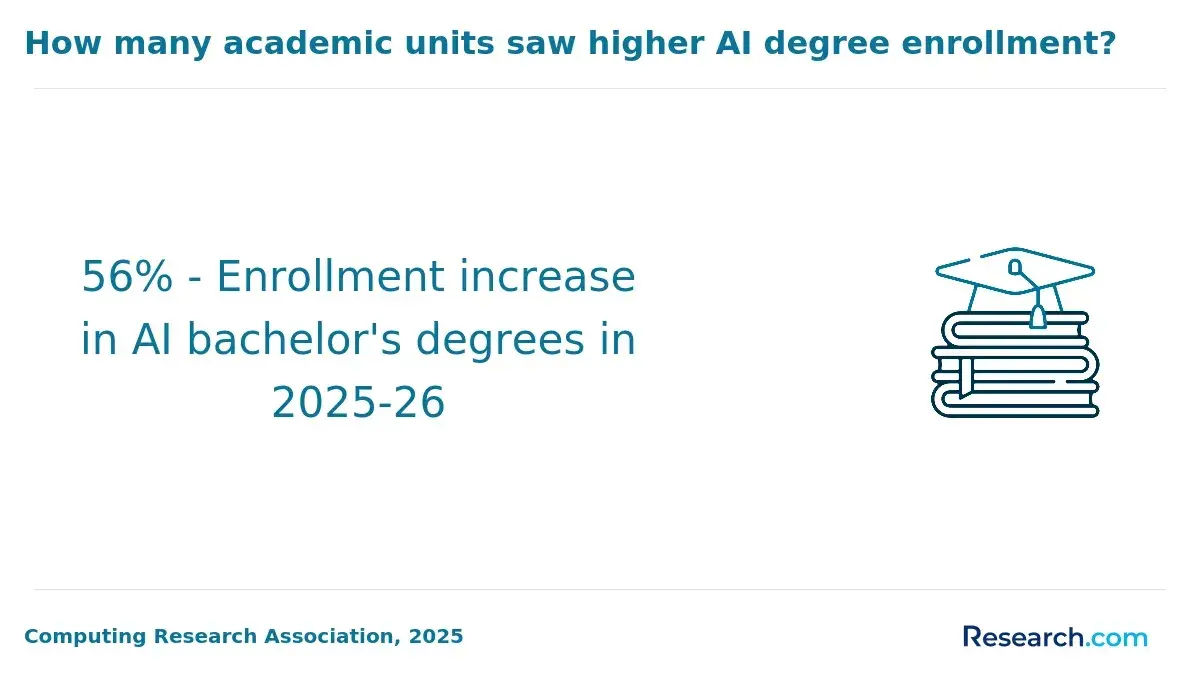
- Growing demand for AI-literate managers drives course availability, with a 30% increase in enrollment in AI strategy certificates tailored to real estate professionals since 2024.
Advance Your Career with AI Online Courses
Artificial Intelligence: Implications for Business Strategy
This program provides an introduction to Artificial Intelligence and their implications for business strategy. Earn an official digital certificate.

Oxford Artificial Intelligence Programme
Explore this Oxford Artificial Intelligence programme offered in a flexible learning environment and explore topics like machine learning, automation, and robotics.

Implementing Agentic AI: Building Your Organizational Playbook
This online MIT Agentic AI course offers a practical approach to deploying AI agents in your organization, including a custom playbook. 3 weeks, exclusive launch price.

AI Adoption: Driving Business Value and Impact
This online MIT AI Adoption: Driving Business Value and Impact offers practical frameworks to close the gap between AI potential and business reality.

Artificial Intelligence in Pharma and Biotech
Discover the applications and limitations of artificial intelligence in pharma and biotech with this MIT online short course.

What is an AI strategy course for property management teams and who should take it?
AI strategy courses for property management teams focus on integrating artificial intelligence tools into real estate operations to boost efficiency and reduce costs. These best courses on AI implementation in property management cover practical uses such as automating tenant screening, optimizing maintenance, forecasting rental prices, and enhancing customer service with AI-powered chatbots. Participants also learn to evaluate AI solutions, manage data ethically, and apply these technologies effectively within teams.
These courses benefit property managers, leasing agents, operations directors, and IT staff involved in decision-making or team leadership. For example, a leasing manager might use AI to analyze demographic trends for targeted marketing, while an operations director could automate vendor scheduling. Such skills help professionals stay competitive as AI adoption rapidly increases.
According to AppFolio's Property Manager Benchmark Report, over half of property management businesses already employ AI in at least one area, with 20% planning to expand its use. This trend highlights the importance of acquiring AI strategy skills to lead integration efforts confidently and avoid falling behind peers.
Challenges addressed include overcoming staff resistance, maintaining tenant interaction quality, and ensuring data security. Comprehensive courses combine technical, regulatory, and ethical training to empower teams to deploy AI thoughtfully. Individuals pursuing an artificial intelligence major or those interested in AI-driven property management will find these courses especially valuable.
Advance Your Career with AI Online Courses
Artificial Intelligence: Implications for Business Strategy
This program provides an introduction to Artificial Intelligence and their implications for business strategy. Earn an official digital certificate.
Oxford Artificial Intelligence Programme
Explore this Oxford Artificial Intelligence programme offered in a flexible learning environment and explore topics like machine learning, automation, and robotics.
Implementing Agentic AI: Building Your Organizational Playbook
This online MIT Agentic AI course offers a practical approach to deploying AI agents in your organization, including a custom playbook. 3 weeks, exclusive launch price.
How can AI strategy training improve operations, revenue, and tenant experience in property management?
AI strategy training for property management efficiency directly improves operations by teaching teams to deploy automation tools effectively. For example, courses on AI-driven leasing and resident communication enable staff to reduce manual workloads, freeing time for higher-value tasks like personalized tenant interactions and proactive maintenance scheduling. Buildium's report on AI in property management notes that automation can reduce time spent on these tasks by up to 30%.
Revenue improvements also stem from training in predictive analytics, allowing property managers to optimize rent pricing according to market trends and tenant demand. AI tools can identify patterns that help reduce vacancy rates and streamline lease renewals. Targeted marketing efforts based on data insights contribute to higher occupancy and more stable income streams.
Improving tenant experience with ai-driven property operations is another significant advantage. Training often includes AI-powered chatbots and communication platforms, which respond instantly to tenant requests and increase satisfaction and retention. According to Buildium's findings, tenant satisfaction scores improve by 7-10% with AI engagement tools, supporting better tenant trust and loyalty.
These programs prepare property professionals to tackle challenges like time constraints, revenue fluctuations, and communication delays by integrating AI solutions. For prospective students interested in combining technology and property management, exploring a cheapest engineering degree can be a practical step toward gaining relevant skills and advancing their careers.
What types of AI strategy courses are best for property management professionals and teams?
Courses designed for property management professionals emphasize practical artificial intelligence training for real estate professionals, focusing on operational efficiency, tenant experience, and data-driven decisions. These programs cover AI-powered property management software, predictive analytics for market trends and maintenance, and automation of communication workflows, enabling teams to enhance leasing speed, tenant satisfaction, and maintenance scheduling.
AI strategy courses blend technical literacy with applications tailored for property management. Hands-on training includes natural language processing for chatbot integration and AI-enabled document management, reducing administrative workloads. Additionally, case studies on forecasting rental prices and analyzing occupancy rates provide valuable real-world insights that can be applied directly.
Leadership-centered training is critical for managing AI adoption and developing team skills. According to AppFolio's Property Manager Benchmark Report, 63% of property management leaders identify staff training to leverage new technology and AI effectively as a top operational challenge. Courses with a focus on change management and upskilling are essential for teams to navigate AI transformation.
Specialized programs typically address:
- AI integration in property management platforms to automate routine tasks.
- Data analytics for portfolio optimization.
- Ethical considerations and compliance when applying AI.
- Collaborative methods for cross-functional AI adoption in teams.
Blending theory, practical skills, and leadership ensures property management teams can close the skills gap and maximize AI's benefits. For those exploring adjacent fields, an accelerated cyber security degree online can also complement AI expertise in technology-driven environments.
What should you look for in the curriculum of an AI strategy course for property management?
Curriculum in AI strategy integration for property management emphasizes practical applications that lead to measurable performance improvements. Effective courses include modules on automated lead follow-up, tour scheduling, and predictive leasing analytics, which directly improve occupancy rates and operational efficiency. Programs that combine data-driven decision-making with property-specific AI tools enable teams to enhance tenant experiences and reduce vacancy periods, reflecting crucial elements of practical applications of AI tools for property teams.
Training covers AI platforms that manage tenant communications, streamline maintenance requests, and optimize rent pricing. According to Second Nature's data, AI-powered leasing assistants improve lead-to-lease conversion rates by 30-40% compared to manual processes, underscoring the value of curriculum that blends AI theory with leasing automation technologies.
Ethical AI use and data privacy are vital topics, ensuring compliance with housing regulations and transparency in AI decisions. Advanced instruction may also explore AI integration with building management systems to boost energy efficiency and security.
Hands-on workshops and case studies address diverse property types-residential, commercial, and mixed-use-helping teams adapt AI strategies across markets. Training in metrics analysis and continuous system tuning prepares property managers to respond effectively to market shifts. Collaboration skills between AI specialists and property managers are also fostered to bridge technology and management.
Prospective students may find it valuable to pursue an computer science online degree as a foundation for mastering these AI strategy applications in property management.
How do online AI strategy courses compare with on-campus or in-house training for property teams?
Online ai strategy courses for property management teams offer valuable flexibility and scalability. Trainees can learn at their own pace, fitting studies around work commitments without disruptions from travel. This is vital for property professionals who must balance day-to-day operations with skill development. Moreover, online offerings frequently update their content to reflect the latest ai tools and industry trends, maintaining relevance.
On-campus and in-house training, by contrast, provide more personalized, hands-on experiences. These formats enable immediate feedback, group collaboration, and customized sessions tailored to specific property portfolios or company workflows. While this approach can optimize operational integration quickly, it often involves higher costs due to travel and venue fees, along with scheduling challenges.
For instance, DoorLoop's analysis of ai maintenance tools found that using AI for work order triage and scheduling cut maintenance response times by 25-40% and reduced after-hours emergency calls by 15%. Properly structured in-house programs help embed these AI applications directly into existing systems. Meanwhile, online courses tend to offer broader strategic frameworks and case studies from various industry contexts, helping teams develop adaptable skills.
Teams should evaluate their immediate training needs, budget, and desired outcomes before choosing between these formats. Combining online and in-house learning may enhance long-term skill retention and effective implementation.
Which accreditation, industry recognition, or partnerships matter for AI strategy courses in real estate?
Accreditation and industry recognition are vital when evaluating ai strategy courses in real estate. Students should seek programs accredited by respected bodies such as the Real Estate Standards Organization (RESO) or endorsed by associations like the National Apartment Association (NAA) and the Institute of Real Estate Management (IREM). These credentials ensure the curriculum meets industry standards and adapts to changing market needs.
Partnerships with technology companies specializing in ai-driven property management, including AppFolio and Yardi, enhance course relevance by linking theory with practical application. Such alliances prepare professionals to deploy ai tools that boost operational efficiency and improve resident experience.
Academic collaborations with ai research centers increase curriculum rigor by incorporating scientifically grounded methods, not just market trends. This connection benefits learners by offering insights from leading-edge research.
Data from the AppFolio Resident Experience & AI study shows communities using ai-powered resident portals and chatbots see retention increases of 5-8 percentage points compared to those without ai features. This underscores the tangible advantages of training focused on practical ai applications supported by credible partners.
- Accreditation from industry authorities like RESO, NAA, and IREM
- Partnerships with technology leaders such as AppFolio and Yardi
- Affiliations with top ai research institutions
- Data-driven results demonstrating improved resident retention
What are typical admission requirements, time commitment, and costs for AI strategy courses?
Admission to AI strategy courses in property management usually requires a bachelor's degree in business, real estate, or a related discipline, along with basic skills in data analysis or programming. Some programs accept significant professional experience instead of formal education, particularly for mid-career professionals aiming to specialize. Prerequisites typically include a foundational understanding of artificial intelligence concepts and property management practices to ensure practical application of course materials.
Course duration and time commitment depend on the format. Intensive boot camps span 2-4 weeks with 30-50 hours of daily sessions, ideal for rapid skill development. Part-time courses often extend over 3-6 months, requiring 5-10 hours weekly, accommodating those working full-time. Self-paced online options provide flexibility, generally recommending 4-8 weeks to complete core modules based on engagement.
Costs vary by course depth and delivery style. Short workshops or certifications range from $500 to $2,000, while comprehensive certificates or university-affiliated programs cost between $3,000 and $8,000. Financial aid or employer tuition reimbursement may be available. According to a 2024 Re-Leased analysis, owners leveraging AI-driven rent and pricing strategies saw a 3-5% increase in net operating income compared to manual pricing, highlighting the financial benefits of acquiring AI strategy expertise in property management.
What AI and property management roles can these courses prepare you for, and what are typical salaries?
AI strategy courses for property management professionals equip learners for roles like AI implementation specialists, tenant screening managers, compliance officers, property risk analysts, and automation coordinators. These positions focus on harnessing AI tools to streamline property operations, improve tenant vetting accuracy, and ensure compliance with regulations. For example, AI implementation specialists manage the integration of AI-driven software to enhance workflow efficiency, while tenant screening managers apply AI models to assess applicant data quickly and reliably.
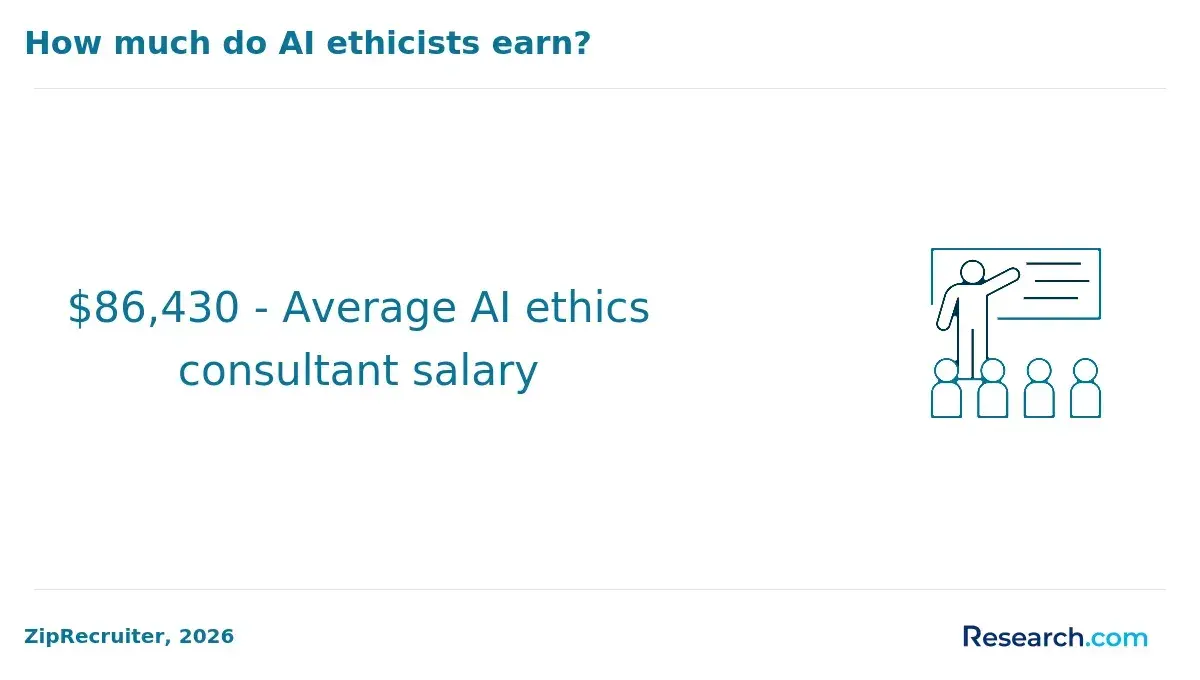
Salary ranges differ by role and experience level. Entry positions in AI integration often start near $60,000 annually. Mid-level roles such as risk analysts and compliance officers typically earn between $80,000 and $110,000, with senior roles like AI strategy managers exceeding $130,000 in larger firms.
Data from DoorLoop's 2024 AI Applications in Real Estate Property Management report highlights that properties using AI-based risk models experienced a 10-15% reduction in eviction filings within 12 months compared to manual methods. This underscores AI's tangible benefits in tenant screening, leveraging predictive analytics to reduce costly evictions.
Courses frequently emphasize skills in compliance automation, data privacy, and predictive maintenance scheduling. Practical training often involves automated tenant screening tools and AI compliance platforms, preparing graduates to navigate regulatory challenges while maximizing operational efficiency.
What is the job outlook for property managers and real estate teams with strong AI skills?
Property managers and real estate teams skilled in artificial intelligence enjoy a growing competitive edge through enhanced efficiency and smarter decision-making. AI-powered platforms reduce time spent on data reconciliation and manual reporting by 20-25%, according to the Re-Leased 2026 Best AI-Powered Property Management Platforms report. This efficiency gain frees professionals to focus on strategic tasks such as portfolio optimization and personalized tenant engagement.
Employers increasingly value candidates capable of implementing AI systems to automate rent collection, predictive maintenance, and market analysis. These automated workflows cut operational costs and decrease human error while enabling better forecasting of market trends, lease pricing, and investment decisions.
Key job roles impacted by AI proficiency include property manager, asset manager, and real estate analyst. Success in these positions depends on understanding AI integration with property management software, data analytics, and machine learning applications. As AI redefines daily responsibilities from manual work to strategic oversight, continuous upskilling in emerging AI technologies becomes essential.
Professionals seeking career advancement should pursue courses offering hands-on experience with AI platforms, data interpretation, and automation. These skills increase access to higher-paying roles and leadership opportunities in AI-driven property operations.
How can property firms choose the best AI strategy course for their size, portfolio, and tech maturity?
Property firms must tailor AI strategy courses to their size, portfolio complexity, and technological maturity to maximize benefits. Smaller firms with limited portfolios should focus on programs that teach foundational AI skills in data analytics and process automation, which improve tenant management and operational efficiency. Medium and larger firms overseeing diverse assets need advanced training in predictive analytics, asset optimization, and proptech integration for a competitive edge.
Assessing technological readiness is crucial. Firms with established digital infrastructures should select courses that emphasize integrating AI with existing platforms like smart building systems or AI-powered customer relationship management tools. In contrast, organizations with low tech maturity gain more from programs focusing on AI fundamentals, change management, and adoption strategies.
Choosing courses requires attention to curriculum relevance, inclusion of case studies, and instructor expertise, ensuring practical application in real estate scenarios. Certifications that highlight hands-on AI implementation enhance workforce credibility and value.
The Columbia University "Artificial Intelligence in Real Estate" program highlights that real estate professionals skilled in applied AI and data analytics earn 10-20% salary premiums in analytics, asset management, and proptech roles. This underscores prioritizing actionable skills over theoretical knowledge.
- Is content customized to your portfolio type (residential, commercial, mixed-use)?
- Are hands-on projects or simulations included to mirror operational challenges?
- Does the curriculum cover regulatory and ethical issues specific to property management?
- Is ongoing support or community access offered post-course for continuous learning?
By aligning AI education with firm-specific requirements, property management teams can effectively upskill and thrive in an AI-driven real estate market.
Other Things You Should Know About Artificial Intelligence
In 2027, leading AI strategy courses such as "AI Integration for Real Estate Professionals" from CREtech+ and "Smart AI Solutions for Property Managers" from Udacity are preferred. They focus on practical applications, data management, and overcoming implementation hurdles specific to property management.
Artificial intelligence enhances decision-making by providing predictive analytics, risk assessments, and market trend analysis. AI tools can automate routine tasks and offer data-driven insights, enabling property managers to make more informed decisions on maintenance, leasing, and investments. This results in improved operational efficiency and strategic planning.
A common misconception is that artificial intelligence will replace human property managers entirely. In reality, AI primarily acts as an augmenting tool, handling repetitive or data-intensive tasks while allowing managers to focus on relationship-building and strategic roles. Another misunderstanding is that AI systems can operate without regular updates and supervision, which is not true.
Teams must establish clear guidelines for transparency, data privacy, and fairness when deploying artificial intelligence. This includes auditing AI algorithms to prevent bias in tenant screening or pricing and ensuring tenant consent for data collection. Ongoing training on ethical AI use helps maintain trust and compliance with legal standards.
References
- The AI Boom In Executive Education: What You Can Study Right Now At The World's Top B-Schools https://poetsandquantsforexecs.com/exec-ed/the-ai-boom-in-executive-education-what-you-can-study-right-now-at-the-worlds-top-b-schools/
- AI Strategy Framework: 11 Best for Enterprise 2026 https://iternal.ai/best-ai-strategy-frameworks
- Best AI Property Management Tools Compared (2026) https://www.theaiconsultingnetwork.com/blog/ai-property-management-tools-compared-2026-buyers-guide
- 5 Tips to Succeed with AI Strategy & Implementation https://www.cbh.com/insights/articles/how-to-succeed-at-ai-strategy-and-implementation-the-5-questions-every-company-needs-answered/
- Best AI-Powered Property Management Platforms: 2026 Guide https://www.re-leased.com/software/best-ai-powered-property-management-platforms-2026-guide
- Artificial Intelligence: What is it? And How Does it Apply to Property Management? https://naahq.org/ai-property-management
- AI in Property Management Solutions, Examples, and Decision Compass | Hicron Software https://hicronsoftware.com/blog/property-management-ai-solutions/
- AI in Property Management: Benefits, Costs, and ROI https://www.bookingninjas.com/blog/the-cost-benefit-analysis-of-ai-in-property-management
- Artificial intelligence in-house training: AI in-house training & AI in-house training for companies | Ventum Consulting https://www.ventum-consulting.com/en/trainings/artificial-intelligence-in-house-training-ai-in-house-trainings-ai-in-house-seminars-for-companies/
- Applied AI Careers with Future-Ready Skills https://newstateu.com/applied-ai-careers-with-future-ready-skills