2027 Best AI Courses for Private Equity Operating Partners With Certificates

Co-Founder and Chief Data Scientist
Private equity operating partners face increasing pressure to leverage artificial intelligence to optimize portfolio company performance. However, many lack the technical expertise and flexible learning options needed to keep pace with rapid AI advancements. This knowledge gap limits their ability to drive data-driven decisions and gain competitive advantages. Identifying reputable courses that offer relevant certifications becomes crucial to bridge this divide efficiently without disrupting demanding schedules. This article highlights the best artificial intelligence courses tailored for private equity operating partners, focusing on accredited, flexible programs that equip professionals with practical AI skills and recognized credentials to enhance operational impact.
Key Things You Should Know
- Top AI courses for private equity operating partners in 2026 emphasize practical applications, with over 65% offering certification to ensure industry-recognized credentials.
- Programs focus on data-driven decision-making, predictive analytics, and automation tailored to private equity operational challenges, enhancing efficiency and deal outcomes.
- Enrollment in AI certificate courses for finance professionals increased by 40% from 2024 to 2025, reflecting growing demand for AI skills in private equity.
Advance Your Career with AI Online Courses
Artificial Intelligence: Implications for Business Strategy
This program provides an introduction to Artificial Intelligence and their implications for business strategy. Earn an official digital certificate.

Oxford Artificial Intelligence Programme
Explore this Oxford Artificial Intelligence programme offered in a flexible learning environment and explore topics like machine learning, automation, and robotics.

Implementing Agentic AI: Building Your Organizational Playbook
This online MIT Agentic AI course offers a practical approach to deploying AI agents in your organization, including a custom playbook. 3 weeks, exclusive launch price.

AI Adoption: Driving Business Value and Impact
This online MIT AI Adoption: Driving Business Value and Impact offers practical frameworks to close the gap between AI potential and business reality.

Artificial Intelligence in Pharma and Biotech
Discover the applications and limitations of artificial intelligence in pharma and biotech with this MIT online short course.

What are the best AI courses for private equity operating partners with certificates?
Top certified AI training programs for private equity operating professionals focus on applied skills that deliver measurable business value, particularly in pricing, sales, and operational efficiency. McKinsey & Company reports that private equity firms leveraging AI in portfolio operations experience EBITDA improvements of 5-15% more than peers without AI adoption. This underscores the critical role of targeted AI education for operating partners.
Executive education offerings blend AI fundamentals with practical use cases in finance and operations. Courses like "AI for Business Leaders" and "AI in Finance and Operations" emphasize private equity-related case studies, enabling partners to integrate AI insights for portfolio optimization effectively. For those seeking the best AI courses with certificates for private equity operating partners, these programs are particularly relevant.
Technical certificate programs from leading platforms and universities, including MIT Professional Education and Stanford, cover machine learning, data analysis, and AI-driven forecasting. These credentials add credibility and improve collaboration between operating partners and data science teams. Experience-backed certificates involving real-world AI projects, such as portfolio analysis, have added value by addressing operational demands. Professionals aiming to deepen their expertise may explore an artificial intelligence degree, which offers expansive knowledge supporting strategic and operational roles in private equity.
Advance Your Career with AI Online Courses
Artificial Intelligence: Implications for Business Strategy
This program provides an introduction to Artificial Intelligence and their implications for business strategy. Earn an official digital certificate.
Oxford Artificial Intelligence Programme
Explore this Oxford Artificial Intelligence programme offered in a flexible learning environment and explore topics like machine learning, automation, and robotics.
Implementing Agentic AI: Building Your Organizational Playbook
This online MIT Agentic AI course offers a practical approach to deploying AI agents in your organization, including a custom playbook. 3 weeks, exclusive launch price.
Which AI certificate programs fit private equity operating partners?
AI certificate programs for private equity operating partners prioritize practical applications over technical model building, focusing on driving portfolio value. Top courses emphasize business strategy, operational efficiency, and data-driven decision-making specifically designed for PE environments. Esteemed institutions such as Stanford, MIT Sloan, and Harvard Business School provide executive AI courses blending foundational knowledge with frameworks for value creation.
Deloitte's research reveals 72% of PE firms intend to up their AI-related training or operational spending, though only 28% have formal evaluation frameworks for AI education providers. This highlights why choosing the best artificial intelligence courses with certification for private equity professionals requires verification of measurable ROI on learning outcomes.
When selecting AI certificates, consider whether programs:
- Include modules on AI's effects on financial modeling, operational workflows, and predictive analytics.
- Offer access to platforms simulating real-world AI in PE portfolios.
- Cover regulatory and ethical aspects of AI deployment.
Prospective students seeking a cheap online engineering degree may also find these courses relevant for building a tech-savvy skill set complementing private equity expertise.
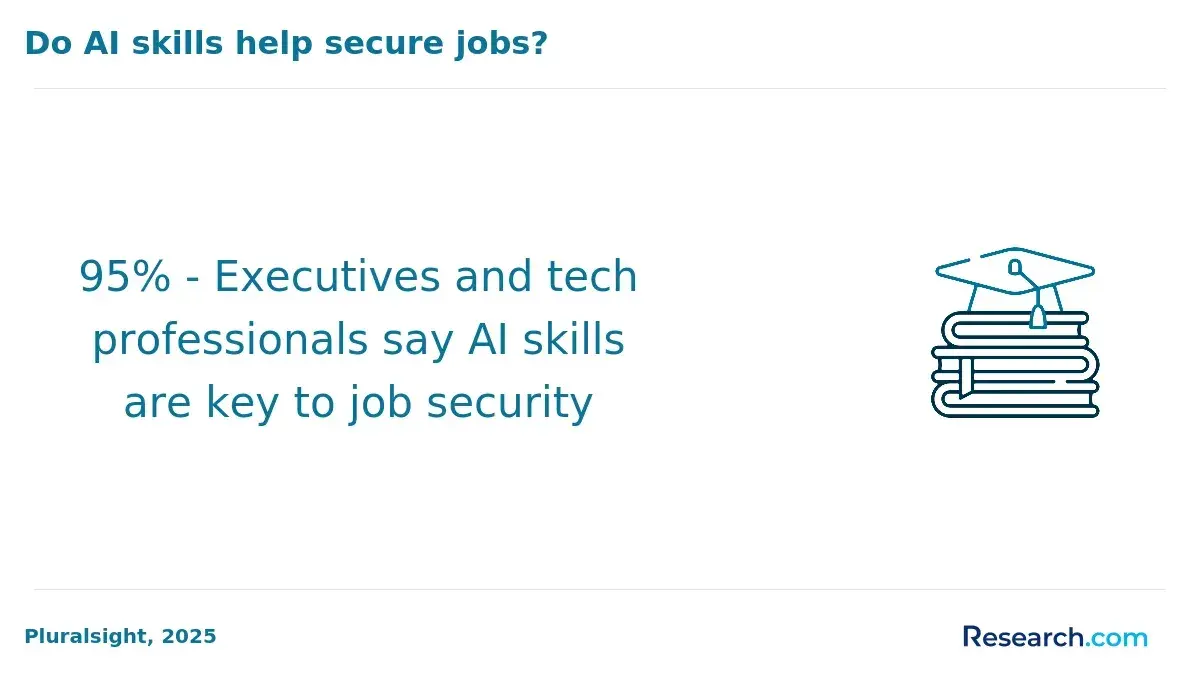
Are online AI certificates better than campus programs for operating partners?
Online AI certificate programs offer private equity operating partners flexible and efficient pathways to gain relevant skills without pausing their careers or relocating. These programs update rapidly to reflect advances in AI technology and business applications, which is essential as Gartner projects that by 2026, 80% of large enterprises will deploy generative AI APIs or applications-up from under 5% in 2023. Such trends create a pressing need for operating partners to close the growing AI skills gap.
Compared to campus programs, online certificates emphasize practical, real-world tools like generative AI integration and data-driven decision-making, critical for value creation and portfolio management. Campus offerings provide deeper theoretical foundations but often lack the immediacy and adaptability required by today's fast-evolving AI landscape.
Cost advantages also favor online learning, lowering tuition and removing relocation expenses. Networking remains viable through virtual cohorts and access to industry experts, preserving a key campus benefit. Operating partners should seek AI certificates balancing business relevance with technical rigor, incorporating case studies and project-based learning aligned with enterprise AI trends.
For more comprehensive options, exploring accredited data science degrees can complement AI certificates to deepen expertise and enhance career impact. Choosing the best online AI certificate programs for operating partners requires attention to content applicability, cost, and pace, especially when weighing campus vs online AI certification benefits for private equity professionals.
What should an AI course for private equity operating partners teach?
An AI course designed for private equity operating partners focuses on practical integration of ai applications for private equity value creation, including data-driven decision-making frameworks and hands-on use of machine learning strategies for operating partners. These courses cover financial forecasting models and automated due diligence processes specific to private equity contexts. For instance, training may show how AI identifies operational inefficiencies within portfolio companies and predicts market dynamics that affect asset valuation.
AI ethics and compliance are critical, emphasizing the mitigation of risks like algorithmic bias and data privacy issues. Risk assessment training incorporates AI-powered scenario analysis and stress testing to boost resilience in investments. Private equity professionals also learn to interpret AI insights to offer strategic advice to CEOs and management.
Technical foundations include data cleaning, integration, and the deployment of AI platforms that require minimal coding expertise. Additionally, familiarity with AI-powered CRM and fund administration tools can streamline management operations. Incorporating case studies on AI's role in deal sourcing, portfolio monitoring, and exit strategies aligns with real-world challenges faced by operating partners.
According to PwC's Global Asset and Wealth Management Survey, 73% of alternative asset managers are scaling AI/ML for investment management, but over 60% report a shortage of AI-savvy talent. To bridge this gap, courses often feature capstone projects or simulations that replicate live fund management scenarios. Prospective students interested in advancing their expertise might also consider a computer science online degree that can complement their understanding of AI integration.
What admissions requirements do AI certificate programs usually ask for?
AI certificate programs generally feature simple admission criteria to support working professionals such as private equity operating partners. Most require a bachelor's degree in fields like business, finance, or technology, though some accept substantial professional experience instead of formal education. Basic skills in quantitative analysis or familiarity with data concepts are often necessary, especially for courses with technical AI content.
Advanced certificates might ask for prior experience in programming languages like Python, knowledge of statistics, or understanding of machine learning fundamentals. These prerequisites help ensure participants can keep pace with the curriculum and maximize learning. Short, practical bootcamps may waive strict requirements but still recommend foundational knowledge for the best results.
Applications frequently involve submitting a resume or CV emphasizing relevant experience. Some programs also request a statement of purpose describing how AI skills will enhance private equity operations, which helps admissions committees evaluate candidates' motivation and fit.
The demand for AI skills is growing rapidly. Short, practical AI bootcamps and micro-certificates aimed at private equity teams saw a 160% enrollment increase from 2023 to 2024, with finance professionals growing 52%, according to the LinkedIn 2024 Workplace Learning Report. This growth reflects more accessible entry points and a rising industry need for applied AI knowledge.
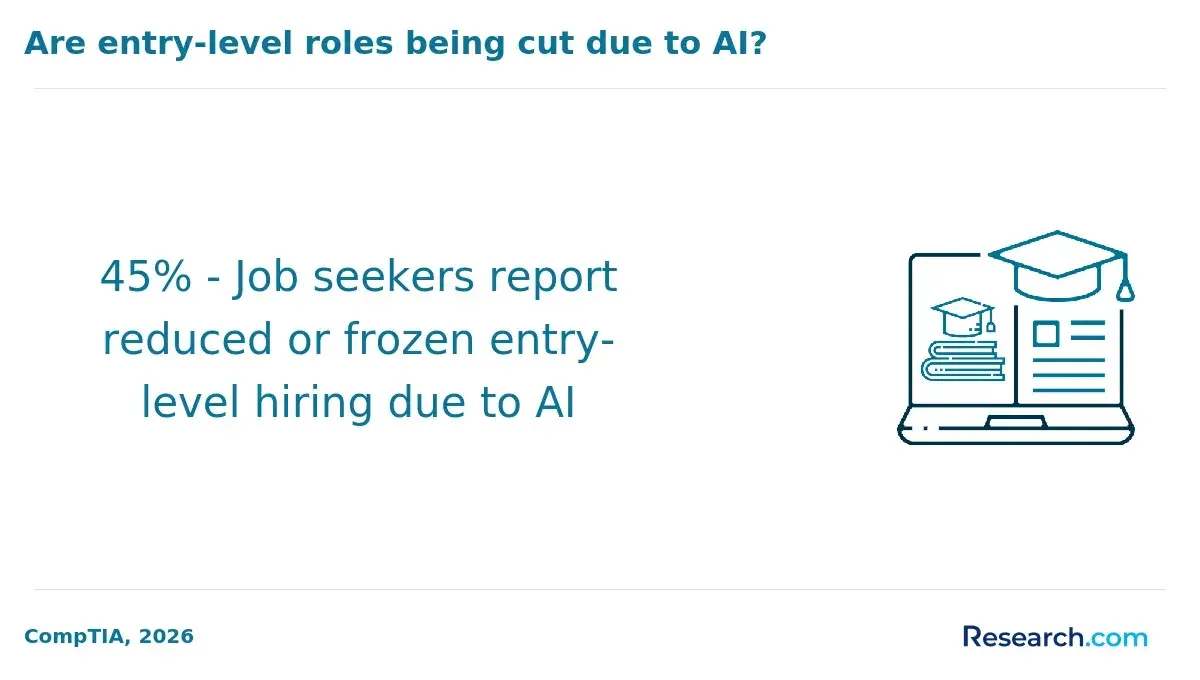
How long do AI certificate programs for operating partners take?
AI certificate programs for private equity operating partners vary widely in length and depth, typically lasting from a few weeks up to six months. Shorter intensive bootcamps or workshops, usually 4 to 12 weeks, focus on practical skills such as predictive analytics, machine learning integration, and automation tailored to deal sourcing and portfolio management. Longer programs offer a more comprehensive curriculum with strategic AI adoption frameworks, case studies, and foundational theory.
Many programs accommodate busy professionals through flexible schedules. Part-time formats often require 5 to 10 hours of study weekly, enabling operating partners to maintain their professional duties while advancing their AI expertise. Self-paced options provide even greater flexibility, allowing learners to set their own rhythm.
According to BCG's 2024 survey, operating and deal teams with advanced AI skills earn around 18% more on average than those without, highlighting the significant career and financial rewards of AI certification. When selecting a program, prioritize curriculum relevance, time commitment, and the credential's industry recognition. Focus on courses emphasizing applied AI techniques designed for private equity challenges to maximize impact on deal outcomes and portfolio growth.
How much do AI certificate programs for operating partners cost?
AI certificate programs for operating partners vary widely in cost and scope, ranging from free introductory courses to specialized paid options priced between $1,000 and $7,500. Entry-level certificates available on platforms like Coursera or edX generally cost under $500 and focus on foundational skills, making them suitable for leaders new to AI concepts.
More advanced certificates offered by universities or executive education providers typically cost between $3,000 and $7,500. These programs emphasize AI strategy, data analytics, and operational integration tailored to private equity professionals. Pricing depends on factors like curriculum depth, faculty access, and credential recognition. Programs that include live sessions, personalized coaching, and project work are priced at the higher end, while self-paced online courses without instructor support are more affordable but may lack industry-specific applications.
Organizations seeking to upskill entire teams face larger expenses but can benefit from scale discounts or enterprise packages. According to KPMG's 2024 Global Technology Report, companies training more than 25% of their workforce in AI are over twice as likely to see significant financial returns compared to those training fewer than 5%.
Operating partners should balance costs with demonstrated outcomes, choosing programs that deliver actionable insights on AI-driven operational improvements and portfolio value enhancement. Budgeting for multiple certificates or team training often yields stronger return on investment than individual participation alone.
What careers can private equity operating partners pursue with AI training?
Private equity operating partners trained in artificial intelligence can expand their career opportunities by leveraging expertise in value creation. Key roles include AI strategy consultants who develop and execute AI-driven initiatives focused on increasing revenue, improving margins, and optimizing working capital. These consultants aid portfolio companies in applying AI to enhance pricing strategies, streamline sales and operations planning (S&OP), and automate cash flow processes. AlixPartners' 2024 PE Operating Partner survey found that portfolio companies linking AI efforts directly to value creation see a median EBITDA increase of 8.1%, versus 2.4% for AI projects without this strategic focus.
Other career paths involve serving as AI-focused operational leaders within private equity firms or their portfolio companies. These leaders drive digital transformation, incorporate predictive analytics into decision-making, and encourage AI adoption across supply chains and customer segmentation. Additionally, roles such as AI-driven due diligence analysts assess AI readiness and scalability for acquisitions.
Operating partners may also become advisors who guide fund managers on AI integration strategies to maximize returns. Proficiency in AI-based performance metrics improves portfolio monitoring and investment decisions. AI certification further enhances credibility for roles in corporate innovation teams and turnaround management, where AI supports diagnostics and restructuring. AI training provides operating partners with practical skills to unlock significant EBITDA gains and strategic advantages across several business functions.
What salary can AI-trained private equity operating partners expect?
Private equity operating partners in the U.S. with AI training can earn between $250,000 and over $600,000 annually, with variations based on experience, firm size, and fund outcomes. Those holding credentials in artificial intelligence or data analytics tend to command higher salaries by proving their ability to improve value creation and operational efficiency in portfolio companies. In some cases, partners with certificates from recognized AI education programs secure top roles in large firms, where total earnings, including bonuses and carried interest, may exceed $1 million.
Certificates from reputable AI programs provide recognized expertise, which institutional limited partners (LPs) increasingly value. According to EY's 2024 Global Private Equity Survey, 64% of LPs are more likely to increase capital allocations to general partners (GPs) demonstrating formal AI and data-analytics capabilities. This trend drives compensation competitiveness as firms seek operating partners with proven AI-driven growth skills.
Salary differences also relate to fund strategy, geography, and role specialization. Partners focused on digital transformation and advanced analytics often outpace peers with general operating backgrounds. Candidates should prioritize AI programs yielding certificates that are respected by industry stakeholders to boost credibility with LPs and portfolio boards, supporting higher pay and better negotiating power.
Combining private equity operating experience with certified AI skills enhances earnings potential and strengthens opportunities for equity interests and performance incentives.
How do you choose a reputable AI certificate program?
Choosing a reputable ai certificate program involves carefully assessing factors tailored to private equity operating partners. Focus on programs offering rigorous, current curricula with strong emphasis on real-world financial services applications. According to Goldman Sachs Research, generative ai may automate or augment 26% of financial services tasks by 2030, particularly analytical and modeling tasks critical to private equity. Training should prioritize practical skills in data analysis, predictive modeling, and automation tools.
Instructor credentials matter significantly. Leading programs often employ faculty or industry professionals experienced in private equity and ai, covering topics like ai-driven financial modeling, deal sourcing algorithms, and portfolio optimization techniques. Certifications developed or endorsed by recognized industry bodies or financial institutions tend to maintain higher quality standards.
The program's modality and flexibility should accommodate demanding professional schedules with hybrid or self-paced options. Industry recognition of the certification is key; investigate alumni outcomes and employer valuation of credentials to enhance operational ai expertise.
Technical prerequisites and support are important due to ai's complexity, so top programs provide preparatory modules and ongoing help. Cost-effectiveness is essential-compare tuition with program depth and expected career ROI. High-quality ai certificates validate knowledge while boosting practical ability to leverage ai innovations in private equity.
Other Things You Should Know About Artificial Intelligence
In 2027, the best AI courses for private equity operating partners should cover investment analysis, data-driven decision-making, and integrating AI tools into operational strategies. Ideal courses offer hands-on projects, expert-led sessions, and recognized certificates validating skills applicable to private equity contexts.
Artificial intelligence is transforming private equity by enhancing deal sourcing, due diligence, and portfolio management through data-driven insights. AI-powered analytics can identify investment opportunities and risks more accurately, improving decision-making speed and quality. It also automates routine tasks, allowing operating partners to focus on strategic value creation within portfolio companies.
Yes, ethical considerations are critical when deploying artificial intelligence in private equity, particularly around data privacy, bias, and transparency. AI models must be designed to avoid perpetuating existing biases or unfair practices in investment decisions. Ensuring accountability and compliance with relevant regulations is essential to maintain stakeholder trust and meet legal requirements.
Operating partners commonly use AI tools for data analytics, predictive modeling, natural language processing, and automation of repetitive tasks. These tools help analyze large datasets, forecast market trends, and optimize operations within portfolio companies. Integrating AI-powered customer insights and operational analytics also supports value creation strategies.
References
- The Private Equity Operating Partner: A Comprehensive Guide to Roles, Compensation, and Value Creation | Press & Associates https://www.pressandassociates.com/news/the-private-equity-operating-partner-a-comprehensive-guide-to-roles-compensation-and-value-creation
- A NU Approach: Practical AI Training for PE & VC Teams - NU Advisory Partners https://nuadvisorypartners.com/news-and-insights/ai-training/
- Operating Partner Salary: Guide to Compensation, Carry, & Bonus https://growthequityinterviewguide.com/private-equity/private-equity-operations/operating-partner-salary
- How AI Is reshaping the Private Equity operating model - Artefact https://www.artefact.com/blog/how-ai-is-reshaping-the-private-equity-operating-model/
- What are the eligibility requirements for joining an artific... https://forums.h2kinfosys.com/community/main-category-artificial-intelligence/what-are-the-eligibility-requirements-for-joining-an-artificial-intelligence-course/
- Explore https://www.vciinstitute.com/Explore
- Artificial Intelligence Certification | AI Certification | USAII® https://www.usaii.org/artificial-intelligence-certifications
- The AI Operating Partner: The Latest PE Portfolio Value Creation Role? https://www.kornferry.com/institute/the-ai-operating-partner-the-latest-pe-portfolio-value-creation-role
- AI Operational Excellence (AI-OPEX) Certification https://www.6sigmacertificationonline.com/ai-operational-excellence-certification/
- Best AI Certificates 2026 – Free & Paid Options Explained https://www.oxfordhomestudy.com/OHSC-Blog/best-ai-certification