2027 Best AI Adoption Courses for Managers

Co-Founder and Chief Data Scientist
Managers often face difficulty integrating AI technologies effectively due to a lack of specialized training and practical knowledge. This gap can slow down digital transformation, reduce competitive advantage, and hinder informed decision-making. Without targeted guidance, professionals may struggle to identify suitable courses that blend foundational concepts with managerial applications.
This article examines top AI adoption courses tailored specifically for managers seeking flexible, accredited programs that accommodate non-technical backgrounds. It aims to highlight options that facilitate a seamless transition into leadership roles within the AI-driven landscape while enhancing strategic understanding and operational execution.
Key Things You Should Know
- AI adoption courses for managers focus on practical skills, boosting team leadership in implementing AI-driven solutions, with 68% of businesses increasing AI training budgets in 2025.
- Top programs emphasize ethical AI use and data literacy, essential for responsible AI integration amid growing regulatory scrutiny in the U.S. workforce.
- Courses increasingly blend technical foundations with strategic decision-making, preparing managers to oversee AI projects that improve efficiency and competitive advantage.
Advance Your Career with AI Online Courses
Artificial Intelligence: Implications for Business Strategy
This program provides an introduction to Artificial Intelligence and their implications for business strategy. Earn an official digital certificate.

Oxford Artificial Intelligence Programme
Explore this Oxford Artificial Intelligence programme offered in a flexible learning environment and explore topics like machine learning, automation, and robotics.

Implementing Agentic AI: Building Your Organizational Playbook
This online MIT Agentic AI course offers a practical approach to deploying AI agents in your organization, including a custom playbook. 3 weeks, exclusive launch price.

AI Adoption: Driving Business Value and Impact
This online MIT AI Adoption: Driving Business Value and Impact offers practical frameworks to close the gap between AI potential and business reality.

Artificial Intelligence in Pharma and Biotech
Discover the applications and limitations of artificial intelligence in pharma and biotech with this MIT online short course.

What are AI adoption courses for managers?
AI adoption training programs for business managers provide essential skills to lead AI integration within organizations. These courses focus on managing AI-driven changes, aligning initiatives with business objectives, and addressing ethical and workforce challenges. Participants learn to evaluate AI tools, oversee AI projects, and foster a culture that embraces technological innovation.
Effective artificial intelligence courses for leadership often include topics such as AI fundamentals, data-driven decision-making, risk management, and change leadership. Managers gain practical skills in interpreting AI insights for strategy and assessing vendor solutions to meet specific organizational needs.
These programs also address real-world challenges like employee resistance, insufficient AI literacy, and process uncertainty. Training may incorporate case studies of successful AI adoption and simulations that offer hands-on experience in AI decision-making. Managers also learn to measure AI project outcomes and ensure compliance with regulatory standards.
According to McKinsey's global survey, companies with targeted AI reskilling programs for managers and frontline workers are 1.7 times more likely to increase revenue by at least 5% from AI initiatives. This highlights the tangible benefits of formal AI education.
For those considering further education, exploring AI degrees can open diverse career pathways and deepen understanding of these transformative technologies.
Advance Your Career with AI Online Courses
Artificial Intelligence: Implications for Business Strategy
This program provides an introduction to Artificial Intelligence and their implications for business strategy. Earn an official digital certificate.
Oxford Artificial Intelligence Programme
Explore this Oxford Artificial Intelligence programme offered in a flexible learning environment and explore topics like machine learning, automation, and robotics.
Implementing Agentic AI: Building Your Organizational Playbook
This online MIT Agentic AI course offers a practical approach to deploying AI agents in your organization, including a custom playbook. 3 weeks, exclusive launch price.
Which managers need AI adoption training?
Managers responsible for leading artificial intelligence integration span various departments including marketing, finance, supply chain, and HR. These professionals often serve as crucial liaisons between AI specialists and business units, ensuring AI tools align with organizational goals without requiring technical coding expertise.
Executive training courses for artificial intelligence management are essential for non-technical leaders such as project managers, product managers, and department heads. For example, AI product leads need to understand AI workflows and customer impacts, while AI transformation managers must navigate strategic implementation, change management, and ethical challenges. Operations managers aiming to enhance efficiency with AI-driven automation also benefit from data literacy and AI application assessment.
This growing demand for AI literacy among managers is reflected in industry reports showing job postings for roles like AI product lead and AI transformation manager increasing over 180% year-over-year globally. Training enables these leaders to recognize AI's limitations, reduce bias, and measure return on investment, equipping them to guide multidisciplinary teams confidently.
Managers lacking formal AI backgrounds should prioritize foundational courses that focus on practical business applications and governance frameworks. For those seeking relevant education paths, completing the cheapest online electrical engineering degree programs can also provide valuable technical insight alongside management skills.
What topics do AI adoption courses cover?
AI adoption courses for managers focus on essential skills to integrate AI successfully within organizations. Core topics include AI fundamentals such as machine learning concepts and data requirements, alongside strategic alignment to identify high-impact AI use cases that drive business goals. These programs cover managing change with artificial intelligence tools by addressing change management and organizational readiness, helping leaders overcome resistance and foster a culture supportive of AI initiatives.
Risk management topics include ethical considerations, data privacy, and regulatory compliance, with an emphasis on building governance frameworks for responsible AI deployment. Operational integration covers AI project lifecycle management, resource allocation, and collaboration across technical and business teams. Practical modules often teach managers to interpret AI outputs and use data-driven insights to enhance decision-making.
Leadership development strengthens communication and stakeholder engagement skills crucial to driving AI adoption across departments. Real-world case studies frequently illustrate measurable business benefits and efficiency improvements from AI implementation strategies for managers. Gartner's research highlights that organizations led by business managers in AI adoption are 2.6 times more likely to scale AI projects beyond pilots, underscoring the impact of effective managerial involvement.
Prospective students looking to enhance their expertise in this growing field may also explore related opportunities at online colleges for game design, which often incorporate advanced technology studies valuable for AI-related careers.
Are online AI adoption courses better than campus options?
Online AI adoption courses for managers offer flexible, targeted learning that suits busy professionals. Digital formats deliver immediate access to the latest AI tools and concepts, often more current than campus programs constrained by academic cycles. Their modular, self-paced design allows managers to blend study with work responsibilities effectively.
Companies see strong financial benefits from focused AI adoption programs. Research indicates a return of $3.50 in business value for every $1 spent on these specialized online courses, compared to about $2.00 per $1 for general leadership training. This reflects the practical, skills-based nature of many online AI courses emphasizing immediate application over theory.
Features like case studies, simulations, and interactive tools simulate real-world AI implementation scenarios. Managers can gain hands-on experience with ethical AI deployment and data-driven decision-making through virtual labs, an approach less consistently available in campus settings.
Still, campus versus online AI adoption training benefits include networking, mentorship, and immersive workshops found on campus. Hybrid formats combining online and occasional in-person sessions also provide balance for learners seeking both flexibility and direct interaction.
Managers should consider their learning style, schedule, and career goals when selecting AI education. For those exploring computer science degree online options, this flexibility and ROI favor online paths. More information on affordable programs is available at computer science degree online.
What admission requirements do manager AI courses have?
Admission to manager AI courses typically requires a bachelor's degree in business, management, computer science, or related fields, though significant professional management experience can sometimes substitute for formal education. Applicants often benefit from demonstrated leadership or project management skills.
Basic proficiency in data and programming concepts, such as familiarity with data analytics tools, SQL, or Python, is commonly expected. This foundation helps prospective managers engage with AI teams and align technical and business goals effectively.
Some advanced programs ask for completion of preparatory courses or certifications in areas like AI ethics or data literacy, often available through online platforms or universities. Candidates without a technical background are advised to complete these prerequisites to strengthen their applications.
- Ability to translate business challenges into AI use cases is increasingly assessed via essays, case studies, or interviews.
- International applicants may need to provide English proficiency test scores and credential evaluations.
- Different tracks may be available for experienced managers versus early-career professionals, each with unique admission criteria.
According to IBM's 2024 Global AI Readiness report, 51% of CEOs cite the shortage of AI-literate managers as a significant barrier, emphasizing the growing relevance of these skills. Preparing with relevant education, experience, and foundational AI knowledge improves acceptance chances in competitive programs.
How long do AI adoption courses for managers take?
AI adoption courses for managers vary widely in length and format, from a few hours to several months. Many introductory programs require 10 to 20 hours of self-paced online study, enabling managers to quickly learn core AI concepts alongside their work. More in-depth courses often last 6 to 12 weeks, featuring weekly live sessions, case studies, and hands-on projects that enhance understanding of AI integration and leadership.
Intensive bootcamps typically run 2 to 4 weeks and emphasize practical skills like AI project management, ethics, and operational scaling-ideal for fast upskilling. Executive education offered by universities can span 3 to 6 months, combining theory, labs, and peer collaboration to prepare leaders for strategic AI transformation within their organizations.
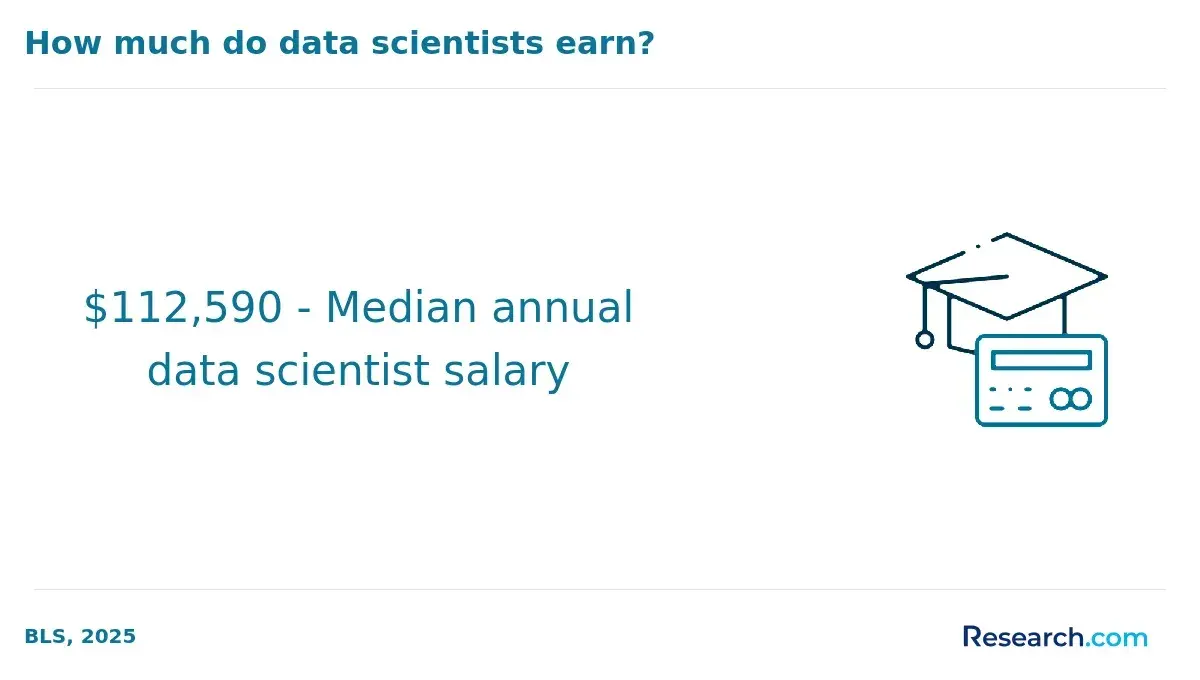
Choosing the right program depends on individual availability, career stage, and learning goals. Shorter courses help familiarize managers with AI trends, while longer options provide credentials demonstrating mastery. Research from the World Economic Forum and PwC shows mid-career managers with verified AI skills earn a 21% median salary premium compared to those without formal training.
Many managers also combine formal courses with ongoing microlearning and workshops, creating a blended learning approach to maintain up-to-date AI competency and improve business outcomes. This mix supports sustained growth as AI rapidly evolves.
How much do AI adoption courses for managers cost?
AI adoption courses for managers vary widely in cost and format, from free introductory offerings to comprehensive certifications exceeding $5,000. Many online platforms provide self-paced learning options priced between $200 and $1,000, covering essential AI concepts and practical application strategies.
More immersive hybrid or in-person programs, often hosted by universities or specialized organizations, typically range from $2,000 to $5,000, reflecting personalized coaching, advanced tool access, and deeper engagement.
Course prices depend on length, delivery mode, and provider reputation. Short online certifications on platforms like Coursera or edX usually last 4-12 weeks and cost under $1,000. Executive education programs from leading business schools may extend several months and include cohort interaction and capstone projects, often at higher rates.
According to Coursera's 2024 Learner Outcomes report, 78% of business leaders prefer online or hybrid AI training formats. Organizations adopting these methods are 40% more likely to educate over 1,000 employees annually compared to those relying mostly on in-person courses. This trend highlights scalable approaches as cost-effective for expanding managerial reach and building team readiness.
Employers frequently subsidize fees or negotiate group discounts to lower per-participant costs. Subscription models and course bundles may also provide savings for ongoing learning paths. When budgeting for AI adoption training, evaluate total cost alongside content quality, delivery style, and organizational support to ensure the best investment in managerial AI skills.
Which credentials help managers prove AI adoption skills?
Managerial credentials that validate AI adoption skills focus on strategy, project execution, and ethical considerations. Certifications like the AI Business Professional Certification and the Certified Artificial Intelligence Manager (CAIM) emphasize expertise in integrating AI tools within business workflows. These programs cover areas such as change management, AI technical capabilities, and data governance-offering credible proof of a manager's ability to lead AI initiatives effectively.
Vendor-neutral credentials from established organizations like the Project Management Institute (PMI) include AI-related certifications such as the PMI-ACP (Agile Certified Practitioner) with augmented AI modules. These demonstrate skills in managing AI integration within agile project frameworks. Executive education courses focused on machine learning basics and AI ethics also add value, especially in sectors like healthcare and finance.
Investments in AI training remain strong, with large financial and healthcare firms notably increasing budgets for managerial AI education. For example, a 2024 IDC survey reported that 72% of large financial-services firms and 69% of healthcare organizations boosted spending on AI training by over 10%, underscoring the demand for formal qualifications.
Managers should prioritize credentials that emphasize strategic deployment and risk management over purely technical skills. Programs offering practical case studies and measurable outcomes provide employers with tangible evidence of a candidate's leadership capacity in AI transformation.
What jobs can managers get after AI adoption training?
Managers who complete AI adoption training can qualify for roles that blend leadership with technical insight. Common positions include AI project manager, AI product manager, and AI transformation lead. These roles involve overseeing AI implementation while aligning technology with business goals. Other career paths include AI strategy consultant and AI operations manager, guiding organizations in deploying and scaling AI-driven initiatives.
Such training bridges the gap between data science teams and business units, improving collaboration and decision-making. For instance, an AI project manager ensures deliverables meet customer needs and regulatory standards, which is crucial in industries like finance and healthcare that focus on compliance and privacy. Key competencies developed through this training also cover ethical AI use, change management, and AI risk assessment.
According to a Boston Consulting Group study, over 60% of underperforming AI initiatives had managers trained only in generic AI awareness. In contrast, high-performing initiatives were more likely to have managers with targeted, application-focused training. This highlights the value of contextual AI skills that prepare managers for roles such as AI ethics officer, AI governance lead, or digital transformation team leader.
- AI adoption training enhances leadership in both AI strategy and operations
- Managers gain skills to navigate ethical and regulatory challenges
- Targeted training improves AI project success rates across industries
How do you choose a credible AI adoption course?
Choosing a credible AI adoption course involves assessing its program content, the expertise of instructors, and its relevance to managerial roles. The curriculum should focus on practical applications of artificial intelligence in business, covering ethical issues and change management. Including case studies or real-world projects helps illustrate how AI integration impacts workflows and decision-making processes.
Instructor credentials are vital; leading courses are usually taught by professionals experienced in AI implementation or academics with published work in AI management. This ensures up-to-date and relevant learning material.
Courses tailored to specific industries or leadership roles enhance knowledge applicability. For example, healthcare managers benefit from AI in patient data analytics, whereas finance managers require insight into AI-based risk assessment tools.
According to Accenture's 2024 Technology Vision report, by 2028, 90% of large enterprises will require AI literacy and adoption training for all people-managers, a significant rise from 35% in 2023. This highlights the increasing corporate demand for effective AI education with measurable impact.
- Certification or accreditation from recognized bodies
- Flexible delivery formats like online or hybrid learning
- Peer reviews and alumni success stories reflecting real outcomes
Ongoing support such as coaching or access to AI tools is essential to ensure long-term adoption success. Programs lacking these supports may not sufficiently prepare managers to lead in AI-driven environments.
Other Things You Should Know About Artificial Intelligence
Yes, AI managers can enhance decision-making by leveraging data-driven insights and predictive analytics. They use algorithms to identify patterns and trends that humans might overlook, allowing for more informed and timely decisions in business operations and strategy.
In 2027, top AI adoption courses for managers include MIT's "AI Leadership Program," Stanford's "AI for Business Leaders," and Coursera's "AI Strategy and Adoption for Managers." These courses equip managers with skills to integrate AI solutions effectively, emphasizing strategic alignment and ethical implementation.
AI impacts workforce management by automating routine tasks, optimizing resource allocation, and enhancing talent acquisition through predictive analytics. It enables managers to focus on strategic initiatives while improving employee engagement and productivity through personalized support tools.
Managers should ensure transparency, fairness, and accountability in AI deployment. It's important to avoid bias in training data, maintain user privacy, and comply with legal standards to build trust and uphold ethical standards in AI applications.
References
- AI Adoption: Driving Change With a People-First Approach https://www.prosci.com/ai-change-management
- Which is the Best Course on Artificial Intelligence for your Career? https://zabeelinstitute.ae/blog/best-course-on-artificial-intelligence-for-career/
- AI Manager | Course for Digital Leadership https://executiveacademy.at/en/management-training/ai-manager
- Professional AI Training: How to Choose the Right Program https://www.strategicaileader.com/professional-ai-training-how-to-choose-the-right-program/
- Driving Enterprise AI Adoption: A Leader’s Guide to AI Training and Adoption https://www.brainstorminc.com/blog/driving-enterprise-ai-adoption-a-leaders-guide-to-ai-training-and-adoption
- Certified AI Manager https://www.hfwu.com/dbx/certified-ai-manager-hfwu-academy/
- What Topics are Covered in an Artificial Intelligence online Course? | H2K Infosys Blog https://www.h2kinfosys.com/blog/topics-covered-in-artificial-intelligence-course/
- AI training for managers | Team AI adoption https://unlearning.ro/ai-training-for-managers
- AI Training for Managers: How to Lead Adoption | Edison AI https://edisonai.au/insights/ai-training-for-managers
- Agentic AI adoption: A leader's roadmap to enterprise governance and AI training for employees https://writer.com/blog/responsible-ai-adoption-and-training/