2027 Best Agentic AI Courses for Content Strategists

Co-Founder and Chief Data Scientist
Content strategists often face challenges adapting to the rapid integration of agentic AI tools in digital marketing and content creation. This gap can hinder efficiency, creativity, and competitiveness. Many professionals struggle to find courses tailored to their unique needs-combining practical skills with strategic insight. The demand for flexible, accredited programs that accommodate diverse backgrounds and career pivots is growing. This article reviews top agentic AI courses designed specifically for content strategists, helping them acquire relevant expertise to advance their careers and implement AI-driven strategies effectively in their work.
Key Things You Should Know
- Agentic AI courses for content strategists in 2026 emphasize practical skills in AI-driven content creation, with over 70% of programs integrating hands-on projects and real-world AI tools.
- Curricula increasingly focus on ethical AI use and data privacy, reflecting industry demand for responsible content automation, aligning with new regulations effective from 2024.
- Graduates of these courses report a 30% average salary increase due to expertise in agentic AI, highlighting strong market growth and employer preference for AI-savvy strategists.
Advance Your Career with AI Online Courses
Artificial Intelligence: Implications for Business Strategy
This program provides an introduction to Artificial Intelligence and their implications for business strategy. Earn an official digital certificate.

Oxford Artificial Intelligence Programme
Explore this Oxford Artificial Intelligence programme offered in a flexible learning environment and explore topics like machine learning, automation, and robotics.

Implementing Agentic AI: Building Your Organizational Playbook
This online MIT Agentic AI course offers a practical approach to deploying AI agents in your organization, including a custom playbook. 3 weeks, exclusive launch price.

AI Adoption: Driving Business Value and Impact
This online MIT AI Adoption: Driving Business Value and Impact offers practical frameworks to close the gap between AI potential and business reality.

Artificial Intelligence in Pharma and Biotech
Discover the applications and limitations of artificial intelligence in pharma and biotech with this MIT online short course.

What are agentic AI courses for content strategists?
Agentic AI courses for content strategists equip professionals to design, implement, and manage autonomous AI systems that generate, optimize, and distribute content strategically. These programs blend knowledge of AI tools with marketing, branding, and audience engagement strategies. By mastering generative AI, content strategists can automate repetitive tasks, create dynamic content frameworks, and personalize communication at scale.
Such courses usually include:
- Foundational AI concepts, including natural language processing and machine learning models used in content creation.
- Hands-on practice with agentic AI tools that autonomously research, write, and adapt content.
- Methods to integrate AI-generated content into marketing campaigns and editorial workflows efficiently.
- Ethical and data privacy issues relevant to AI-driven content automation.
The economic impact of agentic AI in marketing is significant, with generative AI projected to add $2.6-$4.4 trillion annually to the global economy by 2030. This underscores why the best agentic AI training for content strategy is essential for staying competitive in the field. Courses can range from introductory certifications focused on AI content tools to advanced training in developing custom AI agents that analyze audience behavior and optimize multi-channel distribution.
Practical projects, updated AI platform experience, and discussions on content ethics are vital components of such training. For those considering a career pivot or formal education, the fastest way to get a computer science degree can complement agentic AI expertise and broaden technical skills.
Advance Your Career with AI Online Courses
Artificial Intelligence: Implications for Business Strategy
This program provides an introduction to Artificial Intelligence and their implications for business strategy. Earn an official digital certificate.
Oxford Artificial Intelligence Programme
Explore this Oxford Artificial Intelligence programme offered in a flexible learning environment and explore topics like machine learning, automation, and robotics.
Implementing Agentic AI: Building Your Organizational Playbook
This online MIT Agentic AI course offers a practical approach to deploying AI agents in your organization, including a custom playbook. 3 weeks, exclusive launch price.
Which agentic AI skills matter most for content strategy roles?
Agentic AI skills for content strategy roles in the US center on managing and implementing AI-driven tools to boost content creation and distribution. Mastery of prompt engineering helps strategists produce precise, high-quality outputs from generative language models, improving both efficiency and content relevance. Key agentic AI competencies for content strategists also include data literacy, enabling analysis of AI-generated insights, audience metrics, and performance data to customize campaigns effectively.
Automation management skills allow content strategists to scale repetitive tasks like keyword research, SEO optimization, and content tagging by configuring AI workflows, which accelerates delivery and reduces manual labor. Integrating AI insights into editorial planning involves understanding AI capabilities and limitations to balance automated suggestions with human creativity. Familiarity with AI-powered content management systems (CMS) is increasingly valuable in this area.
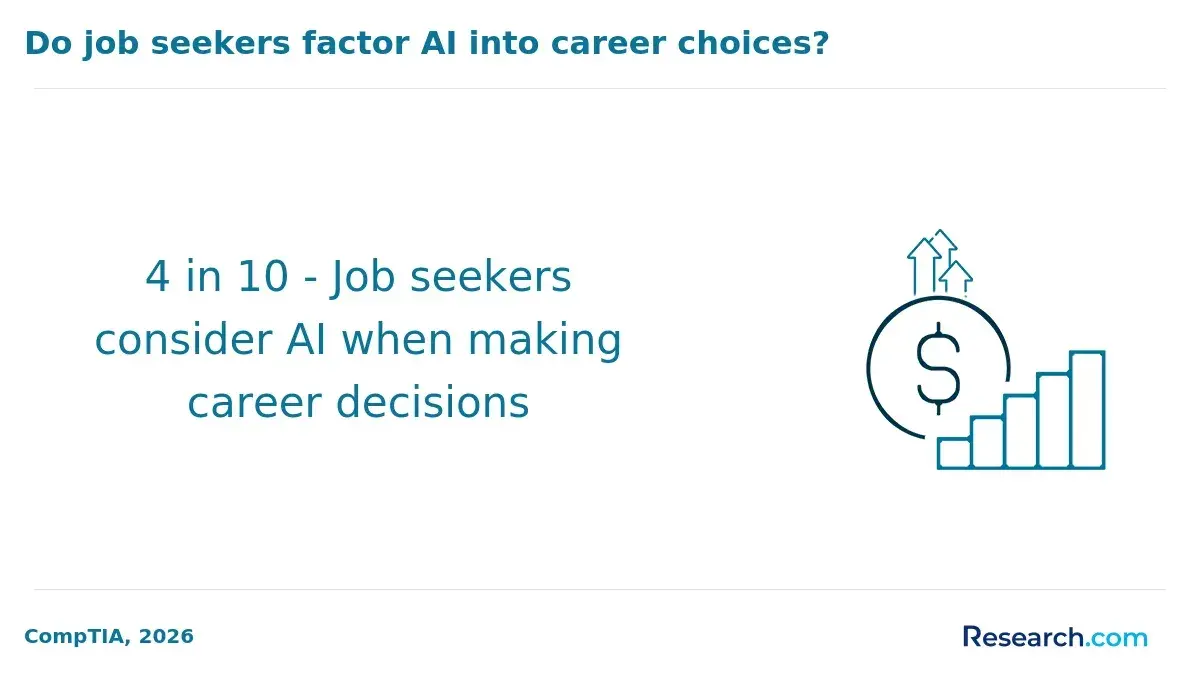
Ethical considerations and data privacy competence are essential due to rising regulations and the need to maintain audience trust when deploying AI tools. LinkedIn's Future of Work report highlights that jobs requiring AI skills attract 1.4x more applications and offer salaries up to 19% higher on median. Students seeking affordable paths into these in-demand roles can consider options like the cheapest engineering colleges for foundational skills. To excel in agentic AI environments, content strategists must combine prompt engineering, data analysis, automation, CMS integration, and ethical AI use.
How do you choose the best agentic AI course?
Choosing the best agentic artificial intelligence courses for content strategists involves evaluating how well the curriculum supports practical skills such as automating workflows, personalizing content, and data-driven decision making. Prioritize programs offering hands-on experience with AI tools currently used in marketing and content operations.
Courses emphasizing efficiency gains are especially valuable. According to HubSpot's 2024 State of AI in Marketing report, marketers save an average of 2.5 hours per day using AI, with 82% reporting significantly improved content production efficiency. Training that teaches how to leverage agentic AI systems capable of autonomous decisions will help you translate these benefits into real results.
When evaluating agentic AI training programs for content strategy, consider instructor expertise and accreditation. Favor courses led by seasoned content strategists or AI professionals with industry experience. Important topics include ethical AI use and advances in natural language generation and machine learning integration.
Course format and learner support enhance skill retention-look for interactive elements like live projects, feedback, and access to AI software trials. Program length can vary from short workshops to comprehensive certificates; choose based on your time and knowledge needs. Finally, review alumni success and career services. Programs connected to industry networks or offering placement support add substantial value. For those interested in advanced education, a PhD in AI online can deepen expertise and open more career opportunities.
Are online or campus agentic AI programs better for working adults?
Online agentic AI courses for working adults offer significant flexibility, allowing learners to balance education with professional and personal commitments. These asynchronous classes reduce scheduling conflicts and commute times by enabling study from any location. Their self-paced nature helps learners integrate coursework with their job responsibilities more smoothly.
In contrast, campus-based agentic AI programs for professionals provide structured learning environments with direct access to faculty and peers. This face-to-face interaction supports immersive experiences through hands-on workshops, immediate feedback, and networking opportunities that can be harder to replicate online. Those seeking cohort support or deeper engagement may benefit more from campus settings despite logistical demands.
Both program formats emphasize essential training in human oversight and governance. Stanford's AI Index reports hallucination rates up to 27% in leading large language models, underscoring the importance for content strategists to cultivate critical evaluation and error mitigation skills beyond using AI tools alone. For those exploring flexible routes to advance their careers, programs such as online cybersecurity degree programs for veterans illustrate how online education can combine convenience with specialized skills training.
What topics do agentic AI courses cover for content strategists?
Agentic ai courses for content strategists cover critical skills to effectively leverage autonomous AI tools in content creation and management. Key subjects include ai-driven content generation techniques, enabling strategists to prompt and guide ai models that maintain brand voice while producing creative, aligned outputs. Data analysis for content optimization is another focus, helping learners use ai-generated insights and engagement metrics to enhance their strategies dynamically.
Workflow automation training teaches integration of agentic ai into content processes, improving efficiency by automating tasks like keyword research and post scheduling. Ethical considerations and bias mitigation ensure responsible ai use throughout content decision-making. Hands-on practice with platforms using agentic ai for content personalization and audience segmentation deepens practical understanding.
Courses often cover multi-modal content strategies, combining text, image, and video generation through ai agents to deliver consistent messaging across media. Agile iterative testing powered by ai helps strategists quickly evaluate content performance and adapt campaigns based on real-time feedback. These comprehensive topics address challenges such as balancing creativity with automation and aligning ai outputs with marketing goals and compliance standards.
A significant 2024 Coursera learner outcomes survey found 77% of professionals completing ai-related courses reported career benefits within 12 months, compared to 59% for traditional marketing courses, highlighting the value of agentic ai education in advancing content strategists' careers.
What admission requirements do agentic AI courses usually have?
Agentic AI courses usually require applicants to have a bachelor's degree, often in marketing, computer science, communications, or data analytics, ensuring a solid grasp of both AI principles and content strategy. Many programs expect proficiency in programming languages like Python or familiarity with AI frameworks, especially when focusing on autonomous system design.
Applicants should typically submit transcripts, statements of purpose, and letters of recommendation. These statements must highlight a clear interest in agentic AI's application to customer journey orchestration and include relevant academic or work experience. Portfolios showcasing skills in marketing technology or content strategy can strengthen applications, particularly at competitive institutions.
Some programs offer foundational modules for those without strong technical backgrounds, while others require prior skill mastery. Part-time or professional certification courses might waive degree prerequisites but expect documented professional experience. As Gartner forecasts that by 2026, 60% of B2B marketing teams will implement autonomous or semi-autonomous AI agents, meeting these admission requirements becomes crucial for professionals aiming to leverage agentic AI in marketing.
How long do agentic AI courses take, and what do they cost?
Agentic AI courses for content strategists typically last between 4 and 12 weeks, varying by curriculum depth and format. Intensive bootcamps focus on practical skills like multi-agent workflow orchestration within 4 to 6 weeks, while university-affiliated or professional certifications span 8 to 12 weeks, covering foundational theory and applied strategies. Self-paced online courses offer flexibility, letting learners adjust duration based on their commitment.
Course costs reflect provider reputation, length, and credential level. Entry-level programs on online platforms start around $200 to $500, ideal for those exploring generative AI tools. More extensive instructor-led courses and certifications from recognized institutions range from $1,000 to $3,000 or more. Corporate training packages are available at higher prices for teams needing customized agentic AI instruction.
Salesforce's State of Marketing survey shows 75% of top marketing teams use generative AI, with 53% experimenting with multi-agent or workflow orchestration tools, emphasizing the urgency for content strategists to develop these skills. Short courses provide quick skill acquisition, while longer programs deliver in-depth expertise for advanced roles. Choosing the right duration and price depends on your career goals, experience, and how soon you need agentic AI skills in content strategy workflows.
Do agentic AI courses offer certificates or industry credentials?
Agentic AI courses often provide certificates or industry-recognized credentials upon completion, validating skills in autonomous AI tools, strategic content planning, and AI-driven decision-making. These credentials range from digital badges for micro-courses to formal certificates issued by universities or professional organizations, which content strategists increasingly value in the competitive job market.
Short courses and bootcamps frequently offer micro-credentials designed for quick skill acquisition and immediate application. Such credentials, sometimes developed in partnership with tech companies or industry bodies, emphasize mastery of specific AI frameworks relevant to content strategy workflows.
More comprehensive agentic AI certificates from accredited platforms or universities usually require rigorous assessments and portfolios. These credentials enhance resumes for roles demanding deeper expertise in AI's integration within content ecosystems.
The World Economic Forum's 2024 Future of Jobs report highlights that 50% of workers will need reskilling by 2027, with over 80% of companies investing heavily in short courses and online upskilling. Certificates from agentic AI courses align with this trend by quickly bridging skill gaps more efficiently than traditional degrees. When selecting programs, learners should confirm the certificates' industry recognition and relevance to current AI technologies used in content creation and strategy.
What jobs can content strategists get after agentic AI training?
Content strategists skilled in agentic AI are increasingly sought after for roles that blend AI tools with content creation, management, and optimization. Job titles include AI content strategist, AI integration specialist, automated content manager, and AI-driven SEO analyst. These roles focus on using AI to streamline production, personalize messaging, and analyze content performance.
There is growing demand for professionals who develop AI governance and ethical guidelines, filling a gap where only 18% of B2B marketers currently have formal AI training or policies, according to the 2024 Content Marketing Institute B2B report. In marketing teams, agentic AI experts often serve as AI ethics coordinators or policy advisors to promote responsible AI use.
Key roles enabled by agentic AI training include:
- Content automation lead, creating AI workflows to reduce manual tasks and speed up publishing
- AI content personalization manager, leveraging machine learning for scalable messaging
- AI-powered analytics consultant, turning AI data into refined content strategies
- Creative AI prompt engineer, designing inputs to generate targeted, engaging copy
With 72% of B2B marketers already using generative AI, those trained in agentic AI are essential for translating AI into impactful strategies. Career options also span AI vendor management, AI tool training development, and cross-disciplinary roles combining content and data science expertise, opening doors to versatile, in-demand positions.
What salary and job outlook do agentic AI skills support?
Agentic AI skills are increasingly valuable for content strategists, driving higher salary potential and strong job outlooks. Professionals proficient in agentic AI tools can expect annual salaries between $75,000 and over $130,000, influenced by factors such as experience, industry, and company size. The rising demand reflects the need for expertise in AI-driven content personalization and optimization across roles like AI content strategists, personalization analysts, and AI marketing specialists.
Digital transformation is fueling robust job growth in this field. Research by McKinsey highlights that companies excelling in AI-driven personalization achieve a 10-15% revenue boost and over 20% improvement in marketing efficiency. This incentivizes organizations to seek candidates skilled in agentic AI for automating content creation and enhancing customer journeys.
Industries like e-commerce, technology, finance, and media offer promising career paths. Senior roles combining agentic AI knowledge with strategic leadership can command salaries above $150,000. Emerging positions emphasize blending human insight with AI autonomy to deliver adaptive content strategies, making agentic AI expertise essential for future-ready professionals.
Other Things You Should Know About Artificial Intelligence
The top AI courses in 2027 for content strategists include "AI-Driven Content Strategy" at Stanford University, "AI Applications in Content Marketing" at Harvard Extension School, and "Agentic AI for Content Creators" via Coursera. Each course offers practical applications of AI tools in strategic content development.
Content strategists must consider transparency, data privacy, and bias when employing artificial intelligence tools. It is important to ensure AI-generated content respects copyright and avoids perpetuating harmful stereotypes. Ethical use promotes trust and long-term value in AI-assisted content creation.
Yes, artificial intelligence tools can analyze user data and behavior to tailor content specifically for various audience segments. This personalization improves user engagement and conversion rates by delivering relevant messages. Content strategists use AI-driven insights to optimize campaigns across multiple platforms.
Artificial intelligence lacks the ability to fully understand cultural context, emotional nuance, and complex human motivations influencing content reception. It may produce generic or formulaic output without human oversight. Therefore, successful content strategies integrate AI capabilities with strategic human judgment.
References
- Generative & Agentic AI Certification Course Online | BITS Pilani Digital https://bitspilani-digital.edu.in/certification/generative-ai-agentic-ai-course
- Understanding Agentic AI and the Growing Impact on Tech Jobs https://motionrecruitment.com/blog/understanding-agentic-ai-and-its-growing-impact-on-tech-jobs
- Agentic AI https://www.deeplearning.ai/courses/agentic-ai
- Introduction to Agentic AI https://cognitiveclass.ai/courses/introduction-to-agentic-ai
- How To Prepare Your Content for Agentic AI https://contentmarketinginstitute.com/content-operations/crisp-framework-content-ai
- Agentic AI Course with Advanced Training and Certification https://www.edureka.co/agentic-ai-training-course
- Upskilling for Agentic AI: Must-Have Skills for Employees https://gleematic.com/upskilling-employees-for-agentic-ai/
- The Future of Tech Jobs : Skills You Need Before 2027 to Work with Agentic AI - Asquare Technologies https://asquaretechnologiesweb.com/future-tech-jobs-agentic-ai-skills-2027/
- Agentic AI on Google Cloud | Google Skills https://www.skills.google/paths/3273
- Agentic AI Jobs in 2026: Skills, Careers & Industry Demand https://online.iitkgp.ac.in/blog/agentic-ai-jobs