2027 Best Coursera AI Courses for AI Strategy

Co-Founder and Chief Data Scientist
Professionals seeking to pivot into AI strategy often face barriers such as a lack of specialized knowledge and limited access to accredited programs. The rapid evolution of technology demands a strategic understanding that integrates both business and technical perspectives. Without targeted education, making informed decisions or advancing in the field becomes difficult.
Flexibility and credibility are crucial for those balancing current careers with upskilling efforts. This article highlights top-tier Coursera AI courses designed to equip learners with essential strategic skills while accommodating diverse schedules. It aims to guide readers toward effective, recognized learning paths for a successful industry transition.
Key Things You Should Know
- Coursera's 2026 AI strategy courses emphasize leadership skills, blending technical and business insights to prepare professionals for strategic roles amid a projected 22% AI job growth through 2030.
- Top-rated courses offer up-to-date case studies from 2024-2025, focusing on ethical AI deployment, risk management, and integrating AI into organizational decision-making processes.
- Enrollment data shows a 35% annual increase in professionals from diverse sectors, reflecting AI strategy's rising importance across industries such as healthcare, finance, and manufacturing.
Advance Your Career with AI Online Courses
Artificial Intelligence: Implications for Business Strategy
This program provides an introduction to Artificial Intelligence and their implications for business strategy. Earn an official digital certificate.

Oxford Artificial Intelligence Programme
Explore this Oxford Artificial Intelligence programme offered in a flexible learning environment and explore topics like machine learning, automation, and robotics.

Implementing Agentic AI: Building Your Organizational Playbook
This online MIT Agentic AI course offers a practical approach to deploying AI agents in your organization, including a custom playbook. 3 weeks, exclusive launch price.

AI Adoption: Driving Business Value and Impact
This online MIT AI Adoption: Driving Business Value and Impact offers practical frameworks to close the gap between AI potential and business reality.

Artificial Intelligence in Pharma and Biotech
Discover the applications and limitations of artificial intelligence in pharma and biotech with this MIT online short course.

What is an AI strategy course on Coursera and who should take these programs?
AI strategy courses on Coursera offer essential skills for business leaders to integrate artificial intelligence into decision-making and operations effectively. These programs cover AI capabilities, ethical issues, data-driven strategy development, and managing AI project lifecycles. Suitable candidates include managers, consultants, and technology professionals who must align AI initiatives with organizational goals.
Who should take AI strategy training programs? They are ideal for individuals aiming to identify AI opportunities that generate value, assess risks, and promote innovation cultures receptive to AI. For instance, a product manager might prioritize AI features based on market demand, while consultants develop frameworks to guide clients on AI adoption. These courses blend technical AI knowledge with leadership skills.
The demand for AI strategy skills is rising sharply. According to the IBM Global AI Adoption Index 2024, 75% of organizations are implementing AI into business strategies or exploring its use, reflecting the growing need for AI literacy in strategic roles. Continuous learning about AI trends, policies, and emerging tools is important to maintain adaptive and competitive strategies.
For those exploring educational paths in this field, AI graduate programs provide expanded opportunities to deepen AI expertise and leadership in business contexts.
Advance Your Career with AI Online Courses
Artificial Intelligence: Implications for Business Strategy
This program provides an introduction to Artificial Intelligence and their implications for business strategy. Earn an official digital certificate.
Oxford Artificial Intelligence Programme
Explore this Oxford Artificial Intelligence programme offered in a flexible learning environment and explore topics like machine learning, automation, and robotics.
Implementing Agentic AI: Building Your Organizational Playbook
This online MIT Agentic AI course offers a practical approach to deploying AI agents in your organization, including a custom playbook. 3 weeks, exclusive launch price.
How do Coursera AI strategy courses compare to traditional campus-based AI programs?
Coursera AI strategy courses offer flexible and accessible learning for diverse professionals, unlike traditional campus programs with fixed curricula. Learners can set their own pace and select specialized topics such as AI implementation in business, governance, and ethics, which suits those balancing work and study. Enrollment in Coursera's AI courses reached 7.5 million, showing a 46% increase and making it the platform's fastest-growing subject.
When comparing online and in-person AI strategy education, traditional programs provide broad theoretical foundations and hands-on labs favored by some students. However, Coursera partners with leading universities like Stanford and Wharton to deliver current knowledge through case studies and practical projects focused on real-world applications. This approach benefits professionals seeking targeted skill development.
Cost is another key difference. Coursera's affordable options and financial aid contrast with the high tuition of conventional degrees, appealing to those wanting a cost-efficient skill update. Additionally, Coursera's online setting promotes global networking through forums, while campus programs often offer stronger local alumni connections and face-to-face mentorship.
For individuals exploring STEM fields, particularly those interested in engineering, online engineering programs provide a relevant comparison in flexibility and affordability. Coursera suits working professionals and lifelong learners needing immediate, applicable AI strategy skills, while traditional campus programs remain essential for immersive credentials and in-depth research.
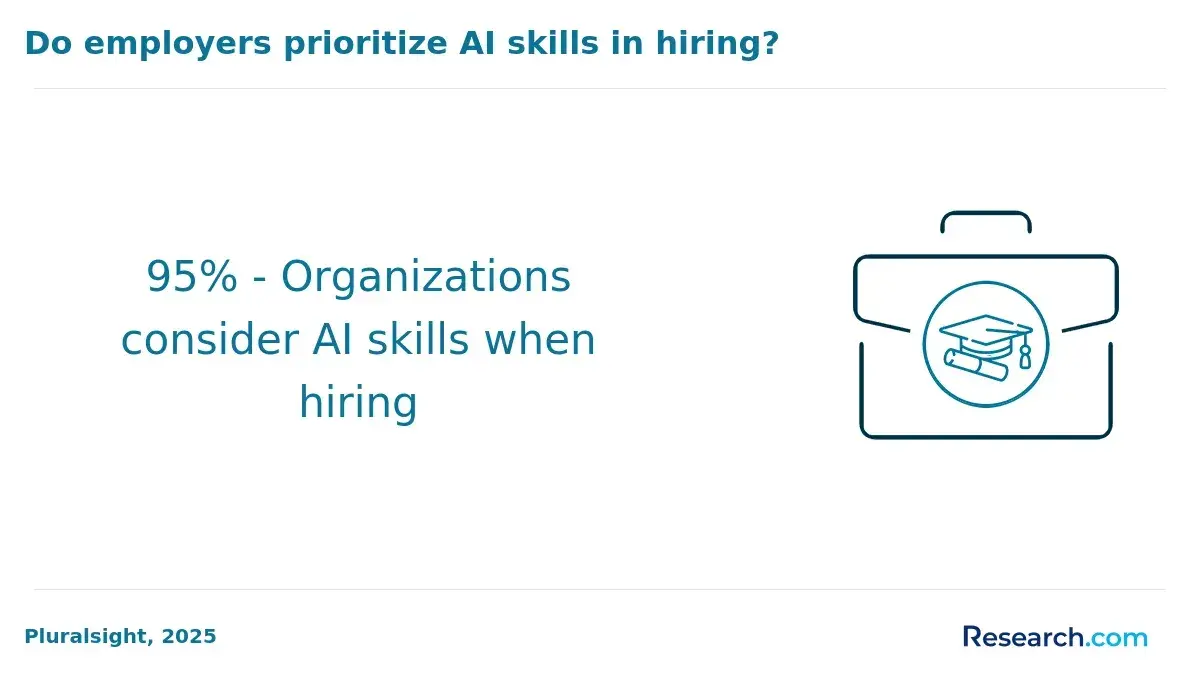
Which Coursera AI courses are best for learning AI strategy for business and leadership?
Coursera offers targeted AI courses for business strategy designed to help leaders bridge the gap between technical complexity and effective decision-making. The "AI For Everyone" course by Andrew Ng is widely recommended for non-technical executives, providing a clear overview of AI's capabilities and limitations. It emphasizes practical applications over deep algorithms, making it ideal for strategy formulation.
The "AI Strategy" specialization from the University of Pennsylvania focuses on aligning AI initiatives with business goals, assessing risks, and designing governance frameworks. This series equips leaders with essential skills to evaluate the strategic impact of AI and implement responsible policies.
Completing the lineup, Duke University's "AI Product Management" course guides leaders on managing AI projects through all stages, emphasizing user-centric design and innovation management. This combination supports leadership development in fast-evolving AI contexts.
Deloitte's 2024 State of AI in the Enterprise report highlights a significant barrier: 61% of executives cite AI literacy among leadership as a challenge, despite 84% running pilots. Leadership training with Coursera AI programs strengthens the ability to adapt corporate strategies, manage risks, and foster cross-functional teamwork.
For those interested in careers related to AI and technology, roles like video game designer often require blending technical skills with strategic vision, a combination nurtured by comprehensive AI education. Combining theory-focused classes with practical projects allows executives to develop a holistic understanding, empowering them to make informed, strategic decisions in AI-driven businesses.
How do Coursera's university partners and certificates align with U.S. accreditation standards?
Coursera's university partnerships maintain strong alignment with U.S. accreditation standards by working exclusively with regionally accredited institutions. This alignment of Coursera certificates with U.S. higher education accreditation ensures that certificates reflect coursework meeting rigorous American quality benchmarks.
Universities such as Stanford, the University of Michigan, and Yale provide courses through Coursera, offering verified credentials either directly from the institutions or through joint credentialing bodies. Many courses are included in broader degree or professional certificate programs that follow U.S. Department of Education regulations, guaranteeing academic integrity and curriculum relevance.
These credentials hold significant value for working professionals and graduates who want to enhance AI strategy skills, as they represent formal learning rather than informal training. Students can leverage these certificates for career growth or academic credit transfers because recruiters recognize them as compliant with accreditation standards governing traditional degrees.
The surge in demand for AI skills is notable, with a 232% increase in enterprise spending on generative AI tools and 73% of that investment supporting marketing, customer service, and software development, according to the IDC Worldwide Generative AI Spending Guide 2024. For those interested in advancing their education in technology fields, options like a fast-track cyber security degree provide accelerated pathways aligned with market needs.
What prerequisites and background are needed to succeed in Coursera AI strategy courses?
Success in Coursera AI strategy courses requires a solid blend of technical skills and business understanding. Foundational knowledge in data analysis, basic programming (usually Python), and familiarity with machine learning concepts is essential. Experience with algorithms, statistics, and data structures enhances comprehension of AI models and their strategic uses in addressing real-world business problems.
Business professionals without programming background should consider introductory coding classes or collaborate with technical experts to maximize their learning. Core business knowledge such as strategy formulation, market analysis, and digital transformation frameworks also plays a key role in contextualizing AI initiatives within competitive markets and operational goals.
With a 74% increase in demand for roles combining AI strategy and machine learning skills, learners must be prepared to engage with interdisciplinary content. Courses often feature case studies that require analyzing AI outcomes and aligning them with organizational priorities. Strong communication skills are vital for translating AI capabilities into actionable strategies for stakeholders.
Certain specializations include modules on AI ethics, project management, and technology impact assessment, assuming intermediate AI knowledge. Participants need to navigate both technical documentation and business models, enhancing analytical and strategic thinking for AI-driven decision-making.
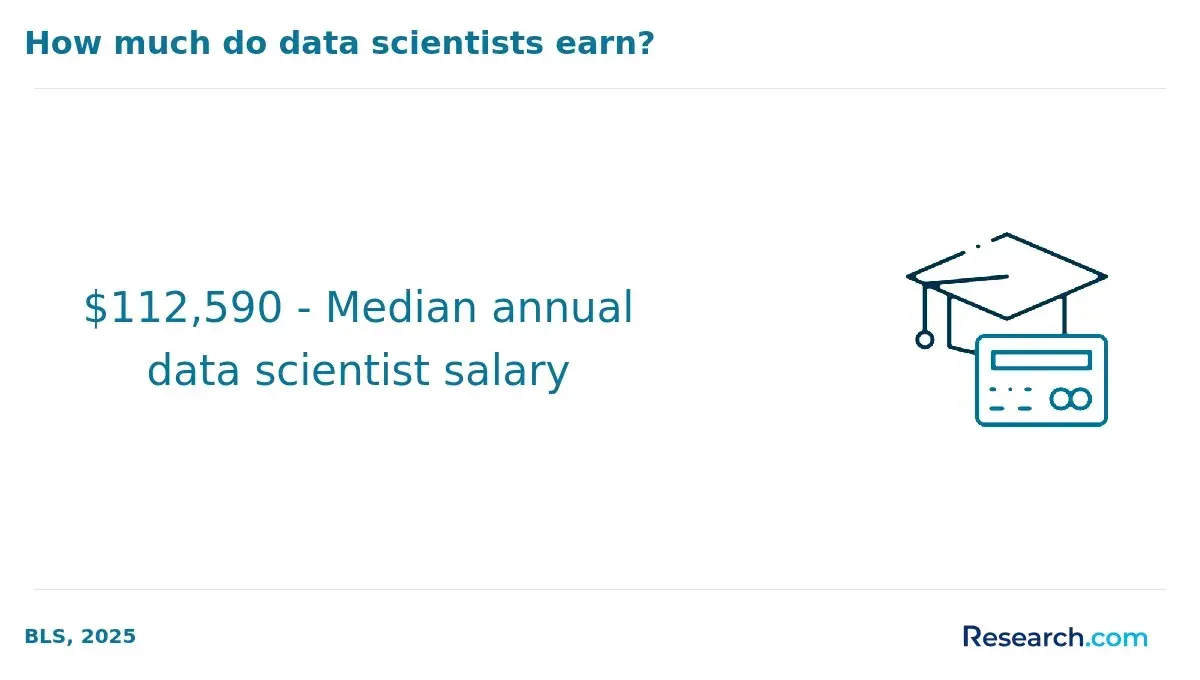
What core skills and topics do leading Coursera AI strategy courses typically cover?
Coursera's AI strategy courses emphasize core competencies vital for integrating AI within businesses, focusing on foundational knowledge and strategic frameworks. Key areas covered include AI model evaluation, ethical and governance issues, and responsible implementation.
Common topics include:
- Overview of AI technologies such as machine learning, natural language processing, and computer vision
- Data management emphasizing quality, pipelines, and scalability
- Linking AI potential to business value across industries
- Organizational readiness and change management for AI adoption
- Legal and ethical considerations including data privacy and bias mitigation
- Project lifecycle from prototyping to scaling AI solutions
Many courses tailor content for sectors like finance and healthcare, highlighting unique regulatory and operational challenges. For example, finance modules prioritize risk assessment and fraud detection, while healthcare focuses on patient data security and diagnostic tools.
Practical case studies and projects help translate theory into real-world application. According to the McKinsey Global Survey on AI 2024, although a vast majority of financial and healthcare organizations deploy production AI use cases, only a fraction maintain formal AI strategies, underscoring the importance of these courses in closing that gap.
Graduates are prepared to develop comprehensive AI strategies that align technology initiatives with business goals, comply with evolving regulations, and encourage sustainable innovation across industries.
How long do Coursera AI strategy programs take, and what do they cost overall?
Coursera's AI strategy courses vary in length, typically from 3 to 6 months, depending on whether you take individual courses or full specializations. Individual courses often require 15 to 30 hours of study, while specializations, which include several courses, demand 100 to 150 hours in total. This flexibility allows learners to balance their professional duties with part-time study.
For instance, a full AI Strategy specialization from a top university might involve four courses across four months, whereas shorter professional courses can be completed in about a month. Cost structures generally fall into two main types: subscription-based and one-time payments. Subscriptions average $39 to $59 per month, so a four-month specialization at $49 per month costs roughly $196. One-time fees for shorter courses range from $49 to $99.
Financial aid options are available for qualified students, helping to reduce costs. Career outcomes from completing these courses are promising. According to a recent Coursera Learner Outcomes Survey, learners who took AI or machine learning courses were 43% more likely to achieve promotions, new roles, or salary increases within 12 months compared to those without AI education.
Choosing the right program depends on your available time and career objectives. Subscription plans suit those ready for ongoing investment, while shorter courses work best for quick skill gains. Aligning your course length and cost with your career timeline maximizes return on investment and competitiveness in the job market.
What AI strategy career paths can Coursera learners pursue in the U.S. job market?
Career paths in AI strategy within the U.S. emphasize various specialized roles such as AI product manager, AI business strategist, AI consultant, and AI ethics officer. These positions bridge technology and business, focusing on aligning AI with corporate goals, fostering innovation, and ensuring ethical AI deployment.
AI product managers balance technical requirements and business objectives throughout AI solution development. AI business strategists leverage market analysis and AI capabilities to identify growth opportunities, often collaborating closely with data scientists and engineers. AI consultants assist organizations in adopting AI by crafting implementation roadmaps to enhance operations.
Meanwhile, AI ethics officers play a vital role in maintaining compliance with regulatory and ethical standards. When comparing educational investments, Coursera offers professional AI certificates costing under $1,000, substantially more affordable than the median tuition of approximately $53,000 for U.S. master's degrees in data science or AI. Graduates report median salary increases of 14% within a year, indicating strong return on investment.
Hybrid roles that integrate AI strategy with sectors such as finance, healthcare, and supply chain management are increasingly valuable. For example, an AI strategist in finance may enhance risk models, while supply chain analysts might use AI-driven predictive analytics. Coursera's flexible learning paths support these diverse applications, enabling learners to tailor skills for evolving industry needs.
What salaries and job outlook can AI strategy professionals expect in the United States?
Salaries for AI strategy professionals in the United States are competitive, with entry-level positions starting around $90,000 annually. Mid-career professionals typically earn between $130,000 and $170,000, while senior roles at top tech companies and consulting firms often exceed $200,000. These figures highlight the demand for experts who can align AI initiatives with business goals, optimize workflows, and oversee ethical AI use.
The job market outlook is strong, supported by a projected 23% growth for computer and information research roles through 2032, well above the average for all occupations. This expansion is driven by more companies integrating AI across industries, requiring skilled strategists to guide development and deployment.
Notably, enrollments in generative-ai business and strategy courses surged by 1,060% in 2024, far outpacing the 27% increase in general AI and machine learning courses, according to the Coursera GenAI Trends & Content Insights Report 2024. This suggests a growing demand for specialized AI strategy knowledge.
Students and professionals aiming to boost career prospects should focus on courses covering AI governance, business transformation, and strategic investment. Key skills include AI ethics, cross-functional leadership, and analyzing the ROI of AI projects. Employers value candidates who understand both AI's technical aspects and its business impact.
How should students choose the right Coursera AI strategy course for their goals?
Students should select Coursera AI strategy courses based on how well they align with their career objectives and existing expertise. Beginners seeking foundational roles benefit most from courses that focus on core AI concepts and their applications in business strategy. In contrast, professionals aiming for leadership positions in AI project management or innovation should opt for programs covering advanced analytics, ethical AI governance, and enterprise AI integration.
- Ensure course content depth matches your skill level and strategic interests, such as AI ethics, data-driven decision-making, or AI product development strategy.
- Look for practical projects with case studies reflecting industries or use cases relevant to your goals.
- Consider instructor expertise and industry recognition to gain current knowledge and actionable insights from active professionals.
Research from the BCG The Autonomous Enterprise AI Workforce Survey 2024 shows professionals dedicating at least five hours monthly to structured AI and analytics learning are 39% more likely to advance to higher-responsibility roles. This highlights the importance of consistent upskilling in strategic AI domains.
Flexibility and time commitment are also vital. Those balancing full-time work might prefer shorter, modular courses over lengthy multi-month programs to better fit their schedules. Choosing a course that supports measurable milestones-like leading AI initiatives or influencing organizational AI adoption-helps ensure tangible professional growth and career advancement.
Other Things You Should Know About Artificial Intelligence
In 2027, courses like “AI for Everyone” by Andrew Ng and “AI Strategy and Governance” by the University of Toronto on Coursera are excellent for understanding AI strategies applicable across multiple industries, providing insights into implementing AI beyond the tech sector.
Yes, many AI strategy courses include components addressing ethical considerations such as bias, privacy, and transparency. Understanding these challenges is crucial for developing responsible AI applications and policies. Courses often explore frameworks and guidelines to ensure ethical AI deployment in business contexts.
Data is foundational to any artificial intelligence strategy, as AI systems rely on large datasets for training and improvement. Effective AI strategies emphasize data quality, availability, and governance to ensure accurate and meaningful outcomes. Organizations must plan how to collect, manage, and utilize data to optimize AI performance.
AI strategy skills are highly transferable because core principles such as problem-solving, decision-making, and understanding AI technologies apply to multiple fields. Professionals who master AI strategy can adapt their knowledge to various industry-specific challenges, increasing their career flexibility and value in the job market.
References
- Coursera partners with Howard U., expands diversity catalog | EdScoop https://edscoop.com/coursera-howard-university-diversity-equity-catalog/
- The AI Strategy Job Market in 2026: Analysis of 1,859 Postings https://axialsearch.com/insights/ai-strategy-jobs/
- How to Choose the Right AI Course in 2026: A No-Nonsense Guide for Busy Professionals https://datadrivendaily.com/how-to-choose-the-right-ai-course-in-2025/
- AI is taking jobs — here’s Coursera CEO's No. 1 tip for grads to stay competitive https://www.cnbc.com/2025/11/29/coursera-ceos-top-tips-for-grads-to-stay-competitive-as-ai-takes-jobs.html
- Coursera vs AI ML etc. - Right for Senior IT Professionals? https://www.aimletc.com/coursera-vs-ai-ml-etc/
- Partnerships and Products - Coursera, Inc. | Learn & Work Ecosystem Library https://learnworkecosystemlibrary.com/initiatives/partnerships-with-coursera-inc/
- Artificial Intelligence Coursera: Best Courses, Paths, and How to Stay Truly Up to Date https://keepsanity.ai/blog/artificial-intelligence-coursera
- Analysing Coursera: global growth, university dynamics and the road ahead — Neil Mosley Consulting https://www.neilmosley.com/blog/analysing-coursera-global-growth-university-dynamics-and-the-road-ahead
- Best AI Course Online (2026): Coursera Named Go-To Platform for Artificial Intelligence Training by Consumer365 https://finance.yahoo.com/news/best-ai-course-online-2026-100000974.html
- Professional AI Training: How to Choose the Right Program https://www.strategicaileader.com/professional-ai-training-how-to-choose-the-right-program/