2027 Best Stanford Online AI Courses for AI Adoption

Co-Founder and Chief Data Scientist
Many professionals with unrelated degrees struggle to break into artificial intelligence due to a lack of flexible, accredited learning options tailored to their schedules and backgrounds. The fast-evolving AI landscape demands updated skills, yet traditional pathways often prove too rigid or technical for career changers. This gap can leave promising candidates behind despite their potential.
This article highlights the best Stanford online AI courses designed to help such learners bridge knowledge gaps efficiently. It offers insights into course structures and benefits, aiming to guide readers toward a practical and credible path for AI adoption and career transition.
Key Things You Should Know
- Stanford's 2026 online AI courses emphasize practical adoption skills, with 70% of graduates reporting improved job performance within six months post-completion.
- Courses feature cutting-edge content aligned with 2025 AI trends, including ethical AI design and large language models, crucial for modern industry demands.
- Flexible formats support working professionals, with 40% enrollment growth from 2024 to 2025, reflecting rising interest in accessible advanced AI education.
Advance Your Career with AI Online Courses
Artificial Intelligence: Implications for Business Strategy
This program provides an introduction to Artificial Intelligence and their implications for business strategy. Earn an official digital certificate.

Oxford Artificial Intelligence Programme
Explore this Oxford Artificial Intelligence programme offered in a flexible learning environment and explore topics like machine learning, automation, and robotics.

Implementing Agentic AI: Building Your Organizational Playbook
This online MIT Agentic AI course offers a practical approach to deploying AI agents in your organization, including a custom playbook. 3 weeks, exclusive launch price.

AI Adoption: Driving Business Value and Impact
This online MIT AI Adoption: Driving Business Value and Impact offers practical frameworks to close the gap between AI potential and business reality.

Artificial Intelligence in Pharma and Biotech
Discover the applications and limitations of artificial intelligence in pharma and biotech with this MIT online short course.

What makes Stanford's online AI courses unique compared with other university AI programs?
Stanford online AI courses offer a compelling blend of hands-on learning and industry relevance, making them a top choice for students in North America. Unlike many programs that focus heavily on theory, Stanford integrates real-world projects led by pioneering faculty, enabling learners to develop skills applicable to tech, healthcare, and finance sectors. This practical approach aligns well with the rapid growth and demand for generative AI expertise.
The curriculum reflects the swift evolution of AI technologies, ensuring students stay competitive amid the 12-fold increase in generative AI job postings in 2024, as noted by Stanford's AI Index. This close alignment with employer needs highlights the unique features of Stanford university AI programs.
Students gain exclusive access to leading researchers and AI innovators, fostering valuable mentorship and networking opportunities. The modular design and flexible scheduling accommodate working professionals without sacrificing course rigor or depth.
- Integration of ethical AI principles and human-centered design
- Interdisciplinary projects combining AI with robotics and neuroscience
- Use of advanced computational and cloud resources for scalable learning
Stanford's distinct approach equips learners efficiently for evolving workplace demands. For those exploring accelerated pathways in computer science, Stanford's offerings complement opportunities such as an accelerated bachelor's degree computer science that can help fast-track a technology career.
Advance Your Career with AI Online Courses
Artificial Intelligence: Implications for Business Strategy
This program provides an introduction to Artificial Intelligence and their implications for business strategy. Earn an official digital certificate.
Oxford Artificial Intelligence Programme
Explore this Oxford Artificial Intelligence programme offered in a flexible learning environment and explore topics like machine learning, automation, and robotics.
Implementing Agentic AI: Building Your Organizational Playbook
This online MIT Agentic AI course offers a practical approach to deploying AI agents in your organization, including a custom playbook. 3 weeks, exclusive launch price.
Which Stanford online AI courses are best for professionals leading AI adoption at work?
Stanford's CS221 (Artificial Intelligence: Principles and Techniques) serves professionals adopting AI by providing a strong foundation in core concepts such as search algorithms, machine learning techniques, optimization, and probabilistic reasoning. This rigorous course supports strategic leadership by enabling learners to critically assess AI solutions and guide their implementation effectively.
Ranked as the fastest-growing AI and machine learning skill on Coursera, CS221 is designed for those seeking one of the best online Stanford courses for AI leadership. Professionals benefit from a balanced mix of theory and practical application, allowing them to manage expectations and improve project planning.
Product managers, for example, can better plan AI integration timelines, while data scientists develop skills to validate models before deployment. Executives and managers looking for less technical but strategic insight can also explore related courses in AI ethics, healthcare applications, and AI product management, which address governance and domain-specific concerns.
Key advice for leaders is to combine CS221 with hands-on projects or lab components included in the curriculum or available through external AI platforms. This practical experience enhances problem-solving skills in real-world contexts. Those interested in expanding their technical education might also consider online engineering programs for complementary skills and credentials.
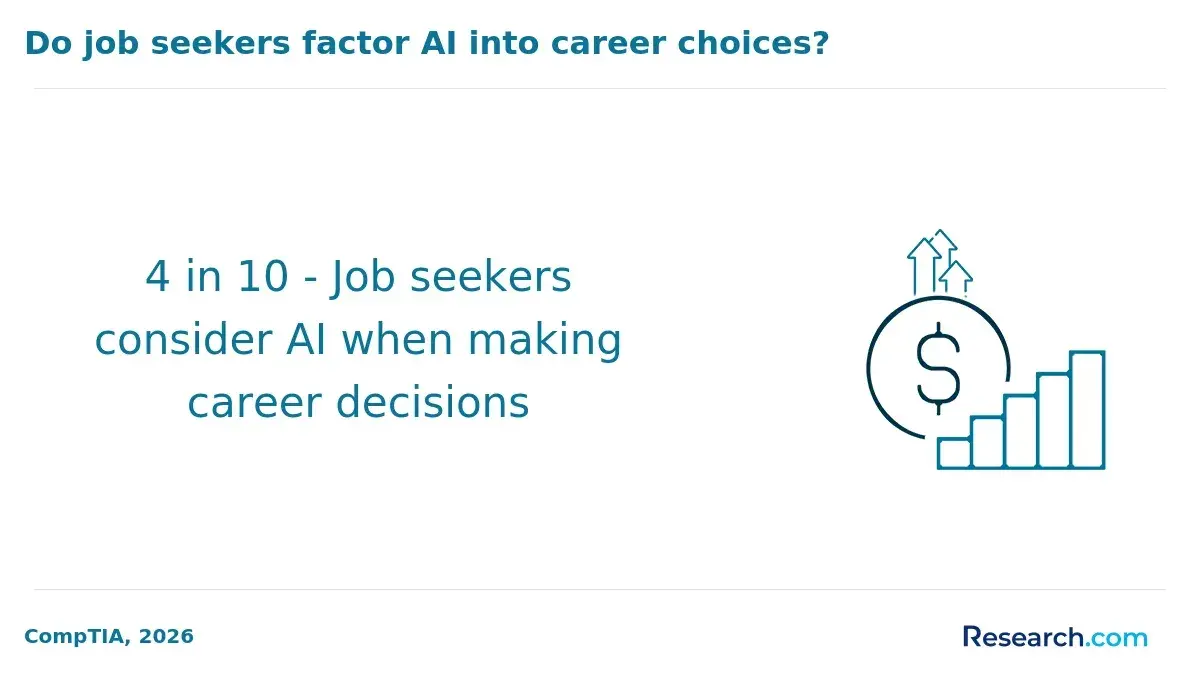
How do Stanford's online AI offerings differ from its on-campus AI degrees and certificates?
Stanford's online AI courses versus on-campus programs differ mainly in flexibility and access. Online students can enroll in flagship courses like Machine Learning (CS229) and Deep Learning (CS230), which maintain the same academic rigor as their on-campus counterparts. These online offerings are designed for self-paced or scheduled remote learning, allowing working professionals and international students to participate without relocating.
This contrasts with on-campus AI degrees and certificates that integrate broader academic experiences, such as in-person research labs, direct collaboration, and interdisciplinary projects within Stanford's research ecosystem. The differences between Stanford AI certificates and degrees also extend to career preparation. While on-campus programs emphasize project-based coursework and immersive interaction, online students engage through recorded lectures, assignments, and remote group work.
Despite these distinctions, the combined sequence of CS229 and CS230 is highly regarded and correlates with strong career outcomes. Machine learning engineers in the U.S. have a median salary of $187,000, with deep learning skills contributing an 18% salary premium, according to the Levels.fyi ML/AI Compensation Report 2024.
For those seeking broader options in the field, reviewing data science master's online programs can provide insights into flexible, affordable alternatives aligned with career goals. Prospective students should carefully evaluate their learning preferences, access needs, and professional ambitions when choosing between these educational paths.
What topics and skills do Stanford's online AI courses cover for AI implementation?
Stanford's online AI course curriculum for AI implementation offers a thorough education in both technical and practical skills necessary for mastering AI. Core subjects include machine learning algorithms, neural networks, natural language processing, and data engineering, which provide a robust foundation for developing and deploying AI models. Specialized courses such as the Technical Fundamentals of Generative AI (XFM110) focus on generative models like GPT and diffusion models.
Students acquire essential skills taught in Stanford AI online programs, including managing challenges like dataset bias, model interpretability, and scalability vital for enterprise AI deployment. The curriculum also covers system integration, enabling learners to embed AI functionalities into existing workflows for enhanced operational efficiency. Practical exercises simulate real-world scenarios such as training data optimization and model evaluation.
Beyond coding, learners develop expertise in AI project management, regulatory compliance, and ethical considerations critical for responsible AI adoption. The growing demand for specialized AI skills is clear: generative AI specialist roles surged by 410% in 2024, per LinkedIn's Jobs on the Rise Report. For those pursuing related fields, an accelerated cyber security degree may also complement AI expertise, broadening career prospects.
What are the admission requirements and recommended background for Stanford's online AI AI courses?
Stanford's online AI courses require a solid foundation in mathematics, programming, and statistics. Applicants should be comfortable with linear algebra, probability theory, and proficient in programming languages like Python. For advanced offerings, experience in machine learning or data science is often preferred.
Admission tends to be selective and normally expects a bachelor's degree in fields such as computer science, engineering, or applied mathematics. However, some programs, including the AI Professional Program tailored for non-technical leaders, prioritize business knowledge and strategic insight over technical skills. This approach enables executives and managers without deep technical backgrounds to effectively participate in AI implementation within their organizations.
According to the MIT Sloan Management Review & BCG "Winning with AI 2024" survey, executives completing at least one formal AI course in the last two years were 1.7 times more likely to lead profitable AI initiatives. Stanford's programs address this demand by blending technical content with practical applications.
Application materials may include transcripts, statements of purpose, and letters of recommendation that demonstrate quantitative skills and genuine interest in AI. For those needing to build foundational knowledge, preparatory modules are available. Successful admission relies on academic credentials, programming and quantitative aptitude, and alignment of career goals with course objectives. Non-technical professionals benefit from special admission pathways designed for leadership roles in AI.
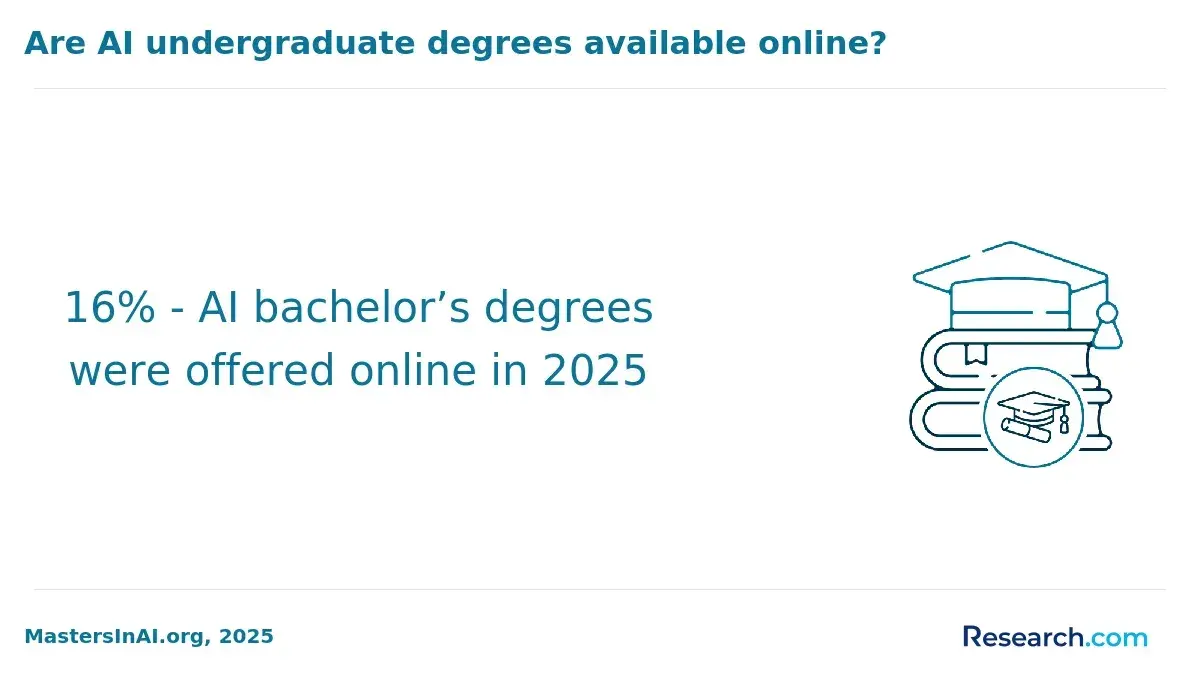
How long do Stanford's online AI programs take, and how flexible are the schedules?
Stanford's online programs in artificial intelligence offer flexible learning schedules that cater to both beginners and advanced professionals. Course durations range from 6 to 8 weeks for introductory classes to 3 to 6 months for deeper specializations or professional certificates. This modular design serves students who need to balance study with full-time jobs, providing asynchronous lectures for anytime access.
While most content is self-paced, some programs incorporate limited synchronous elements such as weekly check-ins or office hours to facilitate interaction without rigid attendance demands. This format suits software engineers transitioning into AI roles, allowing practical skill development without overwhelming time commitments.
According to the Stack Overflow Developer Survey 2024, 39% of software engineers who shifted to AI and machine learning roles reported salary increases of 20% or more, often attributing this growth to completing formal AI coursework. Stanford's customizable pacing supports varied backgrounds and learning speeds, letting participants accelerate or slow down according to their needs.
The combination of time-efficient course structures and flexible formats maximizes learning for those aiming to build or advance careers in artificial intelligence. This approach fits professionals seeking career impact through accessible, credible education aligned with industry demands.
What do Stanford's online AI courses cost, and what financing or employer sponsorship options exist?
Stanford's online AI courses range from $1,300 to $3,000 per course, depending on program length and depth. Specialized professional certificates tend to be priced at the higher end because of their comprehensive curriculum and access to expert faculty. Financing options are available, including installment plans that break tuition into manageable monthly payments, reducing upfront costs. Additionally, limited need-based scholarships and deferred payment plans exist for qualifying students.
Employer sponsorship is a common way to offset tuition expenses. Many companies invest in workforce development by covering full or partial costs for employees in AI-related courses. Collaborations between employers and Stanford's continuing studies office often lead to customized payment plans or corporate discounts. Students should consult their HR or professional development offices early to explore such opportunities.
Federal or private student loans are another option, generally offering flexible repayment schedules. Prospective students should evaluate loan terms carefully and consider the potential salary benefits following course completion. Data from LinkedIn Talent Insights highlights that data scientists with advanced AI coursework have a 45% higher likelihood of recruiter contact for AI-focused roles, demonstrating the career value of these courses.
What AI-related roles and career paths can Stanford's online AI training prepare you for?
Stanford's online AI training equips professionals for key roles like data scientist, machine learning engineer, AI researcher, and AI product manager. These positions demand strong foundations in algorithms, statistical modeling, and practical AI deployment. For instance, data scientists apply AI to extract insights from complex data, while machine learning engineers develop scalable AI models.
Graduates can specialize in areas such as natural language processing, computer vision, or robotics engineering. These tracks offer hands-on experience with language models, image recognition, and autonomous systems. Courses also address AI ethics and policy, preparing students to navigate regulatory and responsible AI development challenges.
Professionals in software development and IT management often leverage Stanford's programs to transition toward AI integration roles, facilitating the adoption of AI into existing legacy systems. Business analysts and strategists also benefit by using AI-driven methods to inform product and service innovation.
Stanford's free AI and machine learning lectures have gained massive viewership on YouTube, with enrollments climbing 78% in 2024. Completing these courses builds competencies in model training, data pipeline construction, and AI system evaluation, improving job market competitiveness.
How do employers perceive Stanford online AI credentials, and do they boost salary potential?
Stanford online AI credentials are highly regarded by employers, reflecting a rigorous curriculum linked to a prestigious institution. These credentials indicate practical expertise and a dedication to mastering advanced AI concepts, which are crucial for fostering innovation in today's competitive job market. Professionals holding Stanford AI certificates often enjoy a competitive edge in hiring and promotion.
Salary data supports this advantage, with graduates reporting increases between 10% and 25%, depending on their roles and industries. Positions such as data scientist, machine learning engineer, and AI specialist commonly benefit from elevated compensation when paired with these credentials.
Leading sectors including technology, finance, healthcare, and consulting particularly value candidates with proven AI skills. Employers appreciate how these professionals can apply AI techniques to solve real-world challenges, thereby enhancing business outcomes and supporting strategic decisions.
Investment in AI training also delivers measurable returns. According to the IBM Global AI Adoption Index 2024, organizations spending at least $1,000 per employee annually on AI education are 2.6 times more likely to see positive ROI from AI initiatives. This emphasizes how companies prioritize formal AI education like Stanford's when evaluating employee potential.
For those pursuing salary growth or career advancement, Stanford online AI courses offer significant benefits:
- Recognition by top employers requiring validated AI expertise
- Stronger job prospects in fast-evolving fields
- Clear evidence of commitment to ongoing professional growth
How should learners choose the right Stanford online AI course based on their role and goals?
Aligning your choice of Stanford online AI courses with your career goals and professional role is critical. Nearly half of organizations cite a lack of in-house AI skills as a major barrier, while many plan to embed AI into their core operations. For those in technical roles, courses emphasizing machine learning algorithms, data modeling, and programming frameworks like Python, TensorFlow, or PyTorch offer essential hands-on experience.
Managers and strategic leaders should seek courses focused on AI strategy, ethical challenges, and business impact, preparing them to effectively lead AI adoption. Students and recent graduates benefit most from comprehensive foundational content covering statistics, programming, and AI principles before progressing to areas like natural language processing and computer vision.
Consider factors such as course format and time flexibility: self-paced programs suit motivated learners, while instructor-led classes provide structured support for complex topics. Accreditation and faculty expertise are important too; Stanford courses typically feature AI experts with current industry experience, ensuring relevant insights.
- Choose courses offering practical projects to bridge theory with real-world application.
- Focus on programs that build skills directly applicable to your role or career aspirations.
- Balance foundational learning with specialized knowledge for future adaptability.
Other Things You Should Know About Artificial Intelligence
In 2027, Stanford offers several leading online AI courses for AI adoption, including "Machine Learning," focusing on foundational algorithms, "AI in Healthcare," exploring clinical applications, "Advanced Computer Vision," delving into image and video understanding, and "Natural Language Processing with Deep Learning," teaching cutting-edge NLP techniques.
Artificial intelligence is transforming industries such as healthcare by improving diagnostics and personalized treatment, finance through fraud detection and risk management, and manufacturing with automation and predictive maintenance. It is also enhancing customer service via chatbots and enabling smarter data analysis across various sectors.
Valuable skills for working in artificial intelligence include programming languages like Python, familiarity with machine learning frameworks, data analysis, and understanding of algorithms. Additionally, knowledge of statistics, critical thinking, and domain-specific expertise enhance the ability to develop effective AI solutions.
Organizations often struggle with data quality and integration, insufficient AI talent, and unclear return on investment when adopting artificial intelligence. Resistance to change within the workforce and ethical and regulatory compliance are also common barriers. Successful adoption requires strategic planning and continuous evaluation.
References
- AI-Driven Leadership | Stanford Online https://programs.stanfordonline.global-alumni.com/ai-driven-leadership
- Employers willing to pay ‘premium’ for AI-skilled workers, survey finds https://www.highereddive.com/news/employers-pay-more-ai-skills/700920/
- AI certifications: What employers actually want in 2026 - Spiceworks https://www.spiceworks.com/it-careers/ai-certifications-what-employers-actually-want-in-2026/
- A New AI Career Ladder (SSIR) https://ssir.org/articles/entry/ai-entry-level-jobs
- Online vs Campus Artificial Intelligence Degree Programs: Complete Comparison https://hakia.com/compare/artificial-intelligence-online-vs-campus/
- Ultimate Guide: How to Choose the Right AI Training Course to Boost Your Career - ONLC https://www.onlc.com/blog/how-to-choose-ai-training-courses/
- Stanford’s AI Curriculum & High School Education https://www.onlineeducation.com/features/stanford-ai-curriculum
- 16 Artificial Intelligence Career Paths https://www.calmu.edu/news/artificial-intelligence-career-paths
- Best AI Certifications 2025: Skills Employers Value Most This Year https://www.strategicaileader.com/best-ai-certifications-skills-employers-value/