2027 Best Imperial College London AI Courses for AI Adoption

Co-Founder and Chief Data Scientist
Many professionals with non-technical backgrounds struggle to find a clear, accredited path to transition into artificial intelligence roles. With rapid advancements in AI, gaining relevant skills while balancing work and life demands presents a significant challenge. Imperial College London offers flexible courses designed to equip learners with practical knowledge and strong foundations suited for diverse career shifts.
This article outlines the best Imperial College London AI courses tailored for those seeking effective, reputable routes to adopt artificial intelligence competencies and accelerate their professional growth.
Key Things You Should Know
- Imperial College London's AI courses in 2026 focus on practical adoption, combining machine learning theory with real-world applications across industries like healthcare, finance, and robotics.
- The curriculum integrates cutting-edge research from the Data Science Institute, reflecting advancements from 2024-2025, ensuring students access to tools like deep learning and natural language processing.
- Over 60% of graduates secure AI-related roles within six months, highlighting strong employer demand and Imperial's reputation for producing industry-ready professionals in AI adoption.
Advance Your Career with AI Online Courses
Artificial Intelligence: Implications for Business Strategy
This program provides an introduction to Artificial Intelligence and their implications for business strategy. Earn an official digital certificate.

Oxford Artificial Intelligence Programme
Explore this Oxford Artificial Intelligence programme offered in a flexible learning environment and explore topics like machine learning, automation, and robotics.

Implementing Agentic AI: Building Your Organizational Playbook
This online MIT Agentic AI course offers a practical approach to deploying AI agents in your organization, including a custom playbook. 3 weeks, exclusive launch price.

AI Adoption: Driving Business Value and Impact
This online MIT AI Adoption: Driving Business Value and Impact offers practical frameworks to close the gap between AI potential and business reality.

Artificial Intelligence in Pharma and Biotech
Discover the applications and limitations of artificial intelligence in pharma and biotech with this MIT online short course.

What types of AI programs and short courses does Imperial College London offer for AI adoption?
Imperial College London provides a broad selection of AI programs designed to facilitate practical AI adoption in the UK across multiple sectors. Its Master's degree in Artificial Intelligence emphasizes machine learning, robotics, and data analytics while preparing students to create AI-driven solutions for finance, healthcare, and engineering industries.
For professionals interested in focused upskilling, Imperial offers short courses in ai for business transformation, such as "Foundations of AI," which covers neural networks and natural language processing in a few weeks. The "AI for Business" course is designed specifically for managers aiming to leverage AI tools in decision-making and operational workflows.
The programs suit various experience levels-from recent graduates to seasoned professionals-with flexible delivery options like part-time attendance and online formats. This flexibility enables U.S. students to access Imperial's expertise without relocating. Interested learners might also consider a one year computer science degree to accelerate their entry into tech roles.
Imperial's AI education stems from its Computer Science & Information Systems department, ranked 5th globally and 2nd in the UK by QS. This reflects strong industry and academic recognition, ensuring graduates receive cutting-edge, industry-relevant knowledge.
Curricula are research-led and emphasize real-world applications, including AI ethics and interpretability. Practical projects often involve large datasets and cloud computing, providing hands-on experience essential for effective AI integration in business and technology sectors.
Advance Your Career with AI Online Courses
Artificial Intelligence: Implications for Business Strategy
This program provides an introduction to Artificial Intelligence and their implications for business strategy. Earn an official digital certificate.
Oxford Artificial Intelligence Programme
Explore this Oxford Artificial Intelligence programme offered in a flexible learning environment and explore topics like machine learning, automation, and robotics.
Implementing Agentic AI: Building Your Organizational Playbook
This online MIT Agentic AI course offers a practical approach to deploying AI agents in your organization, including a custom playbook. 3 weeks, exclusive launch price.
How do Imperial's AI courses support professionals and organizations implementing AI in the workplace?
Imperial College London offers AI courses designed to help professionals and organizations implement practical AI technologies effectively. These training programs emphasize skills in machine learning, data analytics, and deploying AI systems within enterprise environments. For example, executives gain the ability to identify AI solutions for business challenges, while technical staff develop expertise in building and scaling AI models.
The curriculum includes hands-on projects with real-world datasets, collaboration with industry partners, and a focus on ethical and regulatory issues essential for responsible AI adoption. This well-rounded approach ensures participants understand not only AI mechanics but also how to align AI implementations with organizational strategies and compliance needs. Such training supports organizations navigating integration with legacy systems and managing change among non-technical stakeholders.
Imperial's MEng Computing degree offers pathways in Artificial Intelligence and Machine Learning that reflect this applied focus. Graduates of Imperial's computing programs report a median salary of £60,000 fifteen months after graduation, the highest among UK computing departments according to Longitudinal Education Outcomes data. This underscores strong demand for AI specialists capable of advancing business and technological innovation.
For prospective U.S. students seeking cost-effective options, exploring programs like the cheapest online computer engineering degree can complement knowledge gained from London's advanced courses. Imperial's flexible modular courses cater to different experience levels, fostering continuous learning amid rapidly evolving AI developments.
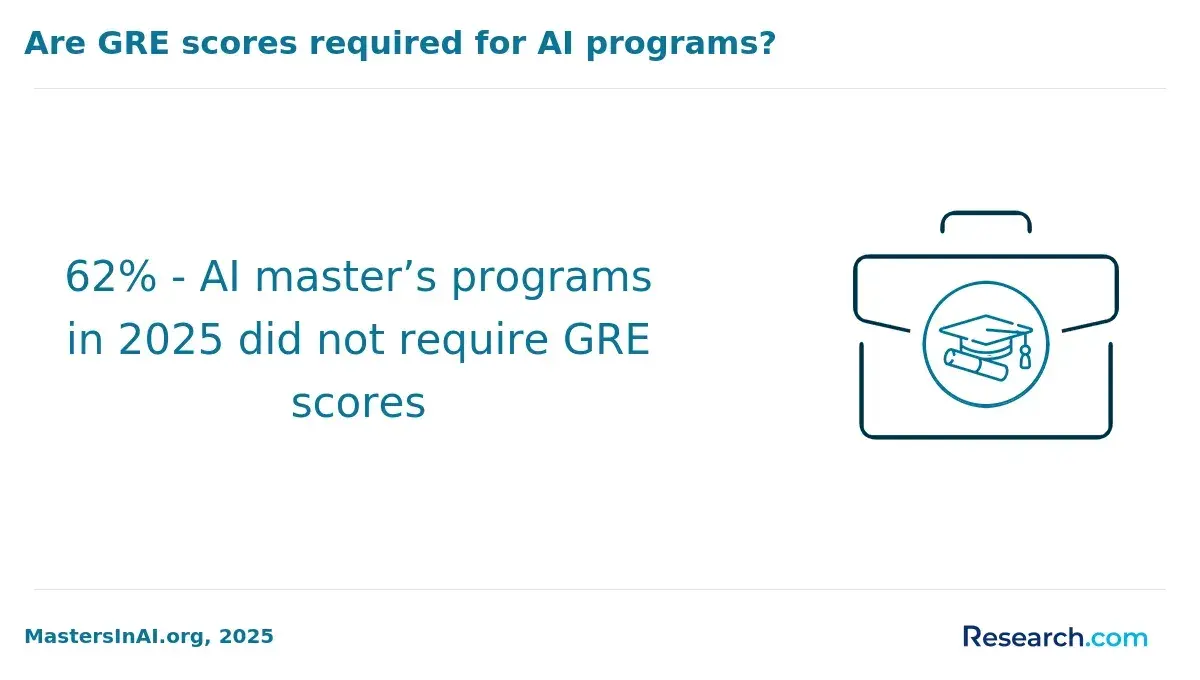
Which Imperial AI courses are best for U.S. learners seeking practical, industry-aligned AI skills?
Imperial College London offers a Flagship Online MSc in Machine Learning and Data Science designed for U.S. professionals seeking practical, industry-focused AI training programs at Imperial College. The programme blends theoretical knowledge with hands-on experience in machine learning, data analytics, and AI technologies. Key areas covered include data engineering, algorithm development, and scalable AI system deployment, aligning closely with current market demands.
The flexible online format supports working professionals in the U.S., allowing them to balance study with career commitments. Modules emphasize real-world problem-solving skills through topics such as natural language processing, computer vision, and predictive analytics, enabling application of AI techniques in sectors like finance, healthcare, and technology.
Imperial reports that 91% of students completing their online MSc were employed or pursuing further study within 15 months, with 74% securing data-centric or AI-related positions. This outcome underscores the programme's strength in advancing careers in AI.
Beyond the MSc, Imperial also offers short executive courses focused on AI strategy and applied machine learning for quick skill enhancement without full degree commitment. For U.S. learners exploring options, comparing a data science degree online can help determine the best fit for career goals.
What are the entry requirements and ideal backgrounds for Imperial's AI adoption-focused programs?
Imperial College London's AI adoption-focused programs emphasize strong quantitative and computational skills. For the MSc Statistics (Data Science and Machine Learning), applicants typically need a first- or upper second-class UK bachelor's degree or an equivalent qualification in mathematics, statistics, computer science, engineering, or related fields. Essential knowledge includes linear algebra, calculus, probability, statistics, and programming languages such as Python or R.
Ideal academic backgrounds for AI adoption programs in London generally feature:
- Undergraduate degrees grounded in rigorous mathematics or computer science
- Experience with machine learning algorithms, data analysis, or software development
- Skills in statistical modeling and managing large datasets
Candidates from physics, engineering, or economics with quantitative and programming strengths are also attractive. Imperial values demonstrated industry experience with data-driven or AI-related projects, especially for working professionals.
Reflecting growing demand, the UK Institute of Student Employers reports a 21% annual increase in graduate vacancies for data and AI roles. The MSc Statistics (Data Science and Machine Learning) aligns with this trend by preparing students with advanced knowledge and practical skills to meet real-world challenges. For those seeking flexible learning options, reputable online cyber security courses can complement AI expertise and bolster career prospects.
How do online, blended, and on-campus Imperial AI course formats compare for busy professionals?
Imperial College London offers AI courses in three main formats-online, blended, and on-campus-each designed to meet the needs of busy professionals balancing work and study. Online programs provide maximum flexibility, allowing learners to complete coursework asynchronously without relocating or adhering to strict schedules. For instance, the Professional Certificate in Machine Learning and Artificial Intelligence delivered by Emeritus enables students to learn remotely while continuing their careers.
Blended courses mix online study with occasional on-campus sessions, appealing to those seeking direct interaction with faculty and peers while retaining some schedule flexibility. This hybrid model often includes weekend workshops or short residencies, which enhance hands-on learning and networking opportunities without requiring constant travel.
On-campus formats provide an immersive experience with immediate access to Imperial's labs and faculty, ideal for those who can dedicate uninterrupted time to study. This environment supports intensive projects and career advancement but demands significant time away from work.
Notably, 84% of learners from the Professional Certificate reported positive career outcomes-such as promotion, role changes, or salary increases-within 12 months, with an average 23% salary uplift (Emeritus Global Learner Outcomes Report). Choosing the right format depends on individual time availability and learning preferences, but the quality of training remains a crucial factor for career growth.
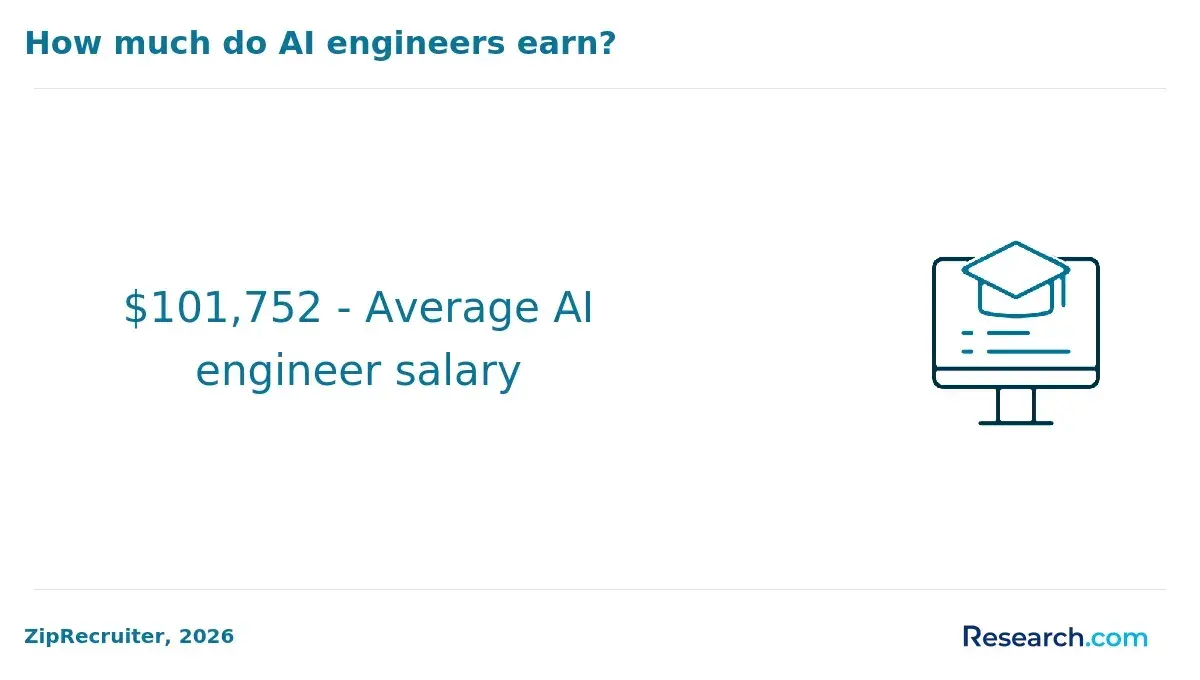
What AI topics and tools are typically covered in Imperial courses geared toward AI adoption?
Imperial College London offers AI courses focused on practical adoption, covering essential topics like machine learning algorithms, deep learning, natural language processing, and computer vision. Students gain hands-on experience with key frameworks such as TensorFlow, PyTorch, and scikit-learn, preparing them to build and deploy scalable AI models effectively.
Coursework includes data preprocessing, feature engineering, model evaluation, and tuning, all vital for optimizing AI applications. Ethical considerations and AI safety are integral, equipping students to implement AI responsibly across sectors like healthcare, finance, and robotics. Cloud platforms like AWS and Microsoft Azure are introduced to support AI scalability and enterprise integration.
Project-based learning helps develop skills in AI system development, troubleshooting, and cross-disciplinary teamwork. Outcomes from Imperial's 2024 Global Summer School show that 68% of participants from the Data Science and Artificial Intelligence stream pursued STEM degrees, with 42% focusing on computing, data science, or AI at research-intensive universities.
Practical tools such as Jupyter notebooks, Docker containerization, and Git version control are standard. Emphasis on automated machine learning and AI model interpretability addresses needs in regulated industries. These courses cultivate both technical expertise and strategic understanding for AI adoption in diverse organizational contexts.
How do Imperial's AI offerings align with U.S. accreditation standards and recognized credentials?
Imperial College London's AI courses meet U.S. accreditation standards through a rigorous curriculum and globally recognized qualifications. Their offerings include master's degrees, certificates, and short courses aligned with frameworks such as the Computing Accreditation Commission of ABET and the UK Quality Assurance Agency standards, which many U.S. universities recognize. This ensures U.S. learners receive credentials valued by employers and academic institutions.
Accessible online courses on platforms like Coursera and edX provide U.S. students and professionals with entry points into AI and data science. For example, the "Mathematics for Machine Learning" MOOC series has surpassed 1.1 million enrollments, and learners are 30% more likely to obtain AI or machine learning jobs within a year after completion. This highlights the courses' practical relevance and career impact.
Key benefits for credential transfer and career advancement include:
- Postgraduate degrees accredited by reputable bodies and recognized in the U.S.
- Modular certificates and microcredentials suitable for continuing education and employer requirements.
- Partnerships with industry leaders enhancing networking and job prospects for U.S.-based learners.
These features make Imperial College's AI courses a strategic option for Americans focused on acquiring accredited, career-relevant AI skills within a trusted educational framework.
What are the typical program lengths, tuition costs, and funding options for Imperial AI courses?
Imperial College London offers AI programs ranging from one to two years, with full-time master's degrees typically completed in 12 months. Part-time and executive formats extend from 18 to 24 months, ideal for working professionals. Shorter certificates and specialized modules last from a few weeks to six months, providing flexible options for skills enhancement.
Tuition fees for U.S. students pursuing full-time postgraduate AI courses generally range between £35,000 and £40,000 annually. Part-time courses maintain a pro rata fee structure but may incur higher total costs due to lengthened study periods. Certificate programs are more affordable, usually costing between £2,000 and £5,000, suitable for targeted learning in specific AI areas.
Financial support at Imperial includes merit-based scholarships for international students, research assistantships on AI projects, and employer sponsorships through industry partnerships. Imperial's extensive AI network supports funded research opportunities, backed by over £140 million in active AI research funding and collaborations with more than 80 industry partners.
Prospective students should explore departmental awards and external funding sources such as UK government postgraduate fee scholarships and STEM grants. Early application and direct communication with course administrators improve chances for financial aid and research roles, facilitating planning for a successful career in AI.
What career outcomes, roles, and employer partnerships are associated with Imperial AI training?
Imperial College London's AI training equips graduates for diverse, high-demand careers such as machine learning engineer, data scientist, AI researcher, and AI product manager. Alumni often find roles in finance, healthcare, technology, and consulting, sectors where AI drives innovation and efficiency. Strong employer partnerships with Google DeepMind, Microsoft Research, and NHS Digital offer students unique opportunities for placements, collaborative projects, and recruitment, thereby enhancing practical experience and employability.
According to the UK Department for Education's 2024 longitudinal data, Imperial Computer Science graduates rank in the top 5% of UK earners five years after graduation. Their median salary exceeds £65,000, about 45% higher than the national median for computing graduates. This wage premium highlights the value employers place on Imperial's rigorous AI training and technical foundation.
Career paths extend beyond coding to strategic roles like AI ethics officer, AI policy advisor, and innovation consultant. Many graduates work in interdisciplinary fields such as autonomous vehicles, cybersecurity, and biotech, applying AI to solve complex challenges. Imperial's industry connections provide direct access to AI-driven companies, startups, and research institutions.
Professional development at Imperial emphasizes advanced AI techniques, ethics, and practical deployments, preparing students for fast-evolving job markets. This focus ensures graduates remain adaptable and resilient in their careers.
How should U.S. students choose between Imperial and U.S. universities for AI adoption education?
U.S. students considering Imperial College London versus U.S. universities for AI adoption education should evaluate key factors that impact their career trajectory. Imperial connects students to a rapidly expanding UK AI job market, where demand has surged by 69% since 2020, according to the UK Government's 2024 AI Skills Gap Report. This growth highlights significant opportunities, especially as 35% of UK companies report shortages in AI and data talent. For those targeting roles in European or global firms, Imperial's position and industry ties can open unique networking and employment doors.
In contrast, U.S. programs frequently emphasize practical skills within vibrant entrepreneurial ecosystems. Students aiming for Silicon Valley or U.S.-specific industries may benefit from institutions offering strong internship pipelines and partnerships with major American tech companies, which help secure relevant work experience.
Financial considerations are important too. Tuition, living costs, and scholarships vary widely between the UK and U.S. Some students might rely on local funding or employer tuition support, while others may find Imperial's prestigious reputation and UK labor market justify the investment.
Visa and post-graduation work options also matter. Evolving UK immigration policies influence how easily international students can stay and work after completing their degrees.
- Evaluate alignment with local industry needs and innovation environment
- Compare total costs and financial aid opportunities
- Consider visa rules and post-study career prospects
Ultimately, U.S. students should weigh these elements against their global career goals and preferred AI adoption pathways to make an informed choice.
Other Things You Should Know About Artificial Intelligence
In 2027, Imperial College London offers cutting-edge AI courses such as the Artificial Intelligence and Machine Learning for Business program and the Data Science and AI for Decision Making course, both designed to equip professionals with practical AI integration skills for various industries.
Ethical considerations in artificial intelligence include ensuring transparency, preventing bias, and protecting user privacy. Developers must design AI systems that are explainable and accountable to avoid unintended harm. Additionally, addressing fairness and inclusivity in AI algorithms is critical to prevent discrimination across different social groups.
Many artificial intelligence systems use machine learning, which enables them to improve from data without explicit programming for every task. However, these systems still require human oversight for training data selection, validation, and monitoring to ensure accuracy and prevent errors. Fully autonomous learning remains limited and context-dependent.
Major challenges in artificial intelligence adoption include data quality issues, integration with existing systems, and talent shortages. Organizations often struggle with acquiring sufficient high-quality data to train AI models effectively. Additionally, implementing AI responsibly requires diverse expertise in technology, ethics, and organizational change management.
References
- Use of Gen AI in Accreditation https://a3stepaccreditation.org/f/use-of-gen-ai-in-accreditation
- Master of Science - American Imperial University https://americanimperialuniversity.com/master-of-science/
- Artificial Intelligence Applications and Innovation MSc https://www.imperial.ac.uk/study/courses/postgraduate-taught/applications-innovation/
- AI for Business Transformation programme | Imperial Executive Education https://execed-online.imperial.ac.uk/ai-for-business-transformation
- AI in the Workplace : Essential AI Skills for Business Professionals | London Corporate Training https://lct.co.uk/ai-in-the-workplace-essential-ai-skills-for-business-professionals/
- How to make an application to Imperial College London - Safe & Trusted AI https://safeandtrustedai.org/apply-now/how-to-make-an-application-to-imperial-college-london/
- AI Masters UK 2025: Best Universities & Career Prospects https://www.fateheducation.com/blog/masters-in-artificial-intelligence-uk/
- AI ADOPTION https://iei.asiacareersgroup.com/blogs/articles/ai-adoption
- Masters in Artificial Intelligence in UK: Fees, Top Universities, Placement, Scholarships https://www.selectyouruniversity.com/blog/masters-in-artificial-intelligence-uk
- Learning Tree’s Top 10 AI Courses for 2026 https://www.learningtree.co.uk/blog/learning-trees-top-ai-courses/