2027 Best Stanford Online AI Courses Online

Co-Founder and Chief Data Scientist
Many skilled professionals face the challenge of transitioning into the AI industry without a formal background in the field. The rapid evolution of technology demands up-to-date knowledge and flexible learning options that accommodate busy schedules. Institutions like Stanford offer online courses specifically designed to bridge this gap, providing credible certification and access to cutting-edge content.
This article reviews the best Stanford online AI courses available, highlighting their structure, accessibility, and relevance. It aims to guide prospective students and working professionals in selecting programs that efficiently support a successful career pivot into artificial intelligence.
Key Things You Should Know
- Stanford's online AI courses in 2026 emphasize practical skills, featuring updated curricula aligned with 2025 industry standards and including hands-on projects using real-world datasets.
- Enrollment for these courses has grown by 35% since 2024, reflecting rising demand for AI expertise among U.S. professionals and graduates entering competitive job markets.
- Course options range from beginner-friendly introductions to advanced machine learning and neural network specializations, supported by Stanford's leading AI research faculty and access to cutting-edge resources.
Advance Your Career with AI Online Courses
Artificial Intelligence: Implications for Business Strategy
This program provides an introduction to Artificial Intelligence and their implications for business strategy. Earn an official digital certificate.

Oxford Artificial Intelligence Programme
Explore this Oxford Artificial Intelligence programme offered in a flexible learning environment and explore topics like machine learning, automation, and robotics.

Implementing Agentic AI: Building Your Organizational Playbook
This online MIT Agentic AI course offers a practical approach to deploying AI agents in your organization, including a custom playbook. 3 weeks, exclusive launch price.

AI Adoption: Driving Business Value and Impact
This online MIT AI Adoption: Driving Business Value and Impact offers practical frameworks to close the gap between AI potential and business reality.

Artificial Intelligence in Pharma and Biotech
Discover the applications and limitations of artificial intelligence in pharma and biotech with this MIT online short course.

What makes Stanford's online AI courses different from other university AI programs?
Stanford's online AI courses distinguish themselves through direct access to renowned faculty who are actively advancing the field. This close connection allows students to engage with evolving algorithms, frameworks, and ethical challenges at the forefront of AI research.
The university's curriculum prioritizes hands-on projects and practical problem-solving. Students work with large datasets, create machine learning models, and test AI systems in sectors such as healthcare, autonomous vehicles, and natural language processing. Such experiences align theoretical learning with immediately applicable skills.
A unique feature of Stanford university artificial intelligence programs is their selective enrollment, which cultivates a high-caliber peer group and personalized mentorship. Interactive sessions enhance understanding and networking far beyond what many broader programs offer.
Stanford's reputation bolsters career prospects, with computer science graduates earning a median early-career salary of $140,000, reflecting its top global rank in Computer Science & Information Systems. This legacy attracts partnerships and recruitment opportunities that directly benefit students.
Prospective learners choosing Stanford's online courses find a balance of foundational theory and applied capabilities, addressing pressing AI questions such as ethics and scalability. For those comparing Stanford online AI courses to other universities, this blend is a significant advantage.
Those interested in accelerating their tech careers might also explore the accelerated computer science degree options highlighted by leading education resources.
Advance Your Career with AI Online Courses
Artificial Intelligence: Implications for Business Strategy
This program provides an introduction to Artificial Intelligence and their implications for business strategy. Earn an official digital certificate.
Oxford Artificial Intelligence Programme
Explore this Oxford Artificial Intelligence programme offered in a flexible learning environment and explore topics like machine learning, automation, and robotics.
Implementing Agentic AI: Building Your Organizational Playbook
This online MIT Agentic AI course offers a practical approach to deploying AI agents in your organization, including a custom playbook. 3 weeks, exclusive launch price.
Which Stanford online AI courses are best for beginners, intermediates, and advanced learners?
Stanford's "Machine Learning" by Andrew Ng remains one of the best Stanford online artificial intelligence courses for beginners. It covers essential algorithms, supervised and unsupervised learning, and practical exercises with Octave/MATLAB, making it suitable for those with basic programming and math skills aiming to grasp core AI concepts before advancing.
For intermediate learners, "CS231n: Convolutional Neural Networks for Visual Recognition" offers in-depth study of deep learning architectures focused on computer vision. Combining theory and hands-on projects using Python and TensorFlow, this course prepares students to apply advanced neural network models effectively.
Advanced learners will find "CS224N: Natural Language Processing with Deep Learning" valuable. It tackles complex topics such as transformers and contextual embeddings, requiring prior machine learning experience. This course is ideal for individuals pursuing research roles or specialized careers in NLP-driven AI development.
Stanford's structured offerings support skill growth aligned with career goals. According to Glassdoor's 2025 data, the median compensation for U.S. machine learning engineers is $186,000. Additionally, a 2024 Stanford School of Engineering survey found alumni with AI/ML expertise earn 28% more than peers in other fields, highlighting the economic advantage of mastering these subjects.
Prospective students should honestly evaluate their background: beginners may need coding basics before enrolling; intermediates can showcase project portfolios from CS231n to employers; and advanced learners benefit from CS224N's cutting-edge content. Those seeking affordable options might explore the cheapest engineering degree online pathways to complement their studies in these top Stanford online artificial intelligence classes for advanced learners.
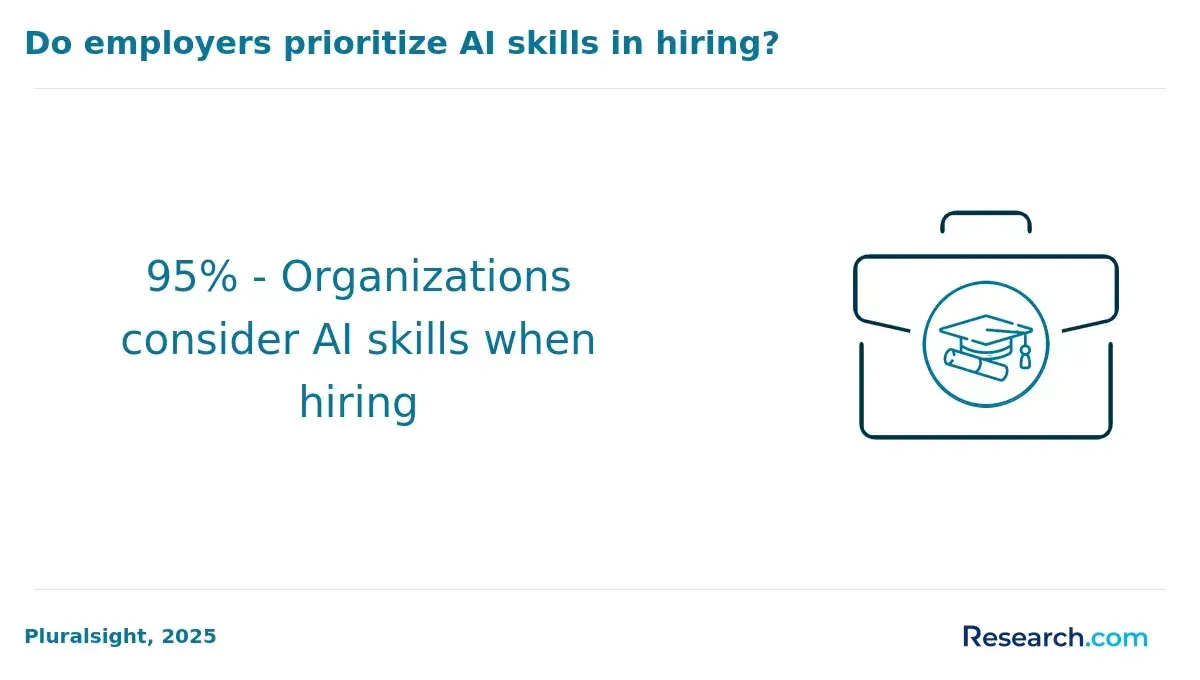
How do Stanford online AI courses compare with on-campus AI programs in rigor and outcomes?
Stanford online AI courses match the rigor of on-campus programs by offering in-depth lectures, challenging assignments, and extensive coding projects. The curriculum, including foundational theories and algorithmic design, often mirrors what is taught in person.
For example, the popular CS229: Machine Learning course is available online for free, with its YouTube playlist surpassing 5.5 million views by early 2025, highlighting its comprehensive and high-quality instruction.
Students can expect grading and exam standards that ensure a thorough assessment of conceptual understanding and technical skills. The self-paced nature of these courses demands strong time management and discipline. Outcomes of Stanford online AI versus on-campus programs show that graduates gain comparable skills valued by employers, supporting roles from data scientists to AI researchers.
Some differences include the level of direct faculty interaction, which is more accessible in on-campus programs. However, Stanford's online offerings include discussion forums, office hours, and project feedback to help bridge this interaction gap. They also provide flexibility that particularly benefits working professionals advancing their expertise without pausing their careers.
Prospective students should also review prerequisites carefully to ensure preparedness. For those exploring related fields, affordable cybersecurity programs offer additional career pathways. Overall, Stanford's online AI courses provide strong academic rigor comparison and closely align with career outcomes of their traditional counterparts.
Are Stanford's online AI and machine learning courses accredited or credit-bearing?
Stanford's online AI and machine learning offerings, including the Stanford Artificial Intelligence Professional Program, are designed primarily for professional development rather than academic credit accumulation. These courses are typically non-credit bearing and do not provide transferable college credits toward a Stanford degree or any other institution. Instead, learners receive certificates of completion that highlight skill enhancement.
For those specifically seeking credit-bearing Stanford machine learning courses online, exploring Stanford Online's degree programs or specializations is recommended, as some may include accredited AI coursework. However, most online AI certificate accreditation options at Stanford focus on practical application and career readiness instead of formal academic credits.
Career benefits from these programs are notable. Over 70% of participants in the paid, non-credit Stanford Artificial Intelligence Professional Program reported role changes or increased AI responsibilities within 12 months of completion. This demonstrates strong professional value beyond traditional academic credit.
Prospective learners should clarify whether their goals require academic credit for degree progression or transfer. If so, these non-credit programs may not be suitable. Conversely, those prioritizing skill advancement and career impact may find these certified programs valuable.
For professionals interested in expanding their qualifications alongside or instead of formal degrees, related fields can be explored through analytics masters programs that complement AI expertise.
What topics and skills do Stanford's online AI courses typically cover in the curriculum?
Stanford's online courses in artificial intelligence blend theoretical foundations with practical skills essential for careers in this fast-growing field. Core topics include machine learning algorithms-supervised, unsupervised, reinforcement learning-and deep learning techniques.
Students develop expertise in neural networks, natural language processing, computer vision, and robotics, reflecting AI's multidisciplinary nature. Programming skills focus primarily on Python, using frameworks such as TensorFlow and PyTorch, enabling hands-on experience in implementing AI models and analyzing real-world data.
The curriculum also covers advanced areas like probabilistic graphical models, Bayesian networks, and optimization methods, strengthening problem-solving abilities. Importantly, ethics and societal impacts of AI are integrated to prepare learners for responsible technology use.
Specialization tracks tailor learning to specific industries such as healthcare, autonomous systems, or business applications, often using project-based approaches and real-time problem scenarios. The Stanford Artificial Intelligence Graduate Certificate (for-credit) connects academic achievement with career advancement, with alumni reporting an average 23% base salary increase within two years.
Prospective students seeking comprehensive, career-oriented AI education will find Stanford's offerings robust, balancing theory, application, and ethical considerations within an evolving technological landscape.
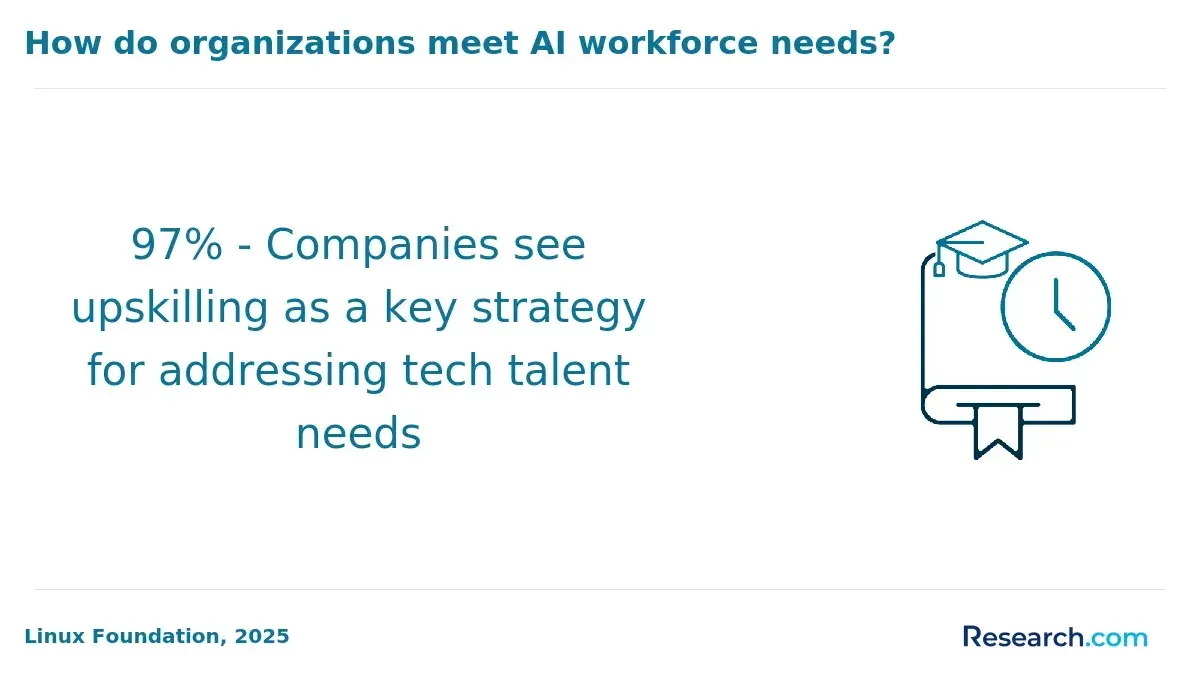
What are the admissions requirements and application steps for Stanford's online AI offerings?
Stanford's online AI programs cater primarily to working professionals and graduates with streamlined admissions processes. Applicants for executive-level courses like AI for Leaders & Non-Engineers generally need a bachelor's degree or equivalent experience in a relevant field. Admission requires submitting an online application, academic transcripts, and a résumé showcasing related work history.
Some specialized AI certificates may ask for prerequisites such as Python programming proficiency or foundational math and statistics knowledge. Executive courses often waive these technical requirements, emphasizing leadership experience instead.
Typical application steps include:
- Completing the online application form
- Submitting official academic transcripts
- Uploading a résumé or CV highlighting professional experience
- Writing a statement of purpose outlining motivation and goals
Highly competitive programs might also require interviews or letters of recommendation. Admissions staff assess candidates based on academic background, career objectives, and course fit.
According to the Stanford Graduate School of Business, 64% of AI for Leaders & Non-Engineers graduates implemented at least one AI initiative within six months of completing the program. This highlights the practical benefits and rigorous standards that prepare students to apply AI knowledge effectively in real-world settings.
How long do Stanford online AI courses and certificate pathways take to complete?
Stanford online AI courses and certificate pathways typically take three to twelve months to complete, depending on program depth and student pace. Individual courses usually last 4 to 10 weeks, offering focused skill-building. More extensive certificate pathways combine multiple courses that cover foundational to advanced topics over six to twelve months, accommodating working professionals balancing education and careers.
Weekly time commitments vary: shorter courses may require 8 to 12 hours per week for completion in about a month, while full certificate programs generally suggest 5 to 10 hours weekly. For example, Stanford's Professional Certificate in Machine Learning and Artificial Intelligence recommends 6 to 9 months to finish, allowing thorough hands-on practice and assessments to solidify learning.
Outcomes data shows strong career impact for learners. According to Coursera's 2024 Learner Outcomes report, 77% of students in Stanford-originated AI and machine learning courses secured promotions, new jobs, or increased responsibilities within a year. Such results highlight the significant professional value of investing time in these programs.
Prospective students should weigh their schedules and goals when deciding between shorter courses and longer certificate pathways. The former suits those seeking quick skill upgrades, while the latter supports comprehensive mastery and career transitions.
How much do Stanford online AI courses cost, and what funding options are available?
Stanford online AI courses range from about $1,200 to $4,000, depending on the program and length. Individual courses on Stanford Online or platforms like Coursera typically cost between $1,200 and $1,800. More advanced professional certificates or specialized tracks can reach up to $4,000, while tuition for graduate-level or advanced certificates may exceed this range, reflecting their depth and credential value.
Funding options include:
- Stanford's financial aid programs for online learners requiring a demonstrated financial need.
- Employer reimbursement programs, common in tech companies investing in workforce skills.
- Scholarships aimed at underrepresented groups in tech, offered through Stanford or partner organizations.
- Federal student aid, which is generally unavailable for non-degree online courses but may apply to degree-eligible programs under certain conditions.
Many students use employer sponsorships or partial scholarships to manage affordability. It's important to check Stanford's course pages for the latest tuition and funding information as offerings evolve with market demand.
The World Economic Forum's Future of Jobs Report 2025 forecasts a 39% increase in demand for AI and machine learning specialists by 2028, creating about 2.3 million new global roles. This trend highlights the value of investing in quality AI education such as Stanford's programs despite their financial cost.
What AI careers and job roles can Stanford online AI training help you pursue?
Stanford online AI training prepares professionals for various roles, including machine learning engineer, data scientist, AI researcher, and AI product manager. These roles demand expertise in algorithm development, data analysis, and AI system design, all of which are covered in Stanford's courses.
For instance, machine learning engineers build models for recommendation systems or autonomous vehicles, while AI researchers advance core AI technologies through experiments and publications.
Additional career options include AI software developers who embed AI into applications and AI consultants aiding companies with AI strategies. Training also supports specializations in natural language processing, computer vision, and robotics, aligning with industry demands.
The practical structure of these online courses suits professionals transitioning from backgrounds such as software engineering or data analytics, emphasizing hands-on projects and real-world case studies. This approach offers a cost-effective alternative to traditional graduate programs, where at Stanford engineering graduate tuition can exceed $65,000 per year.
In contrast, completing the Stanford Online AI course sequence generally costs below $10,000, making it accessible without significant debt.
Employers increasingly value Stanford Online credentials, particularly for applied AI roles requiring demonstrable technical skills and project experience. This affordable, credible option bridges the skills gap and supports career advancement in artificial intelligence.
What salary ranges and job outlook can graduates of Stanford online AI courses expect?
Graduates of Stanford's online artificial intelligence courses typically earn competitive salaries that reflect their skill levels and the growing industry demand. Entry-level roles in AI and machine learning begin around $90,000 to $120,000 annually. Professionals with mid-career experience and Stanford credentials often make between $130,000 and $180,000. Senior positions, such as AI engineers or research scientists, especially in tech hubs like Silicon Valley, can offer salaries above $200,000.
The demand for AI expertise continues to rise, fueled by rapid growth in sectors like natural language processing, robotics, and computer vision. Stanford's incorporation of generative AI modules into over 25% of its updated courses aligns with these market trends, enhancing graduate employability.
AI career opportunities span beyond traditional technology companies, reaching industries like healthcare, finance, autonomous vehicles, and government agencies. To stand out, learners should highlight practical project experience with generative AI models and proficiency in programming languages such as Python, along with frameworks like TensorFlow and PyTorch.
Key roles to consider include AI software developer, data scientist, machine learning engineer, and AI research consultant. Networking within Stanford's professional community also provides valuable advantages in job placement and career growth.
Other Things You Should Know About Artificial Intelligence
Stanford's 2027 online AI courses offer skills in neural network design, data analysis, machine learning algorithms, and ethical AI considerations. Students can also learn practical AI implementation and project-based applications, enhancing their readiness for industry challenges.
Artificial intelligence is applied widely beyond technology sectors, including healthcare for diagnostics and personalized treatment, finance for fraud detection and risk management, and manufacturing for predictive maintenance and quality control. These applications enhance efficiency, reduce costs, and provide new insights by analyzing large volumes of data rapidly.
Ethical concerns surrounding artificial intelligence include issues of bias in algorithms, privacy violations, job displacement due to automation, and accountability in decision-making processes. Ensuring transparency, fairness, and responsible use of AI technologies remains a major focus within the academic and professional communities.
Yes, skills gained from online artificial intelligence courses, especially those offering hands-on assignments and projects, are highly applicable in real-world scenarios. Practical elements like coding, data analysis, and model building prepare learners to implement AI solutions in industries such as finance, healthcare, and technology development.
References
- AI-Driven Leadership | Stanford Online https://programs.stanfordonline.global-alumni.com/ai-driven-leadership
- Stanford University AI Policy for Admissions https://gradpilot.com/ai-policies/stanford-university
- Best Online AI Courses and Certifications in 2025 https://www.upskillist.com/blog/online-ai-courses-certifications/
- 16 Artificial Intelligence Career Paths https://www.calmu.edu/news/artificial-intelligence-career-paths
- AI's Impact on Graduate Jobs: A 2025 Data Analysis | IntuitionLabs https://intuitionlabs.ai/articles/ai-impact-graduate-jobs-2025
- Stanford’s AI Curriculum & High School Education https://www.onlineeducation.com/features/stanford-ai-curriculum
- A New AI Career Ladder (SSIR) https://ssir.org/articles/entry/ai-entry-level-jobs
- Online vs Campus Artificial Intelligence Degree Programs: Complete Comparison https://hakia.com/compare/artificial-intelligence-online-vs-campus/
- A survivor’s guide to Artificial Intelligence courses at Stanford (Updated Feb 2020) https://huyenchip.com/2018/03/30/guide-to-Artificial-Intelligence-Stanford.html
- 20+ Best Free Machine Learning Courses: Learn from Stanford, MIT and Google Without Paying Tuition – DataTalks.Club https://datatalks.club/blog/free-machine-learning-courses.html