2027 Best AI Courses for Ecommerce Leaders

Co-Founder and Chief Data Scientist
Ecommerce leaders face growing pressure to integrate artificial intelligence into their operations to stay competitive. Many struggle to identify credible, flexible courses that fit busy schedules while providing relevant, practical skills.
Without targeted education, decision-makers risk falling behind in automation, personalization, and data-driven strategies. This gap can hinder business growth and innovation.
The article reviews the best artificial intelligence courses designed specifically for ecommerce professionals seeking to pivot careers or deepen expertise. It highlights accredited programs that balance theoretical knowledge with real-world application to help readers confidently adopt and leverage artificial intelligence technologies.
Key Things You Should Know
- By 2026, over 65% of ecommerce leaders prioritize ai skills to optimize operations and improve customer experience, highlighting the urgency of targeted educational programs.
- The best ai courses emphasize practical tools like machine learning, data analytics, and automation, tailored specifically for ecommerce applications and decision-making.
- Completion of specialized ai courses correlates with a 40% average increase in ecommerce sales efficiency, making them critical for career advancement in competitive markets.
Advance Your Career with AI Online Courses
Artificial Intelligence: Implications for Business Strategy
This program provides an introduction to Artificial Intelligence and their implications for business strategy. Earn an official digital certificate.

Oxford Artificial Intelligence Programme
Explore this Oxford Artificial Intelligence programme offered in a flexible learning environment and explore topics like machine learning, automation, and robotics.

Implementing Agentic AI: Building Your Organizational Playbook
This online MIT Agentic AI course offers a practical approach to deploying AI agents in your organization, including a custom playbook. 3 weeks, exclusive launch price.

AI Adoption: Driving Business Value and Impact
This online MIT AI Adoption: Driving Business Value and Impact offers practical frameworks to close the gap between AI potential and business reality.

Artificial Intelligence in Pharma and Biotech
Discover the applications and limitations of artificial intelligence in pharma and biotech with this MIT online short course.

What defines an AI course for ecommerce leaders and who are these programs best for?
AI courses for ecommerce leaders focus on leveraging artificial intelligence to address challenges and opportunities specific to online retail. These programs teach skills such as AI-driven customer analytics, inventory management, personalized marketing, and automated customer service. Practical applications include predictive demand forecasting, dynamic pricing strategies, and chatbot integration designed for ecommerce platforms.
These programs are ideal for ecommerce professionals, managers, executives, and entrepreneurs seeking to apply AI to optimize operations, enhance customer experience, and boost revenue. Recent graduates targeting roles in ecommerce management or digital transformation will find these courses equip them with relevant AI competencies.
Many of the best programs for ecommerce executives using artificial intelligence offer hands-on training with tools like machine learning platforms, data visualization, and decision-support systems.
AI adoption in ecommerce is expanding rapidly, underscoring the importance of understanding AI not only technically but as a core business driver. Coursework often covers identifying AI opportunities, evaluating technology vendors, and implementing scalable, organizationally aligned solutions. Challenges such as data privacy, AI bias, and IT system integration are also addressed to prepare leaders for real-world complexities like demand fluctuations and supply chain disruptions.
For those interested in advancing their knowledge further, reviewing a data science master degree ranking can help identify affordable programs that complement ecommerce AI expertise.
Advance Your Career with AI Online Courses
Artificial Intelligence: Implications for Business Strategy
This program provides an introduction to Artificial Intelligence and their implications for business strategy. Earn an official digital certificate.
Oxford Artificial Intelligence Programme
Explore this Oxford Artificial Intelligence programme offered in a flexible learning environment and explore topics like machine learning, automation, and robotics.
Implementing Agentic AI: Building Your Organizational Playbook
This online MIT Agentic AI course offers a practical approach to deploying AI agents in your organization, including a custom playbook. 3 weeks, exclusive launch price.
How do AI courses for ecommerce differ from general AI and data science programs?
AI courses tailored for ecommerce professionals focus specifically on challenges in retail, logistics, customer behavior, and marketing automation. Unlike general AI and data science programs, which often cover broad algorithms and statistical theories, ecommerce AI training emphasizes practical applications such as demand forecasting, personalized recommendation engines, inventory optimization, and fraud detection.
These specialized courses include hands-on experience with tools like TensorFlow integrated with platforms such as Shopify or Amazon Web Services. Students develop skills in analyzing consumer data, applying natural language processing to customer reviews, and optimizing pricing strategies using AI models designed for retail scenarios.
The differences between ecommerce AI training and general data science programs also lie in the focus on business process integration and measuring return on investment. Ecommerce courses often teach dynamic pricing adjustments based on market trends and supply chain automation rather than just statistical modeling or large-scale data engineering.
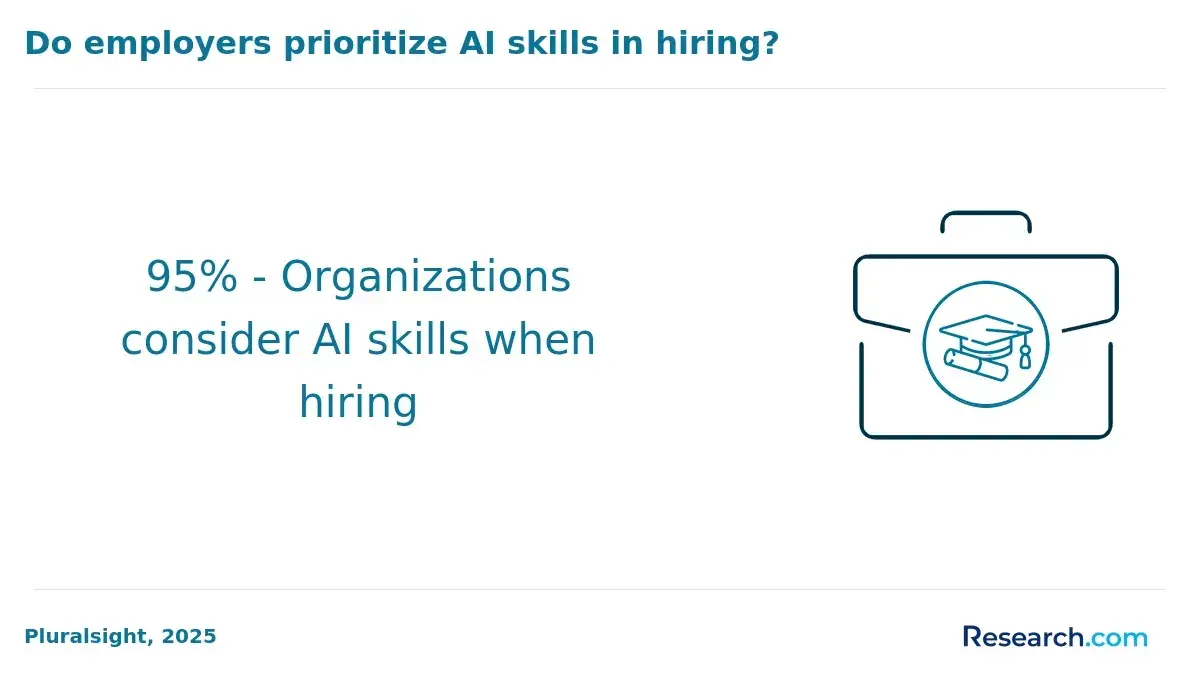
With rising industry demand, evidenced by reports showing job posts requiring generative AI skills attract 17% more applications and offer 8-12% higher median pay, prospective students should balance AI fundamentals with ecommerce strategy. Those considering advanced education might explore an engineering online degree to build a strong foundation supporting these specialized skills.
What types of AI training paths exist for ecommerce leaders: certificates, bootcamps, or degrees?
Ecommerce leaders can select from various AI certification programs for ecommerce leaders, each tailored to different time commitments and career goals. Certificate programs, lasting weeks to a few months, are ideal for executives seeking specialized skills and strategic insights without delving too deeply into technical details. These often focus on AI's business applications like customer personalization and supply chain optimization.
For those seeking a more comprehensive education, bootcamps and degree options in AI for ecommerce management offer longer, in-depth training. These programs provide a broader understanding of AI principles and their practical applications in ecommerce management.
The choice of program depends on the individual's career goals and available time. Certificate programs offer a quick route to specialized skills, while bootcamps and degree options provide a more extensive education in AI for ecommerce management.
Bootcamps provide a more hands-on, immersive experience typically spanning 3 to 6 months. They blend technical training with strategic knowledge, enabling leaders to work on practical projects like machine learning for demand forecasting or AI chatbots to enhance customer service. This format is effective for professionals transitioning into AI-focused roles within ecommerce.
Degree programs, such as master's degrees in AI, data science, or business analytics, offer extensive theoretical and applied knowledge, usually requiring one to two years full-time. These programs prepare individuals for advanced leadership roles in AI development and integration. For those interested, exploring a data science degree online can be a flexible option.
IBM's Global AI Adoption Index reveals organizations led by executives with AI strategy education are 2.6 times likelier to achieve significant revenue growth from AI initiatives. Choosing the right AI education balances scope, time, and practical application to maximize impact in ecommerce leadership.
How can I evaluate accreditation and program quality for AI courses focused on ecommerce?
To verify program accreditation for ecommerce AI courses, check for recognition by reputable U.S. agencies such as the Accreditation Board for Engineering and Technology (ABET) or regional accreditors like the Middle States Commission. Accreditation confirms that the program meets rigorous academic standards, which is crucial for employer recognition and credit transfer.
Criteria to assess the quality of AI learning programs in ecommerce include curriculum relevance focused on AI applications like customer journey optimization, predictive analytics, and real-time personalization. These areas have demonstrated significant results, such as a McKinsey report showing companies using AI-driven customer journey optimization enhanced digital revenue by 10-15% and marketing efficiency by 20-30%.
Look for programs involving hands-on projects with real ecommerce data or machine learning tools.
Faculty qualifications and industry experience in ecommerce and AI further impact program quality. Instructors with professional backgrounds or published research signal stronger instruction. Review student outcomes like job placement rates and partnerships with ecommerce firms for internships or capstones, which boost practical experience.
Price transparency and flexible schedules matter for career-focused learners. Seek courses with detailed syllabi covering AI technologies like natural language processing and recommendation engines, aligned with ecommerce leadership goals. For those also exploring related fields, consider a well-rated cyber security course to enhance your tech skills portfolio.
What core skills and topics do the best AI ecommerce courses typically cover?
Top ecommerce courses in AI teach critical skills that directly impact business results. These include data analysis focused on customer segmentation, buying behavior, and personalization, alongside machine learning techniques like recommendation engines and predictive analytics for optimizing products and inventory.
Marketing strategies powered by AI are also key components, covering automated bidding, creative optimization, and customer journey mapping. According to Google's 2024 Ads Marketing Insights, AI-driven bidding and creative optimization deliver an 18% median lift in conversion rates at comparable acquisition costs versus traditional campaigns, highlighting their practical business value.
Core topics frequently include natural language processing for chatbots, computer vision for product identification, and vital ethical considerations such as data privacy and bias reduction. Practical skills with platforms like TensorFlow and Python AI libraries complement ecommerce-specific AI tools, translating theory into applied expertise.
Courses also address challenges integrating AI with existing ecommerce platforms, preparing learners to troubleshoot and optimize AI models in real time. Analytics dashboards and A/B testing techniques are taught to monitor campaign effectiveness and support iterative improvements.
Case studies from various ecommerce sectors such as fashion and electronics enhance applicability across roles and business types.
How do online, hybrid, and on-campus AI programs compare for working ecommerce professionals?
Online, hybrid, and on-campus AI programs each offer unique benefits and challenges for ecommerce professionals aiming to advance their skills. Online programs provide unmatched flexibility, ideal for those balancing work and study or living in remote areas. However, they may lack hands-on collaboration and immediate faculty access, which are important for mastering ai in fast-paced ecommerce settings.
Hybrid programs blend online convenience with occasional in-person interactions, enabling direct engagement with instructors and peers. This format supports practical learning through workshops and group projects while preserving scheduling flexibility. Ecommerce leaders looking to implement ai for demand forecasting or personalized marketing often find hybrid models effective for applying knowledge in real-world scenarios.
On-campus programs offer immersive experiences with access to advanced labs and networking opportunities. They suit professionals who can dedicate full-time effort or take sabbaticals. Face-to-face learning accelerates deep understanding of ai theory and essential tools to drive ecommerce innovation, though attendance may interrupt work and involves higher costs.
A 2024 Accenture study shows retailers using ai-based demand forecasting reduced inventory holding costs by up to 25% and stockouts by 30%, underscoring the value of practical ai skills. Choosing a program depends on career stage, learning preferences, and how quickly skills need to be applied. Hybrid options balance flexibility and hands-on training, while newcomers might prefer the comprehensive structure of on-campus study.
What are typical admission requirements and time commitments for AI courses for ecommerce leaders?
Admission criteria for AI courses aimed at ecommerce leaders differ by program complexity and audience. Foundational courses generally require a bachelor's degree or relevant experience in ecommerce, marketing, data analytics, or IT. Basic knowledge of statistics and programming languages like Python or R may also be necessary.
Advanced courses expect experience in machine learning or data science, while executive programs often waive formal requirements but focus on strategic AI applications, targeting managers with leadership experience.
Time commitment varies significantly depending on course format and depth:
- Bootcamps or certificate programs typically involve 10 to 20 hours weekly for 4 to 8 weeks.
- Part-time online options for working professionals demand 6 to 12 hours per week, lasting 3 to 6 months.
- Master's or postgraduate certificates usually span 9 to 12 months, combining intensive coursework and projects.
- Flexibility in scheduling helps accommodate the busy calendars of ecommerce leaders.
Practical application is heavily emphasized, as demonstrated by Deloitte's 2024 Global Retail AI survey, which found that retailers using AI-powered dynamic pricing and product recommendations see an average 19% increase in order value. This highlights why programs favor candidates capable of converting artificial intelligence insights into ecommerce growth.
Assessments focus on data manipulation, algorithm development, and real-world use cases. Successful students balance synchronous classes with self-paced study and choose courses with clear technical prerequisites and workload expectations to maximize both learning and business impact.
How much do AI programs for ecommerce cost, and what funding or employer support is available?
AI programs for ecommerce come at various price points depending on their depth, provider, and format. Basic courses or certificate programs often cost between $300 and $1,500, perfect for learners seeking foundational knowledge or niche skills like using AI in inventory management. More extensive bootcamps or professional diplomas range from $2,000 to $7,000, featuring hands-on, project-based instruction with real-world ecommerce applications.
Many employers support employee training by offering tuition reimbursement or covering costs for relevant AI programs, especially in ecommerce companies focused on reducing operational expenses. For example, research from the 2024 Capgemini Research Institute highlights that ecommerce firms implementing AI in supply-chain management reduce fulfillment costs by 15% and improve on-time delivery by 18%, reflecting the value of investing in AI skills.
Students can also find scholarships, government grants, and partnerships between employers and educational platforms that ease tuition burdens. Some online providers offer flexible payment plans or income-share agreements, reducing upfront financial risk.
When evaluating affordability, consider these questions:
- Does my employer offer tuition reimbursement or professional development funds?
- Are scholarships or grants available for ecommerce-specific AI training?
- Can I access courses with flexible or deferred payment options?
Company-sponsored training and certifications often form part of career advancement, so investigating employer support for AI education can lower financial barriers for professionals.
What career outcomes and roles can AI-trained ecommerce leaders pursue, and what salaries are typical?
AI-trained ecommerce professionals pursue roles such as AI project manager, ecommerce data strategist, digital transformation lead, and product manager for AI-driven platforms. These roles involve managing AI across online sales channels, enhancing customer experiences using predictive analytics, and automating inventory and pricing through machine learning models.
Career paths also include AI consultant for retail brands and chief analytics officer, focusing on data-driven growth and operational efficiency.
Salaries vary by role and experience, with entry-level positions like AI data analyst earning between $70,000 and $90,000 annually. Mid-level roles such as AI product manager offer $110,000 to $140,000, while senior positions including AI project lead or chief analytics officer exceed $160,000, with top retail executives earning over $200,000.
75% of retail and consumer goods companies plan to increase training in AI and data skills by 2027. Skills in machine learning, natural language processing, and AI-driven customer segmentation will be highly sought after. Knowledge of AI ethics and regulatory compliance is also critical, supporting consumer trust and data privacy.
Practical steps include mastering AI tools for CRM, inventory management, and real-time analytics. Developing complementary skills in marketing and supply chain management boosts career mobility in this dynamic sector.
How is demand for AI skills in ecommerce evolving, and which credentials are most valued?
Demand for AI skills in ecommerce is growing swiftly as businesses seek to improve customer experience, streamline operations, and increase revenue. PwC's Global AI Jobs & Skills survey reports that 67% of organizations investing in formal AI upskilling for managers recouped their investment within a year, mainly through productivity boosts and increased earnings. This highlights how crucial AI expertise has become for ecommerce leaders making strategic decisions.
Employers value credentials demonstrating practical knowledge in AI tools applied to ecommerce, especially in areas like:
- AI-driven customer segmentation and personalized marketing
- Predictive analytics for inventory and supply chain
- Chatbot development and natural language processing for customer service
- Integration of AI with platforms such as Shopify, Magento, or Salesforce Commerce Cloud
Highly regarded credentials include professional certificates in AI for Business or Machine Learning for Ecommerce, often available via online platforms like Coursera and edX. Hands-on projects that apply AI in real ecommerce scenarios significantly increase a candidate's appeal.
Choosing courses that combine foundational AI theory with practical ecommerce applications ensures skills can be immediately used in roles. Programs aligned with current AI trends in sales forecasting, customer personalization, and process automation will better meet employer demands.
Other Things You Should Know About Artificial Intelligence
AI enhances customer experience by enabling personalized product recommendations, efficient chatbots, and dynamic pricing models. It helps analyze customer behavior and preferences in real time, allowing ecommerce platforms to tailor interactions and improve satisfaction. These capabilities lead to higher engagement and increased sales conversion rates.
Machine learning is a foundational element in ecommerce AI education, focusing on algorithms that enable systems to learn and adapt from data. Students typically learn how to develop predictive models for inventory management, customer segmentation, and fraud detection. This knowledge is critical for applying AI effectively in ecommerce contexts.
Yes, AI optimizes supply chain management by forecasting demand, automating inventory tracking, and improving logistics. AI-driven tools can anticipate disruptions and recommend adjustments to minimize costs and delays. Ecommerce leaders trained in AI can leverage these technologies to streamline operations and enhance efficiency.
In 2027, "AI for Business Leaders" by Coursera is highly recommended for ecommerce leaders. Offered by top universities, it focuses on strategic AI applications in ecommerce, including customer analytics and predictive modeling, equipping leaders to implement AI effectively in their businesses.
References
- 6 Skills Every E-Commerce Marketer Needs in 2026 https://www.upskillist.com/blog/6-skills-every-e-commerce-marketer-needs-in-2025/
- AI Tools for E-Commerce Professionals Certification in Vigo, Spain | IA University https://ia.university/academic-programs/ai-course-commerce-professionals-certification-vigo/
- AI Skills in Demand for Career Growth - MIA Digital University https://miauniversity.com/ai-skills-in-demand-for-career-growth/
- 8 AI Skills to Help You Enhance Your Business Career | StudyNext Australia https://studynext.com/au/resources/ai-skills-to-enhance-your-business-career
- AI and Ecommerce https://www.oxfordhomestudy.com/courses/ai-courses-online/ai-and-ecommerce
- AI Meets Business: The Smart Degree for Tomorrow’s Business... https://www.euruni.edu/blog/ai-meets-business-the-smart-degree-for-tomorrows-business-leaders/
- Best AI for Marketing Courses in 2025 (Ranked) https://cxl.com/blog/best-ai-marketing-courses/
- Mastering Digital Marketing in an AI World - Online | London Business School https://www.london.edu/lbs-online/mastering-digital-marketing-in-an-ai-world
- Master in Management of AI in E-commerce and Retail Marketing - UBI Business School - QS Top 20 worldwide https://ubi.edu/master-in-management-ai-in-e-commerce-and-retail-marketing/
- AI for Product Manager Course | tryBusinessAgility https://trybusinessagility.com/executive-programs/certifications/ai/for-product-manager/