2027 Best AI Courses for Front-End Developers

Co-Founder and Chief Data Scientist
Front-end developers seeking to integrate artificial intelligence into their skill set often face the challenge of finding courses that balance technical depth with practical application. Many existing programs assume prior experience in AI or data science, creating a steep learning curve for those transitioning from unrelated fields. This gap hinders career advancement and limits access to emerging opportunities in AI-powered user experiences.
The article examines top AI courses tailored for front-end developers, emphasizing flexibility, accreditation, and foundational knowledge. It aims to guide readers in selecting programs that enable a successful pivot into artificial intelligence while enhancing their development expertise.
Key Things You Should Know
- Top AI courses for front-end developers in 2026 emphasize practical skills in machine learning integration, with over 65% of programs updated to include AI-driven UI/UX design methodologies from 2024 onward.
- Online platforms now offer specialized training combining AI fundamentals and front-end frameworks like React and Angular, helping developers improve personalization and accessibility in web applications.
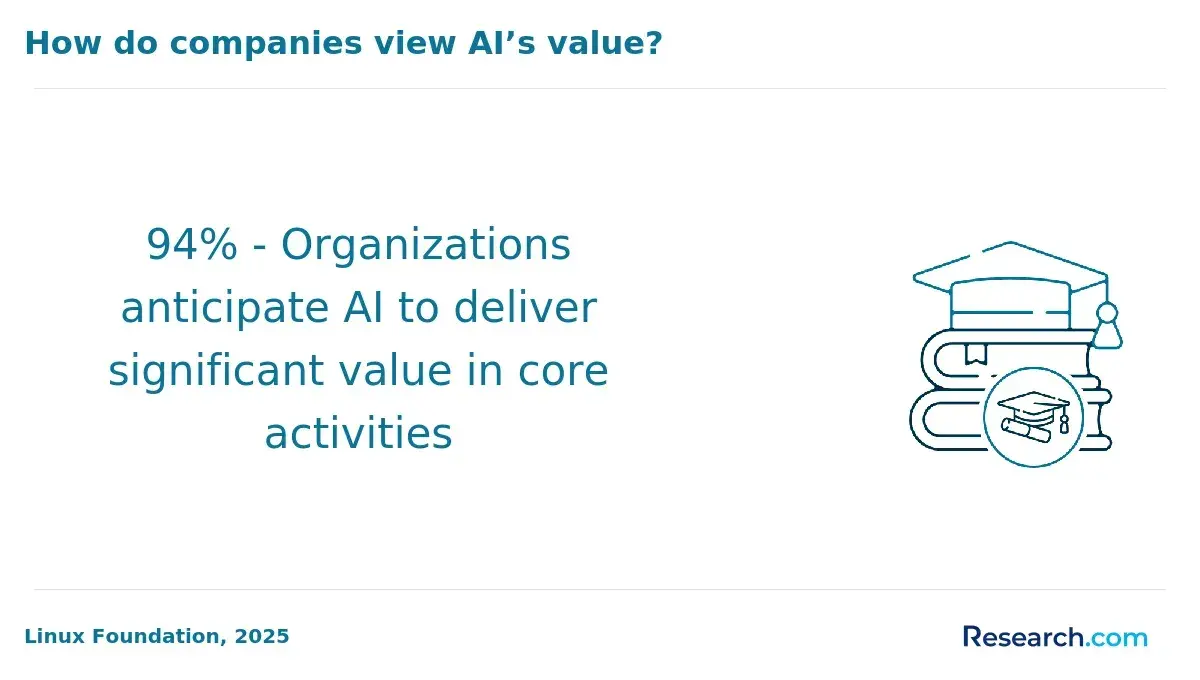
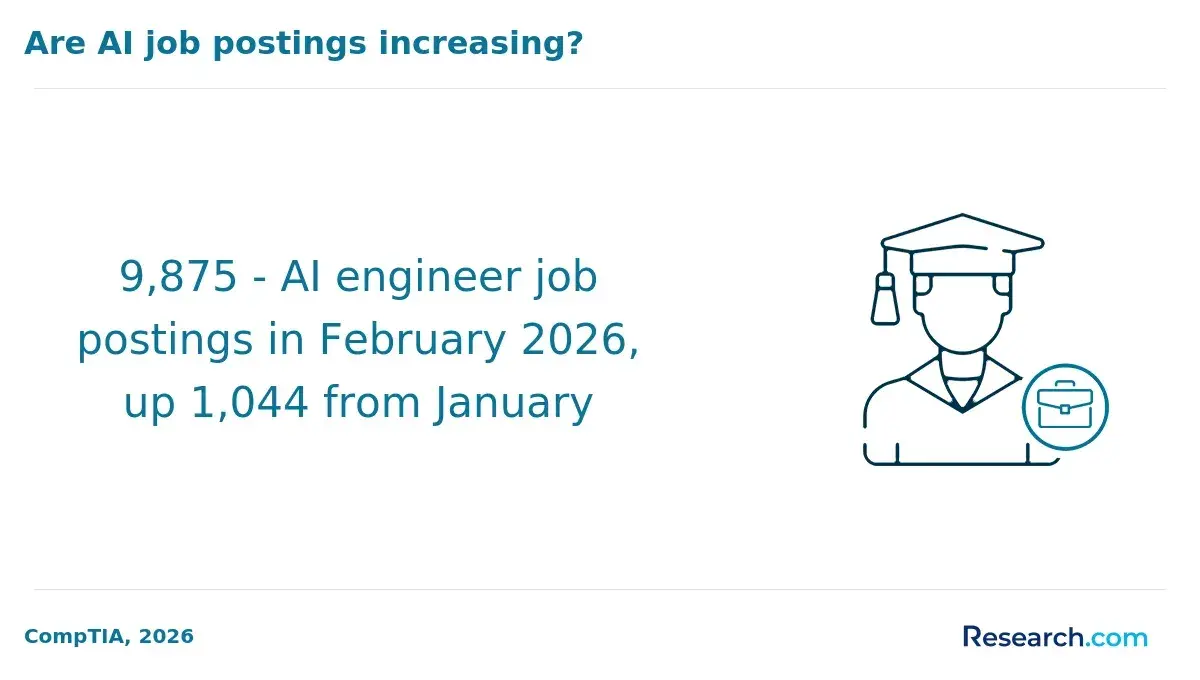
- Industry demand for AI-savvy front-end developers grew by 48% in 2025, reflecting the critical role of AI in creating responsive, intelligent user interfaces across diverse digital products.
Advance Your Career with AI Online Courses
Artificial Intelligence: Implications for Business Strategy
This program provides an introduction to Artificial Intelligence and their implications for business strategy. Earn an official digital certificate.

Oxford Artificial Intelligence Programme
Explore this Oxford Artificial Intelligence programme offered in a flexible learning environment and explore topics like machine learning, automation, and robotics.

Implementing Agentic AI: Building Your Organizational Playbook
This online MIT Agentic AI course offers a practical approach to deploying AI agents in your organization, including a custom playbook. 3 weeks, exclusive launch price.

AI Adoption: Driving Business Value and Impact
This online MIT AI Adoption: Driving Business Value and Impact offers practical frameworks to close the gap between AI potential and business reality.

Artificial Intelligence in Pharma and Biotech
Discover the applications and limitations of artificial intelligence in pharma and biotech with this MIT online short course.

What makes an AI course valuable specifically for front-end developers?
Courses focusing on AI for front-end developers emphasize practical integration with web technologies like JavaScript frameworks, CSS automation, and responsive design improvements. Such training centers on implementing AI-powered chatbots, personalized content delivery, and features like image or speech recognition, aligning with core challenges in modern front-end development. Including hands-on experience with AI APIs and tools, such as TensorFlow.js and OpenAI models adaptable to client-side execution, these courses help bridge theoretical knowledge and real-world coding.
Incorporating key skills for front-end developers in AI courses enables practitioners to leverage automation to reduce repetitive coding, debugging, and design adjustments. According to a McKinsey Global Institute report, generative AI can automate or accelerate 60-70% of developers' tasks, making automation proficiency critical in fast-paced front-end workflows. Additionally, ethical AI use and data privacy considerations are essential topics, empowering developers to build trustworthy, user-centric interfaces with clear fallback strategies for AI unpredictability.
Understanding how AI enhances front-end development learning includes mastering tools that streamline development and improve user experience quality. For those exploring career paths, knowledge about applied artificial intelligence jobs is vital; detailed information on this can be found at applied artificial intelligence jobs.
Advance Your Career with AI Online Courses
Artificial Intelligence: Implications for Business Strategy
This program provides an introduction to Artificial Intelligence and their implications for business strategy. Earn an official digital certificate.
Oxford Artificial Intelligence Programme
Explore this Oxford Artificial Intelligence programme offered in a flexible learning environment and explore topics like machine learning, automation, and robotics.
Implementing Agentic AI: Building Your Organizational Playbook
This online MIT Agentic AI course offers a practical approach to deploying AI agents in your organization, including a custom playbook. 3 weeks, exclusive launch price.
How do AI courses for front-end developers differ from general AI programs?
AI courses designed specifically for front-end developers focus on the practical integration of AI technologies with web development tools. Unlike general AI programs, which cover broad theoretical concepts like algorithms, neural networks, and statistics, these specialized courses emphasize skills such as implementing AI-powered UI components, natural language processing in chatbots, and using machine learning models to improve user interfaces directly in browsers. Frameworks like TensorFlow.js and libraries including React combined with AI APIs are commonly taught to build interactive, intelligent front-end applications.
The differences between ai courses for front-end developers and general ai programs are apparent in the curriculum focus. General AI education often includes deep learning theory and computer vision with Python, but rarely addresses deployment on client-side environments. In contrast, specialized ai training for front-end development skills targets issues such as optimizing AI performance within browsers, managing computational load, designing responsive AI-driven interfaces, and handling data privacy in front-end code.
LinkedIn's Global Skills Report highlights a surge in demand for AI-capable developers, with job postings referencing "AI" or "generative AI" increasing over 70% and profiles listing AI skills rising 105%. This trend signals the importance of focused AI education for those looking to blend AI expertise with front-end development. Prospective students can explore options such as the best online masters in artificial intelligence to deepen their knowledge in this evolving field.
What prerequisites and skills do you need before taking an AI course for front-end work?
Proficiency in core front-end technologies like HTML, CSS, and JavaScript is fundamental for acquiring essential skills for artificial intelligence in front-end development. Knowledge of JavaScript frameworks such as React, Angular, or Vue.js significantly improves the ability to integrate ai components into interfaces. Familiarity with asynchronous programming and RESTful APIs is vital since many ai services operate through APIs.
Prerequisites for learning AI applications in front-end work also include a basic understanding of data structures and algorithms to optimize feature implementations. Grasping machine learning concepts, especially supervised versus unsupervised learning, and handling JSON data formats are valuable for managing AI models and outputs.
While experience with Python or other popular AI languages is not always mandatory, it enhances adaptability as many front-end ai courses introduce developers to Python-based libraries like TensorFlow.js or Brain.js. Git version control knowledge is recommended for collaboration in AI-related projects.
Soft skills such as problem-solving and analytical thinking are crucial to effectively debug and tune AI-driven front-end solutions, especially when addressing user experience challenges. According to reports, U.S. tech professionals with machine learning or AI skills earn on average 11% higher salaries than those without these competencies, underscoring their job market value. For individuals seeking to expand their expertise, exploring cybersecurity programs may also complement AI skill sets in front-end roles.
Which types of AI courses best fit front-end developers: bootcamps, certificates, or degrees?
Bootcamps offer a fast, hands-on route for front-end developers seeking AI skills, typically lasting weeks to a few months. These intensive programs emphasize real-world projects and tools like TensorFlow.js and ML5.js, enabling developers to quickly add AI features such as natural language processing or computer vision to user interfaces. Their focused curricula and cost-effective approach make bootcamps a smart choice for those aiming for practical AI integration.
Certificate programs provide a balance between depth and flexibility, lasting from several months up to a year. They combine theory and practice, often covering data analysis, machine learning fundamentals, and ethics, which align with the 42% of AI-related job tasks projected by the World Economic Forum. Certificates from reputable institutions can enhance employment prospects and demonstrate formal proficiency without the full time investment of a degree. For more comprehensive learning, exploring the best cybersecurity courses available online can provide additional structured pathways into AI-related fields.
Bachelor's or master's degrees in AI or data science offer broad and deep learning but usually require 2 to 4 years of study. These are better suited for those targeting advanced roles, leadership, or research careers rather than immediate front-end AI skill acquisition.
Front-end developer AI learning paths bootcamp vs certificate options both serve specific needs: bootcamps for speed and hands-on practice; certificates for a blend of theory and flexibility, while degrees fit long-term specialization goals.
How do online AI courses for front-end compare with campus-based options?
Online ai courses for front-end developers provide flexibility, updated content, and easier access compared to traditional campus programs. They allow learners to progress at their own pace, which benefits working professionals balancing career and skill development. Platforms like Coursera and edX offer modular courses focused on front-end AI applications, including AI-powered user interfaces and machine learning integration with JavaScript frameworks.
Campus-based programs offer structured learning with direct faculty interaction and peer collaboration. These often include hands-on labs and project teams, enhancing understanding through immediate feedback and networking. However, campus courses can be less agile in updating material quickly to match fast-evolving ai technologies, whereas online courses frequently revise content to reflect the latest industry trends.
Cost and time commitments differ notably: campus degrees usually require multiple semesters and significant tuition, which can be barriers for many learners. In contrast, online courses tend to be more affordable and shorter, offering targeted skill acquisition. Enrollment in ai and machine learning courses has surged, reflecting rising demand for accessible, flexible education.
For students seeking certifications directly applicable to front-end roles, online courses offer convenience and specificity. Those pursuing in-depth theoretical foundations or research careers may benefit more from campus programs. Deciding between these formats depends on individual career goals and learning preferences.
What core topics and tools do the best AI courses for front-end developers cover?
Top AI courses for front-end developers cover essential topics such as supervised and unsupervised learning, enabling a clear understanding of how AI models analyze and predict data. Natural language processing (NLP) techniques are also highlighted to create voice assistants, chatbots, and interactive front-end features.
Instruction focuses on frameworks like TensorFlow.js and Brain.js designed for JavaScript, allowing AI models to run directly in browsers. Developers also work with APIs from services such as IBM Watson and Google Cloud AI, facilitating cloud-based AI integration without complex backend changes.
Hands-on skills include training models on user behavior data, implementing image recognition, and building recommendation engines to personalize user interfaces. Ethical AI use and explainability prepare developers to address challenges such as biased outputs or slow processing times.
According to a 2024 HolonIQ analysis, intensive AI coding programs average a tuition of about $8,900 in North America, reflecting increased demand for AI skills in front-end development. Mastery of AI visualization tools, real-time data streaming, and client-side inference further strengthens developers' ability to create intelligent, responsive web applications.
How long do AI courses for front-end developers take, and what do they cost?
AI courses for front-end developers usually last between 4 and 12 weeks, depending on the course's depth and format. Intensive bootcamps focus on core AI integration techniques-like machine learning APIs and automation in user interfaces-and typically take 1 to 2 months. More comprehensive professional certificate programs often extend to 3 months or longer, covering foundational AI concepts, data management, and model deployment suited to front-end roles.
Costs vary widely based on course type, provider, and credential. Platforms such as Coursera and edX offer free or low-cost options, where learners can audit content at no charge and pay $50 to $300 for verified certificates. More structured microcredential or professional programs from universities or specialized providers usually range from $500 to $1,500 or more.
Examples include microcredentials that feature hands-on projects with JavaScript AI libraries or TensorFlow.js, priced near $800 and lasting 8 to 12 weeks. Bootcamps emphasizing fast, practical AI implementation in web applications often cost between $1,000 and $2,000 for a 4 to 6-week period.
According to edX's 2024 Impact Report, enrollments for AI-related certificates and microcredentials increased by 83% year over year. This growth reflects a broadening selection of options at various price points and schedules, allowing learners to find courses tailored to their career objectives and time availability.
What careers and job titles can front-end developers pursue after adding AI skills?
Front-end developers with AI skills can access a wide range of career opportunities that blend interface design with intelligent system integration. Job titles include AI front-end engineer, machine learning interface developer, and AI-powered UX designer. These roles involve embedding predictive models, natural language processing, or personalization algorithms directly into user-facing applications.
Some positions, such as data-driven front-end engineer, require strong coding abilities combined with interpreting machine learning outputs to enhance visualizations or interaction flows. Developers often move into AI product manager roles, overseeing the integration of AI features in client platforms by leveraging front-end and AI expertise.
Other roles focus on adaptive user interfaces where AI anticipates user needs to optimize experiences dynamically, such as voice-activated controls or real-time content recommendations. Many professionals become AI software engineers, handling full-stack development of AI-enhanced applications, while some pursue AI research roles that innovate human-computer interaction.
AI knowledge enables front-end developers to write code up to 55% faster, according to GitHub's "State of the Octoverse." Tools like GitHub Copilot correlate with 65% higher job satisfaction, reflecting improved productivity and engagement. These data support the value of AI skills in unlocking higher-paying, innovative roles within tech companies prioritizing intelligent applications and automation.
What salaries and job outlook can front-end developers expect with AI expertise?
Front-end developers with artificial intelligence expertise can command higher salaries and better job prospects. Median salaries in 2026 range from $95,000 to $130,000 annually, varying by experience and location. Employers value candidates who can integrate AI-powered tools to create smarter, adaptive user interfaces. In-demand roles include AI front-end engineer, ML-integrated UI developer, and intelligent interaction designer.
The U.S. Bureau of Labor Statistics projects a 15% growth in software development jobs incorporating AI by 2030. Skills in automating testing, optimizing performance, and personalizing user experiences with AI are increasingly sought after. These abilities not only shorten development time but also boost product innovation and team productivity.
A 2024 survey by Stack Overflow and OpenAI found that 77% of developers who completed at least one structured AI course noticed measurable productivity improvements within three months. This rapid upskilling accelerates career advancement for front-end professionals.
Expanding AI skills opens new career paths such as AI UI developer, human-computer interaction specialist, or front-end data visualization engineer. Mastery of AI frameworks like TensorFlow.js and integrating natural language processing or AI-driven accessibility features can further raise earning potential and job security.
Front-end developers investing in artificial intelligence education can expect strong market demand and verifiable productivity gains supported by industry research.
How can you evaluate and choose reputable, accredited AI programs for front-end development?
Accreditation is a key factor when evaluating ai programs for front-end development. Prioritize those recognized by U.S. Department of Education-approved or regional accrediting agencies to ensure quality curriculum and credit transferability. Programs linked to established universities generally offer stronger accreditation than independent certificate providers. Focus on courses that emphasize practical front-end ai applications, such as integrating machine learning models in user interfaces, optimizing site performance with ai tools, and leveraging ai-driven UX analytics.
Effective programs often include hands-on projects and teach widely used frameworks and languages like TensorFlow.js, React with ai APIs, and Python backends supporting front-end features. Instruction should come from faculty or industry professionals with verifiable expertise in both front-end development and applied ai. Review student outcomes and placement data to gauge program success in adapting students for future tech roles.
According to the OECD's 2024 Employment Outlook, 27% of software and web development tasks will be highly automatable by 2030. Therefore, training in ai-enhanced workflows, including automation tools, ai-driven code optimization, and ethical ai UI design, is essential to remain competitive.
Additional considerations include program flexibility (online versus in-person), career services, networking opportunities in ai and front-end communities, and recognized certifications or micro-credentials valued by employers. These elements collectively prepare front-end developers for the evolving demands of ai in technology.
Other Things You Should Know About Artificial Intelligence
Artificial intelligence enhances front-end development by enabling personalized user experiences through adaptive interfaces and content recommendations. It also automates UI testing using AI-powered tools to detect bugs and usability issues faster. Additionally, AI facilitates voice and image recognition features embedded in web applications.
Yes, artificial intelligence can analyze user behavior data to suggest design improvements that increase engagement and accessibility. AI-driven design tools can generate UI prototypes based on best practices and user preferences, speeding up the iteration process. This results in more intuitive and user-centric designs.
For 2027, top AI courses for front-end developers include "AI for Web Developers" by Udemy, "Machine Learning for Front-End Developers" on Coursera, and edX’s "AI Fundamentals." These courses blend AI principles with front-end focus, ideal for enhancing skills in user interfaces and interactive components.
Artificial intelligence can optimize website performance by dynamically adjusting content delivery based on user device and connection speed. AI-powered accessibility tools help ensure websites meet standards by automatically identifying and suggesting fixes for compliance issues. This leads to faster loading times and a better experience for users with disabilities.
References
- Ultimate Guide: How to Choose the Right AI Training Course to Boost Your Career - ONLC https://www.onlc.com/blog/how-to-choose-ai-training-courses/
- Frontend, Backend, and AI Engineering Courses https://frontendmasters.com/courses/
- Best Artificial Intelligence Courses for Beginners https://agilefever.com/artificial-intelligence-courses-for-beginners/
- The End of Front-End Development • Josh W. Comeau https://www.joshwcomeau.com/blog/the-end-of-frontend-development/
- A Frontend Dev's Guide for Learning AI https://dev.to/pablooliva/a-frontend-devs-guide-to-playing-with-and-learning-ai-14gh
- Courses for AI-Assisted Front-End Development - Track 1: AI Development Tools - Skillsoft https://www.skillsoft.com/journey/ai-assisted-front-end-development-0fad1836-109b-469d-a404-ba1a65f40c2c
- Frontend Developer to AI Engineer — Skills Transfer Guide (2026) https://myengineeringpath.dev/genai-engineer/frontend-to-ai-engineer/
- AI for front-end development https://graphite.com/guides/ai-for-front-end-development
- AI-Assisted Front-End Development | Codecademy https://www.codecademy.com/learn/paths/ai-assisted-front-end-development
- Front end developer: salaries and responsibilities https://en.antal.pl/insights/article/front-end-developer-salaries-and-responsibilities