2027 Best Company AI Literacy Courses Online

Co-Founder and Chief Data Scientist
Many professionals with degrees outside computer science face barriers when entering the AI industry due to technical knowledge gaps. Employers increasingly demand foundational AI literacy to contribute effectively to projects and innovation. Without a clear, structured path, gaining relevant skills while managing existing careers becomes challenging. Online AI literacy courses offer a flexible solution but vary widely in quality, accreditation, and practical relevance.
This article evaluates leading company-backed AI literacy courses, focusing on their ability to equip learners with essential competencies for career pivoting. It aims to guide readers toward informed decisions about the most credible and accessible programs available.
Key Things You Should Know
- Top AI literacy courses in 2026 integrate hands-on projects with core theory, enhancing practical skills for careers in technology, business, and healthcare sectors.
- Over 60% of U.S. employers prioritize AI knowledge, making these courses vital for job market competitiveness and salary advancement.
- Leading programs offer flexible online formats and certifications recognized by industry leaders, supporting continuous professional development for diverse learners.
Advance Your Career with AI Online Courses
Artificial Intelligence: Implications for Business Strategy
This program provides an introduction to Artificial Intelligence and their implications for business strategy. Earn an official digital certificate.

Oxford Artificial Intelligence Programme
Explore this Oxford Artificial Intelligence programme offered in a flexible learning environment and explore topics like machine learning, automation, and robotics.

Implementing Agentic AI: Building Your Organizational Playbook
This online MIT Agentic AI course offers a practical approach to deploying AI agents in your organization, including a custom playbook. 3 weeks, exclusive launch price.

AI Adoption: Driving Business Value and Impact
This online MIT AI Adoption: Driving Business Value and Impact offers practical frameworks to close the gap between AI potential and business reality.

Artificial Intelligence in Pharma and Biotech
Discover the applications and limitations of artificial intelligence in pharma and biotech with this MIT online short course.

What are company AI literacy courses?
Company AI literacy training programs provide structured learning to equip employees with essential knowledge and practical skills in artificial intelligence. These programs are designed for all levels, from entry-level staff to executives, helping them understand AI concepts, applications, and ethical considerations within their field. Key topics often include machine learning basics, natural language processing, AI ethics, data handling, and AI's influence on business operations.
Online corporate artificial intelligence courses commonly feature hands-on exercises using popular AI platforms and real-world business case studies. This combination enables employees to apply their learning to improve customer service, automate workflows, and enhance decision-making. Businesses customize these programs according to their sector and AI maturity; for example, financial firms concentrate on algorithmic risk management, while retail emphasizes AI-powered customer analytics.
Investing in AI literacy addresses a critical skills gap highlighted by industry data, which shows many organizations have adopted generative AI but lack sufficient skilled workforce training to scale usage effectively. Many enterprises use blended learning, combining digital modules with instructor-led sessions, to meet varied employee needs and reduce resistance to AI adoption. For those seeking foundational AI knowledge, the best universities for data science undergraduate programs offer valuable pathways into this expanding field.
Advance Your Career with AI Online Courses
Artificial Intelligence: Implications for Business Strategy
This program provides an introduction to Artificial Intelligence and their implications for business strategy. Earn an official digital certificate.
Oxford Artificial Intelligence Programme
Explore this Oxford Artificial Intelligence programme offered in a flexible learning environment and explore topics like machine learning, automation, and robotics.
Implementing Agentic AI: Building Your Organizational Playbook
This online MIT Agentic AI course offers a practical approach to deploying AI agents in your organization, including a custom playbook. 3 weeks, exclusive launch price.
Which AI literacy courses suit corporate employees?
Corporate employees benefit most from AI literacy courses that combine foundational knowledge with practical applications tailored to their industry or job function. Programs offering modular content-covering basic AI concepts, data literacy, ethics, and hands-on tool usage-allow learners to progressively build relevant skills. For instance, finance professionals may require courses emphasizing AI for risk assessment and automation, while marketing teams benefit from training focused on customer analytics and personalization techniques.
The best online Artificial Intelligence learning programs for businesses often integrate case studies and real-world projects, helping employees grasp AI's operational impact. Interactive learning platforms encouraging collaboration and problem-solving mirror workplace scenarios and enhance retention. Shorter, role-specific micro-credentials foster ongoing engagement without disrupting work schedules.
Many organizations prioritize courses that address concerns such as data privacy, bias mitigation, and responsible AI usage-crucial elements for corporate compliance and ethics. Employees exposed to these areas are better prepared to implement AI strategically and responsibly.
Investing in broad-based AI and analytics training significantly boosts business outcomes. A study by Accenture highlights that organizations investing in such training are 2.6 times more likely to achieve at least 10% year-over-year revenue growth. Employers looking to augment skills development can also explore specialized fields like mechanical engineering, with resources such as a trusted mechanical engineering degree supporting advanced technical education.
How do online AI literacy courses compare with live training?
Online ai literacy courses vs live training benefits show clear distinctions in flexibility and accessibility. Online courses allow learners to access content anytime, accommodating professionals who juggle work and study. Interactive features like quizzes and video tutorials support varied learning styles and repeated practice without scheduling conflicts. Comparing the effectiveness of ai literacy courses online and in-person reveals that live training offers real-time interaction and immediate feedback, fostering discussion and peer networking, though it faces challenges like fixed timing and travel costs.
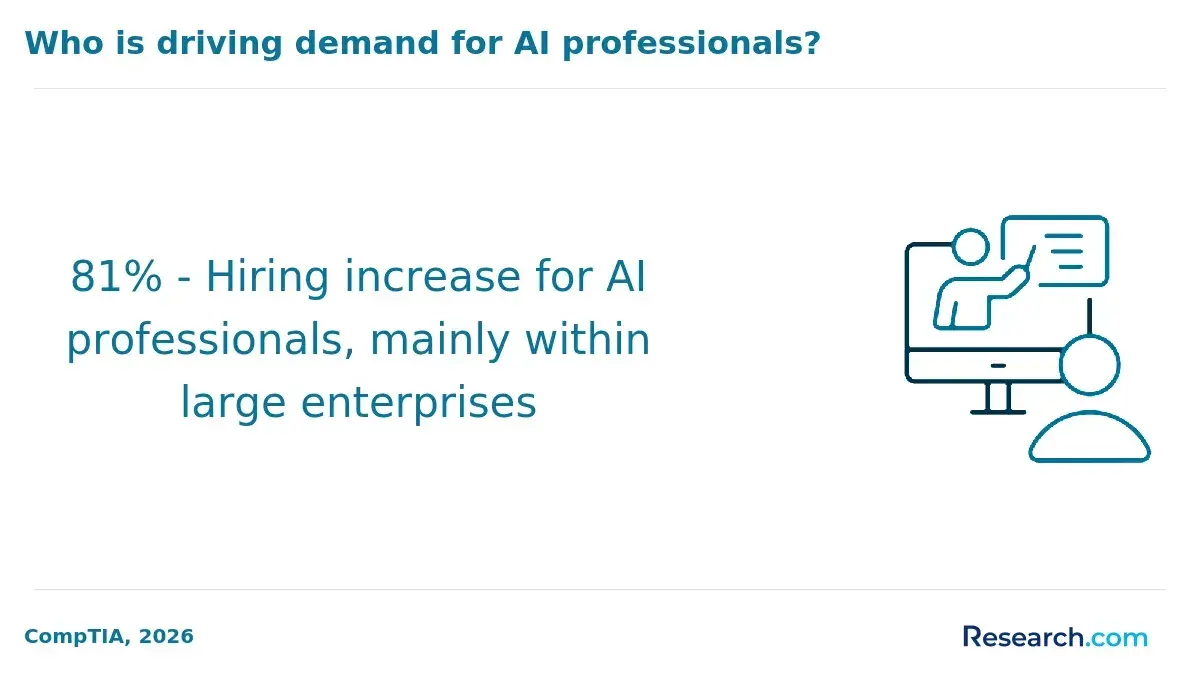
In corporate settings, continual skill updates are critical due to the rapid evolution of artificial intelligence. The 2024 LinkedIn Workplace Learning Report notes 60% of learning leaders prioritized AI literacy, highlighting the demand for scalable solutions such as online courses that can serve large, geographically dispersed teams efficiently.
For hands-on experiences, such as coding projects or ethical decision-making workshops, live or blended formats provide immersive environments not easily replicated online. However, foundational topics like AI concepts, language models, and data ethics are effectively taught online with up-to-date content. Prospective students seeking advanced study options can explore the best data science master's programs designed to enhance AI literacy and career prospects.
What skills do AI literacy courses teach?
AI literacy courses equip learners with essential skills for working effectively with artificial intelligence tools, covering fundamentals of machine learning and data analysis such as neural networks and data processing techniques. These programs also foster critical evaluation skills by teaching AI model development, training, and performance assessment. A strong emphasis is placed on AI ethics and responsible use skills, addressing concerns like bias, privacy, and the ethical handling of data throughout collection and cleaning processes.
Instruction extends beyond technical training to include practical AI tool applications across various industries. Learners explore natural language processing for customer service automation, computer vision in manufacturing, and predictive analytics in finance. Critical thinking and problem-solving focused on AI challenges-such as algorithm transparency and decision-making-form key components of this education.
Workforce readiness is reinforced by teaching navigation of AI tools, integrating them into workflows, and promoting collaboration between humans and AI systems. Courses often highlight compliance and governance, preparing students for evolving regulatory contexts. Communication skills are developed to help explain AI outputs to non-technical audiences, bridging gaps in understanding.
As interest in AI grows, nearly 75% of companies plan to adopt generative AI by 2028, but only 28% feel their workforce is adequately trained. For those seeking further education, pursuing a computer science online degree can provide a solid foundation for careers involving artificial intelligence.
What admissions or prerequisites do these courses require?
AI literacy courses typically have minimal admissions prerequisites to accommodate learners from diverse backgrounds. Introductory courses often require no prior technical knowledge, generally expecting a high school diploma or equivalent and basic computer skills. Intermediate and advanced programs may ask for foundational knowledge in programming languages like Python, data analysis experience, or prior exposure to machine learning to ensure participants can engage effectively with the material.
Executive-focused AI literacy programs prioritize professional experience over formal education, targeting managers and leaders seeking strategic understanding rather than coding skills. Enrollment in these programs often requires managerial or leadership roles due to their emphasis on strategic application of AI.
Admissions rarely involve standardized testing or competitive selection but may include assessments to place students appropriately or recommend preparatory courses. Institutions may also offer self-assessments to help bridge knowledge gaps before enrollment.
A 2024 Boston Consulting Group survey highlights a significant leadership preparedness gap: only 20% of leaders feel very prepared to make strategic AI decisions, despite 85% anticipating major business impacts. This reality underlines why executive AI courses often require proof of professional standing rather than academic qualifications. Students should carefully review individual course requirements, as expectations on prior skills and experience vary by institution, ensuring optimal learning outcomes for those entering this expanding field.
How long do AI literacy courses usually take?
AI literacy courses vary widely in length and intensity, tailored to different learner needs and career stages. Short programs, lasting 2 to 8 hours, are designed for frontline workers or general awareness. These focus on core AI concepts and practical applications relevant to everyday roles. Such brief training can lead to significant improvements-DataCamp's 2024 report highlights a 19% increase in productivity and a 23% drop in errors among companies adopting these concise upskilling efforts.
For recent graduates or professionals shifting careers, more in-depth courses typically run 4 to 12 weeks. These cover foundational AI principles, data ethics, and hands-on experience with machine learning and AI tools. Learning formats include self-paced online classes, live virtual sessions, or hybrids, accommodating different preferences. Managers and technical staff aiming for advanced expertise might engage in extended programs requiring 50 to 120 hours, focusing on AI strategy and implementation.
When choosing a course, consider your career goals and available time. Short, targeted programs work well for quick, practical integration, while longer studies build comprehensive skills. Employers prioritizing brief AI literacy training for frontline teams see measurable performance gains rapidly, proving impactful AI education doesn't have to be lengthy.
How much do company AI literacy courses cost?
AI literacy courses offer a wide range of options, from free introductory modules to extensive packages costing several thousand dollars. Individual learners often access basic, self-paced courses on platforms like Coursera or LinkedIn Learning either for free or through subscriptions priced around $30 to $50 per month. These courses provide foundational knowledge suitable for those without employer backing.
For organizations, enterprise licenses cover hundreds or thousands of employees, with prices typically between $20,000 and $100,000 annually. These bulk offerings include structured learning paths, progress tracking, and dedicated support, making them ideal for workforce-wide skill development.
Specialized courses targeting skills such as prompt engineering or AI integration in business processes tend to cost $500 to $2,000 per participant. They often feature live instructors and hands-on labs. Universities and professional training providers may charge per course or via subscription models for ongoing education. Employee engagement in AI training is rapidly increasing, with enrollments in AI-related content on LinkedIn Learning growing over 160% year-over-year. This surge encourages companies to seek scalable, cost-effective learning solutions.
When choosing courses, it's important to balance cost, depth, and credentials awarded. Bulk pricing benefits larger teams, while individual subscriptions suit self-motivated professionals aiming to advance their careers.
Which credentials do AI literacy courses provide?
AI literacy courses offer diverse credentials, from certificates of completion to professional certifications recognized by both academic institutions and industry. Most programs provide digital certificates confirming understanding of foundational AI concepts, such as machine learning, natural language processing, and ethical AI usage. Platforms like Coursera and edX frequently partner with universities to issue verified certificates that learners can showcase on professional networks or include in resumes.
Many platforms also provide stackable credentials or micro-credentials, enabling learners to earn specialized badges in areas like data analysis or AI implementation. These targeted credentials enhance employability by demonstrating specific, in-demand skills.
Advanced programs often conclude with professional certification exams, validating both theoretical knowledge and practical AI skills. Such certifications hold greater value in industries actively integrating AI technologies, signaling readiness to contribute to AI-driven projects. Cost efficiency is an important advantage: enterprise AI literacy courses from providers such as LinkedIn Learning and DataCamp typically cost under $50 per learner per month, a stark contrast to the $1,300+ annual training spend per employee reported by Solutions Review (2025) for U.S. companies.
Prospective learners should prioritize courses offering recognized certificates or professional certifications that align with career goals and industry demands. Verifying credential recognition and seeking programs that balance theory with applied AI skills ensures maximum professional benefit.
What jobs benefit most from AI literacy training?
Jobs across various industries gain from AI literacy training, especially those requiring adaptation to fast technological shifts. Data analysts, software developers, and machine learning engineers enhance their abilities by mastering AI, improving algorithm design and automation. Marketing and sales professionals benefit from AI-based customer insights and predictive analytics to boost campaign success and revenue.
Managers in finance, healthcare, and supply chain fields also profit from AI skills. With AI tools, they optimize operations, reduce risks, and anticipate trends. For instance, healthcare administrators use predictive analytics to improve patient care and cost management.
Creative professionals in content creation and design leverage AI to increase productivity and innovation. AI knowledge helps streamline workflows and produce more personalized work. The World Economic Forum's 2024 skills report reveals workers trained in AI or data literacy are 30-40% less likely to be laid off during technology-driven changes and 25% more likely to secure higher-paying roles internally.
How do you choose a reputable AI literacy course?
Choosing a reputable AI literacy course involves assessing key factors such as content quality, instructor expertise, and practical application. Courses offering formal training in regulation, risk, and responsible AI use stand out. A Deloitte survey found that 67% of organizations experiencing AI-related compliance issues lacked such staff training, highlighting how essential governance and ethical frameworks are to reduce risk.
Instructor credentials matter-seek courses led by professionals with experience in AI governance, law, or applied AI development. Effective syllabi cover both technical foundations and ethical responsibilities, preparing students to address bias, privacy, and compliance challenges.
Look for structured learning that includes practical case studies, hands-on projects, or simulations to demonstrate real-world scenarios. Certification aligned with industry standards can boost career prospects.
Consider the course audience: working professionals benefit from risk management and compliance-focused content, while aspiring developers need strong algorithmic and coding instruction.
Check participant feedback and institutional reputation. Highly rated courses from established providers or universities often maintain strict quality control. Partnerships with industry bodies further ensure up-to-date AI governance relevance.
Other Things You Should Know About Artificial Intelligence
Ethical concerns in artificial intelligence focus on issues such as bias in algorithms, privacy violations, and the potential for automation to displace jobs. It is critical to ensure AI systems operate fairly and transparently while respecting user data and minimizing unintended harm. Ongoing debates also address accountability when AI systems make decisions impacting individuals or society.
Artificial intelligence is reshaping industries by automating routine tasks, improving data analysis, and enabling predictive insights. For example, in healthcare, AI assists with diagnostics and personalized treatment plans, while in finance, it helps detect fraud and optimize trading strategies. This transformation often leads to increased efficiency and the creation of new roles requiring AI literacy.
The best online AI literacy courses in 2027 include offerings from Coursera, edX, and Udacity. These platforms offer comprehensive programs covering AI fundamentals, applications, and emerging trends, catering to beginners and seasoned professionals striving to enhance their AI literacy in various industries.
Yes, many artificial intelligence systems use machine learning algorithms that enable them to learn from data and improve performance over time without explicit programming. This capability allows AI to adapt to new information and refine outputs, which is essential for applications like natural language processing, image recognition, and recommendation engines. However, this learning is guided by the quality and scope of the input data.
References
- AI Literacy Lessons for Grades 6–12 | Common Sense Education https://www.commonsense.org/education/collections/ai-literacy-lessons-for-grades-6-12
- Unlock the Full Potential of Your Workforce: AI Literacy Training for Corporate Talent Now – Educate AI https://edu-ai.org/unlock-the-full-potential-of-your-workforce-ai-literacy-training-for-corporate-talent-now/
- Gain AI knowledge and literacy https://ai.google/literacy/
- AI Training Cost Per Employee 2026 https://www.pertamapartners.com/insights/cost-per-employee-ai-training-budgeting
- How to Build AI Literacy in Your Business https://www.tigernix.com/blog/how-build-ai-literacy-business
- AI Training for Employees https://fayedigital.com/blog/ai-training-for-employees/
- Digital Education Council | AI Literacy for All Course https://www.digitaleducationcouncil.com/digital-education-council-ai-literacy-for-all-course
- AI Literacy Course — Gain Practical AI Skills in 6 Weeks | Turing College https://www.turingcollege.com/ai-literacy
- AI Training to Grow Your Career | Google https://grow.google/ai
- Why AI Literacy Is Becoming as Important as Digital Literacy for Every Career Path | Pfeiffer University https://www.pfeiffer.edu/why-ai-literacy-is-becoming-as-important-as-digital-literacy-for-every-career-path/