2027 Best Generative AI Courses for COOs

Co-Founder and Chief Data Scientist
Chief Operating Officers increasingly face the challenge of integrating generative AI technologies into business operations without disrupting workflow or compromising data security.
Many lack formal training in this rapidly evolving field, which can hinder effective decision-making and strategic planning. The gap between operational leadership and technical expertise creates barriers to leveraging AI's full potential in automation, customer engagement, and innovation.
This article highlights the best generative AI courses designed to equip COOs with practical skills and knowledge. It aims to guide leaders toward flexible, accredited programs that enable a smooth transition into the AI-driven industry landscape.
Key Things You Should Know
- Generative AI courses for COOs emphasize strategic integration of AI in operations, with 68% of curricula updated between 2024 and 2025 to reflect current industry applications.
- Programs focus on leadership in AI-driven decision-making, highlighting skills in data interpretation and ethical AI use crucial for effective organizational management.
- Most top courses offer practical case studies and real-world projects, with 73% reporting improved operational efficiency for COOs applying learned generative AI frameworks.
Advance Your Career with AI Online Courses
Artificial Intelligence: Implications for Business Strategy
This program provides an introduction to Artificial Intelligence and their implications for business strategy. Earn an official digital certificate.

Oxford Artificial Intelligence Programme
Explore this Oxford Artificial Intelligence programme offered in a flexible learning environment and explore topics like machine learning, automation, and robotics.

Implementing Agentic AI: Building Your Organizational Playbook
This online MIT Agentic AI course offers a practical approach to deploying AI agents in your organization, including a custom playbook. 3 weeks, exclusive launch price.

AI Adoption: Driving Business Value and Impact
This online MIT AI Adoption: Driving Business Value and Impact offers practical frameworks to close the gap between AI potential and business reality.

Artificial Intelligence in Pharma and Biotech
Discover the applications and limitations of artificial intelligence in pharma and biotech with this MIT online short course.

What makes a generative AI course specifically valuable for COOs and operations leaders?
Generative artificial intelligence courses for operations leaders emphasize practical skills that improve operational efficiency and strategic decision-making. These courses explore how to identify AI-driven automation opportunities in supply chains, customer service, and resource management. COOs benefit by learning to assess AI tools for reducing costs, increasing throughput, and enhancing quality control.
The value of generative AI training for chief operating officers extends to managing risks such as data privacy and operational disruptions. Effective frameworks for integrating generative AI into workflows include change management techniques to ensure smooth team adoption and mitigate resistance.
Operations leaders also need to interpret AI-generated insights for real-time decisions and develop feedback loops to refine AI models continually. Understanding governance and compliance issues is critical, especially in regulated industries.
According to McKinsey's global survey, 79% of organizations have at least one generative AI use case in production, highlighting the urgency for COOs to master these skills.
Courses often use case studies, hands-on labs, and scenario-based learning to address problems like demand forecasting, predictive maintenance, and automating complex approval workflows. By mastering these competencies, leaders can drive innovation and maintain a competitive edge in AI-integrated environments.
Professionals seeking to strengthen their expertise may consider options such as a 1 year computer science degree online to gain foundational technical skills that complement leadership training.
Advance Your Career with AI Online Courses
Artificial Intelligence: Implications for Business Strategy
This program provides an introduction to Artificial Intelligence and their implications for business strategy. Earn an official digital certificate.
Oxford Artificial Intelligence Programme
Explore this Oxford Artificial Intelligence programme offered in a flexible learning environment and explore topics like machine learning, automation, and robotics.
Implementing Agentic AI: Building Your Organizational Playbook
This online MIT Agentic AI course offers a practical approach to deploying AI agents in your organization, including a custom playbook. 3 weeks, exclusive launch price.
What types of generative AI programs and credentials are best suited for COOs?
Generative AI certifications for COOs emphasize strategic application, leadership, and operational integration. These programs typically offer executive-level certifications and short courses in AI management, AI-driven business transformation, and data strategy tailored for decision-makers.
Combining foundational AI concepts with practical case studies, these courses help COOs leverage generative AI in workflows, supply chains, and customer engagement effectively. Certificates from accredited institutions often include modules on AI ethics, implementation challenges, and cross-functional leadership, preparing COOs to overcome adoption barriers efficiently.
Practical credentials like Professional Certificates in AI Strategy or Executive AI Leadership provide the skills needed to oversee AI project pipelines, measure AI ROI, and coordinate between technical teams and business units.
Additionally, training that focuses on change management empowers COOs to drive organizational acceptance of AI tools, crucial for capturing value from automation initiatives. This makes top generative AI training programs for chief operating officers essential for those aiming to lead AI adoption across businesses.
Deloitte's 2024 "State of AI in the Enterprise" reports that 58% of high-AI-maturity organizations increased revenue by 10% or more over the past fiscal year, compared with only 18% of low-maturity organizations. This evidence highlights the measurable advantage gained by COOs who pursue relevant AI education focused on operational scaling rather than purely technical expertise.
Alternatively, COOs may find courses from the cheapest online civil engineering degree programs helpful in boosting their credentials or skills.
How can COOs choose the best generative AI course among top universities and providers?
COOs choosing from the best generative AI courses for COOs in top universities and providers should prioritize programs that emphasize practical application within business operations, not just theoretical knowledge.
Focus on courses covering AI-driven decision making, workflow automation, and ethical considerations tailored to operational roles. A well-rounded program balances technical skills with management strategies, offering case studies on supply chain or customer service optimization to deliver immediate value.
Look for offerings that include project-based learning or partnerships with industry, enhancing readiness for real-world challenges. Faculty expertise and the institution's reputation in AI research and business applications also matter. Courses taught by professors actively publishing in AI and operations journals tend to stay ahead of industry trends.
Flexibility is vital for busy professionals, so online or hybrid formats supporting self-paced study allow COOs to develop skills without disrupting daily responsibilities. By 2027, 80% of organizations will have formal AI-augmented operations roles, yet fewer than 30% currently have sufficient internal expertise.
Those seeking affordable programs might explore options such as a data science master online to complement AI expertise, providing a solid foundation for operational leadership in AI-driven environments.
What core generative AI skills and topics should COOs expect to learn in these courses?
COOs enrolling in generative AI courses gain practical expertise in key topics essential to driving operational efficiency and strategic decision-making.
Core generative AI skills for operations managers include mastering natural language processing (NLP) models to automate workflows such as customer service and internal reporting. Data integration techniques paired with AI-driven analytics help leverage real-time insights for optimizing supply chains and resource allocation.
Courses emphasize prompt engineering, a crucial skill that involves designing inputs to tailor generative AI outputs to specific operational challenges. Training also covers AI-powered automation, including robotic process automation (RPA) enhanced by generative capabilities, to streamline repetitive tasks and improve productivity.
Risk management and ethical considerations surrounding generative AI play a key role in these programs. COOs learn to assess compliance issues, address data privacy, and mitigate model biases to ensure responsible AI adoption aligned with corporate governance. This focus on ethics is often illustrated through case studies highlighting applications in procurement, quality control, and demand forecasting.
BCG's 2024 generative AI in operations study reveals companies piloting generative AI report median productivity gains of 12-20% and cost reductions of 5-8% within targeted processes during the first year. Such metrics highlight why operational leaders benefit from combining AI fluency with effective change management.
Further topics include customized AI model evaluation and scaling AI solutions across enterprises, enabling COOs to drive measurable business outcomes. Prospective students should also consider practical factors like computer science degree cost when selecting programs to build these valuable skills.
How do online, hybrid, and executive-format generative AI courses compare for busy COOs?
Generative AI courses in online, hybrid, and executive formats offer tailored advantages for busy COOs balancing leadership demands with learning goals. Online courses provide flexibility to study anytime and anywhere, ideal for professionals with irregular schedules, though they require strong self-motivation.
Hybrid courses combine online asynchronous content with scheduled live sessions, delivering a mix of flexibility and direct interaction with instructors and peers.
Executive-format courses are typically brief, intensive, and cohort-based, focusing on strategic leadership and AI adoption challenges rather than deep technical skills. These programs emphasize networking and practical application, supporting COOs in driving AI initiatives.
For instance, MIT Sloan Executive Education has seen a significant enrollment rise in AI-related executive programs, with over half of participants holding senior executive roles, highlighting demand for concise, impactful AI education tailored to leadership.
Key factors for COOs choosing a course format include time availability, preferred learning style, content focus, and networking opportunities. Essential course elements often include case studies, AI implementation frameworks, and change management strategies.
What admission requirements and professional experience do generative AI programs expect from COOs?
Generative AI programs aimed at COOs require a solid mix of leadership experience and academic credentials focused on technology and operations.
Most courses expect applicants to have 5 to 10 years in senior management, with a proven ability to lead digital transformation or AI-related projects. This background ensures participants grasp how AI principles apply to operational leadership challenges.
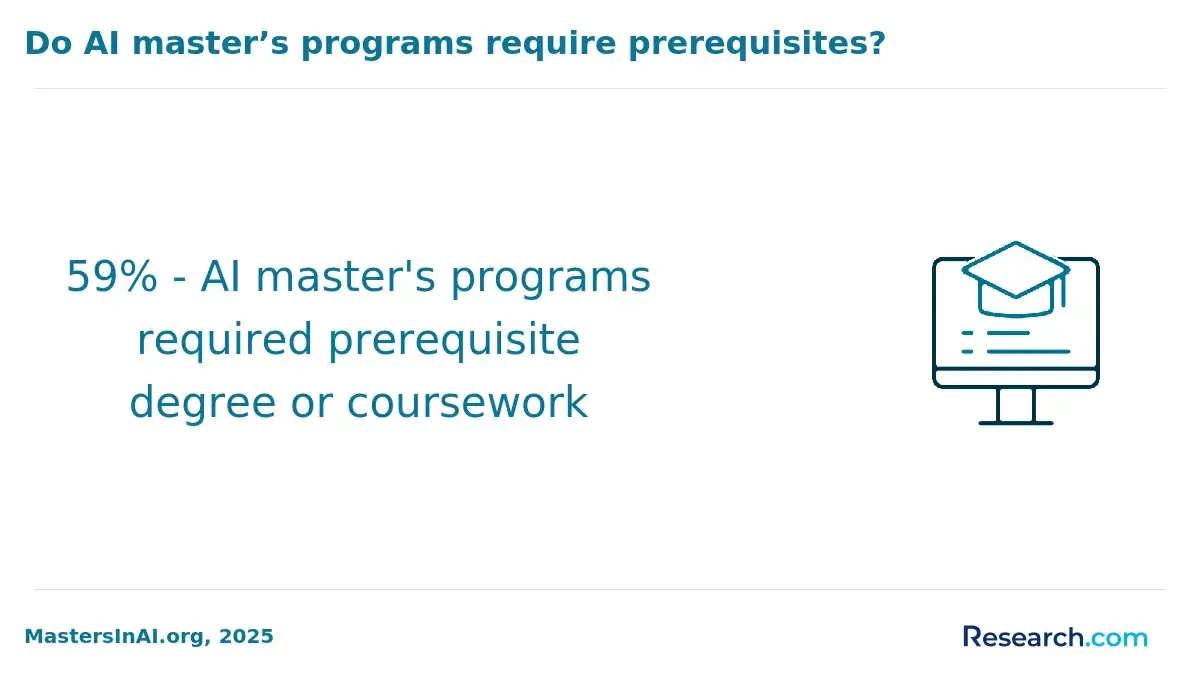
Typical educational prerequisites include a bachelor's degree in business, engineering, IT, or related fields. Many programs prefer candidates with advanced degrees such as an MBA or a master's in data science or technology management, though some admit professionals with significant leadership experience and demonstrated impact in AI adoption.
While practical AI knowledge is not always mandatory, preparatory modules or technical assessments may be required. This aligns with PwC's 2024 Global CEO Survey showing 70% of CEOs plan increased investment in AI upskilling, with 55% identifying leadership and culture as barriers to AI value.
Applicants should highlight their leadership in AI or technology adoption, supported by case studies or problem statements from their work. Networking and involvement in digital initiatives further strengthen applications.
Tech Employees' AI Usage

How much do generative AI courses for COOs cost, and what funding options exist?
Generative AI courses for COOs in 2026 vary widely in price, generally ranging from $500 for short online certifications to $5,000 for comprehensive executive programs. Workshops and short certifications typically cost between $500 and $1,200, while university-level or specialized training offerings can reach $3,000 to $5,000.
Some programs add value with personalized coaching or corporate case studies, which increase the price. Modular pricing options let COOs pay per segment, reducing upfront expenses.
Funding support often comes from employer sponsorships, especially given COOs' crucial role in digital transformation initiatives. Organizations may cover partial or full tuition through professional development budgets. Additional sources include government workforce development grants, tax incentives, and scholarships for returning business professionals.
Flexible payment plans such as installments or deferred billing ease financial pressure. Online platforms like Coursera and edX offer verified certificates priced between $400 and $1,000, with financial aid options.
Microsoft and LinkedIn's 2024 Work Trend Index found that 75% of knowledge workers already use AI at work, but 79% of them brought these tools into the workplace themselves rather than via official deployments, highlighting the need for structured training. Investing in targeted generative AI education helps COOs align operations strategically and supports funding justifications.
How do accredited generative AI programs ensure quality and relevance for executive learners?
Accredited generative AI programs provide executives, especially COOs, with high-quality education by aligning curricula to industry standards and governance frameworks. These programs undergo thorough evaluation by recognized accrediting bodies that review faculty expertise, course design, and learning outcomes to meet the specific needs of executive learners.
Emphasizing practical problem-solving and strategic decision-making, many courses include real-world case studies centered on AI governance issues.
For instance, KPMG's 2024 Responsible AI report found only 21% of organizations have fully implemented AI governance frameworks despite 72% planning to greatly increase AI use within two years. This stark gap highlights why accredited training is vital for navigating governance challenges.
Benefits of accredited programs include tailored content on risk management, ethical AI deployment, and regulatory compliance, often supplemented by expert-led workshops and peer collaboration. These features ensure executives can apply learnings immediately to real governance challenges and maintain relevance amid rapid technological advances.
Furthermore, assessments and certifications from accredited institutions validate a leader's competence in managing generative AI initiatives responsibly and strategically. Completing these programs demonstrates readiness to bridge AI governance gaps and advance organizational goals effectively.
How can generative AI training impact a COO's career trajectory, compensation, and board readiness?
Generative AI training significantly enhances a COO's career by providing advanced skills closely tied to business growth.
According to Accenture's 2024 research on AI maturity, organizations in the top 10% for AI adoption experience revenue growth 50% faster than competitors. COOs who excel in generative AI play a central role in driving this growth, positioning themselves for quicker promotions and broader influence within their companies.
Salary increases often follow these enhanced capabilities. Companies undergoing digital transformation prioritize COOs skilled in AI tools that optimize operations, lower costs, and uncover new market opportunities. This advanced fluency frequently leads to salary premiums exceeding industry standards, backed by proven improvements in operational efficiency and innovation.
Expertise in generative AI also prepares COOs for board roles, reflecting a strategic vision increasingly demanded in governance. Boards expect leaders who understand the risks and benefits of AI, ensuring technology aligns with corporate objectives and regulatory requirements. COOs with formal generative AI training often demonstrate this insight, making them strong board candidates.
Key practical impacts of generative AI training include:
- Implementing predictive analytics for data-driven decision-making
- Leading AI-based change management initiatives
- Improving communication with technical teams and external stakeholders
- Identifying regulatory and ethical AI concerns proactively
Mastering generative AI equips COOs to balance innovation with risk while interpreting complex data, transforming this expertise into a vital strategic asset within the C-suite.
Which certificates or microcredentials in generative AI are most recognized for senior operations leaders?
Certificates and microcredentials focused on generative AI for senior operations leaders have become increasingly important for career development.
Programs such as "AI for Business" and "AI for Leaders" have seen enrollment growth exceeding 120% year-over-year, highlighting a strong connection between AI upskilling and professional advancement. Learners in these business-oriented AI courses are 43% more likely to receive a promotion or expanded responsibilities within a year compared to others.
Top microcredentials are offered by platforms like Coursera, edX, and LinkedIn Learning, featuring content from prestigious institutions including the University of Pennsylvania, MIT Sloan, and Wharton. These courses focus on practical applications of generative AI to transform operations and leadership by:
- Integrating AI into supply chain management and process automation
- Building frameworks to manage AI-driven organizational change
- Exploring ethical considerations in deploying AI tools
- Converting AI insights into impactful business decisions
Programs that combine AI technical foundations with leadership strategies help COOs address challenges in risk management, productivity, and innovation. Verified certificates from trusted business schools and technology leaders enhance credibility with employers.
Prioritizing courses that offer actionable business frameworks over purely technical AI skills maximizes both immediate operational benefits and long-term career outcomes.
Other Things You Should Know About Artificial Intelligence
In 2027, leading courses for COOs include MIT's Executive Program in Generative AI, Stanford's Generative AI for Leaders, and Harvard Business School’s AI Strategy for Executives. These programs focus on aligning AI initiatives with business strategies, ethics, and operational outcomes.
Artificial intelligence enhances decision-making by providing data-driven insights and predictive analytics. It helps COOs identify operational inefficiencies, forecast demand, and optimize resource allocation. By automating routine tasks, AI allows leaders to focus on strategic decisions with greater confidence and speed.
Common challenges include data quality issues, resistance to change among staff, and integration difficulties with existing systems. Organizations often face obstacles in scaling AI solutions beyond pilot projects. Successful implementation requires clear strategy, skilled talent, and continuous monitoring to overcome these barriers.
Artificial intelligence complements rather than replaces human roles in operations management. While AI automates repetitive tasks and analyzes complex data, human judgment remains essential for strategic planning and problem-solving. The most effective operations leaders leverage AI tools to augment their decision-making capabilities.
References
- Towards Generative AI for Course Content Production: Expert Reflections | European Journal of Open, Distance and E-Learning https://eurodljournal.com/articles/10.2478/eurodl-2024-0013
- True Cost of Generative AI for SMEs: 5-Year Breakdown https://smartdev.com/gen-ai-implementation-cost-sme/
- Introduction to Generative AI | Google Skills https://www.skills.google/course_templates/536
- The Hidden Costs of GenerativeAI and How to Control Them https://www.truefoundry.com/blog/cost-of-generative-ai
- Why AI Certifications Are Becoming Increasingly Valuable for COOs - Operations Council https://operationscouncil.org/why-ai-certifications-are-becoming-increasingly-valuable-for-coos/
- How to Build the Board’s AI Competency https://www.nacdonline.org/all-governance/governance-resources/directorship-magazine/online-exclusives/2024/may/how-to-build-board-AI-competency/