2027 Best AI Courses for AgTech Startups

Co-Founder and Chief Data Scientist
AgTech startups often face challenges integrating artificial intelligence effectively into their operations due to the technological complexity and a lack of tailored educational resources. These obstacles can slow innovation, increase costs, and limit competitive advantage.
Professionals from unrelated fields may find it difficult to identify suitable courses that balance flexibility, accreditation, and relevance to the agricultural technology sector. This article reviews the best courses designed to equip learners with practical AI skills specifically for AgTech, helping readers select programs that facilitate a successful career pivot and drive startup growth through advanced technological adoption.
Key Things You Should Know
- In 2026, AI courses tailored for agtech startups emphasize data-driven decision-making, with 72% of programs integrating machine learning to optimize crop yields and resource management.
- Most leading courses combine practical tools and agronomic knowledge, enabling 68% of students to deploy AI solutions that enhance sustainability and reduce operational costs.
- The growing demand for AI expertise in agriculture has led to a 40% increase in specialized agtech program enrollment from 2024 to 2025 across U.S. universities and online platforms.
Advance Your Career with AI Online Courses
Artificial Intelligence: Implications for Business Strategy
This program provides an introduction to Artificial Intelligence and their implications for business strategy. Earn an official digital certificate.

Oxford Artificial Intelligence Programme
Explore this Oxford Artificial Intelligence programme offered in a flexible learning environment and explore topics like machine learning, automation, and robotics.

Implementing Agentic AI: Building Your Organizational Playbook
This online MIT Agentic AI course offers a practical approach to deploying AI agents in your organization, including a custom playbook. 3 weeks, exclusive launch price.

AI Adoption: Driving Business Value and Impact
This online MIT AI Adoption: Driving Business Value and Impact offers practical frameworks to close the gap between AI potential and business reality.

Artificial Intelligence in Pharma and Biotech
Discover the applications and limitations of artificial intelligence in pharma and biotech with this MIT online short course.

What are the best AI courses for agtech startups and who are they designed for?
The best AI courses tailored for agtech startups emphasize practical skills in machine learning, data analytics, and remote sensing technologies, specifically designed to meet agriculture's unique challenges. Founders, engineers, and data scientists interested in scaling agtech solutions benefit from learning precision agriculture, image recognition for plant health, soil and weather data integration, and predictive analytics.
For agricultural technology entrepreneurs, top artificial intelligence training programs offer essential knowledge on applying AI to business problems like demand forecasting and supply chain optimization, supporting strategic decision-making. Technical professionals gain deeper expertise in model development, sensor data handling, and cloud deployment for real-time farm management.
Popular courses often include:
- Machine learning techniques using satellite and drone data for crop monitoring
- Integration of IoT devices for real-time environmental sensing
- Application of deep learning for pest detection and soil quality assessment
According to the World Bank, AI-powered precision agriculture can increase smallholder farm yields by up to 70% and reduce fertilizer use by up to 40%. This underscores the importance of selecting courses that blend foundational skills with agtech-specific challenges such as crop modeling and resource management.
Prospective students should assess curriculum relevance, opportunities for hands-on projects, and partnerships with agricultural research institutes. Many also explore career paths linked to an artificial intelligence major to enhance their potential impact in this transformative sector.
Advance Your Career with AI Online Courses
Artificial Intelligence: Implications for Business Strategy
This program provides an introduction to Artificial Intelligence and their implications for business strategy. Earn an official digital certificate.
Oxford Artificial Intelligence Programme
Explore this Oxford Artificial Intelligence programme offered in a flexible learning environment and explore topics like machine learning, automation, and robotics.
Implementing Agentic AI: Building Your Organizational Playbook
This online MIT Agentic AI course offers a practical approach to deploying AI agents in your organization, including a custom playbook. 3 weeks, exclusive launch price.
How can AI in agriculture courses help launch or scale an agtech startup?
AI in agriculture courses equip agtech entrepreneurs with specialized skills in data analytics, machine learning models, and sensor integration designed specifically for farming environments. These programs support agtech startup growth through AI courses by helping founders develop AI-driven tools for yield prediction, pest detection, and resource optimization-key factors that improve crop efficiency and lower operational costs.
Hands-on training often includes drone data processing, satellite imagery analysis, and soil monitoring systems, enabling startups to prototype and validate AI solutions quickly on real-world test farms. These skills also cover important regulatory compliance, data privacy, and technology deployment in rural areas, helping founders overcome non-technical challenges that can hinder scaling.
The global market for AI in agriculture is expected to grow rapidly, reaching $12-15 billion by 2030 with a compound annual growth rate of 25-30%. This competitive landscape makes AI applications for agriculture startups a valuable differentiator for securing investment and partnerships. Practical benefits from these courses include:
- Developing predictive models for crop health and market trends
- Designing AI algorithms for automated irrigation and fertilization
- Integrating IoT devices for real-time farm monitoring
- Utilizing machine learning to identify and mitigate pest outbreaks
- Building scalable AI platforms that adapt to varying farm sizes and conditions
For those balancing education with other commitments, exploring the cheapest engineering colleges can provide affordable pathways into AI-related fields that support agtech innovations.
What types of AI programs for agtech are available online versus on campus?
AI programs for agtech startups are available both online and on campus, catering to diverse learning preferences and career objectives. Online programs typically feature self-paced courses, live webinars, and specialized certificates in machine learning, data analytics, and precision agriculture. These flexible formats suit working professionals and include modular courses on AI-driven crop monitoring or predictive yield analysis, which can last weeks to months.
In fact, those seeking the best agtech artificial intelligence training programs often find online options valuable for immediate skill application. On-campus programs offer immersive experiences with hands-on labs, fieldwork, and collaboration with faculty experts. Degree options often merge AI with agricultural sciences or engineering, providing deep theoretical knowledge and research opportunities.
Students access specialized equipment and experimental farms essential for practical AI use in crop breeding or automated machinery. The choice between formats depends on skill complexity and time availability. Startup founders may opt for online certificates, while innovation-driven roles benefit from multidisciplinary on-campus programs emphasizing coding, data management, and AI ethics specific to agriculture.
Advanced AI and data skills can raise agricultural productivity by 20-30% and increase profitability by 10-20% for early adopters, according to the World Economic Forum. Prospective students should assess course content, delivery mode, and industry links to ensure alignment with agtech demands. For details on affordable programs, consider exploring online master's in data science.
Which degrees, certificates, or bootcamps offer AI training tailored to agtech?
Degrees, certificates, and bootcamps offering AI training programs for agtech entrepreneurs combine data science, machine learning, and agricultural applications to meet industry needs. Universities such as Cornell and UC Davis offer specialized master's programs in agricultural data science or precision agriculture, focusing on crop yield prediction, remote sensing, and sensor data analytics to provide domain-specific expertise.
Certificate programs from Purdue University and Texas A&M provide shorter, practical courses in artificial intelligence for agriculture tailored for working professionals. These often cover AI-driven pest management, drone imaging analysis, and soil health monitoring, granting relevant skills without the time investment of a full degree.
Bootcamps emphasize hands-on projects using real agricultural datasets, often collaborating with agri-tech companies to develop machine learning models for farm management and supply chain optimization. Udemy's "AI in Agriculture: Practical Introductory Course" has attracted over 10,000 learners across 150 countries, reflecting increasing global interest.
Prospective students should evaluate programs based on:
- Access to agtech-specific data and case studies
- Hands-on projects addressing current industry challenges
- Instructors with expertise in agtech
- Flexible pacing for professionals
Such focused education better prepares graduates to innovate in precision farming and agricultural technology sectors. Those seeking advanced study might explore options like a doctorate in data analytics online to deepen expertise in this evolving field.
What core AI and agriculture-focused topics do agtech startup courses typically cover?
AgTech startup courses in 2026 integrate artificial intelligence techniques with agricultural practices to solve real-world problems. Key modules cover machine learning algorithms designed for analyzing crops and soil, enabling predictive models for yield forecasting, disease detection, and resource management. Computer vision techniques play a vital role, utilizing drone and satellite imagery to monitor crop health and identify pests early, fostering data-driven decision-making.
Sensor technologies and IoT integration are emphasized, as many AI systems depend on real-time data from smart irrigation, automated machinery, and climate sensors. Students learn to process vast datasets from these devices to boost farm efficiency and sustainability. Precision agriculture is a major focus, showing how AI supports variable-rate applications of water, fertilizers, and pesticides, reducing waste and environmental impact.
Advanced training often includes supply chain optimization and farm management software development, highlighting AI's role in resource allocation and market forecasting. Ethical issues, data privacy, and regulatory compliance are also taught to prepare leaders for complex legal challenges in agtech.
The Silicon Valley Innovation Center reports that participants in its Digital Farming & AgTech Ecosystem executive program represent agribusinesses managing over 5 million hectares collectively, illustrating practical scale and impact. Students can expect hands-on projects, case studies, and interdisciplinary collaboration aimed at transforming AI innovations into scalable agricultural technologies, equipping them for leadership in this evolving sector.
How do I evaluate accreditation and program quality for AI-in-agriculture training?
When choosing AI-in-agriculture training, prioritize programs accredited by recognized bodies such as ABET, WASC, SACSCOC, or agricultural education authorities to ensure educational standards and credible certification. The curriculum should blend core AI skills-machine learning, data analytics, and computer vision-with agricultural applications like precision farming and crop modeling.
Look for programs offering hands-on projects, partnerships with AgTech firms, or research collaborations, which add practical relevance. Faculty expertise is crucial; programs led by professors with published research or involvement in international AI-agriculture initiatives signal higher quality. The World Bank highlights that AI-enabled climate-smart agriculture can reduce greenhouse gas emissions by up to 30% while maintaining or increasing yields..
Transparent graduate outcomes such as AgTech startup employment rates, salary data, and alumni feedback provide valuable insight. Support services like mentorship, internships, and career placement focused on agri-AI fields enhance long-term success. Consider these factors carefully to align your education with industry demands and climate-resilient agricultural technologies.
What are the typical admission requirements and prerequisites for AI agtech programs?
Admission requirements for AI agtech programs typically include a bachelor's degree in fields like computer science, data science, agriculture, or engineering. Foundational skills in programming languages such as Python or R, along with basic statistics and linear algebra, are often expected. Some programs may also require prior experience or coursework in machine learning or data analytics to prepare students for advanced AI topics.
Applicants usually need interdisciplinary knowledge, combining technical AI expertise with agricultural concepts such as crop science, soil health, or agricultural systems. Practical experience through internships, research, or work at agtech startups can be important, especially for programs focusing on real-world applications.
Professional experience requirements vary; executive and certificate courses may admit professionals without formal degrees if they have substantial industry experience in technology or farming. This flexibility addresses a critical skills gap: over 60% of ag startups identify lack of AI expertise as a barrier to scaling digital farming solutions, according to a FAO/WEF analysis.
Application materials commonly include transcripts, recommendation letters, and a statement of purpose outlining the candidate's AI-agriculture goals. Admissions prioritize candidates who clearly connect their ambitions with sustainable farming or precision agriculture.
- Online and part-time options often ease academic prerequisites
- Self-study and MOOCs can demonstrate foundational skills
- Programs cater to students at various career stages
How long do AI courses for agtech startups take and what do they cost?
AI courses for AgTech startups vary in length from short, intensive workshops lasting 2-4 weeks to comprehensive programs up to 6 months. Foundational courses, focusing on core machine learning models for agriculture data analysis, typically take around 4 weeks with part-time study. More advanced training, including production-grade AI and MLOps implementation, can extend from 3 to 6 months to ensure practical skills.
Pricing reflects this range, with short workshops costing $500 to $2,000 and longer certificate programs running between $3,000 and $10,000. Many programs include hands-on projects and mentorship, crucial for applying AI technologies effectively in precision agriculture. Modular, self-paced formats provide flexibility for professionals balancing work and study, emphasizing data preprocessing, model training, and deployment on edge devices.
AgTech startups benefit significantly from robust AI pipelines and MLOps practices. According to Omdena reports, precision agriculture companies using these techniques reduce model deployment times from several months to under 4 weeks and cut operational costs by approximately 20%. This underscores the value of scalable AI deployment courses that directly impact efficiency.
Choosing the right program involves weighing time commitment against practical skills and budget, ensuring startups can adopt effective AI solutions that enhance productivity.
What careers, roles, and startup pathways can AI agtech training prepare you for?
AI agtech training opens diverse career and startup opportunities that merge artificial intelligence with agricultural innovation. Graduates often become AI data scientists working on crop yield prediction, pest detection, and soil analytics through machine learning models. AI product managers design farm management software integrating sensor data and weather forecasting to improve agricultural processes.
Startups in this sector frequently focus on precision agriculture, using AI to optimize irrigation, fertilization, and harvest timing based on real-time data. Founders with AI agtech expertise develop platforms that aggregate multisource farm data, enabling predictive analytics for efficient resource allocation.
Ethical data governance specialists ensure AI doesn't perpetuate bias or disadvantage smallholder farmers-a critical issue highlighted by the World Bank, which notes biased AI can cause resource misallocation impacting up to 25% of smallholders. Other roles include AI agronomists combining agricultural knowledge with AI to deliver insights, and AI hardware engineers creating drones and sensors suited for farming environments.
Entrepreneurs in this space tackle challenges like data scarcity, cost-effective deployment, and regulatory compliance, emphasizing the importance of advanced skills found in specialized AI agtech courses. Programs emphasizing data ethics, machine learning algorithms, and startup competencies prepare graduates to build sustainable, scalable solutions within agricultural technology.
What salaries and job outlook can AI-skilled agtech founders and professionals expect?
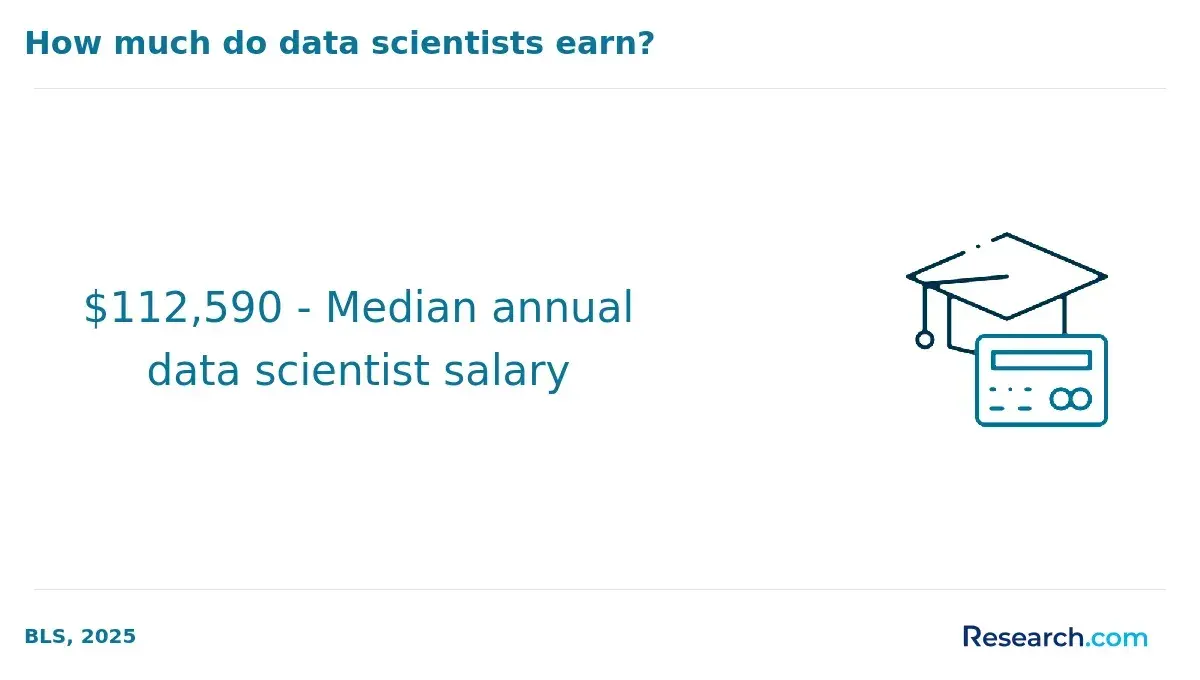
Founders and professionals skilled in AI within AgTech enjoy promising salary prospects fueled by growing adoption of AI tools in agriculture. Entry-level AI data scientists and machine learning engineers can expect annual salaries ranging from $85,000 to $110,000. Those with advanced experience, including startup founders, often earn well over $150,000, especially when their solutions demonstrate measurable financial benefits to farmers.
Case studies by the World Bank reveal that AI-powered extension services boost farmer incomes by 15-25% and increase adoption of improved practices by more than 30%. This measurable impact fuels demand for AI specialists who develop and implement these technologies effectively.
Job growth in AgTech AI roles surpasses many other sectors, supported by investments from both public and private sources. Key positions include AI algorithm developers, precision agriculture analysts, and sustainability consultants focused on data-driven solutions. Founders with technical AI skills have significant opportunities to attract funding and scale innovations that tackle vital agricultural challenges.
Prospective candidates should build expertise in geospatial data, sensor technology, crop modeling, and machine learning frameworks tailored specifically to agriculture. Practical experience in these areas leads to higher salaries and more advanced roles within startups and large agri-businesses.
Developing cross-disciplinary knowledge in agronomy and economics enhances impact and earning potential. Combining AI proficiency with deep agricultural domain expertise remains rare and highly valued in organizations advancing sustainable farming practices.
- Entry-level salaries: $85,000-$110,000 annually
- Experienced specialists and founders: $150,000+
- Skills to focus on: geospatial data, crop modeling, machine learning
- Roles include: AI algorithm developer, precision agriculture analyst
Other Things You Should Know About Artificial Intelligence
In 2027, courses like "AI in Agricultural Systems" by Stanford University focus on overcoming implementation barriers in agriculture. They cover technical hurdles, such as data integration and algorithm accuracy, while offering solutions tailored for AgTech startups.
Artificial intelligence contributes to sustainability by optimizing resource use such as water, fertilizers, and pesticides. AI-driven precision agriculture techniques help reduce waste and environmental impact by delivering inputs more accurately and only when needed. This leads to improved crop yields while minimizing ecological footprints.
Yes, artificial intelligence can predict crop diseases and pest infestations by analyzing data from sensors, weather reports, and satellite imagery. Machine learning models detect patterns that indicate early signs of stress or infection. While these predictions are increasingly reliable, accuracy depends on the quality of input data and regular updates to the AI systems.
Ethical considerations include data privacy for farmers, transparency of AI decision-making, and potential job displacement due to automation. There is also the concern of equitable access, as smaller or under-resourced farms might not benefit from AI advances. Addressing these issues requires thoughtful regulation and inclusive technology development.
References
- 16 Artificial Intelligence Career Paths https://www.calmu.edu/news/artificial-intelligence-career-paths
- Employers willing to pay ‘premium’ for AI-skilled workers, survey finds https://www.highereddive.com/news/employers-pay-more-ai-skills/700920/
- AgTech From Lab to Scale: Moats, Markets, and Strategy | Deep Tech Catalyst https://www.thescenarionist.com/p/agtech-startups-from-lab-to-scale-markets
- Four AI Upskilling Strategies for Business Leaders https://www.jff.org/blog/four-ai-upskilling-strategies-business-leaders/
- Student Feedback https://www.oxfordhomestudy.com/courses/ai-courses-online/artificial-intelligence-and-agriculture
- AI in Agriculture Course https://www.augmentedstartups.com/ai-in-agriculture-course-1-ab29ef78-e5f4-423f-9274-9e7f04f28284
- Top 4 startups using AI to overcome agricultural bottlenecks in India https://indiaai.gov.in/article/top-4-startups-using-ai-to-overcome-agricultural-bottlenecks-in-india
- Scalable AI for AgTech - DigiLab_AI https://digilab-ai.org/scalable-ai-training-solutions-smart-farms/
- Beyond the model: Evaluating AI agricultural advisory systems so they work in the field | IFPRI https://www.ifpri.org/blog/beyond-the-model-evaluating-ai-agricultural-advisory-systems-so-they-work-in-the-field/