2027 Best AI Strategy Courses for Data Privacy and AI Security Teams

Co-Founder and Chief Data Scientist
Data privacy breaches and AI security vulnerabilities have surged, exposing organizations to increased risks and regulatory penalties. Teams often struggle to implement strategies that safeguard sensitive information while optimizing AI performance. The complexity of compliance frameworks and evolving threat landscapes compounds this challenge. Professionals transitioning from unrelated fields need targeted education to bridge knowledge gaps quickly and effectively. This article outlines the best AI strategy courses focused on data privacy and security, highlighting flexible and accredited programs that empower learners to develop practical skills and protect organizations from emerging digital threats.
Key Things You Should Know
- Advanced AI strategy courses in 2026 emphasize data privacy compliance, teaching frameworks aligned with the California Consumer Privacy Act (CCPA) and EU's GDPR affecting over 60% of global data policies.
- Programs integrate AI security risk management, addressing threats such as adversarial attacks and data poisoning, with a 35% rise in targeted AI cybersecurity breaches since 2024.
- Leading courses prioritize hands-on experience with AI governance tools, enabling teams to deploy secure AI systems while balancing ethical use, scalability, and regulatory mandates.
Advance Your Career with AI Online Courses
Artificial Intelligence: Implications for Business Strategy
This program provides an introduction to Artificial Intelligence and their implications for business strategy. Earn an official digital certificate.

Oxford Artificial Intelligence Programme
Explore this Oxford Artificial Intelligence programme offered in a flexible learning environment and explore topics like machine learning, automation, and robotics.

Implementing Agentic AI: Building Your Organizational Playbook
This online MIT Agentic AI course offers a practical approach to deploying AI agents in your organization, including a custom playbook. 3 weeks, exclusive launch price.

AI Adoption: Driving Business Value and Impact
This online MIT AI Adoption: Driving Business Value and Impact offers practical frameworks to close the gap between AI potential and business reality.

Artificial Intelligence in Pharma and Biotech
Discover the applications and limitations of artificial intelligence in pharma and biotech with this MIT online short course.

What are AI strategy courses for data privacy and AI security teams, and who are they for?
AI strategy courses for data privacy and AI security professionals focus on equipping cybersecurity analysts, data privacy officers, AI engineers, and IT security managers with the skills needed to protect AI systems and comply with evolving regulations. These training programs in AI security and data privacy cover critical areas such as risk assessment, threat modeling, privacy-enhancing technologies, secure AI model development, and incident response tailored to AI-specific vulnerabilities.
Participants often come from backgrounds in cybersecurity, data science, compliance, or software engineering, requiring specialized knowledge to address AI's unique security challenges. For example, a data privacy officer gains insight into regulatory standards like CCPA or GDPR applied to AI data usage, while a cybersecurity analyst learns to detect AI-generated phishing attempts.
According to ISC2's AI Cybersecurity Survey, 63% of cybersecurity and IT professionals say AI-powered attacks will significantly impact their organization's cybersecurity strategy in the next two years, yet only 27% feel "very prepared" to secure AI systems. This gap highlights the urgent demand for targeted education, including certification programs focused on AI risk management, workshops on ethical AI deployment, and advanced studies in AI governance policy.
Many courses emphasize practical tools such as differential privacy and federated learning or teaching organizational strategy to integrate AI security into broader enterprise risk frameworks. For those interested in more foundational studies, an accelerated CS degree can be an efficient path to gaining essential skills in this evolving field.
Advance Your Career with AI Online Courses
Artificial Intelligence: Implications for Business Strategy
This program provides an introduction to Artificial Intelligence and their implications for business strategy. Earn an official digital certificate.
Oxford Artificial Intelligence Programme
Explore this Oxford Artificial Intelligence programme offered in a flexible learning environment and explore topics like machine learning, automation, and robotics.
Implementing Agentic AI: Building Your Organizational Playbook
This online MIT Agentic AI course offers a practical approach to deploying AI agents in your organization, including a custom playbook. 3 weeks, exclusive launch price.
How do you choose the best AI strategy course for data privacy and security needs?
Selecting top ai strategy courses for data privacy teams means focusing on curriculum that covers privacy frameworks, risk management, and compliance with regulations like GDPR and CCPA. Courses emphasizing hands-on projects such as threat modeling and vulnerability assessments better prepare students with practical skills compared to theoretical-only options. Emerging topics like adversarial AI attacks and ethical AI design are vital components for those pursuing ai security careers.
Best ai security training programs for compliance and risk management feature instructors with substantial cybersecurity experience and ties to regulatory bodies or industry standards. Programs offered by reputable institutions or platforms known for cybersecurity partnerships add credibility and value to the learning experience.
Course format matters: short intensive bootcamps fit working professionals needing quick upskilling, while extensive academic programs benefit graduates seeking foundational knowledge. Look for mentorship, peer collaboration, and career support designed specifically for AI security roles to enhance professional growth.
The World Economic Forum's Future of Jobs 2025 update reports that demand for AI and machine learning specialists is projected to grow by 40% by 2027, with AI security and risk roles among the fastest-emerging specialties within cybersecurity. To optimize career prospects, consider programs that closely align with this growth and focus on AI risk mitigation. Research prospective programs and compare them with the best online AI degree programs available to ensure you choose a path that matches your career goals and industry demands.
What key topics and skills do top AI strategy courses in data privacy and security cover?
Top AI strategy courses in data privacy and security cover essential concepts for managing AI risks and regulatory compliance. Students learn threat modeling tailored to AI systems, enabling them to predict vulnerabilities across machine learning pipelines and data flows. Emphasis is placed on secure AI model development, including adversarial robustness, differential privacy, and federated learning, which are critical to protecting sensitive information and maintaining model integrity.
These programs also explore AI strategy frameworks for data privacy compliance, addressing major regulations such as GDPR and CCPA alongside emerging AI-specific laws. Coursework typically includes ethical AI design, bias detection and mitigation, and incident response plans designed specifically for AI environments. Practical skills are developed in AI audit methods, helping students master tools for continuous monitoring and transparent reporting of AI behavior.
Security risk management in AI implementation is a key focus, with training in DevSecOps principles adapted for AI workflows. Hands-on labs teach automation of security testing and deployment pipelines to reduce errors and expedite secure releases. Students also study data governance models that reconcile innovation with privacy preservation by managing data provenance, consent, and lifecycle management.
According to Practical DevSecOps' 2026 AI Security salary analysis, AI/ML security engineers earn between $152,000 and $210,000 annually, while AI governance leads earn $160,000 to $240,000, making AI security the highest-paying field within cybersecurity. For those interested in expanding their skill set beyond AI, a game design online degree offers another promising digital career path.
What degree, certificate, and nondegree pathways lead to AI strategy roles in data privacy and security?
Degree pathways to AI strategy roles in data privacy commonly involve formal education in computer science, information security, or data science, often emphasizing AI ethics and regulatory compliance. Master's programs like a Master of Science in Cybersecurity or AI-focused business analytics provide a strong foundation in both technical AI deployment and privacy law frameworks. Many students also pursue advanced credentials such as a data science PhD online to deepen their expertise.
AI strategy certificate programs for data privacy professionals offer targeted, flexible options for those seeking focused knowledge without committing to full degrees. Certificates in AI governance, privacy engineering, and data protection laws equip learners with AI risk management and compliance strategies. Accredited institutions and industry bodies, including the International Association of Privacy Professionals (IAPP), provide these credentials.
Nondegree pathways are increasingly important. Bootcamps and workshops cover responsible AI, data privacy standards like GDPR and HIPAA, and security frameworks, delivering practical skills. Many programs collaborate with companies to align curriculums with real-world AI strategy implementation challenges, helping bridge the gap between technical teams and policy makers.
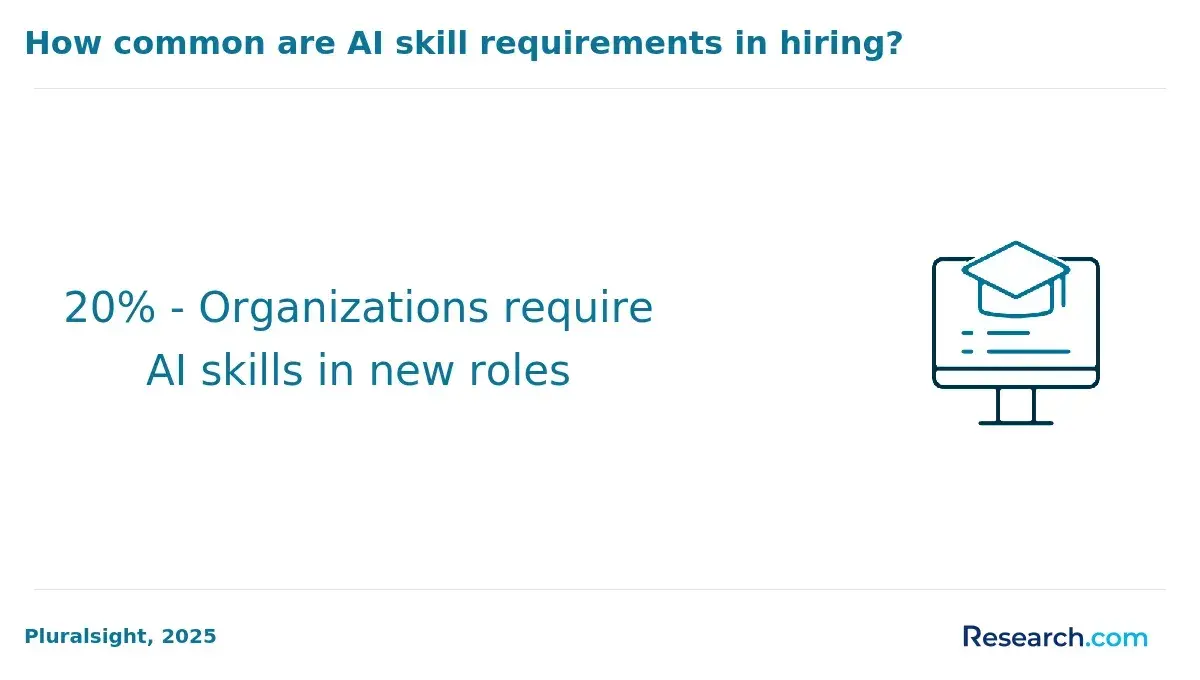
There is rising demand for professionals who understand AI capabilities and regulatory requirements. Gartner's survey forecasts that by 2026, 80% of large enterprises will have formal AI governance policies, up from just 20% currently. Degree and nondegree pathways to AI security roles in data privacy prepare candidates to lead governance initiatives, combining compliance content, risk assessment, and strategic planning with practical projects and internships.
How do online, hybrid, and on-campus AI strategy programs compare for working professionals?
Online ai strategy programs provide flexibility for busy professionals, allowing self-paced learning with access to diverse materials at any time. This format suits those balancing demanding workloads and quick-changing fields like ai security and data privacy. However, it may limit opportunities for real-time interaction and networking, which are crucial for collaborative problem-solving.
Hybrid ai programs blend virtual coursework with occasional in-person sessions, supporting hands-on workshops and team projects. This approach promotes practical skills and relationship-building, enhancing comprehension of ai strategy challenges in real-world security settings. Organizations employing hybrid-trained professionals often report stronger breach response capabilities.
On-campus programs offer immersive learning with direct access to instructors and peers, fostering deep expertise in ai-driven security frameworks. These settings facilitate live case studies and intensive labs that accelerate mastery of tools reducing breach lifecycles.
IBM's Cost of a Data Breach 2024 report reveals that companies leveraging ai and automation cut breach lifecycles by 108 days and lower costs by $1.76 million versus limited-ai users. This highlights the value of technical proficiency gained through any program format integrating advanced ai applications for security teams. Choosing the best program depends on time availability, learning style, and career goals. Professionals prioritizing immediate workplace impact may favor hybrid or on-campus options, while those needing schedule flexibility might prefer online courses with interactive features.
Which accreditations and industry credentials matter for AI strategy and AI security education?
Key accreditations and industry credentials play a critical role in validating expertise in AI strategy and AI security education. Certifications like the Certified Information Systems Security Professional (CISSP), which include AI security modules, are highly valued by employers. A survey by ISC2 on AI and cybersecurity skills found that 61% of security professionals report insufficient training in managing AI risks, and 54% face a lack of formal AI security programs. This skills gap underscores the importance of certifications combining cybersecurity fundamentals with AI-specific knowledge.
While foundational credentials such as Certified Ethical Hacker (CEH) and Certified Information Security Manager (CISM) deliver broad security knowledge, they often miss specialized AI strategy content. Emerging certifications like the AI Security Professional Certificate from (ISC)² and vendor-neutral courses from organizations such as the SANS Institute focus on AI threat modeling, adversarial attacks, and data privacy challenges.
Accredited academic programs by bodies like ABET ensure rigorous standards and should integrate AI governance, compliance, and data privacy frameworks with practical labs. Employers favor candidates demonstrating multidisciplinary skills that merge AI strategy with cybersecurity, including compliance with regulations like GDPR and CCPA. Prospective professionals benefit from credentials proving their ability to design, audit, and secure AI systems, not just theoretical knowledge. Practical experience and recognized certifications notably boost career prospects in managing AI risks.
What are typical admission requirements, program length, and tuition costs for these AI strategy courses?
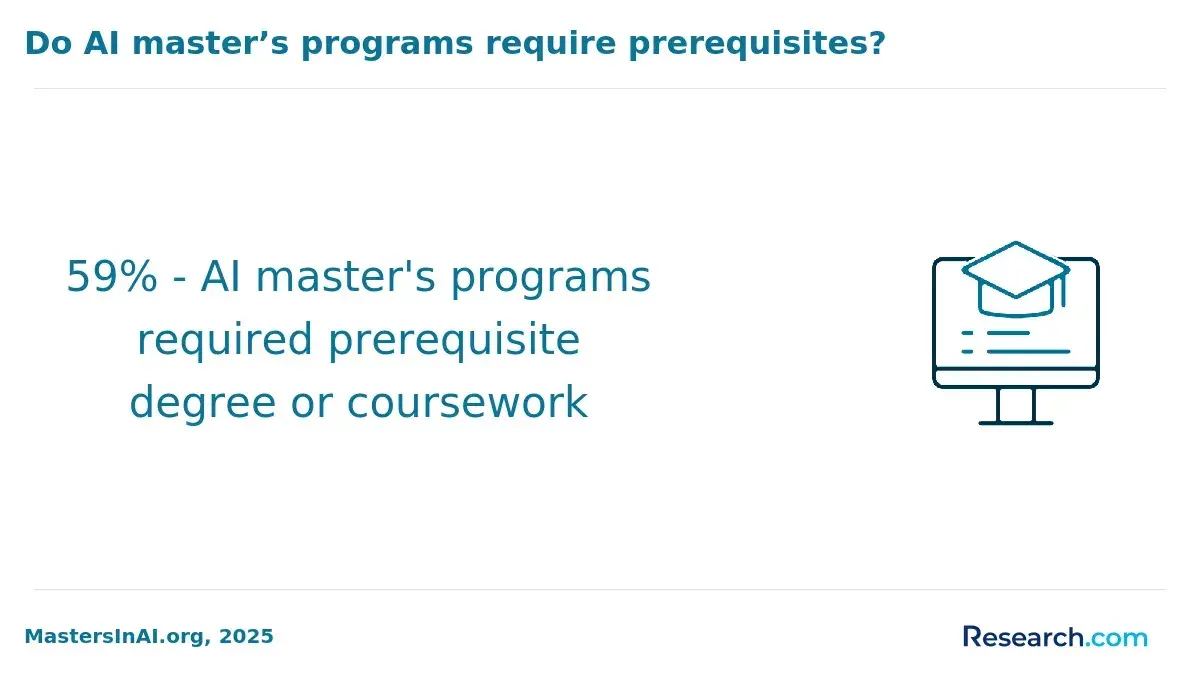
Admission to AI strategy courses centered on data privacy and AI security often requires a bachelor's degree in computer science, information technology, cybersecurity, or related fields. Candidates with significant professional experience in AI or risk management may be accepted as an alternative. Programs typically expect strong analytical skills and foundational knowledge of data privacy laws, cybersecurity, and AI principles. Advanced courses value certifications like CISSP or CIPP to enhance applications.
Course durations vary widely: certificate programs last 3 to 6 months and suit working professionals with part-time options. Postgraduate certificates and master's level courses usually range from 9 to 18 months. Many programs offer online or hybrid formats to provide flexibility without compromising content depth.
Tuition costs depend on program type and prestige. Professional certificates generally range from $2,000 to $6,000, while master's degrees and specialized diplomas can cost between $15,000 and $50,000 or more. Employers often subsidize training due to increased investment in AI risk management. Deloitte's global AI risk study reports that 58% of enterprises increased budgets for AI risk management and security training in the past year, with a 32% average growth in spending on AI governance, risk, and compliance education.
Prospective students should look for programs featuring hands-on risk evaluation projects, up-to-date content on AI laws, and access to industry experts. Financial aid and employer partnerships can help reduce tuition burdens and support career advancement goals.
What job roles can AI strategy courses in data privacy and security prepare you for?
AI strategy courses that emphasize data privacy and security prepare professionals for essential roles protecting sensitive information and organizational assets. Key positions include AI security analysts, who create defenses against AI-driven threats, and data privacy officers, ensuring compliance with privacy laws while supporting AI integration.
Other important roles enhanced by this education include cybersecurity engineers developing AI-powered security tools, risk management specialists assessing AI-related operational risks, and compliance auditors ensuring ethical AI use. Policy-makers and governance experts also benefit by creating frameworks balancing innovation with privacy and security demands.
Practical skills gained-such as AI threat modeling, secure system design, and governance-help data scientists and machine learning engineers embed security best practices into AI development. This expertise is increasingly critical in sectors like healthcare, finance, and government, where safeguarding data is vital.
A survey by the SANS Institute found organizations offering formal AI security training were 2.1 times more likely to detect and mitigate AI-enabled attacks successfully, highlighting the value of targeted AI strategy education for advancing security-focused careers within AI fields.
What salary ranges and advancement opportunities exist for AI strategy and AI security professionals?
AI strategy and security roles in the U.S. offer competitive salaries that vary widely by experience and specialization. Entry-level positions start near $90,000 annually, while mid-career professionals earn between $130,000 and $170,000. Senior experts and managers, especially in large companies or critical sectors, can make over $210,000 per year. Specialized jobs like AI privacy architects or compliance leads tend to command higher pay due to the increasing importance of robust protections and regulatory adherence.
Career advancement is fueled by expertise in privacy-by-design principles, risk assessment, and compliance. The 2024 Cisco Data Privacy Benchmark report highlights that 94% of organizations believe customers avoid businesses that fail to protect data, yet only 34% consistently apply privacy-by-design in AI projects. This gap presents a significant opportunity for skilled professionals to advance rapidly.
Typical role progression moves from technical implementation to strategic oversight, such as advancing from AI security analyst to AI risk manager or chief data ethics officer. Earning certifications and gaining advanced education in AI security frameworks and data privacy laws notably increases promotion chances and salary growth. Strong demand exists for leaders who embed security early in the AI lifecycle, responding to risks like reputational harm and compliance penalties. Combining technical skills with strategic vision enables career mobility from operational roles to executive leadership within 5 to 10 years.
How can data privacy and AI security teams stay current with evolving AI regulations and standards?
Data privacy and AI security teams must engage in continuous, targeted education to keep pace with evolving regulations like GDPR, CCPA, and the EU AI Act. Specialized AI strategy courses provide up-to-date insights on legislative changes and use case studies to illustrate practical compliance challenges. This focused learning helps professionals understand enforcement trends and apply regulatory standards effectively.
Workshops and certification programs that cover AI governance, ethics, and risk management are essential for building multidisciplinary skills. These programs often teach how to implement AI auditing controls and adopt privacy-by-design principles, enabling teams to proactively adjust internal policies and manage risks comprehensively.
Industry research, such as McKinsey's 2024 AI workforce report, reveals that roles in AI risk, ethics, and governance are growing at a much faster rate than general cybersecurity positions-about 25-30% annually. This growth underscores the critical importance of maintaining current expertise on regulatory updates and emerging best practices.
Joining professional networks and forums focused on AI risk and privacy supports ongoing knowledge sharing and peer collaboration. Keeping up with official publications from regulatory bodies and standards organizations ensures an agile response to amendments. Together, these resources empower teams to navigate complex compliance issues and sustain resilience in the dynamic AI landscape.
Other Things You Should Know About Artificial Intelligence
AI technologies can both challenge and enhance data privacy regulations. On one hand, AI systems process vast amounts of data, raising concerns about unauthorized access and misuse. On the other hand, AI can be used to automate compliance monitoring, detect data breaches in real time, and help organizations adhere to frameworks like GDPR and CCPA more effectively.
Artificial intelligence systems face risks such as adversarial attacks, data poisoning, and model inversion, which can compromise system integrity and confidentiality. These vulnerabilities can allow attackers to manipulate AI outcomes or extract sensitive information from trained models. Securing AI involves robust data handling, continuous monitoring, and implementing techniques like differential privacy and secure multiparty computation.
AI strategy courses equip teams with knowledge of emerging AI risks and evolving defensive measures. They teach risk assessment methodologies, ethical AI deployment, and up-to-date frameworks for threat mitigation. Students learn to develop proactive strategies that balance innovation with strong safeguards against adversarial behaviors and compliance gaps.
References
- 50 Exec Ed Courses To Get Smart About AI - USA & Canada - Bluesky Thinking https://bluesky-thinking.com/50-exec-ed-courses-to-get-smart-about-ai-usa-canada/
- AI - Artificial Intelligence | London Business School https://www.london.edu/executive-education/ai
- Introduction to Security in the World of AI | Google Skills https://www.skills.google/course_templates/1146
- Aligning AI Ethics with Data Privacy Compliance | TrustArc https://trustarc.com/resource/ai-ethics-with-privacy-compliance/
- More Parties, More Risks, More Opportunity? Evolving Governance to Support Cyber Resilience Amidst Evolving Policy and Technological Change https://fpf.org/blog/more-parties-more-risks-more-opportunity-evolving-governance-to-support-cyber-resilience-amidst-evolving-policy-and-technological-change/
- Best AI Security Certification in 2026 - Practical DevSecOps https://www.practical-devsecops.com/best-ai-security-certifications-2026/
- Top 7 artificial intelligence courses 2025: Comparison of the best online programs https://xd-i.com/en/data-en/ai-courses/
- Top AI courses in 2025 https://firebrand.training/en/blog/top-ai-courses
- AI Governance Salaries 2026: $65K to $400K+ (20 Roles) https://techjacksolutions.com/ai-governance-salary-data/
- The growing data privacy concerns with AI: What you need to know https://www.dataguard.com/blog/growing-data-privacy-concerns-ai/