2027 Best AI Courses for Workforce Planning Teams With Certificates

Co-Founder and Chief Data Scientist
Workforce planning teams often struggle to integrate complex data analysis and predictive modeling into their strategies. This gap limits their ability to forecast talent needs and optimize resource allocation efficiently. As the demand for advanced skills in Artificial Intelligence grows, professionals from unrelated fields face the challenge of acquiring relevant expertise without disrupting their careers. Identifying accessible, accredited courses that offer recognized certifications is crucial for a seamless transition into AI-focused roles.
This article reviews the best AI courses designed specifically for workforce planning teams, highlighting flexible learning options and certification pathways that support career pivots and skill advancement.
Key Things You Should Know
- Top AI courses for workforce planning in 2026 emphasize practical skills in automation, predictive analytics, and data-driven decision-making crucial for optimizing employee deployment and productivity.
- Certified programs from leading platforms report up to 40% higher job placement rates, reflecting growing employer demand for AI-competent workforce planners.
- Most current courses incorporate ethics and bias mitigation in AI models, addressing workforce diversity and fairness challenges essential for inclusive planning strategies.
Advance Your Career with AI Online Courses
Artificial Intelligence: Implications for Business Strategy
This program provides an introduction to Artificial Intelligence and their implications for business strategy. Earn an official digital certificate.

Oxford Artificial Intelligence Programme
Explore this Oxford Artificial Intelligence programme offered in a flexible learning environment and explore topics like machine learning, automation, and robotics.

Implementing Agentic AI: Building Your Organizational Playbook
This online MIT Agentic AI course offers a practical approach to deploying AI agents in your organization, including a custom playbook. 3 weeks, exclusive launch price.

AI Adoption: Driving Business Value and Impact
This online MIT AI Adoption: Driving Business Value and Impact offers practical frameworks to close the gap between AI potential and business reality.

Artificial Intelligence in Pharma and Biotech
Discover the applications and limitations of artificial intelligence in pharma and biotech with this MIT online short course.

What are AI courses for workforce planning teams, and who are they best suited for?
AI courses for workforce planning teams focus on applying machine learning, data analytics, and predictive modeling to optimize workforce management. These certified AI training programs for workforce teams equip professionals to improve hiring forecasts, talent management, and resource allocation through data-driven insights. Topics often include demand forecasting, skills gap analysis, employee retention predictions, and automating routine HR tasks.
These courses serve HR professionals, workforce analysts, talent acquisition specialists, and operations managers aiming to integrate AI into workforce planning processes. They also benefit data scientists transitioning into HR roles and business leaders who want to strengthen strategic workforce initiatives. Practical applications include forecasting future hiring needs based on turnover trends and prioritizing employee training by analyzing performance data.
Workforce planners face challenges like unpredictable labor market fluctuations, high employee turnover, and complex compliance demands. AI courses address these by teaching how to build models that anticipate shifts in workforce demand and identify cost-effective staffing strategies. Students learn to use AI-powered scenario planning tools to enhance accuracy and move beyond intuition.
According to Deloitte's Global Human Capital Trends report, 73% of business leaders plan to increase AI investments in workforce planning and talent management within two years, underscoring the need for advanced skills in this area. Prospective students can also explore the data science master US ranking to find affordable education options that support careers involving AI in workforce planning.
Advance Your Career with AI Online Courses
Artificial Intelligence: Implications for Business Strategy
This program provides an introduction to Artificial Intelligence and their implications for business strategy. Earn an official digital certificate.
Oxford Artificial Intelligence Programme
Explore this Oxford Artificial Intelligence programme offered in a flexible learning environment and explore topics like machine learning, automation, and robotics.
Implementing Agentic AI: Building Your Organizational Playbook
This online MIT Agentic AI course offers a practical approach to deploying AI agents in your organization, including a custom playbook. 3 weeks, exclusive launch price.
Which AI workforce planning courses offer reputable certificates recognized by U.S. employers?
Certificates recognized by U.S. employers for AI workforce planning typically come from respected institutions offering applied courses in data analytics, machine learning, and workforce analytics. Examples include the University of Pennsylvania's AI in Business Specialization on Coursera, Purdue University's Workforce Analytics and AI Certificate, and IBM's AI Engineering Professional Certificate. These programs focus on practical skills such as predictive modeling and optimization with AI tools, directly relevant to workforce planning.
The best AI courses with certificates valued by American workforce planning teams often emphasize the integration of AI competencies with strategic workforce planning. According to the World Economic Forum's Future of Jobs Report 2025, roles requiring AI and big-data skills are projected to grow by 30% by 2030, while purely administrative workforce planning jobs decline by 12%. This highlights the increasing importance of AI-driven skills in HR analytics and labor forecasting.
Graduates can demonstrate concrete skills that meet employers' evolving expectations as they shift from traditional planning roles to analytics-driven talent management. For those exploring options, degrees in AI provide pathways to build these valuable competencies.
How can you evaluate whether an AI course or certificate provider is accredited and trustworthy?
To identify accredited AI course providers for workforce planning, start by confirming institutional accreditation from recognized bodies like regional U.S. accrediting agencies. This ensures the program meets quality standards and offers credible certification. Many trustworthy certificate programs in AI for workforce teams also highlight partnerships with leading tech firms, which enhances their relevance and practical value.
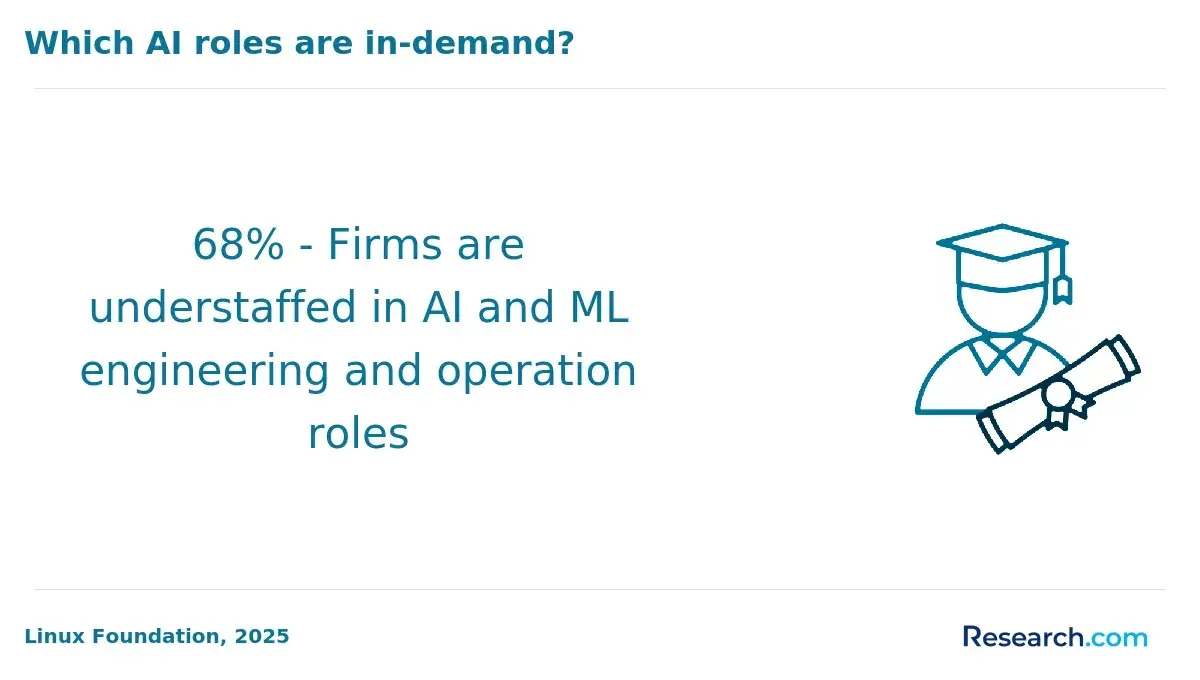
Instructor credentials are an important factor; reputable programs disclose faculty qualifications, including advanced degrees and hands-on experience in AI development or workforce analytics. Positive learner outcomes such as job placement rates or promotions further validate a program's effectiveness. For instance, data shows that employees completing structured AI skills courses are more likely to receive internal promotions within two years.
Course content should align with current industry standards, covering essential tools such as machine learning frameworks, ethical AI, and data modeling, reflecting AI's rapid evolution. Alumni testimonials and third-party reviews provide insight into program satisfaction and career benefits, while certificate recognition by employers adds assurance of value.
For those comparing options, exploring related fields like a cyber security degree can also be relevant. Overall, careful evaluation of accreditation, faculty, content, and outcomes is key to choosing trustworthy education in AI workforce planning.
What core AI and workforce analytics skills should these courses teach for real-world application?
Effective AI workforce planning skills for data-driven decision making require a balanced curriculum combining technical expertise with domain-specific knowledge. Core topics include data management techniques such as cleaning, integration, and transformation to ensure accurate use of workforce data. Emphasis on machine learning fundamentals-supervised, unsupervised, and reinforcement learning-supports predictive modeling for recruitment needs, attrition, and performance trends.
Programming proficiency in Python and R, focusing on libraries like Pandas, Scikit-learn, and TensorFlow, is crucial for developing scalable workforce analytics solutions. Practical experience with natural language processing enables analysis of employee feedback, while time series analysis improves scheduling and forecasting workforce demands.
Statistical methods, including hypothesis testing and regression analysis, equip planners to interpret model results and guide strategic decisions. Visualization tools such as Tableau or Power BI facilitate clear communication of insights to stakeholders.
Ethics and bias mitigation are essential to prevent discriminatory outcomes in hiring and promotion algorithms, teaching learners to detect and correct bias within data and models. Additionally, courses covering automation design aim to enhance workforce productivity while maintaining employee engagement.
Workforce analytics techniques for predictive modeling are strengthened through short, practical AI bootcamps tailored for HR professionals. According to Coursera's 2024 Impact Report, those completing a professional AI certificate see an average 22% salary increase or job change within six months.
Those interested in advancing their education may explore comprehensive data analytics masters programs, which provide rigorous training aligned with these workforce demands.
How do online AI courses for workforce planning compare with on-campus or bootcamp options?
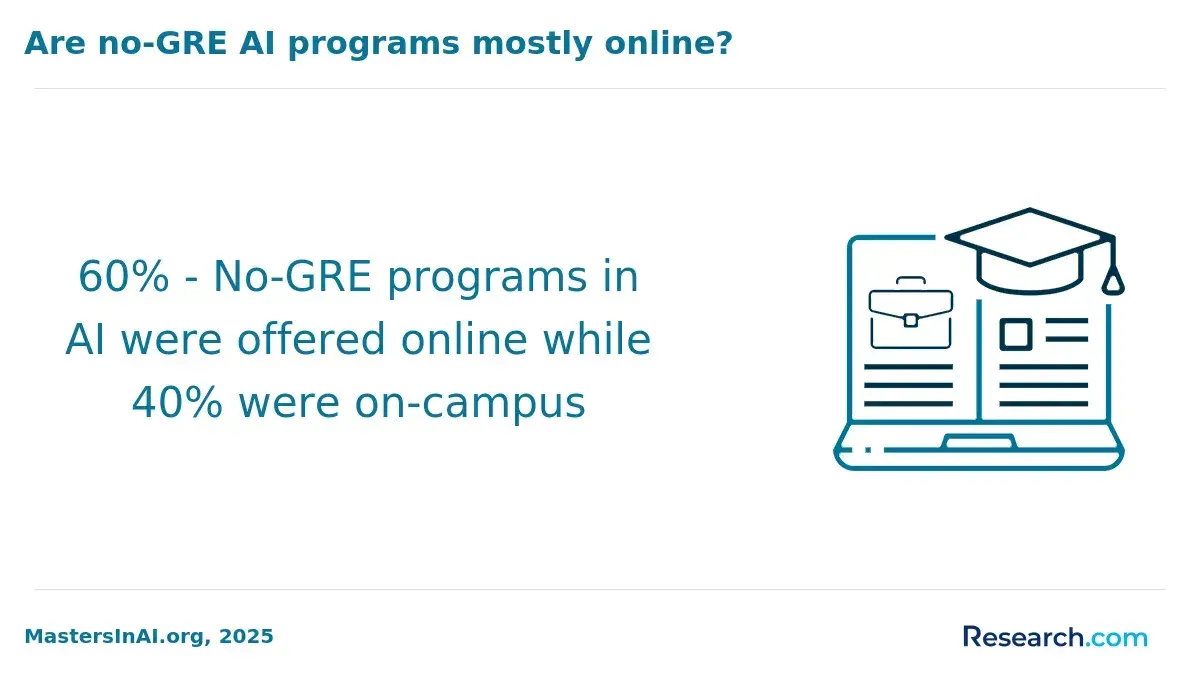
Online ai courses for workforce planning offer unmatched flexibility and accessibility, making them ideal for professionals balancing work and personal commitments. These courses allow learners to move at their own pace and often include specialized modules on people analytics, a crucial skill for workforce planning teams. Unlike on-campus programs that require scheduled attendance and longer commitments, online options provide convenience without sacrificing quality.
Bootcamps deliver intensive, hands-on experiences with practical projects and networking opportunities but typically lack the academic depth and university-backed certification valued by many employers. University-backed online certificates strike a balance by combining rigorous academic standards with remote learning convenience. According to the 2024 IBM Global AI Adoption Index, organizations offering formal ai upskilling programs, including those focusing on people analytics, report 36% better outcomes in HR decision-making quality.
When selecting a program, consider:
- Your available time and learning style
- Whether you seek deep theoretical knowledge or quick, practical skills
- The value of recognized credentials in your industry
For many workforce planning professionals, university-backed online ai certificates provide credible credentials alongside flexible, targeted instruction. This blend often proves more effective than bootcamps or traditional on-campus degrees for those aiming to enhance their career in workforce analytics.
What are typical admission requirements and prerequisites for AI workforce planning certificates?
Admission requirements for AI workforce planning certificate programs typically include a bachelor's degree in fields like business, computer science, engineering, or data analytics. Some programs also accept candidates with significant professional experience in workforce management or analytics instead of formal education. Foundational skills in statistics, basic programming-often Python or R-and familiarity with data visualization tools are commonly expected to help students work effectively with AI modeling techniques.
Applicants often need to demonstrate proficiency in quantitative methods through coursework or standardized tests. This may involve transcripts from classes in linear algebra, probability, or machine learning basics. Advanced certificates sometimes require prior experience with workforce data systems or enterprise resource planning (ERP) software, ensuring students understand how AI integrates within organizational operations.
Programs may offer tiered prerequisites: entry-level tracks usually require no previous AI experience, whereas advanced courses expect completion of foundational AI or data science modules. Employers increasingly recommend or require these certifications, as firms using AI-driven workforce models report productivity improvements more than three times greater than those without such technologies, according to McKinsey's State of AI report.
Students should carefully review specific program criteria, as admission standards vary widely depending on the certificate's depth and focus, balancing education, technical skills, and practical experience.
How long do AI workforce planning certificate programs take, and what do they cost?
AI workforce planning certificate programs vary in length from about 4 weeks to 6 months, depending on course intensity and format. Intensive bootcamps or focused courses may be completed in as little as one month with full-time study, while part-time offerings can extend over half a year. Many online certificates offer flexible schedules, allowing learners to balance work and study by spreading weekly learning hours.
Costs typically range between $1,000 and $5,000, with shorter courses generally on the lower end. University-affiliated or specialized professional programs may charge higher fees. Corporate or cross-functional training that integrates AI into HR, finance, and operations teams often exceeds $5,000, delivering broader organizational benefits.
Choosing a program aligned with your role is essential for maximizing value. Research from Great Place to Work's 2024 analysis shows companies that provide cross-departmental AI training are 56% more likely to exceed revenue goals. This underscores the strategic advantage of investing in programs designed for diverse operational contexts.
When selecting a certificate, consider duration, cost, curriculum focus, certificate recognition, and practical application opportunities. Balancing these factors helps build a successful AI-competent workforce planning career.
What career paths and job roles can AI-trained workforce planning professionals pursue?
AI-trained workforce planning professionals are expanding their careers across industries by integrating artificial intelligence into human resources and operational strategies. Key roles include AI workforce analysts who use data models to optimize labor costs and forecast talent needs, and workforce planners specializing in AI-driven automation to create adaptive scheduling systems. Talent management strategists apply machine learning to improve recruitment and retention processes.
AI ethics officers in workforce planning play an essential role in establishing ethical guidelines and governance frameworks. According to NAVEX's 2024 Risk & Compliance Benchmark Report, 62% of organizations deploying AI in HR provide formal training in AI ethics and governance to address regulatory and reputational risks. Skills in this area are highly sought after for compliance and risk management roles.
Workforce data scientists transform complex HR data into actionable insights through AI-powered predictive analytics, aiding leadership in decisions on talent mobility, diversity, and skills development. AI integration specialists ensure smooth deployment of AI tools with existing HR systems to enhance workflow automation. Consulting positions advising on AI workforce strategies and product management for AI-driven HR solutions are other career paths.
Proficiency in AI interpretation, bias mitigation, and governance compliance supports advancement in sectors such as healthcare, finance, and manufacturing, where strategic workforce planning increasingly depends on AI for agility and compliance.
What salary ranges and advancement opportunities exist for roles using AI in workforce planning?
Salary ranges for roles involving ai in workforce planning vary significantly based on experience, industry, and job function. Entry-level ai workforce analysts earn between $65,000 and $85,000 annually. Mid-career professionals, such as ai data scientists and workforce optimization specialists, typically make from $90,000 to $130,000. Senior-level positions, including ai strategy managers or director-level workforce planners, often command $140,000 to over $180,000 per year.
Career advancement frequently follows a path from data analysis and model implementation to strategic leadership and innovation roles. Specializing in ai integration can lead to managing company-wide transformation initiatives or developing proprietary predictive tools. For example, certified ai workforce program directors, especially in technology and consulting, may earn above $170,000 annually.
The Accenture "Work, Workforce, Workers" study highlights that organizations combining ai adoption with structured employee training see a 27% higher return on investment than those investing in tools alone. This emphasizes the value of formal ai education and certifications in improving effectiveness and career growth. Professionals holding recognized ai certificates show stronger alignment of solutions with business goals, positioning them for promotions and leadership positions.
To maximize career potential, workforce planning professionals should pursue certifications in relevant ai tools such as machine learning, natural language processing, and predictive analytics, alongside strategic workforce management training. This blend of technical capability and business insight accelerates salary growth and leadership opportunities.
How should workforce planning teams choose the best AI course for their industry and goals?
Workforce planning teams seeking the best AI course should align course content with their industry needs and strategic goals. Determine whether focus areas include data analytics, automation, or predictive modeling, then select a program emphasizing those skills. For example, healthcare teams may prioritize AI applications in patient data management, while manufacturing prefers courses on supply chain optimization.
Evaluate courses for practical training depth. Programs offering hands-on projects using real datasets enable teams to apply theory directly to workplace challenges. Certificate recognition by industry leaders or accredited institutions ensures career relevance and advancement.
Consider the instructional format in relation to team availability. Synchronous live sessions with expert instructors promote active learning and immediate feedback. Alternatively, asynchronous courses offer flexible schedules but require self-discipline. Teams should choose formats that complement their workflow.
The 2024 PwC Global AI Jobs Barometer highlights that employer-sponsored AI training makes workers 1.8 times more likely to move into higher-paying, analytics-intensive roles than those relying on self-study or no training, demonstrating the impact of formal learning on workforce growth.
Compare costs against benefits, as investing in specialized AI courses often yields returns through enhanced efficiency and innovation. Verify that course content updates continuously to include emerging AI tools and regulatory compliance.
Other Things You Should Know About Artificial Intelligence
One major challenge is data quality and availability, as AI models need accurate and comprehensive data to provide reliable forecasts. Additionally, integrating AI into existing workforce systems can require significant technical adjustments and employee training. Resistance to change within organizations and concerns about data privacy also complicate AI adoption in workforce planning.
Artificial intelligence is designed to augment rather than fully replace human decision-making in workforce planning. It helps analyze large datasets and identify trends that humans might miss, but human judgment is critical for interpreting AI outputs and making strategic decisions. Effective workforce planning combines AI insights with human expertise to address complex and context-specific issues.
AI models use a variety of data types including historical workforce data, employee performance metrics, attendance records, recruitment and turnover statistics, and external labor market trends. Some models also incorporate economic indicators and industry benchmarks to improve accuracy. The diversity and relevance of data significantly impact the model's forecasting capabilities.
Selecting the appropriate AI course is vital for workforce planning teams to ensure they receive updated knowledge tailored to 2026 industry trends. This provides teams with the skills needed to effectively implement AI solutions and achieve certification objectives, enhancing both individual and organizational capabilities.
References
- Top 8 AI Workforce Management Use Cases for 2026 | iMocha https://www.imocha.io/blog/ai-workforce-management
- Applying Artificial Intelligence for Workforce/HR Optimization https://decisionbrain.com/applying-ai-for-workforce-hr-optimization/
- 8 Best AI Courses to Train Employees & Boost Efficiency - David Hooi https://davidhooi.com/8-best-ai-courses-to-train-employees-boost-efficiency/
- Workforce Planning with AI Tools and Best-Practices https://mihcm.com/resources/blog/workforce-planning-with-ai-tools-and-best-practices/
- AI HR Certification Programs & Courses - MastersInAI.org https://www.mastersinai.org/certifications/ai-for-hr/
- Generative AIShort Course https://bootcamps.imperial.ac.uk/short/generative-ai/
- Career Paths in the AI Era: What Roles Are Growing and How to Position Yourself https://www.businessplusai.com/blog/career-paths-in-the-ai-era-what-roles-are-growing-and-how-to-position-yourself
- Workforce Planning Manager Certifications: Best Credentials to Advance Your Career | Teal https://www.tealhq.com/career-paths/workforce-planning-manager-certifications
- Rethinking Strategic Workforce Planning with AI Agents https://kpmg.com/us/en/articles/2025/strategic-workforce-planning-with-ai-agents.html
- AI-Powered Workforce Planning - Industrial Relations Centre - Queens University https://irc.queensu.ca/learning/programs/ai-powered-workforce-planning/