2027 Best Agentic AI Courses for Senior Managers

Co-Founder and Chief Data Scientist
Senior managers frequently face challenges when leading teams through digital transformation, especially in industries increasingly driven by agentic AI technologies. Many find it difficult to acquire relevant AI skills quickly while managing ongoing responsibilities. The demand for targeted education that bridges leadership experience with technical knowledge grows as organizations require informed decision-makers to steer AI integration effectively.
This article explores the best agentic AI courses designed specifically for senior managers, highlighting flexible, accredited programs that enable career pivots and equip leaders with the strategic understanding needed to leverage AI in complex business environments.
Key Things You Should Know
- Agentic AI courses for senior managers focus on decision-making, leadership in AI-driven environments, and ethical AI deployment, reflecting a 42% industry growth rate in executive AI roles through 2025.
- Programs emphasize practical skills in managing autonomous AI systems, with 65% of surveyed managers reporting improved operational efficiency post-training.
- The top courses integrate interdisciplinary AI knowledge with business strategy, critical for navigating evolving AI regulations projected to affect 58% of U.S. enterprises by 2026.
Advance Your Career with AI Online Courses
Artificial Intelligence: Implications for Business Strategy
This program provides an introduction to Artificial Intelligence and their implications for business strategy. Earn an official digital certificate.

Oxford Artificial Intelligence Programme
Explore this Oxford Artificial Intelligence programme offered in a flexible learning environment and explore topics like machine learning, automation, and robotics.

Implementing Agentic AI: Building Your Organizational Playbook
This online MIT Agentic AI course offers a practical approach to deploying AI agents in your organization, including a custom playbook. 3 weeks, exclusive launch price.

AI Adoption: Driving Business Value and Impact
This online MIT AI Adoption: Driving Business Value and Impact offers practical frameworks to close the gap between AI potential and business reality.

Artificial Intelligence in Pharma and Biotech
Discover the applications and limitations of artificial intelligence in pharma and biotech with this MIT online short course.

What is agentic AI and why does it matter for senior managers today?
Agentic AI refers to AI systems capable of autonomous decision-making and goal-directed behavior without constant human oversight. This technology enables machines to plan, execute, and adapt actions dynamically, altering traditional management strategies. The agentic AI impact on senior management decision making is profound, shifting AI's role from a passive tool to an active business participant.
Senior executives recognize the importance of agentic AI adoption for executive leadership as it optimizes workflows, personalizes customer experiences, and drives innovation. For instance, agentic AI can automate supply chain logistics, manage financial risks, and tailor marketing campaigns in real time, allowing organizations to stay competitive.
Practical challenges for senior managers include ensuring AI accountability, managing ethical concerns, and integrating AI outputs with human judgment. Managers must:
- Develop AI literacy to understand autonomous system outputs
- Establish governance frameworks for responsible AI use
- Coordinate cross-functional teams to align AI with business goals
Embracing these competencies creates more agile, data-driven cultures. Students and professionals interested in mastering the skills needed for this growing field can explore advanced degrees seen in the data science master US ranking. This expertise ensures leaders are prepared for the expanding role of AI in decision making and strategic leadership.
Advance Your Career with AI Online Courses
Artificial Intelligence: Implications for Business Strategy
This program provides an introduction to Artificial Intelligence and their implications for business strategy. Earn an official digital certificate.
Oxford Artificial Intelligence Programme
Explore this Oxford Artificial Intelligence programme offered in a flexible learning environment and explore topics like machine learning, automation, and robotics.
Implementing Agentic AI: Building Your Organizational Playbook
This online MIT Agentic AI course offers a practical approach to deploying AI agents in your organization, including a custom playbook. 3 weeks, exclusive launch price.
What defines a high-quality agentic AI course specifically designed for senior managers?
A high-quality agentic AI training program tailored for senior managers combines strategic insight with practical applications designed for executive leadership. These programs focus on integrating autonomous AI agents into decision-making processes, emphasizing risk management, ethical considerations, and operational efficiency. Senior managers gain frameworks to oversee AI-driven automation while ensuring alignment with organizational goals and maintaining essential human oversight.
Essential features of agentic AI courses tailored for executive leadership include detailed modules on agentic AI architecture, real-world case studies across finance, healthcare, and supply chain industries, and workshops on interpreting AI outputs for strategic decisions. Courses often provide advanced risk assessment techniques addressing AI biases, security vulnerabilities, and regulatory compliance.
Practical components emphasize hands-on experience with current agentic AI platforms, enabling managers to lead deployment teams and monitor agent performance metrics aligned with business objectives. Additionally, these programs train executives to manage change and promote collaboration between AI systems and human workers, fostering effective digital transformation leadership.
With the agentic AI market expected to reach a $110-120 billion valuation by 2030 and grow at over 40% CAGR from 2024, senior managers must develop expertise in this area to remain competitive. Prospective students interested in AI-related fields may also consider the cheapest engineering degree programs as a pathway to foundational skills in technology and innovation.
How do agentic AI executive programs compare to traditional AI and data analytics courses?
Agentic AI executive programs focus on developing decision-making autonomy, the orchestration of AI workflows, and strategic implementation, setting them apart from traditional AI courses. Unlike conventional programs that emphasize data modeling, statistics, and machine learning algorithms, these programs train senior managers to lead initiatives involving multiple AI agents working independently and collaboratively to tackle complex business problems.
The impact of agentic AI training on data analytics skills for senior managers is evident as participants gain expertise in managing AI agents that dynamically adjust models in response to shifting market conditions.
These executive courses prioritize applications such as automating workflows, optimizing operations, and enhancing customer engagement. They provide frameworks for addressing ethical AI deployment, coordinating cross-functional AI projects, and measuring AI investment ROI comprehensively. Senior managers also acquire risk management and organizational change capabilities, often missing from traditional AI and data analytics courses.
Enterprises scaling AI with agentic workflows often realize substantial returns. According to McKinsey's update, 27% of EBIT in these companies is now attributable to AI and advanced analytics, underscoring the need for robust executive education. For those interested in expanding their technological expertise, program choices range widely-from agentic AI to specialized fields like game design, where a game development degree online offers flexible learning paths tailored for working professionals.
Agentic AI executive programs versus traditional AI courses in senior management highlight a shift toward leadership roles that integrate autonomous AI agents and strategic governance, empowering senior managers to drive enterprise-wide AI adoption effectively.
Which U.S. universities and institutions offer the best agentic AI courses for executives?
Leading U.S. universities offer some of the best agentic AI courses for senior managers focused on integrating AI with strategic decision-making and governance. Stanford University's Professional Education programs emphasize agentic AI leadership with insights tailored for regulated industries. MIT Sloan School of Management highlights risk management and compliance, addressing concerns as 80% of large organizations anticipate new AI regulations by 2026, according to Gartner's predictions. These courses help managers create frameworks that align AI deployment with evolving legal standards.
The University of California, Berkeley provides interdisciplinary programs combining computer science, ethics, and business governance. Its agentic AI curriculum prepares managers to oversee autonomous AI systems while ensuring accountability. Carnegie Mellon University's Tepper School of Business focuses on practical AI deployment in complex organizations, and Northwestern University's Kellogg School of Management integrates AI strategy with leadership development.
When choosing from the top U.S. universities offering executive agentic AI programs, prospective students should prioritize courses addressing:
- Compliance with emerging AI regulations
- Managing autonomous AI systems' risks
- Implementing governance frameworks for ethical AI
- Strategic application of agentic AI in business
Selecting programs with strong focus on risk, governance, and compliance is vital amid increasing regulatory pressure. Professionals interested in adjacent fields may also consider a cyber security course to complement their AI expertise.
How should senior managers choose between online, hybrid, and on-campus agentic AI programs?
Senior managers choosing between online, hybrid, and on-campus agentic AI programs should consider their learning goals, time constraints, and organizational needs. Online formats offer the greatest flexibility, allowing busy professionals and remote workers to engage through self-paced modules without disrupting their schedules.
Hybrid programs blend online learning with occasional in-person sessions. This option facilitates hands-on workshops and peer collaboration, making it suitable for those seeking both convenience and interactive experiences essential for complex agentic AI topics.
On-campus programs provide immersive environments with access to cutting-edge research facilities, practical labs, and real-time faculty interactions. These are ideal for leaders desiring deep engagement but require a substantial time commitment, which may challenge those with demanding roles.
Budget considerations are crucial. Research from Deloitte highlights that 68% of large enterprises are increasing AI-related training investments, indicating growing industry emphasis. Online courses often reduce costs related to travel and lodging, while on-campus programs may justify higher investment through experiential learning quality.
Key factors include accreditation, curriculum relevance to specific industry applications of agentic AI, and post-course support availability. Aligning program choice with personal learning styles and corporate priorities enhances training impact in this dynamic field.
What core skills and topics do leading agentic AI courses for managers typically cover?
Senior managers who pursue agentic AI courses develop essential skills for effective leadership in AI-driven environments. These programs cover fundamental concepts such as machine learning models, natural language processing, and automation technologies. This knowledge equips managers to critically assess AI tools and their relevance within their organizations.
Strategic integration of AI is a key focus, helping managers align AI initiatives with business goals, optimize workflows, and drive innovation. A strong emphasis is placed on risk management and ethics, addressing data privacy, algorithmic bias, and compliance to ensure responsible AI deployment and sustain stakeholder trust.
Leadership in AI transformation involves managing change, fostering collaboration between technical and non-technical teams, and building an AI-ready culture. Practical skills include interpreting AI insights and applying them to business strategies.
Examples of AI applications covered include automated customer service, predictive analytics for supply chain optimization, and AI-powered talent management. Gaining managerial AI literacy enables evaluation of technology ROI and guides ethical use.
These skills address critical challenges like bridging AI and business impact, mitigating risks, and accelerating adoption. Results reflect this focus, as 82% of organizations that upskilled managers in AI report measurable productivity gains within 12 months of training completion.
What are the common admission requirements for executive-level agentic AI certificates and programs?
Executive-level agentic AI certificates and programs typically require extensive professional experience and a solid foundation in AI and leadership. Candidates often need 5 to 10 years in senior management roles, emphasizing strategic decision-making skills. Demonstrated exposure to AI concepts, data analytics, or technology management is also essential, which may include documented completion of introductory AI courses or equivalent technology leadership experience.
Academic prerequisites generally include a bachelor's degree from an accredited institution in fields such as business, engineering, or computer science. Some programs request transcripts or proof of quantitative skills like statistics or programming to ensure the technical competency needed for managing AI initiatives. Aptitude may be evaluated through standardized tests or internal assessments focusing on logical reasoning and problem-solving.
Applicants frequently submit professional references or statements of purpose to illustrate leadership style and motivation for AI integration. Evidence of innovation or experience in digital transformation is valuable, often supported by case studies of AI implementations or business improvements.
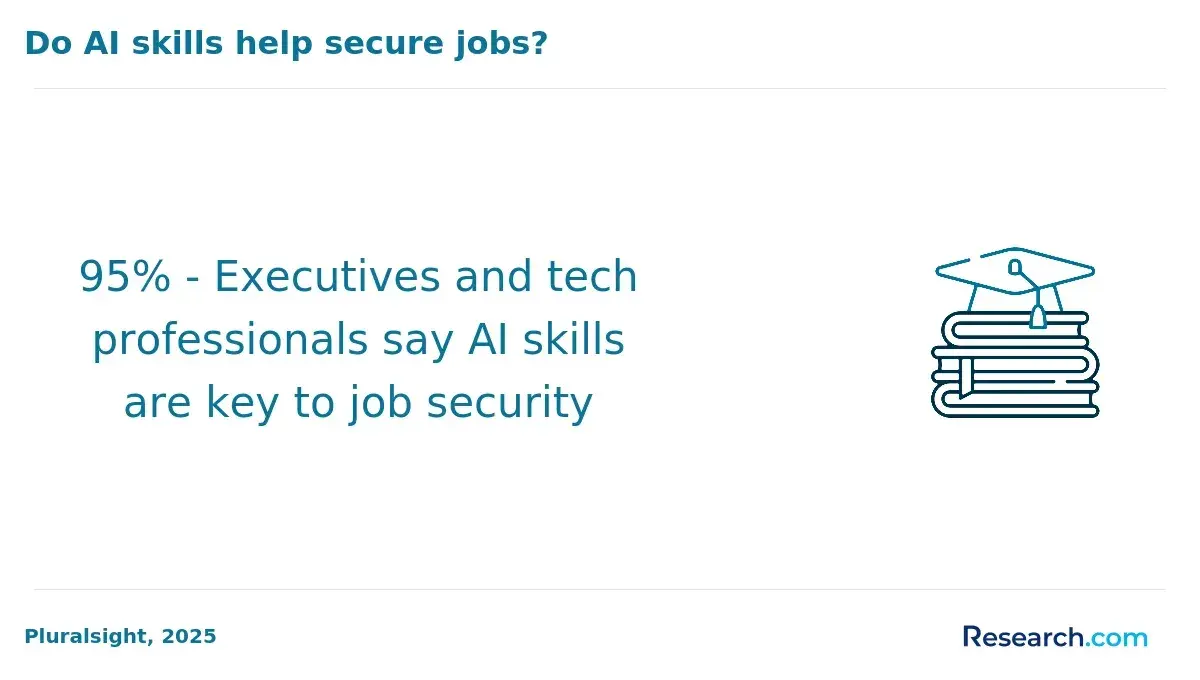
Leaders skilled in agentic AI enjoy a compensation advantage of 18-20% more than peers without such expertise, according to Heidrick & Struggles. Preparing a mix of executive credentials and measurable AI engagement increases admission chances and career growth potential.
How long do agentic AI courses for senior leaders take, and what do they cost?
Agentic AI courses designed for senior leaders range from intensive one-day workshops to multi-week executive programs lasting up to eight weeks. Shorter courses typically provide 8 to 16 hours of foundational knowledge, catering to busy executives seeking strategic insights. In contrast, extended programs offer 20 to 40 hours of instruction, combining case studies, practical exercises, and leadership frameworks to help scale agentic AI across organizations.
Pricing varies widely by provider, format, and course depth. Workshop-style sessions generally cost between $1,500 and $5,000 per participant, while comprehensive certificates or executive courses range from $5,000 to $15,000. Custom corporate training, especially on-site tailored instruction, can be significantly more expensive. Many offerings include access to online resources and follow-up advisory support, which can influence overall cost.
Practical focus is critical, as only 8% of organizations have effectively scaled generative and agentic AI across multiple business units, according to BCG's report. Programs emphasizing cross-unit adoption, ethics, and governance better prepare leaders for widespread implementation rather than just pilot projects.
When choosing a course, senior leaders should consider organizational readiness and learning objectives. Short programs suit those needing strategic overviews, while longer courses support detailed implementation planning and change management. Aligning training with real-world deployment challenges can enhance cost-effectiveness and leadership impact.
What leadership roles, salary ranges, and career outcomes can agentic AI training unlock?
Agentic AI training prepares professionals for high-level leadership roles including Chief AI Officer, AI Strategy Director, and Head of Digital Transformation. These positions demand deep expertise in autonomous decision-making systems and their integration with business operations. Senior managers skilled in agentic AI can expect substantial salaries, typically ranging from $150,000 to $300,000 annually, reflecting a strong market need for AI-literate leadership.
Beyond top-tier roles, mid-level managers with agentic AI skills often advance into product management, innovation leadership, and AI governance. These roles emphasize managing AI-driven projects, ensuring ethical compliance, and enhancing strategic AI value, with an average salary increase between 20% and 35%. Organizations prioritize these skills as vital competitive advantages.
Leadership shortages in AI expertise pose a significant risk. According to KPMG's "2024 CEO Outlook: AI, Risk and Leadership Readiness," 72% of CEOs cite insufficient AI-literate leadership as their chief barrier to realizing AI's potential.
Agentic AI training helps leaders to:
- Implement autonomous AI systems responsibly across business units
- Address regulatory and ethical challenges associated with agentic AI
- Drive innovation by leveraging machine autonomy for scalable decision-making
- Lead cross-functional teams that integrate AI insights with strategic business goals
Mastering agentic AI builds resilience in a shifting job market and positions leaders to guide future-ready organizations effectively.
How can executives verify accreditation, certificates, and real-world impact of agentic AI programs?
Executives should verify agentic AI program credentials by checking for accreditation from respected institutions like AACSB for business or ABET for technology, ensuring authenticity through official channels. Certificates that emphasize leadership, strategic AI application, and executive decision-making are more valuable than generic credentials. It is important to confirm that learning outcomes align with AI governance and senior management needs.
To evaluate a program's real-world impact, review metrics such as participant career advancement, organizational AI adoption rates, and cost savings resulting from internal AI capabilities. For example, Accenture's research highlights that companies investing in structured training for leaders reduced external AI consulting expenses by 24% over two years. Examining alumni success stories and case studies can provide insight into a program's applicability.
Request detailed examples of projects that demonstrate measurable business results. Connecting with alumni or faculty can offer further clarity on curriculum rigor and ongoing support. Prioritize programs with transparent post-certification outcomes and strong industry partnerships, indicating their alignment with evolving challenges in agentic AI leadership.
Other Things You Should Know About Artificial Intelligence
The 2027 Best Agentic AI Courses for Senior Managers focus on strategic AI implementation, ethical decision-making, managing AI-driven change, and ensuring robust data quality. These courses emphasize real-world applications, ensuring that senior managers can effectively integrate AI into their organizations to drive growth and innovation.
Integrating AI often requires significant changes in workflows, skill sets, and company culture. Senior managers should anticipate resistance by involving employees early and providing training to ease transitions. Effective communication about AI's benefits and limitations helps align teams toward shared goals during the adoption process.
Data quality is foundational for reliable AI outcomes. Poor, incomplete, or biased data can lead to inaccurate predictions and flawed decision-making. Senior managers must prioritize robust data governance practices, including regular data audits and cleansing, to ensure AI models are trained on high-quality input.
One widespread misconception is that AI can fully replace human judgment; however, AI is best seen as a tool that augments decision-making rather than a standalone solution. Another is underestimating the time and resources required for AI implementation, which often involves ongoing tuning and interdisciplinary collaboration.
References
- Agentic AI adoption: A leader's roadmap to enterprise governance and AI training for employees https://writer.com/blog/responsible-ai-adoption-and-training/
- Agentic AI https://www.deeplearning.ai/courses/agentic-ai
- Best AI Agent Courses for C-Level Leaders (2026 Guide) https://aiagentsacademy.ai/blog/best-ai-agent-courses-c-level-leaders-2026
- NVIDIA Agentic AI LLMs Certification https://www.nvidia.com/en-us/learn/certification/agentic-ai-professional/
- Empower Business with Analytics and Artificial Intelligence https://www.acceldata.io/blog/how-agentic-ai-is-elevating-data-analytics-and-decision-making
- Agentic AI Training for Project Managers | EmergenTeck 2026 https://emergenteck.in/agentic-ai-training-for-project-manager/
- Agentic AI: The New Software Paradigm | AI Campus https://ki-campus.org/en/blog/agentic-ai
- Blog Details https://infinenetech.com/blog/agentic-ai-vs-managers-us-business-guide-2026
- How to Pick the Right Generative AI or Agentic AI Program Without Overpaying or Wasting Money https://dev.to/rahul_saxena_09/how-to-pick-the-right-generative-ai-or-agentic-ai-program-without-overpaying-or-wasting-money-20g1
- GenAI & Agentic AI Course for Managers & Leaders - Learnbay https://www.learnbay.co/genai-agentic-ai-managers-leaders