2027 Best AI Courses for Academic Researchers

Co-Founder and Chief Data Scientist
Many academic researchers face challenges integrating artificial intelligence into their work due to a lack of accessible, relevant training. Shifting from unrelated fields often requires flexible learning options that accommodate busy schedules without compromising accreditation. This creates barriers to adopting cutting-edge tools and methodologies essential for advancing research. Identifying courses that balance rigor, flexibility, and practical application is critical for those aiming to pivot efficiently.
This article evaluates top AI courses designed for academic researchers, highlighting pathways that enable skill development while maintaining professional and academic commitments.
Key Things You Should Know
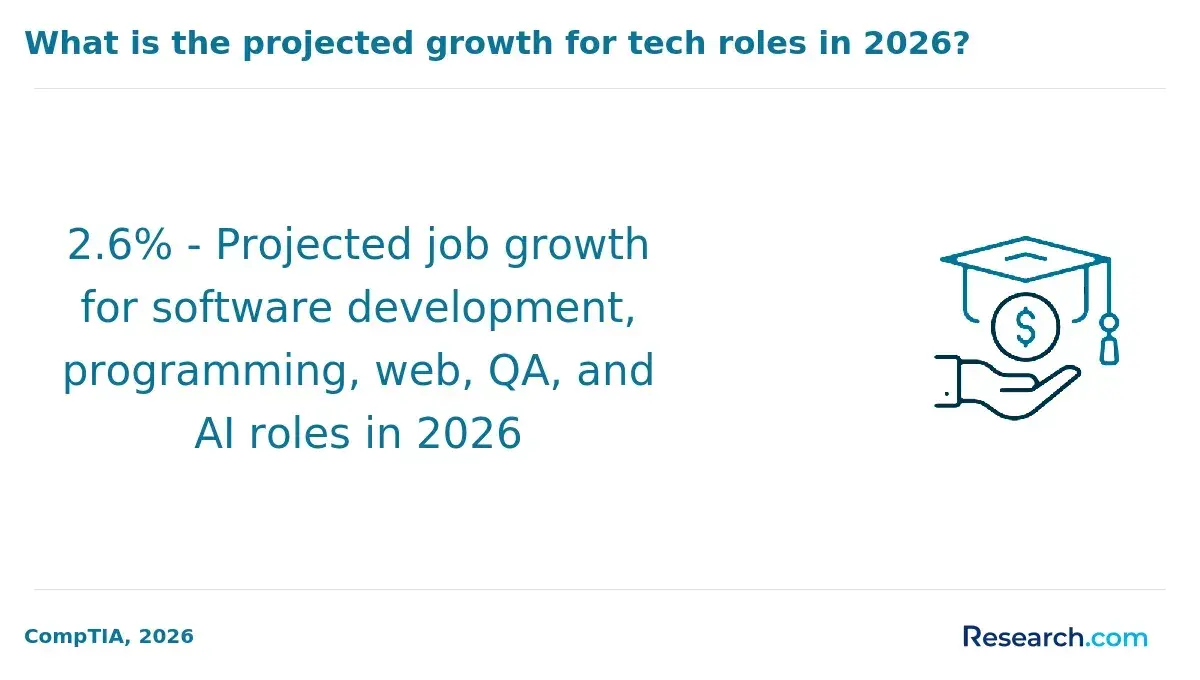
- Top AI courses in 2026 integrate hands-on research applications, with 78% of programs offering real-world datasets for academic use, enhancing practical skills for researchers.
- Key offerings include advanced machine learning, natural language processing, and ethics, reflecting a 45% increase in courses addressing AI fairness and bias since 2024.
- Many institutions now provide part-time and online options, supporting 60% of academic researchers balancing teaching and study, with increasing employer recognition of such credentials.
Advance Your Career with AI Online Courses
Artificial Intelligence: Implications for Business Strategy
This program provides an introduction to Artificial Intelligence and their implications for business strategy. Earn an official digital certificate.

Oxford Artificial Intelligence Programme
Explore this Oxford Artificial Intelligence programme offered in a flexible learning environment and explore topics like machine learning, automation, and robotics.

Implementing Agentic AI: Building Your Organizational Playbook
This online MIT Agentic AI course offers a practical approach to deploying AI agents in your organization, including a custom playbook. 3 weeks, exclusive launch price.

AI Adoption: Driving Business Value and Impact
This online MIT AI Adoption: Driving Business Value and Impact offers practical frameworks to close the gap between AI potential and business reality.

Artificial Intelligence in Pharma and Biotech
Discover the applications and limitations of artificial intelligence in pharma and biotech with this MIT online short course.

What are the best AI courses specifically designed for academic researchers today?
The best ai courses designed specifically for academic researchers blend practical applications, data analysis, and integration of AI methods into scholarly work. Leading programs like Stanford University's "AI for Research" focus on machine learning techniques tailored to scientific datasets, while MIT's "Artificial Intelligence: Implications for Research and Society" examines ethical AI use and reproducibility. These courses equip researchers with skills in efficient data handling, predictive modeling, and automation of research workflows.
Top artificial intelligence training programs for researchers emphasize essential tools such as Python, TensorFlow, and natural language processing to analyze large datasets. For example, Coursera's "Applied AI for Research" specialization features case studies across biomedical, social sciences, and physical sciences, increasing their relevance to diverse research fields. Researchers should also explore courses addressing AI-driven literature reviews and meta-analysis techniques to enhance their methodologies.
A 2025 HiBob study revealed that 63% of businesses link AI proficiency to promotions and 31% to pay increases, highlighting the career benefits of these skills. Hands-on projects and certification in these programs provide tangible advantages. Flexible offerings from universities and platforms like Udacity, edX, and LinkedIn Learning help researchers balance ongoing projects with skill development.
For those seeking advanced education in related areas, an accelerated bachelor's degree computer science can supplement AI expertise and open new career pathways.
Practical advice: choose courses that mix theory and immediate research applications while offering recognized credentials to demonstrate AI competence in both academic and industry circles.
Advance Your Career with AI Online Courses
Artificial Intelligence: Implications for Business Strategy
This program provides an introduction to Artificial Intelligence and their implications for business strategy. Earn an official digital certificate.
Oxford Artificial Intelligence Programme
Explore this Oxford Artificial Intelligence programme offered in a flexible learning environment and explore topics like machine learning, automation, and robotics.
Implementing Agentic AI: Building Your Organizational Playbook
This online MIT Agentic AI course offers a practical approach to deploying AI agents in your organization, including a custom playbook. 3 weeks, exclusive launch price.
How can academic researchers decide between university AI programs, MOOCs, and specialized certificates?
Academic researchers deciding between university AI programs, MOOCs, and specialized certificates should consider their career objectives, time constraints, and the level of expertise required. University programs provide comprehensive curricula combining theory, research, and practical applications, making them ideal for researchers aiming for foundational mastery or academic careers. However, these programs demand a significant time and financial investment.
MOOCs are flexible and cost-effective, offering updated skills in specific AI topics without full enrollment. They suit researchers looking to quickly supplement or refresh their knowledge in areas like machine learning or natural language processing. Many leading institutions design these courses, allowing study at one's own pace. For those evaluating the best AI courses for academic researchers, MOOCs represent a practical option.
Specialized certificates focus on niche skills and tend to be shorter than full degrees. They help researchers develop proficiency in tools and frameworks applicable to their projects, enhancing employability and meeting industry demands more rapidly. When choosing between university AI programs and online certificates, certificates offer targeted expertise with quicker completion.
With AI job postings growing by 45% year-over-year and over 250,000 openings in the U.S., researchers should ask themselves:
- Do I need deep theoretical knowledge or practical skills?
- What timeline and budget suit my education?
- Which credentials best support my career advancement in academia or industry?
Prospective students can explore options and find accessible, affordable choices through resources like AI degree online to align their educational path with evolving AI market demands.
What should academic researchers look for when evaluating AI course quality and accreditation?
Academic researchers assessing ai course quality evaluation criteria should focus on curriculum relevance, instructor expertise, and proper accreditation. Programs need to cover foundational topics such as machine learning algorithms, data analysis, and ethical considerations thoroughly. It is important to verify whether faculty members are active researchers or industry professionals with published work or notable projects, as this often reflects updated and rigorous content. Accreditation from recognized bodies like ABET or regional educational authorities ensures the program adheres to established academic standards, increasing its acceptance by employers and other institutions.
Practical application opportunities are vital. Prioritize courses offering hands-on projects, case studies, and access to real-world datasets to foster skill development in environments similar to research settings. Beyond theory, proficiency in popular AI tools and programming languages like Python, TensorFlow, or PyTorch is essential for career readiness.
Flexibility in course delivery and pacing benefits researchers managing time constraints or multiple responsibilities, making asynchronous or hybrid formats valuable. Career support services such as workshops, internships, and industry networking further enhance outcome prospects. Notably, salary trends show AI engineer average salaries rising to $206,000, a $50,000 increase from the previous year, demonstrating high demand for skilled professionals.
Academic researchers course quality evaluation criteria also recommend reviewing course reviews, alumni feedback, and graduate outcomes to ensure program effectiveness in achieving academic or professional goals. Transparent metrics on completion rates and employment placements indicate high program quality. Those interested can explore the best data science master's programs for further options aligned with these standards.
Which AI skills and topics are most important for research-focused coursework and curricula?
Essential AI skills for research methodology and data analysis encompass foundational expertise in machine learning algorithms, data handling, and statistical modeling. Mastering supervised, unsupervised, and reinforcement learning is vital to designing experiments and interpreting results effectively. Practical programming abilities in Python and familiarity with libraries like TensorFlow and PyTorch help streamline the development and testing of AI models.
Key topics in artificial intelligence for academic research include advanced areas such as natural language processing, computer vision, and neural networks, particularly deep learning structures. These have widespread applications across biology, social sciences, and engineering disciplines. Ethical issues and data privacy are critical components, ensuring responsible use of technology in research contexts.
Research-focused coursework also requires rigorous statistical training and sound experimental design methods, linking AI techniques to conventional scientific practices. Expertise in big data management and cloud computing supports the increasing scale and complexity of datasets encountered in current research.
With a surge of 283% in demand for AI training roles globally, research curricula must emphasize experiential learning, project-based development, and cross-disciplinary collaboration. This trains students in important areas like bias detection, model interpretability, and automation effects. Core curriculum topics include applied machine learning, data preprocessing, algorithmic fairness, domain-specific toolkits, and collaborative coding practices:
- Applied machine learning and model evaluation
- Data preprocessing and visualization
- Algorithmic fairness and transparency
- Domain-specific AI applications and toolkits
- Collaborative research and coding practices
Prospective students looking to expand their expertise should consider exploring online cyber security courses that complement AI research skills.
How do online AI courses for researchers compare with on-campus and hybrid options?
Online AI courses offer flexibility and often lower costs compared to on-campus and hybrid formats. This makes them suitable for academic researchers balancing teaching and projects. They provide access to diverse expert instructors and resources without geographic limits. However, they lack face-to-face interaction and networking opportunities some researchers find essential for collaboration and mentorship.
Hybrid formats blend the benefits of both, offering occasional in-person sessions for hands-on labs, peer discussions, and direct faculty engagement, while keeping online lectures convenient. This suits researchers needing specialized equipment or collaborative environments but unable to attend full-time. On-campus courses provide structured settings and real-time support, critical for mastering complex machine learning algorithms or research methods in AI.
Working professionals seeking career shifts or skill upgrades often prefer online programs with updated curricula reflecting current industry demands. According to the World Economic Forum, by 2025, AI could replace 85 million jobs but create 97 million new ones, highlighting the need for quick adaptability through ongoing education.
Choosing a format involves balancing interaction, resources, and time flexibility. Researchers developing new AI methods may benefit from campus or hybrid models, while those integrating AI into existing work may favor online courses for rapid skill acquisition.
What are the typical admission requirements for AI courses aimed at academic researchers?
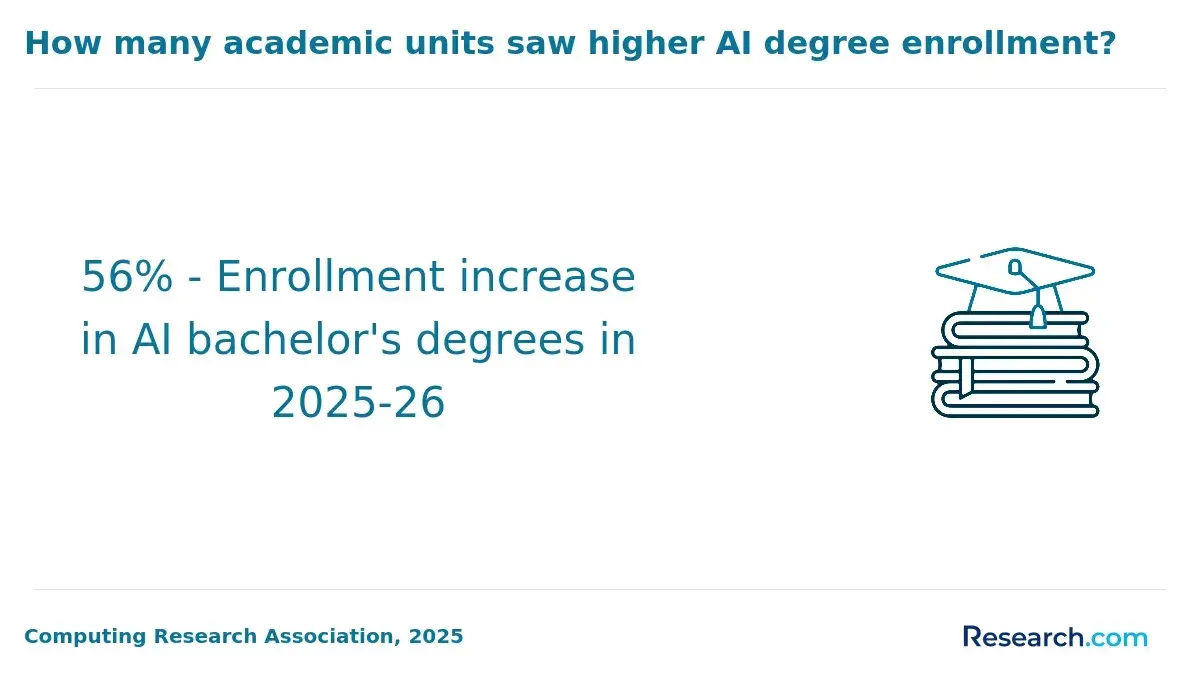
Admission to AI courses targeting academic researchers typically requires a strong background in quantitative and computational disciplines. Most programs expect applicants to have at least a bachelor's degree in computer science, engineering, mathematics, or related STEM fields. For graduate-level study, a master's degree or significant research experience is often necessary. Proficiency in programming languages like Python or R, and solid knowledge of algorithms, data structures, and statistics are essential.
Applicants usually must submit academic transcripts, a statement of purpose outlining their AI research interests, and letters of recommendation. Some institutions also ask for evidence of published work or relevant projects to evaluate both theoretical and practical skills. International candidates commonly provide TOEFL or IELTS scores to demonstrate English proficiency.
Competitive programs may request GRE scores, particularly the quantitative section, though some waive this for experienced researchers or advanced degree holders. Online AI courses designed for working professionals often emphasize professional experience over formal credentials and may require a portfolio showcasing AI-related projects or open-source contributions.
A 2025 research study highlights that AI careers frequently offer benefits beyond salary, including being twice as likely to provide parental leave and almost three times more likely to allow remote work. These factors are important for students balancing their education with career and personal commitments.
How long do AI courses for researchers usually take, and what do they cost in the U.S.?
AI education for academic researchers in the U.S. offers diverse options, from intensive workshops lasting one to four weeks to more extensive programs spanning three to six months. Professional certificates provided by top universities often allow part-time study over several months, fitting well with working professionals' schedules. Graduate courses usually last about a semester (roughly four months), aligning with university academic calendars.
Costs vary widely based on format and institution prestige. Short-term workshops generally cost between $500 and $2,000, ideal for focused skill development. Longer online certificate programs range from $1,500 to $5,000, while full graduate-level AI or machine learning courses can exceed $10,000 per semester. Some universities offer free audit options but charge fees for official certification.
Working researchers benefit from part-time and modular courses that provide flexibility, while bootcamps focus on faster skill acquisition. Funding opportunities such as employer sponsorship or financial aid can help offset expenses for longer commitments.
Recent studies reveal AI's impact on employment, noting reduced employment and shorter work hours among certain groups, including college-educated individuals. This highlights the importance of time-efficient AI courses that enable quick upskilling without prolonged career interruptions.
How do AI courses enhance academic research careers, grant competitiveness, and tenure prospects?
AI courses equip researchers with essential skills to analyze complex data and develop innovative methodologies, advancing academic careers significantly. Mastery of AI tools enhances grant competitiveness as funding agencies increasingly favor projects incorporating AI-driven approaches for efficiency and novelty. For example, understanding machine learning models can improve predictive analyses in fields like biology and economics, strengthening grant proposals.
Proficiency in AI also boosts tenure prospects, particularly in STEM and interdisciplinary disciplines. Tenure committees highly value faculty integrating AI into research, teaching, and service, recognizing this integration as a sign of leadership in cutting-edge scholarship.
Specialized skills such as prompt engineering meet emerging job market demands. A LinkedIn analysis of 20,662 postings found prompt engineering roles, although under 0.5% of jobs, require strong abilities in AI knowledge (22.8%), prompt design (18.7%), communication (21.9%), and creative problem-solving (15.8%). These interdisciplinary skills are valuable for academic settings where clear articulation of complex AI processes and innovative experimental design are vital.
Researchers can tailor their learning to include programming, data ethics, or AI applications in specific domains, aligning with funding priorities and institutional goals. Building AI proficiency not only enables leading-edge research but also establishes scholars as valuable collaborators and competitive grant applicants.
Which AI-related academic and industry roles can these courses prepare researchers to pursue?
AI-related roles in academia and industry cover diverse fields, including research, technology implementation, and policy. Professionals trained in AI techniques commonly pursue careers as data scientists, machine learning engineers, computational social scientists, and AI ethics specialists. Each role demands unique skills to meet the rising need for expertise that integrates human insight with AI capabilities.
Data scientists specialize in extracting valuable insights from large datasets using AI algorithms, often designing experiments and validating models across disciplines such as genomics and economics. Machine learning engineers focus on building scalable AI systems for applications in research labs or corporate R&D, enabling predictive analytics and automation of complex workflows.
Computational social scientists apply AI to study social behavior and network patterns, supporting policy development and social programs. AI ethics specialists tackle challenges around bias, transparency, and accountability in AI use-concerns underscored by a comprehensive 2026 study of job postings showing increased AI skill requirements since 2021.
Additional careers include AI research scientists advancing foundational techniques, product managers overseeing AI-driven tech, and policy advisors shaping regulations. Success in these roles requires both strong technical knowledge and effective communication of complex concepts.
Students and professionals should weigh their interest in theory versus application, as academic positions often prioritize advanced study and publication, while industry roles emphasize interdisciplinary collaboration and practical implementation.
Are there recommended AI certifications or microcredentials that strengthen an academic CV?
AI certifications and microcredentials greatly enhance an academic CV by validating specialized skills and a commitment to emerging technologies. For researchers, credentials such as Microsoft Certified: Azure AI Fundamentals, Google Cloud's Professional Machine Learning Engineer, and offerings from top universities via platforms like Coursera or edX provide trustworthy proof of expertise. These credentials often emphasize practical skills in machine learning, data analysis, and ethical AI, which are highly relevant for grant proposals, collaborations, and interdisciplinary work.
Employers and funding organizations increasingly view these certifications as evidence of current knowledge. AI microcredentials complement traditional academic achievements by quantifying technical competence that CVs alone may not convey. Completing specialized courses from institutions like Stanford or MIT can also signal a researcher's preparedness to engage in projects involving coding, algorithm design, and AI-driven data insights.
Research data shows wages in AI-related roles grew by 3.8% from Q2 2023 to Q2 2025, compared to 0.7% in less AI-impacted jobs (Axios), underscoring the professional value of AI expertise. Academic professionals should align certifications with their fields-bioinformatics experts might focus on AI for healthcare, while social scientists explore AI ethics and policy. Prioritizing microcredentials with hands-on projects or capstones strengthens applied skills and builds a progressive portfolio over time.
- Choose programs offering practical experience
- Build a sequence of microcredentials demonstrating growth
- Select topics relevant to your research discipline
Other Things You Should Know About Artificial Intelligence
Ethical concerns in artificial intelligence research include data privacy, algorithmic bias, and transparency in how AI models make decisions. Researchers must ensure that AI systems do not perpetuate existing social inequalities and that sensitive information is protected throughout the research process. Responsible AI practices often involve fairness assessments and clear documentation of methodologies.
Artificial intelligence is increasingly used to automate data analysis, identify complex patterns, and generate predictive models across many academic disciplines. It helps researchers handle large datasets more efficiently and supports hypothesis generation by uncovering insights that traditional methods might miss. AI tools also facilitate literature reviews and experiment simulations, optimizing research workflows.
Python is the most widely used programming language in artificial intelligence due to its extensive libraries, such as TensorFlow and PyTorch, which support machine learning and deep learning. R is also valuable for statistical analysis and data visualization. Researchers should focus on languages that integrate well with AI frameworks and support efficient experimentation.
In 2027, top AI courses for academic researchers include Stanford University's "Machine Learning Specialization," MIT's "Deep Learning for Research," and the University of Oxford's "AI for Scientific Research." These courses offer cutting-edge content in machine learning, deep learning, and practical applications tailored for research endeavors.
References
- Artificial Intelligence Course Guide: Eligibility, Admission Process, Scope & Careers https://www.tmu.ac.in/blog/artificial-intelligence-course-details-admission-scope-and-eligibility-criteria
- 6 AI Tools To Prepare Students for College and Career https://www.onegoal.org/about/blog/6-ai-tools-that-can-help-students-prepare-for-college-and-career/
- Best AI tools for academic research in 2026 https://lumivero.com/resources/blog/ai-tools-for-academic-research/
- Data Science & AI programs for professionals https://www.tue.nl/en/education/professional-education/current-programs/eaisi-academy/programs-for-professionals
- MS in AI in USA Eligibility Costs and Top Universities https://futurense.com/blog/ms-in-ai-in-usa
- Best AI Certificates 2026 – Free & Paid Options Explained https://www.oxfordhomestudy.com/OHSC-Blog/best-ai-certification
- Students Want Increased Online Options Without Sacrificing Relationships with Peers and Professors | Research Brief https://www.wgulabs.org/posts/students-want-increased-online-options-without-sacrificing-relationships-with-peers-and-professors
- edX | Online Courses, Certificates & Degrees from Leading Institutions https://www.edx.org/
- Blog https://admissiongoals.com/post/ai-machine-learning-programs-europe-admission-guide-international-students
- 46 AI tools for research: How to choose the best tool for your needs https://zendy.io/blog/ai-tools-for-research-comprehensive-list