2027 Best AI Courses for Pharma Market Access Teams

Co-Founder and Chief Data Scientist
Pharma market access teams face increasing pressure to leverage data-driven insights for strategic decision-making amid rising competition and complex regulatory environments. Many professionals lack formal training in artificial intelligence, limiting their ability to implement advanced analytical tools effectively. This skills gap hampers innovation and slows adaptation to fast-evolving technologies crucial for optimizing patient access and pricing strategies. Navigating this landscape requires practical, accessible education tailored specifically to pharma contexts.
This article highlights the best AI courses designed to equip market access teams with essential knowledge and technical competencies, enabling them to harness AI tools confidently and improve outcomes in their workflows.
Key Things You Should Know
- Pharma market access teams increasingly require expertise in artificial intelligence to optimize pricing strategies and reimbursement negotiations amid evolving healthcare policies.
- Leading 2026 AI courses focus on real-world applications in pharmacoeconomics, predictive analytics, and patient data integration, with many offering industry-recognized certifications.
- Enrollment in AI programs targeting pharma professionals rose by 35% from 2024 to 2025, reflecting growing demand for digital skills in market access roles.
Advance Your Career with AI Online Courses
Artificial Intelligence: Implications for Business Strategy
This program provides an introduction to Artificial Intelligence and their implications for business strategy. Earn an official digital certificate.

Oxford Artificial Intelligence Programme
Explore this Oxford Artificial Intelligence programme offered in a flexible learning environment and explore topics like machine learning, automation, and robotics.

Implementing Agentic AI: Building Your Organizational Playbook
This online MIT Agentic AI course offers a practical approach to deploying AI agents in your organization, including a custom playbook. 3 weeks, exclusive launch price.

AI Adoption: Driving Business Value and Impact
This online MIT AI Adoption: Driving Business Value and Impact offers practical frameworks to close the gap between AI potential and business reality.

Artificial Intelligence in Pharma and Biotech
Discover the applications and limitations of artificial intelligence in pharma and biotech with this MIT online short course.

What is pharma market access, and why do AI skills matter for these teams?
Pharma market access teams leveraging artificial intelligence play a crucial role in securing approval and reimbursement for new pharmaceutical products within healthcare systems. These professionals manage pricing strategies, negotiate with payers, and analyze healthcare policies to prove a drug's value, ensuring treatments reach patients affordably and promptly. AI skills are increasingly vital as they help handle complex data, forecast outcomes, and optimize pricing models with precision.
The importance of AI skills in pharma market access is underscored by a Deloitte report showing that 62% of global pharma executives consider AI and advanced analytics competencies essential, up from 41% just a few years earlier. AI-driven tools enable real-world evidence generation, patient segmentation, and cost-effectiveness analyses that directly influence payer decisions.
Key AI applications include predictive analytics to forecast treatment adoption and budget impacts, plus natural language processing for extracting insights from clinical trials and payer feedback. Without these skills, market access teams risk delays and lost revenue opportunities.
Proficiency in machine learning algorithms, data visualization, and healthcare databases like claims and electronic health records is important. Familiarity with AI frameworks supporting health economics research further benefits professionals navigating regulatory and payer environments.
Prospective students should explore courses that integrate AI with pharmaceutical data and market access topics. For those seeking strong education options, the top US colleges for data science offer relevant programs to build these in-demand skills.
Advance Your Career with AI Online Courses
Artificial Intelligence: Implications for Business Strategy
This program provides an introduction to Artificial Intelligence and their implications for business strategy. Earn an official digital certificate.
Oxford Artificial Intelligence Programme
Explore this Oxford Artificial Intelligence programme offered in a flexible learning environment and explore topics like machine learning, automation, and robotics.
Implementing Agentic AI: Building Your Organizational Playbook
This online MIT Agentic AI course offers a practical approach to deploying AI agents in your organization, including a custom playbook. 3 weeks, exclusive launch price.
Which AI skills are most valuable for pharma market access professionals to learn?
Pharma market access professionals increasingly rely on AI-driven data analysis for pharma market access to improve decision-making and operational efficiency. Mastery of data analytics and machine learning (ML) is fundamental, allowing experts to interpret real-world evidence and accurately forecast outcomes. Predictive modeling skills enable simulation of pricing and reimbursement scenarios, a key element in negotiation strategies.
Essential AI tools for pharmaceutical market access teams include natural language processing (NLP) to extract insights from unstructured sources like medical literature and payer communications. Proficiency in programming languages such as Python or R supports the creation of customized AI tools and automation of repetitive tasks, enhancing productivity. Data visualization skills help clearly convey results to stakeholders, aligning cross-functional teams effectively.
Knowledge of AI ethics and regulatory frameworks ensures compliance and builds trust among payers and regulators. Integrating AI-driven health economics and outcomes research (HEOR) models with traditional approaches broadens analytic capabilities. Additionally, understanding AI deployment in real-world patient access programs supports adherence and demonstrates value throughout product lifecycles. Market access professionals seeking advancement may benefit from exploring online engineering degrees to strengthen these competencies.
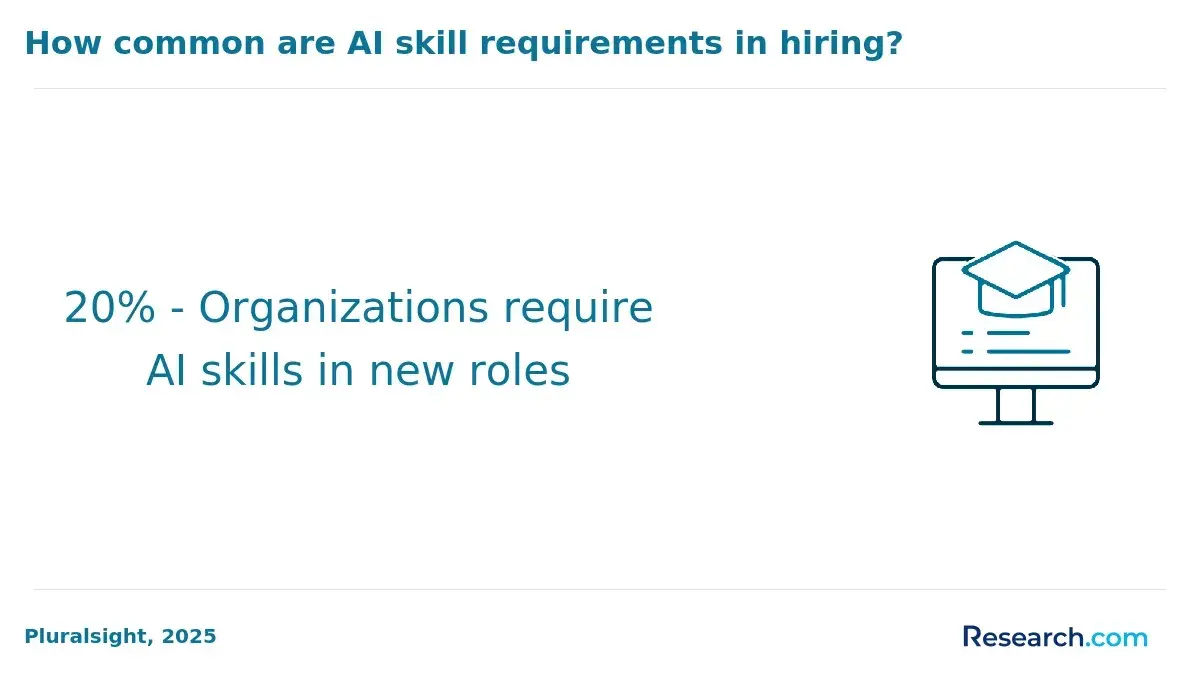
Between 2020 and 2024, job postings referencing AI or machine learning within market access or HEOR roles at biopharma organizations increased by 122% globally. This growth highlights the rising demand for professionals who skillfully apply AI to tackle strategic reimbursement challenges, facilitating evidence-based market entry and lifecycle management.
What types of AI courses best serve pharma market access teams today?
The best ai courses for pharma market access professionals emphasize applying data analytics, predictive modeling, and decision optimization to address market access challenges. Training often includes machine learning techniques for pricing strategy, reimbursement forecasting, and patient segmentation, supporting evidence-based access plans. Integrating real-world pharma datasets and case studies helps learners connect AI tools directly with gross-to-net optimization processes.
Pharma market access training in artificial intelligence applications benefits professionals by focusing on structured learning of advanced analytics platforms such as Python, R, or specialized pharma AI software. These programs go beyond theory, teaching interpretation of AI outputs for payer negotiation and value demonstration, which enhances strategic decision-making within market access teams.
Courses also cover regulatory compliance and ethical AI use in healthcare, strengthening responsible implementation in market access frameworks. Formats range from short bootcamps on AI fundamentals to longer certifications in pharma informatics, catering to different experience levels and career goals.
Market access teams equipped with AI training see measurable improvements. McKinsey & Company reports a 12-15% increase in gross-to-net optimization within two years for teams investing in structured AI and advanced analytics training compared to peers without such preparation.
For those seeking to enhance their credentials, exploring data science degrees can provide a strong foundation in the analytics skills critical for effective AI application in pharma market access.
How do online AI programs for pharma market access compare with on-campus options?
Online AI courses versus on-campus programs for pharma market access offer distinct advantages. Online options provide flexibility and updated content, enabling professionals to study dynamic pricing models or contract negotiation tactics without disrupting their careers. These programs often feature interactive modules and simulated AI-enabled pricing tools, reflecting real-world trends such as the reported 5-7% uplift in contract value and rebate efficiency seen by pharmaceutical companies using AI-driven platforms.
Conversely, on-campus programs deliver immersive networking and face-to-face faculty interaction, which can be valuable but may not quickly incorporate the latest AI applications due to slower curriculum updates. Campus courses sometimes offer hands-on labs, though they often lack the immediacy of online learning environments.
Benefits of remote AI training for pharmaceutical market access teams include broader access to expert mentorship through virtual office hours and forums, helping overcome geographic and cost barriers. These online paths often allow quicker upskilling and micro-credentialing tailored to evolving market access roles.
However, traditional on-campus degrees can still carry weight in some pharma sectors. Prospective students should balance mentorship needs, recognition, and convenience when choosing their path. For those concerned about costs, exploring options like a computer science degree cost can provide useful budgeting insights.
What should you look for in an AI course curriculum tailored to market access?
Courses for pharma market access professionals must focus on addressing the specific challenges in data and decision-making within this field. Effective programs cover health economics and outcomes research (HEOR), global value dossiers, and health technology assessment (HTA) submissions-critical areas for market access success. Practical training on generative ai tools, which automate drafting pricing and reimbursement documents, is increasingly important. According to ISPOR Europe 2024, pilots using generative ai reduced drafting time for value dossiers and HTA documents by 40-60% while maintaining quality, emphasizing proficiency with these tools for industry impact.
Ideal curricula include case studies that simulate real-world regulatory and payer environments globally, allowing learners to apply ai insights in complex frameworks, such as differences between U.S. and European HTA processes. Coursework often covers adaptive pricing strategies supported by predictive analytics and ai-driven scenario modeling, enhancing negotiation outcomes.
Strong programs balance technical expertise with critical interpretation, teaching how to validate ai-generated evidence and communicate findings to diverse stakeholders. Hands-on experience with data sources like claims databases, electronic health records, and patient-reported outcomes is vital for building analytical rigor.
Interdisciplinary content blending ai methods with pharmaceutical policy and market strategy better prepares professionals for emerging industry demands. Look for courses emphasizing metrics to evaluate ai model performance ensuring robust, reproducible market access insights, aligning with current and future trends.
How can you verify accreditation and quality for AI courses serving pharma professionals?
Check accreditation of AI courses designed for pharma market access teams by verifying certification from recognized bodies like the Accreditation Council for Business Schools and Programs (ACBSP) or U.S. Department of Education-approved regional agencies. Programs affiliated with industry organizations such as the Drug Information Association (DIA) or the International Society for Pharmacoeconomics and Outcomes Research (ISPOR) often deliver content relevant to pharma professionals.
Evaluate course quality through instructor expertise, including advanced degrees and direct experience applying artificial intelligence in life sciences. Key topics should cover regulatory compliance, AI governance, and data ethics-areas critical to pharma given that 74% of life sciences compliance officers in a PwC survey noted insufficient internal expertise to govern AI in market access. Look for practical elements like case studies focused on pharmaceutical market access challenges to ensure applicability.
Review verified learner feedback and ratings on platforms specializing in professional education to gauge course effectiveness. Programs that transparently report outcomes, such as certification success rates and career advancements, demonstrate a commitment to quality. Confirm courses incorporate current compliance frameworks aligned with FDA guidelines and healthcare data privacy laws relevant to AI use in pharmaceuticals.
What are typical admission requirements, time commitments, and costs for these AI programs?
Admission to ai courses designed for pharma market access teams generally requires a bachelor's degree in life sciences, data science, or related fields. Some advanced programs also ask for healthcare or pharmaceutical professional experience. A foundation in statistics or programming languages such as Python or R is often recommended, though many courses offer introductory content to support learners at different skill levels.
Time commitments vary by course type and format. Short certificate programs typically take 4 to 8 weeks, requiring 5 to 10 hours weekly, which suits professionals balancing work and study. More extensive programs, including postgraduate certificates or diplomas, can last 3 to 6 months part-time with 100 to 200 total study hours. Self-paced online courses allow flexibility but encourage regular weekly progress for completion in planned timeframes.
Costs differ widely: entry-level programs range from $500 to $2,000, while intensive professional certificates or university-linked diplomas can cost between $3,000 and over $10,000. Employer sponsorship is common due to increased demand for ai-driven real-world evidence analytics in pharma, reflected by a 45% rise in ai and machine learning use for regulatory and health technology assessments, as noted in IQVIA's Real-World Evidence Trends 2024.
Students should assess prerequisites carefully to match readiness and consider whether the program's pace and cost fit their circumstances. Programs featuring applied case studies or modules on treatment-effect modeling and outcome prediction often provide direct benefits for market access professionals.
Which U.S. degrees and certificates best combine AI, health economics, and market access?
Top U.S. degrees and certificates blending artificial intelligence with health economics and market access focus on interdisciplinary curricula. Leading programs include master's degrees in Health Economics and Outcomes Research (HEOR) featuring AI-focused coursework and certificates specifically designed for healthcare professionals from universities known for their expertise in data science and health policy.
Examples include the University of Southern California's Master of Science in Health Economics and Decision Sciences, which integrates AI modules with strategies for health economics and market access. Northwestern University offers certificates in AI Healthcare Data Science tailored to pharmaceutical market access demands.
Course topics typically cover predictive modeling, reimbursement policy, pricing strategy, and real-world evidence analytics. These skillsets help graduates address challenges like optimizing pricing for reimbursement and access decisions through AI-enhanced economic outcomes.
A 2024 BCG study highlights that 68% of large biopharma companies now require collaboration across market access, medical, and commercial analytics to effectively implement AI in pricing and reimbursement-up from 39% in 2020. This shift underscores the necessity of training that crosses traditional disciplines and prioritizes AI applications in health economics.
Working professionals benefit from programs offering hands-on projects with biopharma partners, gaining real-world experience in AI-driven market access solutions. Certificates with flexible online formats and focused AI modules can quickly build practical skills without committing to full degrees.
Accredited health economics degrees combined with data science or AI certificates aligned with pharmaceutical market access provide the most comprehensive career preparation.
What market access roles and career paths can AI training open in the pharma industry?
AI training offers diverse career paths within the pharma industry by equipping professionals to integrate advanced analytics, predictive modeling, and automation into market access strategies. Key roles include market access analysts, who optimize pricing models using AI, payer engagement specialists tailoring value propositions through machine learning, and health economics and outcomes research (HEOR) experts applying AI to real-world evidence and cost-effectiveness analyses.
Career advancement often leads to strategic positions such as AI-driven portfolio managers incorporating AI insights into product launch plans or digital market access consultants helping companies adopt AI technologies for complex reimbursement challenges. Roles in competitive intelligence also benefit by using natural language processing tools to analyze regulatory and payer trends, improving decision-making processes.
Tailored AI programs address industry-specific challenges like predictive payer behavior, patient segmentation, and adaptive pricing strategies within strict regulatory frameworks. Mastering AI-driven data integration techniques is critical for professionals working on health technology assessment (HTA) submissions to ensure alignment with payer demands.
Cost is an important consideration: tuition for specialized executive AI courses aimed at pharma and biotech professionals typically ranges from $2,500 to $4,500, reflecting focused curricula and practical applications. In contrast, mainstream online AI courses generally cost under $100. This pricing difference highlights the value of domain-specific AI education essential for market access roles in pharma.
How do salaries and job outlook change for pharma market access staff with AI expertise?
Pharma market access professionals who develop ai expertise see notable salary increases and enhanced job security. Mastery of ai-driven tools such as scenario modeling, payer segmentation, and contracting analytics yields salaries 20% to 35% higher than peers without these skills. This reflects the industry's growing demand for advanced analytics and automation.
By 2025, 57% of large pharmaceutical companies intend to implement ai agents or copilots to support market access tasks (Accenture "Technology Vision for Life Sciences 2025"). This shift creates new roles like ai strategy analyst and ai-enabled market access consultant while requiring oversight and validation of automated models.
Examples of ai applications include simulating reimbursement scenarios rapidly to improve payer negotiations and pricing strategies. Professionals with ai knowledge often act as bridges between technical teams and commercial stakeholders, increasing their organizational importance.
Market access staff should pursue targeted ai courses covering machine learning in healthcare, data analytics, and automation platforms. Certifications focused on ai-enhanced market access methods boost employability and open paths to leadership roles, including ai project management.
Continuous adaptation is crucial as pharmaceutical companies accelerate ai integration. Leveraging ai skills directly translates to higher compensation, career advancement, and job stability in a transforming market landscape.
Other Things You Should Know About Artificial Intelligence
In 2027, leading AI courses for pharma market access teams include "AI for Healthcare" by Stanford University, "Machine Learning for Pharma Professionals" on Coursera, and MIT's "AI in Health and Life Sciences." These courses offer insights into practical applications, helping teams navigate AI integrations for market strategies.
Common challenges include data privacy concerns, the complexity of healthcare datasets, and the need for domain-specific expertise to interpret AI outputs. Additionally, integrating AI tools into existing workflows requires careful change management and regulatory compliance.
Yes, machine learning is a key component of artificial intelligence that helps identify patterns in large datasets relevant to market access. Understanding machine learning allows teams to automate predictive modeling, improve risk assessment, and tailor market strategies based on real-world evidence.
Artificial intelligence is expected to grow in sophistication with advancements in natural language processing and real-world data integration. Future developments will likely enhance personalized medicine approaches and streamline regulatory submissions, further supporting strategic access decisions.
References
- B.Tech in AI Course: Eligibility, Fees, Admission & Career https://manavrachna.edu.in/blog/btech-ai-course-eligibility-fees-admission-career
- How AI Can Streamline Market Access and Reimbursement – From Dossier Writing to Strategic Decision-Making https://www.celforpharma.com/tips-and-insights/how-ai-can-streamline-market-access-and-reimbursement
- GMP Training Courses - Artificial Intelligence (AI) https://www.gmp-compliance.org/training/gmp-courses-and-conferences-by-topic/artificial-intelligence-ai
- How to Validate AI in GxP Applications for Life Science Companies – FIVE Validation https://fivevalidation.com/how-to-validate-ai/
- Artificial intelligence in market access | Blog https://accessinfinity.com/blogs/artificial-intelligence-in-market-access/
- The Impact of AI on Job Roles, Workforce, and Employment: What You Need to Know | Innopharma Education https://www.innopharmaeducation.com/blog/the-impact-of-ai-on-job-roles-workforce-and-employment-what-you-need-to-know
- The Life Sciences Job Market in 2025: Trends, Opportunities, and Career Paths | IntuitionLabs https://intuitionlabs.ai/articles/life-sciences-job-market-2025
- The AI for Pharma Market Access Course - MYMA https://mymedicalaffairs.com/event/the-ai-for-pharma-market-access-course/
- Unlocking the potential of AI in Pricing, Reimbursement and Market Access (PRMA) - Lifescience Dynamics https://www.lifesciencedynamics.com/press/articles/unlocking-the-potential-of-ai-in-pricing-reimbursement-and-market-access-prma/
- The Rise of the Chief Market Access Officer https://www.russellreynolds.com/en/insights/articles/the-rise-of-the-chief-market-access-officer