2027 Best AI Strategy Courses for Retail Executives

Co-Founder and Chief Data Scientist
Retail executives face mounting pressure to integrate artificial intelligence into their strategies without extensive technical backgrounds. Many struggle to identify courses that balance practical retail applications with advanced AI concepts. The challenge lies in finding flexible programs that deliver actionable insights without requiring a full pivot into technical roles. This gap can hinder informed decision-making and slow digital transformation efforts in competitive markets. This article highlights top AI strategy courses tailored for retail leaders. It aims to guide readers toward accredited, flexible education paths that enhance AI fluency and strategic implementation without overwhelming technical depth.
Key Things You Should Know
- AI strategy courses for retail executives in 2026 emphasize practical applications, with 68% of programs incorporating real-world case studies from top retail brands to boost decision-making skills.
- The rise of AI-powered customer analytics tools requires executives to understand machine learning fundamentals; 74% of courses include modules on predictive analytics and personalization techniques.
- Flexible online and hybrid formats dominate course offerings, increasing accessibility for working professionals; enrollment in AI strategy programs grew 35% in 2025, reflecting strong market demand.
Advance Your Career with AI Online Courses
Artificial Intelligence: Implications for Business Strategy
This program provides an introduction to Artificial Intelligence and their implications for business strategy. Earn an official digital certificate.

Oxford Artificial Intelligence Programme
Explore this Oxford Artificial Intelligence programme offered in a flexible learning environment and explore topics like machine learning, automation, and robotics.

Implementing Agentic AI: Building Your Organizational Playbook
This online MIT Agentic AI course offers a practical approach to deploying AI agents in your organization, including a custom playbook. 3 weeks, exclusive launch price.

AI Adoption: Driving Business Value and Impact
This online MIT AI Adoption: Driving Business Value and Impact offers practical frameworks to close the gap between AI potential and business reality.

Artificial Intelligence in Pharma and Biotech
Discover the applications and limitations of artificial intelligence in pharma and biotech with this MIT online short course.

What is an AI strategy course for retail executives and who should take it?
AI strategy courses tailored for retail executives provide essential training to help leaders integrate artificial intelligence technologies into their retail business models. These courses emphasize practical applications such as enhancing customer experience, optimizing inventory, forecasting demand, and delivering personalized marketing through AI tools.
Participants also learn to evaluate AI opportunities, manage digital transformation, and make data-driven decisions that sustain a competitive edge in dynamic markets.
Retail leadership training in artificial intelligence applications is critical for senior managers, directors, and decision-makers in sales, operations, marketing, and supply chain roles. Mid-level managers aspiring to leadership also benefit from strategic insights on AI adoption.
Such training addresses common challenges like interpreting complex AI models, breaking down data silos, and aligning AI initiatives with organizational goals through case studies, industry examples, and ethical frameworks.
The need for retail executives to gain AI strategy education is underscored by the World Economic Forum's Future of Jobs 2025 report, which highlights that 44% of retail workers' core skills are expected to change by 2025 due to AI and automation. This shift demands leaders who can guide talent development and foster digital innovation in retail organizations.
Additionally, staying informed through credible sources like the data science ranking can help executives identify relevant educational programs and emerging trends.
Advance Your Career with AI Online Courses
Artificial Intelligence: Implications for Business Strategy
This program provides an introduction to Artificial Intelligence and their implications for business strategy. Earn an official digital certificate.
Oxford Artificial Intelligence Programme
Explore this Oxford Artificial Intelligence programme offered in a flexible learning environment and explore topics like machine learning, automation, and robotics.
Implementing Agentic AI: Building Your Organizational Playbook
This online MIT Agentic AI course offers a practical approach to deploying AI agents in your organization, including a custom playbook. 3 weeks, exclusive launch price.
How can AI strategy training help retail executives drive growth and innovation?
AI strategy training benefits for retail business growth by equipping executives with the skills to leverage emerging technologies for tangible innovation. Retail leaders learn to integrate AI tools that optimize supply chain management, personalize customer experiences, and improve inventory forecasting. For example, they can implement machine learning algorithms to predict demand patterns more accurately, reducing stockouts and excess inventory.
Retail executives leverage AI strategy for innovation by fostering data-driven decision-making. This enables them to interpret advanced analytics, identify trends, and craft targeted marketing campaigns and pricing strategies. Such precision enhances sales and customer loyalty by focusing on specific demographics with tailored offers.
Mastering AI strategy also helps streamline operations through automation, freeing resources and lowering costs. Executives gain the ability to evaluate and choose suitable AI platforms aligned with their business goals and customer needs.
A recent Gartner survey found that 79% of retail board members rank "AI and advanced analytics capabilities in senior leadership" as a top-three requirement for future CEO and C-suite appointments, underscoring the rising demand for AI-savvy retail executives. Training further prepares leaders to address ethical challenges and regulatory compliance regarding AI use in customer data privacy while fostering cultures of innovation.
Professionals interested in this field might consider enhancing their credentials with relevant programs, such as a mechanical engineering degree, which can complement AI knowledge in technical applications relevant to retail and beyond.
What types of AI strategy courses are best for retail executives today?
AI strategy courses tailored for retail executives in the United States emphasize integrating AI into retail operations and leadership decision-making. These programs focus on data-driven strategy development, AI-powered customer experience improvement, and supply chain optimization, which are crucial for driving retail success.
The best AI-driven retail management training programs cover topics such as predictive analytics for inventory management, personalized marketing powered by machine learning, and AI ethics and compliance. Executives learn practical skills like AI-driven demand forecasting to reduce stockouts and overstock expenses, while AI-based customer segmentation enhances targeted promotions and boosts customer loyalty.
Advanced courses often incorporate real-world case studies showcasing successful retail transformations. This hands-on approach links theory to practice, helping executives lead AI adoption effectively and deliver strong ROI.
According to McKinsey's 2024 State of AI in Retail and Consumer report, retailers with advanced AI capabilities in leadership are 2.5x more likely to see EBIT margin increases of at least 5 percentage points compared to less AI-savvy peers.
Additional valuable elements include training in AI project management and change management to address organizational resistance. Executives should seek programs offering strategic frameworks, operational tools, and leadership guidance customized for retail environments.
For those considering further education, exploring the cheapest masters in data science can be a practical step toward enhancing AI expertise.
How do online AI strategy programs compare with on-campus options for executives?
Online AI strategy courses for retail executives benefits include greater flexibility and accessibility compared to on-campus options. These programs commonly combine asynchronous modules with live sessions, allowing busy retail executives to fit study into demanding schedules and engage across time zones without travel.
In contrast, on-campus versus online AI strategy programs comparison highlights how campus programs provide immersive networking and hands-on collaboration, essential for building strategic relationships and experiential learning in retail settings.
Cost also varies significantly. Online courses typically cost 30% to 50% less than their on-campus counterparts, making them attractive for executives whose employers do not cover tuition. This affordability, combined with the ability to balance work and study, reduces opportunity costs and accelerates the direct application of AI concepts to retail roles.
The curricular content in both formats is increasingly aligned due to rapid digital transformation in executive education. Both emphasize AI-driven retail trends such as personalized customer engagement and supply chain automation. However, on-campus programs often offer richer access to cutting-edge facilities and direct mentorship from faculty deeply involved in AI research.
Emeritus noted a 68% year-over-year increase in enrollments from retail and consumer goods executives in AI strategy and leadership programs. This surge shows a strong preference for flexible, skill-focused learning that online programs excel at delivering.
Executives interested in immersive networking may opt for campus options, while those seeking convenient, cost-effective training benefit from online courses, including pathways like data analytics masters.
What should retail leaders look for in an accredited AI strategy program?
Retail leaders should seek accredited AI strategy programs combining technical knowledge with practical business applications. Effective programs cover data analytics, customer behavior modeling, inventory optimization, and ethical AI use in retail. Emphasis on strategic decision-making driven by AI insights is essential, rather than focusing solely on algorithms or coding.
Accreditation validates that the program meets high academic and industry standards, ensuring quality content and expert faculty. Look for programs offering case studies, simulations, or projects reflecting real-world retail challenges such as improving demand forecasting, personalizing customer experiences, and streamlining supply chains.
Measurable outcomes are crucial. For instance, a BCG 2024 global survey found companies with top leaders trained in AI strategy were 3.4 times more likely to succeed in scaling AI deployments. Flexibility in format-online, hybrid, or in-person-helps busy executives balance learning with work.
- Combine AI literacy with strategic frameworks and industry-specific insights
- Prioritize governance and innovation to drive business growth
- Confirm accreditation for credible, effective learning
Programs should also facilitate networking opportunities with peers and AI experts. Comprehensive evaluations include knowledge assessments and the strategic application of concepts. Courses focusing only on AI mechanics without retail management context often leave leaders unprepared to transform legacy systems.
What core topics and skills do top AI strategy courses for retail cover?
Top AI strategy courses for retail executives develop skills in data-driven decision-making, AI integration, and managing organizational change within retail settings. Key topics include AI fundamentals, machine learning for inventory and supply chain optimization, and enhancing personalized customer experiences. Executives gain expertise in predictive analytics to improve demand forecasting and implement dynamic pricing strategies.
These programs use real-world applications such as automating visual merchandising and leveraging natural language processing to analyze customer sentiment. Ethical AI deployment is also covered, ensuring compliance with data privacy laws and approaches to reduce bias. Courses address aligning AI investments with strategic business goals, measuring return on investment, and managing AI project lifecycles efficiently.
Leadership development focuses on guiding cross-functional teams integrating IT, marketing, and operations to drive AI transformation. Financial evaluation methods, including cost-benefit analyses, help justify AI projects internally.
According to Deloitte's study on AI deployment economics, large retailers spend a median of $3.2 million annually on external AI consultants, while top-tier AI strategy programs cost under $15,000 per executive, presenting a cost-effective alternative.
Training in data governance and AI vendor evaluation equips leaders to select optimal technologies. Scenario-based exercises simulate AI strategy creation and crisis management. These courses enable retail executives to implement AI effectively, reduce reliance on costly consultants, and maintain competitive advantage.
What are the typical admission requirements for executive-level AI strategy programs?
Executive-level AI strategy programs typically demand significant professional experience, often between 5 to 10 years in managerial or leadership roles within retail, technology, or related sectors. This experience equips candidates to engage deeply with strategic AI discussions and apply advanced concepts effectively in retail settings.
Applicants usually hold a bachelor's degree, ideally in business, engineering, technology, or similar fields. Many programs prefer or require advanced degrees such as an MBA or a master's in data science or information technology, especially for competitive admissions. Demonstrated quantitative skills and prior AI, analytics, or digital transformation experience further strengthen candidacies.
Common admission requirements include:
- A current professional role summary emphasizing leadership and strategic duties
- Letters of recommendation from senior industry figures
- A statement of purpose detailing career objectives related to AI strategy in retail
- Sometimes, a brief project or work sample showcasing AI-driven business impact
Practical skills with data tools, understanding of machine learning, or certifications from recognized AI platforms can be advantageous but are rarely mandatory.
According to PwC's 2024 Global CEO Survey, retail executives skilled in AI and analytics earn around 27% more than peers without such expertise, highlighting the value of these competencies. Admissions committees prioritize candidates capable of leveraging AI for retail innovation and measurable business outcomes.
How long do AI strategy courses for retail executives take and what do they cost?
AI strategy courses for retail executives vary widely in duration, typically lasting from one or two weeks to several months. Shorter programs, spanning 10 to 20 hours, focus on foundational knowledge and strategic frameworks, often delivered online or in hybrid formats. Longer-term courses provide in-depth exploration of technology integration, data analytics, and leadership transformation tailored to retail environments.
Costs range extensively depending on the course format and depth. Prices include:
- $1,500-$3,000 for self-paced online courses by specialized AI and retail strategy providers
- $5,000-$10,000 for hybrid courses combining live instruction with project work
- $10,000-$15,000+ for premium executive programs featuring faculty interaction, case studies, and networking
Investing in AI strategy education has measurable business impact. The Accenture 2024 Retail AI Maturity Index shows that top-tier AI-savvy retailers grow revenue 8.4 percentage points faster annually than peers without AI-trained leadership. Prioritizing courses with practical retail case studies-such as demand forecasting, customer personalization, and supply chain optimization-can drive more immediate value.
Flexible scheduling is essential for busy executives committed to leadership duties. Carefully evaluating curricula ensures alignment with real-world retail challenges and maximizes return on investment in education.
What leadership roles, salaries, and advancement paths follow AI strategy training in retail?
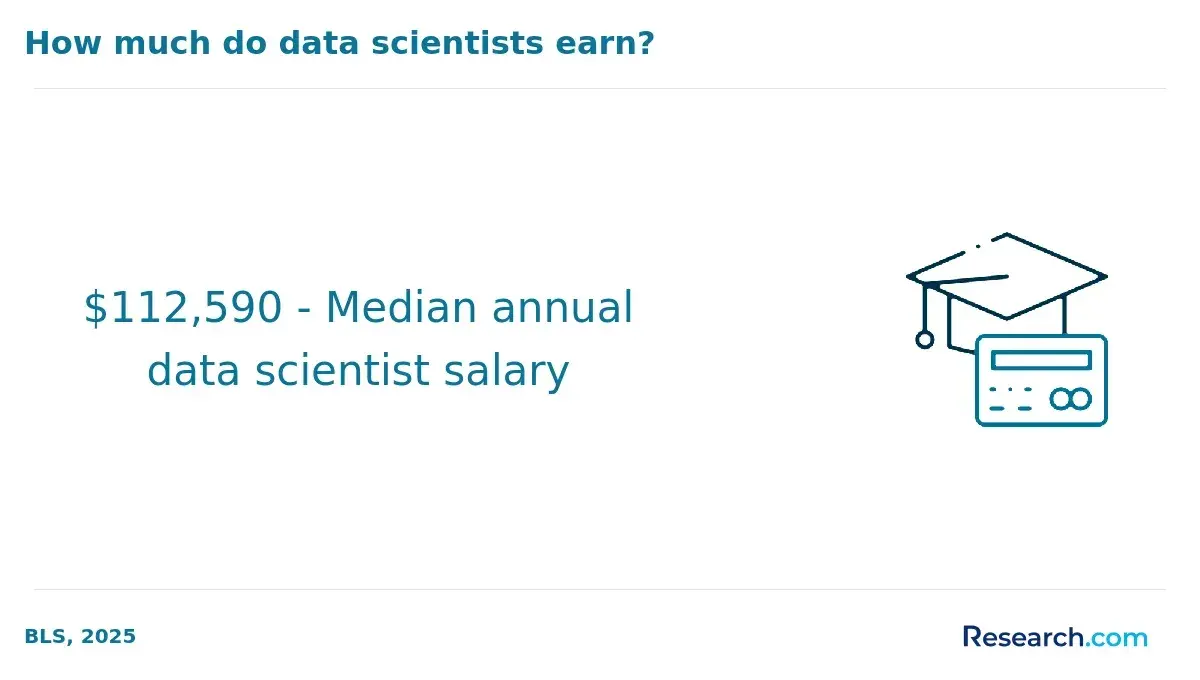
Leadership roles in retail following AI strategy training include AI Strategy Manager, Director of AI and Analytics, Chief AI Officer, and Head of Digital Transformation. These positions focus on integrating AI technologies into retail operations, improving customer experience, and maintaining compliance with industry regulations. Salaries typically range from $110,000 to $250,000 annually, with higher pay at larger retailers or roles involving extensive AI governance.
Career advancement often starts from mid-level roles overseeing AI projects and progresses to executive positions managing governance and digital innovation. For example, professionals may move from Strategy Manager to Director of AI, then to Chief AI Officer or VP of Technology. Experience in risk management and regulatory compliance increasingly favors promotion, as secure AI deployment is a priority for retail companies.
IBM's 2024 AI Governance in Industry report reveals that retailers with formal AI governance training for executives report 64% fewer significant AI-related compliance incidents compared to those without such training. This highlights how specialized AI strategy education supports risk mitigation and strengthens career prospects.
Key skills emphasized in AI strategy training include ethical AI use, data privacy, compliance, and cross-team leadership. Retail executives lacking these skills risk regulatory penalties and operational disruptions.
AI strategy education enables leaders to safely drive innovation, earn competitive salaries, and navigate advancement in the complex landscape of AI governance and deployment.
Are there relevant AI or data certifications that complement retail AI strategy courses?
Relevant AI and data certifications greatly enhance retail AI strategy courses by validating practical skills and boosting credibility. Retail executives often seek certifications demonstrating expertise in data analytics, machine learning, and AI implementation aligned with strategic goals.
Notable certifications include Certified Analytics Professional (CAP), IBM's AI Engineering Professional Certificate, and Microsoft Certified: Azure AI Fundamentals. These programs develop technical competencies that help executives bridge AI theory and real-world applications.
Advanced certifications such as the Data Science Council of America (DASCA) Senior Data Scientist and MIT Professional Education's Applied Data Science and AI deepen understanding of data-driven business contexts; crucial for retail AI strategy areas like customer behavior insights, inventory management, and supply chain optimization.
According to LinkedIn's 2024 Global Skills Report, retail executive job postings requiring AI strategy and AI for business skills rose by 142% from 2022 to 2024. This surge underscores the value of combining AI strategy courses with recognized certifications to meet market demand and stay competitive.
Executives facing challenges such as integrating AI with legacy retail platforms or interpreting AI insights benefit from certifications offering applied case studies and sector-specific examples. Prioritizing certifications that emphasize ethical AI, data privacy, and regulatory compliance addresses growing industry concerns in retail AI deployments.
Other Things You Should Know About Artificial Intelligence
In 2027, the "AI Strategy for Retail Executives" course by the Retail Institute stands out as the best. It covers strategic implementation, emerging AI technologies, and the integration of AI into existing retail workflows. The course is designed to keep executives ahead in the competitive retail environment.
Data quality is critical in AI strategies because AI models rely heavily on accurate, relevant, and comprehensive data to perform well. Poor data quality can lead to biased or incorrect outputs, undermining business decisions. For retail executives, ensuring clean, well-structured data is essential to maximize AI's effectiveness in areas like customer insights and inventory management.
Yes, many AI strategy courses increasingly include modules on ethics and bias mitigation. These address issues such as algorithmic fairness, transparency, and the social implications of AI deployment. For retail executives, understanding these ethical responsibilities is vital to maintain customer trust and comply with regulatory standards.
Cross-functional collaboration is a cornerstone of successful AI strategy implementation, especially in retail organizations. AI projects often require close coordination among IT, marketing, operations, and finance teams to align goals and integrate AI systems effectively. Courses emphasize leadership skills that foster such collaboration to drive meaningful business outcomes.
References
- AI and Analytics Programs https://esmt.berlin/executive-education/analytics-ai-programs
- Transform Retail Training: AI, Power Skills & Modern LMS https://www.techclass.com/resources/learning-and-development-articles/ai-driven-power-skills-elevating-retail-workforce-training-with-a-modern-lms
- AI Strategy for Executives https://www.pbs.up.pt/en/programas/open-executive-program-en/ai-strategy-for-executives/
- Should You Get an AI Leadership Certification? A Comprehensive Guide for Business Leaders - Service Quality Centre https://www.sqcentre.com/blog/should-you-get-an-ai-leadership-certification-a-comprehensive-guide-for-business-leaders/
- Four AI Upskilling Strategies for Business Leaders https://www.jff.org/blog/four-ai-upskilling-strategies-business-leaders/
- AI in Strategic Management - Training for C-Level Leaders | ICAN Institute https://en.ican.pl/training/stationary/ai-w-zarzadzaniu-strategicznym
- AI and Data Analytics for Business Leaders Professional Certificate https://www.edx.org/certificates/professional-certificate/babsonx-ai-and-data-analytics-for-business-leaders
- AI Strategy for Executives | Executive AI Leadership Course UK https://www.lsbuk.com/executive-education/ai-strategy-for-executives/
- AI for Executives: Top AI Training Programs (2025) https://www.corpoladder.com/blog/ai-strategy-leadership-training-executives
- AI for Business Leaders: Transforming Leadership with Artificial Intelligence https://www.infoprolearning.com/ai-for-business-leaders/