2027 Best AI Courses for DevOps Teams

Co-Founder and Chief Data Scientist
DevOps teams often struggle to integrate artificial intelligence tools effectively due to a lack of targeted training and relevant skills. This gap impedes automation goals and limits predictive capabilities in fast-paced development environments. Professionals without a background in AI may find it challenging to select courses that address practical needs and provide flexible learning paths. This article identifies the best AI courses tailored for DevOps teams, focusing on accredited programs that enable seamless skill development. It aims to guide prospective learners toward options that enhance their expertise while accommodating diverse educational backgrounds and work schedules.
Key Things You Should Know
- AI integration in DevOps accelerates deployment cycles by up to 30% through automation and predictive analytics, enhancing operational efficiency and reducing human error.
- Top AI courses for DevOps focus on machine learning, cloud orchestration, and security, aligning skills with industry demand for hybrid cloud and microservices expertise.
- By 2025, 75% of DevOps teams incorporating AI report improved system reliability and faster incident response, making AI proficiency critical for career advancement.
Advance Your Career with AI Online Courses
Artificial Intelligence: Implications for Business Strategy
This program provides an introduction to Artificial Intelligence and their implications for business strategy. Earn an official digital certificate.

Oxford Artificial Intelligence Programme
Explore this Oxford Artificial Intelligence programme offered in a flexible learning environment and explore topics like machine learning, automation, and robotics.

Implementing Agentic AI: Building Your Organizational Playbook
This online MIT Agentic AI course offers a practical approach to deploying AI agents in your organization, including a custom playbook. 3 weeks, exclusive launch price.

AI Adoption: Driving Business Value and Impact
This online MIT AI Adoption: Driving Business Value and Impact offers practical frameworks to close the gap between AI potential and business reality.

Artificial Intelligence in Pharma and Biotech
Discover the applications and limitations of artificial intelligence in pharma and biotech with this MIT online short course.

What are the best AI courses for DevOps teams?
Top ai courses tailored for DevOps teams prioritize practical applications integrating machine learning with continuous integration and deployment pipelines. Programs from providers like Coursera and edX offer essential skills in AI Ops, MLOps, and DevSecOps, with courses such as Coursera's "AI For Everyone" by Andrew Ng and IBM's "AI Engineering Professional Certificate" providing foundational and advanced knowledge for deploying AI in production environments.
These best ai training programs for DevOps professionals focus on automating infrastructure management, detecting anomalies through ML algorithms, and implementing AI-driven predictive analytics to reduce system failures. With 83% of DevOps teams applying AI/ML and 90% considering it vital to future DevSecOps strategies (GitLab 2024 Global DevSecOps Report), such training meets real industry demands.
Look for course content covering tools like TensorFlow Extended (TFX), Kubernetes integration with AI modules, and cloud AI services from AWS, Azure, or Google Cloud. Hands-on labs simulating automation challenges and incident responses enhance readiness. Additionally, courses encompassing AI ethics and security help teams navigate innovation with compliance and risk management.
Less technical roles benefit from training focused on AI strategy and governance aligned with DevOps goals. For those exploring this field further, consider pursuing a computer science degree online to deepen your expertise and career prospects.
Advance Your Career with AI Online Courses
Artificial Intelligence: Implications for Business Strategy
This program provides an introduction to Artificial Intelligence and their implications for business strategy. Earn an official digital certificate.
Oxford Artificial Intelligence Programme
Explore this Oxford Artificial Intelligence programme offered in a flexible learning environment and explore topics like machine learning, automation, and robotics.
Implementing Agentic AI: Building Your Organizational Playbook
This online MIT Agentic AI course offers a practical approach to deploying AI agents in your organization, including a custom playbook. 3 weeks, exclusive launch price.
Which AI skills do DevOps teams need most?
DevOps teams must prioritize specific AI skills to stay competitive and drive efficiency through AI-driven automation for DevOps efficiency. Core competencies include expertise in machine learning models designed for automation and predictive analytics. Integrating generative AI tools into continuous integration/continuous deployment (CI/CD) pipelines streamlines workflows and reduces downtime.
This proficiency often involves scripting AI-driven anomaly detection systems that identify infrastructure issues before users are affected.
Natural language processing (NLP) enhances incident management automation by enabling systems to interpret and prioritize alerts using textual data from logs and monitoring tools. Essential skills also include data pipeline engineering, allowing professionals to prepare and structure data streams needed to train AI models supporting scalability and real-time decisions.
Knowledge of cloud-based AI services is increasingly important as many businesses rely on platforms offering AI as a service. Practical skills include configuring APIs to integrate AI into operational workflows and managing AI models throughout their lifecycle.
According to LinkedIn's Global Future of Work Report 2024, job postings mentioning "generative AI" grew 21 times year-over-year, with DevOps engineers in high demand for these skills.
Those seeking to develop these competencies may consider pursuing a cheap online engineering degree, which can provide a solid foundation in machine learning skills essential for DevOps teams and advanced AI applications.
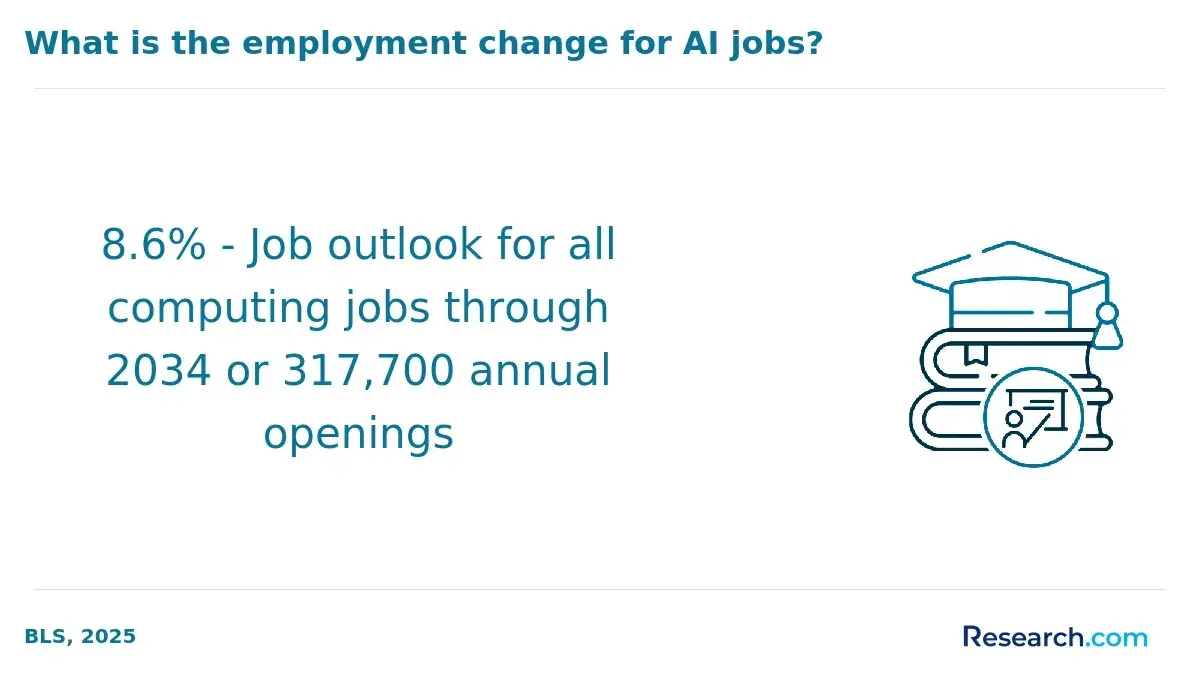
How do AI courses improve DevOps workflows?
AI integration in DevOps workflows transforms how teams manage complex systems by automating tasks, optimizing performance, and strengthening security measures. Professionals trained in ai courses for DevOps teams gain skills in predictive analytics to anticipate failures, automated testing to minimize errors, and resource allocation for efficient workload management. These capabilities lead to faster deployment cycles and more dependable software releases.
Key workflow improvements include:
- Automating repetitive activities such as configuration management and continuous integration, which decrease human error and allow focus on strategic initiatives.
- Applying machine learning models for real-time system health monitoring, providing early warnings to prevent downtime.
- Utilizing AI-driven root cause analysis to speed up incident response and reduce downtime.
- Enhancing team communication and documentation with natural language processing tools.
Practical examples include AI pipelines that forecast server overload and AI chatbots that streamline incident reporting, reducing operational bottlenecks and boosting system resilience.
According to Coursera's 2024 Job Skills Report, those earning AI-focused DevOps and cloud certificates see a median 25% salary increase or promotion within six months, outperforming non-technical certificate holders by a significant margin.
Prospective students interested in advancing their DevOps careers should consider specialized AI courses emphasizing automation, cloud integration, and security. For those exploring educational paths, programs like a data science master online can provide valuable knowledge to support these goals.
Are online AI courses better than campus programs?
Online AI courses provide significant advantages for DevOps teams, especially in flexibility and cost-effectiveness. These programs allow professionals to balance work with learning, crucial for DevOps engineers managing unpredictable workflows. Additionally, online artificial intelligence training advantages include reduced expenses in commuting and housing compared to traditional campus programs.
Udemy's report shows a 61% increase in beginner-level "AI for software & IT operations" courses, reflecting the rising popularity of the best AI courses for DevOps teams. Frequent content updates and the inclusion of hands-on labs enable practical skills aligned with evolving industry demands.
Campus programs, however, offer structured learning, direct faculty support, and networking with peers, which benefit those who thrive in immersive environments. Both options serve different learning styles, career goals, and schedules.
DevOps professionals should weigh these factors carefully. For flexible, up-to-date skill development, online courses are compelling. Those seeking recognized certification and collaboration may prefer traditional settings.
For further advancement, prospective students might explore advanced education options such as a data science doctorate online, which can deepen expertise and career prospects in AI and DevOps fields.
What should an AI course curriculum for DevOps include?
An AI course curriculum tailored for DevOps teams should center on integrating production-grade AI within continuous integration and continuous delivery (CI/CD) pipelines. Essential topics include machine learning model lifecycle management, automated testing for AI components, deployment strategies for scalability, and monitoring AI models in production to detect data drift, performance issues, and enable automated rollback or retraining.
Students benefit from learning how to build pipelines that merge traditional DevOps tools with MLOps platforms like Kubeflow or MLflow, focusing on automation and repeatability. Training should also cover containerization and orchestration technologies such as Docker and Kubernetes to support scalable AI workloads. Security best practices, including model access control and data privacy, are critical components.
Incident management skills with AI are increasingly important. Gartner's 2024 AIOps Market Guide reveals enterprises using AIOps platforms achieve a 40-60% reduction in mean time to resolution (MTTR) for incidents, highlighting AIOps as a vital skill for DevOps professionals. Additionally, foundational knowledge in data engineering helps efficiently handle data pipelines feeding AI models.
Courses must also address bias detection, model explainability, and regulatory compliance to ensure ethical AI deployment. Hands-on projects simulating real-world AI deployments, troubleshooting failures, and optimizing model performance prepare learners for practical challenges in production environments.
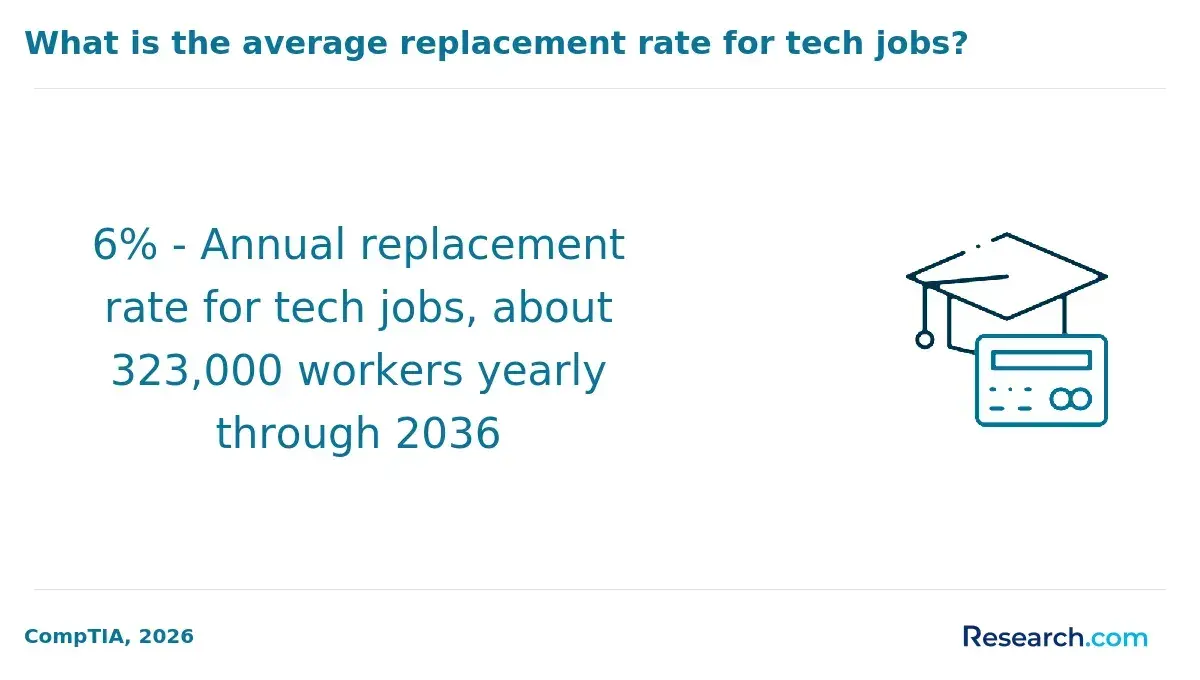
What admissions requirements do AI courses usually ask for?
DevOps professionals aiming to advance in ai typically need a solid foundation in programming languages such as Python, Java, or Bash scripting. Familiarity with cloud platforms like AWS, Azure, or Google Cloud is crucial, as ai deployment often integrates heavily with cloud infrastructure. Most programs require experience in software development, system administration, or infrastructure automation.
Some advanced courses expect knowledge of machine learning fundamentals including statistics, algorithms, and data management to keep pace with ai model training. Entry-level opportunities usually ask for a bachelor's degree in computer science, IT, or engineering, though professional certificates and hands-on experience can sometimes substitute academic qualifications.
Admissions often include technical interviews or coding challenges to assess problem-solving skills. Collaborative skills are also emphasized due to the cross-functional nature of DevOps teams. Supporting documents like project portfolios showcasing CI/CD pipelines, container orchestration, or ai model integrations are commonly requested.
Certifications, such as the AWS Certified Machine Learning - Specialty or AWS DevOps Engineer - Professional, are valuable for validating expertise and improving career prospects. According to AWS Training and Certification Global Learner Outcomes 2024, certified professionals earn an average global salary of $138,000, about 18% more than those without certification.
Applicants should carefully check prerequisites, including knowledge of data science tools, version control, and ai frameworks like TensorFlow or PyTorch to implement ai components effectively and securely in DevOps environments.
How long do AI courses for DevOps teams take?
AI courses for DevOps teams typically range from short, foundational programs lasting 10 to 30 hours, to more comprehensive courses extending 8 to 12 weeks or longer. Short courses focus on basics like machine learning principles, AI integration in cloud environments, and automation workflows, ideal for professionals seeking rapid skill enhancement.
Longer courses include hands-on labs covering AI model deployment, continuous integration of AI-driven pipelines, and monitoring AI-infused DevOps processes, allowing learners to apply concepts in real-world settings.
Practical experience is critical. For instance, Pluralsight's 2024 Tech Skills Report highlights that engineers who complete five or more hands-on labs in AI/ML and cloud DevOps are 34% more likely to be considered "high performers" than those who only watch lectures. This hands-on time can extend course duration but greatly improves outcomes.
Many professionals prefer modular or self-paced courses, which offer flexibility and adapt to evolving AI tools and DevOps practices. When choosing a course, it's important to look for one with 20-50 hours of active labs and projects to develop meaningful competence integrating AI into DevOps workflows effectively.
How much do AI courses for DevOps teams cost?
AI courses for DevOps teams vary widely in cost and format, catering to diverse learning needs. Entry-level online courses are often free or under $200, ideal for individuals or small teams starting with foundational AI and DevOps concepts. More immersive bootcamps and certification programs typically cost between $500 and $2,500 per participant, emphasizing practical experience integrating AI into DevOps workflows.
At the enterprise level, AI training for entire DevOps teams usually involves custom pricing based on the group size and training depth. These programs may exceed $5,000 per engineer annually when including live instruction, tailored curricula, and ongoing support.
Such investments can lead to significant performance gains: organizations providing over 50 hours of structured AI training per engineer annually have seen deployment frequency increase by 24% and change failure rates drop by 30%, according to the 2024 State of Upskilling Report by Upskilling Initiative and DevOps Institute.
Cost-effective strategies often blend self-paced courses priced under $300 with occasional instructor-led workshops. Subscription-based learning platforms charging between $400 and $800 per user per year offer scalable options for larger teams. Budgeting should also consider indirect costs like employee time away from projects and updating DevOps toolchains to incorporate AI-powered features.
Balancing upfront course fees with these factors helps organizations strategically enhance AI capabilities in DevOps, promoting faster deployment cycles and fewer failures.
Which certifications help DevOps professionals advance in AI?
Certifications that support DevOps professionals in advancing their AI skills focus on key areas like machine learning, data engineering, and site reliability. Leading options include:
- Google Professional Machine Learning Engineer: Validating expertise in deploying ML models and managing scalable AI systems essential for DevOps pipelines.
- Microsoft Certified: Azure AI Engineer Associate: Demonstrates ability in building and deploying AI solutions on Azure, widely used in enterprise DevOps.
- Certified Kubernetes Administrator (CKA): With an AI workload focus, it ensures proficiency in orchestrating containerized AI applications, increasingly vital in DevOps environments.
- IBM AI Engineering Professional Certificate: For foundational knowledge, it covers core machine learning and data science engineering concepts.
These certifications prepare professionals to design, deploy, and maintain AI-enhanced infrastructure, addressing challenges such as automating predictive maintenance, monitoring models in production, and optimizing AI-driven workflows. Hands-on labs are typically included, simulating real-world DevOps-AI integration scenarios.
O'Reilly's AI Adoption in the Enterprise survey shows that 66% of DevOps pros who upskilled in AI, ML, or site reliability engineering saw role growth or promotion within 12 months, with 42% reporting compensation increases of 20% or more.
Selecting certifications balancing cloud provider AI expertise with container orchestration best practices helps professionals meet employer demands and stand out in competitive markets.
What jobs can AI-trained DevOps professionals pursue?
AI-trained DevOps professionals are increasingly sought after for roles that merge artificial intelligence expertise with operational technology. Key positions include AI DevOps Engineer, who integrates AI models into production environments using automation and continuous deployment pipelines. MLOps Engineers manage the full lifecycle of machine learning systems, covering deployment, monitoring, and scalability. These careers require proficiency in cloud infrastructure, container orchestration, and AI model optimization.
Additional roles involve AI infrastructure engineering, which focuses on designing and maintaining hardware and software environments for AI workloads. DataOps Engineers automate data pipelines essential for AI model training and validation. For security-conscious organizations, AI security engineers protect intelligent systems from vulnerabilities and cyber threats.
Rising demand supports specialists in hybrid cloud environments, edge computing, and real-time AI analytics integration. The World Economic Forum's Future of Jobs Report 2025 forecasts that jobs combining AI and cloud DevOps will grow by 27% globally between 2025 and 2029, ranking among the top 10 fastest-growing specialist roles. This reflects an increased investment in AI-driven automation and cloud scalability across enterprises.
Professionals looking to align with this trend should build skills in AI frameworks, automation tools, and cloud platforms, staying current with emerging technologies to meet evolving employer needs.
Other Things You Should Know About Artificial Intelligence
The most commonly used programming languages in artificial intelligence are Python, R, Java, and C++. Python is particularly favored due to its extensive libraries and frameworks that support AI development, such as TensorFlow and PyTorch. Java and C++ are often used for performance-critical AI applications and backend infrastructures.
AI can create opportunities for DevOps teams by automating routine tasks, allowing for focus on strategic, high-value activities. This shift encourages career growth in AI system management, data analysis, and process optimization, enhancing team capabilities and fostering innovation within organizations.
Common challenges include managing large volumes of data, ensuring data quality, and integrating AI tools with existing DevOps pipelines. Additionally, there can be a skills gap where teams need to upskill in AI-specific techniques. Monitoring and maintaining AI models in production also requires specialized infrastructure and ongoing evaluation.
Yes, artificial intelligence can enhance security in DevOps by enabling real-time threat detection, vulnerability assessment, and automated response to incidents. AI models can analyze patterns to predict security breaches before they occur, helping teams implement proactive defenses. This allows for faster mitigation and reduces the risk of human error in security processes.
References
- How can a DevOps team leverage the power of AI? - Deployflow https://deployflow.co/blog/how-can-a-devops-team-leverage-the-power-of-ai/
- How to Incorporate Artificial Intelligence into Your DevOps Development Workflow | Refraction https://refraction.dev/blog/ai-devops-incorporate-workflow
- Essential Soft Skills for DevOps Professionals in the AI Age - DevOps.com https://devops.com/essential-soft-skills-for-devops-professionals-in-the-ai-age/
- What are the requirements for completing the Introduction to AI and Building AI courses? https://www.elementsofai.com/ie/faq/what-are-the-requirements-for-completing-the-introduction-to-ai-and-building-ai-courses
- DevOps Training Course with Certification | Advanced DevOps & GenAI https://www.edureka.co/devops-certification-training
- AI-DevOps Engineer - nrtechnologies.org https://nrtechnologies.org/ai-devops-engineer/
- Hands-On AI Training for Agile & DevOps Teams | DevOn https://ai.devon.nl/ai-training/
- The Role of AI in DevOps https://about.gitlab.com/topics/devops/the-role-of-ai-in-devops/
- Best DevOps Certifications https://www.ascendientlearning.com/blog/best-devops-certifications
- Generative AI for DevOps https://www.pluralsight.com/paths/generative-ai-for-devops