
2027 Best AI Strategy Courses for Managers

Co-Founder and Chief Data Scientist
Managers face increasing pressure to integrate artificial intelligence into strategic decision-making without formal training in the field. This gap can lead to missed opportunities and inefficient resource allocation. Many professionals struggle to identify reliable courses that balance technical knowledge with leadership skills, especially while managing demanding schedules. Understanding how to leverage AI strategically is essential for maintaining a competitive advantage and driving innovation in any sector. This article reviews top AI strategy courses designed for managers, highlighting flexible, accredited programs that equip professionals with practical insights to confidently lead AI initiatives and optimize business outcomes.
Key Things You Should Know
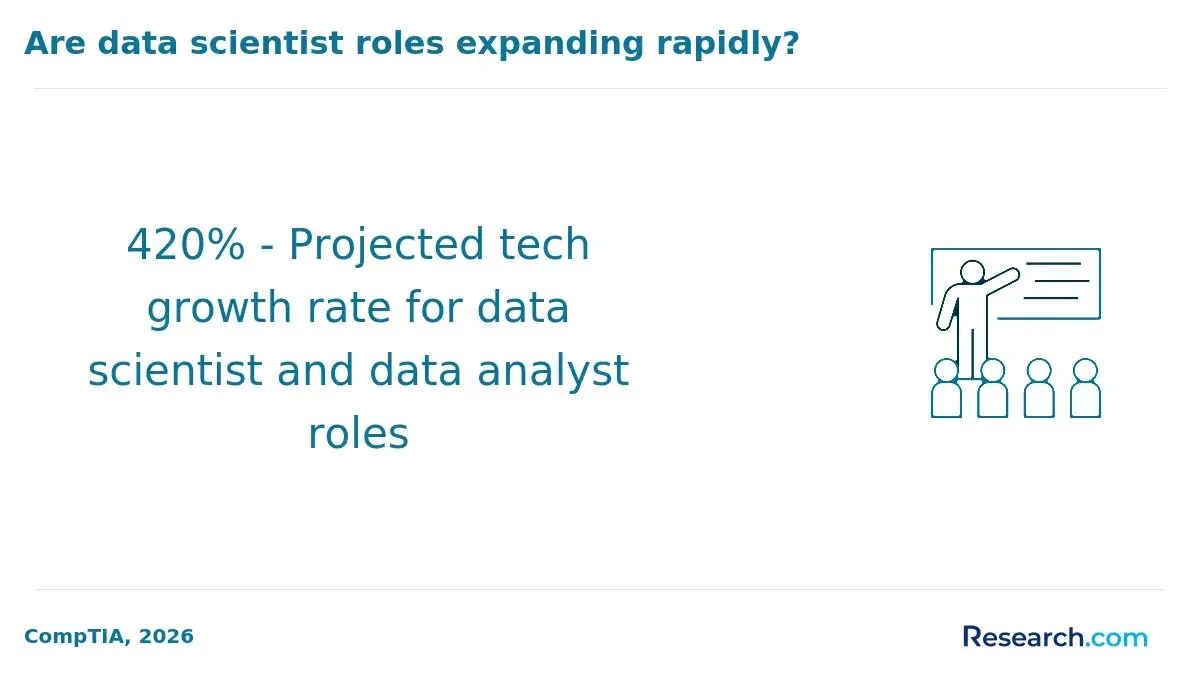
- Top AI strategy courses for managers emphasize practical applications, leadership skills, and data-driven decision-making, reflecting a 34% projected growth in AI-related managerial roles by 2028.
- Providers prioritize curriculum updates with AI ethics, governance, and emerging technologies, addressing critical challenges faced by executives in complex AI environments.
- Flexible learning formats, including hybrid and online options, boost accessibility for working professionals, with 62% preferring courses offering real-time projects and peer collaboration.
Advance Your Career with AI Online Courses
Artificial Intelligence: Implications for Business Strategy
This program provides an introduction to Artificial Intelligence and their implications for business strategy. Earn an official digital certificate.

Oxford Artificial Intelligence Programme
Explore this Oxford Artificial Intelligence programme offered in a flexible learning environment and explore topics like machine learning, automation, and robotics.

Implementing Agentic AI: Building Your Organizational Playbook
This online MIT Agentic AI course offers a practical approach to deploying AI agents in your organization, including a custom playbook. 3 weeks, exclusive launch price.

AI Adoption: Driving Business Value and Impact
This online MIT AI Adoption: Driving Business Value and Impact offers practical frameworks to close the gap between AI potential and business reality.

Artificial Intelligence in Pharma and Biotech
Discover the applications and limitations of artificial intelligence in pharma and biotech with this MIT online short course.

What is an AI strategy course for managers and who should consider taking one?
AI strategy courses for business managers equip leaders with key skills to effectively integrate artificial intelligence into their operations. These programs teach how to align AI projects with organizational goals, manage cross-functional teams, and evaluate risks and ethical considerations. With 88% of organizations adopting AI in at least one business function, managerial expertise in AI strategy is increasingly vital.
Who should enroll in AI strategy training programs? Managers in digitally transforming industries like finance, healthcare, manufacturing, and retail greatly benefit. Emerging leaders responsible for innovation and mid-level managers moving into AI-driven roles also find these courses valuable. Such training prepares them to lead with confidence amid evolving workforce dynamics.
Course topics typically include:
- Basics of AI and machine learning technologies
- Developing practical AI implementation roadmaps
- Data governance and regulatory compliance
- Risk management and ethical AI deployment
- Measuring AI's impact on business KPIs
These courses help managers overcome challenges like fostering collaboration between technical and non-technical teams, managing budgets, and anticipating AI's effect on customer experience. For example, retail managers using AI-driven insights can better allocate marketing resources and enhance personalization. For those exploring AI careers, understanding what is applied AI engineering can provide valuable context.
Advance Your Career with AI Online Courses
Artificial Intelligence: Implications for Business Strategy
This program provides an introduction to Artificial Intelligence and their implications for business strategy. Earn an official digital certificate.
Oxford Artificial Intelligence Programme
Explore this Oxford Artificial Intelligence programme offered in a flexible learning environment and explore topics like machine learning, automation, and robotics.
Implementing Agentic AI: Building Your Organizational Playbook
This online MIT Agentic AI course offers a practical approach to deploying AI agents in your organization, including a custom playbook. 3 weeks, exclusive launch price.
How can AI strategy courses help managers lead digital transformation and innovation?
AI strategy courses for managers driving digital transformation equip leaders with skills to translate complex AI concepts into actionable strategies. These courses train managers to identify AI use cases aligned with organizational goals, optimize business processes, and enhance decision-making. For instance, learning AI-driven analytics helps pinpoint inefficiencies and predict market trends, boosting operational agility.
How AI strategy training empowers managers to lead innovation includes teaching data governance and ethical considerations critical for building trust and ensuring regulatory compliance. Managers also develop cross-functional collaboration skills to bridge technical and business teams, accelerating AI adoption. According to McKinsey, only 7% of organizations had fully scaled AI across their operations, highlighting urgent demand for managers skilled in end-to-end AI integration instead of isolated pilots.
Programs often cover frameworks for assessing project feasibility, managing risk, overcoming resistance, and quantitatively measuring AI's business impact such as cost savings and revenue growth. Courses also explore emerging AI technologies to help managers anticipate future disruptions.
Prospective learners interested in this field may explore a range of AI degree programs that combine practical strategy with innovation leadership. More information about affordable options is available at AI degree programs.
What are the best types of AI strategy programs for managers in the U.S.?
Managers seeking the best AI strategy programs for managers in the U.S. benefit from comprehensive, application-driven courses that combine technical knowledge with business strategy. Top artificial intelligence management courses in the United States often focus on aligning AI initiatives with business goals, managing risks like bias and compliance, and driving competitive advantage through innovation.
Leading programs from institutions such as MIT Sloan, Stanford Graduate School of Business, and Carnegie Mellon offer a balanced mix of strategic frameworks, case studies, and practical insights. They emphasize skills like data-driven decision-making, AI project management, and change leadership, helping managers implement AI effectively within organizations.
Managers also gain from building cross-functional collaboration skills to bridge technical and non-technical teams. Many short-term bootcamps and online certificate options provide flexible learning paths suited to professionals' needs. Real-world mentorship and case studies further reinforce actionable AI insights.
- Align AI efforts with business objectives to maximize ROI.
- Build collaboration between technical and business units.
- Mitigate AI risks including ethical and compliance concerns.
- Leverage AI to innovate products and services.
In addition to specialized AI programs, professionals interested in diverse tech-related fields might explore game design schools online for further skill expansion. Focused AI strategy education delivers measurable business value-74% of executives saw ROI within 12 months, as reported by punku.ai-making these programs indispensable for confident AI integration.
How do online AI strategy courses for managers compare with campus and hybrid options?
Online AI strategy courses versus campus programs for managers offer distinct advantages depending on individual needs. Online options provide flexibility, allowing managers to balance work responsibilities with learning through asynchronous modules or live sessions across time zones. These courses are typically 20-40% less expensive than campus programs, appealing to budget-conscious professionals. Additionally, online courses often cover essential topics such as AI ethics, data governance, and deployment strategies relevant for today's managers.
Campus programs provide immersive, face-to-face interaction and networking opportunities, ideal for those who thrive on hands-on group projects and direct faculty mentorship. However, fixed schedules and commuting can be challenging, especially for working professionals outside urban centers. Hybrid AI strategy training benefits business managers by combining online convenience with in-person workshops or labs, enabling the practical application of AI concepts while maintaining flexibility.
When choosing between formats, managers should consider goals like applied learning, peer collaboration, and time constraints. Leaders integrating AI into strategic decision-making might favor hybrid programs for enhanced collaboration, while those seeking rapid skill updates may prefer fully online courses.
Cost remains a factor; understanding the cost of computer science degree and related AI training can guide budgeting decisions. Overall, options across delivery modes support managers in developing AI strategy expertise according to their unique professional demands.
What should managers look for in accreditation and institutional quality for AI strategy programs?
Managers choosing AI strategy programs should prioritize accreditation and institutional quality to ensure credible, industry-relevant education. Accreditation by recognized agencies such as the Higher Learning Commission (HLC) or Middle States Commission on Higher Education (MSCHE) signals adherence to rigorous academic standards and validates institutional legitimacy.
Programs linked to reputable business schools or technology institutes with strong AI research enhance networking, access to advanced resources, and career support. Corporate partnerships often enable practical case studies, projects, and internships tailored to real-world challenges.
Course content must stay current with the fast-changing AI landscape. Industry-specific AI strategy education is vital; for example, the information and communication sector leads adoption at 62.5%, highlighting the need for sector-focused learning. Prospective students should check if programs offer electives or tracks in sectors like healthcare, finance, or manufacturing.
- Licensing and accreditation from recognized bodies demonstrating quality assurance
- Institutional research output and expertise in AI strategy
- Curriculum reflecting latest methodologies, ethics, and governance frameworks
- Alignment with industry needs backed by empirical adoption data
- Flexible course delivery for working professionals
Evaluating graduate outcomes, including employment rates and roles in AI leadership, is essential to measure a program's effectiveness and return on investment. Transparent reporting of these metrics strengthens trust in education providers.
What core topics and skills do top AI strategy courses for managers typically cover?
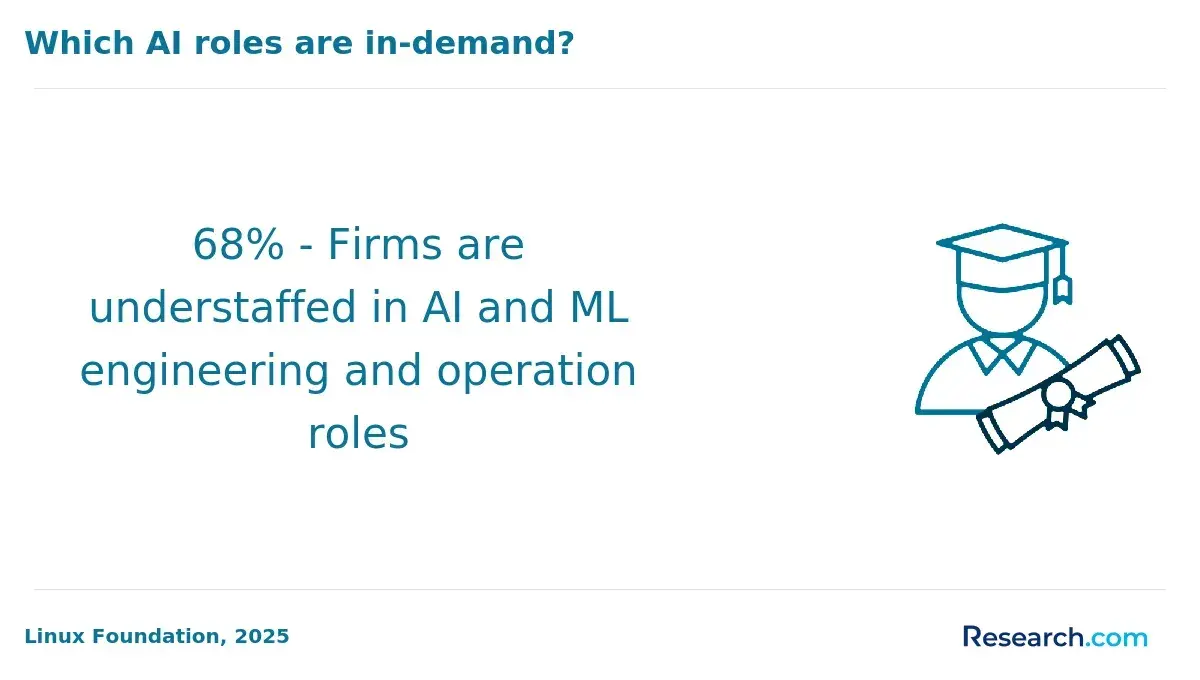
Top AI strategy courses for managers cover essential areas to prepare leaders for effective AI implementation. Key topics include machine learning, natural language processing, and data analytics, enabling managers to grasp the technical capabilities and limitations of AI systems. These courses focus on strategic frameworks that help identify AI opportunities aligned with business goals like improving operations, enhancing customer experience, or driving product innovation.
Risk management and ethical issues play a critical role, addressing data privacy, bias mitigation, and compliance challenges to ensure responsible AI adoption. Operational elements such as workforce transformation, cross-functional collaboration, and change management are also emphasized to support AI scaling within organizations.
Financial skills are integrated, with training on measuring AI return on investment (ROI), prioritizing investments, and applying scenario analysis to forecast AI's business impact. According to data from punku.ai, 74% of executives reported achieving an AI ROI within 12 months, underscoring the value of informed AI leadership.
Courses further develop expertise in vendor evaluation and AI tool selection, helping managers distinguish between hype and practical solutions. Integration with existing IT infrastructure and data governance policies is also covered for seamless AI deployment.
What are typical admission requirements and professional background expectations for these programs?
Admission to AI strategy courses for managers typically requires a bachelor's degree in fields like business, engineering, computer science, or economics. Most programs prefer candidates with three to five years of experience in managerial or strategic roles to ensure familiarity with organizational decision-making. Some advanced courses also expect foundational knowledge of AI concepts or prior studies in data analytics or machine learning.
Leadership skills are often emphasized since these programs focus on applying AI to business rather than technical AI development. Applicants may need to submit professional recommendations highlighting project management or digital transformation experience. Diverse backgrounds, including marketing, product management, operations, and finance, are accepted if candidates demonstrate how AI strategy fits their roles.
Certifications related to technology or experience managing AI projects can strengthen applications, especially in competitive settings. As more businesses deploy AI agents, exposure to autonomous AI systems is increasingly valuable. Some schools offer bridging modules to help non-technical students grasp essential AI foundations for strategic decision-making.
Standardized tests like the GMAT or GRE are less frequently required but may appear in executive or MBA-style courses. Overall, successful applicants blend business acumen with an understanding of AI's evolving impact on enterprise operations.
How long do AI strategy courses for managers take, and what do they typically cost?
AI strategy courses for managers often span from 4 to 12 weeks, with shorter options focusing on foundational strategic concepts and key business applications, while longer programs cover deployment challenges, organizational impact, ethics, and hands-on case studies. These courses typically blend live lectures with self-paced modules, accommodating the busy schedules of working professionals.
Costs vary widely depending on course length, provider, and certification level. Entry-level offerings usually range from $1,000 to $3,000, whereas advanced executive programs or specialized tracks may cost between $5,000 and $10,000, especially when delivered by prestigious institutions or including personalized coaching. Some providers offer modular pricing, letting participants pay per session or module.
When selecting a program, consider your practical goals: managers aiming to apply AI in revenue models should prioritize courses emphasizing operational and financial impact over purely technical content. This focus is crucial given that only 6% of organizations reported an EBIT impact exceeding 5% from AI initiatives in 2025, highlighting the challenges of scaling AI strategies effectively, as noted by punku.ai.
Additional factors include flexible schedules, post-course support, and real-world project components. These elements help bridge the gap between theory and practice, empowering managers to lead AI initiatives that deliver measurable business value.
What AI-focused leadership roles and career paths can these courses prepare managers for?
AI leadership roles span diverse responsibilities such as managing AI initiatives that align with business goals and generating measurable ROI. Positions include AI Strategy Manager, overseeing the integration of AI into organizational objectives, and AI Product Manager, who balances technical development with market needs. Senior roles like Chief AI Officer (CAIO) guide enterprise-wide AI adoption and governance, while AI Transformation Leaders drive organizational change by collaborating across IT and business units.
Additional roles prepared by these courses include Data Science Manager, focusing on analytics teams to deliver actionable insights, and AI Ethics Officer, ensuring responsible AI practices comply with evolving regulations. AI Program Managers coordinate multiple projects, managing budgets and timelines across departments. Managers gain skills in AI capability assessment, risk management, and stakeholder communications, key to successful leadership in fast-evolving AI landscapes.
Research from punku.ai highlights that 74% of executives report realizing AI ROI within 12 months, underscoring expanding demand across sectors such as finance, healthcare, and manufacturing. Practical applications include leading AI-driven customer experience enhancements and optimizing supply chain processes. These programs effectively bridge gaps between AI technology understanding and strategic management.
What salary ranges and job outlook can managers expect after upskilling in AI strategy?
Managers who enhance their skills in AI strategy can anticipate notable salary increases and broader career prospects. Data from the U.S. Bureau of Labor Statistics and industry surveys show AI strategy managers typically earn between $105,000 and $160,000 annually, with entry-level positions starting near $95,000. Those leading AI efforts in sectors like tech, finance, or healthcare often surpass $175,000.
The demand for AI strategy experts is growing rapidly. Gartner forecasts that by 2026, 40% of enterprises will deploy AI agents, increasing the need for professionals who can guide AI integration and governance effectively. Managers who convert complex AI technology into strategic business solutions help companies gain a competitive edge and improve operational efficiency.
Key responsibilities for upskilled managers include vendor evaluation, ethical AI adoption, and leading cross-functional teams. For example, a product manager with AI expertise can prioritize machine learning features, while a strategy manager aligns AI investments with company goals-leading to higher compensation and job security.
Emerging industries such as manufacturing, retail, and logistics are rapidly adopting AI, offering diverse opportunities for continuous learners. Accredited AI strategy courses enhance adaptability and marketability, enabling managers to integrate AI insights into decision-making and accelerate their career growth.
Other Things You Should Know About Artificial Intelligence
Data privacy is a critical topic in AI strategy courses because managers must understand ethical and regulatory standards for using data. These courses often cover compliance with laws like GDPR and CCPA, teaching how to implement privacy-by-design principles and manage sensitive information responsibly.
Yes, AI strategy courses equip managers with the knowledge to interpret AI-driven insights and forecast trends effectively. This enables more informed decision-making by leveraging data analytics, predictive models, and automation to improve business outcomes.
Managers often encounter challenges such as integrating AI with existing systems, managing change resistance among employees, and ensuring data quality. Understanding these barriers helps managers develop practical strategies to overcome them and ensure successful AI adoption.
In 2027, top AI strategy courses for managers include MIT's "AI: Implications for Business Strategy," Stanford's "Artificial Intelligence: Principles and Techniques" online, and Coursera’s "AI For Everyone" by Andrew Ng. These courses offer practical insights, real-world case studies, and tools for successfully integrating AI into business strategy, enhancing decision-making at managerial levels.
References
- AI Training for Employees 2026 — Programs, Costs & ROI Guide https://iternal.ai/ai-training-for-employees
- Admission criteria - International graduate admissions https://www.sciencespo.fr/admissions/en/graduate/international-admissions/selection-criteria/
- The Business of AI: Strategies for Leaders- Online | London Business School https://www.london.edu/lbs-online/the-business-of-ai-strategies-for-leaders
- Rethinking Talent Strategy in the Age of AI: How to Align Roles, Structure, and Salary in a Changing Workforce https://www.alliedonesource.com/rethinking-talent-strategy-in-the-age-of-ai-how-to-align-roles-structure-and-salary-in-a-changing-workforce
- IITKGP Online https://online.iitkgp.ac.in/blog/ai-career-paths-for-experienced-professionals
- Why AI Is A Massive Job-Creation Technology, Despite What You Think JOSH BERSIN https://joshbersin.com/2026/03/why-ai-is-a-massive-job-creation-technology-despite-what-you-think/
- Choosing the Right AI Course for Business Leaders https://www.tsa-bildung.de/en/blog/choosing-the-right-ai-course-for-business-leaders
- AI in higher education: 8 strategies for institutional leaders https://feedbackfruits.com/blog/ai-in-higher-education-8-key-strategies-for-institutional-leaders
- Which AI course should I do? https://www.afr.com/work-and-careers/education/which-ai-course-should-i-do-20250312-p5lixe
- Redefining Educational Accreditation in the Era of AI and Digital Disruption https://www.ieac.org.uk/44-Redefining-Educational-Accreditation-in-the-Era-of-AI-and-Digital-Disruption-blog.php


























![2027 Best Advanced Standing Online MSW Programs [CSWE Accredited] thumbnail](/uploads/Online_Advanced_Standing_MSW_301dbd5368.jpg)


