2027 Best Agentic AI Courses for Chief Data Officers

Co-Founder and Chief Data Scientist
Chief data officers often face challenges integrating agentic AI into strategic decision-making due to gaps in specialized knowledge and rapidly evolving technologies. Without targeted training, leaders risk falling behind in leveraging AI's full potential for organizational growth. Finding flexible, accredited programs that fit busy schedules and diverse academic backgrounds is essential. This article highlights top agentic AI courses designed to equip chief data officers with practical skills and insights. It aims to guide professionals through the best educational paths to confidently lead AI initiatives, ensuring they remain competitive and innovative in their fields.
Key Things You Should Know
- Agentic AI courses for chief data officers in 2026 emphasize practical leadership skills, integrating AI strategy with data governance and ethical considerations.
- Recent studies show 67% of CDOs prioritize agentic AI training to enhance decision-making autonomy and optimize operational efficiency.
- Top programs incorporate hands-on projects and emerging AI frameworks, preparing leaders to manage evolving agentic AI technologies effectively.
Advance Your Career with AI Online Courses
Artificial Intelligence: Implications for Business Strategy
This program provides an introduction to Artificial Intelligence and their implications for business strategy. Earn an official digital certificate.

Oxford Artificial Intelligence Programme
Explore this Oxford Artificial Intelligence programme offered in a flexible learning environment and explore topics like machine learning, automation, and robotics.

Implementing Agentic AI: Building Your Organizational Playbook
This online MIT Agentic AI course offers a practical approach to deploying AI agents in your organization, including a custom playbook. 3 weeks, exclusive launch price.

AI Adoption: Driving Business Value and Impact
This online MIT AI Adoption: Driving Business Value and Impact offers practical frameworks to close the gap between AI potential and business reality.

Artificial Intelligence in Pharma and Biotech
Discover the applications and limitations of artificial intelligence in pharma and biotech with this MIT online short course.

What is agentic AI and why should chief data officers pursue specialized courses?
Agentic AI systems autonomously make decisions and execute tasks proactively without ongoing human intervention. These intelligent systems can initiate actions, adapt to dynamic environments, and collaborate with human teams as co-workers. For chief data officers, benefits of specialized agentic AI training for CDO roles include mastering new data leadership skills essential for managing AI-driven innovation and ethical governance. Gartner forecasts that by 2026, up to 30% of new application features could be generated by such AI collaborators, highlighting the strategic importance of these skills.
Specialized agentic AI courses for chief data officers cover key areas such as:
- Architecting agentic AI frameworks integrated with existing data infrastructure
- Balancing AI autonomy and human oversight to ensure regulatory compliance and mitigate risks
- Accelerating product feature development and enhancing customer experiences via AI
- Implementing continuous monitoring and bias detection in autonomous AI workflows
Failing to pursue such courses may leave CDOs unprepared for the rapid evolution of data leadership. Practical training enables alignment of AI outputs with business goals, ensures data quality for self-learning models, and fosters collaboration with AI engineers and product teams. To explore educational pathways, prospective data professionals may consider pursuing a data science degree as a foundation for understanding agentic AI integration and guiding teams through AI-driven transformation.
Advance Your Career with AI Online Courses
Artificial Intelligence: Implications for Business Strategy
This program provides an introduction to Artificial Intelligence and their implications for business strategy. Earn an official digital certificate.
Oxford Artificial Intelligence Programme
Explore this Oxford Artificial Intelligence programme offered in a flexible learning environment and explore topics like machine learning, automation, and robotics.
Implementing Agentic AI: Building Your Organizational Playbook
This online MIT Agentic AI course offers a practical approach to deploying AI agents in your organization, including a custom playbook. 3 weeks, exclusive launch price.
Which agentic AI courses are best suited for current and aspiring chief data officers?
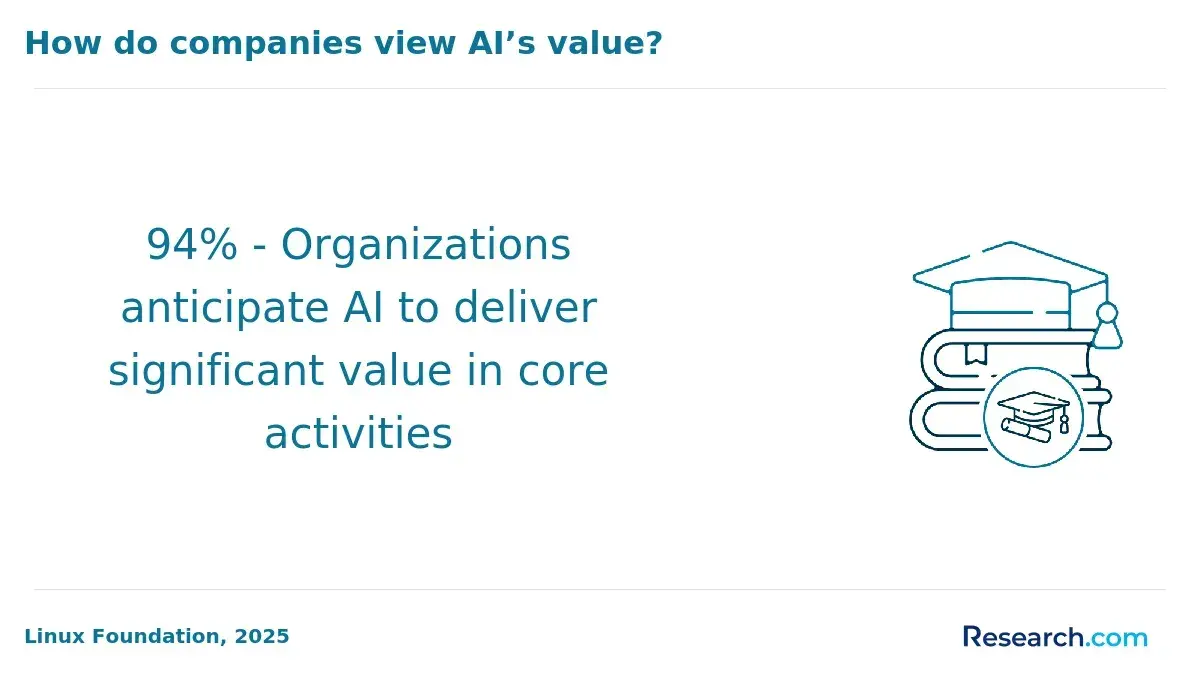
Agentic AI training programs for chief data officers focus on combining autonomous AI workflows with strategic data management to maximize business value. As IDC forecasts worldwide spending on AI-centric systems reaching $427 billion in 2025, mastering AI agents is critical for CDOs to enhance enterprise efficiency through automated decision-making and adaptive learning.
The best agentic artificial intelligence courses for data leadership typically cover:
- Design and governance of AI agents within enterprise data workflows
- Ethical and regulatory considerations for autonomous systems
- Data architecture for scalable AI agent deployment
- Integration of machine learning with agent-driven automation
Many programs offer hands-on experience with agent-based models, often through executive education or graduate certificates in AI leadership from reputable business schools affiliated with AI research centers. Emphasis on AI ethics and governance is vital as CDOs navigate compliance amid rapid AI adoption.
Prospective CDOs should target courses that prioritize real-world applications including case studies and capstone projects, stressing AI agent lifecycles from development to continuous monitoring. Given the rising importance of "AI agents and workflows," these skills empower leaders to justify and manage growing AI budgets effectively. For detailed options, explore this AI degree pathway that balances affordability with practical expertise.
How do agentic AI courses for chief data officers differ from general AI and data science programs?
Agentic AI courses tailored for chief data officers focus extensively on leadership, strategy, and integrating generative AI within business frameworks rather than on technical skills alone. These programs differ from general data science training by preparing CDOs to oversee AI deployments aligned with organizational goals, governance, and ethical standards. Such courses emphasize decision-making frameworks, responsible AI ethics, and fostering collaboration across multidisciplinary teams.
Key differences between agentic AI training and general data science programs include:
- Applying generative AI strategically to enhance innovation and competitive advantage.
- Managing AI initiatives with attention to risk mitigation, compliance, and data governance.
- Developing leadership for guiding cross-functional teams, including data scientists and business stakeholders.
- Using evaluation criteria like explainability, fairness, and impact beyond conventional accuracy metrics.
Integrating case studies related to CDO challenges, these courses help align AI projects with enterprise data strategies and enterprise-wide adoption goals. Gartner's survey indicates that CDOs with advanced agentic AI expertise are 1.8 times more likely to earn over $500,000 compared to those at early adoption stages, highlighting the strategic value of this knowledge.
Prospective students seeking such education should prioritize programs balancing AI technology insights with executive leadership development, including AI ethics and organizational change management. For those interested in a career involving technological creativity, exploring a reputable game development online degree could be an option worth considering alongside agentic AI expertise.
What admission requirements and professional background do top agentic AI programs expect from chief data officers?
Top agentic AI programs for chief data officers (CDOs) demand a strong blend of technical expertise and leadership experience in data strategy. Admissions committees usually expect candidates to have 7 to 10 years in roles such as data engineering, analytics, or AI implementation, reflecting professional background requirements for chief data officers in agentic AI programs. Hands-on experience with AI or machine learning projects, including pilot deployments or scaling AI tools, is essential.
Academic prerequisites often include a bachelor's degree in computer science, data science, statistics, or related fields. Many programs additionally require a master's degree focusing on AI, machine learning, or data analytics to prepare students for advanced agentic AI concepts. Certifications like AWS Certified Machine Learning or Google Cloud Professional Data Engineer add value to applications.
With a 2024 AWS/Nvidia survey highlighting that 73% of organizations see lack of internal skills to operationalize AI agents as a top barrier, programs look for applicants ready to close these skill gaps. Skills in automating AI workflows, integrating AI agents into business operations, and managing cross-functional AI initiatives are highly valued. Applicants should also show clear strategic vision and leadership in AI projects, including experience with data governance, AI ethics, and aligning AI deployments to organizational goals.
Some programs may require technical assessments or case studies, assessing problem-solving skills in agentic AI contexts. Prospective students exploring related fields might also consider online cyber security courses to broaden their expertise.
How do online, hybrid, and campus-based agentic AI programs compare for busy data leaders?
Agentic AI education programs vary in delivery formats, each suited to the demanding schedules of chief data officers (CDOs). Online programs offer the greatest flexibility, featuring asynchronous lectures and modular coursework that fit well into busy routines. This option, however, limits face-to-face networking and immediate collaboration opportunities.
Hybrid programs combine online learning with scheduled on-site sessions. They provide a balance of digital convenience and hands-on engagement through workshops and labs, ideal for CDOs seeking interactive, yet flexible study. These require managing in-person commitments alongside virtual components.
Campus-based programs provide immersive learning through direct access to faculty, peers, and resources, offering in-depth mentorship and practical labs. While valuable for comprehensive understanding, on-campus study demands significant time away from professional duties, often challenging for data leaders.
According to McKinsey's global AI survey, companies integrating agent-like generative AI into workflows observed median productivity gains of 30-50%, with some reaching over 200% ROI. For CDOs, programs with real-world case studies on AI productivity gains in customer operations and software engineering are critical for bridging theory with practical outcomes.
Practical advice for CDOs:
- Choose online formats for schedule flexibility and foundational knowledge.
- Opt for hybrid models for interactive learning and periodic immersion.
- Reserve campus-based options for deep dives into advanced agentic AI technology.
What core curriculum and technical skills do leading agentic AI courses teach chief data officers?
Leading programs for chief data officers integrate governance, technical expertise, and strategic leadership to prepare professionals for managing agentic AI. These courses provide frameworks for AI policy development, focusing on risk management and ethical compliance aligned with corporate goals and regulations. According to PwC's 2024 Global AI Jobs Barometer, 86% of large enterprises plan to formalize generative and agentic AI governance by 2026, positioning chief data officers or CDAOs as the main accountable leaders.
Technical training covers the machine learning model lifecycle, including data preprocessing, feature engineering, deployment, and monitoring. Emphasis is placed on addressing algorithmic bias, enhancing model explainability, and safeguarding data privacy to ensure trustworthy AI solutions. Students develop skills in advanced analytics, cloud AI services, and automation tools that empower agentic AI capabilities.
Many curricula feature practical case studies demonstrating AI integration in complex business environments, highlighting autonomous agent-based decision-making and the incorporation of AI ethics within enterprise risk management. Experience is gained in leading cross-functional teams responsible for AI assets, aligning them with organizational objectives and compliance demands.
Typical topics include:
- AI governance frameworks and policy design
- Risk assessment for generative and agentic AI systems
- Technical foundations of machine learning and automation
- Data privacy, security, and ethical considerations
- Operationalizing AI with cloud and enterprise tools
- Stakeholder communication and leadership in AI initiatives
This blend of governance knowledge and technical proficiency equips chief data officers to oversee agentic AI integration responsibly within large organizations.
How long do agentic AI programs for chief data officers take, and what do they cost?
Agentic AI programs tailored for chief data officers commonly last between 6 weeks and 6 months, depending on curriculum depth and scheduling. Many executive-style courses use modular, part-time formats, helping professionals balance study with career demands. Some intensive bootcamps run 4-8 weeks, emphasizing practical leadership and AI governance, while extended courses of 4-6 months cover AI ethics, strategy deployment, and enterprise change management.
Costs vary widely based on program format and institution. Bootcamps typically range from $3,000 to $7,000, delivering focused skills quickly. More extensive executive education options can cost between $10,000 and $25,000, reflecting additional mentorship and networking benefits. Universities offering certificates or specialized senior data leader training often set tuition within this range.
Deloitte's 2024 State of AI in the Enterprise study highlighted that 64% of high-performing AI organizations increased investments in executive AI education by over 25% year-over-year. This trend underlines the strategic importance of programs that blend leadership development with practical agentic AI expertise.
When choosing a program, consider:
- Relevance of syllabus to your role
- Faculty expertise
- Industry partnerships
- Program flexibility
Budget concerns may be eased through employer-sponsored benefits or cohort financing. Aligning program duration, costs, and career goals ensures the best educational fit for data leaders seeking to advance in AI.
How can chief data officers evaluate accreditation and institutional quality for agentic AI programs?
Chief data officers (CDOs) evaluating agentic AI courses should focus on institutional accreditation and program quality to ensure rigor and relevance. Accreditation from reputable bodies like the Accreditation Board for Engineering and Technology (ABET) or regional accreditors such as the Middle States Commission on Higher Education confirms that a program meets professional and academic standards. Investigating the institution's reputation in technology education and its track record in graduate success is essential for quality assurance.
Program curricula must align with industry demands, covering areas such as machine learning, data governance, ethical AI, and strategic decision-making tailored for leadership roles. Executive certificates with pathways to advanced degrees offer additional value. For example, Carnegie Mellon University's Heinz College 2025 Chief Data and AI Officer executive certificate costs $17,850 total tuition and includes a tuition match of up to $40,000 toward an MSIT degree, effectively enhancing return on investment.
Faculty expertise, including active research and industry ties, is a critical factor. Programs featuring real-world case studies, capstone projects, and corporate partnerships boost practical skills. Requesting alumni career advancement data helps CDOs assess long-term benefits.
- Is the program accredited by a nationally recognized agency?
- Does the curriculum include advanced AI leadership and governance topics?
- Are there pathways to higher degrees or professional credentials?
- What is the faculty's research and industry engagement?
- How successful are alumni in AI leadership roles?
These considerations enable CDOs to select high-quality agentic AI education that supports strategic career development and organizational impact.
What career impacts, salary outcomes, and promotion opportunities can agentic AI training unlock for chief data officers?
Agentic AI training equips chief data officers (CDOs) with advanced skills in autonomous AI system management and strategic implementation, significantly boosting their career prospects. Industry salary surveys from 2025 reveal that CDOs with this expertise earn salaries approximately 20% higher than peers without such training. This reflects the growing demand for professionals who can drive AI-powered decision-making in organizations.
Furthermore, agentic AI training opens the door to leadership roles leading complex digital transformations. CDOs who master these skills are often fast-tracked into executive positions such as Chief Analytics Officer or Chief Technology Officer. Employers value their ability to integrate AI systems that improve operational efficiency and generate actionable insights.
A study by MIT Sloan Management Review and Boston Consulting Group highlights that companies helmed by AI-fluent executives are 3.4 times more likely to achieve significant financial returns from AI investments. This positions agentic AI fluency not only as a technical skill but as a critical strategic advantage in senior leadership.
Career benefits include:
- Leading cross-functional teams developing self-learning AI models.
- Driving innovation via automated data pipelines that shorten time-to-insight.
- Championing ethical AI governance aligned with regulatory standards.
For professionals aiming to advance, agentic AI training demonstrates capability in managing AI autonomy responsibly and delivering measurable business results. Such expertise is rewarded with enhanced compensation and expanded leadership opportunities.
Which certifications, executive credentials, or microcredentials complement agentic AI courses for chief data officers?
Chief data officers expanding their expertise beyond technical skills should pursue certifications that emphasize strategic leadership and governance. Executive credentials such as the Certified Analytics Professional (CAP) and the DAMA Certified Data Management Professional (CDMP) are essential for mastering data management as the role evolves.
Certifications focusing on AI governance, ethics, and risk management are critical to navigate compliance in generative and agentic AI deployment. Programs like the Artificial Intelligence Governance and Ethics Certificate provide robust frameworks for these challenges.
Microcredentials on AI strategy available through platforms like LinkedIn Learning and Coursera support targeted growth in AI-driven business transformation. These help professionals align AI initiatives with enterprise goals and improve integration within data ecosystems.
With Gartner forecasting that by 2026, 75% of large enterprises will have a Chief Data & AI Officer (CDAO) role, bridging gaps between data science, AI technology, and leadership becomes increasingly important.
- Prioritize certifications addressing AI ethics, governance, and operational risk.
- Choose microcredentials emphasizing AI-driven innovation management.
- Combine technical AI coursework with leadership training in data strategy.
- Evaluate programs based on industry-recognized standards.
Relevant credentials include the Stanford AI in Healthcare certificate for specialized expertise and the MIT Sloan Artificial Intelligence: Implications for Business Strategy for broader leadership insights.
Other Things You Should Know About Artificial Intelligence
In 2027, top AI courses for Chief Data Officers include Stanford's Advanced AI Strategy for Leaders, MIT's AI for Data-Driven Strategy, and Berkeley’s Designing Responsible AI Systems. These courses focus on strategic implementation, ethical AI, and leadership in AI technology.
Explainability refers to the ability to understand and interpret AI decision-making processes. It is critical for enterprises as it builds trust among stakeholders and meets regulatory requirements. When AI systems provide clear explanations, chief data officers can better evaluate risks, improve models, and justify AI-driven outcomes to leadership and customers.
Chief data officers often encounter challenges such as data quality and integration issues, insufficient AI talent, and organizational resistance. Scaling AI also requires robust infrastructure, clear governance, and alignment with business goals. Addressing these obstacles is essential for successful AI deployment and long-term value creation.
Continuous learning is vital in the rapidly evolving field of artificial intelligence due to frequent advancements in algorithms, tools, and applications. Staying updated helps professionals maintain technical proficiency and adapt to new AI capabilities. Ongoing education ensures that chief data officers can effectively guide AI strategy and innovation within their organizations.
References
- Agentic AI for Data Management & Governance | Ensuring Auditable Compliance https://www.acceldata.io/blog/agentic-ai-for-data-management-governance-and-compliance-automation
- Best AI Agent Courses for C-Level Leaders (2026 Guide) https://www.aiagentsacademy.ai/blog/best-ai-agent-courses-c-level-leaders-2026
- Chief Data and AI Officer Programme | Imperial Executive Education https://execed-online.imperial.ac.uk/chief-data-ai-officer
- Why Data Quality Is Essential for Agentic AI https://www.taleofdata.com/blog/why-data-quality-is-essential-for-agentic-ai
- From Day One | How Agentic AI is Transforming Workforce Strategy https://www.fromdayone.com/stories/2025/7/31/how-agentic-ai-is-transforming-workforce-strategy
- NVIDIA Agentic AI LLMs Certification https://www.nvidia.com/en-us/learn/certification/agentic-ai-professional/
- How will agentic AI show up in higher education? | EAB https://eab.com/resources/blog/data-analytics-blog/how-will-agentic-ai-show-up-in-higher-education/
- CDO and CISO alignment is now central to AI data governance https://nhimg.org/articles/cdo-and-ciso-alignment-is-now-central-to-ai-data-governance/
- ServiceNow Agentic AI Executive Micro-Certification Learning Path - ServiceNow University https://learning.servicenow.com/lxp/en/now-intelligence/agentic-ai-executive-micro-certification-learning-path
- Harvard Data Science Review Agentic AI Intensive https://live.hdsrcourses.org/agentic-ai-intensive