2027 Best AI Courses for HR Leaders Managing AI Adoption

Co-Founder and Chief Data Scientist
Human resource leaders face mounting pressure to integrate artificial intelligence tools effectively while managing workforce transitions and ethical challenges. Many struggle to find courses that combine technical understanding with strategic HR applications, leading to stalled AI adoption and missed opportunities. Selecting the right educational path is crucial for developing skills that align AI capabilities with organizational goals without compromising employee relations.
This article evaluates top courses designed for HR professionals, emphasizing flexible, accredited programs that facilitate a seamless pivot into AI management roles, aiming to equip leaders with actionable knowledge to drive confident, responsible AI integration in their workplaces.
Key Things You Should Know
- AI courses for HR leaders in 2026 emphasize practical adoption strategies, with 68% of programs including change management and ethical AI use modules.
- Data shows 55% of HR professionals who completed AI training report improved talent acquisition efficiency, highlighting the impact on recruitment processes.
- Top courses integrate AI literacy with leadership skills, reflecting a growing demand for HR leaders able to navigate AI-driven workplace transformations.
Advance Your Career with AI Online Courses
Artificial Intelligence: Implications for Business Strategy
This program provides an introduction to Artificial Intelligence and their implications for business strategy. Earn an official digital certificate.

Oxford Artificial Intelligence Programme
Explore this Oxford Artificial Intelligence programme offered in a flexible learning environment and explore topics like machine learning, automation, and robotics.

Implementing Agentic AI: Building Your Organizational Playbook
This online MIT Agentic AI course offers a practical approach to deploying AI agents in your organization, including a custom playbook. 3 weeks, exclusive launch price.

AI Adoption: Driving Business Value and Impact
This online MIT AI Adoption: Driving Business Value and Impact offers practical frameworks to close the gap between AI potential and business reality.

Artificial Intelligence in Pharma and Biotech
Discover the applications and limitations of artificial intelligence in pharma and biotech with this MIT online short course.

What are the best AI courses for HR leaders managing adoption?
HR leaders managing AI adoption require comprehensive courses that balance technical knowledge with strategic implementation skills. The best AI courses for hr leaders managing adoption emphasize leadership, ethical AI use, and change management alongside foundational AI insights. Programs covering AI-driven talent analytics, bias mitigation in algorithms, and automation integration particularly stand out.
According to the World Economic Forum's "Future of Jobs" report, 42% of business tasks will be automated or augmented by AI by 2027, but only 28% of organizations report their HR leaders are prepared for AI transformation. This gap highlights the urgent need for targeted education, making the top artificial intelligence training programs for hr professionals essential for equipping leaders to navigate this shift effectively.
Key course elements include:
- Understanding AI fundamentals tailored to HR use cases such as recruitment and workforce planning.
- Developing skills to interpret AI outputs for data-driven decisions without requiring deep technical expertise.
- Training on ethical AI use, transparency, and bias reduction in HR processes.
- Change management strategies to foster employee adoption and mitigate resistance.
- Case studies illustrating successful AI implementation across industries.
Leading programs often offer certifications that blend AI leadership with HR specialization. Executive education targeting AI for HR professionals delivers focused skill-building, while vendor-neutral courses detailing widely used AI tools support practical application. For those exploring affordability, the cheapest data science master's in USA may also provide valuable entry points to broader AI expertise.
Advance Your Career with AI Online Courses
Artificial Intelligence: Implications for Business Strategy
This program provides an introduction to Artificial Intelligence and their implications for business strategy. Earn an official digital certificate.
Oxford Artificial Intelligence Programme
Explore this Oxford Artificial Intelligence programme offered in a flexible learning environment and explore topics like machine learning, automation, and robotics.
Implementing Agentic AI: Building Your Organizational Playbook
This online MIT Agentic AI course offers a practical approach to deploying AI agents in your organization, including a custom playbook. 3 weeks, exclusive launch price.
Which AI skills do HR leaders need for adoption?
HR leaders managing artificial intelligence adoption need a focused set of capabilities in human resources to govern AI effectively. A strong grasp of generative AI and its applications in HR functions is vital. According to Deloitte's Global Human Capital Trends report, 65% of organizations have integrated generative AI into at least one HR process, notably talent acquisition (47%) and learning & development (39%).
This trend highlights how AI tools automate resume screening, candidate matching, personalized training, and skills development programs. Data literacy remains essential for HR professionals to interpret AI-generated insights, enabling smarter decisions in workforce planning and employee engagement. Skills in data privacy and ethical AI use also ensure compliance with regulations and help reduce bias in hiring and evaluations.
Technical expertise in AI system integration and workflow automation sets effective HR leaders apart. Familiarity with connecting AI to HR information systems (HRIS) and applicant tracking systems (ATS) supports smoother adoption and functionality. Change management skills help address employee concerns about AI, build trust, and foster an AI-ready culture where reskilling opportunities are emphasized.
Strategic foresight allows HR leaders to anticipate AI's future impacts, ensuring their organizations stay competitive and compliant. Professionals seeking to enhance these competencies might explore mechanical engineering degrees online, which often include courses in AI and data analysis, broadening their understanding of technology integration in the workplace.
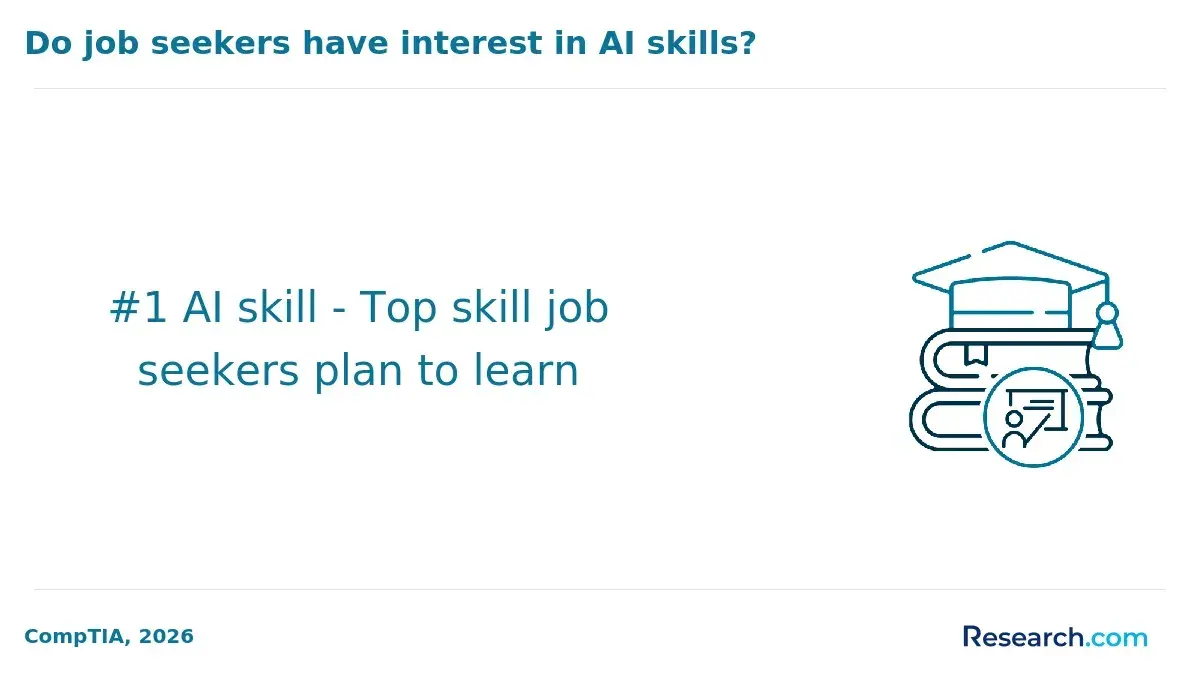
Which AI course formats work best for working HR professionals?
For working HR professionals, the best AI course formats combine flexibility with role-specific content to fit busy schedules and provide immediate workplace relevance. Online, self-paced modules paired with applied exercises help learners connect training directly to real HR challenges.
According to LinkedIn Learning's Workplace Learning Report, employees in role-specific, applied-skills courses are 39% more likely to apply new knowledge rapidly compared to those in generic tech courses. This underlines the value of targeted AI training for HR leaders.
Flexible AI training options for HR leaders often include blended formats that mix live virtual workshops with asynchronous lessons. These setups offer interaction, Q&A, and networking without requiring constant in-person attendance. For example, courses might feature recorded lectures on ethical AI recruitment algorithms alongside live discussions and software demos.
Microlearning with focused lessons on topics such as bias mitigation and AI-driven talent analytics helps build incremental knowledge and retention. Practical projects simulating AI adoption-like implementing chatbot interfaces for candidate engagement-are vital for connecting theory to practice. Customizable learning paths addressing strategic, operational, or technical AI applications also support varied career needs and skill levels.
While in-person boot camps exist, online and hybrid role-specific AI programs better balance depth, convenience, and accessibility for full-time HR professionals. Additionally, those exploring AI education might consider video game programs as alternative pathways to develop technical skills applicable across industries.
How do accredited AI programs compare with short courses?
Accredited artificial intelligence programs for HR professionals offer extensive training that combines theoretical knowledge with applied projects over several months or years. These programs result in formal qualifications that carry weight with employers, especially in regulated industries. For HR leaders, such a credential fosters a deep understanding of AI governance, risk management, and ethical considerations necessary for effectively managing AI adoption.
In contrast, short courses focus on specific skills or concepts and are designed for rapid upskilling, lasting from hours to weeks. They provide practical AI literacy but often lack the comprehensive scope needed to develop strategic oversight in AI governance. Nonetheless, these courses remain valuable.
A survey by the IBM Institute for Business Value found that organizations with senior leaders who completed at least one AI literacy short course were 2.6 times more likely to have confidence in their AI governance and risk controls, highlighting the impact of even brief training on leadership capabilities.
HR professionals weighing the differences between accredited AI certifications and short courses should consider their goals and time availability. Accredited programs are best suited for those leading large-scale AI projects requiring compliance, while short courses efficiently address targeted AI risks and tools. Combining both approaches can optimize ongoing development.
For those interested in related fields, the fastest way to get a cybersecurity degree online may complement AI expertise in organizational risk management.
What should AI for HR courses cover?
AI for HR courses focus on practical skills that enhance talent management through technologies like AI-driven recruitment tools, workforce analytics, and automation of routine HR tasks. Instruction in natural language processing is key to understanding chatbots and automated resume screening. Ethical training on bias mitigation and labor law compliance ensures AI applications remain fair and lawful.
HR professionals learn to interpret AI-generated data for strategic decisions, such as analyzing predictive hiring models and employee engagement metrics. Case studies show AI's impact in reducing time-to-hire by 30% and improving candidate-to-hire conversion rates by 20%, underscoring the efficiency gains from AI adoption.
Practical hands-on experience with popular HR platforms, including AI-integrated applicant tracking systems and performance monitoring tools, bridges theoretical knowledge and real-world application. Change management techniques are essential for guiding teams through AI adoption, addressing concerns about automation, and communicating AI's benefits effectively.
In addition, training covers data privacy regulations and cybersecurity measures crucial for managing risks associated with AI implementations. Combining technical expertise with ethical frameworks and leadership strategies prepares HR professionals to successfully implement and manage AI technologies. Seamless integration of AI into existing HR information systems further enhances operational workflow and decision-making quality.
What are the admission requirements for AI courses?
Admission requirements for AI courses targeting HR leaders typically include a bachelor's degree in business, human resources, computer science, or related fields. Some programs, especially advanced or executive ones, also seek several years of HR management or analytics experience. Basic proficiency in Excel and statistics, along with an understanding of workforce analytics, is often necessary.
Applicants without a technical background might need to complete prerequisite modules or demonstrate competence in data handling. Many AI courses for HR professionals focus more on human capital metrics than on coding, making them accessible to those without formal tech education. However, strong analytical reasoning remains essential. Certificate programs may require assessments or submission of relevant professional portfolios.
Employers encourage HR leaders to develop AI skills, as firms with trained HR leaders are over three times more likely to leverage AI-driven workforce analytics for strategic decisions like workforce planning and skills investments, according to Gartner's HR Technology Survey. Executive programs may also ask for letters of recommendation or proof of leadership roles. Some master's degrees request GRE or GMAT scores but often waive these if applicants have extensive work experience or prior graduate degrees.
How long do AI courses for HR leaders take?
AI courses for HR leaders vary widely in duration, typically ranging from a few hours to several weeks, depending on program depth and format. Introductory courses lasting 4 to 10 hours provide foundational knowledge about AI concepts and ethical considerations. More comprehensive, part-time programs spanning 2 to 8 weeks often cover practical applications such as recruitment, employee management, and bias mitigation.
Shorter workshops of 1 to 3 days target HR professionals focused on compliance and auditing AI systems, especially in light of regulatory updates like those from the Equal Employment Opportunity Commission (EEOC). Notably, 83% of large U.S. employers using algorithmic tools have adjusted AI systems due to bias or adverse impact issues found via audits, highlighting the need for targeted training in this area.
Some courses integrate hands-on labs, case studies, and HR technology applications. For example, a 6-week program might combine weekly lectures with interactive projects to develop skills in bias detection and mitigation. Online microcredentials offer flexible, asynchronous learning that can extend up to 12 weeks for mastery.
When selecting training, HR leaders should seek courses with regular updates on evolving legal standards and audit practices. Programs emphasizing ongoing assessment and ethical AI deployment help develop deeper strategic insights essential for managing AI adoption in organizations effectively.
How much do AI courses for HR leaders cost?
AI courses for HR leaders vary significantly in cost depending on depth, format, and provider. Basic self-paced online options typically start between $100 and $300, ideal for foundational knowledge. More robust certificate programs cost $1,000 to $3,000, featuring structured curricula and expert guidance to help integrate AI into HR strategies effectively.
Executive-level or university-affiliated programs often exceed $5,000 and may include personalized coaching, cohort collaboration, and project-based learning. These are best suited for senior HR professionals managing complex AI implementations and requiring advanced change management skills. Some providers offer modular pricing, with individual sections ranging from $200 to $700.
Employer support can significantly offset these costs, as many companies value training in AI change management. According to Prosci's 2024 Best Practices in Change Management study, projects led by people with dedicated change-management training are six times more likely to succeed in AI adoption, underscoring the strong return on investment.
Before enrolling, consider these questions:
- Do you need foundational AI literacy or advanced managerial expertise?
- Is certification important for advancing your career?
- Will your employer subsidize or reimburse the course?
- Do you prefer self-paced study or live instruction?
Careful evaluation of your goals and circumstances will help you choose an AI course that balances cost with actionable skills to drive successful adoption within your organization.
What careers can AI-trained HR leaders pursue?
AI-trained HR leaders have a variety of impactful career paths that combine expertise in technology and human capital management. Key roles include HR Analytics Manager, who designs data-driven strategies to optimize workforce planning, talent acquisition, and employee engagement. People Analytics Consultants advise organizations on integrating AI tools to improve decision-making and reduce bias in recruitment and promotion.
Other important positions involve Talent Acquisition Specialists using machine learning to enhance candidate sourcing and screening efficiency. Workforce Technology Managers oversee AI-based HR systems that automate administrative tasks, allowing HR teams to focus on strategic priorities. Change Management Leaders with AI expertise help organizations navigate digital transformation while aligning AI adoption with company culture.
A 2024 AIHR benchmark survey reveals organizations with at least 25% of HR staff certified in AI or people analytics are 2.3 times more likely to be perceived as strategic partners, highlighting the value of certification in elevating HR careers. This opens advanced roles such as Chief People Officer focused on technology-driven leadership.
Aspiring HR professionals should pursue certifications that build skills in data interpretation, ethical AI use, and technological integration. These certifications prepare them for careers in strategic workforce planning, employee experience design, and AI governance, all demanding a strong understanding of AI capabilities and human factors in business.
Which certifications help HR leaders prove AI expertise?
Certifications validating AI expertise for HR leaders cover both technical skills and strategic applications. The Certified Artificial Intelligence Practitioner (CAIP) credential provides HR professionals with a solid foundation in AI technologies applied to workforce management. It spotlights practical uses of AI for talent acquisition, employee engagement, and performance analytics, making it highly relevant to HR roles.
The AIHR's People Analytics Certificate blends data analytics and AI concepts, enabling HR leaders to apply machine learning for predictive workforce planning and smarter decision-making. For HR professionals focused on integrating AI into company strategy, the MIT Sloan Artificial Intelligence: Implications for Business Strategy program offers rigorous insights on AI's effects on organizational workflows and alignment with business goals.
Professional certifications like the SHRM People Analytics Specialty Credential now include AI elements, emphasizing data-driven HR enhanced by AI. This includes tackling challenges such as bias mitigation in AI recruitment and improving employee experience through automation.
According to Accenture's "Work, Workforce, Workers" report, companies investing over 10 hours per employee annually in AI training experience a 22% boost in HR process efficiency and a 9% growth in workforce productivity within a year. Such data highlights how structured AI certifications empower HR leaders to confidently implement and optimize AI-driven initiatives.
Other Things You Should Know About Artificial Intelligence
Artificial intelligence can collect and analyze vast amounts of employee data, potentially raising concerns about privacy and surveillance. HR leaders must ensure compliance with legal standards like GDPR and implement transparent policies to protect employee information while using AI tools responsibly.
AI has the potential to minimize human biases by using data-driven algorithms in recruitment and performance evaluations. However, if AI systems are trained on biased data sets, they can perpetuate or even amplify existing biases, so continuous monitoring and bias mitigation are essential.
HR leaders often face challenges such as resistance to change among staff, data privacy concerns, and the need for adequate training to manage AI tools effectively. Additionally, aligning AI adoption with organizational goals and ensuring ethical use are critical hurdles.
Top AI courses for HR leaders in 2027 focus on ethical AI use, bias reduction, and data management. Examples include MIT's AI Strategies for HR, Coursera’s AI for Good by Stanford, and INSEAD’s AI Leadership for HR.
References
- How HR leaders can build the meta skills needed for an AI‑ready workforce in 2026 https://www.frazerjones.com/hiring-advice/leadership/how-hr-leaders-can-build-the-meta-skills-needed-for-an-ai-ready-workforce/
- Artificial Intelligence for HR | Certificate Program https://www.aihr.com/courses/artificial-intelligence-for-hr-certification/
- Essential AI Skills for HR Professionals Who Want to Stay Ahead https://www.turingcollege.com/blog/essential-ai-skills-for-hr-professionals
- AI+HI Specialty Credential https://www.shrm.org/credentials/specialty-credentials/ai-hi-specialty-credential
- Top 7 artificial intelligence courses 2025: Comparison of the best online programs https://xd-i.com/en/data-en/ai-courses/
- Introduction to AI for HR https://shop.cipd.org/product
- 3 Critical Roles the HR Department Plays in AI Adoption https://www.cphrab.ca/3-critical-roles-hr-department-plays-ai-adoption
- Blog https://admissiongoals.com/post/ai-machine-learning-programs-europe-admission-guide-international-students
- Navigating the Future of HR: GenAI Integration Essentials | Australian HR Institute https://www.ahri.com.au/certification-and-training/short-courses/navigating-the-future-of-hr-genai-integration-essentials
- Generative AI in HR Courses | Innovate HR with AI https://www.chrmp.com/generative-ai-in-hr-certification/