2027 Best AI Strategy Courses for Customer Loyalty Teams

Co-Founder and Chief Data Scientist
Customer loyalty teams increasingly face challenges in leveraging data effectively to predict churn and personalize engagement. Many struggle to integrate artificial intelligence strategies that drive measurable retention improvements without deep technical expertise. Companies risk losing valuable customers due to reactive approaches rather than proactive, AI-driven interventions. This gap hinders competitive growth and affects long-term brand loyalty. Understanding and applying the right AI methodologies tailored to loyalty programs can transform these outcomes.
This article explores leading AI strategy courses designed specifically for customer loyalty teams, offering practical pathways to develop skills that directly address these pressing challenges.
Key Things You Should Know
- AI strategy courses for customer loyalty teams focus on integrating predictive analytics and personalization, enhancing retention rates by up to 25% according to 2025 industry reports.
- Top programs emphasize practical skills with real-world AI tools, offering training in machine learning algorithms that improve customer segmentation and engagement efficiency.
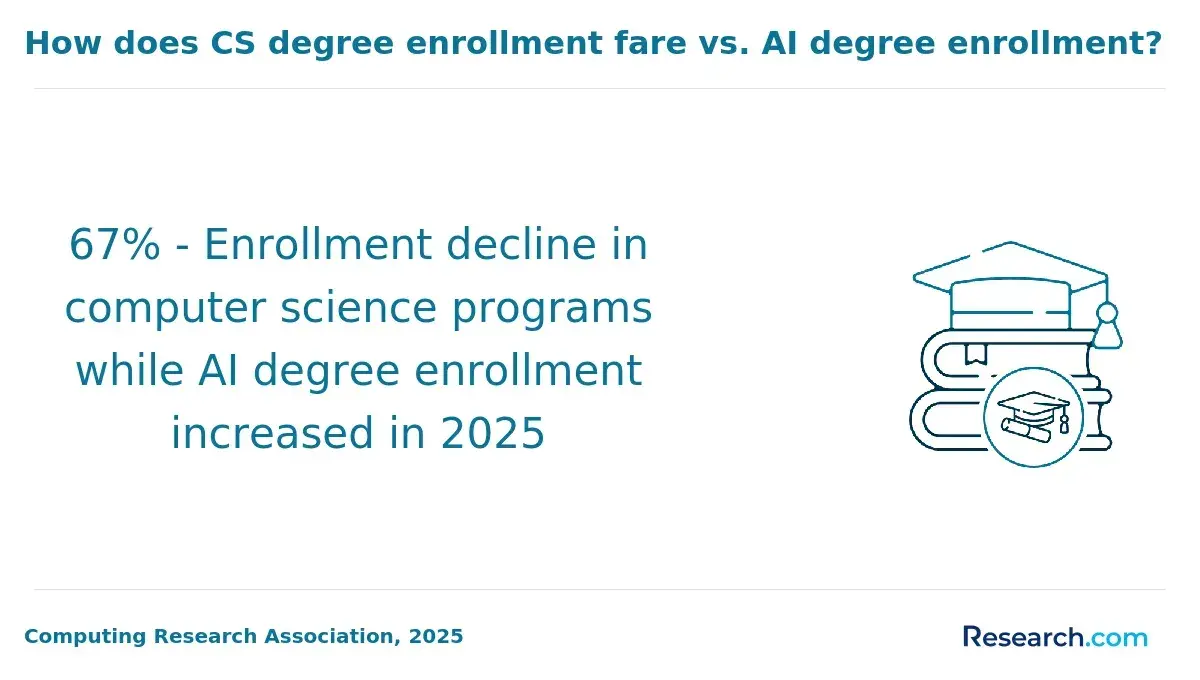
- Enrollment in AI strategy courses surged 40% in 2025, reflecting growing demand for expertise that supports data-driven loyalty initiatives across diverse industries.
Advance Your Career with AI Online Courses
Artificial Intelligence: Implications for Business Strategy
This program provides an introduction to Artificial Intelligence and their implications for business strategy. Earn an official digital certificate.

Oxford Artificial Intelligence Programme
Explore this Oxford Artificial Intelligence programme offered in a flexible learning environment and explore topics like machine learning, automation, and robotics.

Implementing Agentic AI: Building Your Organizational Playbook
This online MIT Agentic AI course offers a practical approach to deploying AI agents in your organization, including a custom playbook. 3 weeks, exclusive launch price.

AI Adoption: Driving Business Value and Impact
This online MIT AI Adoption: Driving Business Value and Impact offers practical frameworks to close the gap between AI potential and business reality.

Artificial Intelligence in Pharma and Biotech
Discover the applications and limitations of artificial intelligence in pharma and biotech with this MIT online short course.

What is an AI strategy course for customer loyalty teams and who should take it?
Courses in ai strategy for customer loyalty enhancement teach how to use artificial intelligence tools to boost customer retention and engagement. These training programs on artificial intelligence for loyalty teams emphasize AI-driven personalization, predictive analytics, and automation to optimize loyalty initiatives. Learners gain skills to design data-informed strategies that increase customer lifetime value by anticipating behavior and customizing experiences.
Such courses benefit marketing managers, loyalty program directors, data analysts, and customer experience professionals aiming to enhance loyalty outcomes. They are also suitable for teams transitioning into AI-focused roles or implementing AI without deep technical expertise. For example, a loyalty manager may learn to segment customers via AI based on purchase history, while a data analyst could build models to predict churn risks.
Organizations adopting these skills see tangible benefits. According to Deloitte's Global Marketing Trends report, brands leveraging AI for personalized experiences are 3.5x more likely to outperform peers in customer loyalty metrics. This highlights the competitive advantage of AI strategy proficiency.
Effective courses typically cover:
- Fundamentals of AI and machine learning relevant to loyalty
- Customer data analysis and segmentation techniques
- Developing AI-driven personalization tactics
- Measuring ROI and improving loyalty KPIs with AI
Those pursuing AI degrees often find expanded career opportunities in marketing and customer experience roles. More information on AI degrees can be found at AI degrees.
Advance Your Career with AI Online Courses
Artificial Intelligence: Implications for Business Strategy
This program provides an introduction to Artificial Intelligence and their implications for business strategy. Earn an official digital certificate.
Oxford Artificial Intelligence Programme
Explore this Oxford Artificial Intelligence programme offered in a flexible learning environment and explore topics like machine learning, automation, and robotics.
Implementing Agentic AI: Building Your Organizational Playbook
This online MIT Agentic AI course offers a practical approach to deploying AI agents in your organization, including a custom playbook. 3 weeks, exclusive launch price.
How can AI strategy training improve customer loyalty, retention, and lifetime value roles?
AI strategy training directly enhances customer loyalty, retention, and lifetime value roles by equipping professionals with skills to leverage data-driven insights and predictive analytics. These capabilities enable segmentation of customers based on behavior and preferences, leading to personalized engagement strategies that increase satisfaction and repeat purchases. For instance, teams trained in ai-driven customer loyalty strategies can deploy AI-powered recommendation engines to anticipate customer needs, boosting cross-sell and upsell opportunities.
Training programs for customer retention and lifetime value often improve the automation of routine loyalty program tasks while maintaining personalization, reducing operational costs and freeing staff for strategic efforts like identifying at-risk customers and deploying targeted retention campaigns. According to Salesforce's "State of Marketing" report, 75% of marketing leaders say their teams lack essential AI skills needed for effective customer engagement and loyalty.
These training programs cover machine learning applications for analyzing churn risk and optimizing retention investment. Skills include integrating AI tools with CRM platforms, improving data quality, and applying ethical AI to maintain trust. Practical experience designing AI-driven campaigns and measuring key performance indicators equips learners to translate AI insights into actionable loyalty strategies that drive long-term revenue.
Such education also fosters continuous learning and adaptation to emerging AI technologies, helping loyalty teams remain agile in evolving markets. For students and professionals interested in AI and its applications in customer loyalty and retention, finding the right degree is crucial. For example, those seeking a cheapest online computer engineering degree can build foundational skills supporting AI-driven careers in marketing and customer engagement.
What types of AI strategy programs exist for customer loyalty professionals in the U.S.?
AI strategy courses for customer loyalty teams in the U.S. vary widely in focus, delivery, and depth to meet different career paths and organizational demands. Core offerings include certificate programs, graduate degrees, and executive education tailored to roles in marketing, data analytics, and customer experience.
Certificate programs highlight practical applications of artificial intelligence in loyalty marketing. Topics such as customer segmentation, predictive analytics, and personalized campaign design are often covered in short-term online or in-person courses offered by universities or specialized providers. These programs align with McKinsey's findings that AI-driven personalization can increase revenue by 10-15% and marketing ROI by 20-30%. Customer loyalty programs using AI strategy in America benefit directly from these insights.
Master's and MBA programs with AI or marketing analytics concentrations provide a broad theoretical foundation, including AI ethics, machine learning, and data governance. These longer programs prepare professionals to lead AI transformation initiatives within loyalty teams and align AI models with customer retention goals.
Executive education is designed for senior leaders, combining case studies and strategic frameworks to implement AI at scale, emphasizing cross-functional collaboration between IT, marketing, and customer service.
Additional programs address industry-specific challenges and include hands-on labs for churn prediction, lifetime value optimization, and automated customer journey mapping. Those interested in deepening their expertise might explore options such as the cheapest online PhD in cyber security as an example of affordable advanced education.
To choose the right program, professionals should evaluate curriculum relevance, experiential learning, and the program's effectiveness in leveraging AI-driven personalization to enhance loyalty outcomes.
How do online AI strategy courses compare with campus and hybrid options for loyalty teams?
Online AI strategy courses vs campus programs for loyalty teams highlight distinct advantages. Online formats offer greater flexibility and accessibility, allowing customer loyalty teams to learn without disrupting current workflows or relocating. These courses often include modular content and real-time case studies tailored for loyalty programs, making it easier to integrate AI-driven strategies quickly.
Campus programs provide immersive experiences with direct faculty interaction and peer collaboration, which benefit learners seeking structured schedules and deeper networking within AI and marketing communities. However, campus formats may lack the agility needed in fast-paced loyalty operations due to fixed timetables delaying immediate skill application.
Hybrid AI strategy training benefits for customer loyalty teams by combining in-person hands-on workshops with online flexibility. This model supports collaborative learning while accommodating remote access, though some travel for sessions may be necessary, presenting logistical challenges.
Cost and time investment vary among formats. Online courses reduce commuting and housing expenses and can be completed faster, supporting quicker upskilling. Capgemini's survey on AI at scale notes organizations embedding AI in core customer operations achieve 26-31% cost reductions, enabling reinvestment in loyalty programs.
For professionals seeking advanced credentials, exploring a doctorate in data analytics online offers opportunities to deepen expertise while maintaining work commitments.
What core topics and tools are covered in AI strategy courses for customer loyalty?
AI strategy courses for customer loyalty teams focus on critical areas such as data ethics, predictive analytics, personalization algorithms, and customer segmentation. These programs teach how to design AI-driven loyalty initiatives that tailor offers based on consumer behavior data, improving engagement and retention.
Core tools often include machine learning platforms like TensorFlow and cloud-based analytics services from AWS AI and Microsoft Azure AI. Emphasizing responsible data management, these courses address trust issues-highlighting findings from PwC's 2024 Trust in Customer Experience study, which reveals that 82% of consumers are more likely to stay loyal to brands that clearly explain how AI uses their data. Teams learn transparent communication strategies that comply with privacy laws such as CCPA and GDPR.
Technical training covers recommendation systems, natural language processing for analyzing customer feedback, and sentiment analysis to customize real-time offers. Integration of AI with CRM platforms helps automate loyalty rewards and refine customer journey mapping. Practical exercises also focus on identifying AI biases to ensure fairness and inclusivity in loyalty programs.
Scenario-based learning enables teams to evaluate AI's impact on retention metrics and adjust strategies dynamically. Continual skill development is encouraged to keep pace with rapidly evolving AI tools, enabling loyalty managers to enhance customer relationships effectively.
How can I verify accreditation and program quality for AI strategy training in the U.S.?
Accreditation is essential to ensure quality in AI strategy training programs in the U.S. Confirm that courses are offered by institutions accredited by agencies recognized by the U.S. Department of Education or the Council for Higher Education Accreditation (CHEA). This guarantees adherence to established educational standards and helps avoid investing in substandard training.
Program content should align closely with current industry needs. Effective curricula typically include AI fundamentals, data analytics, and machine learning applications focused on customer loyalty, such as churn prediction. Bain & Company's 2024 study highlights firms utilizing AI-based churn prediction achieving 15-25% churn reduction and 5-10% increases in customer lifetime value.
Instructor expertise plays a crucial role. Favor programs led by professionals with relevant experience and academic credentials in AI strategy or customer analytics. Hands-on projects, case studies, and partnerships with subscription or retail businesses enhance practical learning and skill transfer.
Look for verifiable alumni success, such as career progression or contributions to AI-driven customer loyalty initiatives. Third-party ratings, student feedback on specialized platforms, and collaborations with reputable AI organizations further indicate program reliability.
A recognized certificate or credential boosts employer confidence in graduates. Combining accreditation, relevant content, expert instructors, and demonstrated outcomes is vital for selecting a high-quality AI strategy training program.
What are typical admission requirements for AI strategy courses aimed at customer loyalty staff?
Admission requirements for ai strategy courses aimed at customer loyalty teams typically include a bachelor's degree in business, marketing, data science, or related fields. Many programs expect 2 to 5 years of relevant experience in loyalty, marketing analytics, or ai implementation, especially for advanced or executive-level courses.
Proficiency in data analytics, statistics, or programming languages such as Python is often required or highly recommended. Some courses also call for foundational knowledge of machine learning or prior use of ai tools to support faster learning and real-world application.
Applicants with managerial or strategic roles are favored since successful ai integration in loyalty campaigns depends on cross-functional coordination. Written statements of professional goals, portfolios, interviews, or recommendation letters may also be part of the admission process.
Entry-level short courses often accept recent graduates, while top-tier certifications usually cater to mid-career professionals, matching course complexity with learner readiness.
A study by the Boston Consulting Group highlights that teams using generative ai in campaigns achieve up to 30% faster development and 20% higher engagement rates. This underscores the critical need for customer loyalty staff to quickly develop analytical skills to maximize ai benefits in marketing strategies.
How long do AI strategy programs for loyalty teams take, and what do they cost?
AI strategy programs for customer loyalty teams vary widely in duration and depth. Options include short, focused workshops lasting 2-4 weeks and longer courses extending from 3 to 6 months. Accelerated certificates and executive-style bootcamps typically require 20 to 40 hours part-time, ideal for busy professionals seeking specific skills without a major time commitment. More comprehensive diploma or certificate courses demand 100-200 hours, involving hands-on projects in AI-powered loyalty marketing, customer segmentation, and predictive analytics.
Costs depend on program scope and provider. Short courses and bootcamps usually cost between $500 and $3,000, featuring streamlined content with limited mentorship. Extended online or hybrid programs with accreditation and coaching may range from $3,000 to $10,000. Specialized AI strategy training from well-known institutions often falls between $4,000 and $7,500, combining foundational knowledge with real-world loyalty applications.
Choosing the right program depends on career stage and goals. Entry-level marketers might prefer affordable, shorter courses for a quick AI skills boost, while mid-level managers benefit more from longer, credentialed programs that include portfolio development. LinkedIn's 2024 Workplace Learning Report highlights that marketing and customer experience roles requiring AI skills grow 36% faster than those without, underlining the importance of AI training for loyalty teams.
What jobs, titles, and career paths can AI strategy-trained loyalty professionals pursue?
Professionals trained in artificial intelligence strategy for loyalty programs have diverse career opportunities across marketing, customer experience, data analytics, and business strategy. Common roles include AI Loyalty Analyst, Customer Insights Manager, AI-Driven Marketing Strategist, and Loyalty Program Manager with expertise in AI. These roles focus on harnessing AI tools to personalize customer engagement, optimize retention efforts, and analyze behavioral data to generate actionable insights.
Career advancement can lead to positions such as Director of Loyalty Analytics, Chief Customer Officer, or AI Customer Experience Lead. Some professionals shift into AI product management or consulting, advising organizations on integrating artificial intelligence with customer lifecycle management. Their ability to interpret AI-driven insights and align them with business goals is critical.
The Salesforce "Marketing Intelligence Report" reveals that marketing and loyalty experts with advanced AI skills earn approximately 27% higher compensation than their peers. Key skills include machine learning applications, predictive analytics, and proficiency with AI-powered CRM systems. Collaboration with data scientists is common to enhance segmentation models and improve targeting accuracy. Loyalty managers with AI knowledge use automated personalization algorithms to reduce customer churn.
Challenges include explaining complex AI outputs to non-technical stakeholders and ensuring ethical use of customer data. Success in this field requires a blend of technical expertise and effective communication skills, reflecting its multidisciplinary nature.
Are there industry-recognized AI or analytics certifications valuable for customer loyalty careers?
Certifications in AI and analytics carry growing weight in careers centered on customer loyalty, particularly as businesses adopt data-driven strategies. Credentials demonstrate skill in applying AI to enhance engagement and retention, addressing evolving workforce needs. Accenture's "Customer 2030" report predicts that by 2030, AI will manage up to 40% of customer interactions, transforming loyalty program design and execution.
Important certifications include:
- Certified Analytics Professional (CAP): Focuses on analytics project management and strategy, aiding loyalty teams in using data for personalized customer experiences.
- Google Professional Data Engineer: Builds expertise in designing data systems that power AI-driven segmentation and predictive loyalty models.
- IBM AI Engineering Professional Certificate: Teaches practical AI skills like natural language processing and machine learning to automate and optimize customer communications.
- Microsoft Certified: Azure AI Engineer Associate: Covers deploying AI solutions on cloud platforms for scalable loyalty applications.
These certifications prepare professionals to handle AI tools for interpreting customer data and automating tailored marketing. They address challenges such as attribution modeling, churn prediction, and dynamic reward allocation. Employers increasingly value these credentials as proof of technical expertise combined with industry insight.
Loyalty specialists should pursue certifications that match their focus, from analytics to AI implementation or strategy. Ongoing learning is key to staying competitive as automation continues to reshape customer engagement.
Other Things You Should Know About Artificial Intelligence
In 2027, leading AI strategy courses for customer loyalty teams include "AI and Customer Experience" by Coursera, "Machine Learning for Loyalty Programs" at edX, and "AI-Driven CRM Solutions" through LinkedIn Learning. These courses focus on integrating AI technologies to enhance customer engagement and retention.
Ethical concerns in AI for customer loyalty focus on fairness, transparency, and data privacy. Companies must ensure algorithms do not reinforce biases or unfairly discriminate, and they need to obtain customer consent for data use while protecting sensitive information in compliance with regulations like GDPR and CCPA.
Automation in AI loyalty programs allows for real-time responses such as sending personalized promotions or reminders without human intervention. This increases operational efficiency and scalability, enabling brands to engage customers continuously and consistently at key moments throughout the customer journey.
Yes, predictive analytics powered by AI models can forecast future customer actions by analyzing historical data trends. These insights help loyalty teams anticipate churn risks, identify upsell opportunities, and tailor incentives that align with each customer's likely preferences and behaviors.
References
- AI for Customer Lifetime Value: Moving Beyond Discounts and Loyalty Programs https://replen.it/blog/ai-for-customer-lifetime-value-beyond-discounts-loyalty
- Enhancing Customer Loyalty Programs with AI: An Overview (Half Day) | School of Marketing | ANA https://www.ana.net/training/course/id/CD-ACL-HD-LG
- AI Certification Explained: Key Types, Value, and Impact https://ambeone.com/ai-certification-explained-types-value/
- Bachelor in Management and Artificial Intelligence https://www.kozminski.edu.pl/en/programs/undergraduate-programs-bachelor/bachelor-management-and-artificial-intelligence
- ISACA® Artificial Intelligence Training and Resources https://www.isaca.org/resources/artificial-intelligence
- Advancing Artificial Intelligence Education for American Youth https://www.whitehouse.gov/presidential-actions/2025/04/advancing-artificial-intelligence-education-for-american-youth/
- Certified Tester AI Testing (CT-AI) - International Software Testing Qualifications Board https://istqb.org/certifications/certified-tester-ai-testing-ct-ai/
- AI Education: How to Reskill Your Team for the Future of Customer Experience https://www.salesforce.com/ap/blog/ai-education-reskill-customer-experience/
- Best AI Certifications for 2025: Future-Proof Your Career in Tech - ONLC https://www.onlc.com/blog/best-ai-certifications-2025/
- The Future of Customer Loyalty: How AI and Automation Are Reshaping the Game https://myflexrewards.com/ai-automation-customer-loyalty/