2027 Best AI Courses for Chief Revenue Officers Managing AI Adoption

Co-Founder and Chief Data Scientist
Chief Revenue Officers often face challenges integrating artificial intelligence into existing business models without disrupting revenue streams or team dynamics. Many lack targeted knowledge in artificial intelligence applications relevant to sales and growth strategy. This gap can slow adoption and diminish competitive advantage.
Learning pathways tailored to executives can bridge this divide, providing practical skills for managing AI-driven transformations. This article explores top courses designed for CROs, focusing on flexibility, accreditation, and real-world applications to accelerate effective AI adoption and optimize revenue outcomes in evolving markets.
Key Things You Should Know
- Top AI courses for chief revenue officers in 2026 emphasize practical strategies to integrate AI into sales and revenue models, with 72% of executives reporting improved decision-making after training.
- Programs often combine machine learning fundamentals with leadership skills, addressing AI adoption challenges such as ethical concerns and cross-department collaboration.
- Certification completion correlates with a 45% increase in AI-driven revenue growth, highlighting the importance of specialized education for effective AI management.
Advance Your Career with AI Online Courses
Artificial Intelligence: Implications for Business Strategy
This program provides an introduction to Artificial Intelligence and their implications for business strategy. Earn an official digital certificate.

Oxford Artificial Intelligence Programme
Explore this Oxford Artificial Intelligence programme offered in a flexible learning environment and explore topics like machine learning, automation, and robotics.

Implementing Agentic AI: Building Your Organizational Playbook
This online MIT Agentic AI course offers a practical approach to deploying AI agents in your organization, including a custom playbook. 3 weeks, exclusive launch price.

AI Adoption: Driving Business Value and Impact
This online MIT AI Adoption: Driving Business Value and Impact offers practical frameworks to close the gap between AI potential and business reality.

Artificial Intelligence in Pharma and Biotech
Discover the applications and limitations of artificial intelligence in pharma and biotech with this MIT online short course.

What does a Chief Revenue Officer need to understand about AI strategy and governance?
Chief Revenue Officers must integrate AI strategy as a vital component to fuel revenue growth and secure competitive advantage. Essential steps include setting clear AI objectives aligned with broader business goals and identifying high-impact use cases such as sales forecasting, customer segmentation, and pricing optimization. This approach reflects best practices for Chief Revenue Officer AI strategy, emphasizing measurable outcomes that improve decision-making accuracy and speed.
Strong governance frameworks for AI adoption by revenue leaders are equally important. Successful AI governance demands defined accountability, with about 42% of leading companies assigning C-suite executives direct responsibility for AI results, greatly increasing chances of surpassing revenue targets. CROs need to promote transparent policies on data quality, ethical AI use, and compliance to mitigate risks like biased models or data breaches that may harm revenue and reputation.
Practically, CROs should:
- Collaborate with Chief Data Officers and legal teams to oversee AI system performance and risk.
- Implement ongoing training to enhance AI literacy across sales and marketing.
- Monitor AI-driven revenue metrics to assess ROI and refine strategy.
- Foster an organizational culture balancing innovation with responsible AI adoption.
For professionals seeking to deepen their expertise in this area, pursuing an accelerated computer science degree can provide a strong foundation to support AI initiatives effectively. Understanding governance frameworks for AI adoption by revenue leaders helps ensure ethical standards and stakeholder trust are maintained throughout AI transformations.
Advance Your Career with AI Online Courses
Artificial Intelligence: Implications for Business Strategy
This program provides an introduction to Artificial Intelligence and their implications for business strategy. Earn an official digital certificate.
Oxford Artificial Intelligence Programme
Explore this Oxford Artificial Intelligence programme offered in a flexible learning environment and explore topics like machine learning, automation, and robotics.
Implementing Agentic AI: Building Your Organizational Playbook
This online MIT Agentic AI course offers a practical approach to deploying AI agents in your organization, including a custom playbook. 3 weeks, exclusive launch price.
Which types of AI courses are best for revenue leaders and go-to-market executives?
For chief revenue officers (CROs) and go-to-market executives, the best courses on AI adoption combine strategic leadership with technical fluency to drive revenue growth. Programs that focus on AI-driven revenue strategies, data analytics, and AI ethics prepare leaders to turn AI capabilities into tangible business results. Practical skills in machine learning applications for sales forecasting, customer segmentation, and pipeline optimization are increasingly valuable.
Ideal AI training programs for revenue growth leaders include:
- AI Strategy and Transformation for Executives, which guides overseeing AI initiatives aligned with revenue goals.
- Data-Driven Decision Making, focusing on interpreting AI insights to create actionable sales tactics.
- AI Ethics and Compliance, essential for managing regulatory risks and building customer trust.
- Applied Machine Learning for Business Leaders, offering relevant algorithm knowledge without needing deep coding expertise.
- Customer Experience Enhancement via AI, training leaders to implement AI for personalized marketing and retention strategies.
LinkedIn's Jobs on the Rise report reveals a 67% increase in job postings linking CRO roles to AI, with salaries 21% higher than non-AI roles, signaling strong market demand.
Courses with case studies and real-world AI tools help leaders balance managerial frameworks with technical literacy, easing AI adoption and boosting scalable revenue impact. Prospective students seeking comprehensive education may also explore affordable programs like the cheapest engineering degree to gain foundational skills supporting AI initiatives.
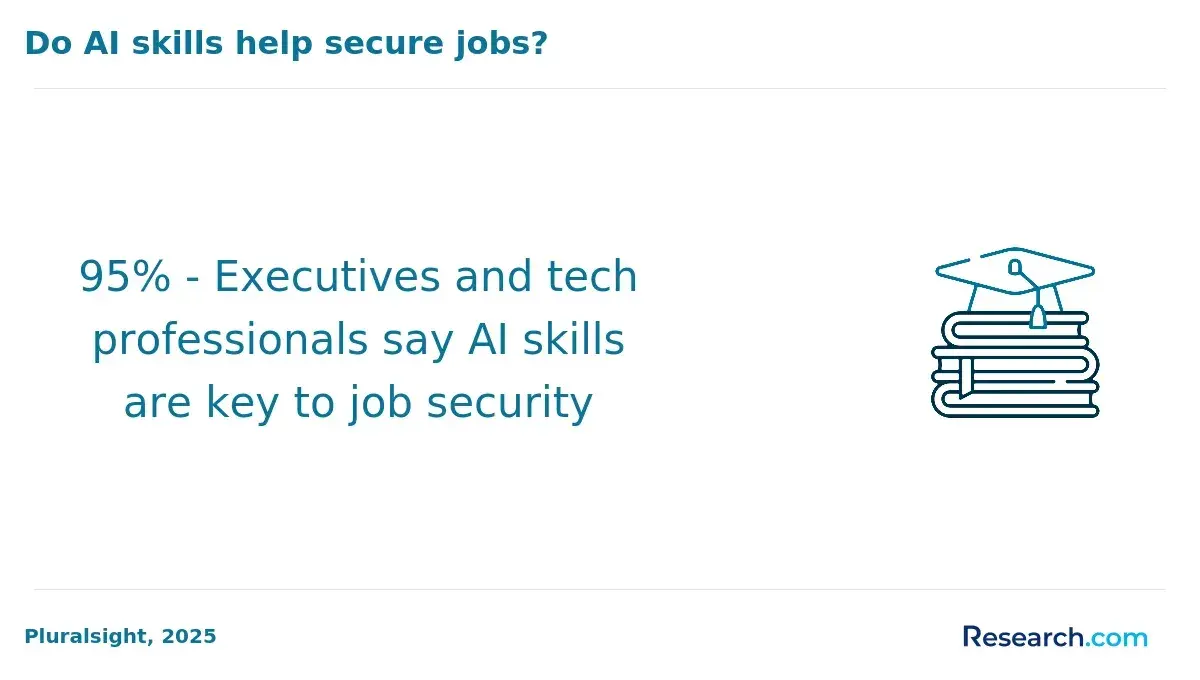
How can a CRO evaluate online vs. campus AI programs for managing AI adoption?
Chief Revenue Officers (CROs) evaluating best practices for online versus campus artificial intelligence training for revenue leaders should focus on program relevance, curriculum alignment, and practical learning outcomes. Online programs typically offer modular, on-demand content and global expert faculty, which suits CROs managing tight schedules.
Campus programs provide immersive experiences, fostering strong peer networking, hands-on labs, and in-person collaboration essential for mastering AI implementation challenges.
Key criteria for chief revenue officers choosing AI education programs include:
- Curriculum alignment: Focus on AI applications that improve sales and go-to-market strategies, such as predictive analytics, automation, and customer segmentation.
- Practical learning: Look for case studies, simulations, or projects that replicate real-world adoption scenarios.
- Faculty expertise: Prioritize instructors with direct AI deployment experience in revenue roles.
- Networking opportunities: Campus programs often enable richer in-person connections; online cohorts may offer broader but less intensive engagement.
- Time and cost efficiency: Online programs reduce travel time and costs, enabling faster knowledge application.
McKinsey's State of AI report projects AI in sales and marketing could increase global annual value by $2.6-$4.4 trillion, with early adopters gaining up to 20% higher marketing ROI and 15% sales productivity bumps. Given these stakes, CROs driving AI adoption must select programs balancing strategic frameworks with actionable tools.
A CRO at a fast-growing SaaS firm may prefer online options with flexibility and live AI implementation clinics, while one in manufacturing might benefit from campus settings emphasizing cross-department collaboration. For those exploring pathways in related fields, reviewing data science degrees can provide additional context when selecting AI education.
Ultimately, the choice depends on learning preferences, organizational collaboration needs, and the urgency of deploying AI-driven revenue strategies.
What AI skills and competencies should CRO-focused courses teach for real revenue impact?
For chief revenue officers driving revenue growth through AI adoption, mastering essential skills that influence commercial outcomes is crucial. Key competencies include interpreting ai-driven sales analytics, customer segmentation, and predictive modeling. CROs with strong abilities in leveraging generative ai tools can enhance content creation, automate customer interactions, and improve lead nurturing.
CRO competencies in AI adoption also require strategic literacy in AI ethics, data governance, and risk management to align initiatives with legal and organizational frameworks. Leading cross-functional teams effectively in AI deployment ensures sales efficiency while maintaining brand trust and customer experience.
With 86% of sales and service leaders acknowledging their teams need new AI skills within 12 months, yet only 11% have full training programs, AI upskilling is vital. Effective CRO-focused courses provide:
- Hands-on training with AI-powered CRM platforms and automated sales tools
- Case studies showing measurable revenue improvements from AI
- Change management strategies for commercial teams adapting to AI workflows
- Metrics and KPIs for evaluating AI's impact on sales performance
- Scenario planning to integrate AI while minimizing disruption
Successful programs foster decision-making based on data-driven insights and encourage continuous AI learning aligned with market trends and customer behavior. For professionals seeking to develop these skills, an affordable online computer science degree can be a strategic step.
How do AI certificates, microcredentials, and graduate programs compare for CROs?
Certificates, microcredentials, and graduate programs in artificial intelligence vary widely in depth and format, especially for chief revenue officers (CROs) involved in AI adoption. Certificates and microcredentials often focus on specific skills like AI-driven sales analytics or automating revenue operations and can be completed in weeks or a few months. These shorter formats are ideal for CROs needing quick, practical insights without the extensive time commitment of advanced degrees.
Graduate programs, such as master's degrees in AI or business analytics, offer broader curricula that blend technical and leadership training. Typically lasting one to two years, they are suited for CROs aiming to drive enterprise-wide AI strategies and benefit from academic research, case studies, and professional networks.
Return on investment data highlights the effectiveness of executive education formats. According to Emeritus' 2024 Global Executive Education Survey, 74% of executives in AI-focused leadership or revenue programs reported measurable business improvements within 12 months, with 52% recouping program costs in under a year. This underscores the value of targeted, skill-based learning for CROs' business objectives.
CROs should align their choice with time available, existing AI skills, and strategic priorities. Those with immediate AI deployment needs may prefer microcredentials, while those focused on long-term leadership often benefit more from graduate-level study.
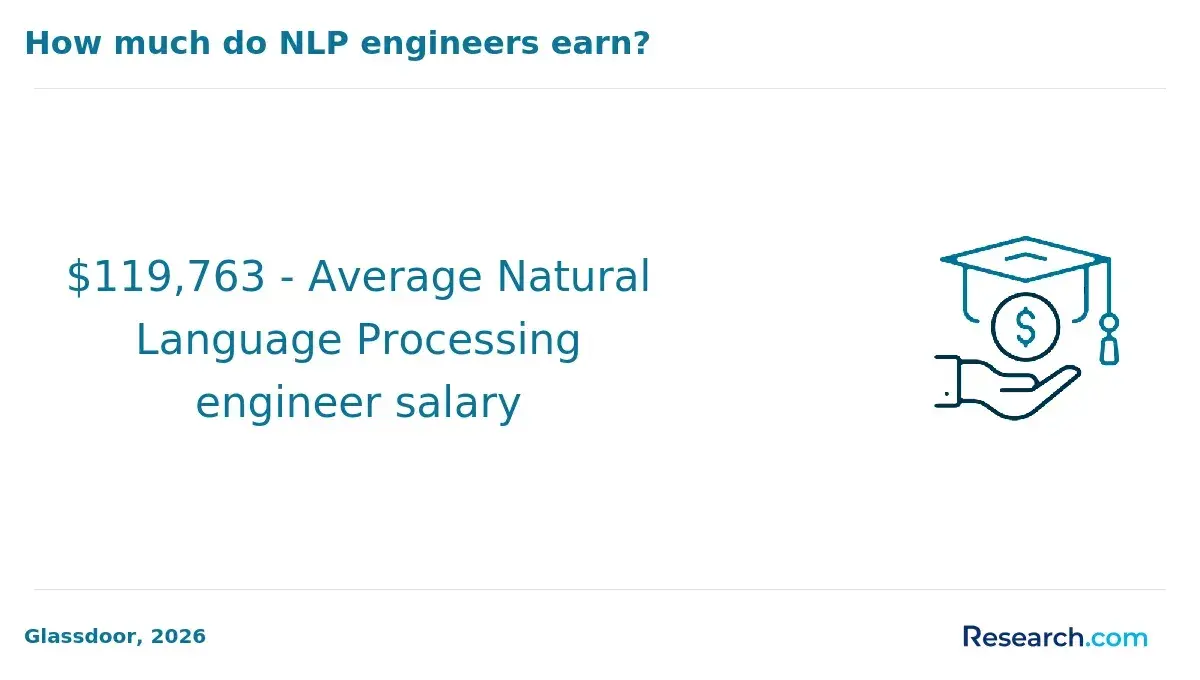
Which accreditation and institutional factors matter when choosing AI education as a CRO?
Accreditation and institutional reputation are essential when choosing AI education programs for chief revenue officers (CROs) managing AI adoption. Prioritize programs accredited by recognized organizations such as ABET or regional accreditors like the Middle States Commission on Higher Education. These accreditations ensure a rigorous curriculum aligned with industry needs, directly impacting skills that improve organizational results.
Consider institutions with faculty involved in AI research or practical experience integrating AI into go-to-market strategies. Partnerships with Fortune 500 companies or AI startups often provide real-world case studies valuable for revenue leadership roles. Such collaborations enrich learning with relevant implementation challenges and successes.
Look for programs emphasizing data analytics, forecasting, and AI-driven pipeline management, since these competencies are vital for CROs. Gartner's Future of Sales Research highlights that B2B firms using AI-enabled forecasting increase forecast accuracy by up to 15% and accelerate revenue growth by 8-12% compared to traditional methods.
Additional practical factors include curriculum flexibility, format (online or in-person), and strong alumni networks in sales leadership and technology. Programs should also cover ethical AI adoption and change management, critical to responsibly managing AI's organizational impact.
What core curriculum should AI courses include for pricing, sales, and marketing analytics?
AI courses for chief revenue officers managing pricing, sales, and marketing analytics require a focused curriculum on data-driven decision-making and advanced analytical methods. Key pricing topics include dynamic pricing algorithms, price elasticity modeling, and competitor pricing analysis using machine learning to enhance revenue optimization.
Sales analytics modules should cover predictive modeling for sales forecasting, customer segmentation by behavior and demographics, and AI-driven lead scoring to efficiently prioritize high-value prospects. Marketing analytics education needs to highlight natural language processing for sentiment analysis, automated A/B testing for campaign optimization, and AI-based attribution modeling to track complex customer journeys across multiple channels.
Hands-on training with AI integration in customer relationship management (CRM) systems and real-time dashboards that provide actionable insights are essential components. Practical examples include using reinforcement learning to adjust pricing strategies dynamically or employing computer vision for in-store shopper behavior analysis.
Risk assessment and ethics in AI applications within revenue operations should also be addressed comprehensively. According to DigitalDefynd's 2025 review, AI-enhanced chief revenue officer certification programs command tuition fees 18-25% higher than non-AI alternatives, demonstrating the premium on AI expertise in this field.
- Extensive coursework in AI applications relevant to pricing, sales forecasting, and marketing attribution
- Real-world AI tool integration for decision-making and strategy adjustment
- Advanced analytics techniques to maximize revenue impact
What are typical admission requirements, time commitments, and costs for executive AI programs?
Executive AI programs generally seek applicants with senior leadership roles such as chief revenue officers who have significant management or strategy experience. Most require at least five to ten years in leadership positions, combined with an interest or background in technology or data-driven decision-making. While some programs ask for a bachelor's degree, others prioritize professional achievements over formal education.
The time commitment for these courses typically suits busy executives, offering flexible learning formats. According to the 2024 edX for Business Executive Learner Survey, 63% of professionals prefer modular, self-paced online AI programs that demand fewer than eight hours weekly. These options have 30% higher completion rates than fixed schedules, enabling executives to balance work and study through weekly modules or on-demand lessons accessible asynchronously.
Program costs vary widely, generally ranging from $3,000 to more than $15,000 depending on length, reputation, and delivery mode. Short-term workshops or certificate courses often cost $3,000 to $5,000 for four to eight weeks.
More comprehensive executive education covering a broad curriculum can exceed $10,000 and last three to six months. Some programs include career coaching or peer networking to justify higher fees, with financial aid and employer sponsorship commonly available in executive cohorts.
- Admission: Senior leadership experience, often 5+ years
- Time commitment: Under 8 hours weekly, modular/self-paced preferred
- Cost: $3,000 to $15,000 depending on depth and brand
How do AI courses prepare CROs to lead change management, risk, and compliance efforts?
AI courses help chief revenue officers (CROs) develop essential skills to lead change management aligned with organizational goals. They focus on effective stakeholder communication and managing employee concerns, fostering a culture that adapts well to new AI-driven initiatives. Training often includes scenario planning and impact assessment, enabling CROs to anticipate resistance and implement phased rollouts that reduce disruptions.
Risk management is a critical component, where CROs learn to identify biases, address data privacy issues, and mitigate unintended AI consequences. Governance models covered in AI education promote accountability and transparency in revenue processes, reducing compliance risks and preventing regulatory penalties.
Compliance training emphasizes the evolving legal frameworks such as GDPR and CCPA. CROs gain knowledge on internal audit controls and how to document AI-driven decisions to ensure ethical standards and ease external audits.
A practical example is a CRO applying AI course lessons to evaluate vendor algorithms for fairness, establish compliance monitoring, and communicate changes to sales teams, lowering operational risks.
According to Coursera's 2024 Global Skills Report, professionals completing AI or machine-learning courses have a 39% higher chance of promotion or salary increase within 12 months than those focused on other business courses. This highlights how AI education directly enhances leadership ability and career advancement for CROs managing complex AI transformations.
What career, salary, and promotion outcomes can AI-trained CROs realistically expect?
AI-trained chief revenue officers (CROs) gain a significant edge in career growth, salary, and promotion opportunities. Mastering artificial intelligence aligns closely with current market demands, making these leaders essential in driving revenue strategy and growth.
A recent Deloitte survey found that 72% of commercial leaders expect AI skills to be a critical requirement in CRO roles by 2027, while only 28% believe existing leaders are properly prepared. This gap presents a clear advantage for CROs who pursue AI education.
Salary increases for AI-competent CROs range between 15% and 25% higher than those without AI expertise. This reflects their ability to utilize data-driven decision-making, enhance sales forecasting, and implement sophisticated customer segmentation. For instance, in the technology and financial sectors, AI-proficient CROs often receive compensation packages exceeding $300,000, combining base salary and bonuses.
Promotions also become more accessible and faster, with AI skills helping CROs move from regional to global strategic roles, often accelerating advancement by 12 to 18 months. Expertise in AI enables leadership in enterprise digital transformations, boosting visibility in executive discussions and boardrooms.
AI training also equips CROs to tackle complex challenges like scaling personalized customer engagement and streamlining omnichannel revenue. Leveraging AI-driven insights strengthens negotiation outcomes and enhances leadership reputation, translating into measurable revenue gains and securing their roles amid rapid technological change.
Other Things You Should Know About Artificial Intelligence
In 2027, the top AI courses for Chief Revenue Officers managing AI adoption include "AI Strategies for Business Leaders" by MIT Sloan School of Management, "AI for Executives" offered by Stanford, and "AI and Data Science Business Strategy" from INSEAD. These courses cover AI integration, data ethics, and strategic management tailored for revenue leaders.
AI enhances CRM by enabling predictive analytics, personalization, and automated customer interactions. It allows CROs to identify high-value prospects, tailor marketing strategies, and improve customer retention through data-driven insights. This leads to more effective resource allocation and increased revenue growth.
Integrating AI tools with legacy sales systems often involves technical compatibility issues and change management hurdles. CROs must address staff training needs and potential resistance to AI adoption. Additionally, ensuring data quality and seamless workflow integration is vital to fully realize AI's benefits in sales operations.
AI improves revenue forecasting by analyzing large datasets and identifying complex patterns beyond human capability. Machine learning models can adapt to market changes in real-time, providing CROs with more accurate and timely predictions. This allows for better strategic planning and risk management.
References
- Chief AI Officer Course: Lead AI Strategy & Implementation | ELVTR https://elvtr.com/course/chief-ai-officer
- Artificial Intelligence, MS (Executive) https://www.nec.edu/programs/artificial-intelligence-executive-ms
- AI Certifications | Compare Levels & Outcomes https://www.becomeaicertified.com/learning-solutions-for-individuals
- AI & CRO: Why Teams Should Focus on Strategy, Not Small Tweaks https://cxl.com/blog/ai-and-conversion-rate-optimization-strategy/
- Guidance on the Responsible Use of Artificial Intelligence (AI) in Accredited Continuing Education (CE) - ACCME https://accme.org/resource/guidance-on-ai/
- Crafting Thoughtful AI Policy in Higher Education: A Guide for Institutional Leaders - Faculty Focus | Higher Ed Teaching & Learning https://www.facultyfocus.com/articles/academic-leadership/crafting-thoughtful-ai-policy-in-higher-education-a-guide-for-institutional-leaders/
- What Does a Chief AI Officer Actually Do? The Complete CAIO Role Guide \ BrianOnAI Blog https://brianonai.com/blog/what-does-a-caio-do
- The Business of AI: Strategies for Leaders- Online | London Business School https://www.london.edu/lbs-online/the-business-of-ai-strategies-for-leaders
- Guide to AI Governance – Frequently Asked Questions https://www.protiviti.com/us-en/research-guide/guide-ai-governance-frequently-asked-questions
- AI Academy | AI for Marketing Course Series https://academy.smarterx.ai/courses/ai-for-marketing