2027 Best AI Agent Courses for Business Leaders

Co-Founder and Chief Data Scientist
Business leaders often struggle to leverage ai agents effectively due to a lack of structured training and practical guidance. This gap slows digital transformation and limits competitive advantage in dynamic markets. Navigating course options without clarity on relevance or flexibility compounds the challenge for professionals transitioning from unrelated fields. Understanding which programs combine technical depth with business applications is essential to mastering ai agent integration. This article explores top ai agent courses tailored for business leaders, highlighting accredited, flexible paths that equip learners with skills to drive innovation and strategic growth through advanced ai technologies.
Key Things You Should Know
- Top AI agent courses in 2026 integrate real-world business applications, with 68% emphasizing strategic decision-making alongside technical skills.
- Recent data shows a 40% rise in enrollment from business leaders seeking AI expertise, driven by a 25% average salary increase post-certification.
- Curricula increasingly cover ethical AI use, aligning with regulations that 55% of companies now mandate for AI deployment in business processes.
Advance Your Career with AI Online Courses
Artificial Intelligence: Implications for Business Strategy
This program provides an introduction to Artificial Intelligence and their implications for business strategy. Earn an official digital certificate.

Oxford Artificial Intelligence Programme
Explore this Oxford Artificial Intelligence programme offered in a flexible learning environment and explore topics like machine learning, automation, and robotics.

Implementing Agentic AI: Building Your Organizational Playbook
This online MIT Agentic AI course offers a practical approach to deploying AI agents in your organization, including a custom playbook. 3 weeks, exclusive launch price.

AI Adoption: Driving Business Value and Impact
This online MIT AI Adoption: Driving Business Value and Impact offers practical frameworks to close the gap between AI potential and business reality.

Artificial Intelligence in Pharma and Biotech
Discover the applications and limitations of artificial intelligence in pharma and biotech with this MIT online short course.

What are AI agent courses for business leaders and who are they best suited for?
AI agent courses for business leaders provide specialized training to help executives and managers implement autonomous AI-driven systems within their organizations. These programs emphasize practical applications of AI agents-software entities that perform tasks independently to improve workflows, decision-making, and customer engagement. Business leadership with AI agent training enables professionals to identify automation opportunities, manage AI integration, and leverage agentic workflows to boost efficiency.
Ideal participants include senior executives, product managers, strategy officers, and entrepreneurs focused on digital transformation, innovation, and competitive advantage. For example, a COO aiming to deploy autonomous automation in manufacturing would benefit from courses highlighting AI deployment frameworks and risk management practices. These classes often feature case studies, governance frameworks, and hands-on exposure to AI platforms, allowing leaders with limited technical background to gain essential strategic insights to collaborate effectively with data science teams.
According to a McKinsey Global Survey, companies adopting generative AI at scale experience a 3-5% productivity increase and 6-8% revenue growth directly attributable to AI initiatives, underscoring the strategic value of autonomous AI agents. For professionals curious about how AI expertise translates into careers, exploring applied artificial intelligence jobs reveals a variety of opportunities across industries.
Advance Your Career with AI Online Courses
Artificial Intelligence: Implications for Business Strategy
This program provides an introduction to Artificial Intelligence and their implications for business strategy. Earn an official digital certificate.
Oxford Artificial Intelligence Programme
Explore this Oxford Artificial Intelligence programme offered in a flexible learning environment and explore topics like machine learning, automation, and robotics.
Implementing Agentic AI: Building Your Organizational Playbook
This online MIT Agentic AI course offers a practical approach to deploying AI agents in your organization, including a custom playbook. 3 weeks, exclusive launch price.
How can AI agent training help business leaders drive growth, efficiency, and innovation?
AI agent training equips business leaders with practical skills to implement and optimize intelligent systems that drive measurable growth, efficiency, and innovation. By mastering AI agents, leaders can automate routine tasks, improve decision-making accuracy, and enhance customer engagement, directly impacting key business metrics. Integrating advanced AI agent training for business growth helps identify high-impact automation areas such as customer service chatbots or back-office process improvements.
Deploying AI agents reduces response times and operational costs while allowing human resources to focus on complex tasks, increasing productivity and scalability without raising headcount. A 2024 BCG analysis highlights companies using AI agents in customer operations and back-office functions achieve 20-30% cost reductions and 10-20% revenue uplift. These numbers demonstrate the return on investment from well-implemented AI agent strategies.
AI agent courses to boost innovation and efficiency in leadership teach leaders to harness AI for analyzing large datasets, accelerating product development, and identifying market trends. This fosters competitive differentiation through new business models. Training also supports change management by preparing leaders to guide teams through technological transitions and uphold ethical AI deployment.
Key benefits of AI agent training include:
- Reducing operational costs via process automation
- Increasing revenues through enhanced customer interaction and personalization
- Enabling data-driven innovation and faster decision-making
- Strengthening leadership capabilities for AI-driven transformation
Prospective students interested in integrating AI into their careers may explore options like the cheapest online electrical engineering degree to build a strong STEM foundation supporting AI knowledge.
What types of AI agent courses are available for executives and managers today?
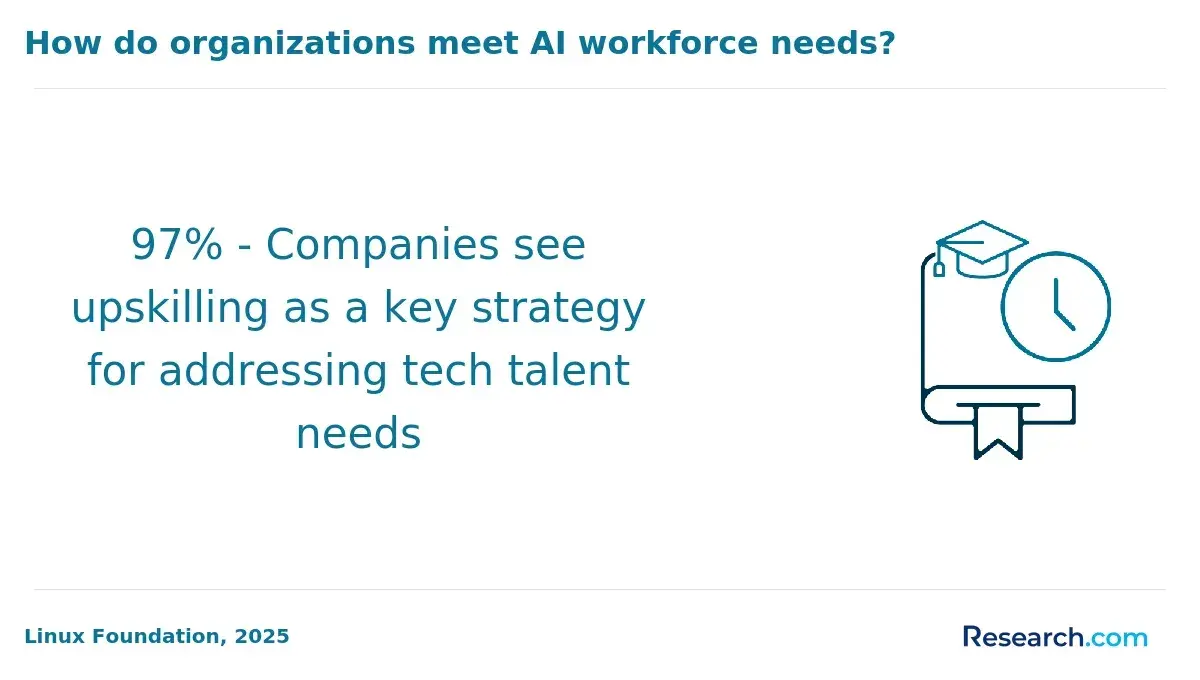
Executives and managers interested in AI agent leadership training programs for business executives can select from targeted courses that meet leadership and strategic business needs. Core offerings span AI literacy for foundational knowledge, strategic AI management, technical briefings tailored for decision-makers, and ethical governance focused on responsible AI use.
Courses on practical applications of artificial intelligence for managers often emphasize integrating AI agents into operations, innovation management, and aligning projects with organizational goals. Technical briefings provide executives a clear understanding of AI architectures to support collaborative decision-making without requiring deep technical expertise.
Ethical governance training covers AI risks, compliance, bias mitigation, and trust-building, increasingly critical as regulatory standards evolve. According to Deloitte's 2024 State of AI in the Enterprise report, 72% of high-performing AI firms confirm their senior leaders possess at least intermediate AI literacy, compared to only 24% in underperforming organizations, highlighting the value of leadership education.
Popular formats include brief workshops, modular online courses, and executive certificates from top universities and platforms. Curriculum choices often depend on industry relevance, technical depth, and whether AI agent lifecycle management and vendor evaluation are covered, empowering leaders to manage AI adoption confidently.
For those interested in affordable advanced education, a useful resource is the cheapest online data science masters, which can complement leadership training by deepening technical skills.
How do online AI agent programs compare with on-campus and hybrid options for leaders?
Online AI agent courses versus on-campus leadership training differ significantly in flexibility and engagement. Online programs allow busy business leaders to learn at their own pace, fitting coursework around demanding schedules without onsite attendance. On-campus options offer direct interaction with faculty and peers, enhancing networking and collaboration but requiring more time and travel. Hybrid AI agent programs for business leaders comparison shows they blend online convenience with some in-person elements, though coordination and travel can complicate participation.
Curriculum customization and delivery also vary. Online courses frequently update modular content to reflect the latest AI developments and integrate case studies and real-world projects essential for implementing AI strategies swiftly. On-campus programs may provide deeper theoretical knowledge but often lack topical agility needed in fast-moving industries.
Udacity's enterprise data highlights outcomes for leaders completing "Agentic AI for Business Leaders" and related courses, showing a 21% faster AI project cycle time and 19% higher success rate versus internal efforts without formal training. These gains emphasize the value of practical, specialized online education for measurable project results.
Professionals seeking efficient, focused learning might also explore related opportunities like a cybersecurity degree online for veterans, which share a flexible, career-oriented approach.
What should business leaders look for in an accredited, high-quality AI agent course?
Business leaders seeking accredited, high-quality AI agent courses should prioritize curriculum relevance, faculty expertise, and practical application. Courses need to cover foundational AI principles along with specialized topics on AI agents, including their design, deployment, and ethical considerations. Emphasizing business integration is crucial, focusing on how AI agents optimize operations, decision-making, and customer engagement. Programs with case studies or projects tailored to various industries provide actionable insights for leaders implementing AI strategically.
Accreditation from recognized education authorities or connections to top business schools ensures curriculum rigor and credibility. Faculty with research or leadership experience in AI offer access to cutting-edge knowledge. Peer-reviewed syllabi or advisory boards involving industry leaders add further quality assurance.
Flexibility improves accessibility; modular or hybrid formats accommodate busy executives. Mentorship and networking opportunities enhance learning and career impact. Evaluate courses by measurable outcomes beyond completion, such as improvements in AI literacy, leadership readiness, and capability to drive AI initiatives.
What core topics and skills are typically covered in AI agent courses for business use?
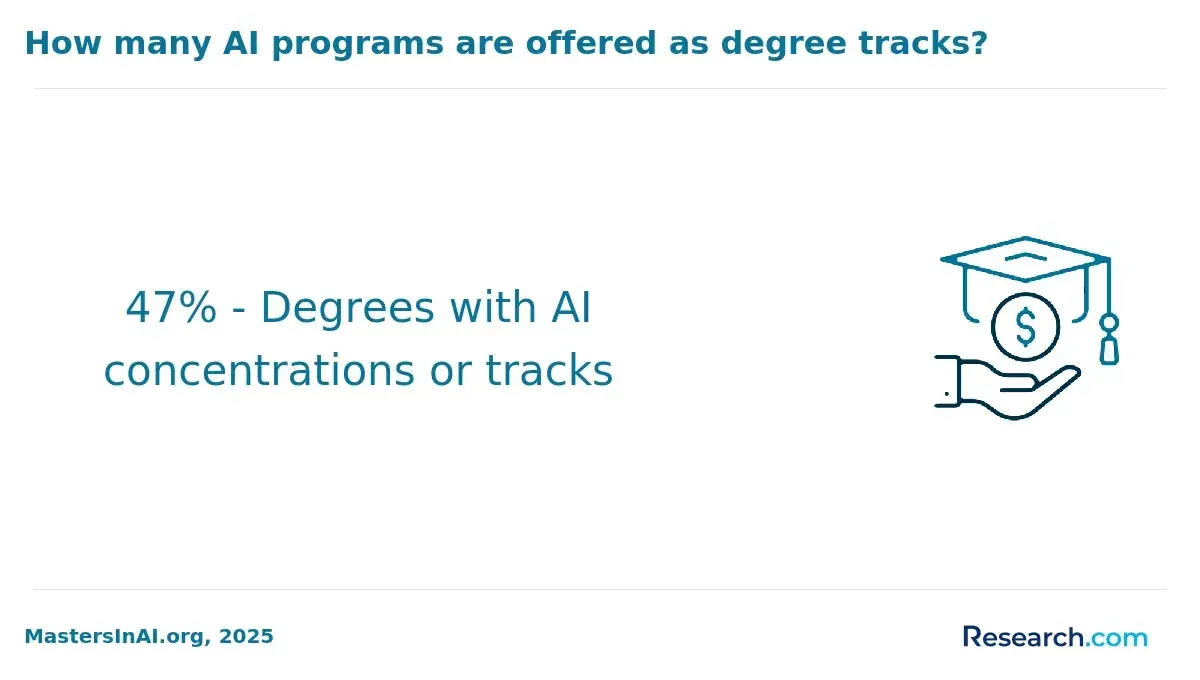
AI agent courses for business focus on essential skills such as machine learning, natural language processing, and automation technologies. They guide leaders in strategically applying these tools to optimize processes, boost decision-making, and enhance customer engagement.
Key components include data literacy and management, covering data governance, quality assurance, and analytics for actionable insights. Risk management and ethics play a central role by addressing bias mitigation, compliance, and responsible AI deployment. These aspects enable executives to build trust and navigate complex regulatory environments.
Leadership training emphasizes AI-specific change management, aligning projects with organizational goals, and promoting cross-functional collaboration. Executives also develop skills in vendor evaluation, project planning, and measuring AI return on investment to manage initiatives effectively.
Role-specific upskilling is vital. Research shows that 79% of CEOs and 76% of COOs in top AI enterprises actively lead AI efforts, compared to just 37% in less successful firms. Tailored courses help marketing leaders focus on AI-driven customer insights, while operations leaders refine automation expertise.
Practical exercises include case studies, prototype development, and interpreting AI outputs to build hands-on competence. This combination of technical and business knowledge prepares leaders to drive valuable AI projects.
What are the usual admission requirements and time commitments for AI agent programs?
Admission criteria for AI agent programs aimed at business leaders typically include a bachelor's degree in business, technology, or related fields, plus 3-5 years of professional experience in management or strategic roles. Many advanced courses expect familiarity with basic data analysis or programming to engage effectively with technical material. Applicants often submit a statement of purpose and references to demonstrate leadership potential.
Program durations vary:
- Executive short courses: 20 to 60 hours over several weeks or months, ideal for working professionals.
- Part-time modular programs: 3 to 6 months combining live sessions, recorded lectures, and projects.
- Intensive boot camps: 1 to 2 weeks full-time, suitable for rapid skill acquisition but less flexible.
Project-based learning is common, helping participants apply AI agent concepts directly to business challenges. For example, Indiana University Kelley School of Business reports companies sponsoring executives in its Agentic AI for Business short course see an estimated 6-10x ROI within 12-18 months, driven by automation savings and AI-enabled revenue experiments.
Prospective students should carefully review prerequisites and realistically assess their time to maximize learning. Flexible, blended formats suit busy executives best. Early communication with admissions can clarify readiness and recommend preparatory resources, aiding career advancement in this emerging field.
How much do AI agent courses for business leaders cost, and what funding options exist?
AI agent courses for business leaders vary widely in cost, typically between $3,000 and $15,000 depending on factors like program depth, duration, and prestige. Top universities and professional organizations commonly offer executive certificates and specialized workshops near the higher end of this range. More accessible options include self-paced online courses and shorter bootcamps, which usually cost between $500 and $2,500, making them ideal for individuals or smaller businesses.
Funding for these courses often comes from tuition reimbursement through employers, corporate sponsorships, or government workforce development grants. Veterans and eligible students might qualify for federal educational benefits. Many providers also offer installment plans and early-bird discounts to ease financial burdens.
Research affirms the value of structured AI training. According to a study from the University of Texas at Austin's AI Agents for Business Applications program, firms typically deploy their first production AI agent within nine weeks of course completion. This is a significant improvement compared to over six months for companies without formal training, emphasizing the strategic advantage of investing in targeted education.
Leaders should weigh the balance between cost and time-to-impact when selecting a course. Higher-priced programs often feature hands-on projects, access to industry experts, and valuable networking that accelerate AI deployment. It's important to ensure the curriculum matches the specific industry context and practical AI integration needs.
What career outcomes, leadership roles, and promotion opportunities follow AI agent training?
Training in AI agent deployment opens doors to varied and influential career paths, accelerating advancement into leadership roles within organizations. Graduates often secure strategic positions such as AI strategy managers, product owners for intelligent automation, and heads of AI governance or compliance. These roles require expertise in responsibly implementing AI agents and aligning them with business objectives, offering significant growth compared to traditional IT or data roles.
Leadership opportunities often progress to senior roles like chief AI officer or director of AI innovation, especially in companies scaling generative AI. According to PwC's 2024 Global AI Jobs Barometer, 85% of large firms using generative AI agents have established or are developing formal governance frameworks, but only 31% consider their controls mature. This gap creates high demand for leaders skilled in building robust governance systems.
Career advancement also includes cross-functional oversight, such as AI ethics officers or compliance leaders who manage risks and protect organizational reputation. Success in these roles depends on strong skills in AI policy interpretation, technical design, and stakeholder communication, bridging the gap between technology teams and executives.
Prospective learners should seek courses with hands-on experience in AI governance tools and real-world ethical scenarios to maximize career potential. Without specialized AI agent training, growth may stagnate as governance and ethics become central to AI strategy in business.
Are there relevant certifications or industry standards that validate AI agent skills for leaders?
Business leaders seeking to demonstrate expertise in artificial intelligence (AI) agents can obtain several recognized certifications that validate their skills. Among the prominent credentials is the Certified Artificial Intelligence Practitioner (CAIP), which is vendor-neutral and focuses on practical AI knowledge. Leadership-focused programs from prestigious institutions like MIT Sloan and Stanford Online emphasize AI strategy, governance, and integration into business workflows, crucial for executives overseeing AI adoption.
Industry standards also play an important role. Frameworks from the IEEE and AI Ethics guidelines from organizations such as the Partnership on AI help leaders navigate responsible AI deployment by addressing transparency, algorithmic bias, and data privacy concerns. Many certification programs incorporate these frameworks to ensure well-rounded leadership capabilities.
Sector-specific credentials, like the AI in Business Strategy Certificate from the Association for Talent Development, provide tailored knowledge for industries such as finance, healthcare, and retail, enabling leaders to apply AI agents effectively in their respective fields.
Continuous learning remains vital, with executive enrollments in AI and automation courses rising by 73% year-over-year according to LinkedIn's 2024 Workplace Learning Report. Topics like "AI for business leaders" and "AI agents and workflows" are among the fastest-growing, highlighting increasing demand for certified skills and industry-relevant training to support career growth.
Other Things You Should Know About Artificial Intelligence
Artificial intelligence can introduce risks such as data privacy concerns, algorithmic bias, and security vulnerabilities. Businesses need to implement robust governance frameworks to mitigate ethical and operational challenges. Additionally, reliance on AI without human oversight may lead to unintended consequences in decision-making.
Artificial intelligence in business is evolving rapidly, with advancements occurring year over year. New machine learning models, automation tools, and AI-driven analytics enhance efficiency and decision-making continually. This pace requires leaders to stay updated on current technologies to maintain competitiveness.
Beyond technical AI skills, business leaders should develop strategic thinking, change management, and ethical judgment. Effective communication and an understanding of AI's impact on organizational culture are also crucial. These skills enable leaders to implement AI initiatives successfully and manage teams through transformation.
References
- A Comprehensive Review of AI Agents: Transforming Possibilities in Technology and Beyond https://arxiv.org/html/2508.11957v1
- NVIDIA Agentic AI LLMs Certification https://www.nvidia.com/en-us/learn/certification/agentic-ai-professional/
- Elevate Your Leadership in the AI Era: EXIN AI Certifications for Business Professionals https://www.exin.com/article/exin-ai-certifications-for-business-professionals/
- Artificial Intelligence (AI) for Managers Training Course https://www.nobleprog.pl/en/cc/aiformanagers
- AI Automation & Agents for Leaders and Decision Makers Programme - INPD https://inpd.co.uk/course/agentic-ai-for-business-programme
- 7 free agentic AI training courses - PEX Network https://www.processexcellencenetwork.com/ai/articles/7-free-agentic-ai-training-courses-for-business-leaders
- AI Agent Platform Certification for Business Leaders: Complete Guide https://everworker.ai/blog/ai-agent-platform-certification-for-business-leaders
- Role of AI Leadership: Future of Smarter Decision Making https://www.oakwoodinternational.com/blog/ai-leadership
- Group https://www.datacamp.com/courses/introduction-to-ai-agents
- How Business Leaders Can Leverage AI Agents to Transform Their Organizations https://www.instancy.com/how-business-leaders-can-leverage-ai-agents-to-transform-their-organizations/