2027 Best AI Adoption Courses for Healthcare Leaders Evaluating AI ROI

Co-Founder and Chief Data Scientist
Healthcare leaders often struggle to justify the substantial investments required for artificial intelligence adoption without clear metrics on return on investment (ROI). Rapid tech advancements and regulatory challenges add complexity, risking inefficient resource allocation. This uncertainty can delay or derail digital transformation initiatives, affecting patient outcomes and operational efficiency.
Understanding how to evaluate AI ROI is critical for making informed decisions and securing stakeholder support. This article examines the best courses designed to equip healthcare professionals with the skills to assess AI projects' value, enabling smarter adoption strategies aligned with organizational goals and budgets.
Key Things You Should Know
- AI adoption courses for healthcare leaders in 2026 emphasize ROI through practical case studies showing an average 25% cost reduction in clinical operations within the first year.
- Curricula increasingly incorporate ethical AI use and data privacy, reflecting 2025 regulations requiring compliance for AI tools in healthcare settings across the U.S.
- Programs focus on strategic AI investment decisions, with 70% of courses offering modules on quantifying financial and patient care outcomes for informed leadership.
Advance Your Career with AI Online Courses
Artificial Intelligence: Implications for Business Strategy
This program provides an introduction to Artificial Intelligence and their implications for business strategy. Earn an official digital certificate.

Oxford Artificial Intelligence Programme
Explore this Oxford Artificial Intelligence programme offered in a flexible learning environment and explore topics like machine learning, automation, and robotics.

Implementing Agentic AI: Building Your Organizational Playbook
This online MIT Agentic AI course offers a practical approach to deploying AI agents in your organization, including a custom playbook. 3 weeks, exclusive launch price.

AI Adoption: Driving Business Value and Impact
This online MIT AI Adoption: Driving Business Value and Impact offers practical frameworks to close the gap between AI potential and business reality.

Artificial Intelligence in Pharma and Biotech
Discover the applications and limitations of artificial intelligence in pharma and biotech with this MIT online short course.

What are the best AI adoption courses for healthcare leaders focused on measuring AI ROI?
Healthcare leaders focused on AI adoption courses for healthcare leaders measuring AI ROI should seek programs that blend technical knowledge with financial evaluation. Courses like "AI for Healthcare Executives" from Stanford or MIT offer insight into AI workflows paired with cost-benefit analysis. Such programs train leaders to quantify AI's effects on operational efficiency, patient outcomes, and revenue streams-crucial for justifying investments in AI technology.
Specialized healthcare leadership training on evaluating artificial intelligence return on investment is available from organizations like HIMSS and Health Catalyst. These focus on practical metrics, including deployment cost tracking, performance benchmarks, and measurable outcome improvements such as reducing hospital readmissions or optimizing staffing models.
Data analytics courses with a healthcare emphasis, such as those from Johns Hopkins or Harvard Extension School, help leaders interpret AI-driven insights and integrate them into financial models. This supports stronger communication of ROI to stakeholders and emphasizes predictive analytics to forecast long-term savings versus upfront implementation costs.
A 2024 Bain & Company survey found that 75% of health-system executives rank generative AI as a top-three priority, yet only 6% report having a clear strategy and operating model for scaling it. This highlights the demand for courses combining strategic business applications with AI technical skills to bridge this gap effectively.
Look for offerings with case studies, ROI toolkits, and hands-on assignments to translate AI's theoretical benefits into quantifiable financial terms. Tailoring course choice to organizational size, AI maturity, and budget is essential. For those interested in related fields, the fastest way to get a computer science degree can accelerate entry into AI and tech-driven roles.
Advance Your Career with AI Online Courses
Artificial Intelligence: Implications for Business Strategy
This program provides an introduction to Artificial Intelligence and their implications for business strategy. Earn an official digital certificate.
Oxford Artificial Intelligence Programme
Explore this Oxford Artificial Intelligence programme offered in a flexible learning environment and explore topics like machine learning, automation, and robotics.
Implementing Agentic AI: Building Your Organizational Playbook
This online MIT Agentic AI course offers a practical approach to deploying AI agents in your organization, including a custom playbook. 3 weeks, exclusive launch price.
How do AI in healthcare leadership programs teach frameworks for evaluating AI return on investment?
AI in healthcare leadership programs for ROI evaluation equip leaders with frameworks that blend quantitative financial modeling and qualitative business analysis. These programs help identify key performance indicators such as operational efficiency, patient outcomes, and cost reductions tied to AI implementation. Building financial projections based on data-driven assumptions allows leaders to estimate potential savings and revenue gains from AI tools.
Frameworks for assessing AI return on investment in healthcare include total cost of ownership analyses, which balance upfront AI investments with long-term benefits. Scenario modeling is also used to test different adoption speeds and integration levels, helping stakeholders assess risks and opportunities.
A unique challenge these programs address is allocating savings between clinical operations and administrative functions, where productivity gains may come from improved workflows as well as enhanced diagnosis accuracy.
Practical exercises emphasize quantifying indirect benefits like reduced clinician burnout and shorter patient wait times, integrating these into comprehensive financial assessments. For example, generative AI can automate documentation tasks, easing administrative burdens and yielding labor cost savings. McKinsey estimates that generative AI could generate $60-110 billion annually in U.S. healthcare value, highlighting the importance of these ROI-centered leadership skills.
Prospective students interested in advancing their careers can explore AI degrees online, which often include training on these frameworks and methodologies.
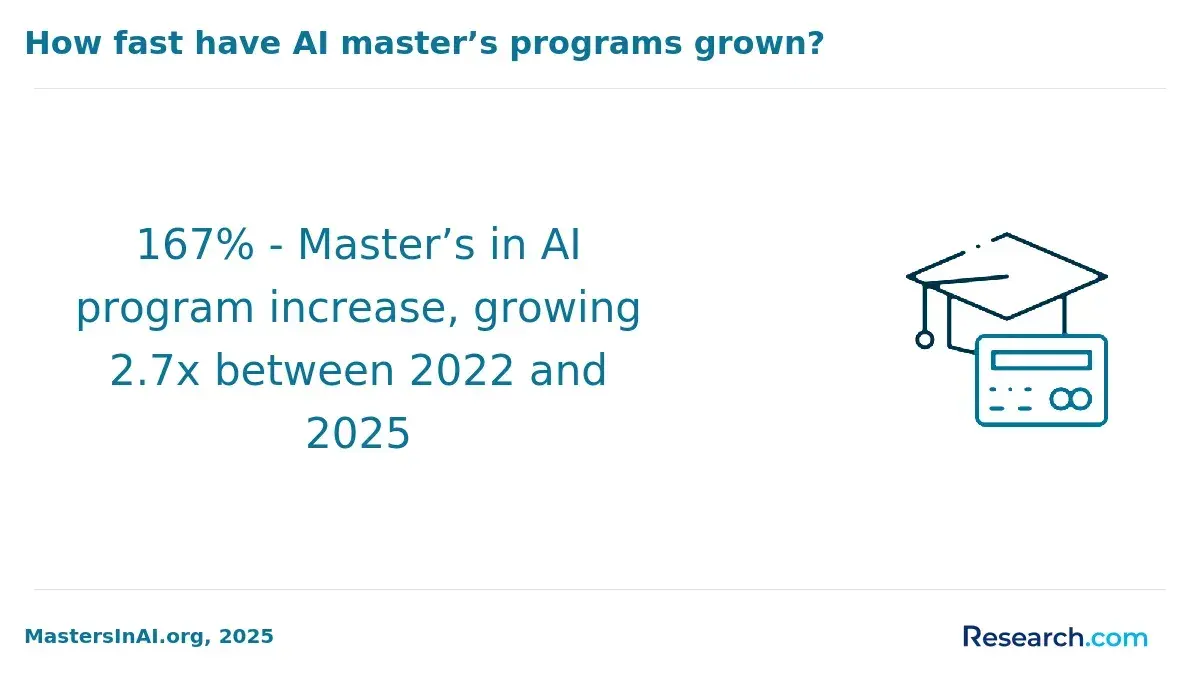
What types of healthcare AI adoption programs exist, from short courses to graduate certificates?
Healthcare AI adoption programs vary widely, from short courses lasting hours or weeks to extensive graduate certificates and master's degree tracks. Short courses introduce foundational concepts like AI fundamentals, data ethics, and practical AI tools for clinical or administrative use.
These are well-suited for professionals seeking quick upskilling or an overview without deep technical training. For instance, healthcare managers often enroll in workshops emphasizing AI project management and ethical considerations.
Certificate programs, spanning several months, offer deeper training focused on healthcare AI applications, data governance, and evaluating AI ROI. These programs commonly feature case studies and strategic modules tailored to leadership roles, preparing participants to lead AI initiatives and assess impacts on finance, operations, and patient outcomes. Such offerings are often found through medical and business schools focused on healthcare.
Graduate certificates and master's degree tracks combine AI methodologies, regulatory frameworks, and implementation science. These prepare healthcare leaders to design governance structures-critical given only 12% of surveyed countries have dedicated AI governance in health per WHO analysis.
This training includes risk management, compliance, and ethical stewardship specific to healthcare environments. Healthcare executives interested in AI training courses for healthcare leaders and roi evaluation should look for programs integrating governance skills with technical knowledge.
Choosing multidisciplinary programs covering technology, ethics, finance, and leadership ensures comprehensive preparation for the AI transformation in healthcare. For U.S. professionals seeking advanced education, exploring options such as the cheapest masters in data science can also offer cost-effective pathways into this growing field.
How do online AI adoption courses for healthcare leaders compare with on-campus and hybrid options?
Online AI adoption courses for healthcare leaders provide flexible learning options that accommodate demanding professional schedules. These courses typically combine asynchronous study modules with live Q&A sessions, allowing participants to learn at their own pace regardless of location.
This flexibility is crucial for healthcare executives managing cross-functional teams who need timely AI knowledge to enhance decision-making and patient care outcomes. Such online AI adoption courses for healthcare leaders benefits include access to up-to-date case studies and practical applications focused on improving clinical and operational efficiency.
On-campus programs offer immersive, face-to-face interaction and networking opportunities that can strengthen collaboration and peer exchange. However, their fixed scheduling and geographic limitations restrict access for many working professionals.
Hybrid AI healthcare courses provide a middle ground by blending digital convenience with occasional in-person sessions, though the travel required may challenge those with tight schedules. A comparison of on-campus and hybrid AI healthcare courses highlights these trade-offs between flexibility and personal interaction.
A 2024 meta-analysis in The Lancet Digital Health found that AI diagnostic tools improve sensitivity and specificity by 5-10 percentage points over standard care, emphasizing the real ROI healthcare leaders achieve through well-informed AI integration. Online programs often emphasize such evidence, promoting practical skills aligned with performance gains and ROI measurement.
Healthcare leaders should align their course format choice with individual time constraints, learning preferences, and networking goals. Those seeking urgent skill acquisition with minimal disruption may prefer online learning. For more collaborative engagement, on-campus formats excel, while hybrid courses strive to balance both benefits.
For professionals interested in broader artificial intelligence education options, an online computer science degree can be a valuable complement to their healthcare-focused AI expertise.
What admission requirements do AI adoption and healthcare leadership programs typically expect from applicants?
Applicants to AI adoption and healthcare leadership programs typically need a relevant bachelor's degree in fields such as healthcare administration, public health, nursing, medicine, computer science, or data analytics. Programs often prefer candidates with professional healthcare or technology experience, especially those with roles in project management or operational leadership.
Admission requirements generally include:
- Official transcripts showing academic performance and foundational knowledge.
- Letters of recommendation from supervisors or academic mentors highlighting leadership potential and analytical skills.
- A personal statement illustrating motivation to apply artificial intelligence in healthcare and goals to enhance ROI and operational efficiency.
- A professional resume detailing experience with digital transformation or AI pilot projects.
- Some programs require GRE or GMAT scores, though many waive this with significant relevant work experience.
Executive or professional certificate applicants may need only demonstrated leadership in healthcare or technology without formal academic prerequisites. Online and part-time options often require data tool or programming fluency but provide foundational courses to bridge gaps.
Admissions committees value applicants who understand AI's financial impact. For example, a KPMG report revealed AI automation of administrative tasks could reduce hospital non-clinical labor costs by 15-30%, a key ROI metric candidates should analyze.
Applicants strengthen their chances by showing knowledge of cost savings, workflow optimization, and AI ethics. Preparing to discuss measurable project outcomes and how AI strategies improve productivity and lower healthcare expenses is essential.
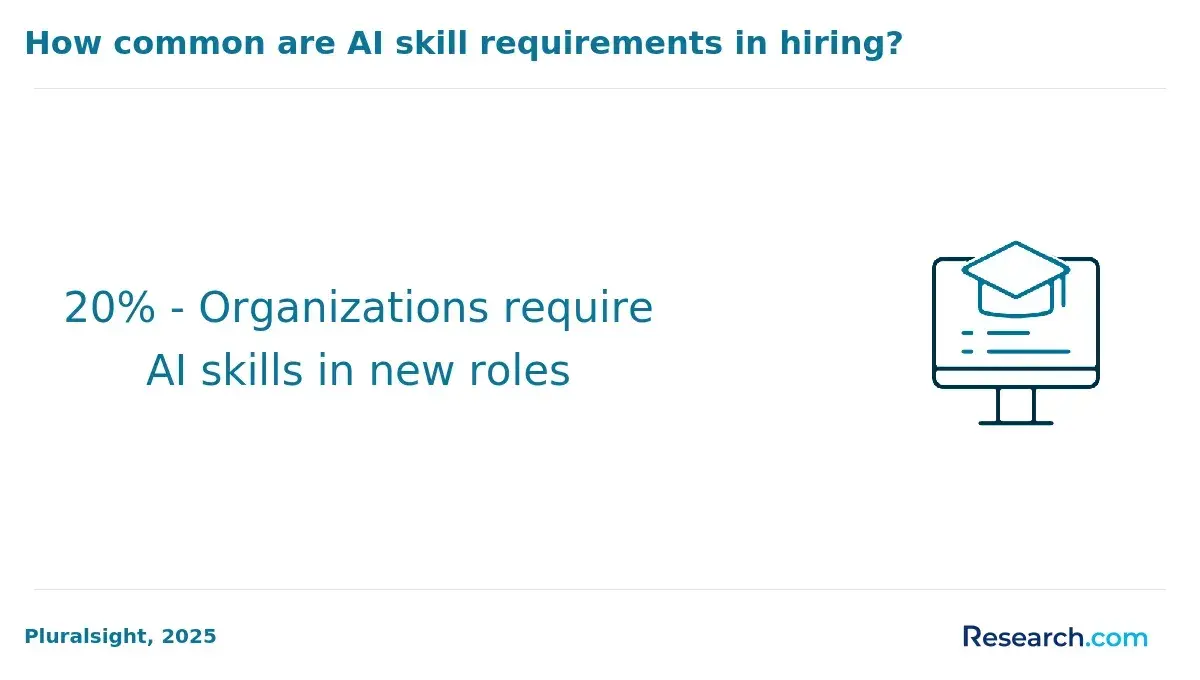
What core curriculum and hands-on projects should a high-quality AI adoption course include?
A high-quality AI adoption course for healthcare leaders must focus on both technical and operational challenges. It should emphasize data management frameworks, such as integration, cleansing, and optimizing infrastructure. Healthcare AI projects allocate 60-80% of budgets to these areas rather than model development, highlighting the importance of data readiness for accurate AI ROI evaluation.
Core topics include AI fundamentals tailored to healthcare applications, covering machine learning basics, algorithm selection, and bias mitigation related to patient data diversity. Courses must also address regulatory compliance and privacy standards like HIPAA, ensuring ethical and legal AI deployment.
Hands-on projects simulate real-world healthcare AI tasks, including data pipeline construction and validation, developing predictive models for patient outcomes or diagnostics, assessing AI's impact on workflow efficiency and care quality, and designing dashboards for monitoring AI systems with anomaly detection.
- Data pipeline construction and validation highlighting clinical dataset preparation challenges.
- Developing predictive models focusing on interpretability and accuracy.
- Evaluating AI impacts on efficiency and patient care with ROI metrics beyond cost savings.
- Designing dashboards for AI monitoring and anomaly detection.
Additional modules cover vendor selection and change management to support staff adoption, along with case studies of recent healthcare AI implementations to explore cost-benefit tradeoffs. This balanced curriculum prepares leaders to manage the financial and operational realities of AI integration in healthcare settings.
How can healthcare leaders verify accreditation and institutional quality for AI and digital health programs?
Healthcare leaders must verify accreditation and institutional quality when selecting AI and digital health programs. Accreditation from reputable bodies like the Accreditation Council for Continuing Medical Education (ACCME) or regional agencies such as the Middle States Commission on Higher Education ensures rigorous educational standards and compliance with healthcare regulations. Requesting clear documentation of accreditations and program approvals before enrollment is essential.
Faculty credentials also play a vital role. Programs featuring instructors with expertise in both healthcare and artificial intelligence, often through partnerships with accredited medical schools and technology research centers, tend to provide more relevant and credible learning experiences.
Careful review of the curriculum is necessary to confirm alignment with industry standards and practical application. Key topics should include clinical integration, ethical challenges, data privacy, and healthcare operations in AI deployment. Accreditation alone cannot guarantee current relevance; examining syllabi or course objectives helps assess practical value.
Endorsements from healthcare organizations and AI research consortia add further credibility, while alumni outcomes, such as placement rates in health systems or leadership roles, reflect program effectiveness. A global survey by Deloitte found 68% of health-system leaders cited "lack of AI skills and literacy among executives and clinicians" as a major barrier to maximizing AI investments, highlighting the need for thorough verification of educational quality.
What are the typical program lengths, tuition costs, and funding options for AI adoption courses?
AI adoption courses for healthcare leaders vary from brief workshops lasting a few days to comprehensive certificate programs of up to six months. Executive education programs often require 4 to 12 weeks of part-time study, enabling professionals to maintain job responsibilities. More intensive courses such as master's-level certificates may extend 4 to 6 months with a heavier workload.
Tuition costs depend on program scope and institution prestige. Short workshops typically range from $1,500 to $3,000, while longer certificate programs cost between $5,000 and $15,000. Some university-affiliated specializations may exceed $20,000.
Funding options include employer sponsorship, particularly within healthcare systems emphasizing AI skills for leadership roles. Many programs offer flexible payment plans or early-bird discounts. Federal financial aid may be available for accredited degrees or certificates. Scholarships targeting healthcare professionals entering AI exist but are limited, so early inquiry is advised.
Prospective students should weigh opportunity costs and time commitments alongside tuition prices. With a 42% year-over-year increase in U.S. healthcare leadership roles requiring AI and data skills, investing in credentialed courses can significantly enhance career prospects.
- Flexible programs with applied projects and networking are highly valued
- Part-time and online options enable balancing work and study
- Strong credentials support advancement in healthcare leadership
What career outcomes, leadership roles, and advancement opportunities follow AI adoption training in healthcare?
Healthcare professionals who complete AI adoption training often advance into leadership roles such as Chief AI Officer, AI Program Manager, or Director of Health Informatics. These positions demand skills in overseeing AI integration, assessing project impact, and guiding cross-functional teams to improve patient outcomes and operational efficiency. Coursework typically emphasizes AI strategy and operational execution, preparing graduates to manage complex initiatives effectively.
Career advancement also includes strategic roles like healthcare policy advisor and innovation director, where ethical and regulatory challenges of AI are addressed. Many alumni rise to senior executive levels, shaping organizational AI roadmaps by bridging clinical expertise with data science.
A recent analysis of executive AI-in-healthcare programs showed median tuition ranging from $5,000 to $7,500 for 4-8 week courses, with 70% of alumni leading or influencing new AI projects within 12 months, highlighting clear return on investment.
Employers increasingly seek candidates with formal AI education, valuing expertise in cost-benefit analysis, risk management, and project leadership. Professionals can also transition into consultancy roles, advising on AI transformation strategies based on proven frameworks.
These programs build practical skills vital for leadership across hospitals, tech firms, and healthcare startups, helping professionals grow their careers alongside AI innovations.
- Leadership roles: Chief AI Officer, AI Program Manager, Director of Health Informatics
- Strategic positions: Healthcare policy advisor, Innovation director
- Course length: 4-8 weeks; Tuition: $5,000-$7,500
- 70% alumni impact: Leading new AI projects within 12 months
What salary ranges and job outlook can healthcare leaders expect after specializing in AI adoption?
Healthcare leaders skilled in AI adoption can expect salaries ranging from about $110,000 to over $180,000 annually, influenced by experience, location, and role. Senior positions like chief AI officers or AI program managers typically earn higher salaries due to their responsibility for deploying AI solutions across complex healthcare systems.
Mid-level roles, such as healthcare data analysts or AI implementation specialists, tend to earn between $110,000 and $140,000, while entry-level positions start near $90,000 but increase swiftly with expertise.
The demand for professionals in this field remains strong, fueled by an increased focus on data-driven decisions and enhanced patient outcomes through technology.
A Boston Consulting Group study highlights that healthcare organizations monitoring AI value across use cases achieve two to three times greater financial impact than those using isolated pilots. This emphasizes the need for leaders who can manage AI portfolios and comprehensively measure AI ROI.
Key roles to consider include:
- AI adoption strategist aligning projects with organizational goals
- Healthcare analytics directors assessing cross-functional AI impacts
- Clinical informatics officers integrating AI tools in care protocols
Success in these positions depends on strong ROI measurement skills and the ability to communicate AI's clinical and financial benefits effectively. As healthcare systems invest in AI, professionals with these competencies will find improved career and salary prospects nationwide.
Other Things You Should Know About Artificial Intelligence
In 2027, the "AI in Healthcare: From Theory to Practice" course offered by MIT is highly recommended for healthcare leaders. It covers evaluating AI ROI extensively, providing practical insights into leveraging AI for measurable outcomes in healthcare settings.
Artificial intelligence supports clinical decision-making by analyzing large data sets to identify patterns and provide diagnostic or treatment recommendations. It can enhance accuracy and speed in interpreting medical images and patient records. However, final decisions typically require human oversight to ensure context and ethical considerations are addressed.
Artificial intelligence improves healthcare operational efficiency by automating administrative tasks like scheduling, billing, and supply chain management. It helps reduce costs and free up staff time for patient care. AI-driven predictive analytics also streamline resource allocation and patient flow management within healthcare facilities.
Yes, healthcare leaders without deep technical expertise can effectively guide AI adoption by focusing on strategy, ethical considerations, and change management. Collaborating with technical experts and understanding AI's potential and limitations is essential. Proper education and training can equip leaders to communicate effectively with stakeholders and ensure successful implementation.
References
- Future Skills Centre • Centre des Compétences futures https://fsc-ccf.ca/projects/ai-health-care/
- Using AI in HEOR https://heorinstitute.com/course/using-ai-in-heor/
- The Cost Implications of AI in Postsecondary Education | HESA https://higheredstrategy.com/the-cost-implications-of-ai-in-postsecondary-education/
- The Future of AI in Health Care and Career Training | ABES College https://abes.ca/blog/the-future-of-ai-in-health-care-and-career-training-a-look-at-impacts-of-nationwide-adoption/
- AI in Healthcare Masterclass | Momentum https://www.themomentum.ai/masterclass
- Early Curriculum for Artificial Intelligence (Ai) Enhancing the Quality of Education https://acr-journal.com/article/early-curriculum-for-artificial-intelligence-ai-enhancing-the-quality-of-education-862/
- AI Training Costs https://www.infracost.io/resources/glossary/ai-training-costs
- Next Generation Accreditation in Healthcare: The Role of Digital Transformation and Artificial Intelligence https://www.achsi.org/news/next-generation-accreditation-in-healthcare-the-role-of-digital-transformation-and-artificial-intel
- The Healthcare AI Adoption Index https://www.bvp.com/atlas/the-healthcare-ai-adoption-index
- AI pricing: how much does AI cost in 2025? | Future Processing https://www.future-processing.com/blog/ai-pricing-is-ai-expensive/