2027 Best AI Courses for Nonprofit Marketing Teams

Co-Founder and Chief Data Scientist
Nonprofit marketing teams often struggle to leverage artificial intelligence effectively due to limited resources and expertise. Without targeted training, they may miss opportunities to optimize campaigns, engage donors, and analyze data efficiently. This gap can hinder growth and impact in an increasingly digital landscape.
Specialized artificial intelligence courses designed for nonprofit professionals address these challenges by focusing on practical applications and accessible tools. This article highlights top courses that equip nonprofit marketers with the skills necessary to implement AI strategies confidently and enhance their organizational outcomes.
Key Things You Should Know
- 2026's best AI courses for nonprofit marketing focus on practical skills, with 78% of programs emphasizing data-driven strategies tailored to social impact campaigns.
- Most leading courses integrate ethical AI use, reflecting growing sector demands, as 65% of nonprofits report concerns about bias and transparency in AI tools.
- Flexible online formats dominate, with 85% of nonprofits preferring asynchronous learning to accommodate diverse team schedules and remote collaboration needs.
Advance Your Career with AI Online Courses
Artificial Intelligence: Implications for Business Strategy
This program provides an introduction to Artificial Intelligence and their implications for business strategy. Earn an official digital certificate.

Oxford Artificial Intelligence Programme
Explore this Oxford Artificial Intelligence programme offered in a flexible learning environment and explore topics like machine learning, automation, and robotics.

Implementing Agentic AI: Building Your Organizational Playbook
This online MIT Agentic AI course offers a practical approach to deploying AI agents in your organization, including a custom playbook. 3 weeks, exclusive launch price.

AI Adoption: Driving Business Value and Impact
This online MIT AI Adoption: Driving Business Value and Impact offers practical frameworks to close the gap between AI potential and business reality.

Artificial Intelligence in Pharma and Biotech
Discover the applications and limitations of artificial intelligence in pharma and biotech with this MIT online short course.

What makes an AI course specifically effective for nonprofit marketing teams?
AI courses tailored for nonprofit marketing teams focus on practical strategies for maximizing donor engagement and optimizing campaign outreach using machine learning tools.
These courses address nonprofit-specific challenges such as limited budgets and diverse stakeholder communication by teaching tools for donor segmentation, personalized outreach, and campaign optimization.
Training often includes machine learning models that predict donor retention and identify high-potential supporters, enabling teams to allocate resources more efficiently.
Effective nonprofit marketing training emphasizes real-world applications of artificial intelligence to enhance fundraising efforts and community impact measurement. Integration with common nonprofit platforms like CRM and email marketing software ensures teams can implement AI solutions without technical hurdles.
Case studies demonstrate how AI supports storytelling, automates social media targeting, and analyzes campaign results, making lessons directly applicable.
Quantitative impact is essential; Salesforce's "AI in Nonprofits" snapshot reports nonprofits using AI are 61% more likely to outperform peers in marketing and engagement outcomes, including donor acquisition and retention. Courses highlighting these ROI metrics help justify AI investment and strategic adaptation based on data-driven insights.
Training on ethical AI use and data privacy is also vital to build trust with donors and communities. Flexible formats such as live workshops and self-paced modules accommodate diverse schedules and technical skills.
Prospective students interested in advancing their knowledge can explore programs listed in the data science master degree ranking.
Advance Your Career with AI Online Courses
Artificial Intelligence: Implications for Business Strategy
This program provides an introduction to Artificial Intelligence and their implications for business strategy. Earn an official digital certificate.
Oxford Artificial Intelligence Programme
Explore this Oxford Artificial Intelligence programme offered in a flexible learning environment and explore topics like machine learning, automation, and robotics.
Implementing Agentic AI: Building Your Organizational Playbook
This online MIT Agentic AI course offers a practical approach to deploying AI agents in your organization, including a custom playbook. 3 weeks, exclusive launch price.
How can nonprofit marketing teams choose the best AI course for their goals and skill levels?
Nonprofit marketing teams evaluate AI courses for skill levels by aligning course content with their goals, such as improving donor outreach or enhancing impact measurement.
Assessing skill levels honestly helps; foundational courses suit teams with limited exposure by covering basic concepts and ethics, while advanced teams benefit from hands-on training with tools like machine learning platforms and marketing automation.
Choosing the right AI course for nonprofit marketing goals means focusing on practical, up-to-date curriculum rather than purely theoretical content.
Flexible formats such as self-paced modules or instructor-led workshops accommodate busy nonprofit schedules. Credibility is crucial-look for providers partnered with recognized nonprofits or AI research organizations.
Given that only 28% of nonprofit leaders feel "very confident" in their understanding of AI, yet 75% say AI will be important to their organization's success in the next two years, prioritizing courses that build real competence is essential.
Key questions when selecting a course include:
- Does it address immediate marketing challenges?
- Are there opportunities for practical application?
- Is the curriculum regularly updated to reflect evolving AI tools?
- Does it support nonprofit-specific use cases?
For teams balancing skill development with budget concerns, consider resources like the cheapest engineering degree online programs, which often include AI specialization tracks. By focusing on these factors, nonprofit marketing teams can more effectively enhance AI fluency and impact.
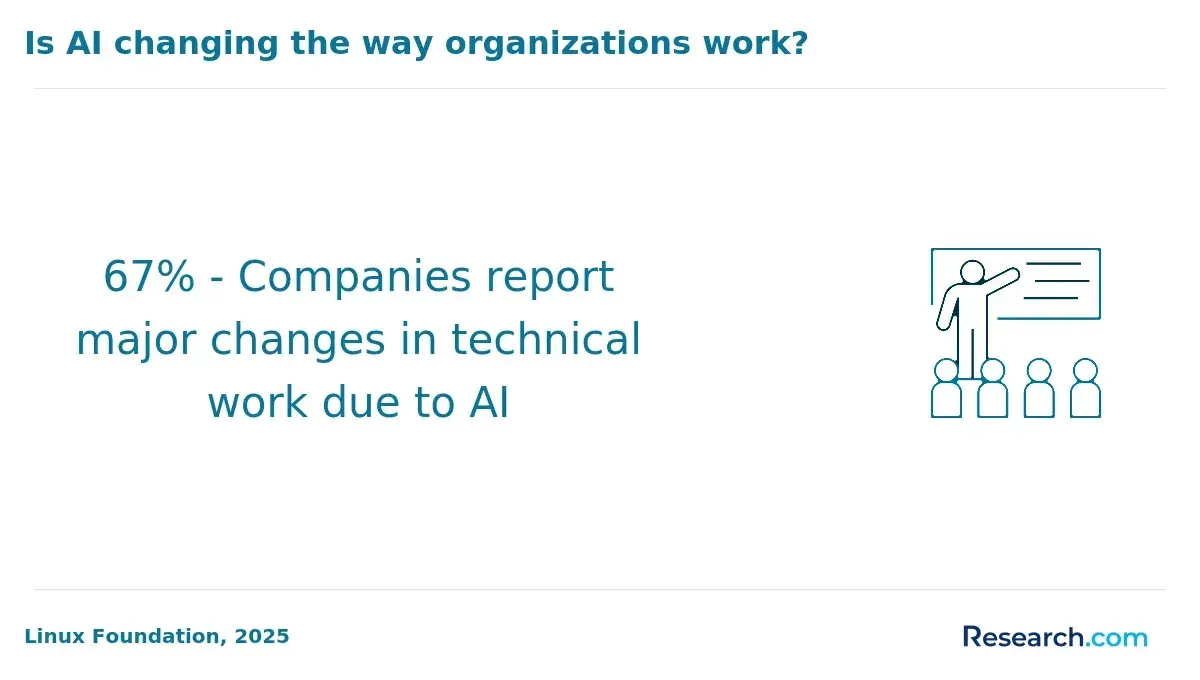
What types of AI courses are available for nonprofit marketers, from short trainings to degrees?
Nonprofit marketing professionals can enhance their expertise through various AI courses tailored to different needs and time commitments. Short workshops focus on practical AI tools for marketing automation, data analysis, and donor engagement.
These brief sessions, ranging from hours to days, emphasize hands-on learning with platforms such as Google AI and Microsoft Azure. They suit staff seeking immediate skills without a long-term commitment.
For certified artificial intelligence training programs for nonprofit teams, certificate courses offer comprehensive instruction covering AI fundamentals, ethical considerations, and advanced analytics applied to marketing strategies. These programs often incorporate case studies relevant to nonprofit fundraising and campaign strategies, helping teams improve strategic planning and technical proficiency.
More extensive knowledge comes from undergraduate and graduate degree programs in data science, marketing analytics, or AI, blending theory and application over one to two years.
Graduates are equipped to design AI-driven marketing strategies and lead digital transformation efforts. Those interested in broader technology education might explore video game programs for related skills in digital design and interactive media.
LinkedIn's Workplace Learning Report highlights training in AI and analytics as the leading global learning priority, with a significant year-over-year increase in course engagement. This trend underlines how vital AI proficiency is becoming for effective nonprofit marketing.
- Short workshops for immediate tool application.
- Certificate courses for strategic and ethical AI use.
- Degree programs for comprehensive AI expertise.
How do online AI programs for nonprofit marketing compare with in-person and hybrid options?
Online AI programs for nonprofit marketing offer flexibility and accessibility, enabling staff to learn at their own pace without travel or scheduling conflicts. This is especially vital for nonprofits with limited budgets or geographically dispersed teams.
In comparison, in-person courses provide direct interaction with instructors and peers, fostering immediate feedback and networking opportunities. Hybrid AI training options for nonprofit marketing teams combine these benefits but may involve complex logistics and risk diluting the advantages of both.
Course design is key to effectiveness. Online programs need interactive elements like live Q&A sessions, practical assignments, and community forums to engage participants similarly to in-person learning.
For nonprofit marketing, practical AI applications such as automated content creation and data analysis are essential skills. Microsoft's AI Skills for Nonprofits program shows staff save an average of 1.5 hours daily after prompt-engineering training.
Staff enrolled in online programs can apply their skills immediately to real campaigns, with recorded materials available for review. However, teams lacking self-discipline or technical support might struggle without in-person guidance, a gap hybrid programs can bridge by offering initial face-to-face onboarding followed by online modules.
For those interested in becoming AI trainers or advancing careers in AI education, detailed career paths and salaries are explored at AI trainers.
Cost efficiency is another factor: online programs reduce expenses related to travel and venues, while in-person sessions suit teams needing expert-supervised hands-on practice, such as AI-driven donor segmentation.
What core AI and marketing skills should nonprofit-focused courses teach in their curriculum?
Effective nonprofit courses blend core artificial intelligence and marketing skills aimed at driving measurable fundraising impact. Key curriculum components include data analytics to interpret donor behavior, optimize segmentation, and enhance campaign targeting.
Students gain proficiency in AI-powered tools like predictive modeling and audience personalization, which increase engagement and donations. For instance, mastering natural language processing (NLP) allows creation of tailored email content, significantly boosting open and conversion rates.
Training also emphasizes automation workflows to streamline repetitive tasks such as email scheduling, social media publishing, and donor follow-ups.
Skills in AI-driven content creation support crafting persuasive storytelling materials rapidly, essential for engaging donors across digital platforms. Equally important is understanding ethical AI use in nonprofit settings to ensure data privacy and minimize algorithmic bias, maintaining trust and compliance.
Marketing strategy modules focus on leveraging AI-generated insights to refine campaigns and integrating AI with Customer Relationship Management (CRM) systems for improved donor journey mapping and stewardship.
According to a 2024 Nonprofit Tech for Good benchmark, nonprofits investing in AI-driven data and analytics training saw email list growth improve by 23% and online fundraising revenue grow by 26% versus those without AI analytics adoption.
Practical skills include:
- Data visualization for donor segmentation and campaign performance.
- Machine learning basics for predictive fundraising.
- Use of chatbots and virtual assistants for donor interaction.
- Social media analytics and AI-enabled content optimization.
- AI ethics and governance focusing on nonprofit transparency and accountability.
Mastering these interdisciplinary skills equips nonprofit marketing teams with tools to enhance outreach efficiency, foster personalized donor relationships, and maximize fundraising outcomes in an increasingly digital environment.
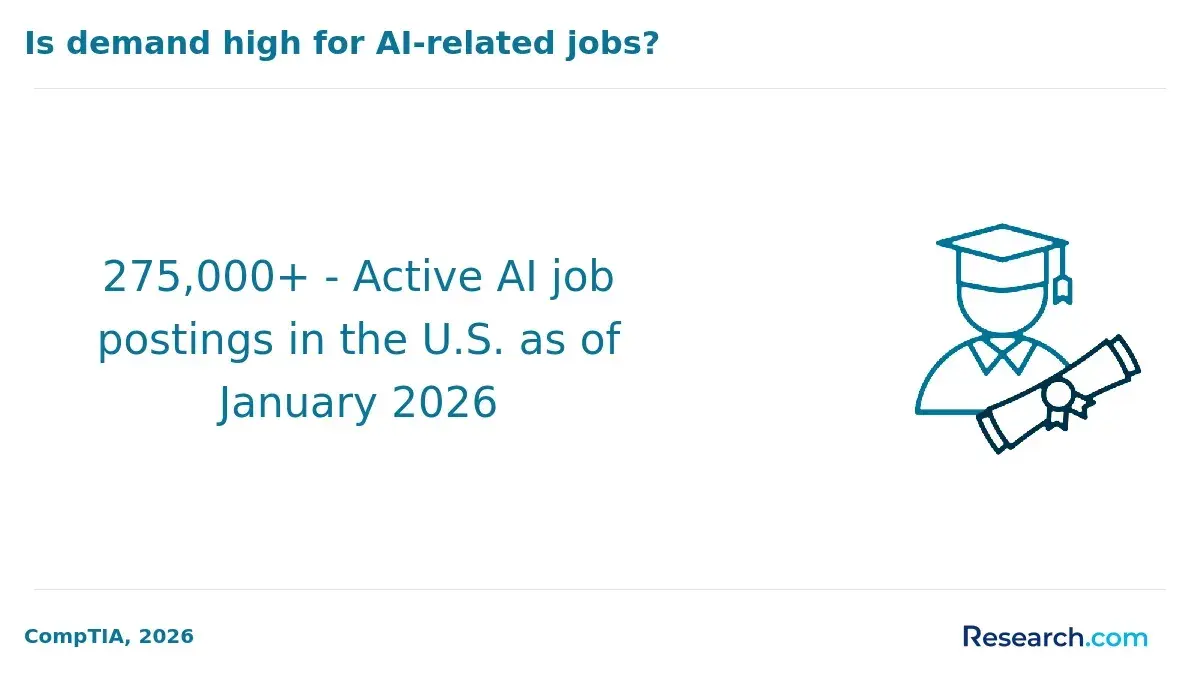
What admissions requirements do AI certificate and degree programs for nonprofit marketers typically have?
Admissions requirements for AI certificate and degree programs tailored to nonprofit marketers vary but generally include foundational criteria to ensure candidates can engage with both technical and strategic content.
Most programs require a bachelor's degree, often in marketing, communications, business, or related fields. Some certificate programs accept professional experience in nonprofit management or marketing in lieu of a formal degree, highlighting practical skills.
Applicants typically need proficiency in data handling or analytics, as nonprofit marketing increasingly uses data-driven AI tools. Transcripts showing coursework in statistics, computer science, or marketing analytics may be requested. Graduate-level programs often require stronger quantitative skills and sometimes GRE scores.
Experience with digital marketing platforms or CRM systems is advantageous. Many programs seek candidates familiar with nonprofit sector challenges, crucial for applying AI in fundraising, donor engagement, and personalized campaigns. Leading programs might ask for a statement of purpose detailing how AI tools can improve nonprofit marketing impact.
Prerequisite online courses or bootcamps in AI fundamentals or programming (e.g., Python) may be recommended for those with limited technical backgrounds. Nonprofits using AI-powered personalization report up to 40% higher email open rates and 32% higher click-through rates than non-personalized messaging, underscoring the strategic value of AI knowledge.
How long do AI courses for nonprofit marketing usually take, and what do they cost?
AI courses for nonprofit marketing teams vary from brief workshops to extended programs. Short sessions typically last 4 to 12 hours over one or two days, focusing on practical skills like social media strategy and content optimization. More in-depth courses span 4 to 8 weeks, requiring 2 to 5 hours weekly, covering AI tools, data analytics, and ethical issues.
Pricing depends on course length, provider reputation, and offered resources:
- Entry-level workshops can be free or under $100, ideal for quick skill-building.
- Intermediate courses range from $200 to $800, providing detailed instruction and hands-on practice.
- Advanced certification programs may cost over $1,000 and often include personalized coaching or project work.
Select courses aligned with your nonprofit's goals and budget. For instance, a team aiming to boost social media engagement might choose a short, affordable workshop. Conversely, organizations interested in AI-driven donor analytics benefit from longer, technical programs.
CharityHowTo data shows nonprofits applying AI to social media saw an average 27% monthly engagement increase within three months post-training. This highlights that even concise, targeted courses can offer significant impact tailored to nonprofit marketing needs.
How can learners verify accreditation and the quality of AI programs serving nonprofit professionals?
When selecting AI programs tailored for nonprofit marketing teams, verify institutional accreditation recognized by the U.S. Department of Education or the Council for Higher Education Accreditation to ensure the program meets academic and operational standards.
Evaluate if the curriculum integrates current AI applications specific to nonprofit needs, such as donor segmentation, personalized outreach, and impact measurement. Programs with practical, project-based training using tools common in nonprofit CRM systems often provide higher quality learning.
Review instructor credentials carefully; choose programs led by professionals with proven expertise in AI and nonprofit marketing. Peer reviews and alumni feedback found on reputable education forums or professional networks can offer valuable insights into program effectiveness and real-world applicability. Collaborations with nonprofit organizations or relevant case studies further increase the course's relevance.
While cost and duration matter, focus primarily on quality indicators. According to HubSpot's 2024 "AI in CRM and Marketing" report, organizations that integrated AI for segmentation and lead scoring within CRM achieved 52% higher supporter conversion rates, underscoring the value of outcome-focused training.
Also, verify whether certificates received are recognized by nonprofit industry associations or professional marketing bodies, as these endorsements often boost employment and funding opportunities post-certification.
What nonprofit marketing roles, career paths, and advancement opportunities can AI training support?
AI training enhances essential nonprofit marketing roles such as data analysts, digital strategists, content creators, and campaign managers by enabling them to use machine learning tools for donor segmentation, personalized outreach, and impact measurement.
Career opportunities now include AI ethics compliance officer, AI-driven communications specialist, and marketing automation lead, reflecting growing demand for expertise in responsible AI application within nonprofit sectors.
Advancing with AI skills allows marketers to assume leadership positions managing data privacy and ethical AI governance frameworks.
The 2024 NetHope/Charity Digital survey highlights that 62% of nonprofits identify data privacy and responsible AI use as their major challenges, while fewer than 30% have formal training in AI governance or ethics.
Professionals with AI training gain a competitive edge by:
- Developing compliance frameworks aligned with evolving data privacy laws.
- Implementing AI-powered donor engagement models to boost fundraising efficiency.
- Crafting content strategies informed by predictive analytics to expand campaign reach.
- Leading teams that integrate AI tools responsibly across marketing functions.
For instance, marketing coordinators skilled in AI ethics may progress to roles managing AI risk assessments, mitigating algorithmic bias, and ensuring inclusive communications.
Data analysts with AI expertise often advance to directorships focused on securing sensitive donor information via AI-driven systems. Nonprofits increasingly seek professionals who combine marketing knowledge, AI proficiency, and ethical insight to address future challenges.
What salary ranges and job outlook can nonprofit marketers expect after adding AI skills?
Nonprofit marketing professionals with AI skills can expect notable salary growth and enhanced job security. Entry-level roles in this field earn between $50,000 and $65,000 annually, while mid-level positions like AI-augmented campaign managers or data analysts typically command salaries from $65,000 to $85,000.
Senior roles focused on ai-driven strategy and donor analytics often surpass $100,000 per year. Employers increasingly seek expertise in ai tools that optimize fundraising, audience targeting, and impact measurement.
Organizations offering structured AI upskilling programs are 39% more likely to experience year-over-year donation growth, according to the LinkedIn Nonprofit Learning Insights report. This correlates with improved career outlooks for nonprofit marketers skilled in AI applications who enhance donor engagement through predictive analytics and personalized outreach.
Key AI competencies include machine learning, natural language processing, and data visualization. These skills help automate routine tasks, allowing marketers to focus on strategic initiatives and translate data insights into actions addressing challenges such as donor retention and resource allocation.
Job growth in AI-related nonprofit marketing is expected to outpace traditional marketing by 15-20% over the next five years. Professionals investing in specialized AI courses tailored to nonprofits can gain higher salaries and career resilience.
Other Things You Should Know About Artificial Intelligence
Coding experience is helpful but not strictly required to begin learning artificial intelligence for nonprofit marketing. Many introductory AI courses focus on conceptual understanding and practical applications using user-friendly tools. However, developing deeper AI skills, especially in customization or advanced data analysis, often requires some programming knowledge, commonly in Python.
Ethical concerns in AI for nonprofit marketing include data privacy, bias in algorithms, and transparency in decision-making. Nonprofit organizations must ensure that AI-driven campaigns respect user consent and avoid reinforcing social inequalities. Ethical AI use involves ongoing evaluation and responsible data management practices.
The field of artificial intelligence evolves rapidly, with new tools and capabilities emerging regularly. Nonprofit marketers must stay current with AI developments to leverage the latest technologies effectively. Continuous learning and upskilling are essential to maintain a competitive edge and use AI responsibly.
In 2027, top AI courses for nonprofit marketing teams include "AI for Social Good" from Coursera, "AI for Nonprofits" by Udacity, and "Marketing with AI Strategies" from edX. These courses offer tailored content for nonprofit professionals eager to leverage AI effectively for mission-driven marketing.
References
- Ultimate Guide: How to Choose the Right AI Training Course to Boost Your Career - ONLC https://www.onlc.com/blog/how-to-choose-ai-training-courses/
- International Board for AI Accreditation | Professional Accreditation Body https://www.aiaccreditationboard.org/
- The AI Hub for Nonprofits https://www.nptechforgood.com/ai-for-nonprofits/
- 10 Best Free AI Courses for Marketing and Business Professionals (2026) https://willfrancis.com/10-best-free-ai-courses-for-marketing-and-business-professionals-2026/
- AI in Marketing Career Path: Skills, Strategy & Roadmap to Future-Proof Growth https://cxl.com/b2b-marketing-career-guide/ai-in-marketing-career-guide/
- How is AI Changing Digital Marketing for Non-Profits? https://www.seriousotters.com/blog/doing-good-smarter-how-non-profits-are-leveraging-artificial-intelligence
- Webinar-Artificial Intelligence in the Service of Global Quality Assurance in Higher Education | Council for Higher Education Accreditation https://www.chea.org/webinar-artificial-intelligence-service-global-quality-assurance-higher-education
- A Guide to Digital Marketing Career Paths in 2025 | Digital Marketing Institute https://digitalmarketinginstitute.com/blog/a-guide-to-digital-marketing-career-paths
- Advancing AI-Resilient Early-Career Pathways https://info.jff.org/advancing-ai-resilient-early-career-pathways
- How to Approach AI Marketing Training https://www.agilesherpas.com/blog/ai-marketing-training-guide