2027 Best AI Agent Courses for Healthcare Operations

Co-Founder and Chief Data Scientist
Healthcare operations face growing pressure to improve efficiency while managing complex data streams and patient interactions. Traditional training paths often lack targeted skills to implement advanced ai technologies that optimize scheduling, resource allocation, and patient outcomes. Professionals from unrelated fields may find the technical entry barriers daunting when seeking career shifts into healthcare ai roles. This article highlights top courses tailored to equip learners with accessible, practical knowledge to leverage ai tools effectively within healthcare settings. It guides prospective students and career changers through flexible, accredited options designed to build relevant skills and facilitate smooth transitions into this fast-evolving industry.
Key Things You Should Know
- AI agent courses for healthcare operations in 2026 focus on integrating machine learning to optimize patient flow, reducing hospital costs by up to 25% according to 2025 healthcare studies.
- Programs emphasize ethical AI use and compliance with HIPAA, ensuring students understand data privacy in healthcare AI deployment.
- Demand for AI-trained healthcare professionals is projected to grow 34% by 2030, highlighting the value of specialized AI agent education for career advancement.
Advance Your Career with AI Online Courses
Artificial Intelligence: Implications for Business Strategy
This program provides an introduction to Artificial Intelligence and their implications for business strategy. Earn an official digital certificate.

Oxford Artificial Intelligence Programme
Explore this Oxford Artificial Intelligence programme offered in a flexible learning environment and explore topics like machine learning, automation, and robotics.

Implementing Agentic AI: Building Your Organizational Playbook
This online MIT Agentic AI course offers a practical approach to deploying AI agents in your organization, including a custom playbook. 3 weeks, exclusive launch price.

AI Adoption: Driving Business Value and Impact
This online MIT AI Adoption: Driving Business Value and Impact offers practical frameworks to close the gap between AI potential and business reality.

Artificial Intelligence in Pharma and Biotech
Discover the applications and limitations of artificial intelligence in pharma and biotech with this MIT online short course.

What are AI agent courses for healthcare operations and who should consider them?
AI agent courses for healthcare operations train individuals to develop intelligent software tools that enhance healthcare workflows by automating tasks such as patient scheduling, clinical decision support, and claims processing. These programs cover integration of machine learning models with electronic health records, natural language processing for patient communication, and predictive analytics to improve operational efficiency.
Those who should enroll in healthcare AI agent training include healthcare administrators, IT professionals, clinical managers, data scientists, and recent graduates in healthcare or technology fields. Professionals leading digital transformation projects or seeking to improve healthcare delivery through AI-driven automation will find these courses particularly valuable. For instance, a hospital operations manager might use AI agents to cut patient wait times while a data analyst focuses on forecasting patient admissions.
Course offerings range from introductory AI basics to advanced topics like agent-based modeling, reinforcement learning for logistics, and AI ethics. Many programs emphasize hands-on experience with healthcare datasets and practical toolkits, preparing students for real-world challenges.
Demand for healthcare AI skills is growing rapidly. The global AI in healthcare market is projected to expand from $26.69 billion in 2024 to $613.81 billion by 2034 with a CAGR of 36.83%. This growth highlights the critical need for targeted AI education for those entering or advancing in this competitive sector. Students interested in this field might explore career opportunities after earning an artificial intelligence degree.
Advance Your Career with AI Online Courses
Artificial Intelligence: Implications for Business Strategy
This program provides an introduction to Artificial Intelligence and their implications for business strategy. Earn an official digital certificate.
Oxford Artificial Intelligence Programme
Explore this Oxford Artificial Intelligence programme offered in a flexible learning environment and explore topics like machine learning, automation, and robotics.
Implementing Agentic AI: Building Your Organizational Playbook
This online MIT Agentic AI course offers a practical approach to deploying AI agents in your organization, including a custom playbook. 3 weeks, exclusive launch price.
How can AI agent training improve efficiency and patient outcomes in healthcare operations?
Training healthcare professionals in AI agent skills enhances patient care efficiency by enabling seamless integration of AI-driven systems into daily clinical workflows. Professionals learn to use AI-powered tools for automated diagnostics, predictive analytics, and personalized treatment planning, significantly reducing manual workload and human error.
AI-driven agents can process medical imaging swiftly and with accuracy comparable to or surpassing that of human radiologists, leading to faster diagnoses and improved patient outcomes. AI-based patient management systems assist staff in optimizing scheduling, prioritizing critical cases, and streamlining resource allocation, which lowers wait times and better manages healthcare operations. This impact of AI-driven agents on patient care efficiency is transforming healthcare delivery.
Healthcare workers skilled in leveraging AI chatbots and virtual assistants enhance patient engagement through automated appointment reminders, symptom checking, and post-treatment follow-up. This reduces unnecessary hospital visits and supports chronic disease management outside clinical settings. Moreover, trained professionals can interpret AI-generated risk scores and decision support outputs effectively to improve care plans.
By 2024, the U.S. Food and Drug Administration had authorized over 1,000 AI/ML-enabled medical devices, reflecting rapid AI adoption in healthcare. Training programs align advanced AI capabilities with clinical needs, preparing current and future providers. Those interested in broadening their technical expertise might also consider programs like a mechanical engineering online program, which can complement AI agent training for healthcare process optimization.
- Reducing diagnostic errors with AI-enhanced imaging and data analysis
- Optimizing clinical workflow efficiency through AI-enabled resource planning
- Improving patient engagement using AI-powered virtual assistants
- Supporting data-driven clinical decisions with AI insights
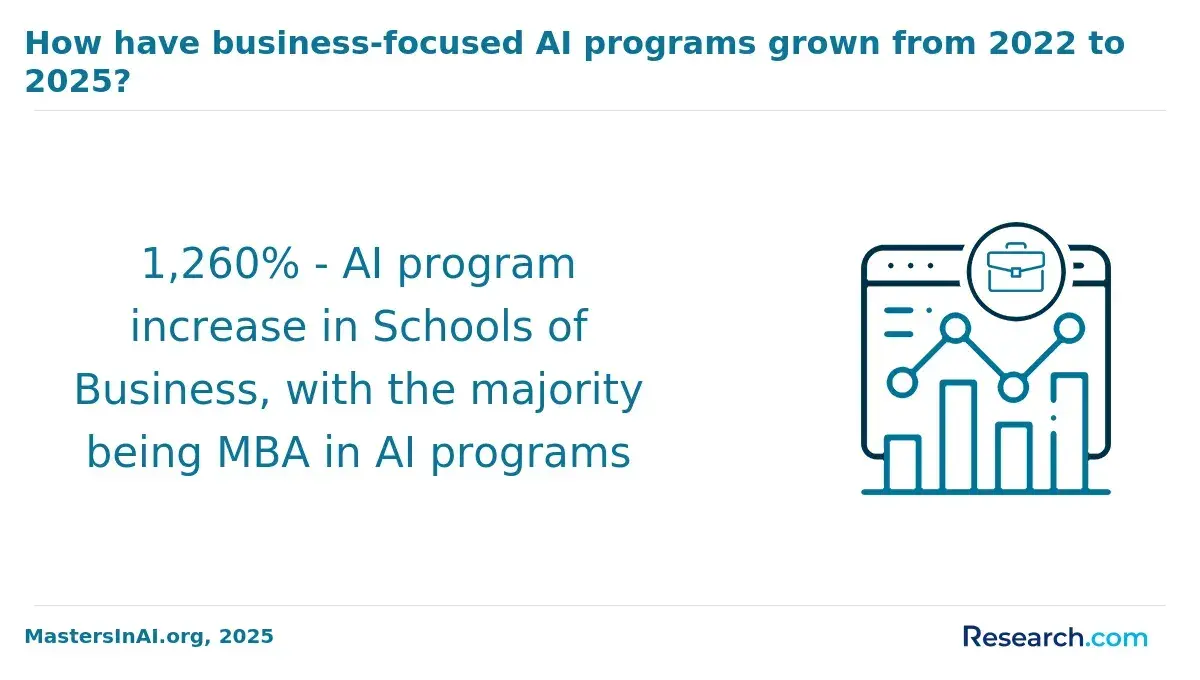
What types of AI agent programs exist for healthcare operations, from certificates to graduate degrees?
AI agent certificate programs for healthcare operations typically target professionals aiming to enhance practical skills for tasks like patient scheduling, claims processing, or clinical decision support. These short-duration courses focus on applied knowledge to help learners quickly adapt to healthcare automation needs. Advanced certifications delve into areas such as natural language processing, predictive analytics, and robotic process automation specific to healthcare settings, addressing the growing demand for AI-driven operational efficiency.
Graduate degrees in AI applications for healthcare management, such as master's programs in health informatics or healthcare analytics, provide a comprehensive understanding of machine learning algorithms, data governance, and ethical considerations. These programs prepare students for leadership roles requiring both technical expertise and strategic insight.
Doctoral studies offer deeper research opportunities on AI agent development aimed at optimizing health systems, personalized medicine, and integration challenges, ideal for those pursuing academic or specialized industry careers. With healthcare being a major focus for automation-over half of healthcare executives in a recent survey report increased investment in generative AI-education pathways must align with these evolving technologies.
Prospective students should weigh program duration, practical versus theoretical content, and career stage fit. For those exploring diverse educational options beyond healthcare, understanding choices like game design online programs can provide perspective on the broader landscape of technology-focused degrees.
How do online AI agent courses for healthcare compare with campus-based and hybrid options?
Online ai agent training for healthcare operations offers working professionals the flexibility to study without the need for commuting, blending education with clinical or administrative duties. This is especially important as U.S. physicians spend around 16 minutes per patient encounter on electronic health record (EHR) and after-hours desk work, emphasizing the necessity for efficient learning formats.
Campus-based ai courses provide face-to-face interaction, hands-on experience with healthcare AI tools, and valuable networking with faculty and peers. These programs often include labs and live demonstrations, appealing to students seeking immersive training. Hybrid ai courses in healthcare management combine online convenience with occasional in-person sessions like weekend workshops, balancing professional responsibilities and direct mentorship.
Many online programs use interactive platforms, AI simulations, and case studies to make up for the absence of physical labs. However, some learners may find the practical application of AI model development easier in hybrid or campus settings. Choosing the right program depends on individual needs:
- Busy schedules favor online courses.
- Hands-on technology work suits campus or hybrid options.
- Networking is often stronger on campus.
- Online courses usually cost less by removing commuting or relocation expenses.
For those looking to advance as AI trainers, selecting from these formats impacts skill development and career trajectory.
What prerequisites and admission requirements do AI agent programs for healthcare usually have?
Admission to AI agent programs in healthcare generally requires a solid foundation in both healthcare knowledge and technical abilities. Applicants often need a bachelor's degree in fields like nursing, medicine, health information technology, computer science, data science, or biomedical engineering. Practical experience in clinical or healthcare settings is commonly preferred to ensure familiarity with healthcare workflows.
Typical prerequisites include coursework in programming languages such as Python, R, or Java, along with statistics, data analytics, and machine learning basics. Understanding healthcare regulations and terminology, including HIPAA compliance and electronic health record (EHR) systems, is highly valued. Some advanced programs ask for GRE scores or professional certifications to demonstrate quantitative skills.
Those without a healthcare background may need bridging courses in medical terminology or health systems. Conversely, individuals from pure healthcare roles might be advised to build skills in coding or data analysis before enrolling. This flexible yet rigorous approach accommodates diverse educational backgrounds.
Many programs emphasize blending clinical knowledge with AI applications, focusing on data interpretation, algorithm development, and AI tools for clinical decision support. The admission process often includes letters of recommendation, essays about relevant experience, and interviews evaluating problem-solving abilities.
Given that AI and machine learning roles in healthcare grew significantly faster than overall healthcare job postings in 2024, according to the LinkedIn Economic Graph, meeting these entry requirements is essential for those aiming to join this rapidly expanding field.
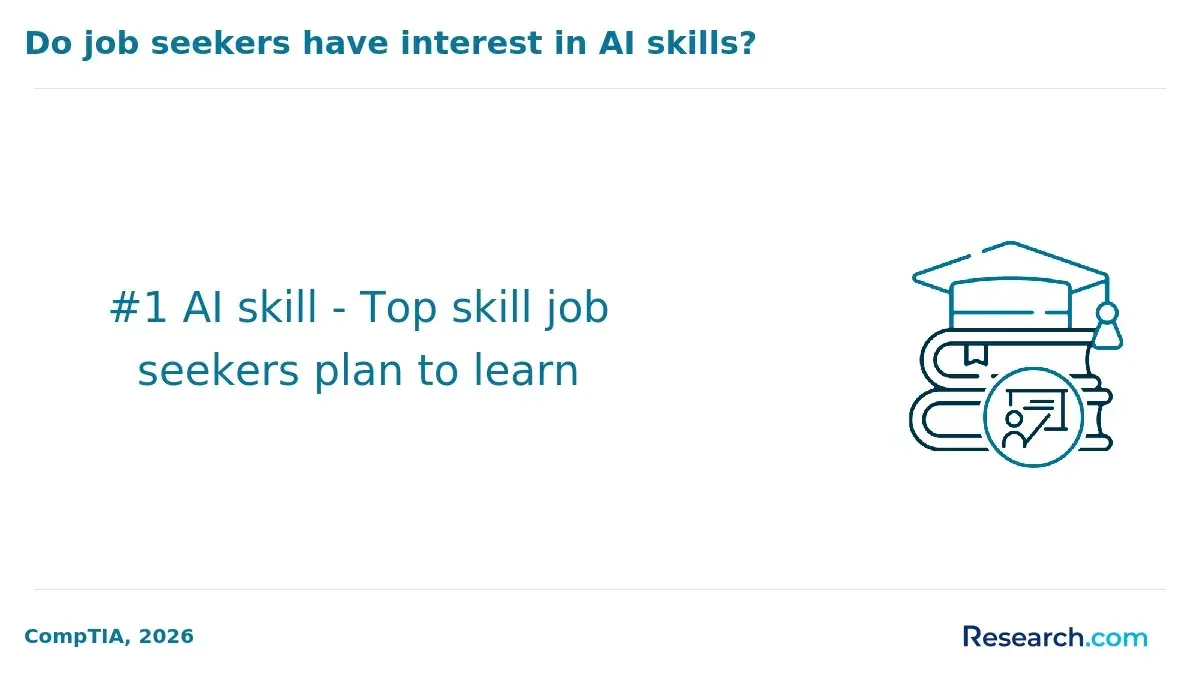
What core subjects and technical skills are taught in AI agent courses for healthcare operations?
AI agent courses for healthcare operations cover essential technical skills and knowledge critical for advancing healthcare management. Students develop expertise in healthcare data analytics, learning to analyze electronic health records, patient data, and operational metrics to enhance clinical outcomes and efficiency. A strong focus is placed on machine learning, including supervised and unsupervised techniques that support automated diagnosis, treatment planning, and resource management.
Programming proficiency in Python and R is a core component, enabling data manipulation, model creation, and deployment of AI tools in healthcare settings. Courses often integrate natural language processing (NLP) to extract insights from unstructured clinical notes and patient communications.
Compliance with healthcare regulatory and ethical standards, such as HIPAA, is emphasized to ensure AI solutions safeguard patient privacy and meet legal mandates. Students study algorithmic bias and methods to build transparent, fair AI systems.
Hands-on projects simulate real-world healthcare environments, focusing on optimizing hospital workflows or predicting readmission rates. Skills in integrating AI agents with electronic health records (EHR) and telemedicine platforms are also developed.
The median annual wage for medical and health services managers was $110,680 in May 2024, according to the U.S. Bureau of Labor Statistics, highlighting the career value of mastering these competencies in AI-powered healthcare operations.
How long do AI agent programs for healthcare take, and what do they typically cost?
AI agent programs in healthcare typically last between 3 and 12 months, tailored to various skill levels and career goals. Shorter certificate courses (3 to 6 months) often focus on specific areas like process automation, data analysis, or AI tool implementation. Longer programs (9 to 12 months) provide a deeper understanding of healthcare regulations, AI ethics, predictive modeling, and system integration, preparing students for leadership roles in automation projects.
Costs vary greatly depending on program length, prestige, and format. Certificate courses usually range from $1,500 to $5,000, with online certificates costing $2,000 to $3,500. In-person or hybrid formats tend to be pricier, and more advanced diplomas or postgraduate certificates can exceed $7,000.
Since administrative expenses comprise about 25% of total hospital costs in the U.S., investing in this training can help professionals identify automation opportunities to reduce overhead. Prospective students should verify program content to ensure it addresses healthcare-specific AI challenges such as compliance, patient data privacy, and workflow optimization.
Programs that include hands-on projects or partnerships with healthcare providers enhance job readiness. Financial aid, employer tuition support, and flexible payment plans are often available, improving access despite upfront costs.
Which accreditations and professional standards should AI agent programs for healthcare meet?
AI agent programs tailored for healthcare operations require accreditation from respected bodies like the Accreditation Council for Business Schools and Programs (ACBSP) or the Commission on Accreditation of Healthcare Management Education (CAHME). These accreditations ensure curricula integrate healthcare management skills with AI applications. Alignment with Health Information Management Systems Society (HIMSS) certification further prepares students for roles within healthcare IT environments.
Programs also emphasize compliance with HIPAA and Office of the National Coordinator for Health Information Technology (ONC) guidelines, focusing on privacy and security in AI deployment. Knowledge of FDA regulations concerning AI as a medical device is critical, as these rules influence clinical use of AI technologies.
With 89% of healthcare organizations reporting at least one AI deployment or pilot, according to NVIDIA's State of AI in Healthcare survey, students benefit from learning ethical AI governance and real-world implementation frameworks. Integrating ISO/IEC 27001 standards ensures training in risk management and data protection aligned with industry practices.
Collaboration opportunities with professional organizations like the American Medical Informatics Association (AMIA) and certification through the AI in Healthcare Professional Certification (AIHPC) add value. These pathways help graduates demonstrate sector-specific expertise and readiness for evolving AI-driven healthcare landscapes.
What careers can AI agent training in healthcare operations lead to, and what salaries are typical?
AI agent training in healthcare equips professionals with the skills to manage both healthcare expertise and technology. Career paths include healthcare data analyst, clinical informatics specialist, AI implementation manager, and compliance officer specializing in AI-driven systems. These roles demand proficiency in healthcare data workflows, operational efficiency, and ethical AI use.
Salaries vary by role: healthcare data analysts earn between $70,000 and $100,000 annually; clinical informatics specialists typically make $90,000 to $120,000; AI implementation managers earn upwards of $110,000; and compliance officers focusing on data privacy and AI governance receive $85,000 to $130,000. Additional positions such as AI project coordinators and AI quality assurance analysts start around $65,000 and can exceed $95,000 with experience.
More than 60% of healthcare leaders recognize data privacy and security as major barriers to AI adoption, underscoring the importance of compliance knowledge. Navigating HIPAA and regulatory frameworks is essential for managing AI applications effectively.
- Proficiency in healthcare data analysis and AI technology integration
- Strong understanding of ethical and regulatory healthcare standards
- Advanced certifications enhance career prospects and salary potential
For professionals pursuing AI in healthcare, building expertise in both technology and compliance is critical to support operational success and secure patient data in this evolving field.
How is employer demand and job outlook evolving for AI agent skills in healthcare operations?
Demand for AI agent skills in healthcare operations is rising as the sector increasingly relies on data-driven decision-making and automation. Professionals skilled in developing AI solutions for patient scheduling, resource management, and predictive analytics are highly sought after in hospitals, clinics, and healthcare technology companies. This shift supports goals to enhance operational efficiency and patient outcomes through smarter automation and actionable insights.
Employment prospects remain strong, with roles offering competitive compensation. The U.S. Bureau of Labor Statistics reports that computer and information research scientists earned a median wage of $145,080, reflecting the premium for expertise in AI-driven healthcare applications. Employers value candidates who can create and implement AI tools to streamline administrative and clinical workflows.
Essential skills include natural language processing for medical documentation, machine learning models for patient risk assessment, and chatbot development for patient engagement. Healthcare employers also prioritize knowledge of healthcare regulations, electronic health records (EHR) systems, and data privacy laws.
To prepare effectively, candidates should combine healthcare-specific AI applications with strong data science and programming proficiency. Credentials in AI agent development and experience working with healthcare datasets provide a competitive advantage. Demonstrating the ability to translate AI innovations into improved healthcare operations directly meets employer needs and boosts career opportunities.
Other Things You Should Know About Artificial Intelligence
A top AI agent course for healthcare operations in 2027 should offer comprehensive coverage of AI technologies, practical applications in healthcare settings, and current trends. It should also provide real-world case studies, hands-on projects, and insights from industry experts to equip learners with up-to-date skills and knowledge.
AI enhances healthcare professionals' capabilities by automating routine tasks and providing decision support, allowing providers to focus more on patient care. However, it does not replace the critical thinking, empathy, and clinical judgment of human practitioners. Instead, AI serves as a tool to improve productivity and accuracy in healthcare operations.
Challenges include the complexity of existing healthcare infrastructure, data interoperability issues, and resistance to change among staff. Additionally, ensuring the accuracy and reliability of AI models requires continuous validation and updates. Regulatory compliance and securing sensitive patient information also add layers of complexity to AI implementation.
AI systems in healthcare are increasingly designed to learn from real-time data, improving their performance over time through machine learning techniques. They adapt by incorporating new medical research, patient demographics, and treatment protocols. Continued advancements in natural language processing and predictive analytics help AI stay relevant to emerging healthcare challenges.
References
- AI agent integration in healthcare systems – Abto Software https://www.abtosoftware.com/blog/ai-agent-for-healthcare
- AI Agents in Healthcare | Svitla Systems https://svitla.com/blog/ai-agents-healthcare/
- Certificate in AI for Healthcare | Canadian Healthcare Education Network https://www.chenetwork.ca/certificate-ai-for-healthcare
- The Success Of Your Healthcare AI Agent: Key Requirements https://spsoft.com/tech-insights/ensure-success-of-the-healthcare-ai-agent/
- AI agents—transforming healthcare for patients and physicians https://www.oracle.com/health/clinical-suite/ai-agents-healthcare/
- Prerequisites Before Building Healthcare AI Agents https://nirmitee.io/blog/prerequisites-before-building-ai-agent-healthcare-hospital/
- AI agents in healthcare: 12 real-world use cases (2026) https://www.kore.ai/blog/ai-agents-in-healthcare-12-real-world-use-cases-2026
- Best AI Agent Solutions for Healthcare Providers: CTO Guide https://deployflow.co/blog/best-ai-agent-solutions-healthcare-providers/
- How AI Agents Help Providers Boost Operational Efficiency and Improve Patient Care https://www.salesforce.com/blog/ai-agents-healthcare-providers/
- AI-Agent in Healthcare - Orbit Healthcare Inc. https://orbithc.com/ai-agent-in-healthcare.html