2027 Best AI Courses for Business Owners Managing AI Adoption

Co-Founder and Chief Data Scientist
Business owners face significant challenges when managing AI adoption, including understanding complex technologies and aligning them with strategic goals. Many lack formal training, which slows effective integration and reduces competitive advantage.
Without practical knowledge, decision-makers struggle to evaluate suppliers, oversee implementation, and ensure compliance with ethical standards. This knowledge gap risks wasted investments and missed opportunities.
This article examines top AI courses designed specifically for business leaders, focusing on accessible, accredited programs that blend flexibility with practical insights. It aims to guide readers toward education pathways that empower confident management of AI initiatives.
Key Things You Should Know
- Leading AI courses for business owners in 2026 emphasize practical adoption strategies, integrating AI ethics, and operational management, reflecting a 40% rise in AI-driven firms from 2024 to 2025.
- Curricula often include case studies on AI enhancing productivity and decision-making, with 65% of surveyed executives prioritizing upskilling in AI leadership roles to sustain competitive advantage.
- Many programs offer flexible, hybrid formats catering to working professionals, supporting a 35% enrollment increase, as business owners seek to swiftly implement AI technologies responsibly.
Advance Your Career with AI Online Courses
Artificial Intelligence: Implications for Business Strategy
This program provides an introduction to Artificial Intelligence and their implications for business strategy. Earn an official digital certificate.

Oxford Artificial Intelligence Programme
Explore this Oxford Artificial Intelligence programme offered in a flexible learning environment and explore topics like machine learning, automation, and robotics.

Implementing Agentic AI: Building Your Organizational Playbook
This online MIT Agentic AI course offers a practical approach to deploying AI agents in your organization, including a custom playbook. 3 weeks, exclusive launch price.

AI Adoption: Driving Business Value and Impact
This online MIT AI Adoption: Driving Business Value and Impact offers practical frameworks to close the gap between AI potential and business reality.

Artificial Intelligence in Pharma and Biotech
Discover the applications and limitations of artificial intelligence in pharma and biotech with this MIT online short course.

What are the best types of AI courses for business owners leading AI adoption?
The best AI training programs for business owners managing AI adoption prioritize practical application, strategic integration, and ethical considerations.
Business leaders should focus on courses that teach how to spot AI opportunities in their industry, develop clear implementation roadmaps, and handle organizational change. Technical skills are less important than understanding AI's impact on functions like marketing, operations, and customer service.
Top AI courses for executives leading AI implementation often include modules on aligning AI initiatives with company goals through strategy formulation and risk management. Case studies of successful AI adoption help anticipate challenges and devise mitigation plans. Ethical AI deployment and compliance are critical due to regulatory and reputational concerns.
Since 72% of organizations now use AI in at least one business area, gaining familiarity with AI data interpretation and ROI tracking is essential. Training that combines business analytics with AI literacy enables leaders to evaluate AI-driven KPIs effectively.
Diverse formats are offered, such as executive seminars, hands-on AI tool workshops, and certifications on AI governance frameworks.
Balancing domain-specific case studies with broad strategic knowledge helps business owners lead AI adoption with confidence. Professionals exploring an AI career path will find these programs valuable in building the necessary leadership capabilities.
Advance Your Career with AI Online Courses
Artificial Intelligence: Implications for Business Strategy
This program provides an introduction to Artificial Intelligence and their implications for business strategy. Earn an official digital certificate.
Oxford Artificial Intelligence Programme
Explore this Oxford Artificial Intelligence programme offered in a flexible learning environment and explore topics like machine learning, automation, and robotics.
Implementing Agentic AI: Building Your Organizational Playbook
This online MIT Agentic AI course offers a practical approach to deploying AI agents in your organization, including a custom playbook. 3 weeks, exclusive launch price.
How do AI courses for business differ from general data science or coding programs?
AI courses tailored for business owners managing adoption focus on practical implementation, strategic decision-making, and integrating AI technologies into existing business models. These programs differ from general data science training by prioritizing business-relevant use cases such as customer service automation, predictive sales analytics, and supply chain optimization.
Key distinctions include:
- Emphasis on evaluating AI solutions' cost-effectiveness and ROI, highlighted by studies like Stanford HAI's AI Index showing GPT-3.5-class systems' cost dropping from about $20 to under $1 per million tokens.
- Attention to ethical issues, governance, and regulatory frameworks influencing AI adoption within corporations.
- Reduced focus on deep coding skills, aimed at business professionals who oversee AI projects rather than develop models themselves.
Business AI courses often teach collaboration skills for working with data scientists and AI specialists, bridging communication gaps to align AI initiatives with company strategies. Modules may cover vendor selection, budgeting, and change management crucial for overcoming employee resistance.
This specialization contrasts with general data science courses that emphasize programming languages like Python or R and technical frameworks. As a result, business owners gain enough understanding to make informed decisions on AI adoption, mitigating risks and enhancing benefits efficiently.
Prospective students seeking affordable education options can explore a cheap online engineering degree as a starting point for broader technology knowledge.
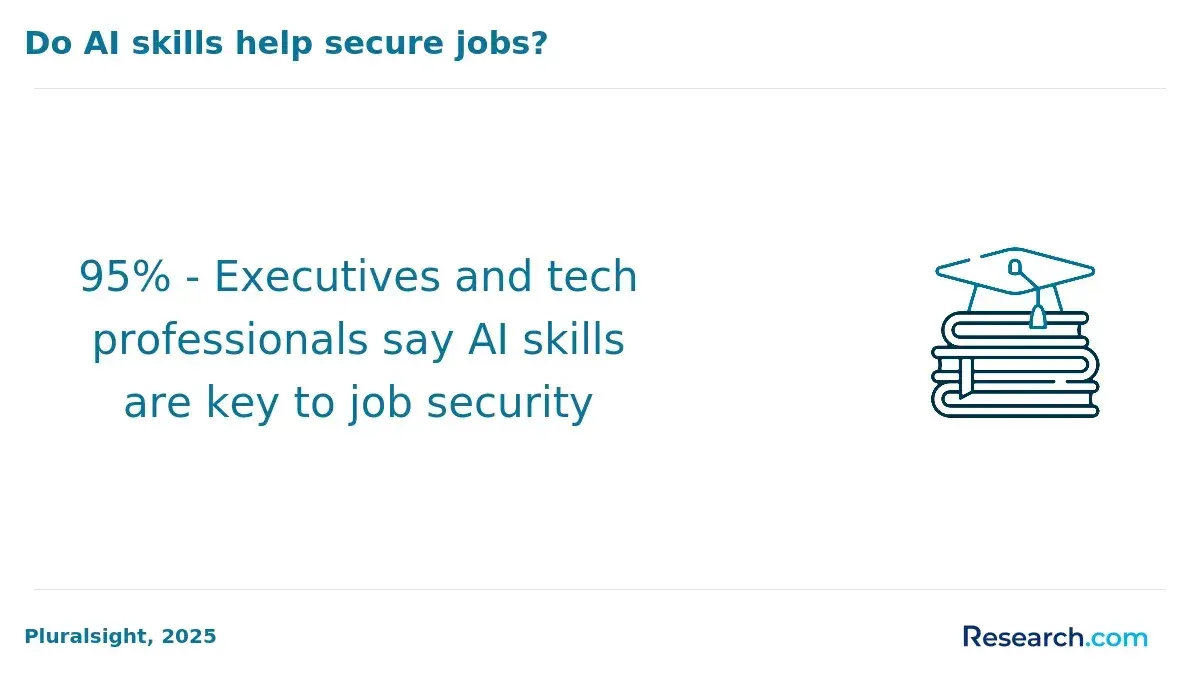
What AI skills do business owners need to manage strategy, vendors, and AI teams?
Business owners engaged in AI strategy development for business owners must cultivate a broad skill set to oversee AI initiatives effectively.
This includes a solid grasp of machine learning models, data stewardship, and understanding the limitations of algorithms to assess project risks and feasibility. Strategic literacy in artificial intelligence is vital for aligning technology investments with organizational goals.
Managing AI vendors effectively demands skills in evaluating solution providers, negotiating contracts, and establishing clear performance indicators. Ethical considerations such as bias mitigation and data privacy compliance are essential to maintain corporate integrity and stakeholder trust.
Effective management of AI teams requires leadership combined with technical fluency. Knowledge of software development lifecycles, data governance frameworks, and continuous model monitoring ensures the quality and scalability of AI solutions. Communication plays a key role in bridging technical teams and executives for transparent reporting and quick issue resolution.
Other practical skills include:
- Analyzing AI use cases for ROI and operational impact
- Evaluating data quality and availability to avoid flawed models
- Setting realistic timelines and budgets for AI projects
- Leading cross-functional collaboration among data scientists, engineers, and business units
- Implementing governance frameworks around AI ethics and compliance
Harvard Business School Online highlights that its AI Essentials for Business course has reached learners worldwide, reflecting strong demand for executive-level expertise.
For those seeking to build foundational skills, online opportunities, such as obtaining a video game design degree, can complement AI knowledge by fostering analytical and technical capabilities valuable in today's tech-driven landscape.
Which accredited degrees, certificates, or bootcamps focus on AI for business leaders?
Accredited degrees, certificates, and bootcamps that emphasize artificial intelligence for business leaders focus on practical applications and strategic management of AI technologies. For example, MBA programs with AI concentrations, such as the University of Pennsylvania's Wharton School, integrate AI-driven decision-making modules tailored to executives.
These programs provide frameworks for deploying AI tools that optimize business processes and enhance customer engagement, aligning well with the growing demand for accredited artificial intelligence programs for business leaders.
Certificate programs from institutions like Stanford University and MIT Sloan School of Management offer targeted AI knowledge without the commitment of a full degree. These courses cover AI fundamentals, ethical considerations, and implementation strategies relevant to business environments.
Stanford's AI for Business Strategy certificate, in particular, explores machine learning impacts on marketing and operations, supporting leaders in navigating technological disruption.
Bootcamps from providers such as General Assembly and Springboard concentrate on applied AI skills for business roles, typically in 3 to 6 months. Designed for professionals seeking quick results, these programs combine technical concepts with business case studies.
Topics include customer acquisition through AI-driven analytics, reflecting studies like Grow with Google that show small businesses leveraging AI-based search and ad features experience significantly higher conversion rates. These business-focused AI certificate and bootcamp options are ideal for professionals aiming to implement AI rapidly.
When selecting a program, consider accreditation, curriculum relevance, and real-world application opportunities. Prioritize offerings that blend AI technology with leadership training to effectively manage AI adoption and measure its impact on growth and competitive advantage.
Additionally, veterans interested in technology fields can explore online cybersecurity degree programs for veterans as a complementary or alternative path.
How do online AI programs for executives compare with campus-based options?
Online AI programs offer significant flexibility for busy executives, allowing them to engage with coursework on their own schedules. These programs often feature modular designs, so learners can focus on AI applications relevant to their industries, such as marketing automation or supply chain optimization. This self-paced approach suits professionals managing multiple responsibilities.
In contrast, campus-based programs emphasize face-to-face interaction, providing opportunities for live discussions, workshops, and networking events. Executives who thrive in collaborative settings and value immediate feedback may benefit from this immersive format. Campus options also include hands-on labs and on-site activities, enhancing practical skills with direct faculty support.
Cost differences are notable. Online programs typically have lower tuition and eliminate commuting expenses, making them more affordable for many small business owners. The U.S. Chamber of Commerce reports that 98% of small businesses using AI say it helps them operate more efficiently, underscoring the importance of accessible, practical education.
Completion times vary as well. Online courses often provide shorter or self-paced options, enabling quicker application of knowledge, while campus programs follow fixed academic calendars.
Technological demands also differ: online learning requires reliable internet and digital literacy, whereas campus programs may necessitate commuting or relocation.
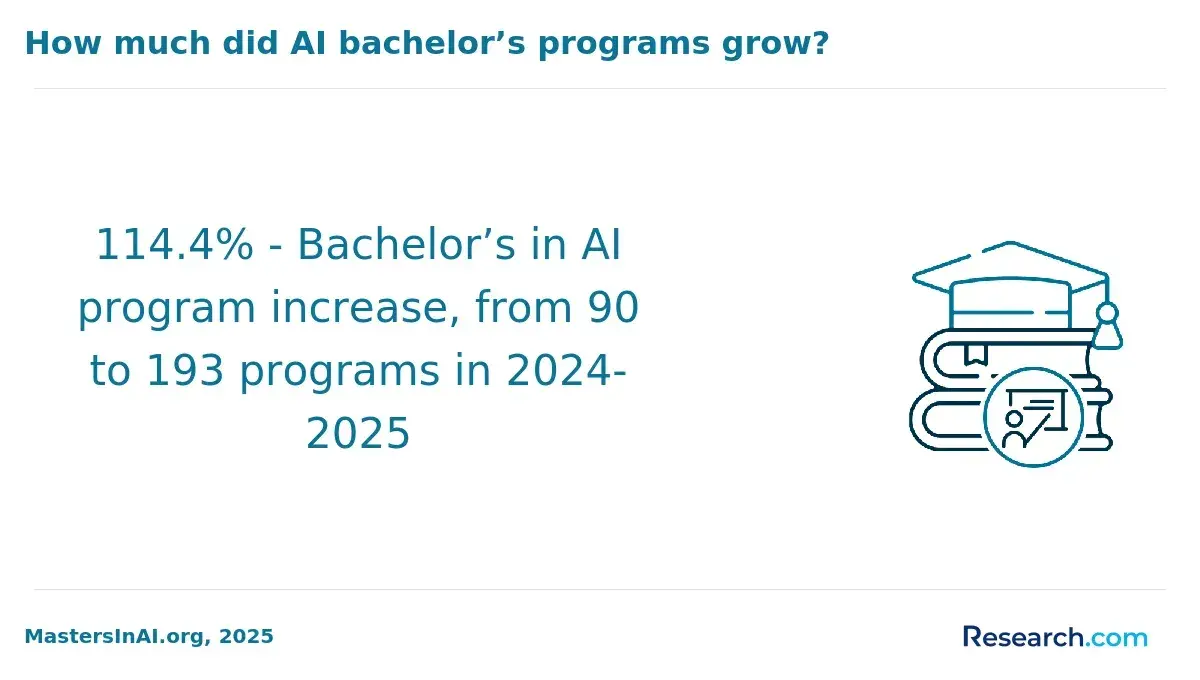
What core topics and coursework should an AI-for-business curriculum include?
An AI-for-business curriculum should balance technical knowledge with practical skills to support effective adoption across industries. Core coursework includes machine learning fundamentals, data analytics, automation technologies, and AI ethics, which help business leaders understand model operations, analyze data insights, and address regulatory compliance.
Strategic components focus on change management and aligning AI initiatives with organizational goals. Programs often cover AI project lifecycle management and ROI evaluation, preparing students to lead adoption efforts confidently. Training in AI-driven customer experience and marketing offers tangible tools to enhance revenue and competitive positioning.
Non-technical business owners benefit from programming basics and familiarization with AI tools like Python and TensorFlow, improving collaboration with technical teams. According to the 2024 GMAC Prospective Student Survey, 79% of business school candidates prioritize mastering AI skills, highlighting the growing demand for expertise.
Data governance and cybersecurity are essential to protect AI applications and ensure data quality. Case studies of successful and failed AI implementations provide practical lessons in problem-solving. This comprehensive approach equips professionals to drive responsible and measurable AI transformation in diverse sectors.
What admission requirements, prerequisites, and experience levels do AI programs expect?
AI education programs for business professionals typically require a blend of formal education, hands-on experience, and foundational knowledge. Many courses expect a bachelor's degree in fields like business, computer science, or engineering.
More advanced certificates or master's programs may additionally require prior coursework or professional exposure to AI concepts, machine learning, or data analytics. Prerequisites often include programming skills such as Python, an understanding of statistical methods, and experience managing data.
Some programs seek candidates with backgrounds in business strategy or technology management to align AI's technical applications with operational goals. Executive education programs generally expect 3 to 5 years of industry experience, especially in leadership roles relevant to AI adoption.
Admissions committees often evaluate candidates based on their potential to leverage AI for business transformation. Applicants may need to submit a statement of purpose explaining their familiarity with AI challenges specific to their industry and demonstrate quantitative skills through tests or quizzes.
Economic impacts also influence admissions, with research.com highlighting McKinsey's estimate that generative AI could add $2.6 trillion to $4.4 trillion annually to the global economy. This underlines why programs seek individuals ready to implement AI-driven growth strategies responsibly and effectively.
How long do AI programs for business owners take, and what do they cost?
AI programs for business owners vary widely in length and depth, from short workshops lasting a few hours to comprehensive courses spanning three to six months. Short-term programs, typically priced between $300 and $1,000, emphasize foundational AI concepts, practical tools, and quick adoption strategies that can be immediately applied.
More extensive offerings, costing from $2,000 to $10,000 or more, delve deeply into AI integration, data analytics, ethical considerations, and change management, often including personalized coaching and project work.
Business owners should choose programs based on their goals and availability. For instance, a one-day intensive course around $500 may suit executives seeking a high-level overview, while small business owners or managers aiming to lead AI initiatives might select multi-month certificates or professional diplomas for hands-on experience.
- Programs aligned with market demand deliver the best ROI, focusing on real-world business applications.
- Flexible online modules accommodate working professionals balancing education and business duties.
- Prioritizing clear outcomes such as improved decision-making and productivity is essential.
LinkedIn's 2025 Work Change report highlights AI literacy as one of the fastest-growing skills, underscoring the increasing employer demand for practical AI capabilities. Evaluating curriculum relevance and provider credibility remains key for selecting effective education.
Ultimately, successful AI education balances time, cost, and practical value to meet the varied needs revealed by ongoing market changes and hiring trends.
What business-focused AI roles, responsibilities, and career paths can these courses support?
AI courses designed for business professionals are preparing a new generation of specialists to meet real organizational needs in AI adoption and governance. Key roles include AI Product Managers who align development with operational and market goals, AI Strategy Consultants who integrate AI to boost business performance, and AI Governance Specialists who create ethical and compliance standards.
Notably, Stanford HAI's 2024 Index reveals that 66% of organizations currently lack AI governance, highlighting the urgent need for such expertise.
Additional career opportunities cover roles like Data Science Managers who lead teams transforming AI models into business insights, and AI Implementation Leads who manage technical rollouts to improve workflows.
Business Analysts with AI skills also play a crucial part by interpreting AI-driven data for strategic finance, marketing, and operations decisions.
These enable business owners and managers to confidently launch AI projects with effective risk management, addressing legal, ethical, and efficiency issues for sustained competitive advantage.
How should business owners evaluate AI courses for credibility, outcomes, and ROI?
Business owners seeking AI courses should emphasize course credibility, measurable outcomes, and return on investment (ROI) to ensure practical value. Verify the provider's reputation, looking for offerings from top universities, recognized platforms, or partnerships with established AI firms. Instructor experience in real-world AI implementation or research is crucial for course relevance.
Target courses with clear learning objectives that align with business needs such as AI strategy, data management, or ethics. Avoid purely theoretical programs and prefer those featuring hands-on projects, case studies, or exercises using actual AI tools to build applicable skills.
Measure outcomes through completion rates, participant feedback, and post-course career impact data. Some providers share insights on how training improves operational efficiency or drives innovation. The World Economic Forum Future of Jobs Report 2025 highlights that 39% of core skills will shift by 2030, underscoring the importance of continuous AI upskilling for competitiveness.
Consider learning flexibility and support, including scalable formats and mentorship opportunities for busy professionals. When evaluating pricing, weigh certification recognition, potential salary increases, and productivity gains to judge expected ROI. Superior AI courses demonstrate clear, verifiable benefits that justify their cost.
Other Things You Should Know About Artificial Intelligence
Business owners often encounter challenges such as data quality issues, integration with existing systems, and a lack of skilled personnel to manage AI projects. Additionally, concerns about ethical AI use and regulatory compliance can slow implementation. Understanding these obstacles early helps in planning effective AI adoption strategies.
In 2027, business owners should focus on selecting AI courses that address strategic integration, data privacy, and ethical use. Effective courses often cover aligning AI with business goals, understanding the regulatory landscape, and preparing the workforce for transitions in roles and responsibilities.
Key ethical considerations include ensuring data privacy, avoiding bias in AI algorithms, and maintaining transparency in AI-driven decisions. Business owners must also address accountability when AI systems make errors or unfair outcomes. Establishing clear ethical guidelines is essential to responsible AI adoption.
Artificial intelligence changes workforce requirements by automating routine tasks and increasing demand for skills in AI management, data analysis, and digital literacy. Some job roles may evolve or disappear, while new roles focused on AI oversight and strategy are created. Businesses must invest in reskilling employees to remain competitive.
References
- AI training and tools for small businesses | Grow with Google https://grow.google/ai-for-small-businesses/
- AI Tools for Business: A Practical Guide | Ten Past Tomorrow https://www.tenpasttomorrow.com/ai-tools-for-business
- The AI Boom In Executive Education: What You Can Study Right Now At The World's Top B-Schools https://poetsandquantsforexecs.com/exec-ed/the-ai-boom-in-executive-education-what-you-can-study-right-now-at-the-worlds-top-b-schools/
- Capital Decisions: How to Evaluate AI ROI, Risk, and Payback https://foundationaiadvisory.com/insights/capital-decisions/
- Best AI Courses & Certificates Online 2025 https://everworker.ai/blog/best-ai-courses-certificates-online-2025
- Three Insights That Tell You Whether AI Training Is Actually Working https://www.corndel.com/news/three-insights-that-tell-you-whether-ai-training-is-actually-working