2027 Best AI Agent Courses for HR Professionals

Co-Founder and Chief Data Scientist
HR professionals face growing pressure to integrate AI-driven tools to streamline talent acquisition, employee engagement, and workforce management.
Many struggle to find courses that balance foundational knowledge with practical applications tailored for a human resources context. Without targeted training, they risk falling behind as organizations adopt more sophisticated technologies that demand both technical acumen and strategic insight.
This article examines the best AI agent courses designed specifically for HR professionals, focusing on flexible, accredited programs that enable a smooth transition into the Artificial Intelligence domain while addressing real-world HR challenges effectively.
Key Things You Should Know
- AI agent courses for HR professionals in 2026 emphasize skills in automation, decision support, and ethical AI application, reflecting a 35% employment growth in AI-driven HR roles by 2028.
- Programs typically combine data analytics, natural language processing, and AI integration strategies to improve talent management, boosting company efficiency by up to 40%.
- Leading courses focus on compliance with AI ethics and privacy regulations, crucial as 78% of enterprises adopt AI tools to handle sensitive employee data.
Advance Your Career with AI Online Courses
Artificial Intelligence: Implications for Business Strategy
This program provides an introduction to Artificial Intelligence and their implications for business strategy. Earn an official digital certificate.

Oxford Artificial Intelligence Programme
Explore this Oxford Artificial Intelligence programme offered in a flexible learning environment and explore topics like machine learning, automation, and robotics.

Implementing Agentic AI: Building Your Organizational Playbook
This online MIT Agentic AI course offers a practical approach to deploying AI agents in your organization, including a custom playbook. 3 weeks, exclusive launch price.

AI Adoption: Driving Business Value and Impact
This online MIT AI Adoption: Driving Business Value and Impact offers practical frameworks to close the gap between AI potential and business reality.

Artificial Intelligence in Pharma and Biotech
Discover the applications and limitations of artificial intelligence in pharma and biotech with this MIT online short course.

What are the best AI agent courses for HR professionals and how do they work?
Top AI agent courses for HR professionals emphasize applying artificial intelligence to recruitment, employee engagement, and workforce analytics. These programs combine foundational AI concepts with HR-specific case studies, enabling learners to build AI agents that automate routine tasks, enhance candidate screening, and support decision-making.
For example, many courses teach how to develop and manage chatbot agents to handle employee inquiries or use predictive analytics to forecast talent needs and turnover.
Practical experience is crucial, so well-regarded courses often include projects using platforms like Python and TensorFlow, integrated with HR tools. Some address ethical AI agent training enhances HR management by focusing on bias mitigation and compliance.
Recognized providers include universities and professional organizations offering certifications centered on natural language processing (NLP) and machine learning tailored to talent management.
As AI use in HR increased from 26% to 43% over recent years, prioritizing programs with up-to-date curricula ensures HR professionals acquire actionable skills to streamline onboarding and personalize employee development plans. Course options range from short workshops for quick AI tools adoption to comprehensive certificate programs and advanced training on AI ethics and regulations.
For prospective students seeking advanced study, exploring the top data science master's programs in the US can provide a strong technical foundation to complement HR expertise.
Advance Your Career with AI Online Courses
Artificial Intelligence: Implications for Business Strategy
This program provides an introduction to Artificial Intelligence and their implications for business strategy. Earn an official digital certificate.
Oxford Artificial Intelligence Programme
Explore this Oxford Artificial Intelligence programme offered in a flexible learning environment and explore topics like machine learning, automation, and robotics.
Implementing Agentic AI: Building Your Organizational Playbook
This online MIT Agentic AI course offers a practical approach to deploying AI agents in your organization, including a custom playbook. 3 weeks, exclusive launch price.
How can AI agent training help HR professionals automate and improve core HR functions?
AI agent training equips HR professionals with the skills to deploy AI-driven HR automation benefits that streamline tasks such as resume screening, interview scheduling, and employee onboarding.
Automating these routine processes reduces human error and administrative workload, allowing faster, more accurate recruitment cycles through tools that parse candidate data efficiently.
Trained HR agents also utilize predictive analytics for workforce planning, making data-driven decisions on talent acquisition and retention. This includes analyzing employee performance trends and turnover risks, supporting proactive talent management strategies. Compliance tracking can be automated as well, ensuring timely responses to changing labor laws and minimizing legal risks.
Training for AI agents in HR management emphasizes ethical issues, as 87% of companies use AI in recruitment but 40% of HR leaders worry about bias. This training helps professionals recognize these challenges and apply human oversight to reduce algorithmic unfairness. Customizing algorithms to reflect organizational diversity goals and continuous monitoring of AI outputs are key to maintaining equity.
HR professionals seeking advanced expertise might consider programs like the best online master's in artificial intelligence, which prepare leaders to balance efficiency and ethical governance in AI applications. Ultimately, AI agent training transforms HR by enhancing efficiency, decision-making accuracy, and ethical accountability.
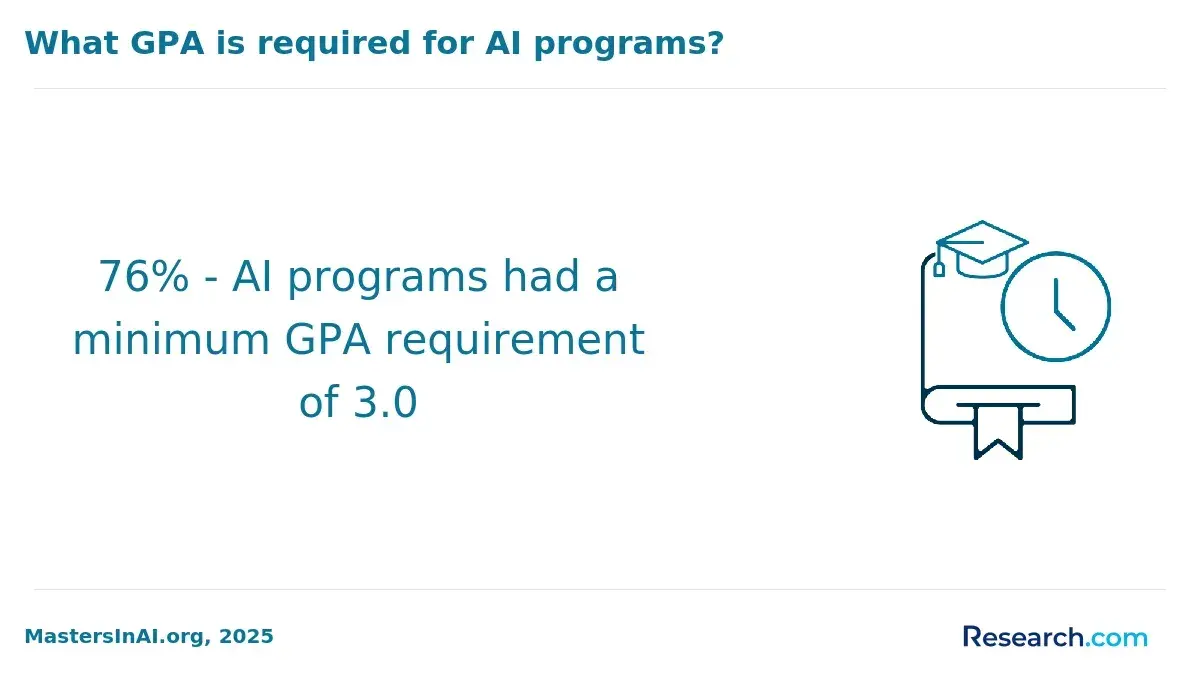
What types of AI agent programs are available for HR, from short courses to certificates?
AI agent training programs for HR professionals vary from brief introductory sessions to extensive certificate and short courses in AI for human resources.
Short courses often last a few hours to several weeks and focus on practical applications like automating candidate screening, resume parsing, and interview scheduling, ideal for HR teams seeking quick operational improvements.
Certificate programs provide deeper knowledge on AI's role in talent acquisition, employee engagement, and workforce analytics. These multi-month courses include hands-on projects such as chatbot creation, predictive analytics, and employee sentiment analysis, validating advanced AI skills essential for strategic HR roles.
Specialized micro-credentials and nanodegrees offered by universities and professional platforms emphasize AI-driven recruitment automation and decision-making tools. Learners develop expertise in natural language processing for candidate communication and machine learning for turnover prediction, blending theory with practical skills.
DemandSage data highlights that AI tools reduce time-to-hire by 30-50% and cut hiring costs by up to 30%, making AI agent capabilities highly valuable. Modular courses target specific HR challenges like bias reduction, compliance automation, and employee lifecycle management across various timeframes.
Those exploring these options should consider career goals and experience, aiming for programs that balance theoretical foundations with applied AI skills. For related educational paths, affordable options are detailed in cybersecurity degrees, offering insights into other technology-driven career advancements.
What should HR professionals look for in accredited, reputable AI and HR technology programs?
HR professionals seeking AI agent certification programs for HR professionals should focus on courses that blend technical proficiency with practical HR applications.
These best accredited courses in AI for human resources teach how AI tools reduce candidate screening time by up to 75%, improving sourcing, screening, and scheduling efficiencies. Hands-on experience with AI platforms, such as natural language processing for resume analysis and automated interview scheduling, is essential for real-world skills.
Ethics and compliance training ensures responsible AI use, covering workforce planning, diversity, inclusion, and employee engagement analytics.
Look for programs that balance AI technical skills like machine learning basics with HR expertise, including labor laws and organizational behavior. Accredited certifications from recognized universities offer quality assurance and employer recognition.
Practical projects and case studies help transform theory into workflows that reduce administrative burdens and improve candidate matching accuracy. Courses also address AI's limitations and potential biases to prepare students for real challenges in hiring.
Choosing updated curricula that reflect current tools and trends allows HR professionals to adapt effectively to advancements in AI. For many, evaluating the computer science degree cost plays a role in selecting the right program to build sustainable AI-driven HR careers.
How do online AI agent courses for HR compare with campus or hybrid program formats?
Online AI agent courses provide significant flexibility for HR professionals balancing upskilling with work duties.
This is crucial as 43% of HR teams now use AI in employee onboarding and support, up from 26% in 2024, according to SHRM's 2026 AI in HR analysis. Online formats often use interactive simulations and virtual labs to give practical experience in automating recruitment and lifecycle management tasks.
Campus programs, by contrast, offer direct access to faculty and peers, enhancing networking and mentorship opportunities often missing from fully online options. Hybrid programs combine these elements, appealing to those wanting both flexibility and face-to-face interaction.
Choosing a format depends on learning style, career goals, and resources. For quick application of AI skills, self-paced online courses provide immediate digital access.
Those pursuing foundational knowledge or leadership roles might benefit more from campus or hybrid schedules. Cost and location also factor in, with online programs cutting commuting and housing expenses, thereby broadening access nationwide.
Effective AI agent education in HR balances theory and practice, tailored to individual commitments and preferences.
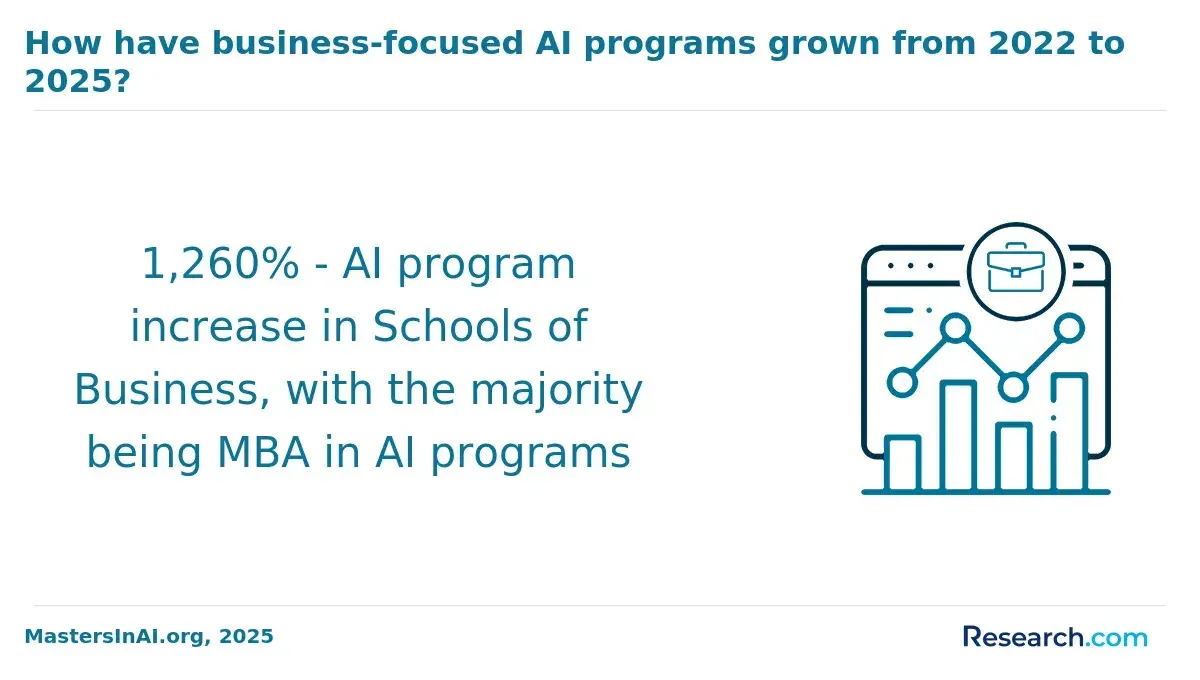
What core skills and topics do AI agent courses for HR typically cover in the curriculum?
AI agent courses tailored for HR professionals emphasize vital skills to integrate artificial intelligence effectively and ethically within human resources.
Key topics include data literacy, enabling HR teams to handle employee data and recruitment metrics skillfully. This covers training in data sourcing, cleaning, and analysis to support informed decisions based on actionable insights.
Addressing bias and fairness in AI algorithms remains a high priority-DemandSage highlights that 40% of HR leaders list bias and fairness as their primary concern with AI in hiring. Courses focus on detecting and mitigating algorithmic bias to ensure equitable candidate evaluation and compliance with anti-discrimination laws.
Transparency and explainability are also emphasized. HR professionals learn to interpret AI recommendations and communicate decision factors clearly to both candidates and stakeholders, fostering trust and accountability.
Legal compliance with regulations such as EEOC and GDPR is integrated throughout these programs, preparing HR staff to navigate data privacy and regulatory challenges when implementing AI solutions.
Practical modules include smart candidate screening, employee engagement analytics, and performance management automation. Training with leading AI platforms helps professionals configure and evaluate AI agents suited to their organizations.
These comprehensive courses equip HR professionals to responsibly design, deploy, and oversee AI systems while addressing ethical challenges and legal standards in HR operations.
What are the common admission requirements and prior experience needed for AI agent HR programs?
Admission to AI agent HR programs typically requires a bachelor's degree in human resources, business administration, computer science, or related fields.
Some entry-level courses accept advanced certifications or associate degrees, but specialized or executive programs usually demand undergraduate credentials. Work experience is important, with many programs favoring candidates who have 1 to 3 years in HR roles focused on recruitment or employee lifecycle management.
Technical skills are increasingly critical. Applicants with a foundational understanding of data analytics or programming languages such as Python or R are better prepared for AI-driven recruitment automation courses. Some programs also require completing prerequisite modules in statistics, machine learning basics, or data privacy due to the sensitive nature of HR data handled by AI agents.
Familiarity with cloud platforms and enterprise HR software enhances admission chances since these technologies are integral to deploying AI solutions effectively in organizations.
DemandSage reports that 93% of recruiters plan to increase AI usage, with over 73% of companies investing in recruitment automation. This drives institutions to select applicants who combine HR expertise with AI skills, emphasizing relevant experience and technical competencies to meet rising standards.
How long do AI agent courses for HR take, and what do they typically cost to complete?
AI agent courses for HR professionals range from 4 to 12 weeks, tailored to diverse learning goals and schedules.
Accelerated programs often run 4 to 6 weeks, ideal for working professionals wanting quick upskilling, while comprehensive certifications span up to 12 weeks, featuring practical projects and AI tools specific to HR workflows.
Costs vary by provider and specialization. Short workshops or webinars start around $200, mid-level courses like AIHR's "Automating HR Work with AI Agents" typically cost between $500 and $1,500, and advanced certifications can exceed $2,000. Free introductory modules exist but usually lack the depth necessary for thorough AI agent implementation in HR.
Consider your career objectives when choosing a course. Programs with hands-on training in AI platforms, data analytics, real-world case studies, and capstone projects boost practical skills and employability. AIHR notes that AI adoption in HR nearly doubled from 2024 to 2026, creating strong demand for professionals proficient in AI agents.
Investing in well-designed, industry-relevant AIHR training can enhance an HR professional's strategic impact and operational efficiency, positioning them for success in an AI-driven workplace.
What HR roles, career paths, and promotions can AI agent training help professionals achieve?
Training in AI agents broadens HR professionals' career possibilities by focusing on automation, data analytics, and strategic workforce planning. Early-career HR specialists use AI tools to streamline recruitment, reducing administrative tasks and improving candidate screening accuracy.
Mid-level managers apply AI-driven talent management to boost employee engagement and retention, while senior leaders leverage AI agents for predictive workforce analytics and personalized development programs.
Career paths enhanced by expertise in AI agents include HR data analysts, talent acquisition specialists with AI integration skills, and HR technology consultants. Mastery of AI solutions paves the way for roles such as HR business partner or chief human resources officer, where strategic decisions increasingly depend on AI insights.
Additionally, hybrid roles that combine HR, IT, and data science are rising, reflecting industry demand for multidisciplinary skills.
AI agent training equips HR professionals to address challenges like talent shortages, compliance automation, and workforce diversity analysis. This expertise supports their leadership in digital transformation initiatives and helps shift HR from transactional tasks toward strategic business impact driven by technology and innovation.
What salaries and job outlook can HR professionals expect after AI agent upskilling?
HR professionals who develop AI agent skills see notable salary boosts and improved job security. Hakia's 2026 review highlights a sharp increase in AI adoption within HR departments, rising from 26% to 43% in two years, with 93% of recruiters planning to expand AI use. This shift makes AI agent fluency a highly valuable skill in HR.
Salary increases for HR workers using AI technologies often range from 10% to 20%. Typical U.S. HR salaries start around $60,000 annually, but experts with AI agent capabilities frequently earn between $70,000 and $85,000, varying by experience and location. Specialized roles like AI-driven talent acquisition analysts or HR data strategists can earn over $90,000.
The Bureau of Labor Statistics forecasts a 9% growth rate for HR positions integrating AI tools through 2031, outpacing the average for all jobs. AI skills help automate recruiting, streamline employee analytics, and enhance retention strategies.
HR professionals facing repetitive tasks should prioritize AI upskilling to remain competitive and transition into roles such as workforce planning specialists or employee experience designers with strong data fluency.
To adapt, focus on courses offering hands-on AI agent training with real-world applications, developing skills that improve decision-making, compliance monitoring, and diversity hiring.
Other Things You Should Know About Artificial Intelligence
In 2027's Best AI Agent Courses for HR Professionals, learners can acquire skills such as data analysis, talent analytics, AI ethics in HR, and understanding machine learning applications in recruitment. These skills empower HR professionals to enhance decision-making and automate routine tasks while navigating complex ethical considerations in AI implementation.
Security in artificial intelligence applications for HR depends heavily on the implementation of encryption, access controls, and regulatory compliance such as GDPR or HIPAA. While AI systems can enhance data protection through automated monitoring, they also pose risks if vulnerabilities are exploited by attackers. Regular updates and strong security protocols are critical to safeguarding sensitive employee information.
Artificial intelligence is designed to augment, not replace, human judgment in HR. While AI can process large volumes of data to provide insights and recommendations, final decisions often require human empathy, context, and ethical considerations that AI lacks. Effective HR practices combine AI tools with experienced professional oversight.
Ethical concerns include potential bias in AI systems, lack of transparency in decision-making, and privacy issues relating to employee monitoring. There is also the risk of reducing personal interactions, which can affect trust and workplace morale. Organizations must establish clear policies and ensure accountability when integrating AI in HR processes.
References
- HR Career Outlook 2026: Is Your HR Career Future-Proof? https://www.aihr.com/blog/hr-career-outlook/
- How AI Agents for HR Improve Workflows https://www.activepieces.com/blog/ai-agents-for-hr
- AI Agents for HR: Top Benefits & Use Cases https://www.salesforce.com/eu/service/hr-service-management/ai-agents-hr/
- How AI Is Changing the HR Job Market and Your career https://nextinhr.com/blogs/ai-changing-hr-job-market-career
- Ultimate Guide: How to Choose the Right AI Training Course to Boost Your Career - ONLC https://www.onlc.com/blog/how-to-choose-ai-training-courses/
- AI agent use cases for HR departments https://virtualworkforce.ai/ai-agents-for-hr-departments/
- Top free AI courses for HR professionals https://mihcm.com/resources/blog/top-free-ai-courses-for-hr-professionals/