2027 Best AI Agent Courses for Internal AI Assistants

Co-Founder and Chief Data Scientist
Many professionals face challenges when trying to build expertise in AI agents without a technical background. Navigating the complex landscape of courses can be overwhelming, especially when seeking flexible and accredited programs that fit a busy schedule. This gap often delays career transitions into AI-focused roles within organizations.
Understanding which courses offer practical skills for developing internal AI assistants is crucial to making informed educational investments. This article analyzes top AI agent courses designed to equip individuals with the necessary knowledge and hands-on experience to advance in the field efficiently and effectively.
Key Things You Should Know
- Top ai agent courses for 2026 emphasize hands-on training in building internal AI assistants that improve workplace productivity by automating routine tasks and enhancing decision-making.
- Recent data shows a 40% growth in demand for AI specialists skilled in conversational agents, highlighting course relevance for career advancement.
- Leading programs integrate ethics and data privacy modules, preparing students to responsibly manage AI assistant deployment in real-world organizational settings.
Advance Your Career with AI Online Courses
Artificial Intelligence: Implications for Business Strategy
This program provides an introduction to Artificial Intelligence and their implications for business strategy. Earn an official digital certificate.

Oxford Artificial Intelligence Programme
Explore this Oxford Artificial Intelligence programme offered in a flexible learning environment and explore topics like machine learning, automation, and robotics.

Implementing Agentic AI: Building Your Organizational Playbook
This online MIT Agentic AI course offers a practical approach to deploying AI agents in your organization, including a custom playbook. 3 weeks, exclusive launch price.

AI Adoption: Driving Business Value and Impact
This online MIT AI Adoption: Driving Business Value and Impact offers practical frameworks to close the gap between AI potential and business reality.

Artificial Intelligence in Pharma and Biotech
Discover the applications and limitations of artificial intelligence in pharma and biotech with this MIT online short course.

What is an internal AI assistant and how do AI agent courses prepare you to build one?
An internal AI assistant is a specialized software agent designed to support employees by automating tasks, answering questions, and managing organizational knowledge within companies. These assistants enhance workflows by integrating with internal databases, communication platforms, and enterprise systems to provide contextual, timely information. Common uses include AI agents for IT troubleshooting, HR queries, or code generation tailored to developer needs. This functionality and benefits of internal AI assistants help organizations improve efficiency and reduce operational delays.
Comprehensive AI agent courses to build internal assistants provide learners with essential skills in natural language processing, machine learning, API integration, and conversational design. These courses typically involve hands-on projects using platforms like OpenAI's APIs or open-source frameworks, simulating real-world environments to prepare students for challenges like data privacy, security compliance, and scalability.
Beyond coding, students learn how to train models on proprietary data, design user interactions aligned with corporate culture, and monitor AI behavior to minimize biases and errors. Optimization techniques to improve response accuracy and reduce latency are key topics, ensuring AI assistants perform reliably in high-demand settings.
According to McKinsey's 2025 Generative AI survey, organizations scaling generative AI report a median 3-5x return on investment, with around 15% achieving over 10x returns. Early adopters often deploy internal knowledge assistants and coding agents, highlighting the value of AI skills specialized in this area. Those seeking education can explore options among the best universities for data science undergraduate programs to build a strong foundation for careers focused on internal AI assistant development.
Advance Your Career with AI Online Courses
Artificial Intelligence: Implications for Business Strategy
This program provides an introduction to Artificial Intelligence and their implications for business strategy. Earn an official digital certificate.
Oxford Artificial Intelligence Programme
Explore this Oxford Artificial Intelligence programme offered in a flexible learning environment and explore topics like machine learning, automation, and robotics.
Implementing Agentic AI: Building Your Organizational Playbook
This online MIT Agentic AI course offers a practical approach to deploying AI agents in your organization, including a custom playbook. 3 weeks, exclusive launch price.
What types of AI agent courses best train you to develop internal AI assistants?
Top AI training programs for building enterprise AI assistants emphasize practical skills in agent architecture, natural language processing, and system integration. These courses often cover multi-agent systems, enabling learners to develop coordinated AI assistants capable of handling complex tasks across departments. Reinforcement learning training is essential, as it allows developers to create adaptive agents that improve through interaction, a key feature for internal AI assistants.
Combining AI programming languages like Python and JavaScript with cloud deployment platforms such as AWS or Azure offers hands-on experience critical for scaling AI agents within corporate environments. Advanced coursework in conversational AI and dialogue management equips students with tools to design assistants that maintain coherent, goal-oriented interactions suited for enterprise needs.
Data pipeline management and secure handling of sensitive information are vital components, especially since internal assistants frequently access confidential company data. Programs that incorporate ethics and compliance training related to AI deployment help navigate governance challenges in organizations. A 2025 LinkedIn data brief showed job postings mentioning "AI agents" or "agentic AI" surged over 420% from Q1 2024 to Q1 2025, underscoring the growing demand for these skills.
Examples of valuable coursework include multi-agent system design, reinforcement learning implementation, cloud-native AI deployment, and domain-specific natural language understanding. Candidates gain a competitive edge through project-based learning with real-world enterprise datasets. Prospective students aiming to pursue these competencies can explore degrees in AI that focus on developing internal AI assistants.
How do AI agent courses for internal AI assistants differ from general AI and data science programs?
AI agent courses tailored for internal assistant development differ significantly from general AI and data science programs by focusing on enterprise-specific applications, user interaction design, and integration with corporate knowledge bases. These specialized courses emphasize practical skills like natural language understanding calibrated to internal jargon, conversational AI frameworks, and contextual data retrieval. This approach meets the needs of businesses aiming to improve workflows rather than cover broad algorithms and statistics.
For example, Deloitte's 2025 State of Gen AI in the Enterprise report reveals that companies deploying internal AI assistants see a 38% reduction in time spent searching for information and a 27% increase in employee self-service query resolution within the first year. These courses also teach integration with enterprise software such as CRM, ERP, and document management systems, ensuring AI agents deliver secure, compliant, and contextually relevant responses.
By contrast, general data science programs focus primarily on foundational topics like machine learning theory, statistical analysis, and data engineering, which lack direct preparation for internal AI assistant deployment. They rarely cover domain-specific challenges such as IT service automation, adaptive query handling, or employee experience optimization prioritized by internal AI agent courses.
Students seeking to build or manage internal AI systems should prioritize learning that blends AI development with enterprise problem solving, workflow automation, and information management. Those interested in cybersecurity-related aspects may also explore cyber security degrees as a complementary field.
Which degrees, certificates, or bootcamps offer focused training in AI agents and workflow automation?
Focused training opportunities for AI agents and workflow automation come through specialized degree programs, professional certificates, and intensive bootcamps designed for practical application. Bachelor's and master's degrees in computer science or data science often feature concentrations in artificial intelligence, machine learning, or intelligent systems, including key modules on AI agents, multi-agent systems, and process automation. For example, those seeking targeted skills can pursue certificates like Certified AI Practitioner (CAIP) or vendor-specific credentials for platforms such as UiPath and Automation Anywhere, offering expertise in AI-driven workflow design and deployment.
Bootcamps provide accelerated, hands-on training specifically for AI workflow automation training, focusing on tools like Python, Robotic Process Automation (RPA), and APIs integration. Notable programs such as Springboard's AI Career Track and Coursera's AI for Everyone specialization emphasize practical projects involving internal AI assistants and automating business functions.
Evaluating cost-effectiveness, Gartner's study on AI in the workplace estimates that upskilling existing employees in generative AI and agents costs 30-50% less over three years than hiring external AI specialists. Internally trained teams also have a 1.7 times higher success rate scaling AI use cases across business units. This supports investing in certificates or bootcamps along with degree coursework for efficient internal AI assistant deployment.
Students and professionals should look for programs that combine workflow automation tools with AI fundamentals to tackle real enterprise challenges such as task orchestration, dynamic decision-making, and multi-agent collaboration. Practical experience gained through capstone projects or internships accelerates readiness in this evolving field. Comprehensive degree guidance can be found in best masters in data analytics programs.
How do online AI agent programs compare with campus-based options for internal assistant training?
Online ai agent training programs offer practical benefits for professionals focused on internal assistant roles, often providing more current and flexible curricula than campus-based options. These courses typically integrate hands-on tools and cloud platforms that mirror real enterprise environments. This approach aligns with Accenture's findings that 62% of Global 2000 firms have piloted or deployed internal ai agents, and 44% use agents to support workflows like HR and IT helpdesks.
Campus programs tend to emphasize foundational theory and broad ai knowledge, which is valuable but can lack focus on specific commercial applications such as internal ai assistants. While campus experiences include live interaction and networking, they usually have less flexible pacing and longer durations, potentially delaying access to evolving ai agent technologies.
Online courses often provide specialized modules on workflow automation, conversational ai, and enterprise tool integration, directly enhancing job readiness. They emphasize project-based learning and sometimes partner with companies to simulate deployment scenarios. Campus studies, by contrast, may rely more on theoretical assignments without access to current ai platforms.
Key benefits of online ai agent programs include:
- Targeted, adaptable training aligned with enterprise needs
- Practical exposure to deployment environments
- Faster access to evolving ai technologies
These features make online options particularly suited for graduates and working professionals aiming to design or manage internal ai assistants.
What core skills and coursework are covered in leading AI agent courses for internal assistants?
Leading AI agent courses for internal assistants combine technical, ethical, and operational skills essential for developing autonomous systems within organizations. Key coursework covers:
- Machine learning and natural language processing (NLP): Training models that enable agents to understand intent and manage dialogues.
- Software engineering and system integration: Building scalable AI pipelines and connecting agents to enterprise systems like CRM or ERP.
- Data management and governance: Focusing on data quality, privacy, regulatory compliance, bias mitigation, and ethical AI frameworks.
- Human-AI interaction design: Designing user-centered interfaces and workflow automation to boost employee productivity.
- Agent monitoring and troubleshooting: Detecting failures, tracking performance, and updating models in live environments.
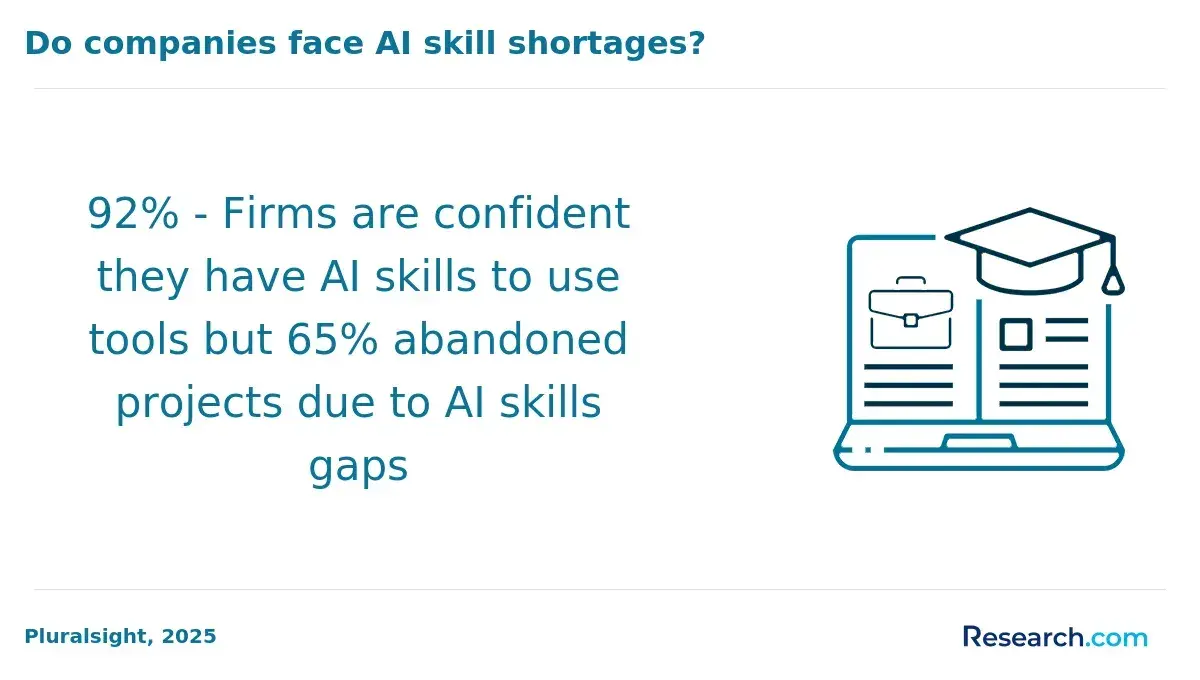
These courses respond to a critical skills gap: while 75% of large enterprises expect to adopt AI agents by 2028, just 28% feel their workforce currently has the necessary competencies, according to the World Economic Forum's 2025 Future of Jobs report. Emphasizing practical projects and case studies, programs also address regulatory knowledge and risk assessment, particularly for sectors like finance and healthcare.
Proficiency in programming languages such as Python, along with frameworks like TensorFlow or PyTorch, is commonly required. Additionally, critical thinking skills to responsibly interpret AI outputs are integral, enabling learners to fulfill both technical and strategic roles in organizations.
What admission requirements and prerequisites do AI agent programs typically expect from applicants?
Applicants to AI agent programs typically need a strong foundation in computer science, mathematics, and programming. Most require at least a bachelor's degree in computer science, software engineering, data science, or related STEM fields. Essential coursework often includes algorithms, data structures, machine learning, and statistics.
Practical skills with AI frameworks like TensorFlow or PyTorch are frequently expected, along with proficiency in Python or similar languages, which are critical for course projects and research. Certifications or documented AI and machine learning projects can also enhance applications, especially for those without formal degrees.
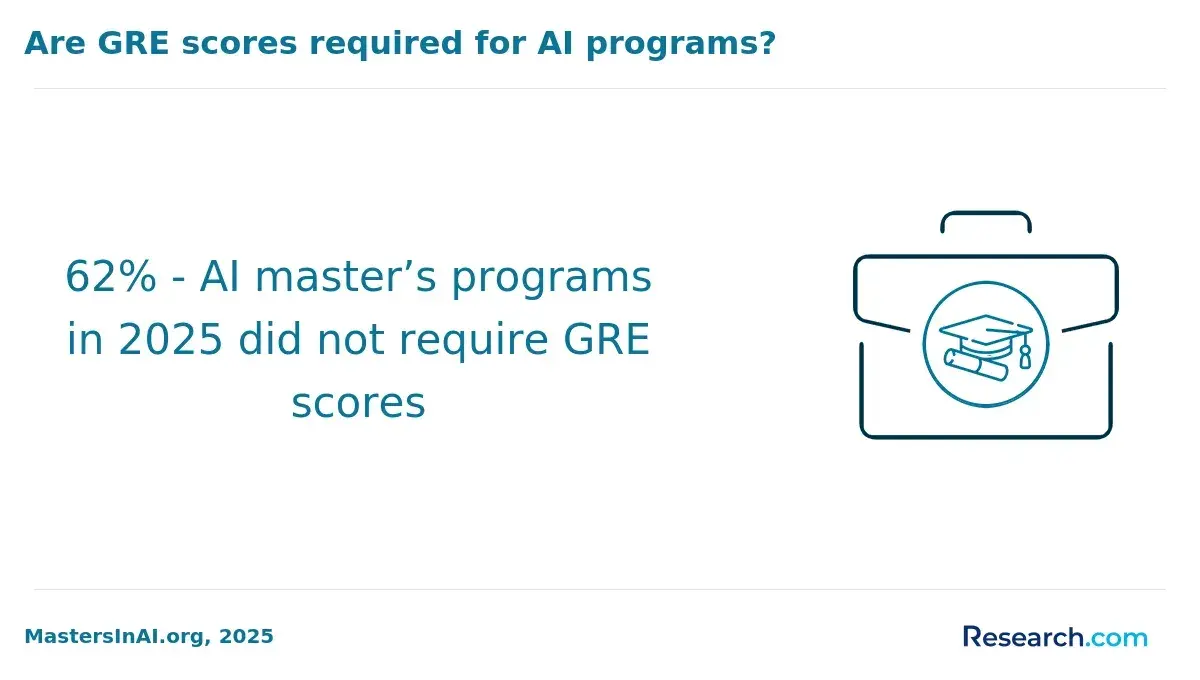
Graduate-level programs may demand GRE scores, statements of purpose focused on agent research, and letters of recommendation from those familiar with AI work. Familiarity with cloud platforms and APIs that support agent-based systems can be a significant advantage.
Applicants should demonstrate strong problem-solving abilities through coding tests and interviews emphasizing multi-step reasoning. Research highlights that enterprise AI agents using agentic workflows yield an average 41% productivity increase and up to 52% higher quality scores on complex tasks, according to a 2025 BCG field experiment.
Institutions vary in prerequisites, but evidence of analytical skills, programming competence, and foundational AI knowledge remains a universal requirement for success in AI agent education.
How long do AI agent courses take, and what tuition, fees, and funding options should you expect?
AI agent courses designed for internal AI assistants vary widely in duration, from short 20 to 40-hour bootcamps to comprehensive programs lasting 3 to 6 months. These courses cater to professionals who need quick upskilling in AI integration, governance, or compliance, as well as those seeking in-depth knowledge of development, ethics, and risk mitigation.
Tuition costs differ significantly based on course level and provider. Entry-level options typically range between $500 and $2,000, while advanced programs-often university-affiliated or industry-recognized-can cost from $3,000 up to $10,000. Pricing generally reflects factors such as course length, instructor expertise, and access to resources like labs and mentorship. Flexible payment options like modular pricing or pay-per-course plans are increasingly common.
Funding opportunities exist but tend to be limited. Employer sponsorships are a key avenue, especially in sectors prioritizing AI governance to reduce compliance risks. Platforms such as Coursera and edX provide financial aid or scholarships based on merit or income, while workforce development grants and GI Bill benefits may be available to eligible students.
Structured AI governance training is crucial for organizations. According to PwC's 2025 AI Governance Survey, companies without formal governance frameworks face 3.5 times higher risks of unauthorized data exposure and experience 40% more AI-related compliance issues annually. Effective courses emphasize governance and ethical guidelines alongside technical skills to mitigate these risks.
What careers, roles, and industries can AI agent training for internal assistants lead to?
AI agent training for internal assistants prepares professionals for roles across multiple industries, including finance, healthcare, retail, manufacturing, legal, and consulting. These roles range from AI product managers who oversee AI assistant development, to data scientists and machine learning engineers who enhance workflows and automate tasks. Business analysts and process improvement specialists also utilize AI agents to improve operational efficiency and digital transformation.
Industries apply internal AI assistants in key areas such as customer service automation, fraud detection, patient data management, personalized customer engagement, supply chain automation, predictive maintenance, document review, and case management. This breadth of application signals growing demand for skills in AI-driven enterprise solutions.
The 2024 Class Central learner survey reveals that 68% of professionals prefer structured online courses over self-taught tutorials to acquire AI-agent expertise, while 54% prioritize courses targeting enterprise internal-assistant use cases. This highlights the value of formal education tailored to practical business needs in AI agent deployment.
Training should cover challenges like integrating AI with legacy systems, ensuring data privacy, AI ethics, compliance, and scalable deployment. Prospective students will benefit most from programs including hands-on modules addressing these challenges to meet evolving industry standards and employer expectations.
- AI product management
- Machine learning engineering
- Business analysis and process improvement
- Enterprise deployment and compliance challenges
What salaries, job outlook, and certifications are relevant for professionals specializing in internal AI agents?
Professionals working with internal AI agents typically earn between $90,000 and $150,000 annually, with salaries influenced by experience, geographic location, and company size. Entry-level roles start near $90,000, while senior engineers and AI specialists in major tech hubs often exceed $150,000. The job market is growing rapidly, with the U.S. Bureau of Labor Statistics projecting a 38% increase in AI-related occupations through 2030, driven largely by the adoption of internal AI assistants to streamline corporate processes and boost productivity.
Certifications are highly valuable in this field. Recognized credentials such as Microsoft Certified: Azure AI Engineer Associate, Google Professional Machine Learning Engineer, and those from the Artificial Intelligence Board of America (ARTIBA) demonstrate expertise in designing and deploying AI agent systems for business use.
The Pricing & Value of Specialized AI Agent Courses Analysis shows that average list prices for top ai-agent courses on Udemy rose about 37% year-over-year, while enrollments surged over 200%. This reflects the strong demand for skills in natural language processing, reinforcement learning, and agentic AI system design.
To enhance career prospects, candidates should develop skills in multi-agent coordination, internal process automation, and ethical AI application within enterprises. Combining certifications with practical projects and an understanding of data governance policies can significantly improve salary potential and job opportunities.
Other Things You Should Know About Artificial Intelligence
In 2027, businesses should focus on personalized learning paths in AI Agent Courses to effectively address unique organizational needs, ensuring that internal AI assistants align with specific operational goals and enhance productivity while fostering innovation and adaptation to fast-evolving technologies. --- **Question** Which AI Agent Courses are considered the best for developing internal AI assistants in 2027? **Answer** In 2027, top AI Agent Courses for internal AI assistants include offerings from Coursera, edX, and Udacity, providing specialization in machine learning, natural language processing, and AI ethics, essential for equipping employees with skills to build and manage AI systems within organizations. --- **Question** What are the key features to consider when choosing an AI course for internal AI assistant development in 2027? **Answer** When choosing an AI course in 2027, consider features like comprehensive curriculum, expert-led instruction, hands-on projects, peer collaboration, and industry recognition to ensure that course participants gain practical skills applicable to internal AI assistant development. --- **Question** How do AI Agent Courses in 2027 assist in overcoming challenges with AI implementation in organizations? **Answer** AI Agent Courses in 2027 equip learners with practical skills and knowledge on current AI technologies, problem-solving techniques for integration, compliance with best practices, and management strategies, ensuring seamless adoption and overcoming common implementation challenges.
Artificial intelligence enhances business operations by automating routine tasks, analyzing large data sets, and improving decision-making. AI-powered internal assistants can handle customer queries, optimize supply chains, and personalize marketing efforts. These applications increase efficiency and reduce operational costs across various industries.
Organizations face several challenges when implementing artificial intelligence, such as integration with existing systems, data quality issues, and the need for skilled professionals. Resistance to change and concerns about data security also pose significant hurdles. Successfully deploying AI requires clear strategy, proper infrastructure, and ongoing training.
Yes, many artificial intelligence systems use machine learning techniques that allow them to learn from data and improve their performance over time. By analyzing new information, these systems adapt to changing conditions and optimize their responses. This continuous learning is essential for maintaining accuracy and relevance in AI applications.
References
- How much does an AI agent cost? Your guide to 2026 https://www.bakedwith.com/en/blog/how-much-does-an-ai-agent-cost
- Top 15 AI Agents Courses [Free & Paid] https://learnprompting.org/blog/ai-agents-courses
- University Admissions AI Agent Guide by Tars https://hellotars.com/ai-apps/university-admissions-ai-agent
- AI Agents in Education: Transforming Admission Processes https://exei.ai/blog/ai-agents-in-education-how-ai-agents-are-transforming-admission-process/
- AI Agents vs. AI Assistants: What’s the Difference? https://www.appsmith.com/blog/ai-agents-vs-assistants
- AI agents: the emerging skill set you should add to your Salesforce resume - K2 University https://k2university.com/news/how-mastering-ai-agents-will-get-you-noticed-by-top-organizations/
- AI Agent Development Cost in 2026 [+Team Calculator] https://softteco.com/blog/ai-agent-development-cost
- AI certifications are fast-tracking salary and career growth, Randstad finds https://www.hrdive.com/news/ai-certifications-fast-tracking-salary-and-career-growth/821137/
- Gen AI Agents: Transform Your Organization | Google Skills https://www.skills.google/paths/3980/course_templates/1267
- Agentic AI in Education: Use Cases, 2026 Trends, Playbook https://8allocate.com/blog/agentic-ai-in-education-use-cases-trends-and-implementation-playbook/