2027 Best Agentic AI Courses for Business Analysts

Co-Founder and Chief Data Scientist
Business analysts often face challenges integrating agentic AI tools effectively into their workflows due to rapid technological advances and unclear skill requirements. Without specialized training, they risk falling behind as organizations prioritize data-driven, autonomous decision-making systems. This gap can hinder career progression and reduce their impact on strategic initiatives.
Addressing these hurdles requires targeted education that bridges domain knowledge with emerging AI capabilities. This article highlights the best agentic AI courses designed to equip business analysts with practical skills and insights, enabling them to confidently adapt to evolving industry demands and enhance their professional value.
Key Things You Should Know
- Agentic AI courses for business analysts focus on practical skills in automation and decision-making, reflecting a 35% growth in AI-driven business roles projected by 2026.
- Top courses emphasize integrating AI tools with data analysis, enhancing efficiency and strategic insight, with 62% of firms seeking analysts skilled in agentic AI applications.
- Curricula often include ethical AI use, algorithm transparency, and real-world case studies, addressing rising regulatory demands and fostering responsible deployment in business contexts.
Advance Your Career with AI Online Courses
Artificial Intelligence: Implications for Business Strategy
This program provides an introduction to Artificial Intelligence and their implications for business strategy. Earn an official digital certificate.

Oxford Artificial Intelligence Programme
Explore this Oxford Artificial Intelligence programme offered in a flexible learning environment and explore topics like machine learning, automation, and robotics.

Implementing Agentic AI: Building Your Organizational Playbook
This online MIT Agentic AI course offers a practical approach to deploying AI agents in your organization, including a custom playbook. 3 weeks, exclusive launch price.

AI Adoption: Driving Business Value and Impact
This online MIT AI Adoption: Driving Business Value and Impact offers practical frameworks to close the gap between AI potential and business reality.

Artificial Intelligence in Pharma and Biotech
Discover the applications and limitations of artificial intelligence in pharma and biotech with this MIT online short course.

What is agentic AI for business analysts and why does it matter now?
Agentic AI applications for business analysts in the US involve intelligent systems that autonomously make decisions and execute tasks without constant human oversight. Unlike traditional AI tools that respond reactively, agentic AI proactively detects patterns, forecasts trends, and recommends actionable strategies. This shift enhances how analysts gather insights, prioritize projects, and influence business decision-making.
By 2027, 80% of enterprises will have deployed generative AI in production environments, a significant rise from under 5% in 2023, reshaping knowledge-worker roles such as business analysis (Gartner). The importance of agentic AI technology for business analysis becomes clear as firms adopt these advanced tools to drive efficiency and maintain competitive advantage.
Typical benefits for business analysts include:
- Automating routine data extraction and anomaly detection to free time for strategic thinking.
- Simulating market conditions to improve risk assessment and forecast accuracy.
- Integrating multi-source data for comprehensive insights, reducing information silos.
Business analysts interested in mastering agentic AI are encouraged to develop skills in training AI agents, managing ethical AI use, and interpreting AI outputs for alignment with organizational goals. These capabilities enable analysts to validate AI decisions and communicate their value effectively.
For those seeking accelerated pathways to build relevant expertise, pursuing a one year computer science degree can provide a strong foundation in AI technologies and prepare them for roles leveraging agentic AI in digital transformation.
Advance Your Career with AI Online Courses
Artificial Intelligence: Implications for Business Strategy
This program provides an introduction to Artificial Intelligence and their implications for business strategy. Earn an official digital certificate.
Oxford Artificial Intelligence Programme
Explore this Oxford Artificial Intelligence programme offered in a flexible learning environment and explore topics like machine learning, automation, and robotics.
Implementing Agentic AI: Building Your Organizational Playbook
This online MIT Agentic AI course offers a practical approach to deploying AI agents in your organization, including a custom playbook. 3 weeks, exclusive launch price.
What are the best agentic AI courses for business analysts in the United States?
Top agentic AI courses for business analysts in the United States blend foundational AI concepts with practical skills tailored for business decision-making. Leading universities such as Stanford, MIT, and Carnegie Mellon offer specialized programs that focus on machine learning models, automation tools, and AI systems designed to optimize workflows. These programs attract professionals seeking to leverage autonomous agents in real-world business contexts.
Many top agentic AI training programs for business analysts in the US provide flexible online professional certificates through platforms like Coursera and edX. Courses such as "AI for Business Analytics" and "Agentic AI Applications" emphasize managing AI agents to automate data-driven tasks and enhance forecasting. This training is increasingly valuable as 52% of companies reported challenges hiring AI-skilled business professionals, according to BCG and MIT Sloan Management Review.
Master's degrees from schools like Northwestern and UC Berkeley integrate theory with hands-on projects involving RPA and intelligent decision agents, preparing graduates to lead AI-driven transformation in organizations. Business analysts should seek curricula emphasizing:
- Hands-on projects with autonomous AI agents for decision support.
- Training in AI ethics and bias mitigation in business contexts.
- Data engineering skills tailored to AI workflows.
- Use cases in finance, marketing, and operations.
These courses correlate with roles offering salaries 21-40% higher than traditional business analyst positions, illustrating a clear financial advantage. Those interested in broadening their technical expertise can also explore related fields such as a mechanical engineer degree for additional STEM opportunities.
How do online agentic AI programs for business analysts compare with campus-based options?
Online agentic artificial intelligence courses versus campus-based programs for business analysts offer distinct advantages depending on a learner's needs. Online programs provide flexibility, allowing professionals to balance studies with work through self-paced modules. They often include the latest digital tools, virtual labs, and interactive AI simulations that focus on practical skill-building for AI-driven business environments. Conversely, campus-based programs emphasize face-to-face interaction, structured schedules, and networking that benefit students who thrive with direct supervision and collaborative learning.
Organizations using generative and agentic AI report up to a 40% reduction in time spent on research and drafting tasks, highlighting the value of applied learning emphasized in agentic artificial intelligence training formats for business analysis professionals. Online courses typically update faster and target automation of routine analysis through AI tools, while campus curricula offer more extensive theoretical foundations and critical thinking frameworks, supporting long-term career growth.
Prospective students should reflect on their learning style and career goals. Online courses suit those seeking rapid upskilling or AI-augmented roles, whereas campus programs align with those aiming for comprehensive foundational knowledge or formal credentials. Employers increasingly recognize accredited online certifications, particularly for mastery in AI-driven workflows. Those comparing programs should also consider cost factors, such as cyber security online degree cost, which can offer insight into affordability trends in online education.
What prerequisites and professional background do you need for agentic AI training?
Agentic AI course prerequisites for business analysts emphasize strong technical skills and relevant professional experience. Candidates should be proficient in data analysis, programming languages like Python or R, and have a solid grasp of machine learning concepts. Expertise in databases, data visualization, and statistical methods is essential for interpreting AI models and outputs accurately.
The ideal professional background requirements for agentic AI training often include roles in business analysis, data science, software development, or operations management. These fields offer essential context for integrating agentic AI solutions effectively into workflows. Experience in project management and strategic decision-making also helps align AI initiatives with organizational objectives. For instance, a business analyst skilled in stakeholder communication and requirements gathering can translate AI capabilities into actionable business strategies.
Knowledge of AI governance and ethics is critical, especially given that only 24% of organizations using generative AI had formal policies and governance frameworks in place (IBM Global AI Adoption Index 2024). This highlights the need for governance-literate analysts who understand regulatory compliance, risk management, and transparency.
Additional skills include experience with cloud platforms, API integration, and agile methodologies to collaborate with AI development teams. Professionals in economics, finance, or marketing may focus on AI's role in market analysis and customer behavior modeling. To explore career opportunities and understand how much do AI trainers make, researching salary trends and career paths is recommended. Agentic AI courses expect students to combine technical expertise with knowledge of business processes and governance frameworks to responsibly drive AI adoption in organizations.
What core skills and topics do agentic AI courses for business analysts typically cover?
Agentic AI courses for business analysts develop crucial skills that combine technical expertise with strategic business insight. These programs explore intelligent agents capable of autonomous decision-making and their integration into existing business workflows. Students gain data literacy to interpret and leverage large datasets that power AI systems.
Training includes machine learning fundamentals such as supervised and unsupervised learning, helping analysts critically assess AI outputs. Knowledge of natural language processing and automation tools enables the design of efficient workflows. Business analysts also learn to scope AI projects, define key performance indicators, and effectively communicate technical concepts to stakeholders, aligning AI initiatives with organizational goals.
Ethics and risk management are important aspects, preparing analysts to spot biases in AI models and create mitigation strategies. Hands-on experience with AI platforms, along with scenario analysis and business case studies like customer segmentation and supply chain optimization, enhances practical understanding.
Skills in change management and project governance equip analysts to lead AI-driven transformations within their companies. Research from Deloitte State of AI in the Enterprise highlights that companies investing in AI skills for business-facing staff see a 35% boost in productivity and a 22% higher ROI on AI projects compared to those focusing solely on technology.
How long do agentic AI programs take and what do they cost for working adults?
Agentic AI training programs for business analysts usually last between 8 and 20 weeks, designed to fit the schedules of working professionals by offering part-time formats with 5 to 10 hours per week. Shorter bootcamps of 4 to 6 weeks are available but tend to focus on foundational AI skills rather than full agentic AI orchestration.
Costs vary widely based on program depth, provider, and delivery method. Entry-level courses often start near $1,200, while comprehensive certification tracks can exceed $6,000. Many employers subsidize tuition when training aligns with corporate AI adoption strategies.
Recent research highlights that 61% of organizations standardize on at least one enterprise-grade AI platform, with 44% experimenting with autonomous or agentic orchestration. This underscores the importance of programs emphasizing practical skills on platforms like Microsoft Azure AI, Google Vertex AI, or open-source orchestration frameworks.
Hands-on labs and real-world case studies are essential for immediate workplace application. Programs that support balancing workload and cost enable professionals to upskill without disrupting job performance. Choosing courses integrating enterprise-grade AI tools prepares analysts for scalable, standardized AI deployments.
How can you verify accreditation and program quality for agentic AI training in the U.S.?
Verifying accreditation and program quality for agentic AI training in the U.S. involves confirming that the provider is accredited by a recognized U.S. Department of Education-approved agency or the Council for Higher Education Accreditation (CHEA). Regional accreditation ensures compliance with broad educational standards, while programmatic accreditation highlights specialized rigor in AI or data science fields.
Reviewing the curriculum is essential to ensure coverage of core agentic AI competencies such as autonomous decision-making models, AI ethics, and integration with business process analysis. Programs aligned with frameworks from the Institute of Electrical and Electronics Engineers (IEEE) or the Association for Computing Machinery (ACM) are preferable.
Faculty expertise and industry connections are key indicators of program quality. Look for instructors with proven experience in AI deployment and check for strong employer partnerships and high job placement rates among alumni.
Given that 71% of high-performing AI organizations incorporated generative or agentic AI for business process analysis and optimization, practical training is crucial. Verify if programs offer hands-on projects or partnerships with businesses applying agentic AI and whether curricula are updated to reflect ongoing research and evolving frameworks.
Prospective students should be cautious of unaccredited online courses offering quick certification without foundational knowledge. A thorough evaluation of accreditation, curriculum depth, and measurable outcomes will help identify credible agentic AI business analyst programs.
What career paths and job roles can agentic AI skills open for business analysts?
Agentic AI skills significantly broaden career options for business analysts by combining domain expertise with the ability to make autonomous decisions. With these skills, analysts can move into advanced roles such as AI product managers, who oversee AI-driven projects and align them with strategic business goals. AI solutions consultants also play a critical role, translating complex agentic AI models into practical business applications that support organizational change.
Examples of emerging career paths include AI ethics and governance specialists, who focus on responsible AI deployment and bias mitigation, as well as data strategists leveraging predictive analytics through agentic AI techniques. Additionally, intelligent process automation analysts design AI-enhanced workflows that minimize human intervention, increasing operational efficiency.
Professionals with technical backgrounds may advance to AI business architects, building scalable AI-centered systems, or become AI-enabled product owners leading cross-functional agile teams. The preference for flexible, modular learning-endorsed by 76% of business professionals according to the World Economic Forum and Coursera Workforce Skills Report-reflects an urgent need to upskill quickly and adapt to evolving AI-driven markets.
Job seekers should focus on roles that demand proficiency in agentic AI tools, as these combine analytical insight with automated decision capabilities in dynamic business environments. Rapid acquisition of targeted micro-credentials and short online programs can accelerate this career transition effectively.
What salary range and job outlook can business analysts with agentic AI skills expect?
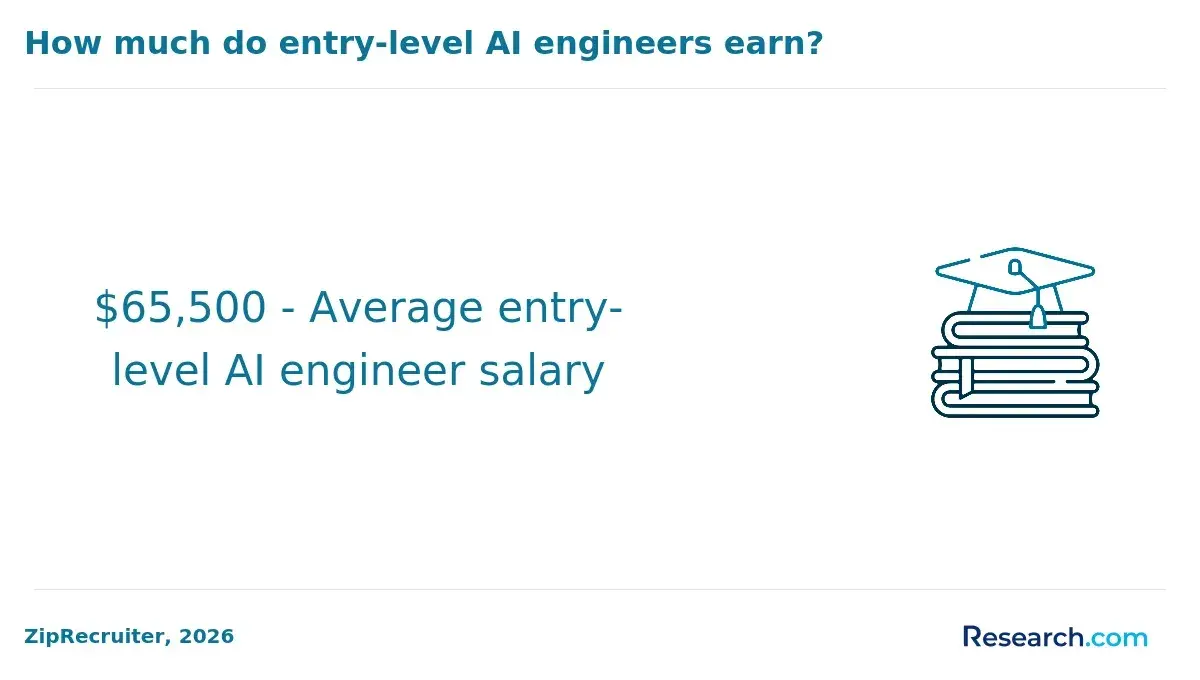
Business analysts skilled in agentic AI typically earn between $75,000 and $120,000 annually, with starting salaries near $70,000. Experienced professionals or those in leadership roles can earn more than $130,000, especially in finance, healthcare, and technology, where AI-driven decision-making tools are vital. For instance, analysts focused on predictive analytics in e-commerce may surpass $110,000, while those working on AI-based risk assessments in banking often command equal or higher pay.
The demand for these professionals is robust, driven by companies integrating autonomous AI systems to enhance business insights, optimize operations, and forecast market trends. The U.S. Bureau of Labor Statistics predicts faster-than-average employment growth for business analysts combining traditional and AI-related skills, leading to numerous job openings and career advancement opportunities.
Salary data from the ZipRecruiter AI Jobs Report 2024 highlights a 21% pay increase for professionals regularly using AI tools compared to peers without such expertise. This reflects the premium employers place on AI competencies that enable development, implementation, and interpretation of autonomous AI models, underscoring agentic AI skills as a competitive advantage in the job market.
Are there industry-recognized agentic AI certifications and how do they support career growth?
Agentic AI certifications are becoming crucial for business analysts aiming to advance in AI-driven roles. These credentials validate the ability to manage autonomous decision-making tools, allowing analysts to concentrate on strategic and complex judgment tasks. According to McKinsey's 2024 report, up to 62% of business analyst tasks could be automated by 2030, making proficiency in agentic AI an essential skill.
Programs like the Certified AI Business Analyst (CABA) and those offered by the International Institute of Business Analysis (IIBA) focus on risk assessment of AI decisions, ethical issues, and integrating AI into business workflows. Earning these certifications provides professionals with:
- Clear evidence of expertise for employers investing in AI transformation.
- Improved opportunities for leadership roles in AI strategy and governance..
- Higher earning potential linked to advanced AI capabilities.
- Better judgment in balancing AI recommendations with human oversight.
For professionals uncertain about these credentials, certified analysts often lead cross-functional teams deploying AI solutions aligned with business goals and regulatory standards. This shift prepares business analysts to move from routine tasks to influential roles managing AI stewardship, addressing the significant evolution in their responsibilities projected by 2030.
Other Things You Should Know About Artificial Intelligence
Ethical considerations in artificial intelligence focus on fairness, transparency, and accountability. Business analysts must ensure AI systems avoid biases in data and decisions, respect user privacy, and operate under clear guidelines to prevent misuse. Addressing these factors helps maintain trust and supports responsible AI deployment in organizations.
Artificial intelligence enhances decision-making by providing data-driven insights and predictive analytics. It enables business analysts to identify patterns, forecast trends, and automate routine tasks, which leads to faster and more informed decisions. However, human oversight remains essential to interpret AI outputs accurately.
In 2027, top industries offering excellent Agentic AI courses for business analysts include technology and finance. These sectors provide cutting-edge programs focused on data analytics and AI-driven decision-making essential for business analysts.
Yes, many artificial intelligence courses for business analysts are designed to accommodate learners without deep technical expertise. They often focus on practical applications, data interpretation, and AI-driven decision-making rather than programming skills. Foundational knowledge in data analytics and statistics can facilitate a smoother learning experience.
References
- Agentic AI Quality Engineering | Show 030 https://www.eviltester.com/show/030-agentic-ai-quality-engineering/
- Agentic AI Foundation Training Course https://www.simpliaxis.com/agentic-ai-foundation-training-course
- How AI Agents Are Transforming Business Analysis https://www.matillion.com/blog/ai-agents-business-analysis
- Business Analyst - Agentic AI https://builtin.com/job/business-analyst-agentic-ai/8720388
- Career Path after Agentic AI course https://community.deeplearning.ai/t/career-path-after-agentic-ai-course/888664
- Agentic AI and the Business Analyst: How to Shape, Govern, and Deliver AI Agents That Work | Exclusive Articles for IIBA Members https://www.iiba.org/iiba-business-analysis-member-articles/agentic-ai-and-the-business-analyst-how-to-shape-govern-and-deliver-ai-agents-that-work/
- Here is where you find a new job. Check salaries and apply. https://nofluffjobs.com/business-analyst
- Agentic AI Career Path: Skills, Roles & Growth https://www.knowledgehut.com/blog/artificial-intelligence/agentic-ai-career-path
- Agentic AI Business Analyst - AI Agent Advanced Course https://agentacademy.ai/courses/agentic-ai-business-analyst/
- Agentic AI https://www.deeplearning.ai/courses/agentic-ai