2027 Best AI Courses for Ecommerce Customer Support Teams

Co-Founder and Chief Data Scientist
Customer support teams in ecommerce often struggle to manage high volumes of inquiries quickly while maintaining personalized service. This challenge leads to customer dissatisfaction and lost sales opportunities. Integrating ai-powered solutions can transform support operations but requires teams to understand new technologies and their applications. Without proper training, businesses risk inefficient use of these tools and missed potential benefits. This article explores the best ai courses designed to equip ecommerce customer support professionals with relevant skills. It aims to guide readers toward effective educational paths that enhance service quality and operational efficiency in this evolving field.
Key Things You Should Know
- Top AI courses for ecommerce customer support in 2026 emphasize practical skills in natural language processing to enhance automated interactions and reduce response times by up to 40%.
- Over 65% of ecommerce firms report improved customer satisfaction after staff complete AI training focused on chatbot management and sentiment analysis.
- Leading programs integrate AI ethics and data privacy modules, reflecting 2025 regulatory updates crucial for compliant customer support operations.
Advance Your Career with AI Online Courses
Artificial Intelligence: Implications for Business Strategy
This program provides an introduction to Artificial Intelligence and their implications for business strategy. Earn an official digital certificate.

Oxford Artificial Intelligence Programme
Explore this Oxford Artificial Intelligence programme offered in a flexible learning environment and explore topics like machine learning, automation, and robotics.

Implementing Agentic AI: Building Your Organizational Playbook
This online MIT Agentic AI course offers a practical approach to deploying AI agents in your organization, including a custom playbook. 3 weeks, exclusive launch price.

AI Adoption: Driving Business Value and Impact
This online MIT AI Adoption: Driving Business Value and Impact offers practical frameworks to close the gap between AI potential and business reality.

Artificial Intelligence in Pharma and Biotech
Discover the applications and limitations of artificial intelligence in pharma and biotech with this MIT online short course.

What are the best AI courses for ecommerce customer support teams today?
Top AI courses for ecommerce customer support teams focus on practical skills such as natural language processing, chatbot development, and automation strategies. These specialized programs prepare teams to deploy generative AI tools that, according to a 2025 McKinsey Digital report, can automate 30-70% of customer service tasks, reducing costs by up to 30% while maintaining or improving customer satisfaction.
Notable training options emphasize hands-on experience with chatbot platforms like Dialogflow or Microsoft Bot Framework, enabling swift handling of common inquiries. They also cover AI-driven sentiment analysis, ticketing systems, and data-driven decision-making to enhance customer experience workflows. These courses typically cover:
- Foundations of machine learning tailored for support scenarios
- Designing conversational AI with focus on ecommerce FAQs and troubleshooting
- Integrating AI tools with CRM systems for seamless customer tracking
- Ethical considerations and transparency in automated interactions
Programs designed for ecommerce customer support automation include case studies on scaling support during peak seasons and offer certification tracks from leading tech companies or universities. Investing in the best AI courses for ecommerce customer support teams equips professionals to reduce response times, increase first-contact resolution rates, and manage high volumes efficiently.
These skills align with current industry priorities that emphasize cost reduction alongside excellent service quality.
For individuals interested in expanding their tech credentials, exploring an accelerated computer science degree can complement top ecommerce customer support training with artificial intelligence and open broader career opportunities.
Advance Your Career with AI Online Courses
Artificial Intelligence: Implications for Business Strategy
This program provides an introduction to Artificial Intelligence and their implications for business strategy. Earn an official digital certificate.
Oxford Artificial Intelligence Programme
Explore this Oxford Artificial Intelligence programme offered in a flexible learning environment and explore topics like machine learning, automation, and robotics.
Implementing Agentic AI: Building Your Organizational Playbook
This online MIT Agentic AI course offers a practical approach to deploying AI agents in your organization, including a custom playbook. 3 weeks, exclusive launch price.
How can AI training specifically improve ecommerce customer service performance and KPIs?
AI training greatly enhances ecommerce customer support performance by enabling teams to use machine learning tools that automate and personalize customer interactions. According to Salesforce's 2024 State of the Connected Customer report, 69% of consumers prefer conversational, AI-assisted customer service, and 80% expect immediate responses. Training equips support agents to effectively integrate AI chatbots and virtual assistants, improving response times and customer satisfaction.
Improving KPIs in ecommerce customer service through AI education can be seen in metrics like first response time (FRT), customer effort score (CES), and net promoter score (NPS). Employees able to interpret AI-driven analytics anticipate customer needs, reducing ticket volumes and average handling time. AI tools also help route inquiries correctly and escalate complex cases efficiently, boosting resolution rates.
Training on natural language processing (NLP) allows teams to manage nuanced customer requests and maintain consistent brand voice, increasing retention rates. Ecommerce companies lower operational costs via AI automation without losing quality, shown by stronger customer loyalty metrics.
Furthermore, programs encourage staff to identify AI system gaps, contributing insights that drive continuous improvement and align AI with evolving customer demands.
Professionals interested in advancing these skills may explore an online AI degree to deepen their expertise and better support ecommerce growth.
What types of AI programs are available for ecommerce support teams and managers?
Ecommerce support teams benefit greatly from AI-driven customer support platforms for ecommerce teams, which streamline customer service and automate routine tasks. Tools like chatbots and virtual assistants enable instant responses and 24/7 availability, often integrating with CRM systems to provide personalized experiences.
Machine learning programs designed for ecommerce support managers offer analytics capabilities that analyze customer data to identify behavior patterns, preferences, and potential issues. These insights help optimize workflows and improve team performance. Additionally, training programs increasingly emphasize AI skills for resource allocation and performance tracking in workforce management.
Natural language processing technology supports sentiment analysis, allowing agents to interpret customer emotions and customize responses, thereby enhancing satisfaction and loyalty. Robotic process automation further boosts efficiency by handling repetitive backend tasks, freeing human agents to focus on complex problems.
With growing demand for AI competencies in ecommerce roles, professionals interested in expanding their expertise can explore related training options. For those considering further education, game design courses online also integrate elements of AI and machine learning, opening opportunities in adjacent fields that leverage this technology.
How do online AI courses for ecommerce support compare with on-campus or bootcamp options?
Online AI courses for ecommerce customer support offer significant flexibility and affordability compared to on-campus ecommerce support training. Learners can study asynchronously, fitting courses around work or personal commitments, which is less feasible in rigid campus schedules. Such flexibility benefits working professionals aiming to enhance skills without risking employment.
Cost effectiveness is another advantage of online courses. These programs often provide lower tuition than bootcamps or degree programs, appealing to budget-conscious individuals and companies investing in team development. Many courses focus on targeted skills like chatbot integration or AI-driven customer data analysis, delivering relevant expertise efficiently. This targeted approach contrasts with some broad on-campus programs.
Online courses also emphasize practical learning through real-world projects tailored to ecommerce, such as AI-driven ticket prioritization or sentiment analysis simulations. However, bootcamp compared to online AI ecommerce customer support classes often provide a more immersive experience that fosters rapid skill acquisition but usually requires full-time commitment and offers less pacing flexibility.
According to Coursera's survey, 77% of those taking introductory AI courses for business professionals reported improved work performance within six months, highlighting the value of well-designed online curricula. On-campus options still attract those seeking stronger networking or deeper academic knowledge, useful for research-driven roles.
For professionals considering AI education pathways, courses like online options balance cost, flexibility, and effectiveness. Those interested in a fast cyber security degree may also find these offerings relevant depending on career goals.
What core AI skills and topics should ecommerce customer support courses cover?
Core AI skills for ecommerce customer support must include natural language processing (NLP) to enable chatbots and virtual assistants to understand and generate human language effectively. Training in sentiment analysis helps detect customer emotions, leading to more empathetic and accurate responses. Machine learning fundamentals, such as supervised learning for query categorization and reinforcement learning for better decision-making, are essential for dynamic support environments.
Data analysis plays a key role in interpreting customer interactions and tailoring AI tools to ecommerce contexts. Expertise in integrating AI with CRM systems and multichannel platforms ensures smooth automation alongside human agents. Practical knowledge of AI-driven personalization tools-including adaptive recommendation engines-enhances customer experience and retention.
Ethical AI use, compliance with data privacy regulations, and transparency are critical for maintaining customer trust. Recognizing AI limitations and knowing when to escalate issues to human support prevents automation errors and improves service quality. Hands-on projects using real ecommerce datasets reinforce these skills.
- NLP and sentiment analysis for empathetic interactions
- Machine learning techniques for query handling
- Data analysis and AI integration with CRM
- Ethical AI practices and privacy compliance
- Real-world projects to enhance skill retention
An Adobe Digital Trends in Retail report reveals retailers using AI-driven support and personalization achieve 25% higher customer lifetime value compared to traditional methods. Mastering these AI competencies can significantly boost career competitiveness in ecommerce support roles.
What are the typical admission requirements and learner background needed for these AI programs?
Admission requirements for AI courses aimed at ecommerce customer support teams vary but generally include a high school diploma or equivalent. Many programs expect basic computer literacy and familiarity with customer support or CRM software, while entry-level courses often welcome those without prior experience.
More technical courses may require knowledge of programming languages like Python or experience with chatbot platforms such as Dialogflow or Microsoft Bot Framework. A background in ecommerce operations, digital marketing, or user experience design is beneficial but typically not mandatory. Some certificates or professional diplomas prefer applicants with at least one year in customer-facing roles to better understand support challenges.
Flexible enrollment options like online, self-paced modules make these programs accessible to working professionals and recent graduates. However, rigorous courses might request application essays, recommendations, or demonstrations of problem-solving skills specific to support automation. Checking each program's technical prerequisites helps match learners with appropriate difficulty levels.
Research reveals the impact of AI training in support environments: Intercom's 2024 AI in Support Benchmark found companies using advanced AI agents reduced inbound ticket volume by a median of 31% within three months. This underscores the effectiveness of well-trained ecommerce customer support teams leveraging AI tools.
How long do AI courses for ecommerce support usually take, and what do they cost?
AI courses tailored for ecommerce customer support teams typically vary in length from a few hours to several weeks. Short, focused programs last about 4 to 12 hours and often include self-paced modules or live webinars, covering basics such as AI-driven chatbots and sentiment analysis. More in-depth offerings that involve hands-on projects, tool integration, and advanced topics like natural language processing usually extend over 4 to 8 weeks.
Costs differ significantly depending on the provider, course duration, and credentialing. Basic introductory classes generally range from $100 to $500. Professional certifications and specialized bootcamps can cost between $1,000 and $3,000. Larger enterprise-level training packages that include customization and ongoing coaching often exceed $5,000 per cohort.
Investing in AI training has proven financial benefits. Studies by the IBM Institute for Business Value show trained customer-facing teams can achieve a 3.5x return on investment within three years through increased productivity, quicker issue resolution, and lower support costs.
- Course length: 4 hours to 8 weeks
- Price range: $100 to over $5,000
- ROI: average 3.5x within three years
For practical skills development, those seeking effective ecommerce support training should look for options with project-based learning and modules focused on specific tools, such as automation platforms or CRM integrations. Short courses work well for skill refreshers or initial exposure, while longer, comprehensive programs prepare teams to lead digital transformation efforts.
How do accreditation, certificates, and industry recognition work for AI training in ecommerce?
Accreditation, certificates, and industry recognition each play vital roles in validating AI training for ecommerce customer support teams. Accreditation comes from independent educational bodies, ensuring that programs meet rigorous academic or professional standards. This guarantees quality curriculum, qualified instructors, and effective assessment methods, which employers highly value for consistent competence and credible instruction.
Certificates demonstrate completion and knowledge gained from specific courses. Their value varies depending on the issuing organization; certificates from leading ecommerce platforms or AI-focused institutes often carry more weight. Employers typically prefer certificates that reflect practical skills in AI tools such as chatbots and sentiment analysis, which improve service efficiency and sales conversion rates.
Industry recognition lends additional credibility through endorsements or proven business outcomes. For example, Shopify's commerce trends report shows merchants using AI-assisted chat for pre-purchase support converted 79% more chats into sales than those without AI. Training endorsed by such industry leaders emphasizes actionable skills tied to these effective strategies.
For professionals seeking AI education, combining accreditation, reputable certificates, and industry recognition ensures a strong foundation and practical application. This approach not only boosts employability but also directly enhances ecommerce team performance.
What career paths, roles, and salaries can AI-skilled ecommerce support professionals expect?
AI-skilled ecommerce customer support professionals have diverse, high-value career options such as AI support analyst, automation specialist, chatbot developer, and customer experience (CX) strategist. These roles emphasize integrating AI tools to enhance customer interactions, automate workflows, and personalize service.
For instance, AI support analysts improve response accuracy by monitoring AI systems and refining algorithms, while automation specialists develop AI bots to handle routine inquiries, allowing human agents to focus on complex issues.
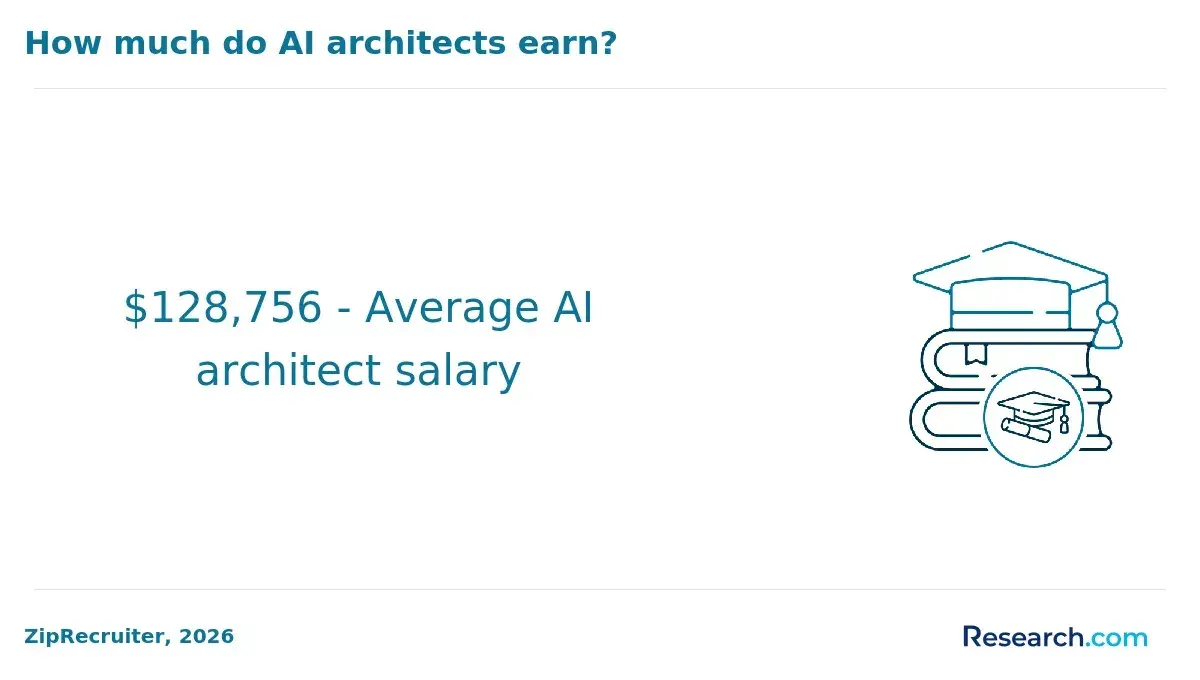
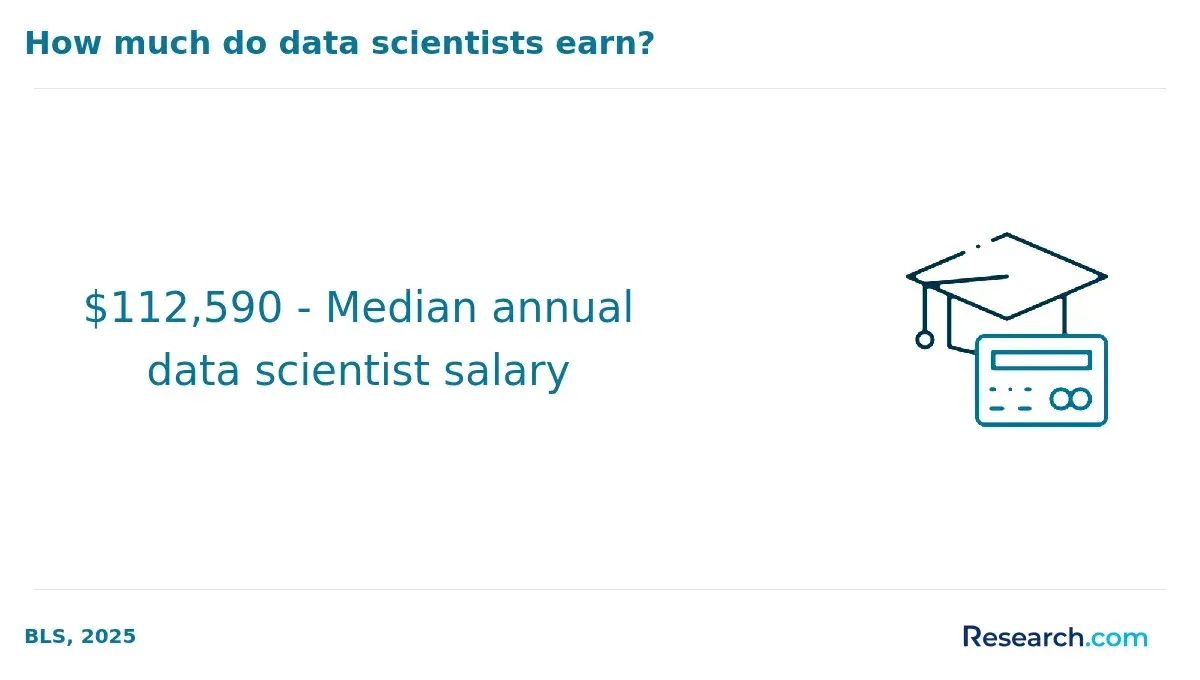
Salaries vary significantly by role and experience. Entry-level AI customer service specialists typically start around $55,000 annually, mid-level chatbot developers earn between $75,000 and $95,000, and seasoned CX strategists or AI implementation managers can exceed $110,000 per year. These figures reflect strong market demand for AI expertise in ecommerce.
According to Deloitte's Global Human Capital Trends report, 62% of organizations cite lack of AI skills and training as the main barrier to ethical and effective AI deployment in customer-facing roles. This highlights the need for professionals skilled not only in AI technologies but also in change management, data privacy, algorithmic fairness, and transparency.
Professionals should pursue education that blends technical AI training with communication and compliance knowledge. Continuous upskilling is essential as ecommerce companies increasingly implement AI-driven analytics, sentiment analysis, and automated decision-making to stay competitive.
How should teams choose a reputable AI course provider for ecommerce customer support?
Teams investing in ecommerce customer support AI courses should prioritize providers with continuous learning frameworks rather than one-off training sessions. Research shows companies offering ongoing AI upskilling are significantly more successful in scalable AI adoption. Look for providers delivering modular, updateable curricula that evolve alongside emerging AI tools and technologies.
Course content must address ecommerce-specific challenges such as AI-driven chatbots, sentiment analysis, and personalized customer engagement. Prefer providers with industry-recognized certifications or partnerships with ecommerce platforms to ensure relevance and quality. Verify that instructors have hands-on experience implementing AI in customer support, not just theoretical knowledge.
Practical learning options like simulations, live case studies, and hands-on projects enhance retention compared to lecture-only formats. Also, seek courses offering post-training support such as forums, refresher modules, and access to updated AI toolkits.
Budget flexibility is important: remote, on-demand formats accommodate diverse schedules and minimize downtime. Providers offering scalable pricing models and group discounts optimize investment without sacrificing content depth.
Check user reviews and success metrics from similar ecommerce businesses; high satisfaction and improved support efficiency indicate reliability. Ongoing support and regular course updates ensure lasting value as AI technologies progress.
Other Things You Should Know About Artificial Intelligence
In 2027, top AI courses for ecommerce customer support include "AI for Customer Service by Coursera,” “Harvard's AI in Business Certificate," “AI in E-commerce by edX,” and “Udacity’s AI for Business Leaders Nanodegree.” These courses improve AI implementation skills and strategic planning for customer support.
Artificial intelligence automates routine inquiries, allowing human agents to focus on complex issues that require empathy and critical thinking. This shift often results in higher job satisfaction and productivity for support staff. However, it also requires agents to develop new skills for managing AI-assisted workflows.
Ecommerce teams must prioritize transparency by informing customers when AI is involved in interactions. Safeguarding customer data and avoiding biased algorithms are vital to ensuring fair treatment. Teams should also regularly audit AI systems to prevent unintended consequences or discrimination.
Yes, AI can enhance customer experience by delivering personalized recommendations and anticipating customer needs based on behavior analysis. It can also provide multilingual support, making services more accessible. These capabilities foster stronger customer loyalty and satisfaction.
References
- The 8 Best AI Tools for Ecommerce to Drive Revenue and Retention https://www.salesmanago.com/blog/best-ai-tools-for-ecommerce
- Hottest Jobs In Ecommerce + Where to Find Them (2026 Guide) | BigCommerce https://www.bigcommerce.com/blog/ecommerce-jobs/
- 10 Ways to Improve the Customer Experience With Artificial Intelligence https://blog.bismart.com/en/kale/10-ways-to-improve-customer-experience-with-artificial-intelligence
- AI and Ecommerce https://www.oxfordhomestudy.com/courses/ai-courses-online/ai-and-ecommerce
- Top 26 Careers in AI and Machine Learning: Roles, Salaries, Skills, and 2026 Outlook - AscendurePro https://ascendurepro.com/careers-in-ai-and-machine-learning/
- University Degree vs AI Bootcamp: Which is Best Career Path? https://agilefever.com/university-degree-vs-ai-bootcamp-which-is-best/
- Best 6 AI Software For Customer Service Teams in 2026 https://crisp.chat/en/blog/ai-software-customer-service/
- AI Training & Certification: Complete Career Guide https://www.tsa-bildung.de/en/blog/ai-training-certification-complete-career-guide
- 11 Best AI Certifications in 2025 to Deepen Your Technical Knowledge | DigitalOcean https://www.digitalocean.com/resources/articles/ai-certifications
- AI as support for the e-commerce manager. How to increase market advantage / Digitization blog | Project-based Software Development https://www.ideosoftware.com/blog/ai-as-support-for-the-e-commerce-manager,194.html