2027 Best AI Strategy Courses for Fintech Teams

Co-Founder and Chief Data Scientist
Fintech teams often face challenges integrating artificial intelligence into their strategies due to rapidly evolving technologies and a lack of specialized training. These barriers hinder innovation, risk management, and customer engagement. Many professionals with non-technical backgrounds struggle to find courses that balance flexibility with practical relevance for financial services. This gap complicates career shifts and slows organizational adaptation to AI-driven market demands.
This article explores the best AI strategy courses designed specifically for fintech teams, focusing on accessible education paths that equip professionals with essential skills to lead and innovate in the financial technology sector.
Key Things You Should Know
- Fintech teams adopting AI strategy courses in 2026 benefit from tailored curricula emphasizing machine learning applications for fraud detection and customer personalization, addressing a $25 billion fraud prevention market.
- Over 60% of top U.S. fintech companies prioritize hands-on AI training, integrating real-world datasets into courses to enhance practical skills and improve risk assessment modeling.
- Emerging fintech regulations require AI ethics and compliance modules, reflecting a 40% rise in regulatory scrutiny from 2024 to 2025, ensuring responsible AI deployment.
Advance Your Career with AI Online Courses
Artificial Intelligence: Implications for Business Strategy
This program provides an introduction to Artificial Intelligence and their implications for business strategy. Earn an official digital certificate.

Oxford Artificial Intelligence Programme
Explore this Oxford Artificial Intelligence programme offered in a flexible learning environment and explore topics like machine learning, automation, and robotics.

Implementing Agentic AI: Building Your Organizational Playbook
This online MIT Agentic AI course offers a practical approach to deploying AI agents in your organization, including a custom playbook. 3 weeks, exclusive launch price.

AI Adoption: Driving Business Value and Impact
This online MIT AI Adoption: Driving Business Value and Impact offers practical frameworks to close the gap between AI potential and business reality.

Artificial Intelligence in Pharma and Biotech
Discover the applications and limitations of artificial intelligence in pharma and biotech with this MIT online short course.

What is an AI strategy course for fintech teams and who is it best suited for?
AI strategy courses for fintech teams in the US offer specialized training focused on integrating artificial intelligence technologies into financial services. These programs cover how to identify AI-driven opportunities, align initiatives with business objectives, and manage risks related to AI implementation. Key topics include data governance, regulatory compliance, ethical AI use, and deploying practical tools such as predictive analytics, fraud detection, and customer personalization.
These courses are ideal for mid- to senior-level professionals in fintech, including product managers, business strategists, data scientists, and technology leads. Executives like CFOs and innovation officers also benefit by understanding AI's strategic impact. For example, a product manager developing AI-enabled lending solutions gains insights into technology feasibility and market readiness, while compliance officers learn about regulatory challenges. This makes them among the best artificial intelligence training for fintech professionals.
With 76% of financial services CEOs prioritizing generative AI investments but only 28% confident in scaling it (PwC 27th Annual Global CEO Survey), these courses fill a critical skills gap. They build practical AI knowledge alongside strategic frameworks and improve communication between technical and non-technical teams, accelerating adoption.
For those exploring broader education paths, AI graduate programs offer extensive career opportunities related to AI strategy. Ultimately, these specialized courses boost internal capabilities, reduce risks, and maximize AI's value across complex fintech ecosystems.
Advance Your Career with AI Online Courses
Artificial Intelligence: Implications for Business Strategy
This program provides an introduction to Artificial Intelligence and their implications for business strategy. Earn an official digital certificate.
Oxford Artificial Intelligence Programme
Explore this Oxford Artificial Intelligence programme offered in a flexible learning environment and explore topics like machine learning, automation, and robotics.
Implementing Agentic AI: Building Your Organizational Playbook
This online MIT Agentic AI course offers a practical approach to deploying AI agents in your organization, including a custom playbook. 3 weeks, exclusive launch price.
How can AI strategy training help fintech companies improve products, compliance, and risk management?
AI strategy training for fintech product innovation equips teams to integrate machine learning effectively across product development, compliance, and risk management. Leveraging AI allows fintech firms to deliver personalized financial services by analyzing user data and predicting customer needs, improving both user experience and competitive advantage. Compliance teams benefit from expertise in deploying automated monitoring tools that detect regulatory breaches in real time, reducing fines and enhancing audit readiness. In risk management, AI-trained personnel can develop systems that identify fraud and credit risk patterns more accurately, enabling proactive mitigation.
With AI expected to automate or augment tasks for 43% of finance roles by 2030, fintech companies face urgent demands to close skills gaps. In fact, 87% of CFOs report significant AI-related skills shortages in their finance teams, underscoring the growing necessity of targeted AI compliance and risk management training for fintech companies. Such programs often focus on implementing AI algorithms, data governance frameworks, and compliance automation tools.
Practical applications include:Developing AI-driven credit scoring systems to reduce loan defaults.Utilizing natural language processing for real-time regulatory document analysis.Automating anti-money laundering workflows to flag suspicious activity faster.
AI strategy training fosters interdisciplinary collaboration among data scientists, compliance officers, and product managers, ensuring AI-driven solutions align with business objectives and regulatory requirements. Professionals seeking to enhance their skill set may consider exploring affordable online options, such as engineering degrees, which often include coursework on AI applications relevant to fintech innovation.
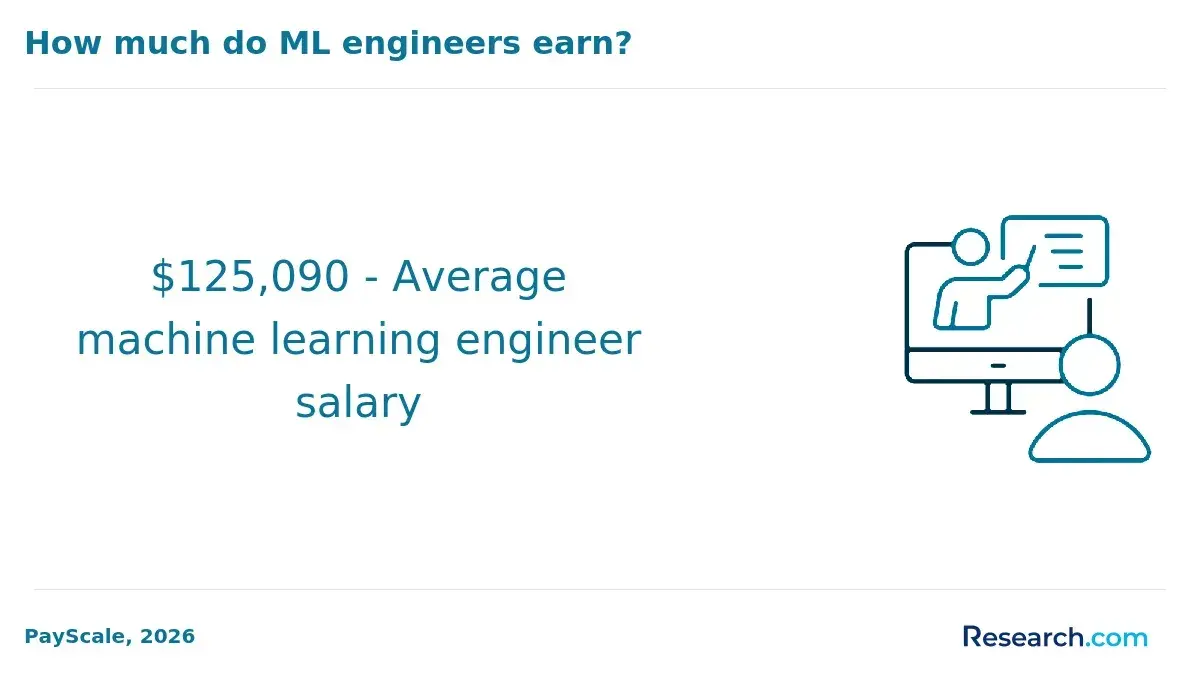
What types of AI strategy programs are available for fintech teams, from short courses to degrees?
AI strategy courses for fintech professionals vary from short certificates to extensive degree programs tailored to diverse roles within fintech teams. Short courses, typically lasting weeks, focus on practical skills like AI-driven risk management, fraud detection, and customer personalization. These targeted courses suit professionals seeking specific expertise without a long-term commitment.
Workshops and bootcamps offer hands-on training with AI tools and fintech datasets, allowing teams to deploy solutions quickly. Mid-length programs mix theory and practice, addressing AI governance, regulatory compliance, and deployment strategies essential for fintech environments.
Advanced offerings include master's degrees in AI or data science with fintech specializations, emphasizing algorithm development, predictive modeling, and infrastructure design. Universities also provide executive education designed for fintech leaders concentrating on strategic decision-making and innovation management.
Investing over 2.5% of payroll in AI and digital skills training results in 24% higher three-year revenue growth compared to less than 1%, per the IBM Global AI Adoption Index 2024. This highlights the strategic value of comprehensive programs combining technical depth with business insight.
Choosing the right program aligns with team needs; risk analysts may benefit most from applied short courses, while product managers often require strategic and regulatory-focused executive learning. Full degree paths suit fintech professionals targeting leadership in AI innovation and system design.
For those seeking advanced education, exploring an online master data science can provide the necessary expertise and credentials to lead AI initiatives effectively.
What curriculum topics do the best AI strategy courses for fintech typically cover?
Fintech teams looking to enhance their expertise often engage in AI strategy development courses that focus on a comprehensive curriculum. These programs cover foundational concepts such as machine learning, natural language processing, and generative AI models, which are essential for understanding AI applications in fintech strategy development.
Practical applications form a significant part of the curriculum, with emphasis on areas like risk management, fraud detection, compliance automation, and customer service improvements. For instance, students explore how predictive analytics driven by AI can refine credit risk assessments or how natural language processing supports regulatory reporting. This curriculum focus on AI-driven financial innovation ensures learners address real fintech challenges effectively.
Data governance and ethics training help professionals navigate managing large datasets securely and complying with privacy laws. Strategy modules cover integration approaches for embedding AI into legacy systems, showcased with case studies highlighting successful adoptions. A key insight is that 71% of financial services firms using generative AI at scale experience at least a 10% cost reduction in risk, compliance, and customer operations.
Additional lessons include change management, AI project lifecycle oversight, and vendor evaluation, empowering teams to implement AI innovations internally. Those interested in careers involving AI can explore AI trainer jobs that guide the development and application of these technologies.
How do online AI strategy programs for fintech compare with on-campus and hybrid options?
Online AI strategy programs for fintech provide flexibility and accessibility that suit busy professionals and distributed teams. Learners can engage asynchronously, fitting study around demanding work schedules typical in fintech. These online formats also benefit from rapid curriculum updates, keeping content aligned with fast-evolving AI technologies in the industry.
On-campus options deliver immersive experiences with direct peer collaboration and faculty interaction, valuable for those seeking hands-on mentorship in fintech hubs. However, the significant time commitment required may deter many executives balancing professional duties.
Hybrid programs blend online convenience with scheduled in-person sessions, striking a balance between flexibility and networking. This suits fintech leaders who want practical engagement without extensive travel.
Key findings from the MIT Sloan Executive Education learner impact survey 2024 reveal that completing an AI-for-business program leads to a 19-21% improvement in AI project success rates within one year. This improvement spans all delivery methods, underscoring that quality content tailored to fintech challenges is more important than the format alone.
- Assess peer collaboration preferences and time availability.
- Consider budget constraints.
- Startups with remote teams may prefer fully online options.
- Established institutions might invest in hybrid or on-campus formats for richer faculty access and networking.
What admission requirements and professional experience do AI strategy courses for fintech usually expect?
AI strategy courses for fintech professionals typically require a solid foundation in finance, technology, or data science. Candidates often need a bachelor's degree in business, computer science, engineering, or related fields, along with 2 to 5 years of relevant experience in fintech, banking, or technology roles. This background ensures applicants grasp the industry's core challenges and workflows.
Key skills expected include familiarity with data analytics, machine learning fundamentals, and understanding regulatory frameworks affecting financial services. Proficiency in programming languages such as Python or R is frequently mandatory, reflecting the technical demands involved in AI model development and deployment. Candidates lacking direct technical experience may need to complete prerequisite modules or certifications.
Leadership and strategic decision-making experience are highly valued since these courses emphasize integrating AI into business strategies, managing risks, and ensuring compliance with regulations like those from BCBS and EBA. For instance, many global banks postpone AI deployments due to regulatory concerns, yet a minority of business leaders have formal AI governance training, highlighting a critical skills gap.
Admissions may be flexible for mid-career professionals in executive or professional tracks but often require a statement of purpose showing alignment with career goals and fintech challenges. Demonstrated project management or prior work involving AI or digital transformation can strengthen applications.
- Strong financial industry knowledge
- Technical aptitude in AI and programming
- Leadership and strategic integration skills
How long do AI strategy courses for fintech take, and what do they typically cost?
AI strategy courses for fintech range from 4 to 12 weeks, offering varying depths and formats. Shorter courses, around one month, cover foundational AI concepts, fintech applications, and essential data strategies. Longer programs (8-12 weeks) typically include hands-on projects, case studies, and address regulatory compliance and ethics in financial services. These comprehensive options better equip fintech teams to implement AI-driven solutions effectively.
Costs vary widely-from about $800 for introductory courses to $5,000 or more for advanced, instructor-led programs featuring personalized feedback. Online self-paced courses make AI education more accessible for individuals or small teams, while enterprise packages include custom modules and dedicated support, resulting in higher fees. When selecting a course, consider credentials, content relevance, and delivery style to ensure alignment with career goals.
According to the Deloitte State of AI in Financial Services 2024, financial institutions investing in enterprise data strategies and AI literacy are 2.7× more likely to gain measurable AI value. This highlights the importance of committing adequate time and budget to fintech AI education.
Programs that balance theory with practical skills and address real-world challenges such as fraud detection, credit risk modeling, and customer personalization offer the most actionable insights. Courses with post-program resources or peer networks support continued learning beyond the curriculum.
- Typical duration: 4 to 12 weeks
- Cost range: $800 to $5,000+
- Online self-paced and instructor-led formats available
- Enterprise programs often customized and pricier
- Focus on practical fintech applications maximizes benefit
How can learners evaluate accreditation, institutional quality, and industry recognition for AI fintech programs?
When assessing AI fintech programs, it is essential to verify accreditation from recognized U.S. educational bodies such as ABET, AACSB, or regional accreditors like NECHE and WASC. Accreditation ensures that programs meet established academic standards and qualify for federal financial aid. Institutional quality also depends on faculty expertise, curriculum rigor, and research output in AI and fintech areas.
Programs demonstrating strong industry recognition often align curricula with current fintech demands. For example, AI use in banking can increase productivity by up to 30% of full-time employee capacity in areas like onboarding, KYC, and servicing (McKinsey "Gen AI in Banking"). Partnerships with leading fintech companies or endorsements from financial institutions provide added credibility.
Consider asking:
- Is the program recognized by AI or fintech professional bodies like the IEEE Computational Intelligence Society or the FinTech Professionals Association?
- Do alumni hold significant fintech roles or show notable career advancement?
- Are there hands-on projects using current AI tools in financial services?
- Are faculty active contributors to AI fintech research or industry consulting?
Review program rankings focused on AI, fintech, or data science, prioritizing those with transparent methodologies. Verify if certifications or micro-credentials are valued in fintech ecosystems. Seek feedback from students and alumni for insights on practical applicability and institutional support quality. This approach is crucial for selecting a program that combines academic rigor with real-world fintech relevance.
What career paths, job roles, and titles can AI strategy training open in fintech?
AI strategy training in fintech opens diverse career paths that blend finance, technology, and innovation management. Graduates become eligible for roles such as AI product managers, who oversee the development and rollout of AI-driven financial services. These positions require a deep understanding of both AI technologies and market demands to effectively connect engineering teams with business stakeholders.
Other key jobs include data strategy leads, responsible for creating data governance frameworks essential for ethical and compliant AI use in finance. The growth of AI adoption has also sparked demand for AI risk managers, specialists who identify and mitigate AI-related operational and compliance risks in line with evolving regulations.
Fintech companies increasingly seek AI transformation consultants to integrate AI into legacy systems, improving customer experiences and operational efficiency. Emerging roles like AI policy analysts and ethics officers ensure AI implementations conform to legal standards and corporate social responsibility.
By 2026, 80% of financial institutions plan to incorporate generative AI into core workflows, driven largely by competitive pressures. This fuels hiring for AI strategists with titles such as strategic AI architects and innovation directors.
Successful candidates develop skills in AI toolkits, financial regulations, and strategic planning, combining machine learning basics with financial domain expertise. Advanced training programs offer tailored frameworks for AI adoption in fintech's unique regulatory and market environments.
What salaries and job outlook can fintech professionals with AI strategy skills reasonably expect?
Fintech professionals with AI strategy skills enjoy strong salary growth and promising job prospects. Entry-level positions like AI strategy analysts or junior AI consultants typically start around $90,000 annually. Mid-career experts who have proven impact on AI-driven fintech projects earn between $130,000 and $160,000. Senior roles, such as AI strategy leads or directors, often exceed $200,000, especially in financial hubs like New York or San Francisco.
The demand for fintech experts combining AI capabilities with business strategy is growing rapidly. Analysis from GMAC on ai-for-business and fintech executive programs shows over 60% of enrolled learners receive employer sponsorship or reimbursement, highlighting active organizational investment in skill development to support evolving AI strategies.
Projected job growth in this field surpasses average fintech roles, driven by increased focus on AI-powered automation, risk assessment, and personalized financial services. Employers look for candidates skilled at leading AI integration while managing regulatory compliance and innovation.
Professionals should pursue programs that demonstrate their ability to bridge AI technology with strategic planning. This prepares them for roles such as AI product managers, innovation strategists, and data-driven decision-makers, whose salaries reflect the high value of their expertise.
Other Things You Should Know About Artificial Intelligence
In 2027, top AI strategy courses for fintech teams include "AI in Financial Services" by Coursera, "Fintech: AI Transformation" at MIT, "Artificial Intelligence for Banking" on edX, and "AI & Fintech: Strategy and Innovation" offered by Stanford. These courses focus on practical AI applications and strategic insights for fintech.
Artificial intelligence enhances regulatory compliance in fintech by automating the monitoring and reporting of transactions to detect fraud, money laundering, and other illicit activities. AI systems can analyze large datasets in real-time to flag suspicious behavior faster than traditional methods, reducing compliance risks while improving accuracy and efficiency.
Explainability pertains to how well the internal mechanics of an AI model can be understood by humans. In fintech, explainable AI is crucial as it allows regulators, auditors, and customers to understand how decisions are made, especially in sensitive areas like credit scoring or risk assessment. Models that lack explainability can undermine trust and pose compliance challenges.
Yes, AI enables fintech companies to personalize customer experiences by analyzing behavioral data, transaction history, and preferences to offer tailored recommendations, customized financial products, and timely insights. This targeted approach can improve customer engagement and satisfaction while driving higher conversion rates.
References
- Use of Gen AI in Accreditation https://a3stepaccreditation.org/f/use-of-gen-ai-in-accreditation
- What’s the Best Hands-on AI Training for Non-Technical Leaders (No Coding) in Financial Services? https://neurons-lab.com/articles/whats-the-best-hands-on-ai-training-for-non-technical-leaders-no-coding-in-financial-services/
- AI in Finance programme | Imperial Executive Education https://execed-online.imperial.ac.uk/ai-in-finance
- Artificial Intelligence in Finance: 9 AI Courses to Build Your Skills https://xledger.com/blog/artificial-intelligence-in-finance-9-ai-courses-to-build-your-skills/
- Generative AI 360 for Financial Services - Online Course - CFTE https://courses.cfte.education/generative-ai-360-for-financial-services-online-course/
- AI and Financial Innovation | ESCP Business School https://escp.eu/programmes/open-programmes/financial-innovation-ai
- How to Build a Career in Fintech: Top Skills, Salary Insights & Job Search https://www.awconnect-me.com/blog/2025/11/how-to-build-a-career-in-fintech-top-skills-salary-insights-and-job-search-tips-for-2025
- AI for CFOs & Finance Leaders - AI Finance Club https://ai-finance.club/
- IT Job Market Forecast for 2026 – Employee Perspective https://itcompare.pl/en-us/articles/65/it-job-market-forecast-for-2026-employee-perspective
- 7 High-Paying AI Careers in Fintech https://vault.com/blogs/salary-and-benefits/7-high-paying-ai-careers-in-fintech