2027 Best AI Agent Courses for Leadership Teams

Co-Founder and Chief Data Scientist
Leadership teams often struggle to integrate artificial intelligence into their strategic initiatives due to limited expertise and rapidly evolving technologies. This gap can hinder competitive advantage and innovation. With the growing importance of AI in decision-making and operational efficiency, leaders must quickly acquire relevant skills without disrupting their ongoing responsibilities. Flexible, accredited courses tailored for executives offer practical solutions to these challenges. This article reviews top AI agent courses designed to equip leadership teams with essential knowledge and skills, enabling them to confidently navigate AI adoption and drive transformative outcomes within their organizations.
Key Things You Should Know
- Leadership teams increasingly prioritize ai agent courses as 68% of executives link ai proficiency to better strategic decision-making in 2025 corporate surveys.
- Top courses focus on ethical deployment, integration with business processes, and real-time ai agent management, aligning with evolving industry requirements.
- Enrollment in ai agent leadership programs grew by 42% from 2024 to 2025, reflecting rising demand for specialized skills among senior professionals.
Advance Your Career with AI Online Courses
Artificial Intelligence: Implications for Business Strategy
This program provides an introduction to Artificial Intelligence and their implications for business strategy. Earn an official digital certificate.

Oxford Artificial Intelligence Programme
Explore this Oxford Artificial Intelligence programme offered in a flexible learning environment and explore topics like machine learning, automation, and robotics.

Implementing Agentic AI: Building Your Organizational Playbook
This online MIT Agentic AI course offers a practical approach to deploying AI agents in your organization, including a custom playbook. 3 weeks, exclusive launch price.

AI Adoption: Driving Business Value and Impact
This online MIT AI Adoption: Driving Business Value and Impact offers practical frameworks to close the gap between AI potential and business reality.

Artificial Intelligence in Pharma and Biotech
Discover the applications and limitations of artificial intelligence in pharma and biotech with this MIT online short course.

What are AI agent courses for leadership teams and who should consider taking them?
AI agent courses for leadership development equip executives and managerial staff with the skills needed to implement and oversee artificial intelligence technologies effectively. These programs focus on strategic decision-making, ethical considerations, and risk management while helping leaders integrate AI agents to meet specific business goals. Participants also learn to optimize workflows, select appropriate AI tools, and lead cross-functional teams through AI adoption.
These courses are ideal for C-suite executives, product managers, and team leaders who drive digital transformation and innovation. For instance, a product manager at a tech startup may use best AI training programs for executive teams to develop AI-driven customer service bots, while a COO at a manufacturing company could use such courses to supervise AI applications in supply chain logistics.
With 66% of organizations using AI in at least one business function according to McKinsey's Global Survey on AI, leadership proficiency in these technologies is crucial. These courses cover case studies, scenario planning, and compliance frameworks to prepare leaders for challenges such as bias, privacy concerns, and operational risks.
Leadership teams also gain skills in communicating AI strategy to stakeholders and fostering a culture that embraces technological change, especially vital in evolving sectors like finance, healthcare, and retail. Professionals interested can explore options such as an accelerated bachelor's degree computer science online for a strong foundation in AI and leadership.
Advance Your Career with AI Online Courses
Artificial Intelligence: Implications for Business Strategy
This program provides an introduction to Artificial Intelligence and their implications for business strategy. Earn an official digital certificate.
Oxford Artificial Intelligence Programme
Explore this Oxford Artificial Intelligence programme offered in a flexible learning environment and explore topics like machine learning, automation, and robotics.
Implementing Agentic AI: Building Your Organizational Playbook
This online MIT Agentic AI course offers a practical approach to deploying AI agents in your organization, including a custom playbook. 3 weeks, exclusive launch price.
How can AI agent training help executives and leadership teams drive business strategy?
AI agent leadership training benefits executives with the skills needed to embed advanced technologies into corporate strategy, ensuring a competitive advantage. Leaders learn how AI agents automate decisions, analyze data, and forecast trends, providing actionable insights to enhance operational efficiency and innovation. Despite these advantages, 77% of organizations use AI in only one or two business areas, highlighting the need for executive artificial intelligence strategy development to support broader, cross-functional adoption.
Benefits of this training include identifying high-impact AI deployment areas, such as customer experience, supply chain management, and risk mitigation. Executives engage in scenario-based exercises that illustrate AI's role in supporting decision-making under uncertainty and shifting market forces. They also discover how conversational AI tools improve internal communications and how predictive analytics can better align resource allocation with demand fluctuations.
Effective leadership bridges the gap between AI technical teams and strategic objectives. Training focuses on collaboration between AI specialists and business leaders, helping executives manage AI project portfolios while addressing ethical considerations. This approach supports deeper AI integration, promoting greater business agility and growth. Professionals interested in expanding their AI knowledge might consider related online education options, such as a mechanical engineering degree online, which can complement AI skills with technical expertise.
What types of AI agent programs are available for leaders, from short courses to certificates?
Leaders interested in ai agent leadership development programs can select from short workshops to comprehensive certificate tracks designed to build practical skills. Short courses typically last hours or days and focus on foundational leadership principles for managing ai-driven teams, ethical considerations, and change management strategies.
Executive certificates in ai agent management often extend over weeks or months, combining technical insights with strategic leadership. These programs cover topics like agent-based modeling, machine learning integration, and governance frameworks. Many include case studies demonstrating real-world applications, such as optimizing supply chains or enhancing customer relations through ai agents.
Specialized certificates address sector-specific leadership challenges in fields like healthcare or finance, helping leaders navigate regulatory constraints and implement ai responsibly within their industries. Both in-person and online formats exist, with cohort-based learning fostering peer collaboration. Modular credentials, including micro-credentials and nanodegrees, allow busy executives to build expertise progressively.
The significant economic impact of ai underscores the need for leadership adaptation: McKinsey Global Institute estimates ai could add up to $4.4 trillion annually to the global economy. Those equipped with formal training in managing ai agents will be better positioned to harness these benefits while mitigating associated risks. For broader context on educational options, some professionals explore masters in game design programs as alternative tech-focused pathways.
How do online AI agent courses for leaders compare with on-campus and hybrid options?
Online ai agent courses versus on-campus leadership training offer distinctive advantages for corporate leadership teams. Online courses provide greater flexibility, allowing leaders to balance professional duties with learning through asynchronous content accessible worldwide. This format supports rapid upskilling, especially valuable since only 21% of companies have fully adopted AI, according to IBM's Global AI Adoption Index 2024.
On-campus leadership training delivers immersive, hands-on experiences with direct peer and instructor interaction, essential for mastering complex leadership skills in AI-driven environments. Hybrid ai agent programs for corporate leadership teams blend these benefits by combining in-person workshops with online modules, fostering practical skill application and networking.
Leaders evaluating these options should align their choice with organizational goals and learning preferences. Online courses suit executives spread across locations seeking self-paced education, while on-campus options favor those needing collaboration and mentorship. Employers aiming for comprehensive AI adoption may find hybrid programs effective in bridging theory and practice. For those interested in advancing their expertise, consider a master in data analytics, which complements AI leadership skills and supports strategic decision-making in evolving industries.
What should leadership teams look for in an AI agent course curriculum and learning outcomes?
Leadership teams evaluating AI agent courses should emphasize practical learning outcomes that align closely with organizational strategies. Courses that integrate AI agent technologies into existing business processes help leaders develop skills in automation aimed at reducing operational costs. The World Economic Forum's Future of Jobs Report 2025 highlights that 40% of employers expect job reductions due to task automation, making it critical for leaders to grasp AI's workforce impact.
Outcomes should focus on actionable skills such as creating reskilling plans for employees affected by automation. Courses teaching how to analyze AI's impact on specific job roles enable proactive workforce planning. Additionally, modules covering AI governance ensure leaders understand compliance and ethical responsibilities.
Instructional methods featuring case studies from sectors like finance and manufacturing help contextualize AI agent adoption. Scenario-based training simulating real-world challenges enhances leadership readiness for AI-human collaboration. Leaders seeking AI education should choose curricula that foster strategic agility and the capacity to leverage AI agents for competitive advantage while managing human capital risks effectively.
How can leaders evaluate accreditation, institutional quality, and instructor expertise for AI programs?
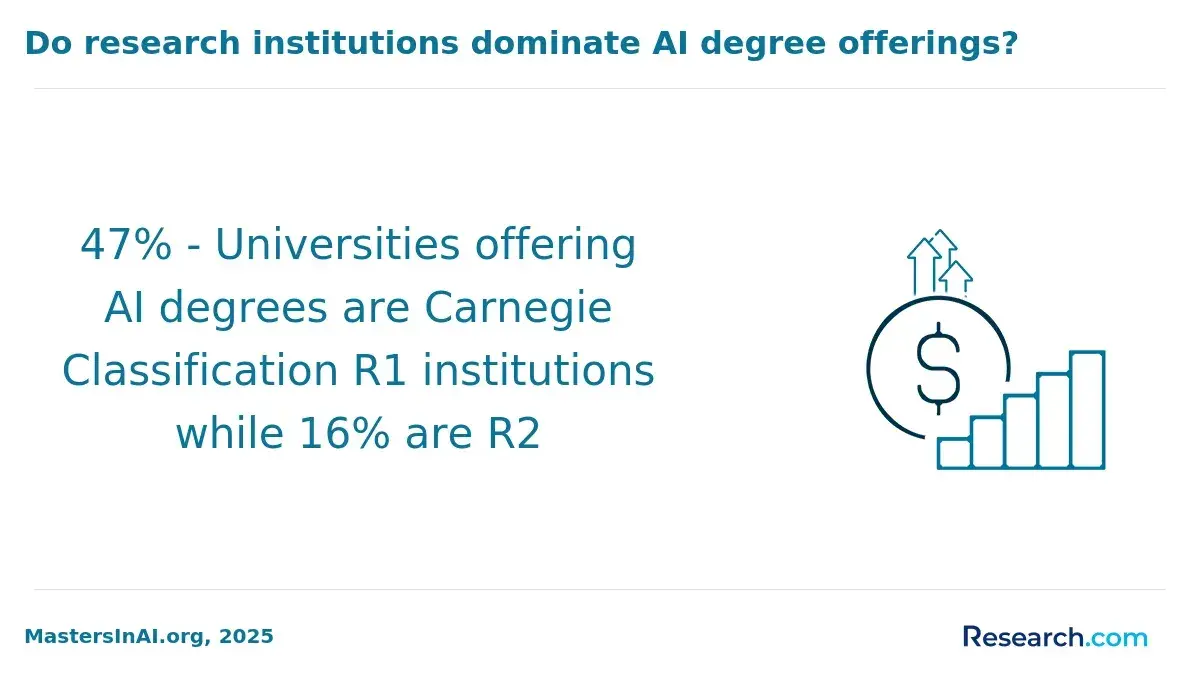
Leaders assessing ai programs should confirm accreditation from recognized bodies like ABET or regional agencies to ensure curriculum quality and industry standards. Examining the institution's history in ai research and its collaborations with tech companies or government agencies sheds light on its commitment to innovation and practical relevance.
Faculty expertise plays a vital role in program value. Leaders should review instructors' credentials, including doctoral degrees, published research, and real-world ai experience. Instructors involved in areas such as data privacy or ai ethics provide important insights that align with organizational needs, especially given concerns highlighted by IBM's Global AI Adoption Index 2024, where 50% of organizations cite data privacy as a top barrier to ai adoption.
Consider the program's learning environment, including class size, mentorship availability, and hands-on projects like capstones. Programs featuring real-world case studies enhance leadership skills crucial for navigating compliance and ethical challenges. Gathering feedback from alumni and corporate partners can further clarify the program's effectiveness and career impact.
What are typical admission requirements and time commitments for AI agent courses for executives?
Executive courses on artificial intelligence prioritize relevant professional experience over formal academic credentials. Typically, applicants need at least five years in leadership or managerial roles, often within tech-driven industries, to engage with AI concepts strategically. Some programs also expect basic knowledge of data analytics or prior exposure to AI projects. For instance, premier executive programs may require a statement of intent that outlines the applicant's leadership goals and AI's role in their organization.
Course durations and formats vary significantly:
- Intensive boot camps last two to four weeks, delivering 15 to 25 hours of combined live and self-paced learning.
- Comprehensive certificate programs extend three to six months with a weekly commitment of 5 to 10 hours, including case studies and hands-on labs.
- Self-paced modules offer flexibility but can exceed six months without strict deadlines, potentially affecting completion rates.
Balancing executive workloads with AI education is challenging, making hybrid models popular. These often combine live sessions with recorded content to fit busy schedules. Yet, adoption is limited; Deloitte's 2024 State of Generative AI in the Enterprise survey found only 38% of executives actively upskilling their teams.
Programs must be rigorous and practical to integrate into demanding executive workflows successfully. For those seeking immersive executive learning in AI, exploring tailored courses with proven leadership frameworks is essential.
How much do AI agent leadership programs cost, and what funding or employer support is available?
AI agent leadership programs vary widely in cost, typically ranging from $2,000 to over $15,000. Executive courses from top business schools or specialized AI institutes often cost between $10,000 and $20,000, while more accessible online or certificate programs usually fall within $2,000 to $5,000. Many employers recognize the value of AI literacy and offer full or partial tuition reimbursement. Large corporations may even cover up to 100% of program fees directly linked to their strategic goals.
In addition to employer support, government grants and workforce development funds help offset costs, especially for programs focused on upskilling employees in emerging technologies. Shared-cost arrangements are common, requiring participants to commit to staying with their organization for a set period after completing training. Flexible payment plans and scholarships are frequently available for mid-career professionals.
Demand for AI expertise in leadership roles is rising sharply. According to McKinsey's survey, 92% of executives plan to increase AI investment over the next three years. This motivates companies to fund AI education internally, minimizing external hiring expenses. Prospective students should consult internal HR or learning and development departments to explore funding options before enrolling.
Beyond tuition, employer support may also include travel, lodging, and paid study leave for on-site sessions. When selecting a program, consider these additional financial supports alongside the sticker price to understand your true investment.
What AI-enabled leadership roles, responsibilities, and career paths can these courses support?
AI-enabled leadership roles integrate advanced technologies into strategic decision-making, operational management, and innovation oversight. Professionals trained in this area take on positions such as AI strategy managers, who align AI capabilities with business goals while ensuring ethical deployment. Other key roles include AI project directors overseeing implementation teams and AI governance officers developing compliance frameworks and managing risks. AI transformation leads drive company-wide digital shifts, while AI-based change agents support workforce adaptation to emerging tools.
These courses equip leaders to handle challenges across the AI lifecycle, such as ensuring data quality, mitigating algorithm bias, and monitoring system performance. For instance, AI strategy managers assess the best AI tools for business units, including marketing automation and predictive analytics for supply chains. Governance officers emphasize transparency and accountability, focusing on AI explainability and privacy compliance.
Emerging leadership paths also address AI ethics and policy advising, helping organizations navigate complex regulatory and societal issues. With only 1% of leaders describing their companies as mature in AI use, programs prepare students to overcome resistance to adoption and foster a forward-looking mindset necessary for competitive advantage.
What is the salary impact and job outlook for leaders who upskill in AI agents and automation?
Leaders skilled in AI agents and automation frequently see salary increases between 15% and 40% compared to those without such expertise. For instance, mid-level managers applying AI solutions typically earn around $130,000 annually, while executives driving AI transformation often surpass $200,000 per year. This reflects growing demand for leadership adept at integrating these technologies to boost efficiency and competitive advantage.
The U.S. Bureau of Labor Statistics projects a 14% growth in management roles that utilize emerging technologies through 2030, highlighting strong career prospects in sectors like finance, healthcare, and manufacturing. According to Microsoft's 2024 Work Trend Index, 94% of business leaders believe AI will be critical over the next five years, underscoring the need for proficiency in these areas. Organizations prioritize leaders who can implement AI to reduce costs and improve decision-making, thus driving significant career enhancements and opportunities.
Other Things You Should Know About Artificial Intelligence
The 2027 Best AI Agent Courses for Leadership Teams include "AI Strategies for Decision Makers," "Ethical AI Leadership," and "Adapting Organizations to AI." These courses focus on integrating AI ethics, strategic implementation, and managing AI-driven transformations within leadership roles.
Artificial intelligence enhances leadership decision-making by providing data-driven insights and predictive analytics that improve accuracy and speed. AI tools can identify patterns and risks not easily visible to humans, enabling more informed and proactive strategies. However, leaders must balance AI input with human judgment to avoid over-reliance on algorithms.
Leaders managing AI initiatives need a combination of technical understanding and strategic vision. Skills include basic knowledge of AI principles, data literacy, change management, and the ability to align AI projects with business goals. Effective communication and ethical awareness are also critical for guiding diverse teams through AI adoption.
Organizations often encounter challenges such as data quality issues, integration with existing systems, and resistance to change from employees. AI projects can also be costly and require ongoing maintenance. Addressing these obstacles involves clear leadership commitment, workforce training, and establishing robust data governance practices.
References
- Evaluating the Impact of Institutional Accreditation on Armenian Universities: An AI-Assisted Text Analysis Approach https://www.eua.eu/publications/conference-papers/evaluating-the-impact-of-institutional-accreditation-on-armenian-universities-an-ai-assisted-text-analysis-approach.html
- Choose the Right MIT AI Course for You https://www.getsmarter.com/blog/pursuing-an-mit-ai-course-which-option-is-right-for-you/
- Understanding Agentic AI - FREE Online AI Agent Crash Course https://agentacademy.ai/courses/understanding-agentic-ai/
- 16 Artificial Intelligence Career Paths https://www.calmu.edu/news/artificial-intelligence-career-paths
- Lead with AI | AI Leader Advanced https://www.leadwithai.co/course/ai-leader-advanced
- Best AI Agent Courses for C-Level Leaders (2026 Guide) https://aiagentsacademy.ai/blog/best-ai-agent-courses-c-level-leaders-2026
- Quality Assurance with AI and Automation: The Prospects for Educational Assessment https://www.ieac.org.uk/40-Quality-Assurance-with-AI-and-Automation-The-Prospects-for-Educational-Assessment-blog.php
- AI Agent Development Cost in 2026 [+Team Calculator] https://softteco.com/blog/ai-agent-development-cost
- Agentic AI in Education: Use Cases, 2026 Trends, Playbook https://8allocate.com/blog/agentic-ai-in-education-use-cases-trends-and-implementation-playbook/
- How Much Does It Cost to Build an AI Agent in 2026? (Real Numbers From 50+ Projects) | DestiLabs Blog https://www.destilabs.com/blog/ai-agent-development-cost-2026