2027 Best AI Policy Rollout Courses Online

Co-Founder and Chief Data Scientist
Professionals from unrelated fields often face challenges when transitioning into artificial intelligence policy roles due to the specialized knowledge and rapidly evolving regulations. Without structured guidance, navigating online learning options can be overwhelming and inefficient. Many courses lack accreditation or fail to provide practical skills needed in the AI policy landscape. This article highlights the best accredited online programs designed to equip learners with comprehensive understanding and expertise in developing, implementing, and analyzing AI policies. It aims to help prospective students identify flexible, reputable courses tailored for successful career pivoting into AI policy development and governance.
Key Things You Should Know
- By 2026, over 65% of AI policy courses online integrate real-world case studies, reflecting rapid regulatory developments and ethical concerns in AI governance.
- Top programs emphasize interdisciplinary skills, combining technology, law, and ethics to prepare students for evolving AI policy roles in the U.S. and globally.
- Recent data shows a 40% enrollment increase in AI policy education since 2024, driven by heightened industry demand for AI governance expertise across sectors.
Advance Your Career with AI Online Courses
Artificial Intelligence: Implications for Business Strategy
This program provides an introduction to Artificial Intelligence and their implications for business strategy. Earn an official digital certificate.

Oxford Artificial Intelligence Programme
Explore this Oxford Artificial Intelligence programme offered in a flexible learning environment and explore topics like machine learning, automation, and robotics.

Implementing Agentic AI: Building Your Organizational Playbook
This online MIT Agentic AI course offers a practical approach to deploying AI agents in your organization, including a custom playbook. 3 weeks, exclusive launch price.

AI Adoption: Driving Business Value and Impact
This online MIT AI Adoption: Driving Business Value and Impact offers practical frameworks to close the gap between AI potential and business reality.

Artificial Intelligence in Pharma and Biotech
Discover the applications and limitations of artificial intelligence in pharma and biotech with this MIT online short course.

What is an AI policy rollout course and who should consider taking one?
An AI policy rollout course teaches professionals how to design, implement, and manage organizational policies for responsible AI deployment. These courses cover governance frameworks, compliance requirements, ethical guidelines, risk management, and communication strategies. Participants learn to align AI initiatives with legal standards and corporate values while addressing biases, privacy concerns, and security risks. This training is an essential part of AI policy implementation training for professionals aiming to fill growing knowledge gaps within organizations.
Ideal candidates for these courses include technology leaders, compliance officers, legal advisors, and risk managers. For example, Chief Information Officers, data privacy officers, and policy advisors gain skills to bridge the gap between technical teams and regulatory agencies. Business managers overseeing AI projects benefit by understanding compliance obligations to avoid costly errors. Graduates targeting careers in AI governance or ethics acquire critical, job-ready expertise.
According to IBM's 2025 Global AI Adoption Index, 82% of large organizations report governance and compliance skills as their largest internal obstacle, up from 63% in 2023. This data underscores the urgent need for trained professionals capable of navigating complex AI regulations and ethical standards. Online courses on AI governance and compliance vary widely; some focus on public policy and regulatory impacts, while others emphasize corporate governance or technical audits. Learners can choose standalone short courses or integrated certifications based on their role.
To explore salary insights related to AI careers, check the applied artificial intelligence salary information which helps contextualize the value of acquiring this expertise.
Advance Your Career with AI Online Courses
Artificial Intelligence: Implications for Business Strategy
This program provides an introduction to Artificial Intelligence and their implications for business strategy. Earn an official digital certificate.
Oxford Artificial Intelligence Programme
Explore this Oxford Artificial Intelligence programme offered in a flexible learning environment and explore topics like machine learning, automation, and robotics.
Implementing Agentic AI: Building Your Organizational Playbook
This online MIT Agentic AI course offers a practical approach to deploying AI agents in your organization, including a custom playbook. 3 weeks, exclusive launch price.
Which are the best online AI policy rollout courses and professional certificates?
The best online courses for artificial intelligence policy rollout combine practical skills with ethical frameworks and governance structures essential for new AI roles. Stanford University offers a Professional Certificate in AI Policy and Governance, covering AI regulation, risk assessment, and public policy design. The University of Oxford's online AI Ethics and Society course focuses on governance challenges in global contexts and fair AI development.
For working professionals, the IEEE AI Policy Specialization delivers focused modules on compliance, standards, and algorithmic accountability. MIT's AI Policy Certificate integrates technology with regulatory insights, ideal for those overseeing AI initiatives in organizations. These professional certificates in artificial intelligence policy implementation often offer flexible formats, including accelerated or part-time tracks.
Students benefit from case studies based on government bodies and multinational companies, applying concepts like transparency requirements and ethical audits to real-world policy rollout. LinkedIn's Workplace Learning Report shows a 262% rise in job postings mentioning "AI governance" or "AI policy" from 2022 to 2024, highlighting strong industry demand. When choosing a program, consider curriculum depth, instructor expertise, and hands-on projects that merge legal frameworks with technical AI knowledge to address data privacy and regulatory harmonization.
Cost is an important factor for many prospective students. For details on affordability and to compare options, see mechanical engineering degree online cost as a benchmark for understanding online program expenses.
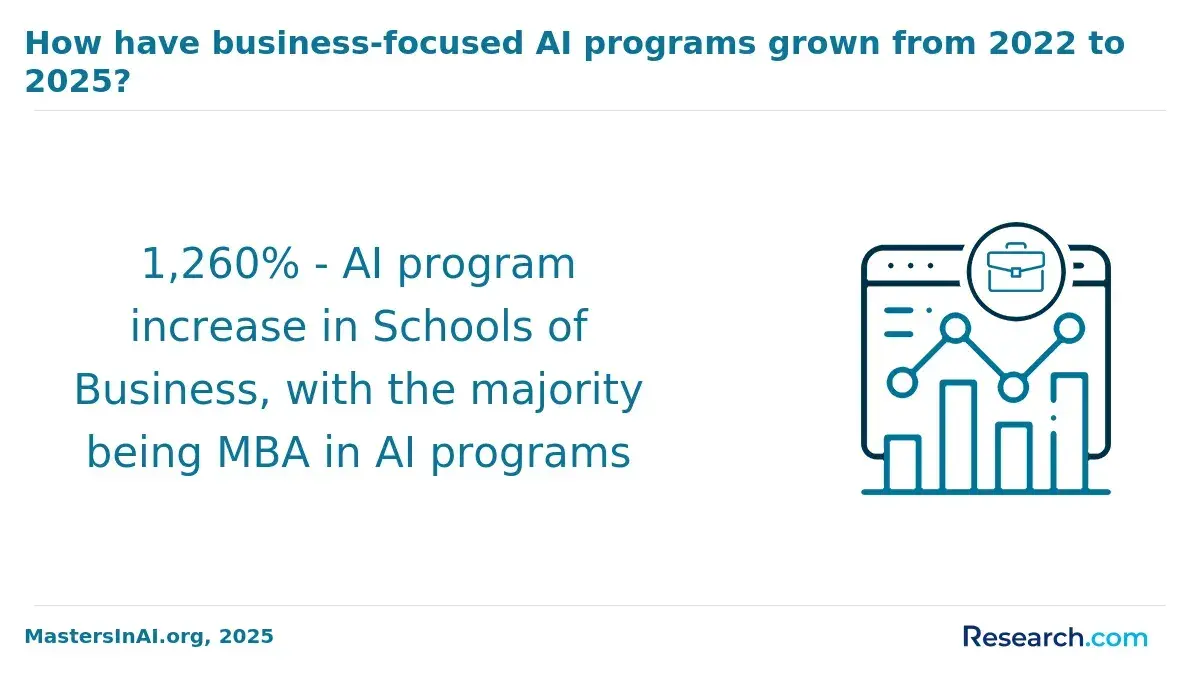
How do online AI policy rollout programs compare with campus and executive-education options?
Online AI policy rollout programs offer distinct benefits compared to campus courses and executive education, particularly in flexibility, accessibility, and cost. Unlike campus AI policy courses, online options allow learners to study at their own pace while managing work or family responsibilities. This flexibility is valuable for mid-career professionals seeking to build AI governance expertise without interrupting their current roles. Many online programs also feature real-time case studies, interactive modules, and expert forums that rival the depth of executive education but at a lower cost.
Campus-based courses provide rich in-person networking and mentorship, which online formats sometimes lack. However, on-campus AI policy courses often demand relocation and adherence to fixed schedules, reducing accessibility. Executive education excels in delivering intense, high-impact learning with direct industry access, ideal for senior leaders, but tends to be expensive and less suited for early-career professionals.
Online AI policy training increasingly blends elements of both formats, offering hybrid models with synchronous and asynchronous learning, enabling engagement similar to campus experiences while maintaining flexibility. Considering differences between online and campus AI policy courses is essential for choosing a program that fits your situation.
Career outcomes emphasize AI policy expertise's value. Privacy professionals with AI governance or algorithmic accountability roles earn 23% more than peers without such duties, according to the 2024 IAPP salary survey. Programs focused on AI policy rollout can accelerate skill acquisition, improving employability in competitive markets.
Factors to weigh include:
- Whether schedule flexibility or in-person interaction better suits your learning style
- Cost differences, with online options often more affordable
- Curriculum relevance and practical skills application
- Networking opportunities, virtual or on-campus
Prospective students should also explore affordable cybersecurity programs, as many intersect with AI policy learning and related career paths.
What accreditation and institutional quality standards matter for AI policy rollout training?
Accreditation standards such as those from ABET or regional bodies like the Middle States Commission on Higher Education are essential for AI policy training accreditation standards in the United States. These certifications guarantee courses maintain educational quality and are regularly reviewed. Institutional quality benchmarks for AI policy rollout education also emphasize programs governed by ethics boards, ensuring training credibility in addressing AI's complex legal and social issues.
Faculty expertise is critical. Programs led by professionals with direct policy experience or connections to government agencies and AI ethics organizations provide practical insights beyond theory. This ensures training aligns with real-world regulatory frameworks and industry demands.
Curriculum rigor is another vital quality benchmark. Comprehensive courses cover AI governance frameworks, risk management, compliance standards, data privacy laws, and international AI regulations. Without this breadth, professionals may lack the tools to develop or implement effective AI policies.
Structured policy training supports organizational success. Deloitte reports organizations with formal AI governance training are 1.7 times more likely to deploy AI at scale across business units. Accreditation alone is not enough; alignment with practical needs drives adoption. Additionally, continuous professional development or recognized certifications help keep skills current with evolving legal and technological landscapes.
For those interested in expanding their expertise in security alongside AI policy, exploring cybersecurity programs online for veterans offers valuable complementary knowledge.
What prerequisites and admission requirements do AI policy rollout courses typically have?
Applicants to AI policy rollout courses generally need a background in technology, law, or public policy, often demonstrated by a bachelor's degree in fields such as computer science, political science, or law. More advanced programs favor candidates with experience or education in AI, data science, or regulatory compliance frameworks. Familiarity with ethical issues and compliance standards related to AI deployment is also important.
Typical admission requirements include academic transcripts, a statement of purpose outlining interest in AI policy, and for some, relevant professional experience. Part-time or executive courses designed for working professionals usually expect two to three years in industry roles related to technology governance. These prerequisites help ensure students can grasp complex governance topics effectively.
The European Commission's 2024 AI Act anticipates that approximately 30% of companies implementing high-risk AI systems will need new internal compliance or policy positions within three years, creating demand for interdisciplinary expertise in both technology and regulation. Some programs additionally require knowledge of risk management, international regulations, and experience drafting policy documents or regulatory filings, especially at the graduate level.
- Academic credentials and relevant degrees
- Statement of purpose highlighting AI policy interest
- Professional experience in technology governance for executive courses
- Familiarity with ethical and compliance standards
- Optional preparatory courses in AI or data ethics
Prospective students unsure about meeting technical criteria can boost their applications by completing introductory courses in AI or data ethics before enrollment. Such preparation supports engagement with advanced compliance and governance discussions crucial to building a career in this evolving field.
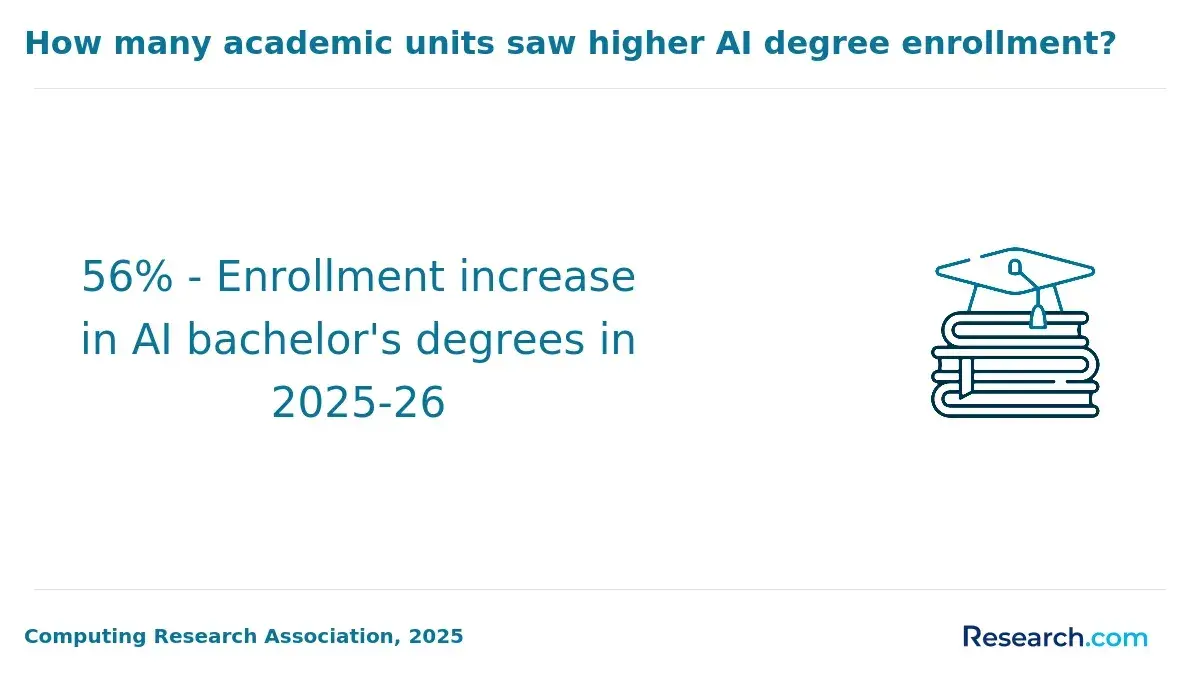
What topics and skills are covered in a typical AI policy rollout course curriculum?
Courses on AI policy rollout focus on equipping professionals with skills for responsible AI governance, covering key areas such as AI risk assessment frameworks, ethics, and regulatory compliance. They address challenges like bias, privacy breaches, and societal impacts, preparing students to identify and mitigate these risks effectively.
Training emphasizes navigation of current laws and policy standards, including data governance, transparency mandates, and accountability in AI applications across sectors. Stakeholder engagement and cross-sector collaboration skills ensure policies are practical and aligned with real-world needs.
The OECD's 2024 "State of Implementation of AI in the Public Sector" report notes that 74% of governments cite a shortage of civil servants trained in AI risk, ethics, and regulation, highlighting the importance of such education.
Technical literacy is also key, covering basics of machine learning, algorithmic decision-making, and data lifecycle management, enabling policymakers to critically assess AI solutions without deep programming knowledge.
Students often engage with practical case studies and simulations to draft AI auditing frameworks, impact assessments, and continuous monitoring policies suited for healthcare, criminal justice, and urban planning contexts.
Additionally, many programs include international standards and comparative policy analysis to prepare professionals for global coordination and evolving AI governance trends.
How long do AI policy rollout programs take and what do they cost online?
Online AI policy rollout programs typically last between 4 and 12 weeks, tailored to different audiences and course depth. Executive or managerial tracks usually take 4 to 6 weeks, requiring 3-5 hours per week, focusing on governance principles. More detailed programs aimed at specialists cover regulatory frameworks, ethical issues, and practical implementation over up to 12 weeks.
Costs vary widely based on provider prestige, course content, and format. Entry-level courses start from $300 to $800, with mid-tier options-including certification and live sessions-ranging from $1,000 to $2,500. Premium programs offering personalized mentorship or expert access can exceed $3,000. Bundle packages combining multiple modules may offer better value.
Key factors to consider:
- Time commitment versus course comprehensiveness
- Certification availability and employer subsidies
- The strategic value of AI governance expertise in compliance and risk roles
Investing in AI policy education aligns with trends noted in PwC's 2024 Global CEO Survey, where 54% of CEOs plan to increase spending on AI workforce training within three years-up from 23% in 2021. Flexible pacing combined with verified certificates suits working professionals balancing career growth with ongoing responsibilities.
What careers can AI policy rollout training lead to in government, industry, and nonprofits?
Training in AI policy rollout equips professionals to work across government, industry, and nonprofit sectors, addressing the ethical and regulatory challenges of AI technology. In government, roles such as AI policy advisors and compliance officers focus on creating and enforcing governance frameworks, drafting legislation, and managing AI-related public risks. Within industry, positions like AI ethics officers and risk managers oversee transparency, bias mitigation, and ethical implementation strategies. Nonprofits seek experts who lead advocacy, perform impact assessments, and promote fair AI use in vulnerable communities.
The demand for AI policy expertise is rapidly increasing. Coursera's 2025 Global Skills Report notes a 310% rise in enrollments for AI ethics and governance courses between 2022 and 2024, with completion rates 9 percentage points higher than average. This trend highlights strong learner commitment to entering these fields.
Core skills include risk analysis, ethical framework development, stakeholder communication, and compliance monitoring. Graduates apply these skills to address challenges like algorithmic bias and data privacy-for example, designing policies to regulate facial recognition or implementing transparent AI audits in corporations. Advocacy for marginalized groups affected by automated decision systems is also a key focus for nonprofit professionals.
Success in AI policy careers requires continuous learning to keep pace with evolving technology and legislation, ensuring responsible AI governance in diverse organizational environments.
What salary ranges and job outlook can AI policy and governance specialists expect?
AI policy and governance specialists in the United States typically earn between $80,000 and $150,000 annually. Entry-level positions start around $80,000, while senior roles with advanced degrees or extensive compliance experience can surpass $140,000. Salaries are often higher in major metropolitan areas and leading technology firms.
The demand for professionals in AI policy is growing swiftly due to increased regulatory scrutiny and corporate investments in AI risk management. Organizations with structured AI risk-management and policy-training programs are 3.5 times less likely to experience material AI-related compliance incidents, according to a 2024 McKinsey survey. This highlights the critical need for specialists skilled in ethical, legal, and operational AI considerations.
Career paths include AI compliance officers, ethical AI strategists, and regulatory affairs specialists, particularly in finance, healthcare, and government sectors. Employers favor candidates with interdisciplinary knowledge spanning technology, law, and ethics. Enhancing AI policy literacy through certifications and courses can improve employment and salary prospects.
Graduates and professionals should prioritize building expertise in AI legislation, risk frameworks, and effective stakeholder communication to take advantage of expanding opportunities in this evolving field.
How can learners choose a reputable AI policy rollout course that fits their goals?
Choosing a reputable AI policy rollout course means aligning your choice with your career goals and learning needs. Evaluate curricula for comprehensive coverage of AI governance, ethical use, compliance frameworks, and policy implementation strategies. Prioritize courses with case studies and regulatory insights relevant to your industry-for example, public sector professionals may focus on government regulations, while corporate leaders might emphasize risk management and organizational adaptation.
Check the credentials of instructors and sponsoring institutions. The best courses come from recognized universities, think tanks, or organizations with proven expertise in AI ethics and policy. Partnerships with established bodies add credibility and ensure content is current and accurate.
Course format matters: look for online options with flexibility, such as self-paced or cohort-based classes, that include interactive elements like webinars, peer discussions, and project work. Participant feedback can offer valuable insights into course effectiveness and real-world applicability.
Also consider how learning outcomes are assessed, including assignments, tests, or certifications. Certifications from credible institutions enhance your professional profile by demonstrating AI policy proficiency to employers.
The World Economic Forum's 2025 Future of Jobs update highlights AI governance and ethical use of AI as growing by 54% in demand through 2029, underlining the value of quality training to stay competitive in this dynamic field.
Other Things You Should Know About Artificial Intelligence
Ethical concerns in artificial intelligence policy primarily focus on issues like bias, transparency, accountability, and privacy. Policymakers must address how algorithms might reinforce discrimination and ensure systems remain explainable to users. Safeguarding personal data and setting standards for responsible AI deployment are also key ethical priorities in policy development.
Governments regulate artificial intelligence by creating laws, guidelines, and frameworks that promote innovation while managing risks. This often includes data protection regulations, standards for safety and fairness, and requirements for impact assessments. Some countries also establish dedicated agencies or task forces to oversee AI development and its societal implications.
A good AI policy rollout course in 2027 should cover recent regulatory developments, ethical considerations, and best practices in AI governance. It should be taught by experts in the field, include case studies, and offer interactive elements for practical understanding.
Policies aimed at mitigating bias in AI systems typically require rigorous testing, transparency, and inclusive datasets. Regulations can mandate audits to detect unintended biases and enforce corrective measures. Encouraging diversity in AI development teams and public participation in policy discussions also helps reduce systemic biases in AI applications.
References
- Evaluating the Impact of Institutional Accreditation on Armenian Universities: An AI-Assisted Text Analysis Approach https://www.eua.eu/publications/conference-papers/evaluating-the-impact-of-institutional-accreditation-on-armenian-universities-an-ai-assisted-text-analysis-approach.html
- The AI Boom In Executive Education: What You Can Study Right Now At The World's Top B-Schools https://poetsandquantsforexecs.com/exec-ed/the-ai-boom-in-executive-education-what-you-can-study-right-now-at-the-worlds-top-b-schools/
- AI Policy Clinic https://www.caidp.org/global-academic-network/ai-policy-clinic/
- Best AI Courses & Certificates Online 2025 https://everworker.ai/blog/best-ai-courses-certificates-online-2025
- Corporate AI Training: Lessons From Moderna's AI Academy | IntuitionLabs https://intuitionlabs.ai/articles/corporate-ai-training-moderna-academy
- Google AI Professional Certificate | Become Fluent in AI at Work https://grow.google/ai-professional/
- Guide to working in artificial intelligence policy and strategy https://80000hours.org/articles/ai-policy-guide/
- AI Governance Salaries 2026: $65K to $400K+ (20 Roles) https://techjacksolutions.com/ai-governance-salary-data/
- Crafting Thoughtful AI Policy in Higher Education: A Guide for Institutional Leaders - Faculty Focus | Higher Ed Teaching & Learning https://www.facultyfocus.com/articles/academic-leadership/crafting-thoughtful-ai-policy-in-higher-education-a-guide-for-institutional-leaders/
- New Use of Artificial Intelligence Accreditation Policy and Procedures - Middle States Commission on Higher Education https://www.msche.org/2025/07/02/new-use-of-artificial-intelligence-accreditation-policy-and-procedures/