2027 Best AI Strategy Courses for Executives

Co-Founder and Chief Data Scientist
Executives often face challenges in integrating AI strategies amid rapid technological change and complex market demands. Without clear guidance, leaders risk misaligned investments or missed opportunities that can impact their organization's competitiveness. Many find it difficult to identify practical courses that balance foundational knowledge with strategic applications tailored to executive roles.
This article evaluates top AI strategy courses designed to equip professionals with actionable insights and adaptable skills. It highlights flexible and accredited programs that support career pivots into AI fields, ensuring executives can confidently lead digital transformation initiatives and drive informed decision-making.
Key Things You Should Know
- Executive AI strategy courses in 2026 emphasize practical leadership skills, with over 70% focusing on real-world business applications and ethical AI use for informed decision-making.
- More than 60% of top programs incorporate interdisciplinary curricula combining AI technology, data analytics, and organizational management to equip executives for emerging challenges.
- Enrollment in executive AI strategy programs grew by 35% from 2024 to 2025, reflecting increased demand for AI-savvy leadership amid rapid industry digital transformation.
Advance Your Career with AI Online Courses
Artificial Intelligence: Implications for Business Strategy
This program provides an introduction to Artificial Intelligence and their implications for business strategy. Earn an official digital certificate.

Oxford Artificial Intelligence Programme
Explore this Oxford Artificial Intelligence programme offered in a flexible learning environment and explore topics like machine learning, automation, and robotics.

Implementing Agentic AI: Building Your Organizational Playbook
This online MIT Agentic AI course offers a practical approach to deploying AI agents in your organization, including a custom playbook. 3 weeks, exclusive launch price.

AI Adoption: Driving Business Value and Impact
This online MIT AI Adoption: Driving Business Value and Impact offers practical frameworks to close the gap between AI potential and business reality.

Artificial Intelligence in Pharma and Biotech
Discover the applications and limitations of artificial intelligence in pharma and biotech with this MIT online short course.

What are AI strategy courses for executives?
AI strategy training for executive leadership equips senior leaders with the essential knowledge to integrate artificial intelligence into business innovation and decision-making. These corporate artificial intelligence strategy courses focus on understanding AI technologies, managing AI-driven transformations, and aligning initiatives with overall company strategy. Participants gain skills to identify realistic AI use cases, evaluate ethical concerns, and lead cross-functional teams effectively.
Course content often covers AI fundamentals, data strategy, governance, and impact assessment. Some programs emphasize leadership capabilities to oversee AI projects, while others provide frameworks to scale AI applications across marketing, operations, and risk management. Executives learn practical frameworks, scenario planning, and case studies to guide strategic investments and change management.
Typical coursework may include:
- Evaluating AI maturity and readiness in organizations.
- Integrating AI with digital transformation strategies.
- Ethical, legal, and societal impacts of AI deployment.
According to McKinsey's global AI survey, executives developing AI skills help their firms achieve up to 3.5 times higher profit margins compared to competitors slow to adopt AI. Investing in these skills not only fosters innovation but also delivers measurable financial returns. For professionals interested in the career benefits of AI education, exploring the artificial intelligence degree salary data can provide valuable insights.
Advance Your Career with AI Online Courses
Artificial Intelligence: Implications for Business Strategy
This program provides an introduction to Artificial Intelligence and their implications for business strategy. Earn an official digital certificate.
Oxford Artificial Intelligence Programme
Explore this Oxford Artificial Intelligence programme offered in a flexible learning environment and explore topics like machine learning, automation, and robotics.
Implementing Agentic AI: Building Your Organizational Playbook
This online MIT Agentic AI course offers a practical approach to deploying AI agents in your organization, including a custom playbook. 3 weeks, exclusive launch price.
Who should take an AI strategy course?
An AI strategy course is vital for executives and managers who guide digital transformation initiatives and must integrate emerging technologies into business operations. These courses help professionals understand how AI shapes competitive advantage and market dynamics across industries such as finance, healthcare, manufacturing, and retail. For instance, product managers benefit by aligning AI capabilities with customer needs and innovation pipelines, while strategy consultants develop expertise to advise clients on AI-driven business models effectively.
Executives undertaking executive training in artificial intelligence strategy gain critical skills for informed decision-making around AI investment, risk management, and workforce adaptation. They learn to assess vendor solutions and implement AI strategies that optimize performance while avoiding unnecessary costs and ethical risks. Human resources leaders also benefit by acquiring talent management skills essential for navigating the surge in demand for AI proficiency.
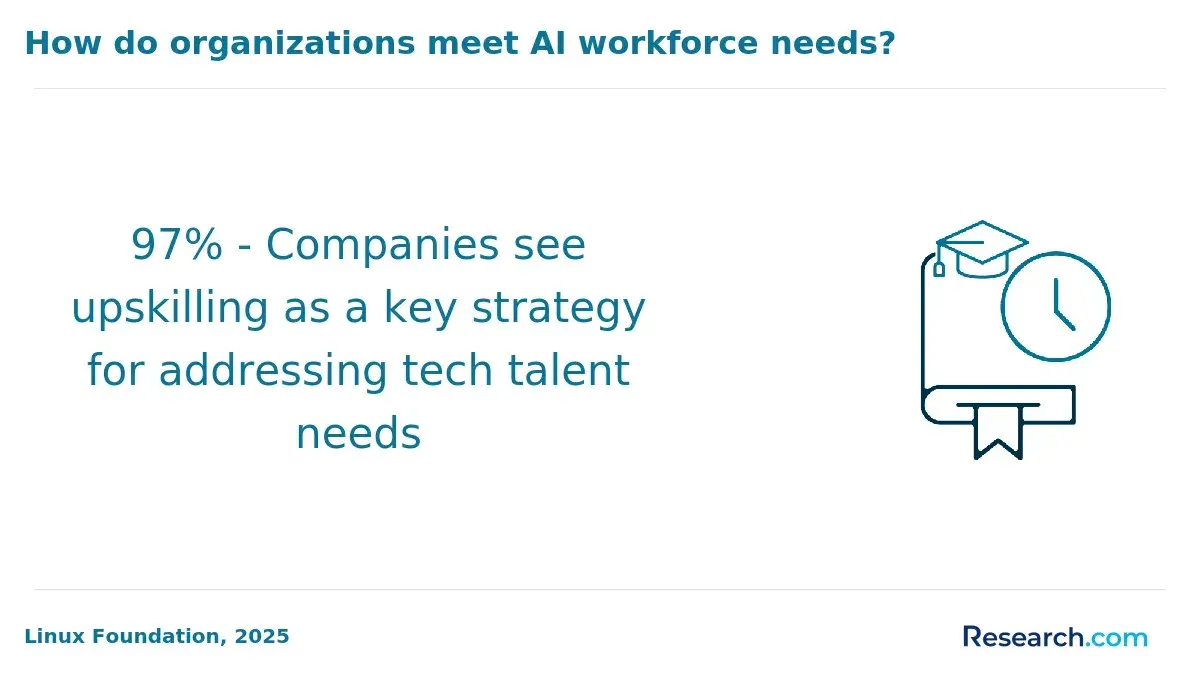
According to LinkedIn's Global Future of Work Report, job postings needing generative AI skills increased by over 1,000% worldwide between 2023 and 2024, emphasizing the urgent need for upskilling. Professionals involved in regulatory compliance and data governance gain essential knowledge to address evolving legal frameworks. Entrepreneurs and startup founders particularly gain insight into AI's role in scaling ventures strategically.
For those interested in affordable, accessible education options, exploring best online AI degree programs can be a valuable step toward gaining these competencies. In summary, ai strategy courses for business leaders suit anyone who must lead AI adoption, anticipate market disruptions, or align AI initiatives with long-term organizational goals.
How do executives choose the best AI strategy course?
Executives select the best AI strategy courses for executives by focusing on alignment with their business goals and current skill levels. Programs that combine practical frameworks and case studies on AI-driven market disruption offer valuable insights for real-world applications. The depth of course content, instructor expertise, and the balance between technical and managerial topics are critical factors to consider.
How executives select top AI strategy programs often depends on their background. Those without technical expertise need clear explanations of AI concepts, while experienced professionals may seek advanced studies on algorithms and AI ethics. Accreditation and partnerships with reputable institutions indicate program quality.
Flexibility is essential, as many executives prefer part-time online modules or intensive workshops to fit demanding schedules. Cohort-based courses enhance peer interaction, fostering better understanding and networking. Cost is a factor, but investing in recognized programs often yields a strong return. For example, LinkedIn Talent Insights shows U.S. leaders with AI expertise earn a median salary premium of about 21%.
Executives should verify if the course includes hands-on projects or strategic simulations to ensure skills are applicable and demonstrable on resumes. Prospective learners should ask:
- Does the curriculum address my industry's specific AI challenges?
- Are instructors current practitioners or researchers?
- What credentials or certifications will I earn?
- How does the course support ongoing learning post-completion?
Those interested in advanced education might explore an online PhD in AI to deepen expertise and career opportunities.
What topics do AI strategy courses cover?
AI strategy courses equip executives with essential skills to lead AI initiatives efficiently. Core topics cover AI fundamentals such as machine learning, natural language processing, and computer vision, which help learners grasp AI's capabilities and limitations. Executive courses on integrating artificial intelligence typically emphasize aligning AI projects with business models. This involves identifying AI use cases, evaluating technological feasibility, and prioritizing investments based on potential ROI and operational impact.
Risk management and ethical issues are key components, including training on data privacy laws, algorithmic bias, and transparency standards to promote responsible AI use. Compliance with regulations like GDPR and CCPA is often discussed. Change management is another critical focus area, covering how to build cross-functional AI teams, foster a data-driven culture, and manage workforce changes due to AI automation or augmentation. AI governance frameworks and performance metrics help leaders measure outcomes and ensure accountability.
Specialized content may address industry-specific AI applications, cybersecurity concerns, and advanced analytics techniques tailored to sector challenges. In fact, AI strategy frameworks for business leaders often include these practical modules.
According to MIT Sloan Management Review and BCG's "Achieving ROI with AI" study, organizations with senior leaders who completed formal AI training are 2.1 times more likely to report at least a 5% revenue increase from AI initiatives. For those exploring the financial aspect of related studies, understanding the computer science degree cost can be an important step in planning an AI-focused educational path.
Are online AI strategy courses better than campus programs?
Online AI strategy courses offer flexibility and accessibility, allowing busy executives to develop skills through self-paced modules and virtual collaboration without interrupting their careers. These programs are particularly advantageous for professionals outside major urban centers, eliminating the need for relocation or long commutes. Meanwhile, campus programs provide immersive networking and face-to-face interaction, which remain essential for in-depth strategic discussions and immediate feedback.
Many top business schools now enhance their online offerings with interactive case studies, live sessions, and cohort-based learning that closely resemble in-person experiences. Practical application is a key factor: online programs often feature real-world scenarios tailored to specific industries, while campus options typically provide superior access to hands-on labs and innovation hubs.
The rapid expansion of non-degree AI programs reflects growing demand for flexible, specialized education. According to data from the Graduate Management Admission Council (GMAC), listings of executive and non-degree AI courses at leading business schools increased by about 70% between 2022 and 2025.
Online courses suit executives seeking immediate skill application without disrupting existing work. Campus programs benefit those who prioritize networking and immersive learning environments. Hybrid models offer a blend of flexibility with direct participant engagement.
What admission requirements do executive AI courses have?
Admission requirements for executive AI strategy courses emphasize extensive professional experience, leadership skills, and a solid knowledge base. Candidates typically must have 5 to 10 years of relevant managerial or strategic work experience to effectively engage with advanced concepts and provide valuable organizational insights.
Most programs require a completed undergraduate degree, with flexibility in the field of study. Some elite courses prefer prior exposure to data science, technology management, or business analytics through education or work. This combination ensures executives understand both the technical and strategic aspects of artificial intelligence implementation.
Applications usually include a detailed resume, letters of recommendation, and a statement of purpose outlining career ambitions and alignment with AI strategy training. Some executive MBA-level programs may require standardized tests like the GMAT or GRE, although this is less common for shorter online or certificate formats.
Tuition typically ranges from US$2,500 to US$7,500 for short online courses and US$10,000 to US$25,000 for in-person, multi-day programs at leading institutions such as MIT Sloan, Wharton, and INSEAD. These fees reflect the comprehensive and exclusive nature of the curriculum. Prospective students should prepare for competitive selection processes that prioritize demonstrated executive potential and readiness to apply artificial intelligence expertise strategically within their organizations.
How long do AI strategy courses take, and what do they cost?
AI strategy courses for executives vary widely in length and depth, from short bootcamps lasting 3 to 5 days to comprehensive certificate programs extending up to 6 months. These intensive options often include live sessions, case studies, and project work to ensure practical understanding and strategic mastery.
Costs depend on program prestige, length, and delivery method. Short workshops typically range from $2,000 to $5,000, while longer, recognized programs from top institutes or business schools can cost between $10,000 and $25,000 or more. Programs offering personalized coaching or exclusive networking tend to command higher prices.
Enterprise investment in AI upskilling is growing briskly-over 60% increase in spending from 2023 to 2024-highlighting its importance in executive development. Large organizations may spend a median of US$4 million annually on AI education, emphasizing the growing strategic need for AI knowledge in leadership roles.
Executives should consider factors such as accreditation, faculty expertise, and peer cohort quality when choosing a course. Balancing course duration with business priorities and personal availability is crucial, especially for those integrating learning alongside full-time work. Online, part-time courses often provide necessary flexibility.
Which credentials or certificates are most valuable?
Executives leading artificial intelligence strategies benefit most from comprehensive credentials that blend technical knowledge with strategic business applications. Programs like the MIT Sloan Artificial Intelligence: Implications for Business Strategy and Stanford University's AI in Business Strategy equip leaders to make informed decisions without requiring deep coding expertise.
Important credential features include:
- Strategic frameworks to assess AI opportunities and risks in various industries.
- Data governance, ethics, and regulatory understanding essential for responsible AI implementation.
- Skills to connect AI teams with broader business units effectively.
- Case studies showcasing real-world AI-driven transformation.
Despite 75% of executives recognizing AI's critical role in business, only 28% of senior leaders feel confident making AI-related strategic decisions, according to PwC's CEO Survey on AI readiness. This highlights the demand for credentials that foster practical leadership beyond foundational concepts. Certificates from reputable institutions like Cambridge Judge Business School and Wharton's AI for Business program focus on preparing executives with a balance of AI insights, competitive strategy, and implementation leadership.
Credentials that include AI policy evaluation and change management training enable leaders to navigate operational challenges and scale AI integration beyond pilot projects. Professionals seeking validation of AI strategy skills should consider programs endorsed by respected business schools or industry groups such as the AI Executive Council, recognized by recruiters and boards alike.
What careers can AI strategy training support?
AI strategy training prepares professionals to integrate AI technologies that drive business innovation and value. Key roles benefiting from this expertise include AI product managers who oversee AI solution development aligned with company goals. AI strategy consultants analyze business models to recommend AI-driven transformations, helping organizations adapt to digital disruption. Executives such as chief technology officers (CTOs) and chief data officers (CDOs) also require AI strategy knowledge to lead technology adoption and data governance.
Additional careers leveraging AI strategy skills include innovation directors, business analysts, marketing strategists, and operational leaders. These professionals use AI to understand competitive dynamics, optimize customer acquisition, and improve supply chains and workflow automation, enhancing productivity.
Training in AI strategy equips individuals to tackle ethical deployment, risk management, and foster collaboration between technical and business teams. The rapid growth in executive education participation - with over 40% increase in C-suite engagement according to Wharton Executive Education - underscores the growing demand for strategic AI leadership. Prospective students should seek programs blending technical proficiency with business insight to create actionable AI roadmaps. Knowledge in AI governance, regulatory compliance, and change management is vital for sustainable adoption at scale.
What salary and job outlook can executives expect?
Executives completing advanced AI strategy courses often see significant salary improvements and strong job prospects. Senior roles like Chief AI Officer, Director of AI Strategy, and AI Product Lead in technology, finance, and healthcare typically earn between $150,000 and $250,000 annually.
Job growth for AI-focused executives is growing rapidly, with an expected compound annual growth rate (CAGR) of about 30% through 2028. This surge is driven by the rise of generative AI and intelligent agents, prompting over 80% of new AI executive courses by 2025 to include generative AI modules. These trends highlight key priorities for professionals pursuing AI leadership roles.
Executives must grasp both technical innovations and ethical challenges to stay competitive. Expertise in AI governance, data-driven decision-making, and AI-powered business transformation positions professionals for higher salaries and advancement. To maximize career potential, select AI strategy courses that emphasize generative AI and agent-based models. Employers seek candidates who can align AI capabilities with business goals, manage AI risks, and lead cross-functional teams efficiently.
Other Things You Should Know About Artificial Intelligence
Executives often encounter challenges such as data quality issues, integrating AI systems with legacy infrastructure, and managing organizational change. Additionally, ensuring ethical use of AI and addressing workforce impacts are critical concerns during implementation. Overcoming these hurdles requires a clear strategy, stakeholder engagement, and ongoing evaluation.
Artificial intelligence enhances decision-making by providing data-driven insights and predictive analytics, enabling executives to make more informed, timely choices. It can automate routine decisions, freeing leaders to focus on strategic priorities. However, executives must balance AI recommendations with human judgment to avoid overreliance on automated systems.
The best 2027 AI strategy courses for executives focus on practical application, offering insights into real-world implementation strategies. They include modules on AI ethics and regulatory compliance, case studies on successful AI integration, and opportunities for networking with industry leaders. These courses equip executives with the knowledge to drive innovative AI solutions in their organizations effectively.
Artificial intelligence is transforming leadership by enabling more agile and data-informed management styles. Leaders can leverage AI to identify emerging trends, optimize resource allocation, and personalize employee development. This shift requires executives to develop digital literacy alongside traditional leadership skills to effectively harness AI's potential.
References
- AI - Artificial Intelligence | London Business School https://www.london.edu/executive-education/ai
- Best AI Strategy Courses: No Tech Background Needed - Emeritus Online Courses https://emeritus.org/blog/best-ai-strategy-courses-nontech-leaders/
- AI for Executives: Top AI Training Programs (2025) https://www.corpoladder.com/blog/ai-strategy-leadership-training-executives
- Top 68 Executive Courses in Artificial Intelligence (AI) - Europe | EXECUTIVE COURSES https://executivecourses.com/schools/europe/subject/artificial-intelligence-ai
- Group https://www.datacamp.com/courses/artificial-intelligence-ai-strategy
- University Degree vs AI Bootcamp: Which is Best Career Path? https://agilefever.com/university-degree-vs-ai-bootcamp-which-is-best/
- Top Executives: Salary, career path, job outlook, education and more - RaiseMe https://www.raise.me/careers/management/top-executives/
- Executive Course in AI (Artificial Intelligence) - ENEB https://eneb.com/training-programs/executive-education/artificial-intelligence/
- Best AI Courses for Executives & Business Leaders https://www.cbtnuggets.com/blog/technology/devops/best-courses-ai-for-business-leaders
- Online vs Campus Artificial Intelligence Degree Programs: Complete Comparison https://hakia.com/compare/artificial-intelligence-online-vs-campus/