2027 Best AI Strategy Courses for AI Security Governance Teams

Co-Founder and Chief Data Scientist
Security governance teams face escalating risks as artificial intelligence technologies evolve rapidly, exposing organizations to novel threats and compliance challenges. Without targeted expertise, professionals struggle to design and implement effective AI security strategies that safeguard data integrity and regulatory adherence. This gap impacts risk mitigation efforts and undermines trust in AI deployments. Identifying robust educational pathways that deliver practical knowledge and strategic skills is critical for teams aiming to lead AI governance confidently.
This article explores the best AI strategy courses tailored for AI security governance teams, helping readers select flexible, accredited programs that equip them to manage AI risks effectively.
Key Things You Should Know
- Top AI strategy courses for 2026 emphasize governance frameworks addressing ethical, legal, and security risks, reflecting a 45% rise in demand for AI security expertise since 2024.
- Programs focus on interdisciplinary skills, combining AI technical knowledge with policy, risk management, and regulatory compliance, critical for AI security governance teams.
- Employers prioritize candidates trained in secure AI deployment and risk mitigation; certifications correlated with a 30% salary premium in AI governance roles.
Advance Your Career with AI Online Courses
Artificial Intelligence: Implications for Business Strategy
This program provides an introduction to Artificial Intelligence and their implications for business strategy. Earn an official digital certificate.

Oxford Artificial Intelligence Programme
Explore this Oxford Artificial Intelligence programme offered in a flexible learning environment and explore topics like machine learning, automation, and robotics.

Implementing Agentic AI: Building Your Organizational Playbook
This online MIT Agentic AI course offers a practical approach to deploying AI agents in your organization, including a custom playbook. 3 weeks, exclusive launch price.

AI Adoption: Driving Business Value and Impact
This online MIT AI Adoption: Driving Business Value and Impact offers practical frameworks to close the gap between AI potential and business reality.

Artificial Intelligence in Pharma and Biotech
Discover the applications and limitations of artificial intelligence in pharma and biotech with this MIT online short course.

What is an AI strategy course for security governance teams and who should take it?
An AI strategy training for security governance professionals equips teams with the skills to design frameworks that address AI risks, compliance, and ethical use within organizations. These courses focus on establishing governance policies, evaluating AI-related threats, and ensuring regulatory alignment. Key topics include AI model auditing, risk identification, data privacy, ethical deployment, and embedding AI governance into enterprise strategy.
Security governance teams artificial intelligence course benefits extend to security officers, compliance managers, and risk analysts overseeing AI adoption. With AI increasingly integral to critical operations, these roles must enforce standards that align with legal and ethical norms. For instance, a chief information security officer (CISO) intent on preventing AI-induced data breaches gains vital insights on AI-specific risk mitigation strategies.
According to IBM's Global AI Adoption Index 2024, firms citing "lack of AI governance and risk management" as an obstacle rose from 26% to 40%, highlighting the pressing need for AI strategy expertise in security governance. Ideal candidates coming from cybersecurity or IT governance benefit from specialized AI knowledge needed to lead risk assessments, establish AI ethics boards, and implement continuous monitoring.
Prospective students can enhance their credentials by exploring data science undergraduate rankings, which often include programs integrating AI governance components.
Advance Your Career with AI Online Courses
Artificial Intelligence: Implications for Business Strategy
This program provides an introduction to Artificial Intelligence and their implications for business strategy. Earn an official digital certificate.
Oxford Artificial Intelligence Programme
Explore this Oxford Artificial Intelligence programme offered in a flexible learning environment and explore topics like machine learning, automation, and robotics.
Implementing Agentic AI: Building Your Organizational Playbook
This online MIT Agentic AI course offers a practical approach to deploying AI agents in your organization, including a custom playbook. 3 weeks, exclusive launch price.
How do AI strategy courses prepare teams for AI risk, compliance, and governance frameworks?
AI strategy courses for risk and compliance management deliver practical training that equips teams with the tools to address AI risk, compliance, and governance frameworks aligned with evolving regulations. They cover critical topics like ethical AI use, data privacy, algorithmic bias, and transparency, helping students apply standards such as NIST's AI Risk Management Framework and the EU's AI Act to real-world challenges. These courses develop skills in risk identification, model evaluation, and mitigation techniques.
Training programs on AI governance frameworks for security teams focus on continuous monitoring, auditing, and maintaining governance post-deployment. Coursework often includes case studies on managing data provenance and preventing discriminatory outcomes in automated decision-making systems. As evidence of growing demand, roles involving AI governance and AI risk have risen by ~280% globally from 2022 to 2024, according to LinkedIn's 2025 Jobs on the Rise report.
These courses prepare teams to:
- Create AI governance frameworks tailored to organizational risk profiles.
- Develop compliance checklists based on legislation and industry guidelines.
- Implement ethical review boards and stakeholder engagement processes.
- Utilize technological tools for automated audit trails and impact assessments.
For those exploring advancement, an engineering degree online can complement AI governance expertise by providing a strong technical foundation to support compliance and security roles.
Which types of AI strategy programs are best for AI security governance professionals?
AI security governance professionals thrive when enrolled in strategy programs that blend technical expertise with regulatory and ethical frameworks. The best ai governance training programs for security professionals emphasize risk assessment, compliance management, and policy development, preparing candidates to navigate evolving regulatory landscapes. Practical DevSecOps integrations are essential, as they focus on secure AI deployment within complex infrastructures, a critical skill in governance roles.
Specialized certifications addressing AI governance frameworks, such as explainability protocols, bias mitigation, and data privacy laws, empower professionals to anticipate and mitigate AI-related risks effectively. Programs incorporating case studies of AI incidents and response strategies enhance crisis management abilities, crucial for governance teams.
Interdisciplinary curricula that combine AI strategy courses for security governance teams with cybersecurity principles are highly valuable. Fluency in AI model validation alongside cybersecurity threat knowledge enables the design of resilient governance policies. Courses fostering collaboration between technical and legal stakeholders improve communication skills necessary for aligning organizational AI use with external regulations.
Hands-on training with emerging compliance tools and continuous monitoring platforms equips candidates for real-time governance implementation, often distinguishing successful professionals in competitive job markets.
Compensation & Career ROI in AI Security and Governance Practical DevSecOps' 2026 salary analysis reports AI Governance Lead roles earning $160,000-$240,000+ annually, with top-tier packages projected to exceed $300,000 amid growing regulatory demands.
For those seeking advanced education options, the cheapest online PhD in cyber security programs can complement AI security governance expertise, expanding career and leadership opportunities.
What curriculum topics do leading AI strategy courses cover in security and governance?
Leading AI security governance frameworks and compliance training focus on developing expertise in risk management tailored specifically for AI. These courses address critical skill gaps, highlighting challenges such as AI model bias, adversarial attacks, and data privacy concerns. A key emphasis lies in frameworks that help organizations identify, assess, and mitigate AI-specific risks effectively.
Students learn to navigate evolving laws like the EU AI Act and various U.S. state regulations, with practical instruction on maintaining audit trails and system transparency. Corporate AI governance courses cover policy integration, decision rights, and accountability structures, ensuring AI initiatives align with ethical standards and organizational risk appetites.
Technical modules emphasize secure AI lifecycle management, including safe data usage, model validation, and continuous monitoring to detect risks. Training often includes incident response planning for AI-related failures and cyber threats against AI components.
Participants also explore strategic AI risk management and ethical governance through case studies and hands-on projects, frequently in sectors such as healthcare and finance.
Practical topics include:
- Assessing AI algorithm fairness and reducing bias
- Implementing AI explainability techniques for regulatory compliance
- Designing organizational AI risk oversight committees
- Aligning AI use with corporate ethical standards
Such comprehensive curricula help security and governance teams address staff skill shortages scientifically. Professionals seeking to expand their expertise or transition into AI roles may explore career options as an Ai trainer, integrating practical knowledge with leadership in AI governance frameworks.
How do online AI strategy programs compare with on-campus options for working professionals?
Online AI strategy programs offer unmatched flexibility, making them ideal for working professionals balancing full-time jobs and family commitments. These programs provide access to cutting-edge curriculum from top global institutions without needing to relocate or commute, allowing learners to progress at their own pace. This format supports rapid skill acquisition and upskilling through modular micro-credentials or certificates focused on specific AI governance challenges.
In contrast, on-campus programs deliver immersive experiences with direct faculty interaction, collaborative projects, and networking opportunities, which are valuable for roles requiring interpersonal skills in AI security governance teams. They often include deeper theoretical foundations and access to research facilities, suitable for those pursuing leadership or policy development positions.
Professionals should prioritize programs emphasizing practical case studies and compliance frameworks aligned with emerging regulations. Microsoft's 2025 Responsible AI Governance report reveals that 82% of large enterprises subject to the EU AI Act are boosting training budgets, while 61% are creating AI risk or governance roles. Some on-campus options integrate this through guest lectures from regulators and industry leaders.
What accreditation and institutional quality standards matter for AI strategy education?
Accreditation from recognized U.S. agencies such as the Accrediting Board for Engineering and Technology (ABET) or regional bodies like the Middle States Commission on Higher Education is essential when choosing AI strategy courses for AI security governance teams. Such credentials guarantee that the curriculum aligns with rigorous academic and industry standards.
Quality programs often feature faculty with deep expertise and partnerships with cybersecurity firms or AI ethics organizations, offering practical governance training. Courses that incorporate standards from the National Institute of Standards and Technology (NIST) or frameworks based on ISO/IEC guidelines emphasize best practices in AI security and governance.
Updated course content is crucial as AI governance demands evolve. For example, Gartner's 2025 Board of Directors survey indicates boards plan to devote an average of 6-10% of AI budgets to risk, security, and governance by 2026, up from 2-5% in 2023. Programs addressing budgeting, risk assessment, and compliance prepare students for this growing focus.
Practical learning, including case studies on AI failure modes and legal compliance simulations, correlates with higher institutional quality. Graduates endorsed by professional bodies such as the IEEE or International Association for Privacy Professionals (IAPP) often have stronger employability in AI governance roles.
What are typical admission requirements and time commitments for AI strategy certificates?
Admission to AI strategy certificate programs usually requires a bachelor's degree in STEM, business, or related fields, along with 1 to 3 years of relevant work experience in AI governance, compliance, or IT security. Some advanced programs also ask for prior coursework in data science, cybersecurity, or AI ethics. Mid-career professionals may qualify through equivalent experiential learning instead of formal degrees.
Program lengths vary by format: part-time options typically last 3 to 6 months with a weekly commitment of 5 to 10 hours, while full-time or accelerated tracks can finish in 8 to 12 weeks, demanding 20+ hours weekly. Online and hybrid formats offer flexible pacing but expect steady engagement with assignments and projects.
Courses emphasize practical skills through case studies and capstone projects focused on AI governance frameworks, compliance, risk management, and ethical deployment. With only 27% of organizations having adopted formal AI governance frameworks (Cloud Security Alliance), certified professionals boost their confidence in managing AI security risks by 2.3x, meeting increasing industry demand.
How much do AI strategy courses cost, and what funding or employer support is available?
AI strategy courses in 2026 range significantly in price, from about $500 for brief online modules to over $5,000 for extensive certifications or programs affiliated with universities. Entry-level courses on platforms like Coursera and edX typically cost between $500 and $1,500. More specialized training for security governance teams, including role-specific AI security and governance certifications, usually falls between $2,000 and $5,000. Executive and professional development courses from reputable institutions can exceed $7,000 based on length and prestige.
Many organizations recognize the benefit of sponsoring AI-specific education. A 2025 CSA study found that employers providing role-specific AI security and governance training to developers and security engineers reduced AI-related security incidents by 39%, highlighting the value of targeted learning.
Funding options often include employer sponsorships, tuition reimbursement, and professional development budgets, especially common in medium to large tech firms. Some courses also offer scholarships, installment plans, or corporate group rates to reduce financial strain. Professionals should inquire with HR about available benefits.
Employers may support time allocation for training, linking skill development with organizational resilience. For those without employer support, obtaining recognized industry certifications can enhance job prospects and justify the personal investment.
Evaluating courses by cost, flexibility, and job alignment is essential. Prioritizing role-specific content leads to better security risk reduction and career growth.
What career paths, roles, and industries can AI security governance training lead to?
AI security governance training prepares professionals for diverse roles focused on securing AI systems and ensuring ethical compliance. Common career paths include AI security analyst, AI risk manager, compliance officer specializing in AI, AI ethics advisor, and DevSecOps engineer with AI expertise. These positions involve creating and enforcing policies that address risks such as AI biases, data privacy, model vulnerabilities, and regulatory compliance.
Key industries hiring AI governance specialists include technology, financial services, healthcare, government, and defense. For instance, financial firms rely on AI governance experts to monitor algorithmic trading and fraud detection, while healthcare providers focus on protecting sensitive patient data used in AI diagnostics. Government and defense sectors increasingly require specialists for AI deployment in critical infrastructure and national security.
Certification costs vary significantly. According to Practical DevSecOps' 2026 comparison, top-tier AI security programs can exceed $5,250, whereas mid-range hands-on certifications average $799-$2,500. Budget-conscious candidates should target industry-recognized credentials that align with their specific career goals.
Emerging roles also include AI audit specialists and policy consultants who advise on governance frameworks. Mastery of AI governance models and security standards enhances employability across these roles, supporting organizations as they adopt advanced AI systems with dedicated governance focused on ethical, secure deployment.
What salaries and job outlook can AI security governance and risk leaders expect?
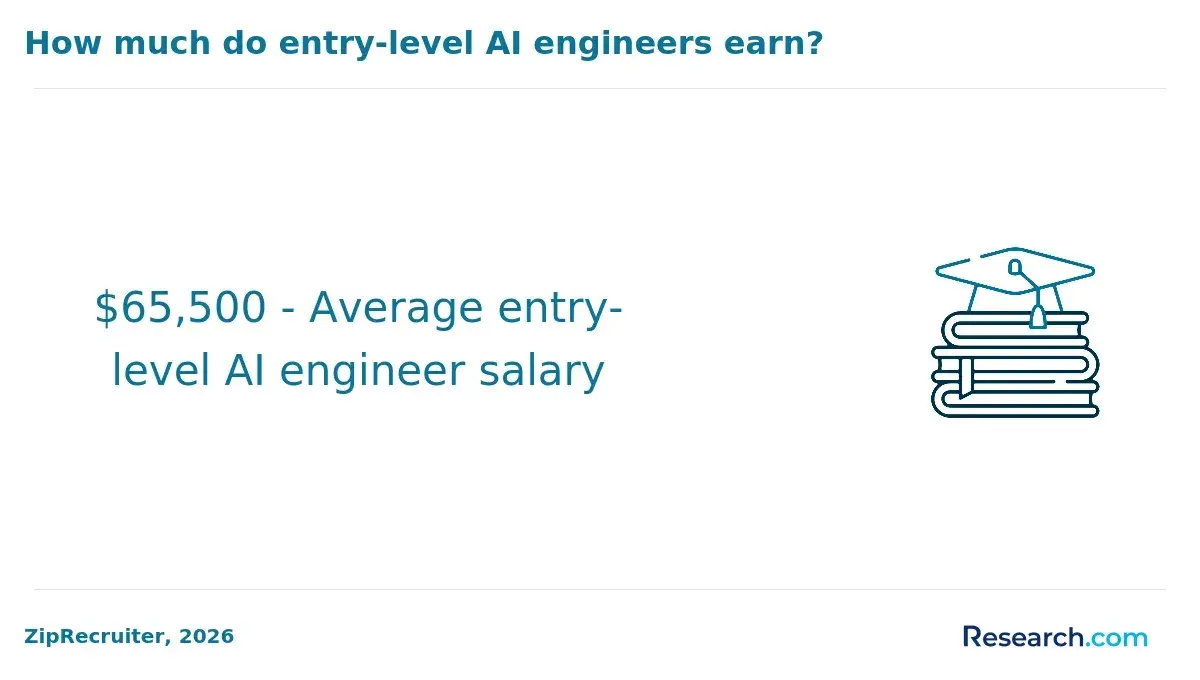
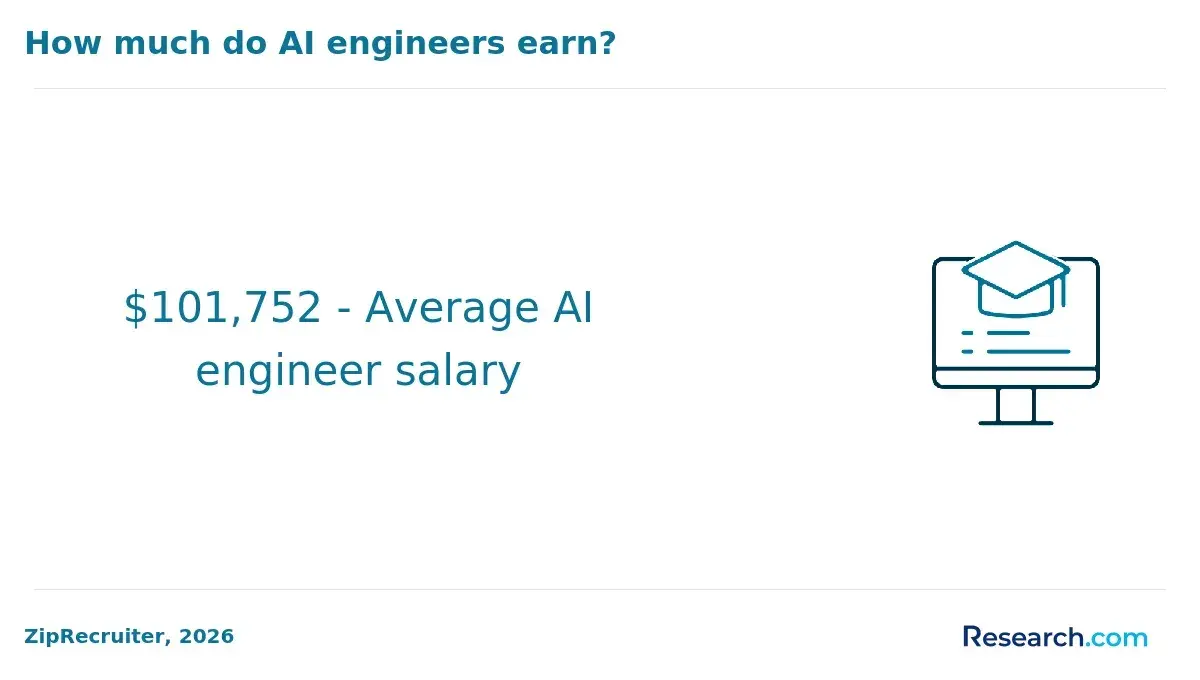
AI security governance and risk roles offer promising salary prospects and a robust job outlook. Entry-level positions typically start around $90,000 annually, while experienced managers and directors earn between $150,000 and $210,000, influenced by company size and location. Chief AI security officers or governance specialists at leading firms often surpass $220,000 yearly, reflecting their vital responsibilities.
Demand for these roles is rapidly increasing. PwC's 2025 Global AI Jobs Outlook forecasts over 30% annual growth in AI risk, security, and governance positions through 2030, outpacing general cybersecurity job growth. This surge is fueled by organizations emphasizing AI accountability, compliance, and ethical risk management.
Specialization significantly impacts compensation and job stability. Focus areas like data privacy compliance, algorithmic bias mitigation, or AI auditing are highly valued. Professionals skilled in navigating evolving federal and international AI regulations hold a competitive edge.
Job security remains strong as industries such as finance, healthcare, and government intensify their search for experts versed in AI risk frameworks and governance standards. Holding advanced certifications and training in AI security governance enhances salary negotiation leverage and career advancement opportunities.
Other Things You Should Know About Artificial Intelligence
Explainability is crucial in AI governance as it ensures transparency and accountability. By providing clear insights into AI decision-making processes, it builds trust among stakeholders, aids compliance with regulations, and supports ethical AI use in governance strategies. --- **Question** How important is interdisciplinary knowledge in AI security governance? **Answer** Interdisciplinary knowledge is essential in AI security governance. It fosters comprehensive strategies by integrating insights from fields like computer science, ethics, and law, ensuring robust and well-rounded governance frameworks. Such collaboration helps in addressing complex challenges effectively. --- **Question** Can AI strategy courses help with emerging AI regulations? **Answer** AI strategy courses are pivotal in helping teams understand and navigate emerging AI regulations. They offer insights into regulatory frameworks, compliance requirements, and best practices, empowering teams to develop strategies that align with current and anticipated regulatory landscapes. --- **Question** How is bias addressed in artificial intelligence governance? **Answer** Bias in AI governance is tackled through diverse training datasets, bias detection algorithms, and regular audits. These measures help ensure fairness and accuracy in AI applications, promoting ethical and unbiased decision-making in governance frameworks.
Yes, AI strategy courses often incorporate the latest developments in AI-related laws and regulatory frameworks. These courses enable security governance professionals to anticipate and implement compliance measures for evolving rules such as the EU AI Act or the U.S. Algorithmic Accountability Act. Staying informed prepares professionals to adapt strategies to global and industry-specific legal landscapes.
Interdisciplinary knowledge is critical in AI security governance because challenges span technical, ethical, legal, and organizational domains. Professionals benefit from understanding computer science, law, ethics, and risk management to develop comprehensive governance frameworks. This holistic approach ensures AI systems are secure, compliant, and aligned with societal values.
References
- AI Governance Shouldn’t Be an Adjunct to Your AI Strategy—It Should Be Integral to It https://www.pivotpointsecurity.com/why-ai-governance-belongs-in-ai-strategy/
- AI - Artificial Intelligence | London Business School https://www.london.edu/executive-education/ai
- Search Keywords https://www.knowledgeleader.com/blog/building-ai-governance-framework-practical-guide-risk-and-audit-teams
- Top AI Security Management Jobs and Career Paths You Can Pursue With an AAISM Certification https://destcert.com/resources/aaism-certified-jobs/
- AI Governance, Compliance, and Security for Enterprise Leaders Training Course https://www.nobleprog.pl/en/cc/aigovcomsec
- A guide to AI risk management | The Corporate Governance Institute https://www.thecorporategovernanceinstitute.com/insights/guides/a-guide-to-ai-risk-management/
- AI Governance Lead: AI Governance Role Description & Roadmap – 2026 - Tech Jacks Solutions - 2026 https://techjacksolutions.com/careers/ai-careers/ai-governance-lead/
- AI Governance Risk and Compliance Framework https://helium42.com/blog/ai-governance-risk-compliance
- Strategic Quality Assurance in Higher Education - OAED Website https://oxfordacademy.org.uk/strategic-quality-assurance-in-higher-education/
- AI Training for Employees 2026 — Programs, Costs & ROI Guide https://iternal.ai/ai-training-for-employees