2027 Best AI Governance Courses for Real Estate Valuation Teams

Co-Founder and Chief Data Scientist
Real estate valuation teams increasingly rely on complex models that integrate artificial intelligence to enhance accuracy. However, without proper governance, risks such as biased data, lack of transparency, and regulatory noncompliance can compromise outcomes and damage credibility. Teams face the challenge of implementing ethical frameworks and technical controls while keeping pace with rapid AI advancements.
This article explores the best AI governance courses designed for real estate valuation professionals, highlighting flexible, accredited programs that equip learners to manage AI-driven valuation tools responsibly and effectively, ensuring both ethical integrity and operational excellence.
Key Things You Should Know
- AI governance courses for real estate valuation teams emphasize ethical data use, bias mitigation, and regulatory compliance, crucial as 65% of U.S. property valuations start integrating AI tools by 2025.
- Leading programs focus on practical frameworks to oversee AI decision-making accuracy, addressing the $5 billion annual risk of misvaluations due to flawed algorithms.
- Certification in AI governance enhances team credibility and career prospects, with a 40% salary increase reported for professionals mastering AI ethics and law in real estate sectors.
Advance Your Career with AI Online Courses
Artificial Intelligence: Implications for Business Strategy
This program provides an introduction to Artificial Intelligence and their implications for business strategy. Earn an official digital certificate.

Oxford Artificial Intelligence Programme
Explore this Oxford Artificial Intelligence programme offered in a flexible learning environment and explore topics like machine learning, automation, and robotics.

Implementing Agentic AI: Building Your Organizational Playbook
This online MIT Agentic AI course offers a practical approach to deploying AI agents in your organization, including a custom playbook. 3 weeks, exclusive launch price.

AI Adoption: Driving Business Value and Impact
This online MIT AI Adoption: Driving Business Value and Impact offers practical frameworks to close the gap between AI potential and business reality.

Artificial Intelligence in Pharma and Biotech
Discover the applications and limitations of artificial intelligence in pharma and biotech with this MIT online short course.

What is AI governance for real estate valuation teams, and why does it matter now?
AI governance strategies for real estate valuation teams focus on establishing frameworks that ensure ethical, transparent, and compliant use of AI in property assessments. These frameworks help manage risks tied to data privacy, bias, and model accuracy, which are critical as AI tools increasingly influence valuation decisions. Proper governance includes standards for data quality, audit trails, model validation, and clear stakeholder accountability.
The importance of AI governance in property valuation is underscored by rapid adoption of generative AI in real estate. Industry surveys reveal a strong expectation of transformation driven by AI, yet many organizations lack formal governance mechanisms. This gap increases the risk of errors, financial misjudgments, and regulatory noncompliance, emphasizing the need for governance structures.
Effective AI governance for valuation professionals typically involves:
- Aligning AI outputs with regulatory requirements and appraisal standards.
- Reducing bias by carefully monitoring training data to avoid skewed results impacting specific property types or locations.
- Ensuring transparency so stakeholders clearly understand AI-driven valuation rationales.
- Supporting continual updates of AI models using current market data and feedback.
These measures build trust among lenders, investors, and policymakers while maintaining audit readiness through detailed documentation. Valuation teams equipped with governance knowledge can better navigate evolving regulations and technological advances. For those interested in pursuing careers related to AI in real estate, earning an AI degree offers a solid foundation in these essential skills.
Advance Your Career with AI Online Courses
Artificial Intelligence: Implications for Business Strategy
This program provides an introduction to Artificial Intelligence and their implications for business strategy. Earn an official digital certificate.
Oxford Artificial Intelligence Programme
Explore this Oxford Artificial Intelligence programme offered in a flexible learning environment and explore topics like machine learning, automation, and robotics.
Implementing Agentic AI: Building Your Organizational Playbook
This online MIT Agentic AI course offers a practical approach to deploying AI agents in your organization, including a custom playbook. 3 weeks, exclusive launch price.
What makes an AI governance course "best" for real estate valuation professionals?
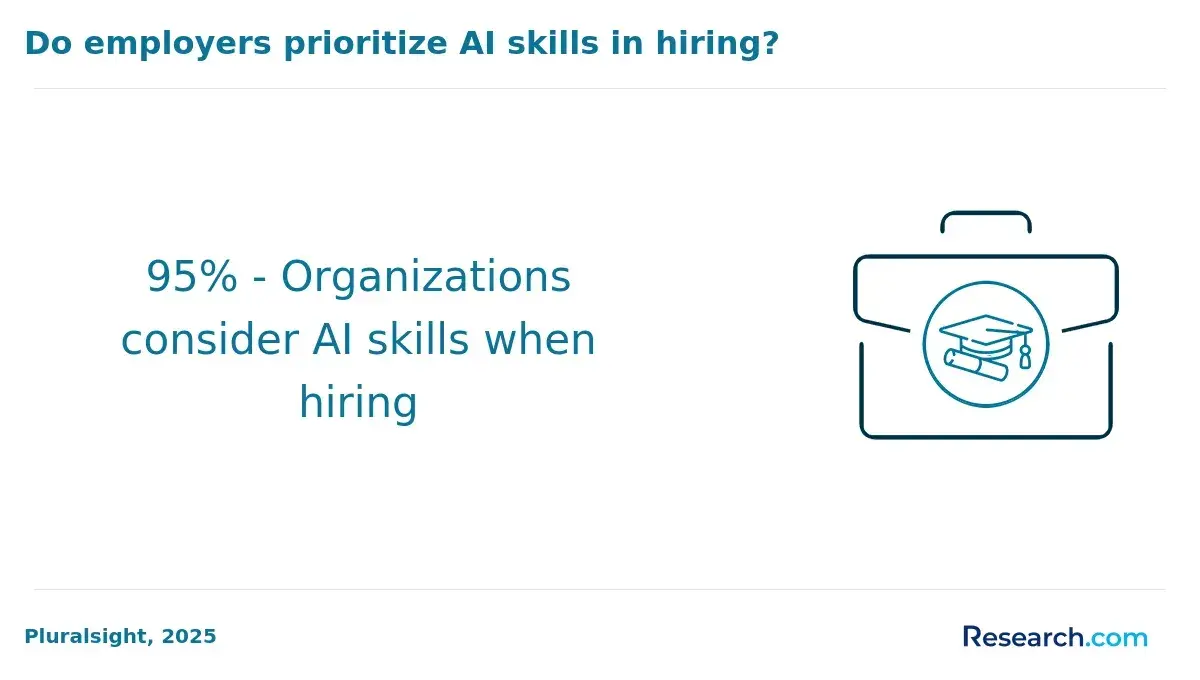
The best AI governance courses for real estate valuation teams emphasize practical compliance and risk management tailored to the sector's unique challenges. These programs equip professionals to navigate increasing regulatory pressures related to AI use in property appraisal with a clear, actionable framework. According to PwC's 2024 Global AI Jobs Barometer, real estate-related administrative services experience about 10 percentage points higher AI exposure than the average, yet only 20% of firms have robust AI risk and compliance systems in place.
Core components of top courses in AI governance for property appraisal include:
- Comprehensive coverage of regulatory standards focused on bias mitigation and data privacy laws.
- Case studies illustrating AI governance successes and failures in real estate organizations.
- Training on building and auditing AI risk management processes tailored to valuation workflows.
- Hands-on modules for improving AI model transparency, explainability, and fairness.
- Regular updates on changing legislation affecting automated valuation models (AVMs).
These courses also address aligning AI governance with broader organizational policies and ethical standards. Professionals learn methods to detect biases or anomalies that could impact appraisal accuracy or regulatory compliance. For individuals seeking more advanced or foundational knowledge, exploring reputable online AI degree programs can further enhance expertise and career prospects in this critical field.
Which types of AI governance programs are most relevant to real estate valuation teams?
AI governance frameworks for real estate valuation teams center on ethical AI use, risk management, data privacy, and regulatory compliance. These focus areas target challenges such as bias in automated valuation models, transparency in algorithmic decision making, and protection of sensitive client information. Effective programs emphasize practical AI ethics and governance implementation to detect and address inaccuracies that could affect financial results.
Training that includes AI model explainability helps valuation professionals understand and justify property estimates to stakeholders. Data governance courses ensure the integrity of property datasets and compliance with regulations like the Fair Housing Act and state-specific disclosure laws. Risk assessment instruction is crucial for identifying errors or manipulations that may undermine appraisal reliability.
Deloitte's 2024 State of AI in the Enterprise survey highlights that organizations with highly effective AI governance are 1.6 times more likely to report annual AI ROI above 20%. This demonstrates the value of focused AI governance education in valuation teams that often face challenges operationalizing AI responsibly.
Prospective learners should prioritize the best AI ethics programs for valuation teams, especially those that combine theory with practical case studies such as:
- Courses on ethical AI frameworks tailored for financial services
- Workshops addressing bias mitigation in AI property valuations
- Regulatory compliance training focused on data privacy in real estate transactions
For professionals interested in AI-related security aspects, exploring the best online cyber security degrees can complement governance knowledge and support career growth in this evolving field.
How do online AI governance courses compare with campus-based options for valuation teams?
Online AI governance courses versus campus-based training for valuation teams offer distinct advantages. Online AI governance education provides unmatched flexibility and rapid updates to reflect evolving regulatory and ethical issues surrounding automated valuation models (AVMs). These courses allow valuation professionals to integrate current case studies, including research showing bias risks, such as a Freddie Mac working paper revealing undervaluation of properties in majority-Black census tracts by 6-10% compared to similar homes in majority-White areas. This immediacy supports practical application of best practices.
Campus-based programs typically offer more immersive experiences, including hands-on workshops and direct access to domain experts, which may be valuable for teams seeking in-depth, multidisciplinary engagement with AI governance theory. However, these programs tend to be less flexible and slower in updating content.
Valuation teams focused on cost-efficiency and immediate applicability will generally benefit from online options, which often feature modular structures targeting specific topics like data ethics, model risk, or legal compliance. Professionals interested in networking and community-driven learning may find campus-based training preferable.
Those exploring relevant educational pathways can also consider online cybersecurity degree programs for veterans, which share similar benefits in flexibility and up-to-date content delivery. Both online and campus-based approaches must emphasize thorough bias mitigation, especially in light of the substantial fair-housing and bias risks documented by Freddie Mac.
What core topics and skills should AI governance courses for real estate valuation cover?
Courses designed for real estate valuation teams must emphasize AI ethics, regulatory compliance, and governance frameworks to ensure responsible deployment. Key components include bias mitigation, transparency, and accountability to prevent unfair valuations and discrimination. Data governance is crucial, covering data quality, secure handling, and privacy laws such as GDPR and CCPA that impact real estate datasets.
Technical skills in AI model development tailored to property data are essential. This involves algorithm selection, training with diverse datasets, and performance evaluation techniques like cross-validation and error analysis to maintain appraisal consistency across different neighborhoods.
Risk management frameworks specific to AI tools in real estate help address model degradation and establish human-in-the-loop processes when AI outputs diverge from market knowledge. Effective communication is also vital to clearly convey AI-driven insights to appraisers and clients, fostering trust in AI-assisted valuations.
The need for these skills is pressing. According to the 2024 IBM Global AI Adoption Index, 63% of real estate and construction executives identify limited AI skills as the top barrier to AI adoption. Tailored governance education empowers valuation teams to implement AI responsibly and confidently.
What admission requirements and prerequisites do AI governance programs typically expect?
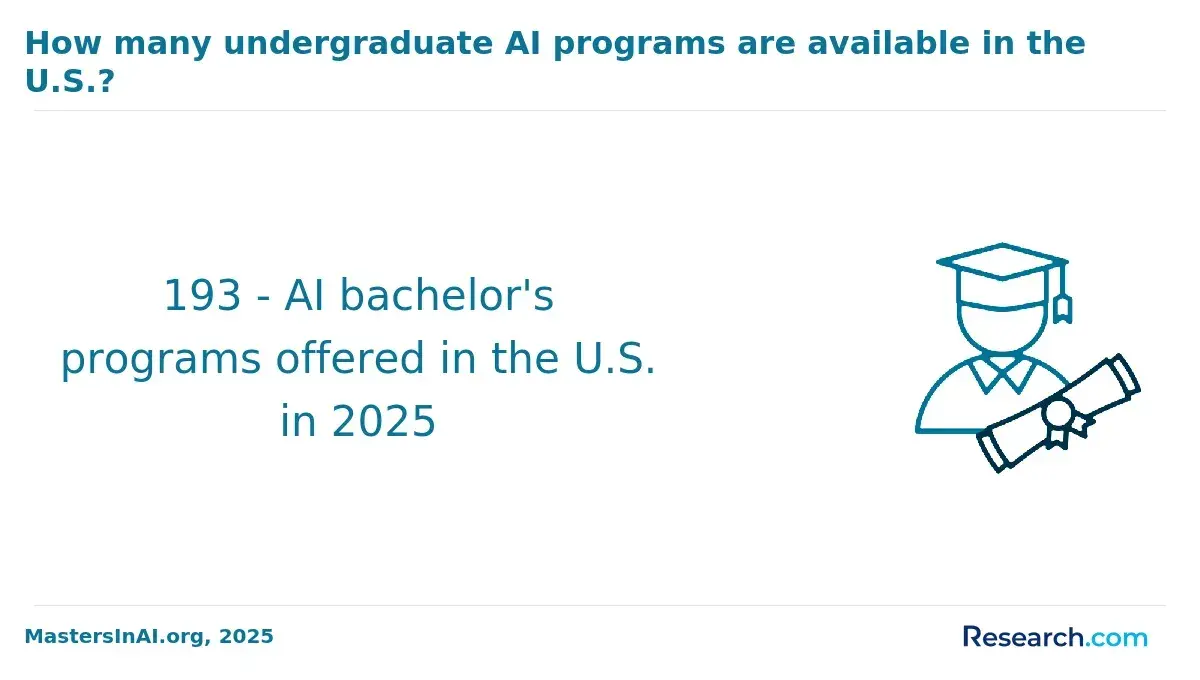
AI governance programs aimed at real estate valuation professionals generally require a bachelor's degree in fields such as computer science, data science, finance, or real estate. Many programs favor candidates with foundational coursework or experience in artificial intelligence, machine learning, or data analytics. Some advanced tracks also mandate 1-3 years of relevant experience in technology governance, risk management, or AI-driven real estate valuation.
Technical skills typically expected include proficiency in programming languages like Python or R, familiarity with cloud computing, and strong understanding of data privacy and cybersecurity principles. Candidates with knowledge of regulatory frameworks focused on AI ethics, compliance, and transparency often gain a competitive edge. For instance, some institutions request completion of introductory courses in AI ethics or data governance.
Given the critical importance of cybersecurity in AI-enabled real estate workflows, programs emphasize risk mitigation. IBM's 2024 Cost of a Data Breach report notes the average cost of data breaches in real estate reached $4.25 million, with AI environments suffering 15% higher costs than traditional breaches. This drives higher entry standards around confidentiality and breach prevention.
Applicants might also face interviews or submit portfolios showcasing prior AI projects, accompanied by statements of purpose outlining goals related to AI governance in real estate. Standardized test scores are becoming less important than demonstrated technical aptitude and governance experience. Preparing with coursework in AI ethics, cybersecurity, and real estate data applications improves admission prospects significantly.
How long do AI governance courses take and what do they cost for working professionals?
AI governance education tailored for real estate valuation professionals typically spans from 8 to 40 hours. Short courses, often completed within one to two weeks, emphasize foundational governance principles, ethical issues, and compliance requirements. Extended programs lasting over a month delve into advanced topics such as risk management, regulatory frameworks, and strategies for integrating AI into valuation workflows.
Pricing depends on course duration, provider, and content depth. Entry-level options generally range from $300 to $800, while comprehensive certifications from universities or reputable organizations can cost between $1,200 and $3,000 or more. Many providers offer flexible payment plans or employer-sponsored programs, addressing the needs of professionals balancing work and study.
Demand for AI governance expertise in real estate is increasing rapidly, but supply remains limited. According to LinkedIn's 2024 Future of Work Report, job postings mentioning AI in this sector grew 37% year-over-year, while candidate profiles listing these skills rose by only 12%. This skills gap highlights the need for accessible and efficient upskilling solutions.
How does accreditation work for AI governance programs and why is it important?
Accreditation ensures AI governance programs meet industry and academic standards, confirming the quality and relevance of their curriculum. These programs undergo evaluation by recognized bodies, which review faculty expertise, course content, learning outcomes, and alignment with current AI regulatory and ethical frameworks. For real estate valuation professionals, selecting an accredited program means the skills gained are both credible and transferable, aiding career advancement.
Employer recognition is a key benefit of accreditation. Roles requiring intensive AI skills, including valuation and appraisal in business and finance, generally see around a 25% wage premium according to PwC's Global AI Jobs Barometer. This wage uplift highlights why verifying accreditation is essential for those seeking compensation growth and professional recognition.
Examples of reputable accrediting organizations include ABET, AACSB, and AI-focused professional associations. Their approval guarantees training on compliance, ethical considerations, and operational challenges such as data privacy, bias mitigation, and AI risk assessment-elements critical to automated real estate valuation models.
Prospective students should confirm if employers and industry groups regard the accreditation as valid and check whether programs offer continuing education units (CEUs) or certificates linked to accredited curricula. Without proper accreditation, graduates may struggle to prove their AI governance expertise's credibility to hiring managers or clients.
What career paths, roles, and advancement opportunities follow AI governance training?
AI governance training equips professionals in real estate valuation teams with skills in compliance, risk management, and data stewardship. Career paths emerging from this training include roles like AI Compliance Officer, who develops and enforces policies on algorithmic transparency and data ethics, and AI Risk Analyst, responsible for identifying biases and operational risks in AI valuation tools to ensure accuracy and regulatory compliance.
Leadership positions such as AI Governance Manager combine technical expertise with policy formulation, coordinating between data scientists, legal departments, and valuation experts to manage AI implementation risks. Despite the growing use of AI tools by 53% of commercial real estate professionals, only 18% of organizations maintain clear AI governance policies (National Association of Realtors).
Additional roles include Policy Analyst, assessing regulatory landscapes for AI application in valuation, and Ethics Auditor, who monitors the ongoing impact of algorithms on property assessments. Professionals with governance expertise can advance to chief data officer or chief risk officer positions, overseeing enterprise-wide AI strategies.
Are there industry certifications or professional standards in AI governance for real estate?
Industry certifications and professional standards are increasingly addressing AI governance tailored for real estate valuation teams. Leading organizations now offer credentials such as the Certified Ethical Emerging Technologist (CEET) and AI Risk Governance Professional (AIRGP), which include essential modules on valuation accuracy, algorithmic bias mitigation, and compliance with evolving regulatory frameworks.
These programs equip professionals to manage AI model development and deployment with a focus on transparency and accountability in property assessments. Typical certification curricula cover topics like data integrity, fairness audits, and interpretability techniques directly relevant to automated valuation models used in mortgages and investment decisions.
Professional standards for AI governance in real estate align closely with broader ethics frameworks such as IEEE's Ethically Aligned Design and ISO/IEC AI management guidelines. Tailoring these standards to real estate helps firms meet fiduciary duties and regulatory compliance while enhancing stakeholder trust.
The demand for AI ethics, policy, and governance expertise in real estate is growing rapidly. According to Coursera's 2025 Industry Skills Report, enrollments in these courses rose by 76% globally from 2023 to 2024, with finance and real estate as key drivers. Pursuing these certifications provides a pathway for professionals aiming to navigate AI complex risks in valuation.
Other Things You Should Know About Artificial Intelligence
Bias in artificial intelligence can lead to inaccurate property valuations by perpetuating existing prejudices or data imbalances. If AI models are trained on historical data that reflects unfair practices or lacks diversity, their outputs may disadvantage certain neighborhoods or property types. Recognizing and mitigating bias is crucial to ensure fair and objective valuation results.
Data privacy is a fundamental concern in AI governance, especially when handling sensitive property and client information. Real estate valuation teams must ensure compliance with data protection regulations and implement secure data handling practices. Proper governance frameworks help minimize risks related to unauthorized access or misuse of data by AI systems.
AI governance frameworks promote transparency by requiring clear documentation of AI algorithms, data sources, and decision-making criteria. This allows valuation teams to explain how AI tools reach their conclusions, enhancing trust with clients and regulators. Transparency is essential to verify that AI decisions align with ethical and professional standards.
Courses such as MIT's AI Governance for Real Estate and Stanford's Real Estate AI Integration Course offer specialized training to tackle the challenges of integrating AI governance into existing real estate valuation workflows with practical, real-world applications.
References
- AI Governance Career Guide - EvalCommunity Academy https://academy.evalcommunity.com/ai-governance-career-guide/
- AI Governance in Higher Education: A Practical Framework for Institutions in 2026 | Guides | LearnWise https://www.learnwise.ai/guides/ai-governance-in-higher-education
- Artificial Intelligence (AI) in Real Estate Development... https://oxford-management.com/course/artificial-intelligence-in-real-estate-development-and-facilities
- Certified AI Governance Professional (AIGP) | NobleProg Poland https://www.nobleprog.pl/en/aigp
- AI Governance Professional Training - Swiss Cyber Institute https://swisscyberinstitute.com/ai-governance-professional-training/
- Artificial Intelligence in Real Estate https://www.nar.realtor/artificial-intelligence-real-estate
- An AI governance certification will boost your career | The Corporate Governance Institute https://www.thecorporategovernanceinstitute.com/insights/guides/an-ai-governance-certification-will-boost-your-career/
- Student Feedback https://www.oxfordhomestudy.com/courses/ai-courses-online/artificial-intelligence-and-real-estate
- AI Governance Certification 2026: Top Options + Alternative https://blog.exceeds.ai/best-ai-governance-certifications-2026/
- AI Governance for Higher Education Institutions in Asia - United Board https://unitedboard.org/programs/digital-content-and-programming/ai-governance-for-higher-education-institutions-in-asia/