2027 Best Wharton Online AI Courses for AI Adoption

Co-Founder and Chief Data Scientist
Many professionals face challenges transitioning into the artificial intelligence field due to a lack of accessible, relevant education tailored for non-technical backgrounds. Traditional degree programs demand significant time and prior expertise, creating barriers for those seeking flexible, credible learning paths. This gap hinders timely adoption of AI skills crucial for career advancement and industry relevance.
This article explores the best Wharton online AI courses designed to bridge these gaps, offering practical, accredited options for graduate students and working professionals. It will guide readers in selecting programs that align with their goals and facilitate effective AI adoption.
Key Things You Should Know
- Wharton's 2026 AI courses focus on practical AI adoption strategies, emphasizing real-world business integration and leadership in transformative technologies.
- Recent curriculum updates reflect 2024-2025 trends, including advanced machine learning applications and ethical AI deployment, responding to a 37% industry demand increase.
- Courses offer flexible online formats, enabling working professionals to gain cutting-edge skills while balancing careers, with a 92% program satisfaction rate reported in 2025 surveys.
Advance Your Career with AI Online Courses
Artificial Intelligence: Implications for Business Strategy
This program provides an introduction to Artificial Intelligence and their implications for business strategy. Earn an official digital certificate.

Oxford Artificial Intelligence Programme
Explore this Oxford Artificial Intelligence programme offered in a flexible learning environment and explore topics like machine learning, automation, and robotics.

Implementing Agentic AI: Building Your Organizational Playbook
This online MIT Agentic AI course offers a practical approach to deploying AI agents in your organization, including a custom playbook. 3 weeks, exclusive launch price.

AI Adoption: Driving Business Value and Impact
This online MIT AI Adoption: Driving Business Value and Impact offers practical frameworks to close the gap between AI potential and business reality.

Artificial Intelligence in Pharma and Biotech
Discover the applications and limitations of artificial intelligence in pharma and biotech with this MIT online short course.

What makes Wharton's online AI courses stand out for business-focused AI adoption?
Wharton's online AI courses for business leaders excel by merging technical insights with practical business applications, focusing on how AI generates value in customer operations, marketing, sales, R&D, and software engineering. This targeted approach is aligned with research identifying key sectors where generative AI could add $2.6-$4.4 trillion annually. Learners master real-world use cases that directly affect revenue and operational efficiency.
Unlike generic programs centered mainly on theory or coding, Wharton business-focused AI adoption training emphasizes strategic frameworks and hands-on projects. Participants learn to build AI-powered customer segmentation and predictive sales analytics models tailored to their organizations. Experienced faculty guide learners through assessing risks, ethical concerns, and regulatory challenges relevant to enterprise AI deployment.
The modular design accommodates working professionals, allowing study at a flexible pace while maintaining depth. Students can specialize in industries like finance or supply chain, ensuring practical application to their roles. Case studies and projects simulate real business decisions, supported by meaningful data. Wharton's community fosters peer collaboration and access to industry experts, enhancing the implementation of AI initiatives.
For professionals aiming to expand their technical expertise efficiently, exploring accelerated computer science programs can complement this training by deepening foundational computing skills relevant to AI and beyond.
Advance Your Career with AI Online Courses
Artificial Intelligence: Implications for Business Strategy
This program provides an introduction to Artificial Intelligence and their implications for business strategy. Earn an official digital certificate.
Oxford Artificial Intelligence Programme
Explore this Oxford Artificial Intelligence programme offered in a flexible learning environment and explore topics like machine learning, automation, and robotics.
Implementing Agentic AI: Building Your Organizational Playbook
This online MIT Agentic AI course offers a practical approach to deploying AI agents in your organization, including a custom playbook. 3 weeks, exclusive launch price.
Which Wharton online AI courses are best for leaders, managers, and non-technical professionals?
Wharton's top online artificial intelligence courses for business leaders and non-technical professionals focus on strategic application rather than technical details. Programs like "AI for Business" help decision-makers grasp AI's impact on industries and guide AI adoption within organizations. These offerings emphasize practical frameworks, risk management, and real-world case studies over coding or algorithm design.
With 83% of organizations viewing AI as a strategic priority by 2025, up from 69% in 2023 according to the IBM Global AI Adoption Index, Wharton's courses meet the growing demand for AI literacy among executives. Non-technical managers can expect to develop skills in identifying AI opportunities, crafting AI-driven business models, and leading interdisciplinary teams implementing AI projects. This perspective aligns closely with the best Wharton AI training programs for non-technical managers.
Courses such as "AI for Business Leaders" simplify complex AI concepts, equipping managers to assess vendor technologies and oversee AI initiatives. Ethical and regulatory considerations are also addressed to ensure compliance and build public trust. These classes suit professionals aiming to:
- Understand AI's strategic implications
- Gain actionable insights for AI project sponsorship
- Lead organizational change bridging AI specialists and business units
In addition to AI education, prospective students interested in technical fields may find valuable the cheapest mechanical engineering degree online programs available, which offer flexible learning options to complement AI leadership training.
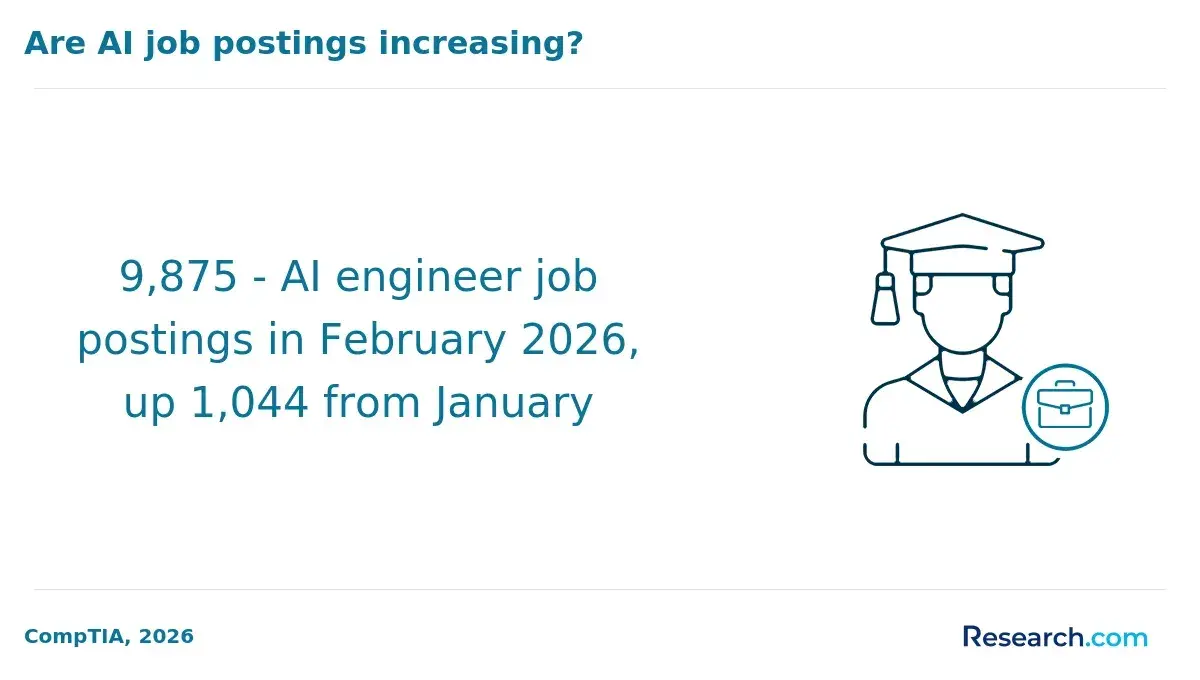
How do Wharton's online AI programs compare with other top universities for AI adoption?
Wharton's online AI programs rank highly in the United States by offering a business-centric curriculum tailored for professionals who want to lead AI adoption within organizations. Unlike many top global universities such as MIT or Stanford, whose AI courses focus heavily on technical development, Wharton blends AI applications with strategic business insights. This approach helps managers and executives bridge the skills gap by emphasizing AI leadership over model building-an important distinction highlighted in comparisons of Wharton AI courses with top global universities.
Participants in Wharton's "Artificial Intelligence for Business" course experience tangible career outcomes, with 61% reporting promotions or expanded responsibilities within 12 months compared to 33% for peers without AI training, according to the LinkedIn Workplace Learning Report 2025. This demonstrates the program's effectiveness in boosting professional growth through AI fluency.
Wharton's flexible online format suits busy professionals balancing work and upskilling. Key advantages include:
- Integration of AI concepts with business leadership and decision-making
- Strong emphasis on practical applications influencing organizational strategy
- Career advancement demonstrated through LinkedIn data
- Accessibility for non-technical professionals seeking AI fluency
For those exploring different educational paths, more specialized fields like online colleges for game design offer alternative career options. Wharton's online AI program rankings in the United States reflect its unique value in preparing professionals strategically, making it a top choice for business leaders focused on AI adoption rather than purely technical proficiency.
What topics and skills do Wharton's online AI adoption courses typically cover?
Wharton online AI adoption course curriculum covers essential topics enabling leaders to integrate AI effectively into business strategies. Key subjects include machine learning, natural language processing, and predictive analytics, with a focus on translating technical knowledge into actionable business insights. Professionals learn to identify valuable use cases and prioritize AI investments within their organizations.
Key skills learned in Wharton AI programs emphasize digital transformation frameworks that align AI initiatives with corporate goals. Students also assess ethical and regulatory implications, ensuring responsible AI deployment and compliance. Practical training includes designing AI-ready organizational structures, managing data governance, and leading cross-functional teams.
Case studies highlight successful adoption across industries, discussing challenges like change management, talent acquisition, and ROI measurement. Examples include a 30% boost in operational efficiency through AI-driven automation in finance and enhanced customer engagement in retail via personalized recommendations.
Leadership modules focus on fostering an AI-supportive culture and communication strategies to overcome resistance and achieve stakeholder alignment. Decision-making tools help evaluate the scalability and long-term impact of AI projects. According to Boston Consulting Group, companies investing in formal digital and AI strategy training are 2.4 times more likely to succeed.
For those interested in extending their expertise, pursuing an online PhD in data science can deepen knowledge and leadership in this evolving field.
Who should take Wharton's online AI courses, and are there any prerequisites?
Wharton's online AI courses target business leaders, managers, and professionals who want to integrate AI into strategic decisions and operations. Ideal learners include executives seeking to boost leadership analytics literacy, data analysts shifting to AI-driven roles, and entrepreneurs exploring AI adoption for competitive advantage. These courses focus on practical business applications rather than deep technical programming skills.
Prerequisites typically include a basic foundation in business concepts. Advanced technical knowledge or coding skills in AI are rarely required, though familiarity with statistics, data analysis, or business analytics enhances understanding. For example, professionals in finance, marketing, or operations benefit from AI courses that emphasize predictive analytics or customer segmentation.
The curriculum spans beginner to advanced levels, accommodating both newcomers and learners with some prior AI experience. Specialized modules cover topics such as AI ethics, risk management, and AI-driven innovation to address diverse professional interests.
As McKinsey's report on the state of AI in 2024 highlights, organizations leveraging advanced analytics and AI see EBITDA growth rates 7-9 percentage points higher than peers, underlining the importance of leadership analytics literacy taught in these courses.
Those facing AI adoption decisions or leading data-driven transformations find the programs highly practical. Students and graduates aiming for AI business roles gain actionable knowledge without needing an engineering background.
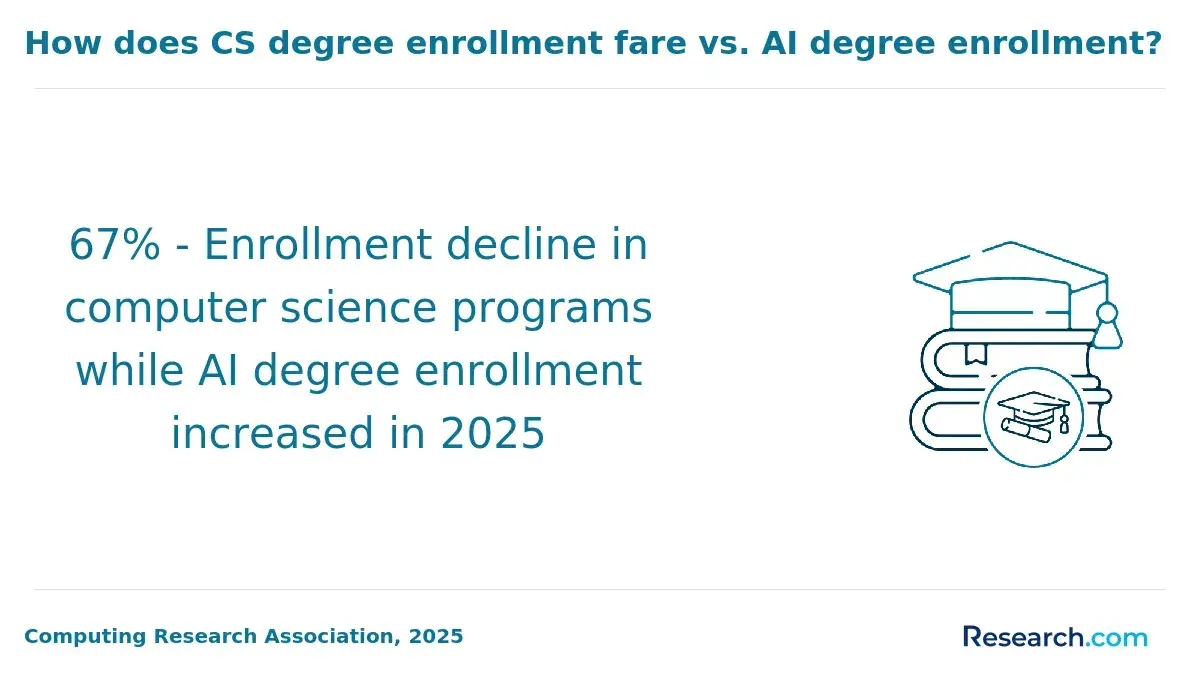
How are Wharton's AI courses delivered online, and how flexible are the formats?
Wharton's AI courses offer flexible online learning through asynchronous videos combined with interactive quizzes and real-world case studies. This format allows working professionals to progress at their own pace, balancing study with job responsibilities. Some courses also feature live virtual sessions, fostering direct interaction with instructors and peers to support collaboration and engagement.
Students typically have 6 to 12 months to complete their courses, with access to recorded materials for review at any time. The mobile-friendly platform and downloadable resources enable learning from anywhere, making it ideal for busy professionals or travelers.
Practical application is emphasized through project-based assignments that apply AI concepts to marketing, finance, or operations. This approach is particularly relevant as 60% of marketing leaders reported improved campaign performance due to AI, according to Salesforce's "State of Marketing" 10th Edition 2024, with 26% seeing gains above 25%. Such outcomes highlight the value of Wharton's flexible delivery tailored to real business impact.
Course formats include both cohort-based schedules and self-paced tracks, accommodating early career individuals and senior executives seeking skill upgrades without disrupting their workflows.
What do Wharton's online AI certificates cost, and are there funding options?
Wharton's online AI certificates range from about $2,600 to $4,800 depending on program length and focus. For instance, their AI for Business certificate costs around $3,200, while data analytics-intensive courses tend to be at the higher end. Investing in these certificates aligns with demonstrated career benefits; data from the LinkedIn Economic Graph "Global Skills Report" 2024 shows professionals with AI or machine learning skills receive 1.7 times more recruiter outreach compared to those without.
Funding options vary by program but commonly include financial aid, partial scholarships based on merit or financial need, and employer partnerships that subsidize costs. Applicants are encouraged to explore third-party student loans or income-share agreements to cover upfront fees. Many programs offer flexible payment plans or phased enrollment to ease financial pressures.
Prospective students should also investigate employer sponsorships and professional development funds, as well as workforce grants which can lower individual expenses. Transparent pricing and multiple funding pathways make these certificates accessible for a broad range of learners aiming to enter or advance in the growing AI job market.
What AI adoption careers and roles can Wharton's online AI training support?
Wharton's online AI training prepares professionals for roles that blend technical skills with strategic business leadership. Graduates often step into positions such as AI product managers, who guide the development and launch of AI-driven products aligned with market demands and business goals. Others become data strategists or business analysts, leveraging AI to craft data policies, generate actionable insights, and streamline decision-making across sectors.
Additional career paths include AI adoption specialists and transformation managers who drive organizational change by integrating AI technologies to boost efficiency and innovation. Roles like AI ethics officers ensure compliance with ethical and regulatory standards, while AI consultants advise on technology implementation and risk management. Marketing professionals use AI tools for improved customer segmentation and campaign effectiveness.
According to the Coursera Global Learner Outcomes Report 2024, 36% of learners in business-focused AI programs reported career advancement within 18 months, with median salary increases around 21%. This highlights how Wharton's online courses offer a proven route to leadership positions in analytics, AI-driven innovation, and digital transformation, addressing the critical challenge of harmonizing AI with human and organizational factors.
How do Wharton AI credentials impact salary potential and promotion opportunities?
Wharton AI credentials significantly boost salary potential and promotion prospects by equipping professionals with skills to scale and govern AI initiatives. As companies shift focus from experimentation to operationalization, mastery of AI governance is increasingly valued. Deloitte's "State of AI in the Enterprise" 6th Edition reports 62% of large enterprises now emphasize scaling and governance, highlighting demand for leaders who can navigate complex AI integration.
Employers appreciate Wharton credentials for blending technical knowledge with business strategy, enabling graduates to deliver measurable AI value. This often results in a 15% to 25% salary increase compared to peers without formal AI education, particularly in sectors like finance, consulting, and technology. Graduates skilled in AI project governance are more likely to advance into roles such as AI program manager or chief data officer.
Beyond salary, these credentials enhance visibility in competitive job markets and accelerate promotion paths within organizations prioritizing AI scale. Access to Wharton's extensive alumni network also supports executive-level opportunities.
Prospective students should:
- Focus on AI governance and ethical frameworks aligned with scaling priorities.
- Emphasize project management and cross-functional collaboration skills gained through Wharton AI studies.
- Utilize Wharton's case-study method to prepare for real-world AI leadership challenges.
How should students evaluate if a Wharton online AI course fits their goals and timeline?
Students evaluating a Wharton online AI course should align the content and pace with their career goals and time availability. Determine if the course focuses on technical skills, business applications, or a combination of both. The World Economic Forum's Future of Jobs Report 2025 forecasts a 27% annual growth in roles requiring both business and AI knowledge, compared to 18% for purely technical AI roles and 7% for traditional business roles. This highlights the value of courses merging strategic business insights with AI tools.
Review the syllabus to ensure it covers essential topics such as machine learning fundamentals, data analytics for business decisions, and AI-driven innovation management. Technical roles benefit from courses with coding and algorithm instruction, while leadership tracks should emphasize AI strategy, governance, and ethics.
Consider course length and delivery format. Wharton offers flexible options from short bootcamps to multi-month certificate programs. Working professionals may prefer asynchronous classes or live sessions depending on their schedules. Access to mentorship, project work, and peer interaction can enrich learning outcomes.
Verify prerequisites to match your foundational knowledge and examine assessment methods; real-world projects and case studies typically indicate course rigor. Investigate alumni success and employer recognition to confirm relevance to evolving AI-business roles.
Other Things You Should Know About Artificial Intelligence
Organizations often face challenges such as data quality issues, lack of skilled personnel, and integration difficulties with existing systems. Ethical considerations and regulatory compliance also require careful attention to avoid biases or unintended consequences in AI applications.
The 2027 offerings include courses like "AI for Business Strategy," focusing on integrating AI into business processes, and "Data-Driven Decision Making," which teaches leveraging AI for strategic insights. These courses emphasize practical applications and ethical considerations critical for successful AI adoption.
Continuous learning ensures that professionals stay updated with the latest AI technologies, tools, and best practices. It helps organizations adapt their strategies as AI evolves, enabling sustained competitive advantage and improved implementation outcomes.
Data privacy is critical in AI implementations because AI systems often analyze large volumes of sensitive data. Ensuring compliance with data protection laws and implementing robust security measures helps maintain trust and prevents legal and reputational risks.
References
- The Wharton School’s New AI MBA Major https://www.clearadmit.com/2025/04/wharton-new-ai-mba-major/
- Best AI Courses for Businesses in 2025 https://www.upskillist.com/blog/best-ai-courses-for-businesses/
- Wharton Launches New AI Undergrad Concentration https://poetsandquantsforundergrads.com/news/wharton-launches-new-ai-for-business-mba-major-undergrad-concentration/
- Best AI Courses & Certificates Online 2025 https://everworker.ai/blog/best-ai-courses-certificates-online-2025
- Portal Error Not-found https://asia.citi.com/wealthinsights/education/wharton-real-threat-business-schools-artificial-intelligence
- 10 AI & Machine Learning Exec Ed Courses For 2024 https://poetsandquantsforexecs.com/news/10-ai-machine-learning-exec-ed-courses-for-2024/
- AI For Decision Making: Business Strategies And Applications https://www.careers360.com/colleges/the-wharton-school-philadelphia/artificial-intelligence-for-decision-making-business-strategies-and-applications-certification-course
- Ultimate Guide: How to Choose the Right AI Training Course to Boost Your Career - ONLC https://www.onlc.com/blog/how-to-choose-ai-training-courses/
- How elite business schools like Wharton are overhauling curriculum as AI reshapes Wall Street bankers' futures https://www.businessinsider.com/ai-elite-business-schools-wharton-overhauling-curriculum-2025-11
- Wharton Online Launches Best-In-Class AI for Decision Making Certificate Program https://techrseries.com/hr/wharton-online-launches-best-in-class-ai-for-decision-making-certificate-program/