2027 Best AI Courses for Chief Risk Officers With Certificates

Co-Founder and Chief Data Scientist
Chief risk officers often face challenges in integrating emerging technologies to enhance decision-making and risk assessment. Without specialized knowledge in artificial intelligence, these professionals risk falling behind in managing complex, data-driven uncertainties. Many struggle to find accessible, accredited courses that fit their demanding schedules while providing applicable skills. This gap can slow career progress and limit organizational impact amid the rapid adoption of AI tools.
This article explores top AI courses offering certificates that cater specifically to chief risk officers, focusing on flexible learning paths and practical applications to effectively bridge expertise gaps and empower informed leadership in risk management.
Key Things You Should Know
- Advanced AI courses tailored for chief risk officers focus on integrating AI-driven risk analytics, improving decision-making with 65% of programs offering practical certificate validation.
- Recent 2024-2025 data shows that 78% of courses incorporate compliance and ethical AI use, ensuring officers meet evolving regulatory standards.
- Certified AI coursework enhances career prospects, with graduates seeing up to a 20% salary increase, reflecting growing demand for AI expertise in risk management.
Advance Your Career with AI Online Courses
Artificial Intelligence: Implications for Business Strategy
This program provides an introduction to Artificial Intelligence and their implications for business strategy. Earn an official digital certificate.

Oxford Artificial Intelligence Programme
Explore this Oxford Artificial Intelligence programme offered in a flexible learning environment and explore topics like machine learning, automation, and robotics.

Implementing Agentic AI: Building Your Organizational Playbook
This online MIT Agentic AI course offers a practical approach to deploying AI agents in your organization, including a custom playbook. 3 weeks, exclusive launch price.

AI Adoption: Driving Business Value and Impact
This online MIT AI Adoption: Driving Business Value and Impact offers practical frameworks to close the gap between AI potential and business reality.

Artificial Intelligence in Pharma and Biotech
Discover the applications and limitations of artificial intelligence in pharma and biotech with this MIT online short course.

What makes an AI course valuable specifically for chief risk officers?
AI courses tailored for chief risk officers (CROs) emphasize risk management frameworks integrated with AI capabilities. These programs teach how to identify, assess, and mitigate AI-related risks in real-world business environments, including algorithmic transparency, model bias, data privacy, and cybersecurity implications tied to AI adoption. Incorporating ai risk management strategies for chief risk officers, the curriculum typically covers quantitative risk analysis methods like predictive analytics and anomaly detection to help anticipate threats and reduce operational risk.
Practical case studies on AI failures and successes reinforce the application of knowledge, such as evaluating AI-generated risk reports or monitoring automated decision-making systems. Many certificate programs in AI applications for risk mitigation stress the importance of establishing structured AI governance and compliance processes, aligning monitoring frameworks with regulatory standards given that 63% of organizations were using AI without adequate risk understanding, according to ISACA.
- Risk identification and mitigation in AI deployment
- Security protocols for AI tools
- Regulatory compliance and ethical AI governance
- Use of AI in predictive risk analytics
- Cross-department collaboration for AI oversight
Cross-functional communication is also critical, enabling CROs to collaborate effectively with data scientists and IT teams. Risk officers must translate technical AI details into actionable governance policies. Those seeking to expand their career options might explore applied AI degree jobs as a pathway to leadership roles within risk management.
Advance Your Career with AI Online Courses
Artificial Intelligence: Implications for Business Strategy
This program provides an introduction to Artificial Intelligence and their implications for business strategy. Earn an official digital certificate.
Oxford Artificial Intelligence Programme
Explore this Oxford Artificial Intelligence programme offered in a flexible learning environment and explore topics like machine learning, automation, and robotics.
Implementing Agentic AI: Building Your Organizational Playbook
This online MIT Agentic AI course offers a practical approach to deploying AI agents in your organization, including a custom playbook. 3 weeks, exclusive launch price.
Which AI certificates best help chief risk officers manage enterprise and operational risk?
Carnegie Mellon's Chief Risk Officer Certificate is widely regarded as the best AI certificate for enterprise and operational risk management. Designed for senior risk professionals, the program offers advanced training in machine learning models to enhance predictive risk assessment accuracy and deploy AI-driven risk monitoring systems tailored to operational settings. Its curriculum also includes regulatory compliance guidance and leadership modules focused on managing AI integration within risk functions.
This certificate costs $17,850, with a discounted rate of $14,280 available for eligible alumni, U.S. government employees, veterans, and nonprofit staff, reflecting its comprehensive approach to addressing complex enterprise risk challenges.
- Machine learning for predictive risk assessment
- AI-driven risk monitoring systems
- Regulatory compliance using AI frameworks
- Leadership in AI adoption across risk management
For professionals seeking the best AI courses for operational risk management professionals, alternatives like MIT Sloan and Stanford focus more on financial risk and less on enterprise-wide operational risk. Online certifications offer convenience but often lack strategic depth for managing AI risk at scale.
When selecting AI certifications for chief risk officers in enterprise risk management, consider industry relevance, access to alumni networks, ongoing education, and cost versus expected ROI. For those interested in deepening their expertise with a technical background, exploring an online engineering degree can also be valuable.
How do AI courses for CROs differ from general AI and data science programs?
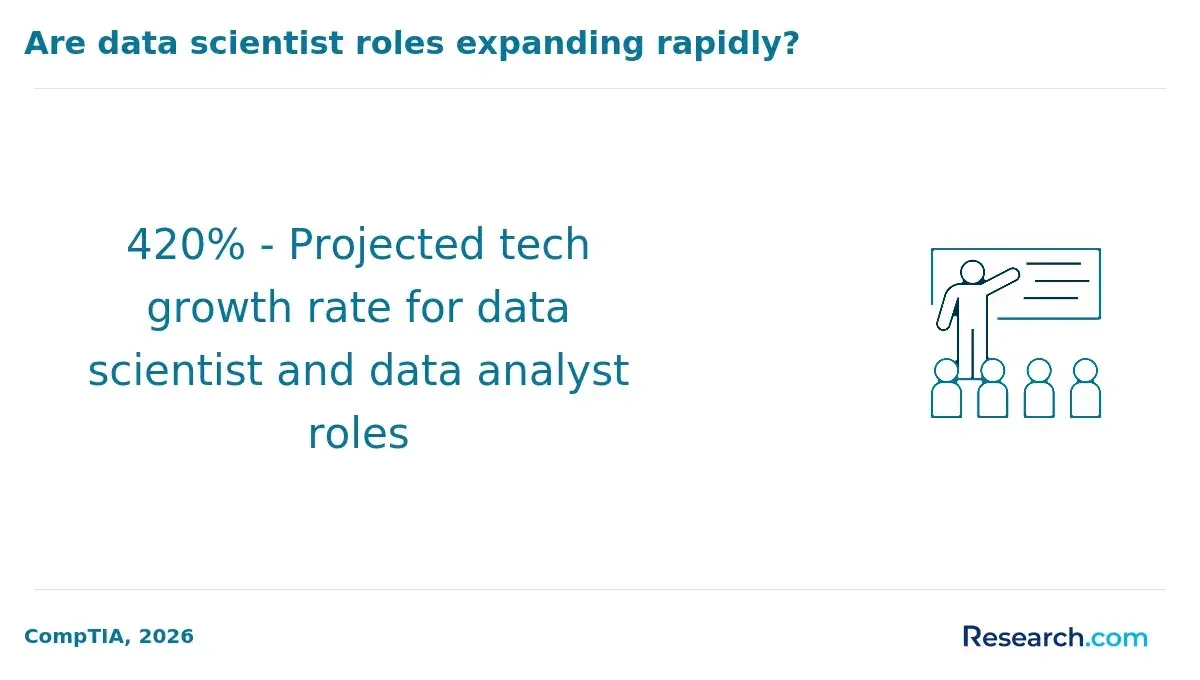
AI courses tailored for Chief Risk Officers (CROs) center on applying artificial intelligence within risk management frameworks rather than general AI concepts or broad data science techniques. These risk management focused AI training programs highlight governance, compliance, and operational risk assessment of AI systems, unlike typical courses that emphasize coding or algorithms. They guide CROs on integrating AI risk management into corporate frameworks, such as those aligned with the NIST AI Risk Management Framework-a tool adopted by only 32% of organizations according to the 2025 Cisco AI Readiness Index.
Participants learn to identify AI-driven risks including bias, regulatory compliance, cyber threats, and decision-making transparency. CRO-specific training often incorporates case studies on AI incident impact analysis, ethical AI use, and incident response strategies. This education enables them to evaluate AI models for legal and regulatory compliance, an area seldom covered in general AI programs.
Practical skills taught in these courses include:
- Developing AI governance frameworks tailored to organizational risk profiles
- Conducting risk assessments specific to automated decision systems
- Monitoring AI systems for operational and reputational risks
- Managing stakeholder communication on AI risk controls
Unlike traditional AI courses that focus on building predictive models, CRO-focused training emphasizes validating model reliability and detecting failures that could lead to financial or legal exposure. This specialization equips CROs to lead strategic AI risk mitigation and drive organizational resilience during rapid AI adoption. For those interested in expanding their expertise, pursuing masters in data science online can be an excellent step to complement this specialized knowledge.
What curriculum topics should AI courses for chief risk officers cover?
AI risk management strategies for chief risk officers (CROs) must include a deep understanding of AI governance frameworks that ensure responsible deployment aligned with an organization's risk tolerance. With 76% of companies facing increased compliance complexity due to AI regulations, training in regulatory standards such as GDPR, CCPA, and sector-specific mandates is essential. This aspect reflects curriculum topics in artificial intelligence for risk governance that help operationalize compliance effectively across AI systems.
Risk assessment methodologies targeting AI-specific threats like bias, model robustness, and adversarial vulnerabilities form a critical part of the education. CROs learn to quantify impacts on business continuity and reputational damage, supported by case studies illustrating practical risk mitigation in AI-driven environments.
Ethical AI and transparency are vital for ensuring fair, explainable, and accountable AI use, reducing legal and societal risks. Knowledge of AI lifecycle management-including data governance, model validation, monitoring, and incident response-is integrated into enterprise risk frameworks to support comprehensive oversight.
Cybersecurity training addresses AI's dual role in threat detection and its susceptibilities to attacks. Modules emphasize integrating AI risk metrics into enterprise risk management systems and reporting standards, ensuring CROs can navigate complex operational challenges in 2026.
Hands-on experience with AI tools and fostering collaboration between risk, compliance, legal, and IT teams prepares CROs for board-level communication on AI risks. Professionals seeking to enhance these skills might explore specialized programs, including options like an online electrical engineering degree for military veterans, which bolster technical expertise relevant to modern risk management contexts.
How do online, hybrid, and on-campus AI programs compare for working CROs?
Online AI programs offer great flexibility for working chief risk officers (CROs), allowing them to complete modular courses asynchronously. This helps CROs stay current with AI knowledge while managing urgent risk tasks without disrupting their schedules. However, the lack of direct interaction and hands-on experience with AI security tools can be a limitation in fully online settings.
Hybrid programs blend online learning with occasional in-person sessions, providing practical workshops on model-risk governance and cybersecurity. This format supports networking and access to expert faculty, which is crucial for interpreting complex AI risk scenarios. Although requiring some on-campus attendance, hybrid courses often strike the best balance for CROs who want practical skills alongside flexibility.
On-campus AI programs immerse CROs in intensive training through live simulations, peer discussions, and direct mentorship. This is ideal for risk leaders aiming for deep expertise in AI risk frameworks, including data breach prevention and audits. Considering that the average cost of a data breach reached $4.88 million globally, according to IBM's Cost of a Data Breach Report 2024, rigorous training matters. On-campus programs offer experiential learning but demand more time and higher costs.
Choosing the right format depends on a CRO's time, learning style, and career goals, with hybrid options often providing a valuable middle ground.
Which U.S. universities and providers offer accredited AI certificates relevant to CROs?
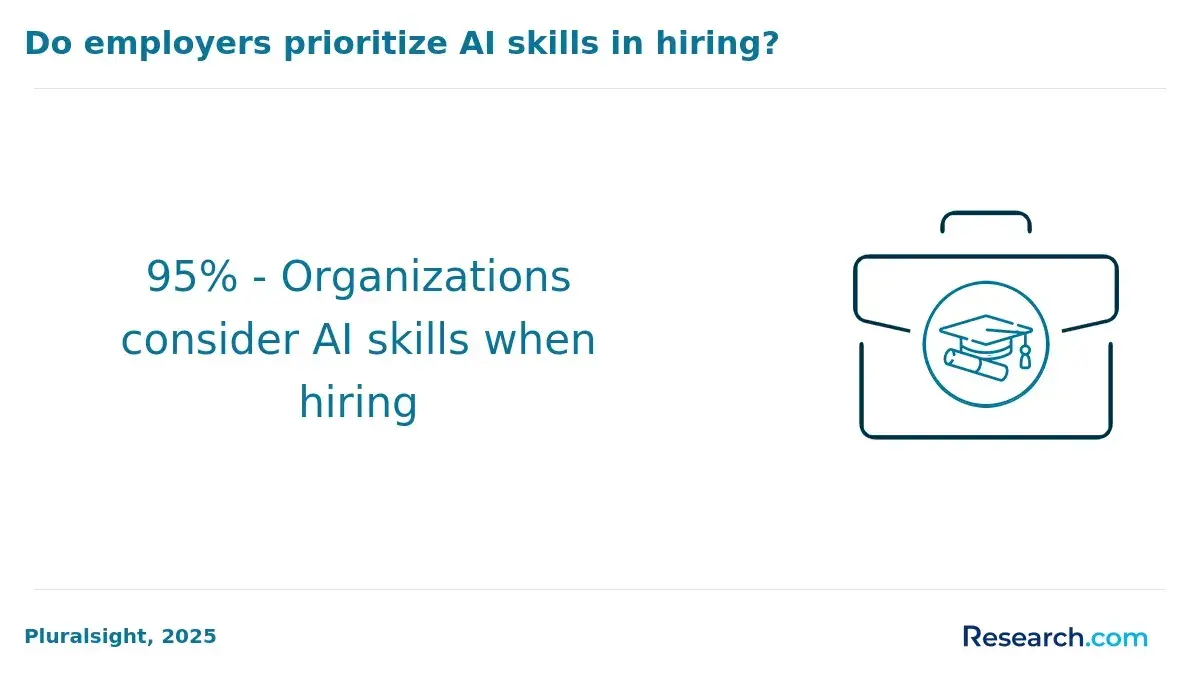
Several leading U.S. universities and professional organizations provide accredited certificates in artificial intelligence tailored for chief risk officers (CROs) focused on AI-related risk management. Prominent institutions such as Stanford University, MIT, and Carnegie Mellon offer specialized programs that emphasize practical skills including AI risk assessment, fraud detection algorithms, and regulatory compliance.
Stanford's AI in Finance certificate equips CROs to identify and combat AI-driven fraud, a pressing issue as nearly three-quarters of financial institutions report increased fraud losses linked to AI-enabled attacks. Its curriculum includes AI-powered anomaly detection and ethical AI usage within financial risk contexts.
MIT's Professional Certificate in Artificial Intelligence covers advanced machine learning risk controls and model governance, while Carnegie Mellon's AI and Risk Management certificate focuses on risk quantification and strategic AI integration for informed decision-making. These programs are structured to satisfy continuing education requirements for risk professionals.
The Global Association of Risk Professionals (GARP) offers accredited certificates designed to integrate AI risk into enterprise risk frameworks, helping CROs meet evolving compliance demands.
When choosing programs, CROs should prioritize accredited certificates that directly address AI-enabled fraud and systemic risks relevant to their industry to ensure skills and credentials gain recognition by employers and regulators.
What are typical admission requirements and prerequisites for AI certificates aimed at CROs?
Admission requirements for AI certificate programs aimed at chief risk officers (CROs) commonly require a bachelor's degree in finance, risk management, data science, engineering, or computer science. Many programs emphasize applicants' experience in risk assessment or model validation, reflecting the vital role CROs play in managing model risk.
Prerequisites typically include knowledge of statistics, probability, and programming languages such as Python or R. Candidates without coding experience may need to complete preparatory courses. Familiarity with regulatory frameworks and risk governance is also often expected, supporting compliance in AI model risk management.
Programs frequently require passing foundational assessments or submitting a professional resume that demonstrates relevant work experience. Advanced courses focused on model risk management highlight the importance of understanding the AI model lifecycle and audit processes, which is crucial since research from MIT Sloan and industry studies indicate that up to 85% of AI projects fail to meet their goals.
Flexibility varies: some programs accommodate part-time study for working CROs, while others demand full-time commitment. Employer support is common and beneficial. Prospective students should check if programs include hands-on case studies or capstone projects that apply learning to real-world risk scenarios, increasing practical value.
How long do AI certificate programs for chief risk officers take and what do they cost?
AI certificate programs for chief risk officers vary from 6 weeks to 6 months, designed to accommodate senior executives' packed schedules. Short courses lasting 6 to 8 weeks focus on foundational AI risk concepts and board-level oversight, while longer programs of 3 to 6 months offer advanced technical insights and strategic applications through live lectures, case studies, and assessments for thorough learning.
Program costs range widely based on depth, provider reputation, and resources. Entry-level certificates typically cost between $1,000 and $3,000 and suit those needing a solid introduction to AI risk management. More advanced programs for enterprise leaders may cost from $4,000 to $10,000, often including personalized mentorship and tools essential for integrating AI into risk frameworks.
Only 28% of executives surveyed by Deloitte in 2025 felt their boards were prepared to oversee AI risk, highlighting the importance of certification focused on governance, regulatory compliance, and ethical AI use. Students should weigh factors such as program length, cost, flexible scheduling, access to experienced faculty, and industry-recognized certification to find the best fit for their goals and budget.
How can AI training impact a chief risk officer's career trajectory, salary, and responsibilities?
AI training enables Chief Risk Officers (CROs) to enhance risk identification, mitigation, and decision-making by efficiently analyzing large data sets. This skill allows for early detection of emerging risks, expanding their role to include overseeing AI governance and ethical compliance-key concerns as organizations adopt generative AI technologies.
CROs with AI expertise often receive salary increases between 15% and 25%, reflecting high demand for professionals who integrate AI into risk management strategies. These experts play a critical role in managing risks tied to automated decision-making and AI deployment.
- Designing controls to mitigate unintended AI outcomes, a concern for 80% of organizations using generative AI, according to a 2025 Thomson Reuters survey
- Enhancing regulatory compliance by anticipating trends in AI ethics and data privacy
- Leading cross-functional teams to develop transparent, compliant AI systems
AI training positions CROs as strategic leaders navigating complex technological landscapes, shifting from reactive risk management to proactive AI governance. This transformation enhances their value and career advancement opportunities in a rapidly evolving enterprise environment.
How should chief risk officers evaluate and choose a reputable AI course with a certificate?
Chief risk officers should focus on three key criteria when selecting AI courses with certificates: curriculum relevance, instructor expertise, and certificate credibility. The curriculum should cover AI governance, ethical risk mitigation, and regulatory compliance, with practical components like AI model evaluation and bias detection to address responsibilities in risk management.
Instructor qualifications are vital. Courses led by experts combining academic credentials and industry experience in AI risk or governance ensure both theoretical and practical knowledge. Look for programs that include case studies or projects tailored to enterprise risk challenges.
Certificate credibility demonstrates verified competence. The most valuable certificates come from accredited universities, professional organizations, or recognized AI governance bodies. Verifying certificates are recognized in industry networks or LinkedIn enhances career progression.
Given the rapid increase in AI risk roles-as LinkedIn Economic Graph data indicates over 20% annual growth-courses that evolve with changing regulations and emerging risks are essential.
Additional evaluation points include:
- Course duration and workload compatibility with busy schedules
- Availability of ongoing support or updated content on AI regulation
- Peer reviews or testimonials from other chief risk officers
- Integration of risk-specific AI tools relevant in corporate settings
Other Things You Should Know About Artificial Intelligence
Artificial intelligence significantly affects industries such as finance, insurance, healthcare, and manufacturing when it comes to risk management. These sectors use AI-driven analytics to identify potential risks faster and more accurately, enabling proactive measures. AI helps automate the detection of fraud, optimize compliance, and improve operational resilience in these fields.
AI can enhance decision-making by providing data-driven insights and identifying hidden patterns, but it does not replace the need for human judgment. Chief risk officers must still interpret AI outputs within the broader context of business strategy and ethics. AI tools serve as decision support systems, not autonomous operators, especially in complex and high-stakes environments.
The best AI courses in 2027 for Chief Risk Officers include Stanford's "Advanced AI Risk Management," MIT's "AI for Business Strategy," and Coursera's "AI Risk Certification Program offered by top universities." These courses provide industry-relevant skills and certification for risk management professionals.
Artificial intelligence complements traditional risk management by enhancing data analysis and scenario modeling capabilities. It is integrated through tools that automate risk identification, monitoring, and reporting within existing frameworks. This integration allows for more dynamic and real-time risk assessments without replacing foundational risk management principles.
References
- Top AI Risk Management Courses and Certifications for 2025 https://learnprompting.org/blog/ai-risk-management-courses-top-certifications
- Why Every Organization Needs a Certified AI Risk Manager - PECB https://pecb.com/en/article/why-every-organization-needs-a-certified-ai-risk-manager
- Online vs Campus Artificial Intelligence Degree Programs: Complete Comparison https://hakia.com/compare/artificial-intelligence-online-vs-campus/
- RAI Exam, Risk & AI Certificate | GARP https://www.garp.org/rai
- Chief Artificial Intelligence Officer: London 16th to 18th of March 2027 - e-Compliance Academy https://www.e-compliance.academy/chief-artificial-intelligence-officer-london/
- ISACA Now Blog 2025 The New Role of the Chief Artificial Intelligence Risk Officer https://www.isaca.org/resources/news-and-trends/isaca-now-blog/2025/the-new-role-of-the-chief-artificial-intelligence-risk-officer
- Top 5 AI Governance Certification Programs and How to Choose the Right One - AI Governance Library, Articles, Ressources https://aigouvernance.com/top-5-ai-governance-certification-programs/
- Hybrid Programs- Which Students Want Them? https://encoura.org/resources/wake-up-call/hybrid-programs-which-students-want-them
- Certified AI Risk Officer (CAIRO) Training https://www.isss.org.uk/certified-ai-risk-officer-training/
- AI vs DS: Understanding the Differences and Overlaps | Flatiron School https://flatironschool.com/blog/ai-vs-ds-understanding-the-differences-and-overlaps/