2027 Best AI Courses for Healthcare AI Vendor Evaluation Teams

Co-Founder and Chief Data Scientist
Healthcare AI vendor evaluation teams often face challenges understanding complex technologies and assessing vendor claims effectively. Without a solid foundation in AI principles and practical applications, decision-making can lead to costly mistakes or missed opportunities. Rapid advancements in healthcare AI increase the urgency for evaluators to stay informed on relevant skills and knowledge.
This article explores top courses designed to equip healthcare AI vendor evaluation teams with critical expertise. It highlights flexible, accredited programs that enable professionals to confidently evaluate AI solutions and make informed decisions in healthcare settings.
Key Things You Should Know
- Healthcare AI vendor evaluation teams benefit from courses focusing on clinical data interpretation, regulatory compliance, and ethical AI deployment, aligning with 2025 CMS and FDA guidelines.
- Over 60% of top U.S. health systems adopted AI tools by 2024, increasing demand for vendor-savvy professionals with skills in model validation and bias mitigation.
- Leading 2026 courses emphasize practical experience with real-world datasets, boosting teams' ability to assess AI effectiveness and integration in diverse healthcare environments.
Advance Your Career with AI Online Courses
Artificial Intelligence: Implications for Business Strategy
This program provides an introduction to Artificial Intelligence and their implications for business strategy. Earn an official digital certificate.

Oxford Artificial Intelligence Programme
Explore this Oxford Artificial Intelligence programme offered in a flexible learning environment and explore topics like machine learning, automation, and robotics.

Implementing Agentic AI: Building Your Organizational Playbook
This online MIT Agentic AI course offers a practical approach to deploying AI agents in your organization, including a custom playbook. 3 weeks, exclusive launch price.

AI Adoption: Driving Business Value and Impact
This online MIT AI Adoption: Driving Business Value and Impact offers practical frameworks to close the gap between AI potential and business reality.

Artificial Intelligence in Pharma and Biotech
Discover the applications and limitations of artificial intelligence in pharma and biotech with this MIT online short course.

What is healthcare AI vendor evaluation, and why do specialized AI courses matter?
Healthcare AI vendor evaluation involves critically assessing AI solutions to ensure they meet a healthcare organization's clinical, operational, and regulatory requirements. This process examines technology performance, data security, scalability, compliance with health regulations, and sustainability. The healthcare AI vendor evaluation process is complex and demands specialized knowledge to navigate challenges like algorithm validation, bias detection, and interoperability standards. It also requires understanding privacy laws such as HIPAA to make informed decisions that reduce risks and maximize clinical benefits.
The importance of specialized AI courses for healthcare teams lies in equipping evaluation professionals with practical skills to tackle questions such as diagnostic accuracy, integration with electronic health records, and mitigating data breaches or biases. These courses use real-world case studies and hands-on tools to sharpen evaluators' ability to differentiate credible solutions from hype-driven claims.
Hospitals with strong AI governance and evaluation capabilities, described as having "high digital health readiness," are 2.7 times more likely to achieve positive financial returns from AI projects than low-readiness peers, according to Accenture's "Digital Health Technology Vision for Providers 2024." This underscores the strategic value of targeted education to avoid costly failures and underutilized technology. Professionals interested in advancing their skills might consider pursuing a one year computer science degree to deepen their expertise in this evolving field.
Advance Your Career with AI Online Courses
Artificial Intelligence: Implications for Business Strategy
This program provides an introduction to Artificial Intelligence and their implications for business strategy. Earn an official digital certificate.
Oxford Artificial Intelligence Programme
Explore this Oxford Artificial Intelligence programme offered in a flexible learning environment and explore topics like machine learning, automation, and robotics.
Implementing Agentic AI: Building Your Organizational Playbook
This online MIT Agentic AI course offers a practical approach to deploying AI agents in your organization, including a custom playbook. 3 weeks, exclusive launch price.
Which AI courses best prepare professionals to evaluate healthcare AI vendors?
Courses that best prepare healthcare AI vendor evaluation professionals emphasize technical, regulatory, and ethical expertise. Essential skills include recognizing AI model bias, ensuring robustness, clinical validation, and complying with FDA and HIPAA regulations. With only 18% of health systems worldwide having in-house staff capable of independently assessing these areas (World Health Organization, "Global Report on Artificial Intelligence in Health: Implementation Insights 2024"), selecting thorough programs is crucial.
Healthcare AI vendor evaluation training programs commonly blend machine learning basics with healthcare-specific AI applications. Hands-on experience evaluating AI algorithms with clinical datasets helps detect performance issues and biases. Regulatory coursework focuses on the FDA's AI/ML Software as a Medical Device (SaMD) framework and evolving healthcare policies.
Practical case studies build skills in vendor risk assessment, including questions like:
- How to identify dataset bias impacting minority patient groups?
- What validation methods ensure AI robustness across clinical environments?
- Which documentation supports regulatory audits?
Examples include university executive education in health informatics combined with AI ethics and certificate programs targeting AI in medicine. Professionals benefit from courses emphasizing critical appraisal of AI vendor claims, transparency in model development, and clinical workflow impacts. Interdisciplinary curricula integrating data science, healthcare policy, and ethics provide robust preparation. Those exploring related options might consider a mechanical engineering online program for additional technical foundations.
What core skills and competencies do healthcare AI vendor evaluators need to learn?
Evaluators of healthcare artificial intelligence vendor solutions must master a diverse set of skills, blending technical knowledge with domain-specific understanding. Core competencies for evaluating AI healthcare solutions include expertise in machine learning models, natural language processing, and computer vision, which helps assess technology robustness against clinical requirements and data quality.
Regulatory knowledge is essential, as evaluators need to ensure compliance with frameworks like HIPAA and FDA guidelines, while understanding interoperability standards such as HL7 and FHIR for seamless integration with electronic health records. Data literacy is critical for interpreting performance metrics, bias assessments, and safety validations objectively, uncovering risks in AI algorithms and evaluating training data representativeness to mitigate algorithmic bias.
Project management and negotiation skills facilitate clear communication of clinical needs and contract terms, often requiring collaboration across IT, clinical, and compliance teams. Soft skills like critical thinking and ethical reasoning are also vital to scrutinize vendor claims and promote responsible AI deployment prioritizing patient safety.
These healthcare artificial intelligence vendor evaluation skills are in high demand, with 61% of healthcare CIOs citing a lack of internal expertise as the biggest barrier to scaling AI initiatives beyond pilots, ahead of budget or technology issues. For professionals interested in developing this expertise, pursuing related education paths such as the cheapest online cyber security degree can complement AI proficiency and enhance career prospects in this rapidly evolving field.
How can you compare online vs on-campus AI programs for healthcare vendor evaluation?
Comparing online AI healthcare programs with on-campus alternatives reveals key differences in flexibility, interaction, and practical exposure. Online formats excel in accessibility, enabling working clinical leaders to continue their roles while studying. For instance, a clinical manager overseeing AI pilot projects might choose an online short course for rapid skill acquisition without relocating. These programs typically feature recorded lectures and virtual case analyses, fitting theory-heavy learning but offering limited hands-on experience with healthcare AI tools.
On-campus AI training for healthcare vendor teams creates immersive environments that promote direct networking with peers, faculty, and industry professionals. This face-to-face dynamic supports real-time problem-solving and collaborative case analysis, crucial for understanding AI's role across diverse clinical settings. However, attending on-campus often requires time off, travel, and incurs higher costs.
Healthcare organizations where clinical leaders receive focused AI education are 3.5 times more likely to fully deploy AI solutions within 12 months, per KPMG's "AI Adoption in Healthcare 2024" global survey. Programs emphasizing practical evaluation frameworks and vendor assessment protocols offer a solid foundation for decision-making. Consider hybrid options merging online lessons with on-campus workshops to gain both convenience and direct collaboration.
When exploring options, evaluate accreditation, case-study rigor, and vendor evaluation methodologies. For those balancing work with study, exploring military friendly online electrical engineering degree programs can also provide insights into flexible learning pathways relevant for pursuing AI education.
What types of degrees, certificates, and microcredentials support this specialized career path?
Degrees, certificates, and microcredentials play a vital role in preparing healthcare AI vendor evaluation teams with the interdisciplinary expertise needed across healthcare, data science, and IT. Foundational education typically includes a bachelor's or master's degree in health informatics, biomedical engineering, data science, or computer science. Specialized training in machine learning or AI embedded in these programs enhances skills for addressing healthcare-specific algorithm challenges.
Professional certificates in healthcare AI or clinical informatics provide domain-specific insights into regulatory requirements such as HIPAA compliance and FDA software approvals. Accredited credentials from organizations like the Healthcare Information and Management Systems Society (HIMSS) or university-conferred microcredentials on AI applications in healthcare equip professionals with practical abilities to identify risks, biases, and ensure data integrity.
Microcredentials focusing on AI ethics, data privacy, and algorithm validation offer flexible, targeted learning for experienced practitioners seeking continuous skill refinement. These credentials save time and cost compared to full degree programs while sharpening vendor evaluation capabilities.
Health systems with advanced AI and data science training for IT and informatics staff reduce vendor evaluation time by 47%, shortening review periods from 6.4 to 3.4 months. This training is linked to safer AI tool deployment and improved decision-making quality, according to HIMSS in their AI in Healthcare Survey 2024. Programs combining technical expertise with healthcare regulatory knowledge best prepare teams to manage complex AI procurement environments efficiently.
How should you evaluate accreditation and program quality for healthcare-focused AI training?
Accreditation is essential when evaluating healthcare-focused ai training programs. Look for accreditation from respected bodies such as the Commission on Accreditation for Health Informatics and Information Management Education (CAHIIM) or regional accreditors recognized by the U.S. Department of Education. This verification ensures the curriculum meets strict academic and professional standards relevant to healthcare settings.
Curriculum quality should align with practical healthcare ai vendor evaluation needs. Key areas include data privacy, regulatory compliance, ai ethics, procurement policies, and challenges with clinical integration. Programs that incorporate case studies or simulations related to ai governance and vendor assessments better prepare participants for real-world decision-making.
Faculty expertise significantly impacts training value. Ideally, instructors will be healthcare ai specialists with backgrounds in hospital systems, medical device evaluation, or health IT governance. Partnerships with healthcare organizations or ai vendors provide access to current tools and industry standards.
Flexible program formats benefit working professionals. Many executive or certificate programs offer part-time, hybrid, or online options that fit complex schedules while focusing on healthcare ai procurement and governance.
By 2025, 40% of large health systems will require formal ai governance or vendor-evaluation training for purchasing executives, up from 9% in 2022, according to Gartner. This growth highlights the rising importance of comprehensive, accredited programs tailored to healthcare ai adoption challenges.
What curriculum topics should top AI courses cover for assessing healthcare AI vendors?
AI courses designed for healthcare AI vendor evaluation teams focus on regulatory compliance, data privacy, and safety assessment. Key curriculum components include HIPAA requirements, FDA guidelines, and risk management frameworks, which prepare teams to critically evaluate vendor claims regarding data security and ethical AI practices.
Practical skills in interpreting AI model performance metrics such as sensitivity, specificity, and bias detection are essential. Courses often use real-world case studies of algorithmic errors and safety failures to enhance evaluators' ability to identify risks before deployment. Training on clinical validation data nuances and transparency disclosures adds valuable insights.
With 73% of U.S. healthcare organizations facing AI-related compliance incidents lacking formal training on vendor HIPAA and regulatory claims, dedicated modules covering enforcement history, audit procedures, and compliance pitfalls are vital for avoiding costly penalties.
Additional topics include data provenance, governance, interoperability standards, and ethical frameworks focusing on patient consent and AI explainability. Evaluations also extend to vendor financial and operational risk assessments, ensuring a comprehensive review beyond technical aspects.
Hands-on exercises cover vendor contract reviews, AI deployment impact analysis, and fostering cross-disciplinary collaboration. Courses that continuously update content to reflect evolving policies and emerging technology challenges ensure readiness in healthcare environments rapidly adopting AI solutions.
What are typical admission requirements, program length, and costs for these AI programs?
Admission to healthcare AI training programs generally requires a bachelor's degree in relevant fields like healthcare, computer science, data science, or engineering. Many programs favor applicants with professional experience in healthcare or technology. Advanced certificates and master's courses often expect prior knowledge of programming languages such as Python or an understanding of statistics. Applicants usually submit transcripts, statements of purpose, and sometimes recommendation letters. For those lacking a technical background, prerequisite courses in coding or data analytics may be necessary.
Program durations vary widely depending on format and intensity. Certificate programs typically run between 3 and 6 months, ideal for working professionals seeking specific skills. Master's degrees span 12 to 24 months and often include hands-on projects and internships. Part-time and online options provide flexibility while maintaining academic rigor.
Costs fluctuate based on program type and institution. Certificate programs usually cost between $3,000 and $10,000, while master's degrees can range from $20,000 to over $60,000. Financial aid, scholarships, and employer sponsorships may help reduce expenses. Research by McKinsey & Company reveals that health systems with structured AI evaluation training see 2.3 times higher ROI on AI investments and 39% fewer failed projects.
Prospective students should weigh admission criteria, program length, and expense alongside career objectives and prior experience. Programs emphasizing practical vendor evaluation and healthcare-specific challenges equip AI evaluation teams to create real-world impact.
What careers, job titles, and work settings exist for healthcare AI vendor evaluation experts?
Healthcare AI vendor evaluation experts hold roles such as AI product evaluators, clinical informaticists, data scientists focusing on healthcare, and technology procurement analysts. Common job titles include Healthcare AI Specialist, Vendor Assessment Manager, Clinical Data Analyst, and AI Implementation Consultant. These professionals usually operate within health systems, academic medical centers, healthcare consulting firms, and AI solution vendors. Often, they work in interdisciplinary teams combining clinical expertise with IT and procurement.
Typical work environments include hospital IT departments, innovation hubs in large healthcare organizations, and managed care organizations. These settings require expertise to assess AI tools for compliance, clinical effectiveness, interoperability, and scalability. Evaluation teams navigate challenges balancing clinical needs, regulatory compliance, and technological feasibility, necessitating specialized training.
Key job functions involve rigorous testing of AI vendors' claims, analyzing algorithm transparency, reviewing real-world performance data, and managing procurement negotiations aligned with healthcare delivery goals. Collaboration with regulatory affairs, legal teams, and clinical stakeholders ensures AI tools meet quality and safety standards.
Leading health systems invest a median of 0.8% of their IT budgets in AI skills development and vendor-evaluation training, with top performers at about 1.5%, based on Deloitte's "2024 Global Healthcare AI Readiness Survey."
Professionals should pursue education combining healthcare knowledge with AI fundamentals, focusing on vendor evaluation case studies, ethical issues, and regulatory frameworks to thrive in this evolving field.
What salary ranges and job outlook can healthcare AI vendor evaluators expect in the U.S.?
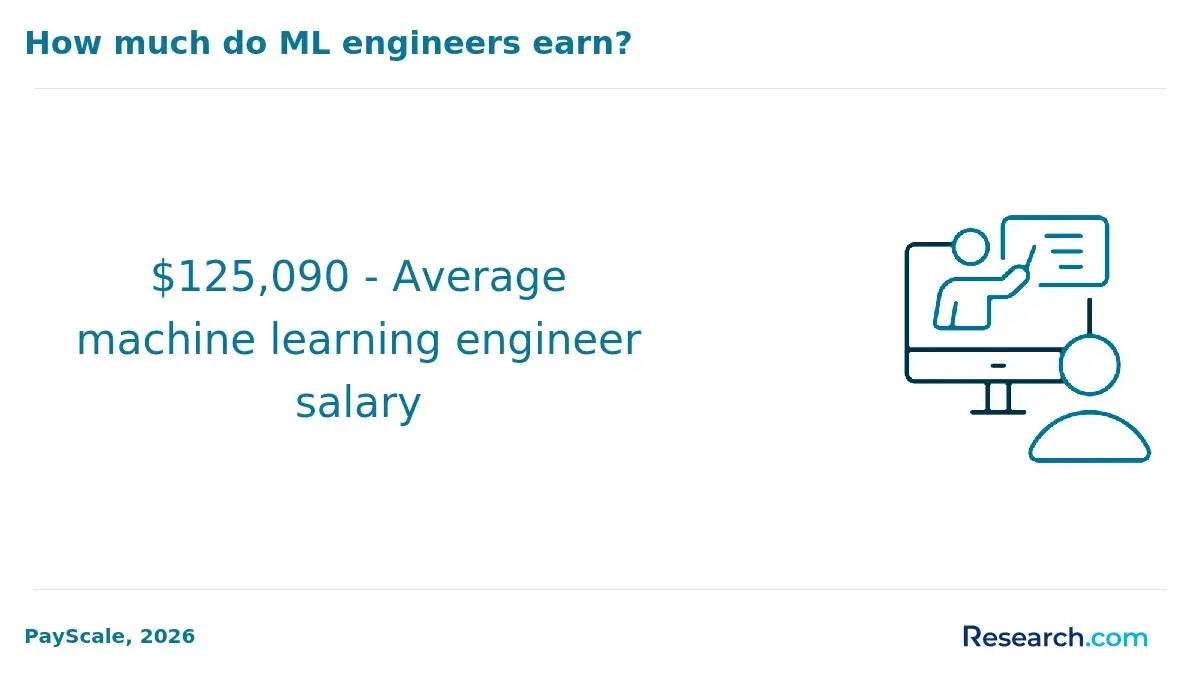
Healthcare AI vendor evaluators in the U.S. earn between $80,000 and $140,000 annually, depending on experience, location, and employer size. Entry-level roles typically start around $80,000, while senior or specialized positions can command $130,000 to $140,000. Those with advanced degrees or certifications in AI, healthcare analytics, or related fields often receive higher compensation. Job titles like AI compliance analyst, AI procurement specialist, and healthcare data evaluator influence salary ranges.
The job outlook is robust, with significant growth expected. According to the World Economic Forum, by 2030, 55% of healthcare AI procurement will require formal algorithmic fairness documentation and model-risk assessments by trained internal teams-a sharp increase from 16% in 2024. This shift highlights demand for professionals who ensure AI tools are safe, ethical, and effective.
Opportunities extend across hospitals, AI vendor companies, regulatory agencies, and consulting firms. Evaluators with expertise in AI governance, healthcare law, and data ethics are especially sought after.
To remain competitive, candidates should pursue specialized courses in algorithmic fairness, risk assessment, and healthcare applications of AI. Practical experience with AI models and vendor negotiations strengthens employability. Networking within healthcare AI communities and staying current on changing regulations further supports career growth.
Other Things You Should Know About Artificial Intelligence
Artificial intelligence in healthcare is limited by the quality and diversity of data used for training its algorithms. Biases in datasets can lead to inaccurate or unfair outcomes. Additionally, many AI models lack transparency, making it difficult for healthcare professionals to fully trust or understand the decisions made by these systems.
In 2027, AI vendor evaluation teams need analytical skills to assess algorithms, proficiency in understanding AI ethics and data privacy concerns, and knowledge of healthcare compliance regulations. Familiarity with technological advancements and effective communication skills are also crucial for evaluating AI solutions in the healthcare sector.
Artificial intelligence is designed to assist, not replace, healthcare professionals. It provides analytical support and insights but lacks the contextual understanding, empathy, and ethical judgment that human clinicians offer. The best use of AI is as a tool to enhance, rather than substitute, expert human decision-making in healthcare.
References
- The Ultimate AI Vendor Checklist for Healthcare Leaders https://innovaccer.com/blogs/are-healthcare-organizations-evaluating-ai-vendors-correctly-before-signing
- What does AI mean for the future of healthcare jobs? https://www.worldhealthexpo.com/insights/medical-technology/what-does-ai-mean-for-the-future-of-healthcare-jobs-
- Eligibility Criteria for AI Courses in Germany https://www.yesgermany.com/eligibility-criteria-for-ai-courses-in-germany/
- NCQA Seeks Public Comment on Five Programs and the Use of AI in Health Care - NCQA https://www.ncqa.org/blog/ncqa-seeks-public-comment-on-five-programs-and-the-use-of-ai-in-health-care/
- Appendix I — Career Pathways in Public Health AI – The Public Health AI Handbook https://publichealthaihandbook.com/appendices/career-guide.html
- Micro-credentials: The Key to Multiplying Your Job Opportunities https://certiprof.com/blogs/news/micro-credentials-the-key-to-multiplying-your-job-opportunities
- Healthcare AI Vendor Evaluation Checklist - California Telehealth Resource Center https://caltrc.org/artificial-intelligence/aivendorchecklist/
- Key Considerations Before Negotiating Healthcare AI Vendor Contracts https://www.sheppard.com/insights/blogs/key-considerations-before-negotiating-healthcare-ai-vendor-contracts
- Certificate in AI for Healthcare | Canadian Healthcare Education Network https://www.chenetwork.ca/certificate-ai-for-healthcare
- A Guide to AI Job Titles & Roles in 2025 | People in AI https://www.peopleinai.com/blog/navigating-the-maze-of-ai-job-titles-a-guide-for-tech-talent-seekers