2027 Best LLM Courses for Working With APIs

Co-Founder and Chief Data Scientist
Professionals looking to enhance their technical skills often struggle to find courses that balance advanced content with flexible scheduling. This challenge intensifies when aiming to work specifically with APIs in the field of artificial intelligence, where rapid advancements create a complex learning curve. Without targeted instruction, learners risk wasted time on irrelevant topics or outdated material. This article examines the best LLM courses designed for professionals who want to efficiently build expertise in API integration within artificial intelligence. It provides clear insights and recommendations to help readers select accredited programs that align with career goals while accommodating busy schedules.
Key Things You Should Know
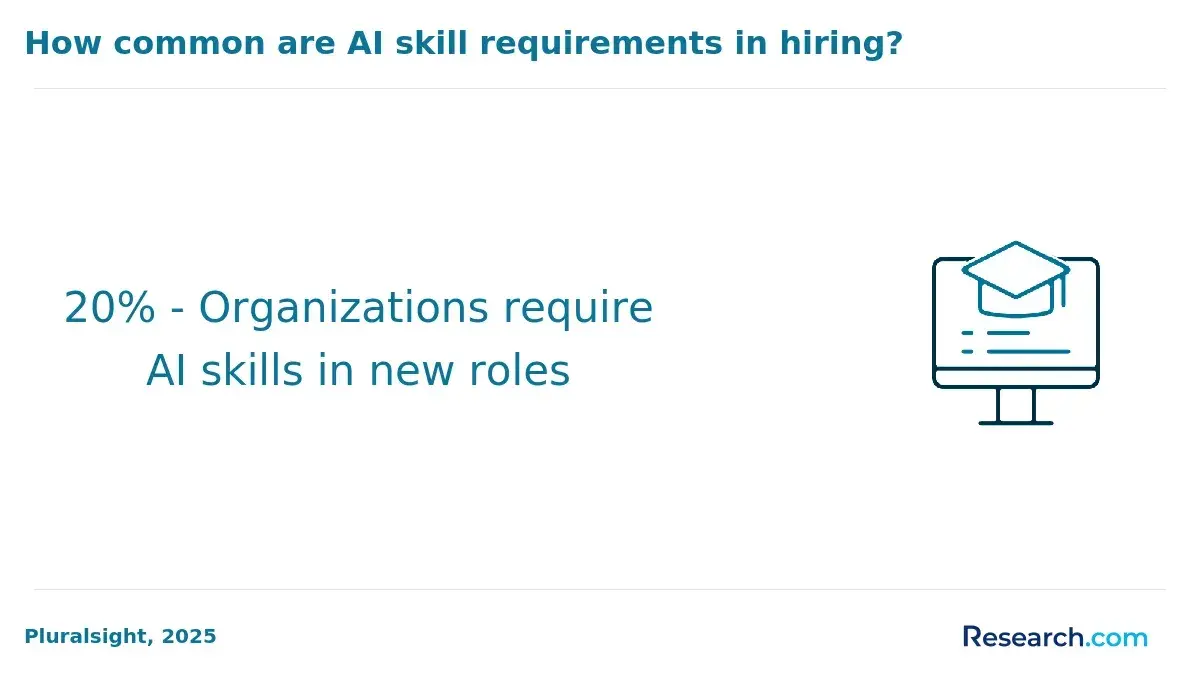
- Top LLM courses for working with APIs in 2026 focus on integrating natural language processing and API development skills, reflecting a 35% job market increase since 2024.
- Curriculums emphasize hands-on experience with RESTful APIs and security protocols, meeting growing demands for versatile AI professionals in industries like healthcare and finance.
- Flexible, online program options attract 60% more working professionals seeking up-to-date LLM education tailored to real-world API applications and ethical AI deployment.
Advance Your Career with AI Online Courses
Artificial Intelligence: Implications for Business Strategy
This program provides an introduction to Artificial Intelligence and their implications for business strategy. Earn an official digital certificate.

Oxford Artificial Intelligence Programme
Explore this Oxford Artificial Intelligence programme offered in a flexible learning environment and explore topics like machine learning, automation, and robotics.

Implementing Agentic AI: Building Your Organizational Playbook
This online MIT Agentic AI course offers a practical approach to deploying AI agents in your organization, including a custom playbook. 3 weeks, exclusive launch price.

AI Adoption: Driving Business Value and Impact
This online MIT AI Adoption: Driving Business Value and Impact offers practical frameworks to close the gap between AI potential and business reality.

Artificial Intelligence in Pharma and Biotech
Discover the applications and limitations of artificial intelligence in pharma and biotech with this MIT online short course.

What are the best LLM courses for working with APIs and who are they right for?
The best llm courses for api integration emphasize practical skills in working with APIs, focusing on connecting large language models (LLMs) to real-world applications. Platforms such as Coursera, edX, and Udacity offer training that covers API calls, authentication, data management, and custom prompt engineering. These courses are essential for software developers, data scientists, and AI specialists aiming to build scalable and efficient solutions.
For instance, Coursera's "Integrating LLM APIs for AI Solutions" guides learners through linking LLM providers with cloud services, making it ideal for professionals wanting to integrate language capabilities into apps quickly. Similarly, edX tailors courses to machine learning engineers focused on deploying and maintaining API-driven AI systems in production environments.
Beginners can find programs that start with core API concepts before advancing to managing request limits and optimizing prompt effectiveness. Advanced learners benefit from modules on API orchestration, latency minimization, and compliance protocols for commercial applications. This approach aligns well with the rapid growth of AI-related projects, as seen in the GitHub 2024 "State of the Octoverse" report, which highlights a 248% year-over-year increase in such repositories.
Those seeking top llm training for software developers should look for courses offering hands-on projects across multiple LLM vendors to ensure adaptability. Professionals aiming for data science or AI research roles may prefer curricula blending API usage with prompt engineering and model customization techniques.
Individuals pursuing careers in applied artificial intelligence will find that the best courses balance foundational api knowledge with practical llm-specific skills, catering to a wide range of learners from novices to seasoned AI engineers.
Advance Your Career with AI Online Courses
Artificial Intelligence: Implications for Business Strategy
This program provides an introduction to Artificial Intelligence and their implications for business strategy. Earn an official digital certificate.
Oxford Artificial Intelligence Programme
Explore this Oxford Artificial Intelligence programme offered in a flexible learning environment and explore topics like machine learning, automation, and robotics.
Implementing Agentic AI: Building Your Organizational Playbook
This online MIT Agentic AI course offers a practical approach to deploying AI agents in your organization, including a custom playbook. 3 weeks, exclusive launch price.
How do LLM courses that focus on APIs differ from general AI or ML programs?
LLM training programs with API integration emphasis focus primarily on practical skills needed to deploy large language models through application programming interfaces. These courses differ significantly from general ML programs by prioritizing interaction with pre-trained models like GPT via API calls rather than on developing models from scratch. Core competencies include managing authentication, optimizing API usage, handling real-time data flow, and prompt engineering to maximize response relevance.
Key differences between LLM API courses and general ML programs include:
- Direct application of API documentation and SDKs instead of custom model development.
- Emphasis on error handling, cost management, and real-time data processing related to APIs.
- Training on integrating LLMs into software ecosystems such as chatbots and automation tools.
- Focus on practical API fine-tuning versus theoretical model training concepts.
These specialized LLM-API courses also cover compliance and ethical considerations, such as data privacy and bias mitigation, which are crucial in deployed AI applications. This practical approach contrasts with the bias and fairness theory typically found in broader ML curricula.
The demand for professionals with LLM and API skills is evident, with job postings mentioning GPT or ChatGPT increasing exponentially. For marketing automation developers or data analysts, mastering API calls offers a more immediate advantage than deep neural network training.
Students exploring options in related fields may also consider a mechanical engineering online degree as an adjacent path to expand their technology skillset.
What skills and prerequisites do you need before enrolling in an LLM and APIs course?
Students aiming to enroll in LLM and APIs courses should have a strong programming foundation, especially in languages like Python commonly used in machine learning. Familiarity with RESTful APIs, HTTP methods, and data formats such as JSON and XML is crucial for effective API interaction. Advanced courses expect knowledge of data handling libraries like pandas and numpy, along with basic cloud platform experience for deploying models. These skills required for learning large language models and APIs form the technical backbone for success.
Mathematical prerequisites include linear algebra, probability, and statistics, essential for understanding machine learning concepts underlying LLM development and API use. Experience with frameworks like TensorFlow or PyTorch can be advantageous, though not mandatory for beginners. Foundational knowledge of model training, evaluation, and overfitting enriches comprehension of API integration in practical contexts.
Working professionals benefit from version control expertise with Git and familiarity with containerization tools such as Docker, which streamline collaboration and development workflows. Understanding software development lifecycle practices also supports team projects common in AI and API fields. These prerequisites for enrolling in LLM and API integration courses match the growing demands of the industry.
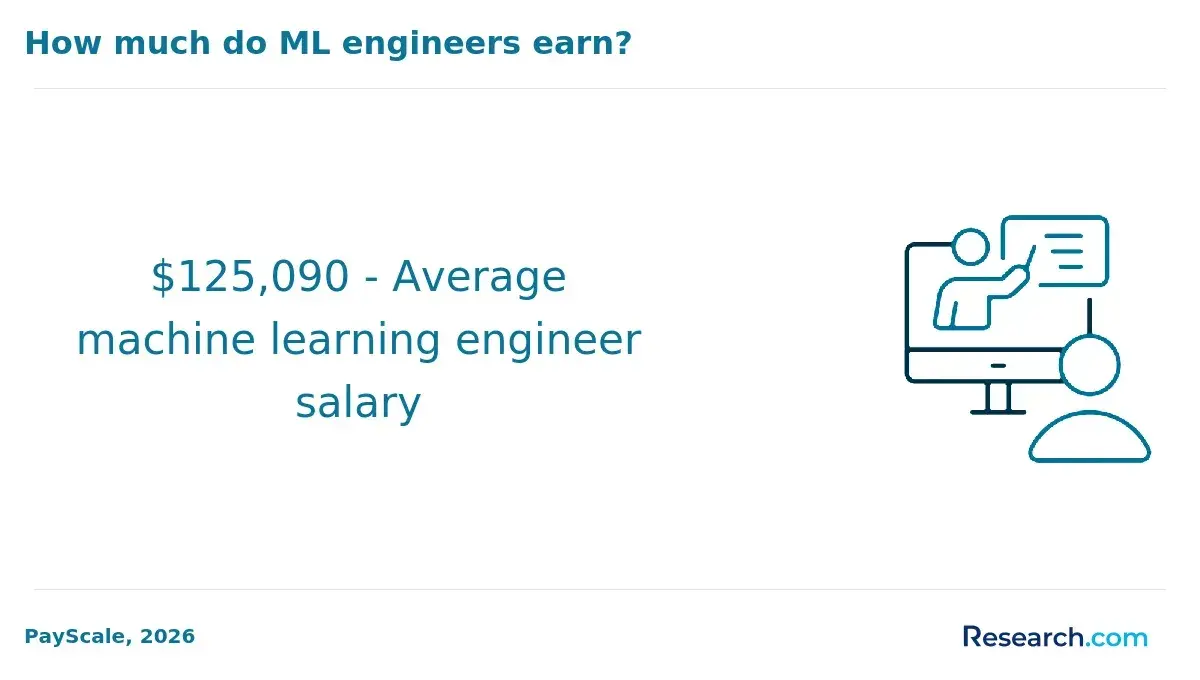
Given that U.S. machine learning engineers at major tech firms have median total compensation around $350,000, with generative AI roles exceeding $450,000, meeting these requirements is critical for career advancement. For those considering related paths, exploring a game development online degree can also offer valuable software and programming skills applicable to AI careers.
How do online, hybrid, and campus-based LLM courses for APIs compare in flexibility and outcomes?
Online LLM courses for APIs offer unmatched flexibility, enabling students to learn at their own pace while managing full-time jobs or other commitments. These courses commonly feature recorded lectures, interactive coding labs, and virtual office hours. Such a format suits busy professionals who need specific API skills quickly without disrupting their schedules.
Hybrid courses, blending online and on-campus elements, provide a balance between flexibility and structured learning. They deliver face-to-face sessions for practical labs and networking alongside online components, making them ideal for students seeking real-world application and peer learning opportunities. This approach often leads to better outcomes of different LLM course formats for API integration.
Campus-based LLM programs focus on immersive learning with fixed schedules, offering direct mentorship and access to advanced computing resources. Graduates benefit from strong industry connections and internships that enhance job placement. However, rigid timetables and commuting challenges limit accessibility for professionals requiring flexible time management.
Cost is a significant factor influencing outcomes and accessibility. OpenAI's January 2025 pricing update lowered the GPT-4o-mini API cost to $0.15 per 1 million input tokens and $0.60 per 1 million output tokens, about 30 times cheaper than the original GPT-4 API at launch. This drastic reduction promotes API-based automation and experimentation across all course types.
Prospective students should consider their learning style, availability, and career goals when choosing between formats. For those seeking an affordable path with balanced convenience and interaction, exploring an online computer science degree could be a valuable option.
What should you look for in accreditation and institutional quality for LLM and API training?
Accreditation and institutional quality significantly impact the value of LLM and API training programs. Ensure the institution possesses recognized accreditation, such as regional accreditation approved by the U.S. Department of Education or the Council for Higher Education Accreditation. This guarantees rigorous academic standards and transferable credentials respected by employers. Programs linked to reputable technological universities or professional certification bodies usually offer higher instructional quality and curriculum relevance.
Faculty expertise and industry involvement are key indicators of program quality. Instructors engaged in AI research or with practical experience in implementing LLM APIs provide essential knowledge for mastering API integration and fine-tuning. Partnerships with major AI providers or cloud platforms often grant access to updated tools and real-world projects, enhancing career readiness.
Effective curricula balance theory and applied skills, covering LLM API functionality, data management, and ethical implications. Google Cloud's 2024 generative-AI guidance notes that fine-tuning foundation models via APIs can reduce experimentation costs by up to 80% compared to custom model training, while maintaining performance levels. Programs emphasizing API-based workflows align well with industry trends.
Look for hands-on labs or capstone projects simulating real API scenarios to build practical skills, improving job market competitiveness. Training should also address current industry tools, data privacy compliance, and offer career support like networking or job placement to maximize value.
What core topics and hands-on projects are included in leading LLM courses for API integration?
Leading courses on large language model (LLM) API integration focus on essential topics that prepare students to build reliable, scalable AI applications. Core subjects include RESTful and GraphQL APIs, authentication protocols such as OAuth, and working with JSON/XML data formats. Emphasis is placed on structured prompt engineering with tool and function calling, a method shown to reduce hallucinations by 50-70% in complex tasks, as highlighted in the AI Agents & Tool Use analysis by LangChain.
Hands-on projects train students to integrate LLMs with external APIs for practical applications, including:
- Developing dynamic chatbots that query databases or third-party services
- Orchestrating multiple API calls in AI agents for multi-step workflows
- Combining natural language understanding with domain-specific APIs like travel booking or financial data retrieval
- Optimizing prompt sequences and function calls to manage errors and edge cases
- Designing scalable backend pipelines connecting LLMs to cloud platforms
Instruction also covers best practices for API rate limiting, versioning, and asynchronous data fetching to ensure robustness. Practical skills are strengthened through exposure to popular API clients, SDKs, debugging, and monitoring techniques that improve reliability and performance.
By blending theory and practical experience, these courses build competencies crucial for careers involving complex large language model applications and real-world API orchestration.
How long do LLM courses for working with APIs take, and what do they typically cost?
LLM courses centered on working with APIs typically span 4 to 12 weeks, varying by program depth and format. Shorter bootcamps or intensives offer 20 to 40 hours of focused instruction, ideal for professionals seeking fast upskilling. More extensive options, including part-time study, balance practical API skills with foundational knowledge of large language models over several months.
Course costs vary widely, influenced by duration, reputation, and included resources. Entry-level bootcamps and online courses often range from $300 to $1,000, providing an affordable path for learners focused on applied skills. In contrast, university-affiliated or professional certification programs may exceed $2,000, especially those offering mentorship, project work, or career support. Some free introductory modules exist, but advanced API usage coverage is limited.
Many professionals prefer flexible, modular courses enabling self-paced learning. Higher-priced programs commonly feature live sessions and community support, enhancing real-world problem-solving practice. According to IBM's 2024 Global AI Adoption Index, 61% of IT professionals leveraging generative AI use API-based access due to rapid deployment benefits and lower infrastructure needs.
- Look for programs that emphasize practical API exercises and vendor tools such as OpenAI and Google.
- Updated content reflecting fast-evolving AI landscapes is critical.
- Choose courses with outcomes aligned to enterprise adoption to maximize career returns.
What admission requirements do universities and bootcamps set for LLM and API-focused programs?
Admission standards for LLM and API-focused programs differ widely between universities and bootcamps, reflecting varying academic demands and audiences. Universities usually expect applicants to hold a bachelor's degree in fields like computer science or engineering, with strong foundations in programming, algorithms, and databases. Additional requirements can include GRE scores, recommendation letters, and personal statements showcasing experience or motivation related to APIs or language models. More advanced tracks may also require prior coursework or professional expertise in machine learning or natural language processing.
Bootcamps tend to offer more flexible entry routes, often welcoming those without formal degrees but with demonstrable coding experience, verified by coding challenges or portfolio work. Many provide preparatory courses to help learners bridge skill gaps, focusing on practical abilities in APIs, RESTful architecture, and scripting languages like Python or JavaScript.
Expertise in security, privacy, and governance is increasingly crucial. The 2024 Cisco Data Privacy Benchmark Study found that 74% of organizations view privacy and data security concerns as the main obstacle to generative-AI adoption. Applicants to programs incorporating these areas are expected to understand compliance and secure API design or show readiness to acquire such knowledge. Admissions teams may probe for relevant certifications or experience.
To improve acceptance chances, applicants should clearly demonstrate solid technical skills, relevant projects, and awareness of security challenges in LLM APIs within their applications.
What careers, job titles, and industries can LLM and API skills prepare you for?
Careers involving large language models (LLM) and API skills span a wide range of industries driven by artificial intelligence innovation. Jobs include machine learning engineer, AI developer, data scientist, API integration specialist, and AI solutions architect. These roles focus on developing, deploying, and maintaining LLMs and their APIs to address complex challenges.
Key sectors actively hiring professionals with these skills include technology, finance, healthcare, retail, and telecommunications. For instance, healthcare organizations use AI for patient data analysis through natural language processing, while financial institutions automate risk assessment and fraud detection via API-driven LLMs. Retailers implement LLM APIs for customer service chatbots and personalized marketing.
Managing multiple LLM providers and APIs has become essential. According to Stack Overflow's Developer Survey 2024, over 45% of generative AI users work with more than one model provider or open-source model. Expertise in integrating and customizing various APIs from cloud or open-source platforms enables professionals to adapt to evolving technological landscapes.
Core practical skills comprise:
- API design, documentation, and deployment
- Model fine-tuning and customization
- Data pipeline construction for real-time AI inference
- Security and compliance in API usage
Additionally, product managers and AI consultants benefit from fluency in LLM and API technologies to assess models, guide teams, and communicate effectively with stakeholders, supporting the delivery of AI-driven solutions across organizations.
What salary ranges and job outlook can professionals with LLM and API expertise expect?
Professionals with expertise in large language models (LLM) and APIs in the U.S. can expect salaries ranging from $90,000 to $160,000 annually, influenced by experience, industry, and specific job roles. Entry-level positions like AI API developers or junior machine learning engineers typically earn between $90,000 and $110,000. Mid-to-senior roles, such as LLM integration specialists or AI product engineers, often command salaries from $130,000 up to $160,000. Specialized roles in sectors like healthcare, finance, or advanced research may even surpass this range given the complexity and impact of their work.
Job prospects remain strong as industries rapidly adopt generative AI and natural language processing technologies. The 2024 Job Skills of 2025 report by Coursera highlights that professionals who complete generative AI or LLM courses have a 65% higher chance of career advancement within 12 months compared to those without AI training.
Key career opportunities include developing conversational agents, automating customer service APIs, and integrating LLM capabilities with existing platforms. Expanding skills in API design, cloud deployment, and prompt engineering is essential to enhancing employability and salary potential.
Continuous learning through recognized platforms and certifications remains crucial for staying competitive in this dynamic and evolving labor market.
Other Things You Should Know About Artificial Intelligence
Artificial intelligence (AI) is the broader concept of machines being able to carry out tasks in a way that we would consider "smart." Machine learning is a subset of AI focused on algorithms that allow systems to learn from and make decisions based on data. While AI encompasses reasoning, problem-solving, and natural language processing, machine learning specifically uses data-driven models to improve performance over time.
Artificial intelligence enhances cybersecurity by enabling more accurate threat detection, automated responses, and predictive analytics to anticipate cyberattacks. AI systems can analyze large volumes of data to identify anomalies quicker than traditional methods. However, AI also introduces new vulnerabilities as attackers may use AI-powered tools to develop sophisticated hacking techniques.
AI has the potential to automate routine and repetitive tasks, which can lead to job displacement in some sectors. However, it also creates new jobs that require skills in AI management, data analysis, and ethical oversight. The overall impact depends on industry adaptation and the development of complementary human-AI collaboration models.
In 2027, the top LLM courses for working with APIs include Coursera's "Harnessing LLMs for API Integration," edX's "Advanced API Techniques with LLMs," and Udemy's "LLM API Mastery." Each course offers practical projects, hands-on API integration experience, and modern LLM methodologies.
References
- AI Engineering with LLM APIs https://codeling.dev/courses/ai-engineering-with-llm-apis/
- Future-proof your career: 5 skills you need to stay relevant in the age of AI | Multiverse https://www.multiverse.io/blog/future-proof-your-career-ai
- Integration Paradigm Shift: Differences between communication with API vs. LLM - CSHARK https://www.cshark.com/integration-paradigm-shift-differences-between-communication-with-api-vs-llm/
- Benchmarking Institutional Quality: The Journey Through Accreditation Processes and Standards https://www.creatrixcampus.com/blog/global-accreditation-process
- Difference between AI, ML, LLM, and generative AI https://toloka.ai/blog/difference-between-ai-ml-llm-and-generative-ai/
- The Best 'LLM Developer' Courses in 2025 https://www.louisbouchard.ai/the-best-llm-developer-courses-in-2025/
- When universities partner with for-profit coding boot camps, students are often not protected and critics say the partnerships should be regulated https://hechingerreport.org/when-universities-slap-their-names-on-for-profit-coding-boot-camps/
- Best LLM Courses in 2026 (Ranked and Compared) https://www.dataquest.io/blog/best-llm-courses/
- LLM Hosting vs LLM API: Will LLM Hosting Replace ChatGPT APIs? https://www.databasemart.com/blog/llm-hosting-vs-llm-api
- Designing APIs for LLM Apps: Build Scalable and AI-Ready Interfaces https://www.gravitee.io/blog/designing-apis-for-llm-apps